


A 7-day Kinnaur Valley itinerary from Shimla covers Narkanda, Sarahan, Sangla, Chitkul, and Kalpa before looping back. The best time is May to June and September to October. Budget travelers can plan this trip for around INR 10,000-13,000 per person, while mid-range travelers should budget INR 21,000-29,000. Indian nationals do not need an Inner Line Permit for Kinnaur when entering from the Shimla side.
Kinnaur Valley 7-Day Itinerary – What Does It Cover?
Kinnaur Valley is one of those places in Himachal Pradesh that stays with you long after you have left. The apple orchards, the towering Kinner Kailash range, the green valleys, the roaring Sutlej and Baspa rivers. It is a complete package for anyone who loves the mountains. I have been to Kinnaur multiple times over the years, and each trip felt different from the previous one.
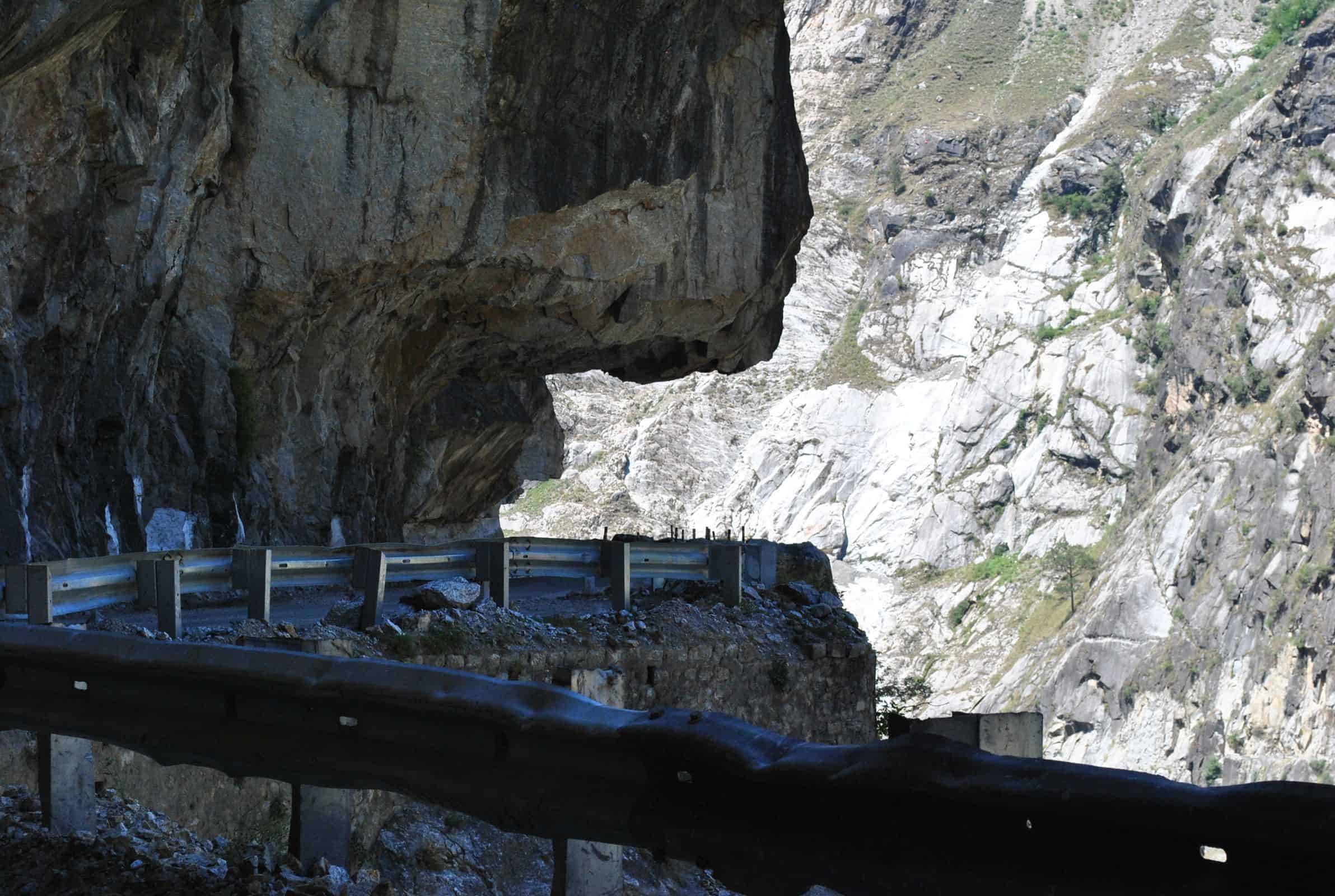
This 7-day itinerary is designed for travelers starting from Shimla. It takes you deep into the valley, all the way to Chitkul, the last inhabited village on the Indo-Tibetan border, and then brings you back through Kalpa before returning to Shimla. The route follows the historic Hindustan-Tibet Road for a large part, one of the most scenic highways in India.
Whether you are a solo traveler on a budget, a couple looking for a road trip, or a family wanting a relaxed Himalayan vacation, this itinerary works for everyone. I have kept buffer time at each stop so you do not end up rushing through the trip. That is something I always recommend for the Himalayas. Slow down, soak it in.
Practical Info at a Glance
| Total Distance | Approximately 600 km round trip from Shimla |
| Duration | 7 Days / 6 Nights |
| Best Time | May-June, September-October |
| Budget (per person) | INR 10,000-29,000 depending on travel style |
| Inner Line Permit | Not required for Indian nationals on this route |
| Difficulty | Easy to moderate (road trip, no trekking required) |
| Key Stops | Narkanda, Sarahan, Sangla, Chitkul, Kalpa |
| Last Updated | March 2026 |

Day 1: Shimla to Narkanda (65 km, 2-3 Hours)
Start your trip early from Shimla. The drive to Narkanda is short, roughly 65 km, and takes about 2-3 hours depending on traffic near Shimla. This gives you the entire afternoon to explore Narkanda.
Narkanda sits at about 2,700 meters and is known for its apple orchards, skiing slopes (in winter), and the Hatu Peak. If you reach by lunchtime, I would suggest driving up to Hatu Peak. It is about 7 km from Narkanda town and offers panoramic views of the snow-covered Himalayan ranges. The Hatu Mata Temple at the top is worth visiting.
The reason I suggest a halt at Narkanda instead of driving straight to Sarahan is simple. You break the journey into manageable chunks, and your body starts adjusting to the altitude gradually. This matters more than people realize, especially if you are coming directly from the plains.
Where to stay: Hotel Hatu, HPTDC The Hatu (government-run), or several budget guesthouses in town. Budget rooms start from around INR 800-1,200 per night.
Things to do: Hatu Peak, apple orchards (seasonal), Tannu Jubbar Lake (12 km detour), sunset views from the main market area.
Day 2: Narkanda to Sarahan (100 km, 4-5 Hours)
This is where Kinnaur really begins. The drive from Narkanda to Sarahan takes you through Rampur Bushahr, the old capital of the Bushahr kingdom. The road descends to the Sutlej River valley and then climbs again towards Sarahan.
Sarahan is famous for the Bhimakali Temple, one of the 51 Shakti Peeths of India. The temple architecture is a stunning mix of Hindu and Buddhist styles. It is also the point where you start seeing the dramatic shift in landscape, from the pine forests of Shimla to the dry, rocky terrain of Kinnaur.

Keep in mind that the road between Rampur and Sarahan can be tricky during monsoons due to landslides. In the summer months (May-June), it is generally fine. The detour from the main highway to Sarahan is about 17 km and climbs steeply.
Where to stay: HPTDC Hotel Shrikhand, Hotel Sarahan, or Temple Trust guest houses. Budget rooms available from INR 600-1,500 per night.
Things to do: Bhimakali Temple (morning puja is recommended), bird watching (Sarahan is a birding hotspot), views of Shrikhand Mahadev peak, Sarahan Pheasantry.
Day 3: Sarahan to Sangla Valley (100 km, 5-6 Hours)
The drive from Sarahan to Sangla Valley is one of the most scenic stretches of this entire trip. You descend back to the Sutlej River, drive through Jeori and Wangtu, and then take the left turn at Karcham towards the Baspa Valley.
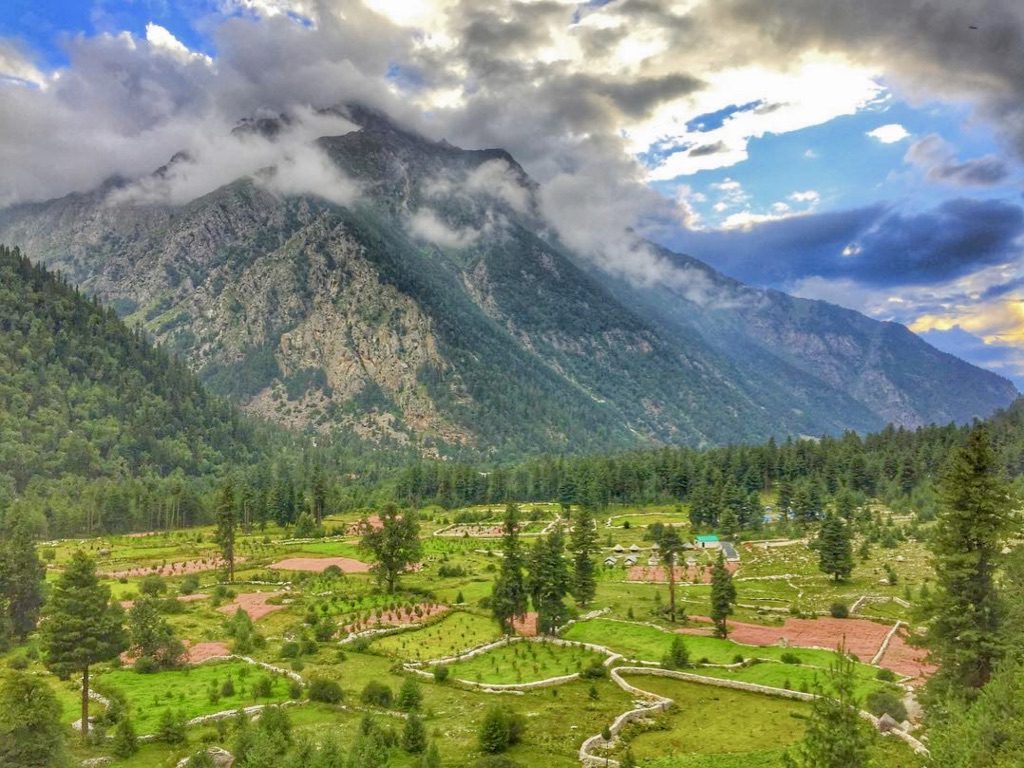
The moment you turn towards Karcham and enter the Baspa Valley, the scenery changes dramatically. The narrow road follows the Baspa River, and the valley opens up into lush green meadows surrounded by snow-capped peaks. Sangla sits at about 2,680 meters and is the largest town in the Baspa Valley.
The Karcham-Sangla road section can be rough in places due to ongoing construction of the Karcham Wangtoo hydroelectric project. Drive carefully, especially if it has rained recently. The road is narrow with sharp turns, and you may encounter trucks carrying construction material.
Where to stay: Banjara Camps Sangla, Hotel Mount View, or several homestays. Budget options start from INR 500-800 per night. Banjara Camps offer a riverside luxury experience for INR 4,000-6,000 per night.
Things to do: Visit the Kamru Fort (3 km from Sangla), walk along the Baspa River, explore the local market, visit the ancient Bering Nag Temple.


Day 4: Sangla to Chitkul and Back (52 km Round Trip, 2-3 Hours Driving)
This is the highlight day of the entire trip. Chitkul is the last inhabited village on the Indo-Tibetan border, and reaching here feels like you have arrived at the edge of the world. The drive from Sangla to Chitkul is about 26 km and takes roughly an hour.
On the way, you pass through Rakcham, another beautiful village worth a quick stop. The road to Chitkul was once a rough track, but it has been improved significantly over the years. However, the last few kilometers can still be challenging, especially after rain.

In Chitkul, spend time walking around the village, visiting the Mathi Temple dedicated to the local deity, and soaking in the views of the valley below and the mountains above. The ITBP checkpost here marks the last point civilians can visit. Beyond this, it is restricted territory.
I would recommend spending half a day at Chitkul and then returning to Sangla for the night. While there are a few guesthouses and homestays in Chitkul, the options are limited, and Sangla offers more comfort and variety for an overnight stay.
Things to do in Chitkul: Mathi Temple, ITBP checkpost area, potato farms, walk along the Baspa River, try local Kinnauri rajma-chawal at a dhaba.
Important note: Indian nationals do not need an Inner Line Permit to visit Chitkul when approaching from the Shimla-Kinnaur route. Foreign nationals should check current requirements at the SDM office in Reckong Peo or Shimla before visiting.
Day 5: Sangla to Kalpa (38 km, 2-3 Hours)
The drive from Sangla to Kalpa is short but involves going back to Karcham and then taking the main Hindustan-Tibet Road towards Reckong Peo. From Reckong Peo, Kalpa is about 8 km uphill.
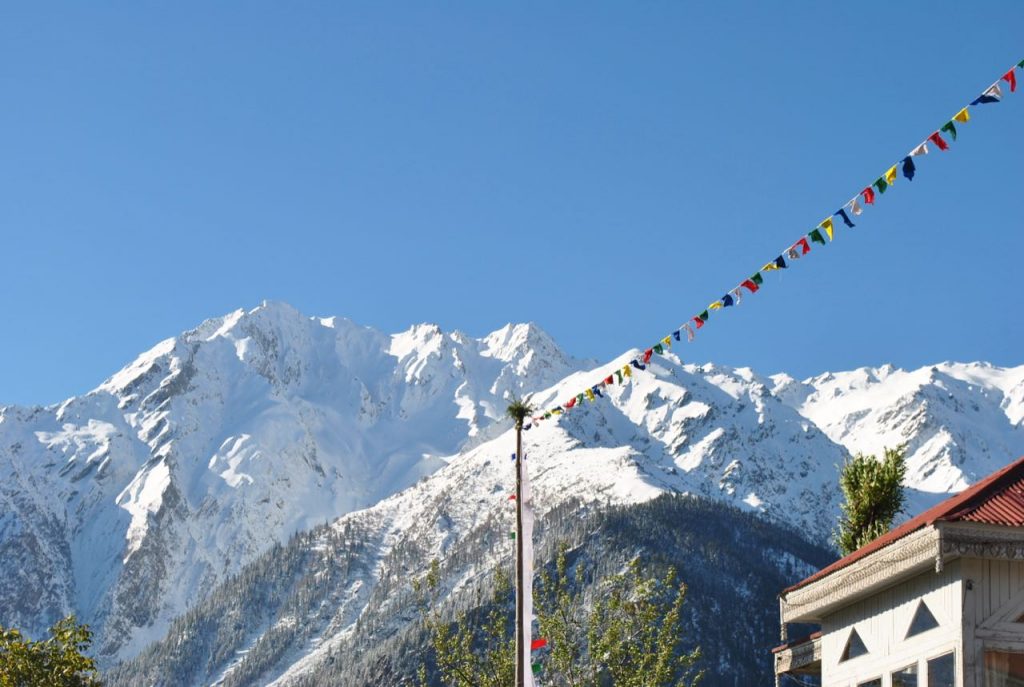
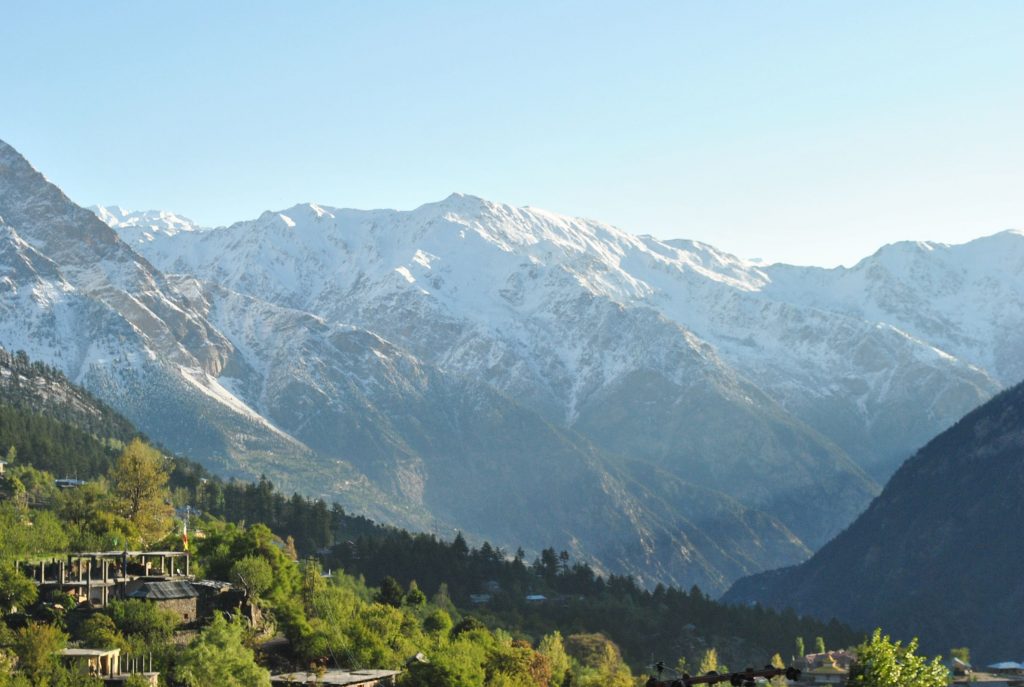
Kalpa is, in my opinion, the jewel of Kinnaur. The village sits at about 2,960 meters and offers front-row views of the Kinner Kailash range. Watching the sunrise paint the peaks in shades of gold and pink is one of those experiences that makes you understand why people keep coming back to the Himalayas.
Spend the evening exploring the old village, visiting the Narayan-Nagini Temple, and walking through the apple orchards. If you are visiting in September-October, the orchards will be loaded with apples, and you can buy them directly from farmers at very reasonable prices.
Where to stay: Hotel Kinner Kailash, Apple Pie Hotel, Zostel Kalpa (budget), or HPTDC Kinner Kailash. Budget rooms from INR 800-1,500, mid-range from INR 2,000-3,500.
Things to do: Kinner Kailash viewpoint, Narayan-Nagini Temple, Roghi Village (6 km, famous for the suicide point viewpoint), apple orchards, local monastery.
Day 6: Kalpa – Full Day Exploration
I strongly recommend spending two nights in Kalpa. This gives you a full day to explore the area without the pressure of packing up and moving. Most travelers rush through Kalpa in a few hours, and that is a mistake.
Use this day for a visit to Roghi Village, about 6 km from Kalpa. The drive takes you through apple orchards and the views of the valley from Roghi are spectacular. The village itself is small and quiet, perfect for an unhurried walk.
In the afternoon, visit Reckong Peo if you need supplies, cash from ATMs, or want to explore the local market. Reckong Peo is the district headquarters and has better connectivity and facilities than Kalpa. You can also visit the Reckong Peo monastery here.
Back in Kalpa, watch the sunset over the Kinner Kailash. The evening light on these peaks is something you will remember for years. Grab a hot cup of chai and some apple pie at one of the local cafes. Kalpa is one of those places where doing nothing is the best thing you can do.
Tip: If you are interested in extending the trip, you can drive from Kalpa towards Nako and further into Spiti Valley. The road from Kalpa to Nako is about 110 km and takes 4-5 hours. This is the Shimla-Kinnaur-Spiti route that connects to Kaza and beyond.
Day 7: Kalpa to Shimla (235 km, 8-10 Hours)
The return journey to Shimla is a long one. Start early, ideally by 6 AM, so you can reach Shimla before dark. The road is the same Hindustan-Tibet Road you came on, but driving it in the opposite direction gives you a completely different perspective.
You will pass through Reckong Peo, Wangtu, Rampur, and Narkanda on the way back. If time permits, stop at Rampur for lunch. The town has a few decent restaurants near the main bazaar. You can also take a break at Narkanda if you need to stretch your legs.
The stretch from Shimla town to the highway exit can be slow due to traffic, so keep that in mind. If you are catching a bus from Shimla ISBT, reaching by 4-5 PM gives you enough buffer.
Alternative return: If you have an extra day, consider breaking the return journey at Narkanda or Rampur. This turns the drive into a relaxed 2-day return instead of one exhausting day.
How to Reach Kinnaur Valley from Delhi
Most travelers start their Kinnaur trip from either Delhi or Chandigarh. Here are the options.
By Bus
HRTC operates daily buses from Delhi ISBT Kashmere Gate to Shimla. The Volvo semi-sleeper is the most comfortable option and takes about 9-10 hours. From Shimla ISBT Tutikandi, you can catch an HRTC bus to Reckong Peo (approximately 225 km, 8-10 hours). Buses to Reckong Peo depart early morning, so plan an overnight stay in Shimla if arriving late from Delhi.
For budget travelers using public transport, there are also local HRTC buses connecting Reckong Peo to Sangla (approximately 2-2.5 hours) and Sangla to Chitkul (approximately 1 hour, 3 buses daily). Check the official HRTC website for current schedules and fares, as they change seasonally.
By Car
If you are self-driving, the route is Delhi – Chandigarh – Shimla – Narkanda – Rampur – Kinnaur. Total distance from Delhi to Sangla is roughly 550 km. The roads are mostly well-maintained except for some stretches in Kinnaur that see frequent landslides. A sedan can manage the entire route, though an SUV is more comfortable.

Taxi hire from Shimla for a 7-day Kinnaur trip costs approximately INR 3,000-3,500 per day for an Innova or similar vehicle. For the full trip, expect to pay around INR 18,000-22,000 for the taxi, depending on the season and negotiation.
By Train
The nearest railway station to Kinnaur is Shimla (on the Kalka-Shimla narrow gauge line) or Chandigarh. From Chandigarh, you can take a bus or taxi to Shimla (112 km, 3-4 hours) and continue to Kinnaur from there.
What is the Best Time to Visit Kinnaur Valley?
The best months to visit Kinnaur Valley are May, June, September, and October. Each season offers something different, and your choice should depend on what you want from the trip.
May-June: Pleasant weather, clear skies, green valleys. Temperatures range from 10 to 25 degrees Celsius. Roads are generally open and in good condition. This is the peak tourist season, so book accommodation in advance.
July-August: Monsoon season. Heavy rainfall, frequent landslides, and road closures. I would strongly advise against visiting Kinnaur during these months unless you are prepared for delays and cancellations. The road conditions can be quite challenging.
September-October: Post-monsoon is arguably the best time. The weather is crisp, the apple orchards are loaded, and the autumn colors in the valley are stunning. This is when you get the clearest views of the Kinner Kailash range.
November-April: Winter in Kinnaur is harsh. Heavy snowfall, sub-zero temperatures, and road closures are common. Only experienced winter travelers should attempt this. The road to Chitkul is usually closed from December to March.
Kinnaur Valley 7-Day Trip Budget Breakdown
Here is a realistic budget breakdown for a 7-day Kinnaur Valley trip per person. I have split it into three categories so you can plan according to your comfort level.
| Expense | Budget (INR) | Mid-Range (INR) | Comfort (INR) |
|---|---|---|---|
| Transport (Delhi-Shimla-Kinnaur round trip) | 2,500-3,000 | 5,000-7,000 | 18,000-22,000 |
| Accommodation (6 nights) | 3,600-4,800 | 9,000-12,000 | 18,000-24,000 |
| Food (7 days) | 2,800-3,500 | 4,200-5,600 | 7,000-8,400 |
| Local Transport / Sightseeing | 500-1,000 | 2,000-3,000 | 3,000-5,000 |
| Miscellaneous | 500-1,000 | 1,000-1,500 | 2,000-3,000 |
| Total Per Person | 9,900-13,300 | 21,200-29,100 | 48,000-62,400 |
Budget: HRTC buses, dormitories or basic guesthouses, dhabas and local restaurants.
Mid-Range: Mix of buses and shared taxis, decent hotels with attached bathrooms, restaurants with varied menus.
Comfort: Private taxi for the entire trip, well-reviewed hotels and camps, restaurant meals with room service options.
For a detailed cost analysis, check out our Kinnaur Valley trip cost guide which breaks down expenses in more detail.
What to Pack for Kinnaur Valley
Packing right can make or break a Himalayan trip. Here is what I recommend for a 7-day Kinnaur trip.
- Layers: Even in summer, mornings and evenings are cold. Carry a fleece jacket and a light windcheater. If traveling in September-October, a down jacket is recommended.
- Rain gear: A waterproof jacket or poncho is essential, especially in May-June when unexpected showers are common.
- Comfortable shoes: Sturdy walking shoes are enough. You do not need trekking boots for this itinerary.
- Sunscreen and sunglasses: The UV radiation at altitude is much stronger than in the plains. SPF 50+ sunscreen is a must.
- Power bank: Mobile network is spotty in Kinnaur. BSNL works best, followed by Jio in some areas. Airtel has limited coverage. Carry a good power bank as charging points may not always be available.
- Cash: ATMs are available at Reckong Peo and Rampur. Beyond that, do not rely on finding ATMs. Carry enough cash for 3-4 days at a time. UPI works at some hotels and restaurants but is not universally accepted.
- Medicines: Basic first-aid kit, Diamox if you are altitude-sensitive (consult your doctor), and any personal medication. Pharmacies are scarce beyond Reckong Peo.
For a comprehensive packing list, you can also refer to our tips on carrying clothes for a Himalayan trip. Most of the advice applies to Kinnaur as well.
Safety Tips for Kinnaur Valley
Kinnaur is generally safe for all types of travelers, but there are a few things you should keep in mind.
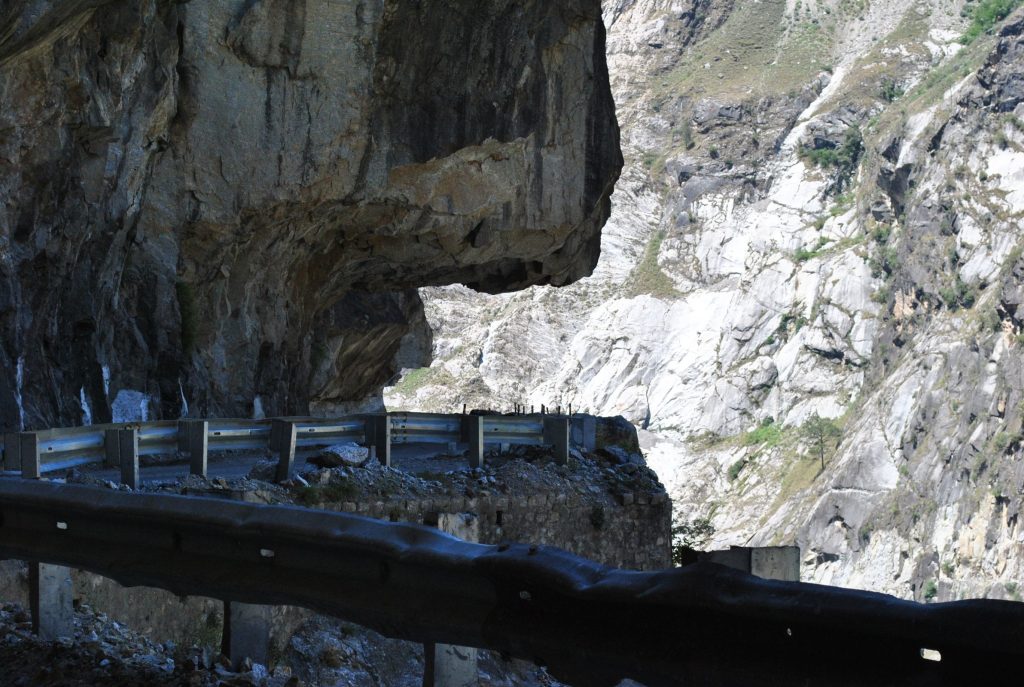
- Road conditions: The Hindustan-Tibet Road sees frequent landslides, especially during and after monsoons. Always check road conditions before starting your day. The stretch between Wangtu and Karcham is particularly prone to disruptions.
- Altitude: While Kinnaur is not as high as Ladakh or Spiti, Kalpa and Chitkul are above 2,600-3,400 meters. Altitude sickness can affect some people. Stay hydrated, avoid alcohol in the first couple of days, and do not rush the itinerary.
- Night driving: Avoid driving after dark on the Hindustan-Tibet Road. The roads are narrow, unlit, and have sharp drops. Plan your travel so you reach your destination before sunset.
- Mobile connectivity: BSNL has the best coverage in Kinnaur. Jio works in some towns. Airtel and Vodafone-Idea have very limited or no connectivity beyond Rampur. Inform your family about this before you leave so they do not worry about gaps in communication.
- Fuel: The last reliable petrol pump before Kinnaur is at Rampur. There is a pump at Reckong Peo, but availability can be inconsistent. Fill up at Rampur.
Frequently Asked Questions About Kinnaur Valley Itinerary
Here are answers to the most common questions I get about planning a Kinnaur Valley trip.
Do I need an Inner Line Permit for Kinnaur Valley?
Indian nationals do not need an Inner Line Permit to visit Kinnaur Valley, including Chitkul, when traveling from the Shimla side. Foreign nationals need to check with the SDM office in Shimla or Reckong Peo for current requirements, as permits may be needed for areas close to the Indo-Tibetan border.
Can I visit Kinnaur Valley in winter?
You can, but it requires careful planning. The road to Chitkul is usually closed from December to March due to heavy snow. Kalpa and Sangla remain accessible in most winters, though road conditions can be challenging. Read our Kinnaur in winters guide for detailed tips.
Is Kinnaur Valley safe for solo female travelers?
Yes, Kinnaur is generally safe for solo female travelers. The locals are hospitable, and the tourist infrastructure at places like Kalpa and Sangla is well-developed. As with any remote Himalayan destination, take standard precautions, inform someone about your itinerary, and avoid traveling on deserted roads after dark.
Can I do this itinerary by public transport?
Yes, it is possible. HRTC buses connect Shimla to Reckong Peo, Reckong Peo to Sangla, and Sangla to Chitkul. However, buses are infrequent and you may need to add an extra day or two to the itinerary to account for bus timings. Check our Kinnaur by public transport guide for the complete bus schedule.
What is the road condition from Shimla to Kinnaur?
The Shimla to Narkanda stretch is excellent (NH-5). From Narkanda to Rampur, the road is good. From Rampur onwards into Kinnaur, road quality varies. Some stretches are smooth, while others are under construction or damaged by landslides. The Karcham to Sangla road is narrow and can be rough. Overall, any well-maintained vehicle can handle the route.
Can I extend this trip to include Spiti Valley?
Absolutely. From Kalpa, you can continue on the Hindustan-Tibet Road towards Nako, Tabo, and Kaza in Spiti Valley. This adds at least 4-5 more days to the trip. Check our Spiti Valley from Shimla-Kinnaur guide for the extended itinerary.
Is there mobile network in Kinnaur Valley?
BSNL has the best coverage across Kinnaur, including Sangla, Chitkul, and Kalpa. Jio works in Reckong Peo and some major towns. Airtel and Vodafone-Idea have limited to no coverage beyond Rampur. Consider getting a BSNL prepaid SIM before the trip if staying connected is important.
What food is available in Kinnaur Valley?
North Indian food (dal, rice, roti, sabzi) is available everywhere. Kinnauri cuisine includes dishes like siddu (steamed bread), aktori (buckwheat pancake), and local rajma-chawal. In Kalpa and Sangla, you will find restaurants serving Chinese, continental, and Tibetan food as well. Chitkul has limited food options, mostly dhabas serving basic meals.
Related Reading
If you are planning a trip to Kinnaur Valley, these guides from the blog will help you plan better.

- Kinnaur Valley Complete Travel Guide – covers Kalpa, Sangla, and Chitkul in detail
- Best Time to Visit Kinnaur Valley – Month by Month
- Tips for Camping in Kinnaur Valley
- 5 Reasons to Travel Spiti Valley from Shimla-Kinnaur Route
Final Thoughts
A 7-day Kinnaur Valley itinerary from Shimla gives you enough time to see the best of this region without rushing. From the apple orchards of Narkanda and the ancient temples of Sarahan to the pristine beauty of Sangla Valley and the remoteness of Chitkul, each day brings something new.
The key to enjoying Kinnaur is to not pack too much into each day. Keep buffer time, stop at villages that catch your eye, talk to the locals, and let the valley reveal itself at its own pace. This is not a destination where you tick off checkpoints. It is a place where the journey itself is the experience.
If you have any questions about this itinerary or need help planning your trip to Kinnaur, feel free to ask in the comments section below. You can also join our community on social media where fellow travelers share real-time updates on road conditions, weather, and travel tips. Safe travels, my friend 🙂
