


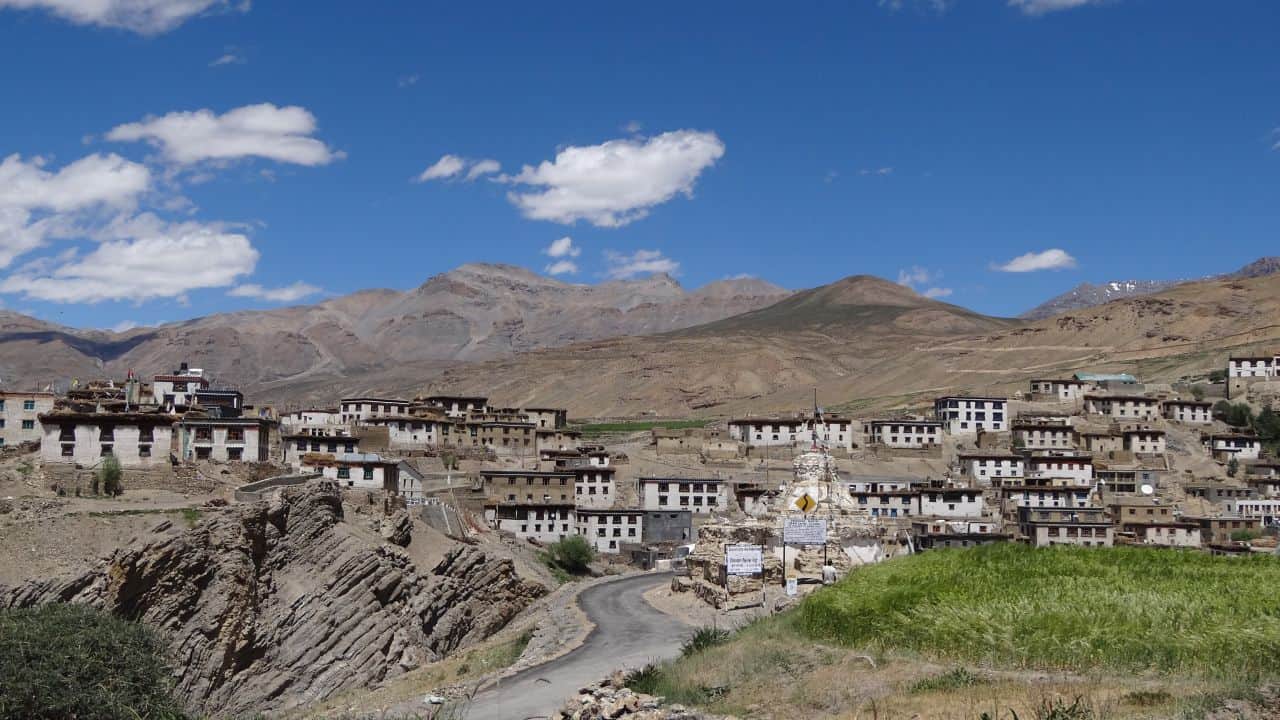
The Kanamo Peak sits at 19,553 ft (5,974 m), hidden behind Kibber and Tashi Gang villages in the heart of Spiti Valley. It is one of the few peaks above 19,000 ft in India that you can summit without professional mountaineering skills. That said, do not mistake “trekkable” for “easy.” This is a serious high-altitude trek that demands proper fitness, acclimatization, and respect for the mountains.
I get a lot of questions about Kanamo on the blog and in our community. Most people want to know how it compares to Stok Kangri, what the cost looks like, and whether they can do it without a guide. In this guide, I have covered everything you need to plan the Kanamo Peak trek in 2026, from the day-by-day itinerary to permits, budget, fitness requirements, and practical tips that will actually help you on the trail.
Let's quickly dive into the details:
Practical Info at a Glance
| Summit Altitude | 19,553 ft (5,974 m) |
| Best Time to Trek | July to mid-October (July-August best, September for fewer crowds) |
| Duration | 7-9 days from Manali and back, plus travel days from Delhi/Chandigarh |
| Difficulty | Difficult. You should have completed at least one prior trek above 14,000 ft |
| Permits Required | Forest Department permit + camping permission for Indians (about Rs 200-300); PAP/ILP for foreign nationals (about Rs 200-400) |
| Budget | Rs 11,400-21,400 independent, or Rs 28,300-36,000 with a trek operator |
| Nearest ATM/Fuel | Kaza, 19 km from Kibber (ATM unreliable). No fuel pump or ATM in Kibber itself |
| Mobile Network | Intermittent BSNL in Kibber, none at base camp or above |
| Last Updated | September 2026 |
What Makes Kanamo Peak Trek Special?
Kanamo is a trekkable peak. What that means is you do not need technical mountaineering gear like ropes, harnesses, or ice axes to reach the summit. Your main tools are your legs, your lungs, and your willpower. The trek starts from Kibber village at 14,108 ft and takes you to 19,553 ft over the course of several days, with proper acclimatization built into the itinerary.
Quick answer: Kanamo Peak (19,553 ft) is one of India’s few peaks above 19,000 ft climbable without ropes, crampons, or a mountaineering certificate. What it demands instead is fitness, patience for a 9-day itinerary with two built-in acclimatization days, and respect for a genuinely steep, 80-degree final summit push.
A similar peak that has become highly popular among trekkers is Stok Kangri at 20,190 ft. Kanamo trumps Stok Kangri because of its seclusion. Stok has become somewhat commercialized, and if you are seeking true isolation and oneness with nature, Kanamo fits the bill. The 360-degree views from the summit include the Shilla Peak (Kanamo’s sister peak), Parang La pass leading to Ladakh, Pin Parvati pass leading to Kullu Valley, and ranges of Kinnaur, Lahaul, and Spiti stretching in every direction.
Kanamo Peak Trek at a Glance
| Detail | Information |
|---|---|
| Summit Altitude | 19,553 ft (5,974 m) |
| Base Camp Altitude | 15,748 ft (4,800 m) |
| Starting Point | Kibber Village (14,108 ft) |
| Total Trek Distance | ~22-30 km round trip (figures vary by exact route taken above base camp) |
| Duration | 7-9 days (from Manali and back) |
| Difficulty | Difficult (prior high-altitude experience required) |
| Best Time | July to mid-October |
| Permit Required | Yes (Forest Dept + Camping Permission) |
| Nearest Town | Kaza (19 km from Kibber) |
| Mobile Network | BSNL in Kibber, none at base camp |
How Fit Do You Need to Be for Kanamo Peak Trek?
This is not a beginner trek. You should have completed at least one or two high-altitude treks above 14,000 ft before attempting Kanamo. Treks like Hampta Pass, Bhrigu Lake, or Kedarkantha will give you a good baseline for understanding how your body responds to altitude.
Quick answer: You need at least one prior trek above 14,000 ft, such as Hampta Pass or Kedarkantha, before attempting Kanamo. Summit day alone covers 10-11 km over 12-13 hours with a punishing 80-degree final scree slope, so start training 6-8 weeks out with cardio, loaded stair climbs, and leg-strength work.
The summit day is the real test. You will ascend almost 4,000 ft from base camp to the peak and descend back to base camp on the same day, covering about 10-11 km over 12-13 hours. The final leg involves an extremely steep 80-degree slope where it is easy to slip with every step. Large strides work better than small steps on this section.
Fitness benchmarks to aim for before the trek:
- Run 5 km in under 30 minutes comfortably
- Trek 15-20 km on hilly terrain with a 10 kg backpack
- Do 3-4 sets of squats and lunges (20 reps each) without excessive soreness the next day
- Climb 4-5 floors of stairs with a loaded backpack without gasping for breath
Start training at least 6-8 weeks before your trek date. Focus on cardio, leg strength, and core stability. The better your fitness base, the more you will enjoy the trek instead of just surviving it.
How to Reach the Kanamo Peak Trek Basecamp?
The Kanamo trek starts from Kibber village, which is 19 km from Kaza, the main town of Spiti Valley. To reach Kaza, you have two primary routes from Delhi or Chandigarh.
Quick answer: Kibber is 19 km from Kaza, reached via Manali (10-14 hr overnight bus to Manali, then 7-10 hrs to Kaza via the Atal Tunnel and Kunzum Pass) or the longer, scenic Shimla-Kinnaur route. Most trekkers use the Manali side since the HRTC bus and shared taxis run daily only from June to October.
Route 1: Via Manali (Most Common)
Delhi/Chandigarh to Manali (overnight bus, 10-14 hours), then Manali to Kaza (7-10 hours via Atal Tunnel and Kunzum Pass). The Atal Tunnel, which opened in October 2020, has cut down the travel time by 2-3 hours since you no longer need to cross Rohtang Pass. The route goes through Gramphu, Batal, Kunzum Pass, and then into the Spiti Valley. For a detailed breakdown of this route, check out our Spiti via Manali planning guide.
Route 2: Via Shimla-Kinnaur (Scenic but Longer)
Delhi/Chandigarh to Shimla, then Shimla to Kaza via Kinnaur Valley (2-3 days). This route passes through Kinnaur Valley and is longer but incredibly scenic. Most trekkers prefer the Manali route for speed, but the Shimla-Kinnaur route works well if you plan to do a Spiti circuit (enter from one side, exit from the other).
Transport Options to Kaza
| Mode | Route | Cost (2026 approx) | Duration |
|---|---|---|---|
| HRTC Bus | Manali to Kaza | Rs 500-700/person | 8-10 hrs |
| Shared Taxi | Manali to Kaza | Rs 1,400/person | 7-8 hrs |
| Private Taxi (SUV) | Manali to Kaza | Rs 8,000-12,000 | 7-8 hrs |
| HRTC Bus | Shimla to Kaza (via Reckong Peo) | Rs 600-900/person | 16-18 hrs (with halt) |
The HRTC bus from Manali to Kaza typically departs around 5-6 AM. This is a seasonal service that operates only from June to October when the Kunzum Pass route is open. Fares are revised most seasons, so confirm at the Manali HRTC counter before you travel. From Kaza, you can hire a local taxi to Kibber for about Rs 800-1,000, or take the local bus that runs a few times daily.
What Is the Detailed Day-by-Day Itinerary for Kanamo Peak Trek?
Here is a 9-day itinerary that builds in enough acclimatization days. Skipping the acclimatization days is the single biggest mistake trekkers make on Kanamo. At these altitudes, Acute Mountain Sickness (AMS) can hit anyone regardless of fitness level, and it can turn dangerous quickly.
Quick answer: The safe itinerary runs 9 days counted from Manali: 1 rest day in Manali, 1 drive day to Kaza, a short drive to Kibber, 2 acclimatization days (Kibber and base camp), a day up to base camp, 1 summit day, and 2 days to descend and return to Manali. Do not compress the acclimatization days.
Day 0: Delhi/Chandigarh to Manali
550 km | 14 hours by bus
Take an overnight bus from Delhi or Chandigarh. HRTC Volvo buses cost Rs 1,200-1,500 and depart from ISBT Kashmere Gate around 5-6 PM. Private Volvo sleeper buses in the Rs 1,500-2,500 range are also available through various online booking platforms. You will reach Manali early in the morning.
Day 1: Rest and Explore Manali
Altitude: 6,725 ft (2,050 m)
Reach early morning and check into your hotel. Manali has accommodation across all budgets, from Rs 500 hostels to Rs 5,000+ resorts. Spend the day resting, exploring Old Manali’s cafes, and eating well. Do not overdo it. You have a long drive tomorrow. Pack and prepare your gear for the trek ahead.
Day 2: Manali to Kaza
204 km | 7-10 hours | Altitude: 12,467 ft (3,800 m)


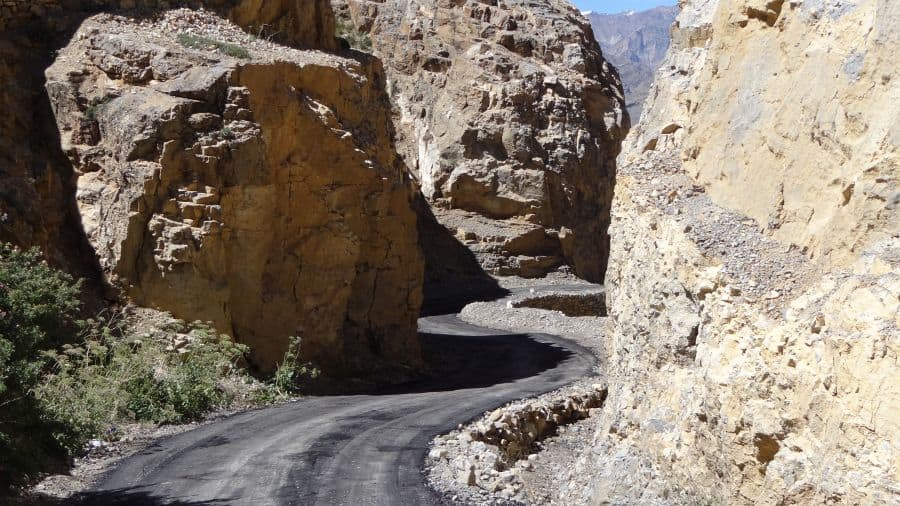
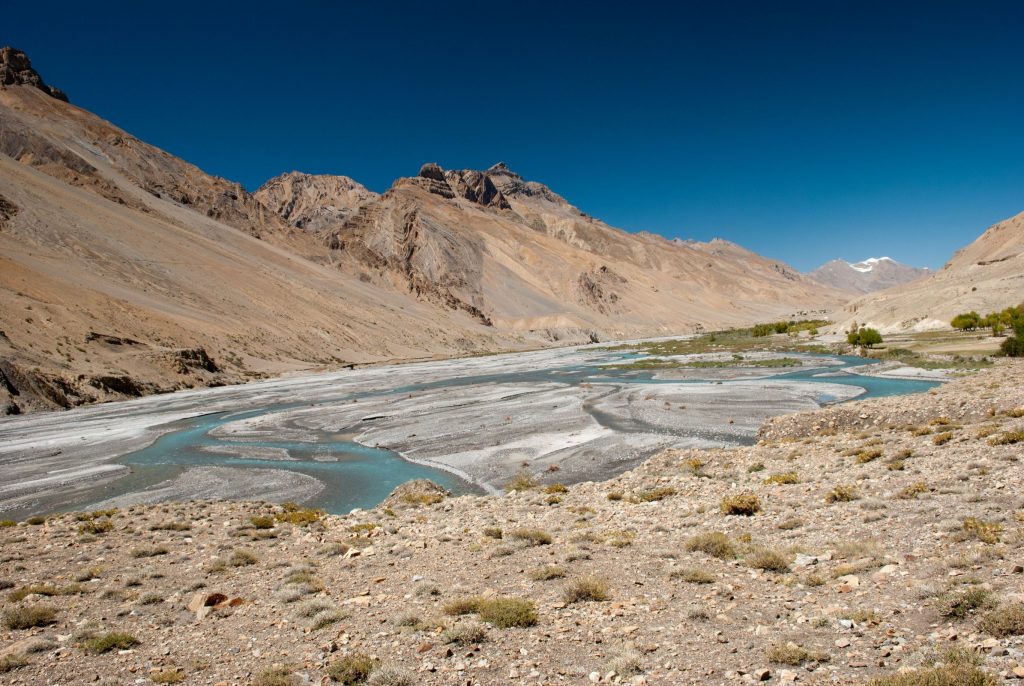
Leave as early as possible, preferably before sunrise. You will take the Atal Tunnel (no permit needed for the tunnel itself) to reach Gramphu, then take the diversion towards Batal and Kunzum Pass. Post-Batal, you enter the true Spiti Valley with its arid landscapes and tiny villages. The scenery shifts dramatically from green Lahaul to the brown, moon-like terrain of Spiti.
Reach Kaza by evening. There are plenty of hotels and guesthouses here, ranging from Rs 500-2,500 per night. This is your first night above 12,000 ft, so drink plenty of water, avoid alcohol, and eat light. This is Day 1 of your acclimatization.
Day 3: Kaza to Kibber
19 km | 1 hour drive | Altitude: 14,108 ft (4,300 m)
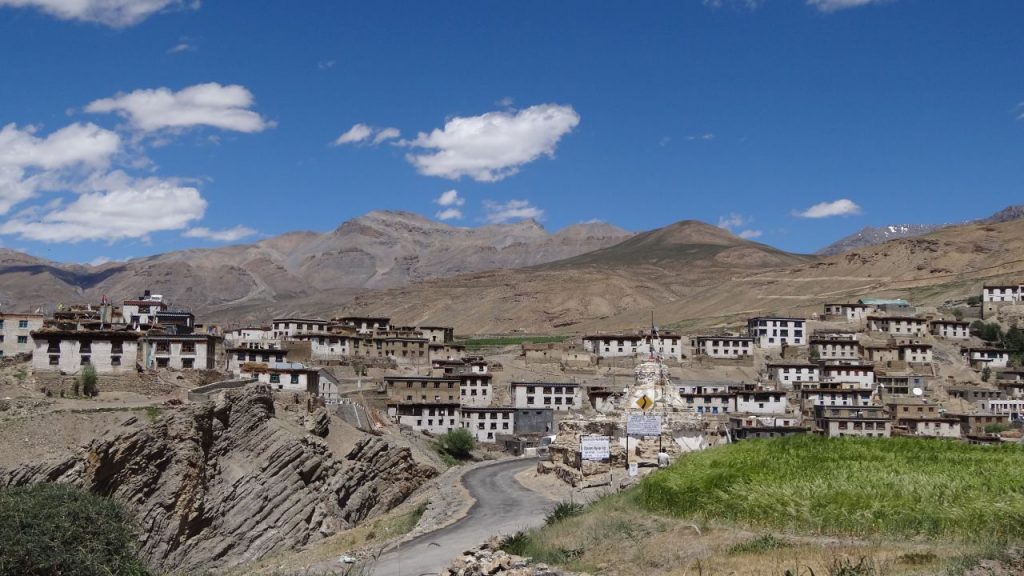
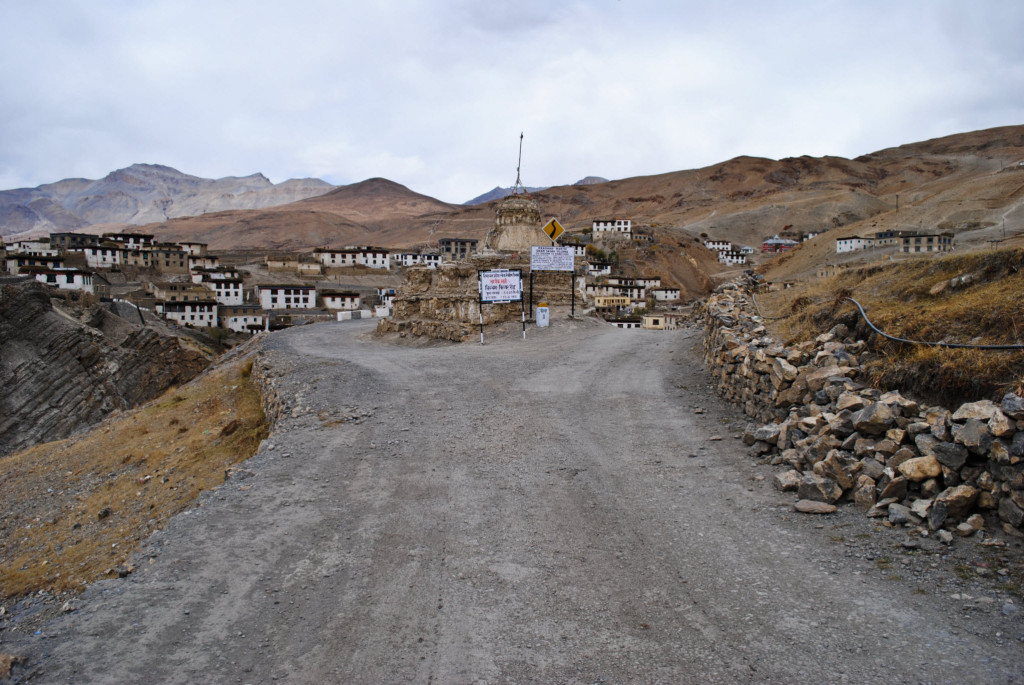
A short, easy drive to Kibber village, which serves as the starting point and base for the Kanamo trek. Once settled into your homestay (Rs 800-1,500 per night including meals), go visit the Key Monastery. The stunning 11th-century monastery sits atop a hill while the Spiti river flows through the valley below. Interact with the monks, visit the prayer rooms, and browse through old manuscripts. It is an experience that stays with you.
In the afternoon, do an acclimatization walk. Climb a nearby hill gradually for about 60-90 minutes, gaining elevation and then coming back down. This trains your body to function with limited oxygen. Kibber is a tiny village of about 80 households, and the locals are friendly and wonderful to interact with. Spend the evening soaking in the culture of this high-altitude settlement.
Day 4: Acclimatization Day at Kibber
Altitude: 14,108 ft (4,300 m)
Another day to acclimatize. Take a longer walk to explore the surrounding hills and nearby areas. Some trekkers walk towards Tashi Gang or Gette, two of the highest inhabited villages in Asia. This is an important day and should not be skipped, no matter how fit you feel. It also gives you much-needed rest before the actual trekking begins.
Chicham Bridge: A Worthwhile Detour While You Acclimatize
While you are killing time in Kibber on Day 3 or Day 4, do not skip the short drive or walk out to Chicham Bridge. It connects Chicham and Kibber villages across the Samba Lamba gorge and sits at 13,596 ft (4,145 m), which makes it Asia’s highest suspension bridge by elevation. It opened in 2017 after nearly 15 years of construction, replacing a hand-pulled ropeway crossing that locals still talk about with a shudder. The deck itself is 114 metres long and hangs roughly 150 metres above the gorge floor.
It is an easy, flat detour, so it will not tax your legs before summit day, and the walk out gives your body one more low-effort acclimatization stretch above 13,000 ft. Kibber also sits inside the Kibber Wildlife Sanctuary, one of the higher-altitude protected areas in the Himalayas and known snow leopard habitat, though your odds of a sighting on a summer trek are low since the cats are most active here in winter.
Day 5: Kibber to Kanamo Base Camp
5 km | 6-7 hours | Altitude: 15,748 ft (4,800 m)
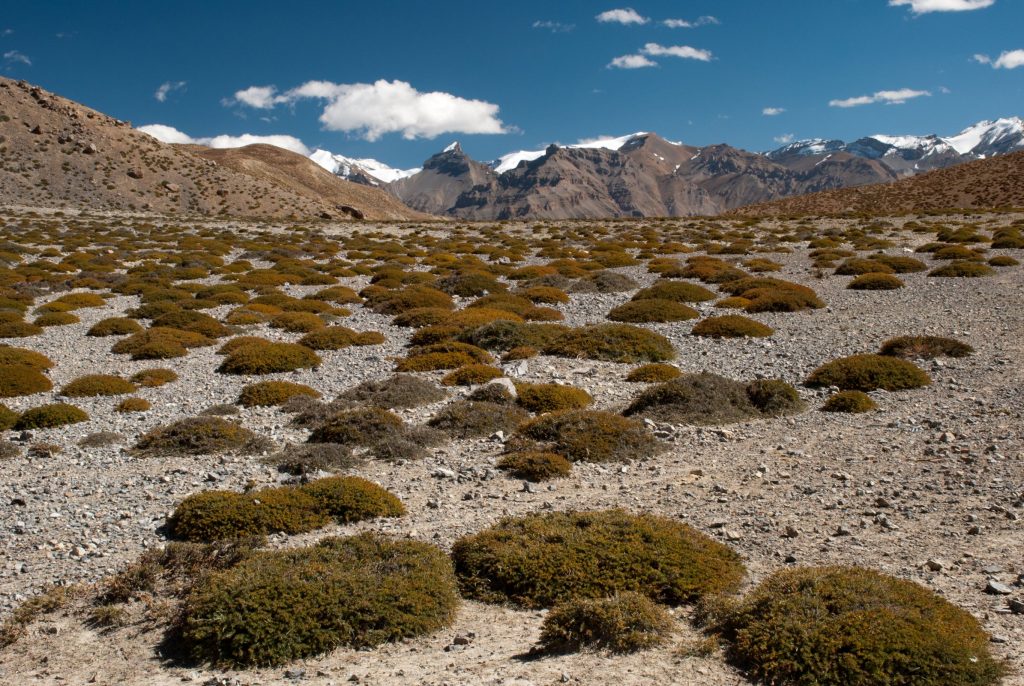
Your trek begins in earnest. The day involves a fairly moderate but continuous uphill trek that takes 6-7 hours. The first 3-4 hours feel steep as you climb through rocky slopes and grassy meadows. Right at the beginning, you cross fields of green peas that Kibber is known for.
Throughout the day, you will cross 2 small lakes. The last two hours are especially scenic, and since the gradient eases out, you can actually enjoy the views. Look out for unique rock formations about a kilometer before base camp. These contain fossils of marine creatures from when this entire region was under the Tethys Sea millions of years ago.
Water tip: The only water source after Kibber is a lake about an hour before base camp. Carry at least 2-3 liters of water from Kibber. Dehydration at this altitude can derail your entire trek. Start early in the morning to avoid afternoon winds.
Day 6: Acclimatization at Base Camp
Altitude: 15,748 ft (4,800 m)
Rest and acclimatize at base camp. The location is stunning, surrounded by mountains on all sides. Use this day to check your gear, rest your legs, eat well, and hydrate. If you are trekking with an operator, they will typically do a briefing about the summit attempt. If you are going independently, review the route and mentally prepare for the long day ahead. There is no point in skipping this day. It will do you no good.
Day 7: Summit Day (Base Camp to Kanamo Peak and Back)
~10-11 km round trip | 12-13 hours | Summit: 19,553 ft (5,974 m)
This is the big one. I am not going to sugarcoat it. Summit day is strenuous and will test everything you have. You will start at 1-3 AM in complete darkness (headlamps are essential). The goal is to reach the first shoulder of the mountain by dawn. If you start later, the return journey becomes dangerous due to afternoon winds and deteriorating weather.
The climb is continuous for 3-4 hours on an extremely steep hillside. By the time you reach the second shoulder, the wind picks up and the cold becomes biting. Ensure your face, hands, and feet are well protected with proper layered gear. You should definitely check out our recommended must-have things to carry on a trek before you pack.
The last leg is a steep ascent of about 80 degrees on loose scree. It is easy to slip down each time you take a step up. Keep in mind that large strides work better than small steps on this section. This four-hour climb brings you to the summit.
At the summit, you are greeted with 360-degree views of the greater Himalayas. The Parang La pass leading to Ladakh on one side, the Pin Parvati pass leading to Kullu valley on the other, and ranges of Kinnaur, Lahaul, and Spiti all around. From behind, a huge glacier stretches out. Kanamo is actually a twin peak. Its sister peak, Shilla, stands right next to it, usually covered in snow, while Kanamo typically only has a small snow patch.
Carry at least 3 liters of water. There are no water sources on the summit route. The descent takes about 2.5-3 hours back to base camp. Your body will be exhausted after this 12-13 hour day. Eat a healthy meal and rest well.
Day 8: Base Camp to Kibber
5 km | 4-5 hours descending | Altitude: 14,108 ft
A descending day. Again, the only water source is the lake one hour after base camp, so carry sufficient water. This trek back is particularly picturesque. The inviting Spiti Valley ahead and the majestic peaks behind you make for an amazing experience. You will feel a sense of accomplishment that is hard to describe. Reach Kibber by afternoon and enjoy a well-deserved hot meal at your homestay.
Day 9: Kibber to Manali (or Explore Spiti)
204 km | 7-10 hours
Start early if you want to reach Manali the same day. However, I highly recommend spending an extra day or two exploring Spiti Valley since you are already here. Visit Langza with its massive Buddha statue overlooking fossil-rich meadows, Komic which claims to be one of the highest motorable villages in the world, and Hikkim which has the world’s highest post office. The exploring options in Spiti are truly limitless.
What Permits Do You Need for Kanamo Peak Trek?
You need permits from the local forest department and camping permission before trekking to Kanamo Peak. If you are going with a trek operator (which I recommend for first-timers on this route), they will handle all permits as part of their package. If you are trekking independently, you will need to arrange the following:

Quick answer: Indian nationals need only a Forest Department trekking permit and camping permission from the Kaza forest range office, capped at roughly Rs 200-300 per person as of 2026. No Inner Line Permit applies to Indians in Spiti. Only foreign nationals need a Protected Area Permit, arranged through the SDM office.
- Forest Department Permit: Apply at the Forest Range Office in Kaza. Carry valid photo ID, passport-size photos, and a detailed itinerary. As of 2026, the fee is capped at roughly Rs 200-300 per person, though it is worth confirming the exact figure locally since Himachal’s trekking-permit fees get revised from time to time.
- Camping Permission: Required for setting up camp at the base camp. This is usually bundled into the Forest Department permit fee above, and sometimes charged separately at Rs 100-200.
- Inner Line Permit / PAP: Indian nationals do not need any permit to enter Spiti Valley itself. Foreign nationals need a Protected Area Permit, commonly called an Inner Line Permit locally, from the SDM office in Kaza or Reckong Peo, typically Rs 200-400 per person, arranged through a registered travel agency with a minimum group size of 2 (Kaza and Reckong Peo have been known to waive this rule for solo travelers). You can read more in our Inner Line Permits for Kinnaur, Lahaul and Spiti Valley guide.
If you are self-driving in via Manali, keep one more fee in mind. The Lahaul-Spiti district administration collects a seasonal vehicle entry fee through the Spiti Area Development Authority (SADA) once the Manali-Kaza road opens for summer, with the collection barrier at Losar rather than at Sumdo (Sumdo is for the Kinnaur-side entry point). Reported rates are Rs 100 for two-wheelers, Rs 200 for cars, and Rs 300 for SUVs and MUVs, cash only. This is a separate vehicle-entry charge, not your Kanamo trekking permit, so do not confuse the two counters.
Keep in mind that permits are checked at various points, so carry originals and photocopies at all times during the trek.
How Much Does the Kanamo Peak Trek Cost in 2026?
The cost depends heavily on whether you go with a trek operator or plan it independently. Here is a rough budget breakdown for both approaches.
Quick answer: Budget Rs 11,400-21,400 per person if you plan independently using local homestays and the HRTC bus, or Rs 28,300-36,000 with a trek operator who handles permits, a guide, a porter, and camping gear for you. Either way, add Rs 2,500-4,000 for your Delhi or Chandigarh to Manali bus.
With Trek Operator (All-Inclusive)
| Expense | Cost (per person) |
|---|---|
| Trek operator fee (includes meals, camping, guide, porter) | Rs 19,000-22,000 |
| Transport: Manali to Kibber and back | Rs 4,800-5,000 |
| Delhi to Manali (round trip, bus) | Rs 2,500-4,000 |
| Accommodation in Manali (1-2 nights) | Rs 1,000-3,000 |
| Gear rental (if needed) | Rs 1,000-2,000 |
| Total (with operator) | Rs 28,300-36,000 |
Independent Trek (Budget)
| Expense | Cost (per person) |
|---|---|
| Delhi to Manali bus (round trip) | Rs 2,500-4,000 |
| Manali to Kaza (HRTC bus, round trip) | Rs 1,000-1,400 |
| Kaza to Kibber taxi (shared, round trip) | Rs 300-500 |
| Kibber homestay (2-3 nights) | Rs 1,800-4,500 |
| Manali stay (1-2 nights) | Rs 1,000-3,000 |
| Kaza stay (1 night) | Rs 500-1,500 |
| Local guide (Kibber, summit day) | Rs 2,000-3,000 |
| Food and miscellaneous | Rs 2,000-3,000 |
| Permits (forest + camping) | Rs 300-500 |
| Total (independent) | Rs 11,400-21,400 |
For a detailed understanding of overall Spiti Valley trip costs, you can check our Spiti Valley budget guide.
What Should You Carry for Kanamo Peak Trek?
Packing right can make or break your Kanamo experience. Here is what you need.
Essential Gear
- Trekking boots: Sturdy, waterproof, ankle-high boots with good grip. Break them in before the trek.
- Layered clothing: Base layer (thermals), mid layer (fleece), outer layer (windproof jacket). Summit day temperatures can drop below -10 degrees C.
- Sleeping bag: Rated to at least -10 degrees C. Trek operators usually provide these, but verify before the trek.
- Headlamp: Essential for the 1-3 AM summit day start. Carry spare batteries.
- Trekking poles: Highly recommended for the steep ascent and descent.
- Sunglasses (UV protection): Snow blindness is a real risk at these altitudes.
- Sunscreen (SPF 50+): The UV exposure at 19,000+ ft is intense.
- Water bottles/hydration pack: Minimum 3 liters capacity for summit day.
- Gaiters: Useful for the loose scree on summit day.
- First aid kit: Including Diamox (acetazolamide) for AMS prevention. Consult your doctor before the trek.
For a complete packing checklist, head over to our 12 must-have things to carry on a trek.
What Is the Best Time for Kanamo Peak Trek?
The best window for the Kanamo Peak trek is July to mid-October. Spiti Valley sits in a rain shadow region, so even during the monsoon months, the weather remains relatively dry compared to the rest of Himachal Pradesh. Here is a month-by-month breakdown.
Quick answer: July and August are the safest, driest months, with September a close second thanks to fewer crowds and equally clear skies. Late June still carries summit-route snow patches, and after mid-October, Kunzum Pass closes for winter, cutting off the Manali approach entirely.
- June (late): Roads open, snow may still be present on the summit route. Only for experienced trekkers comfortable with snow patches.
- July-August: Best months. Clear skies, moderate temperatures during the day, all routes open. This is when most operators schedule their batches.
- September: Excellent conditions. Slightly colder nights but stunning clear views. Fewer trekkers on the trail.
- October (early): The last window before Kunzum Pass closes. Nights are very cold (below -15 degrees C). Only for well-prepared groups.
For a complete month-wise breakdown of when to visit this region, check our best time to visit Spiti Valley guide.
How Does Kanamo Compare to Stok Kangri?
This is one of the most common questions I receive. Both are trekkable peaks above 19,000 ft, but the experience is very different.
Quick answer: Choose Kanamo if you want solitude, a lower cost (Rs 19,000-22,000 vs Rs 25,000-35,000 with an operator), and no technical gear. Choose Stok Kangri if a slightly higher summit (20,190 ft vs 19,553 ft) matters more to you than crowds, cost, or the Ladakh permit process.
| Factor | Kanamo Peak | Stok Kangri |
|---|---|---|
| Altitude | 19,553 ft | 20,190 ft |
| Location | Spiti Valley, HP | Ladakh |
| Difficulty | Difficult | Difficult+ |
| Crowds | Very few trekkers | Commercialized, many groups |
| Cost (with operator) | Rs 19,000-22,000 | Rs 25,000-35,000 |
| Technical Skills Needed | None | Basic crampon use |
| Best For | Solitude seekers, Spiti lovers | Peak-bagging, organized groups |
If you value seclusion and the raw beauty of Spiti over the more touristy Ladakh experience, Kanamo is the better choice. If you want a slightly higher summit and do not mind crowds, Stok Kangri is the classic option.
What About Mobile Network and Safety on the Trek?
Mobile connectivity is limited. BSNL works intermittently in Kibber (voice calls and SMS only, no data). Jio has patchy signal with about 50% success rate. At the base camp and beyond, there is no mobile network at all. For detailed coverage information, check our Spiti Valley mobile connectivity guide.
Safety considerations:
- The nearest Primary Health Centre is in Kibber. For anything serious, you will need to drive to Kaza (19 km) or Manali (180 km, approximately 6 hours).
- Always trek in a group. Solo trekking on Kanamo is risky due to the remote terrain and lack of mobile network.
- Inform your homestay/hotel in Kibber about your itinerary and expected return dates.
- Carry a basic first aid kit with Diamox, painkillers, ORS, and bandages.
- If anyone in your group shows severe AMS symptoms (persistent headache, vomiting, disorientation, loss of balance), descend immediately. Do not wait to see if it improves.
Practical Tips That Will Actually Help You
- Start Diamox early. Many experienced trekkers recommend starting Diamox (125 mg twice daily) from Delhi itself, or at least from Manali. Consult your doctor before the trek.
- Hydrate aggressively. Drink 3-4 liters of water daily from the moment you reach Manali. Dehydration worsens AMS symptoms significantly.
- Do not skip acclimatization days. I cannot stress this enough. At Kanamo’s altitude, your body needs time to adjust. The two acclimatization days (one at Kibber, one at base camp) are non-negotiable.
- Carry cash. There are no ATMs in Kibber. The nearest ATM is in Kaza, and it is unreliable. Carry enough cash for your entire stay, including the SADA vehicle-entry fee if you are self-driving.
- Eat light at altitude. Heavy, oily meals are harder to digest at high altitudes. Stick to simple food like dal-rice, maggi, and soups. Avoid alcohol completely.
- Layer up on summit day. The wind chill at 19,000+ ft can be brutal, especially during the pre-dawn start. Wear multiple layers and protect your extremities.
- Respect the turnaround time. If you have not reached the summit by 10-11 AM, turn back. Afternoon weather at these altitudes can change rapidly and become life-threatening.
Wrapping Up
Very few treks in India offer what Kanamo does. You start your summit day in complete darkness, hopefully with starlight guiding your path. You fight through 4 hours of steep, relentless climbing, and then the world opens up before you. The views from the top are a reward that makes every difficult step worth it.
If you are planning this trek, feel free to ask any questions in the comments below or join the DwD Community to connect with other trekkers planning the same route. If you have already done it, I would love to hear about your experience. Share your tips so others can benefit too. Hence, happy trekking my friend, and stay safe out there 🙂
Last Updated: September 2026
Frequently Asked Questions
How many days do you need for the Kanamo Peak trek?
You need 7-9 days from Manali and back. This includes 2 travel days (Manali to Kibber and back), 2 acclimatization days, 1 day for the trek to base camp, 1 summit day, and 1 day to return to Kibber. Do not try to shorten this itinerary by cutting acclimatization days. At 19,553 ft, proper acclimatization is critical for safety.
Is Kanamo Peak trek safe for beginners?
No. Kanamo is rated as a difficult trek and requires prior high-altitude trekking experience. You should have completed at least one trek above 14,000 ft (like Hampta Pass or Kedarkantha) before attempting Kanamo. The summit day involves 12-13 hours of continuous trekking with steep sections and extreme cold.
Do you need a guide for Kanamo Peak trek?
While technically you can trek independently, I strongly recommend going with either a trek operator or hiring a local guide from Kibber. The route above base camp can be disorienting, especially in low visibility, and there is no mobile network for navigation. Local guides from Kibber charge Rs 2,000-3,000 per day and know the mountain intimately.
What is the best month for the Kanamo Peak trek?
July and August are the best months. The weather is most favorable, all routes are open, and most trek operators schedule their batches during these months. September is also excellent with fewer crowds. Avoid the trek before late June (snow on route) and after mid-October (Kunzum Pass closure, extreme cold).
How does Kanamo Peak compare to Stok Kangri?
Kanamo (19,553 ft) is slightly lower than Stok Kangri (20,190 ft) but offers far more seclusion. Stok Kangri has become commercialized with many trekking groups on the trail simultaneously. Kanamo is quieter and less expensive (Rs 19,000-22,000 vs Rs 25,000-35,000 with operators). Kanamo does not require any technical skills, while Stok Kangri may need basic crampon use in some seasons.
Is there mobile network at Kanamo base camp?
No. There is no mobile network at the base camp or anywhere on the trek route above Kibber. In Kibber itself, BSNL works intermittently for voice calls and SMS. Jio has patchy signal. Carry a power bank and inform someone about your itinerary before starting the trek.

What are the risks of Acute Mountain Sickness on this trek?
AMS risk is high on Kanamo because the summit is nearly 20,000 ft. Symptoms include headache, nausea, dizziness, and loss of appetite. Severe cases can progress to HAPE (High Altitude Pulmonary Edema) or HACE (High Altitude Cerebral Edema), both life-threatening. The itinerary includes acclimatization days to minimize risk. Carry Diamox (consult your doctor), stay hydrated, and descend immediately if symptoms worsen.
How much does the Kanamo Peak trek permit cost in 2026?
The Forest Department trekking permit plus camping permission for Kanamo Peak costs roughly Rs 200-300 per person as of 2026, arranged at the Forest Range Office in Kaza. If you self-drive in via Manali, budget an additional Rs 100-300 for the seasonal SADA vehicle entry fee collected at Losar, which is a separate charge from your trekking permit.
Is Chicham Bridge worth visiting during the Kanamo trek?
Yes. Chicham Bridge sits right next to Kibber, connecting it to Chicham village at 13,596 ft, and is considered Asia’s highest suspension bridge by elevation. It makes an easy, flat detour on one of your acclimatization days at Kibber and adds almost no extra exertion before summit day.
