


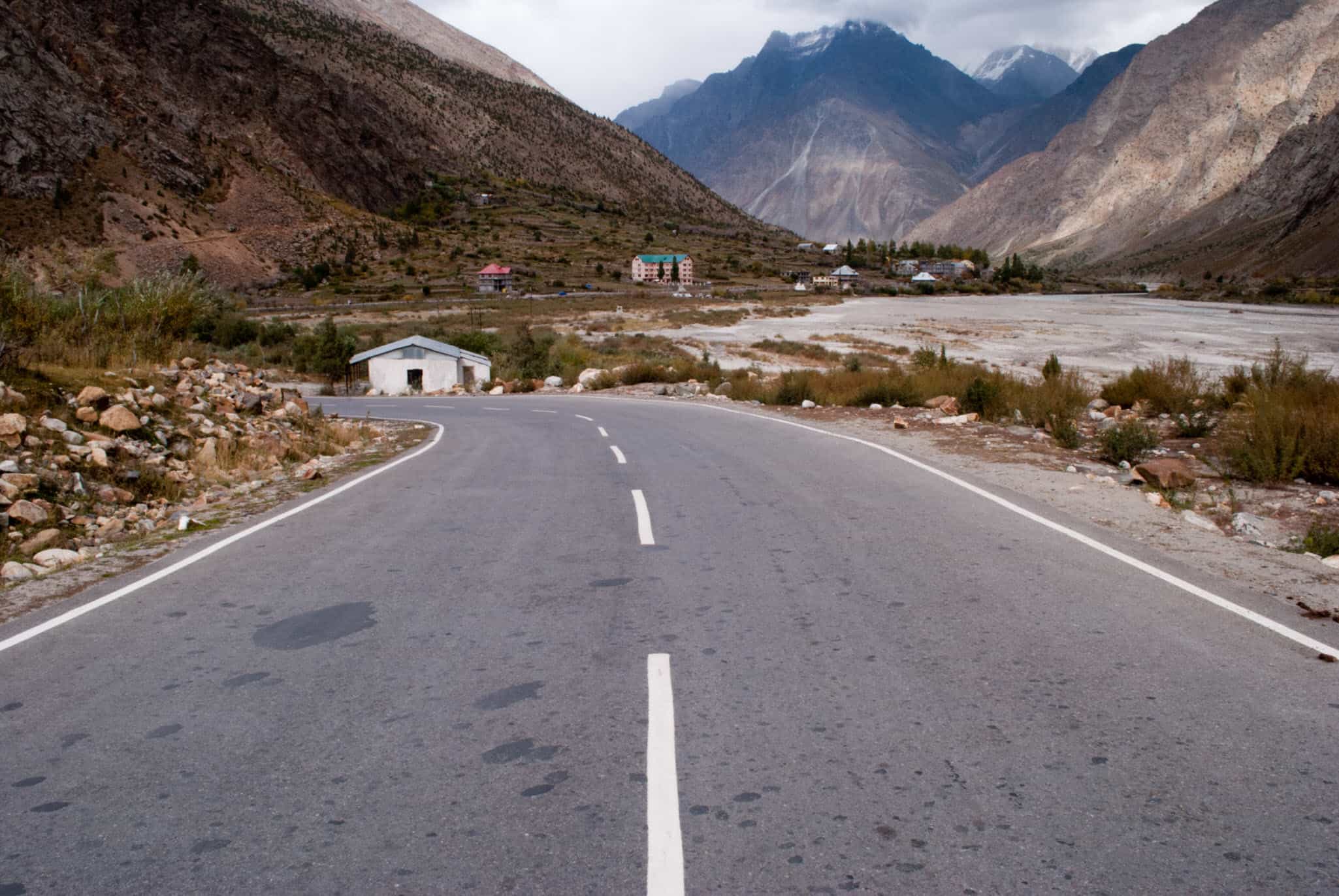
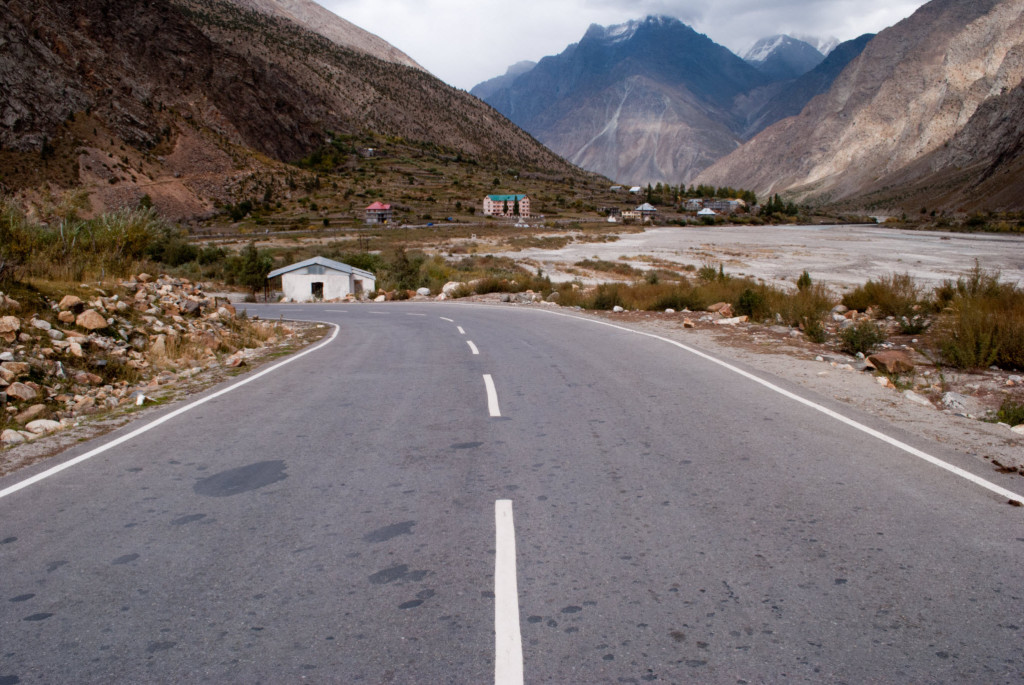
Jispa is the village most Manali-Leh travelers reduce to a single night’s sleep before pushing on to Sarchu. After a decade of stopping here, I will tell you straight: that is a mistake. This 78-household hamlet on the banks of the Bhaga River, sitting at a comfortable 10,500 ft in the Lahaul district of Himachal Pradesh, is the smartest acclimatization halt on the entire highway and a proper destination in its own right. Since the Atal Tunnel opened in October 2020, Jispa is reachable for most of the year, and the riverside camps here offer some of the best stargazing in the western Himalayas. Last Updated: May 2026.
Quick Answer: Jispa village is a small Lahauli settlement at 10,500 ft on the Manali-Leh Highway, 140 km north of Manali, known for riverside camping along the Bhaga River, its Rural Housing Museum, and being the best AMS-safe overnight halt on the highway. Plan 2 days here. Camps cost Rs 2,000-3,800 per person with meals, and the Atal Tunnel makes it accessible roughly May to October on the Leh side, year-round on the Manali side.
Let's quickly dive into the details:
What Is Jispa Village Known For?
Quick Answer: Jispa is known for three things: being the most comfortable overnight halt on the Manali-Leh Highway (10,500 ft is AMS-safe for most travelers), its riverside camps along the Bhaga River, and the Jispa Rural Housing Museum which preserves traditional Tod Valley architecture. It is also the gateway to the Darcha trek base, Suraj Tal, and the Baralacha La pass. From Jispa, the next day takes you over Baralacha La (16,047 ft), the first of the four Manali-Leh passes. I have a separate Baralacha La 2026 guide with BRO status, timing tips, and what to expect on the climb from Jispa.
Jispa is a small village in the Lahaul district of Himachal Pradesh, about 20 km north of Keylong (the district headquarters) and 7 km south of Darcha, sitting right on the Manali-Leh Highway along the banks of the Bhaga River. At 10,500 ft altitude, it is comfortably below the level that typically triggers Acute Mountain Sickness (AMS), making it a genuinely safe acclimatization halt. Planning a multi-day trip across the valley? My Lahaul Valley 5-Day Itinerary covers Sissu, Keylong, Jispa, and Trilokinath with day-by-day logistics.
The village has roughly 78 households and is best known among Manali-Leh road trippers as the first proper overnight halt after Manali. Hence, most guides treat it as nothing more than a transit stop. I want to change that narrative. Jispa has a Rural Housing Museum, a small Buddhist monastery, chortens, a helipad, a post office, and some of the best riverbank camping in Himachal. There is genuinely enough here for 2 full days if you slow down.
Should I Stay in Jispa or Sarchu?
Quick Answer: Stay in Jispa. At 10,500 ft, Jispa lets your body acclimatize properly before crossing Baralacha La. Sarchu sits at 14,070 ft and is a textbook AMS trap on Night 1 of a Manali-Leh trip. Even experienced riders report nausea, sleepless nights, and dizziness at Sarchu. Jispa has better camps, riverside views, BSNL signal, and you can still reach Leh in 2 days. The only reason to push to Sarchu is if you are running short on time, and even then, I would advise against it.
For the full comparison including road conditions, camp quality, food, and safety considerations, see our detailed post on Jispa over Sarchu as the overnight stopover on the Manali-Leh Highway. In case you are still debating, keep in mind that AMS at Sarchu is not a maybe situation. It is a frequent reality, especially for first-timers driving up from Manali.
Geography and Location
Jispa sits in the Tod Valley of Lahaul, straddling the Bhaga River. It is located 20 km north of Keylong (the district headquarters) and 7 km south of Darcha. To its north-east lies Baralacha La Pass at 16,020 ft, and to its south is the Rohtang Pass. There are approximately 20 villages between Jispa and Keylong, making this stretch one of the more populated parts of the Manali-Leh route. For the full regional context, our Lahaul Valley complete travel guide has everything you need.
Amenities in the Village
For such a small village, Jispa is reasonably well-equipped. You will find a helipad, a post office, a monastery, the Jispa Rural Housing Museum, and a mountaineers’ hut. There are a handful of hotels, guesthouses, and several campgrounds along the river. Keep in mind that ATMs do not exist in Jispa. The nearest ATM is in Keylong town, about 23 km away. Carry enough cash before heading up, my friend, because UPI is not a reliable backup here.
Best Time to Visit Jispa Village
Quick Answer: The best time to visit Jispa is between mid-May and early October. May-June offers clear skies and freshly opened roads, while September-October is the sweet spot for stable weather and stunning autumn light. Avoid July-August if you can (monsoon landslides on the Manali side and nallah crossings beyond Jispa) and November-April when Baralacha La closes entirely.
This is when the Manali-Leh Highway is open, the campgrounds are set up along the Bhaga River, and the weather is most comfortable for outdoor activities. Daytime temperatures in summer (May-June) sit between 5°C and 15°C, while September-October sees slightly cooler nights but clear skies. In case you want to combine Jispa with other Lahaul stops, our Lahaul Valley most common itineraries covers the planning options.
In my experience, the absolute sweet spot is the pre-monsoon period, roughly May to the end of June, and the post-monsoon window of late August through early October. These months give you the best of clear mountain views, manageable temperatures, and road conditions that are passable without too many landslide worries.
Winter in Jispa is severe. Temperatures drop well below zero and the roads can get cut off entirely. While the Atal Tunnel has improved winter connectivity to a degree, the Baralacha La side remains closed from November onwards. Unless you are an experienced Himalayan winter traveler, stick to the May-October window.
Month-by-Month Quick Guide
May-June: Roads open after winter, passes begin to clear. Ideal for camping and trekking. Some snow patches visible near Baralacha La. July-August: Monsoon can bring landslides and road blocks between Manali and Rohtang. Via Atal Tunnel this is less of an issue, but nallah crossings beyond Jispa can be tricky. September-October: Arguably the best weather window. Clear skies, moderate temperatures, festivals in some villages. Roads fully stable. November-April: Jispa is largely cut off from the Leh side. The Atal Tunnel keeps the Manali side accessible, but Baralacha La and beyond are closed.
How to Reach Jispa Village from Manali
Quick Answer: Jispa is reachable only by road. From Manali, take the Atal Tunnel route (120 km, 4-5 hours, no Rohtang permit needed) or the older Rohtang Pass route (140 km, 5-6 hours, seasonal, permit required). HRTC buses run from Manali towards Keylong daily. The nearest airport is Bhuntar (190 km) and the nearest railhead is Chandigarh.
Jispa is accessible only by road. There is no rail or air connectivity directly to Jispa, but the journey from Manali is straightforward.
By Air
The nearest airport is Bhuntar Airport (Kullu-Manali Airport), located about 190 km from Jispa. From Bhuntar, you take a cab or bus to Manali (about 50 km), and then proceed on the Manali-Leh Highway. Flights connect Bhuntar to Delhi, Chandigarh, and a few other cities. Weather cancellations are common, so keep a buffer day in your plan.


By Rail
The most convenient railhead is Chandigarh or Ambala. From Chandigarh, you can hire a private cab or take a bus to Manali (about 8-9 hours). From Manali, the journey to Jispa begins on the highway.
By Road from Manali
This is the only real way. There are two routes from Manali to Jispa:
Via Rohtang Pass (seasonal, May-October): The old route goes over Rohtang Pass (13,058 ft) and then through Sissu, Keylong, and on to Jispa. Distance from Manali is approximately 140 km and the journey takes 5-6 hours. You will need the Rohtang Pass permit for this route. I recommend checking our post on the Manali-Leh Highway guide for route-specific details and the latest Manali-Leh Highway status updates.
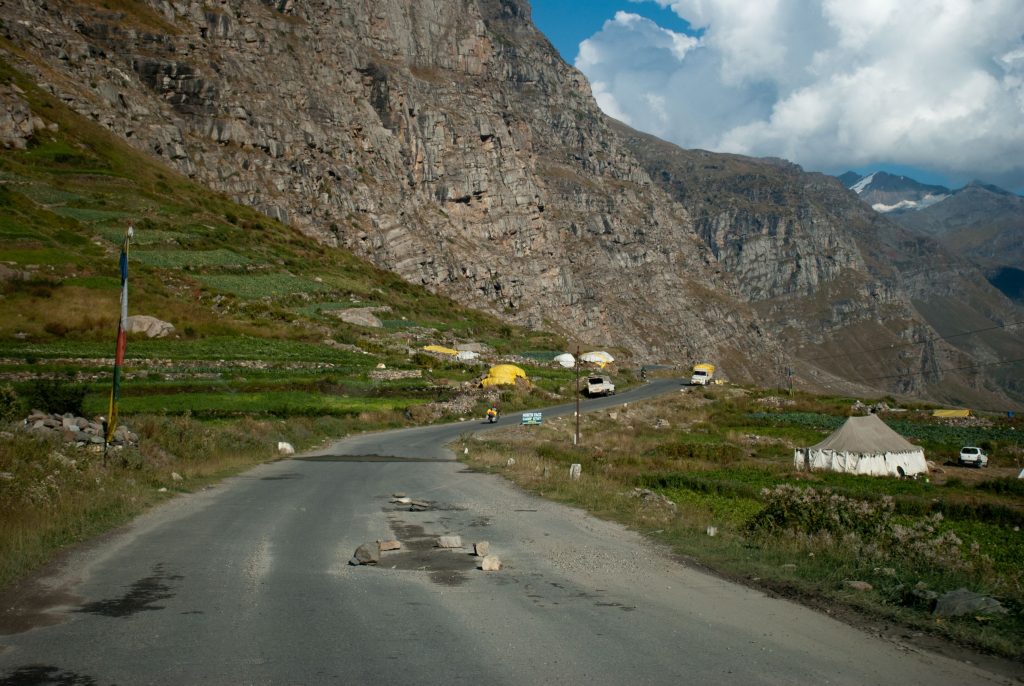
Via Atal Tunnel (open year-round): The Atal Tunnel, which opened in October 2020, bypasses the Rohtang Pass entirely. The tunnel is 9.02 km long and connects the Manali side to Sissu in Lahaul. Via this route, the distance from Manali to Jispa is approximately 120 km and takes about 4-5 hours. No Rohtang Pass permit is needed when using the Atal Tunnel. This has been a game-changer for Lahaul-Jispa connectivity, making the valley reachable for most of the year.
By Bus (HRTC)
HRTC (Himachal Road Transport Corporation) operates buses from Manali Bus Stand towards Keylong and Leh. The fare from Manali to Keylong is approximately Rs 208-300 per person (as of 2024-25, verify with the HRTC counter for current rates; schedules vary seasonally). From Keylong, you will need local transport to reach Jispa (about 23 km further north). Shared taxis from Keylong to Jispa are available but not always frequent. Plan accordingly and keep in mind buses are more reliable in the morning hours.
Local Commute within Jispa
The village is best explored on foot. The distances within Jispa itself are small, and walking the riverbank trails is actually one of the highlights. In case you want to visit Darcha (7 km away) or explore further, you can hire a local vehicle or join a shared taxi heading north.
Where to Stay in Jispa: Camps, Guesthouses, and Hotels
Quick Answer: Riverside camping is the most popular option in Jispa, with tents along the Bhaga River costing Rs 2,000-3,800 per person per night including meals (peak season 2026). Budget camps start at Rs 1,000-1,500 per person. Guesthouses and hotels run Rs 800-1,200 for basic rooms and Rs 2,500-4,500 for mid-range options. Jispa Journeys is the most recognized name on the stretch. Book in advance for June and September.
Accommodation in Jispa is simpler than what you will find in Manali or Leh, but it is perfectly adequate and the riverside setting more than makes up for the basic facilities. Here are your options:
Camping (most popular): Jispa is famous for its riverside campsites along the Bhaga River. Several private operators set up camps during the May-October season. These are proper camps with waterproof tents, attached washrooms (of varying quality), blankets, and often meals included. Expect to pay Rs 2,000 to Rs 3,800 per person per night for a good camp with meals. Budget camps start from around Rs 1,000-1,500 per person. The stargazing from these campsites on a clear night is genuinely something special.
Guesthouses and Hotels: A few guesthouses and small hotels operate in and around Jispa. Jispa Journeys is probably the most well-known property here, offering a mix of rooms and camping options. You can read my full review of Jispa Journeys Hotel and Campsite for more details. Budget guesthouses start from around Rs 800-1,200 per night for a basic room. Mid-range options with meals included run Rs 2,500-4,500 per night.
Mountaineers’ Hut: There is a mountaineers’ hut in Jispa managed by the Himachal Pradesh government. It is basic but functional and can be a good option if other accommodations are full during peak season. Inquire locally.
If you are passing through Keylong (23 km from Jispa), you can also check out the Nalwa Guest House in Keylong, which is a comfortable option in the district headquarters town.
What to Eat in Jispa
Food options are basic but honest. Most travelers eat at their campsite or guesthouse, and the food quality is generally good for the altitude and remoteness. Dal, rice, parathas, Maggi, and chai are the staples. If you are staying at one of the better camps, they often include meals in the package, and the dal-chawal cooked over wood fire at 10,500 ft tastes better than most restaurant meals in the city, honestly.
In case you are lucky, some local families will offer Lahauli delicacies. Do not miss it if the opportunity presents itself. The local cuisine here is influenced by Tibetan flavors, and simple dishes like thukpa or tsampa-based preparations are occasionally available. There are a couple of small dhabas on the highway stretch near Jispa where truck drivers and local workers eat. The food there is simple but filling and cheap.
Top Attractions and Things to Do in Jispa
Jispa rewards travelers who slow down and look around. Here is what to do during your time here:
- Riverside walk and camping along the Bhaga River, free and open every evening
- Jispa Rural Housing Museum, Tod Valley architecture and household artifacts
- Buddhist monastery and chortens in the village center
- Day trip to Suraj Tal, 40 km away near Baralacha La
- Day trip to Deepak Tal, a quieter glacial lake 20 km away
- Darcha trekking base, 7 km north, start point for the Zanskar and Shingo La routes
- White water rafting on the Bhaga, Darcha to Keylong stretch, May to mid-October
- Local handicrafts, hand-woven woolens sold directly by Jispa’s women artisans
Visit the Jispa Rural Housing Museum
This is a genuinely interesting stop. The museum gives you a window into the traditional way of life of the Tod Valley residents in the Lahaul district. The architecture, agricultural tools, household implements, and cultural artifacts tell the story of a community that has adapted to one of the harshest mountain environments in India. As an outsider wanting to understand the place beyond its road-trip coordinates, this is the right starting point.
Buddhist Monastery and Chortens
Jispa has a small monastery and several Buddhist chortens (stupas) scattered around the village. Spend time here quietly. Interacting with the monks, in case they are around, can be one of the more memorable experiences on a Himalayan road trip. The pace of monastic life contrasts so dramatically with the highway hustle that it genuinely resets your mind.
Riverside Walk and Camping on the Bhaga
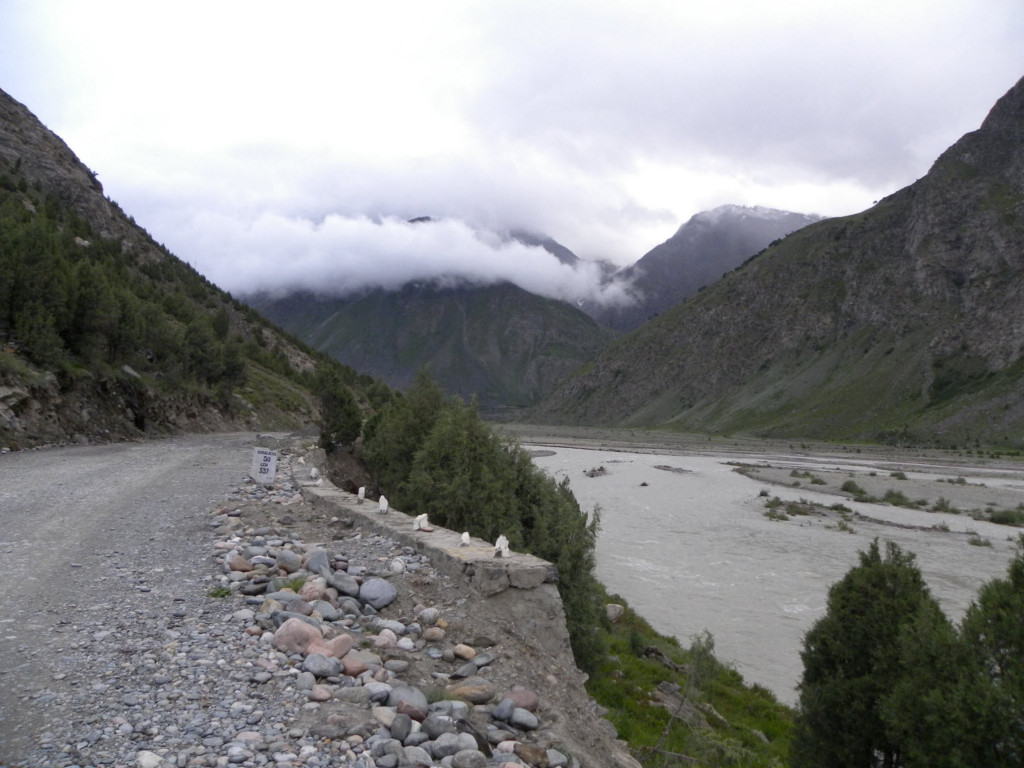
The Bhaga River at Jispa is clear, fast-moving, and surrounded by spectacular mountain walls. An evening walk along the riverbank costs nothing and delivers everything. If you are camping, the morning by the river with a cup of chai is worth the trip by itself. Keep in mind: the river is cold and fast. Do not attempt to swim or wade across unsupervised.
For a more organized outing rather than a solo riverside stroll, Bhaga Eco Camp, one of the riverbank operators near Jispa (+91 94593 53217), runs guided stargazing and nature-walk sessions for its campers on top of the standard riverside tents most operators offer. Worth a call ahead in peak season, June and September, since slots fill up fast.
Day Trip to Suraj Tal
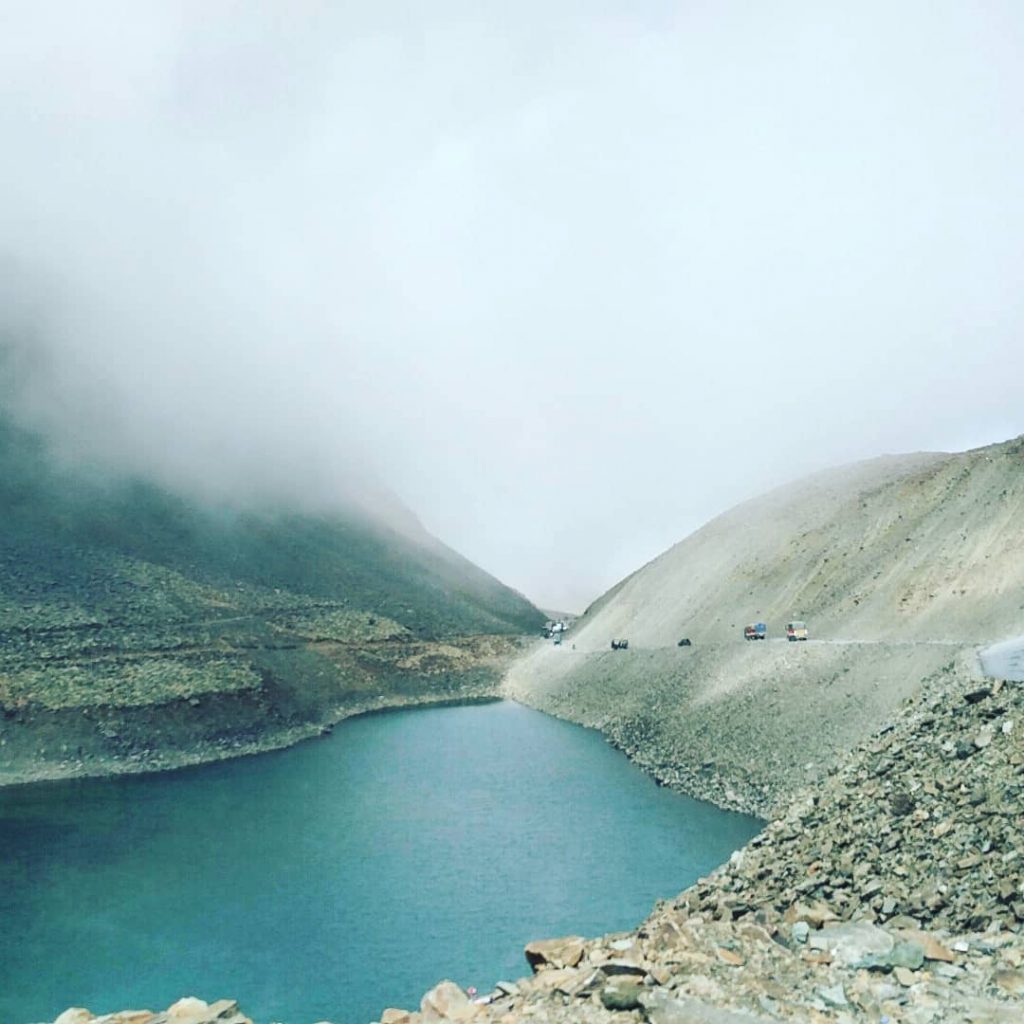
Suraj Tal (Lake of the Sun God) is the third-highest lake in India, located at about 16,000 ft, approximately 40 km from Jispa near the Baralacha La Pass. The road skirts around the lake and the views are stunning, with the clear blue-green water set against the rocky moraine. You can drive there and back in a day from Jispa. Keep in mind this is a high-altitude destination and the altitude jump from Jispa (10,500 ft) to Suraj Tal (16,000 ft) in a short distance can affect some travelers. Take it slow and do not rush. Read more about this area in our guide to Baralacha La Pass.
Day Trip to Deepak Tal, the Quieter Lake Before Suraj Tal
Deepak Tal sits about 20 km from Jispa at roughly 12,300 ft, close to 3,700 ft lower than Suraj Tal and the first of the two lakes you pass on the climb toward Baralacha La. Most day-trippers drive straight past it heading for the more famous Suraj Tal, so Deepak Tal usually stays empty. Stop here on the way up. The glacial water sits close to the road, the pull-off is easy for any vehicle, and you get a quiet 15-20 minutes at a lake most itineraries skip entirely. Combine it with Suraj Tal on the same day trip since the two are only a short drive apart.
Darcha Village and Trekking Base
Darcha, located about 7 km north of Jispa, is the traditional starting point for several serious Himalayan treks. The Darcha to Padum trek through the Zanskar Valley is one of the most famous long-distance trekking routes in the western Himalayas. The Darcha to Baralacha La and Darcha to Shingo La routes are also popular with experienced trekkers. In case trekking is on your agenda, Jispa makes an ideal base camp the night before you begin.
![How to prepare for long-distance motorcycle ride to Ladakh or Spiti? [6 Things to Know]](https://discoverwithdheeraj.com/yt_vid_thumbs/ladakh/85.png)
White Water River Rafting on the Bhaga
The Bhaga River section around Jispa and extending towards Tandi (the confluence of Chandra and Bhaga rivers) is identified for white water rafting. The roughly 90 km stretch from Koksar to Tandi offers rapids of varying grades. A shorter and more popular section for casual rafting is the Darcha to Keylong stretch. Best time is May to mid-October. Check with local operators in Jispa or Keylong for current availability and rates.
Local Handicrafts
Local women in Jispa produce some lovely handicrafts, including hand-woven woolen items. If you see a small stall or are invited to look at someone’s work, take the time. Buying directly from local artisans puts money exactly where it should go.
Jispa as a Base: Day Trips and Itinerary Ideas
If you have 2 days at Jispa (which I strongly recommend), here is how I would use them:
Day 1: Arrive from Manali via Atal Tunnel route (4-5 hours). Check in to your camp or guesthouse. Explore the village on foot in the evening. Visit the monastery and the chortens. Riverside walk at sunset. Bonfire at camp. Early sleep, because Day 2 will be a long one.
Day 2: Early morning drive to Suraj Tal via Baralacha La (about 40 km, 1.5-2 hours one way). Spend 1-2 hours at the lake. Return to Jispa for lunch. Afternoon: visit the Jispa Rural Housing Museum. Evening: explore Darcha village (7 km away), which is the starting point for Zanskar treks. Return to Jispa for dinner.
For complete itinerary options for the Lahaul Valley, check our guide to Lahaul Valley most common itineraries. If you want to understand the full region before planning, the Lahaul Valley complete travel guide has everything you need, and our 10 best sightseeing sites in Lahaul Valley can help you decide what else to slot in.
Practical Information for Visiting Jispa
Fuel
The nearest petrol pump to Jispa is at Tandi, approximately 32-35 km south on the Manali-Leh Highway. Do not assume you can find fuel in Jispa itself. If you are self-driving from Manali, fill up at Manali before departure. If you are coming from the Leh side, the nearest reliable fuel point beyond Jispa is at Sarchu (for those who cross Baralacha La). Plan your fuel accordingly. For more details, check our guide on Lahaul Valley trip budget and costs.
ATM and Cash
No ATM in Jispa. The nearest ATM is in Keylong, approximately 23 km away. Carry sufficient cash for your entire stay in Jispa including accommodation, food, and any activities. UPI sometimes works at larger establishments but do not count on it.
Mobile Network
BSNL is the most reliable network in Jispa, but even that can be patchy. Jio sometimes works in parts of the village. Airtel and Vi do not reliably work here. In case you need connectivity, pick up a BSNL SIM before leaving Manali. Do not rely on WhatsApp or data for real-time navigation once you are past Keylong. Download offline maps of the area before your trip.
Medical
There is a small Primary Health Centre (PHC) in Keylong. For anything serious, you would need to get to Manali. The good news: at 10,500 ft, Jispa is low enough that most travelers do not experience severe AMS. However, if you are arriving directly from Manali (about 2,000 ft) in a single day, take it easy on Day 1. Headaches, mild nausea, and fatigue are normal. Rest and hydrate before attempting any high-altitude excursions toward Baralacha La.
Electricity
Most camps and guesthouses have electricity for limited hours (typically evenings). Carry a power bank for charging phones and cameras. Solar chargers are useful here.
Budget for a Visit to Jispa
Here is a rough per-person per-day breakdown for Jispa (as of 2025-26, verify locally for current rates):
| Category | Budget Option | Mid-Range Option |
|---|---|---|
| Accommodation | Rs 800-1,500 (basic guesthouse / budget camp) | Rs 2,000-3,800 (camp with meals) |
| Food (per day) | Rs 300-500 (dhabas + camp meals) | Rs 500-800 (full board at camp) |
| Activities | Rs 0 (walk, museum visit) | Rs 500-1,500 (rafting, guided trek) |
| Local Transport | Rs 0-200 (on foot + shared taxi) | Rs 500-1,000 (private vehicle) |
| Total (per person/day) | Rs 1,100-2,200 | Rs 3,000-7,100 |
For a detailed breakdown of the full Lahaul Valley trip budget including vehicle costs and fuel, see our post on how to calculate the budget for a Lahaul trip.
Frequently Asked Questions About Jispa Village
Is there an ATM in Jispa Village?
No, there is no ATM in Jispa. The nearest ATM is in Keylong town, approximately 23 km south of Jispa. Carry sufficient cash before heading to Jispa.
Is there a petrol pump in Jispa?
No. The nearest petrol pump is at Tandi, which is about 32-35 km from Jispa on the Manali side. Always fill up at Manali before starting your journey and plan your fuel carefully if coming from the Leh side.
Do I need the Rohtang Pass permit to reach Jispa?
Not if you use the Atal Tunnel route. The Atal Tunnel bypasses Rohtang Pass entirely, so you do not need the Rohtang permit when taking that route. If you choose to cross Rohtang Pass directly (the old route, seasonal May-October), you will need the permit from the Manali district administration. See my complete Rohtang Pass permit guide for the current fee and online booking process.
Is Jispa safe for solo female travelers?
Yes, Jispa is generally safe for solo female travelers. The village is small and the community is tight-knit. Larger campgrounds have staff and other guests. Standard mountain travel precautions apply: inform your campsite or guesthouse of your plans before any excursions, do not trek alone to remote areas, and ensure someone knows your whereabouts.
What is the distance from Manali to Jispa?
About 120 km via the Atal Tunnel route (4-5 hours) and approximately 140 km via the old Rohtang Pass route (5-6 hours, seasonal). The Atal Tunnel route is now the more practical and faster option for most travelers.
What altitude is Jispa at?
Jispa is at approximately 10,500 ft (3,200 meters) above sea level. This is a comfortable altitude for most travelers, well below the 14,000 ft+ levels where serious AMS typically occurs. However, if you are coming directly from sea level, give yourself Day 1 to acclimatize with rest and good hydration.
Can I visit Jispa in winter?
The Atal Tunnel has improved winter connectivity between Manali and the Lahaul side, including Sissu and Keylong. However, beyond Keylong towards Jispa and further north towards Baralacha La, roads can get blocked due to heavy snowfall from November onwards. Winter visits to Jispa are possible but should only be attempted by experienced Himalayan travelers with proper equipment and local guidance.
Is camping the best option in Jispa?
In my opinion, yes. The riverside camping experience at Jispa is one of the best in Lahaul. Waking up next to the Bhaga River with the sound of rushing water and mountain peaks around you is simply something a guesthouse room cannot replicate. The camp quality varies, so book in advance during peak season (June and September) to get a good spot.
Should I stay in Jispa or push on to Sarchu?
Stay in Jispa. At 10,500 ft, Jispa lets your body acclimatize properly before crossing Baralacha La. Sarchu sits at 14,070 ft and is a textbook AMS trap on Night 1 from Manali. Even experienced riders frequently report headaches, nausea, and sleepless nights at Sarchu. Jispa has better camps, riverside views, BSNL signal, and you can still reach Leh in 2 days. See our full Jispa vs Sarchu comparison.
Have a travel question?? You can subscribe to my YouTube channel and leave a comment to ask your travel questions about traveling to the Himalayas.

Conclusion
Jispa is much more than a highway halt. It is a proper destination in its own right, one that summarizes the quiet, honest beauty of Lahaul Valley. The Bhaga River, the mountain walls, the monastery, the museum, the proximity to Darcha and Suraj Tal, all of this makes Jispa worth a dedicated 2-day stop on your Manali-Leh journey.
Plan an extra day here. You will not regret it. And in case you are still weighing whether to stop at Jispa or push on to Sarchu for the night, I have a whole post on exactly that question: why I always choose Jispa over Sarchu. The place gives you a perfect glimpse into the culture and traditions of the local people. Trust me my friend, this is one of those halts that ends up being the most memorable part of the road trip.
Feel free to share this article with your friends and family planning a trip on the Manali-Leh Highway. And if you have visited Jispa recently and have updates or tips to share, I would love to hear from you in the comments section below. For more Lahaul Valley planning resources, do check out the Lahaul Valley complete travel guide and our Lahaul Valley itineraries 🙂
