


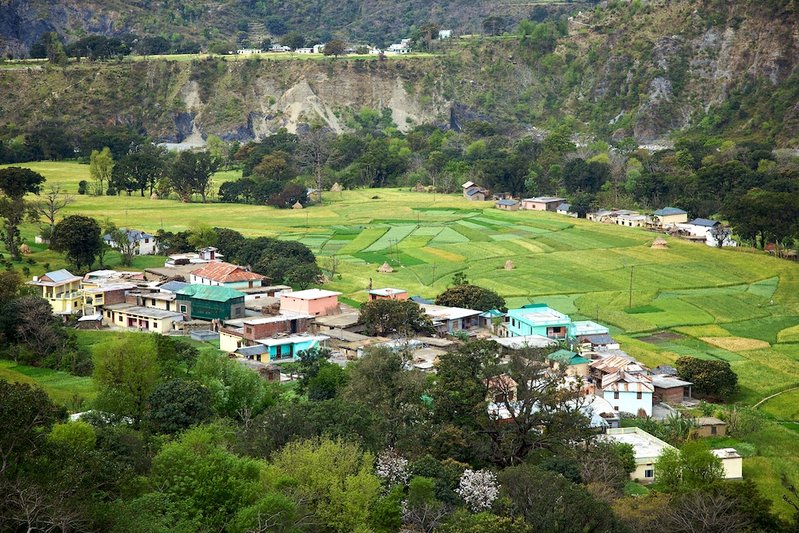
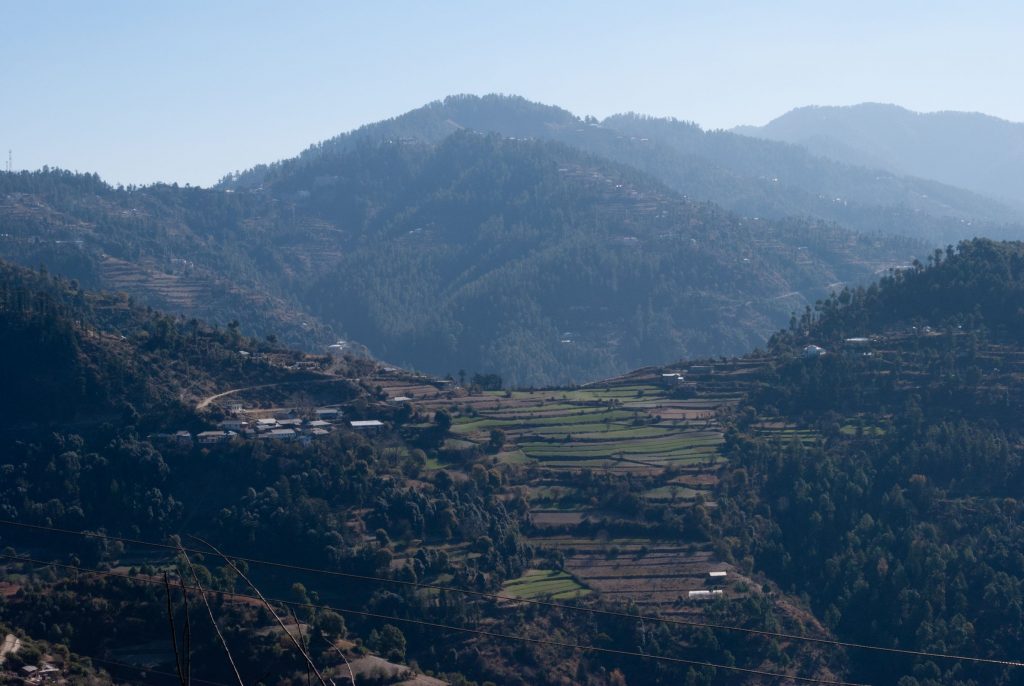
Chindi is one of those rare Himalayan hamlets where tourism hasn’t yet changed the rhythm of daily life. Tucked inside Karsog Valley at 1,850 meters (6,070 ft), this small village in Mandi district sits about 90 km from Shimla and 107 km from Mandi. Apple orchards stretch across every slope, deodar and pine forests cover the ridges, and ancient temples dot the landscape in every direction. In case you did not know, the valley’s very name comes from a Mahabharata-era legend about Bhima and a man-eating demon, and I will get to that story shortly. If you are looking for a quiet, genuinely offbeat hill destination in Himachal Pradesh, Chindi and Karsog Valley deserve a spot on your list.
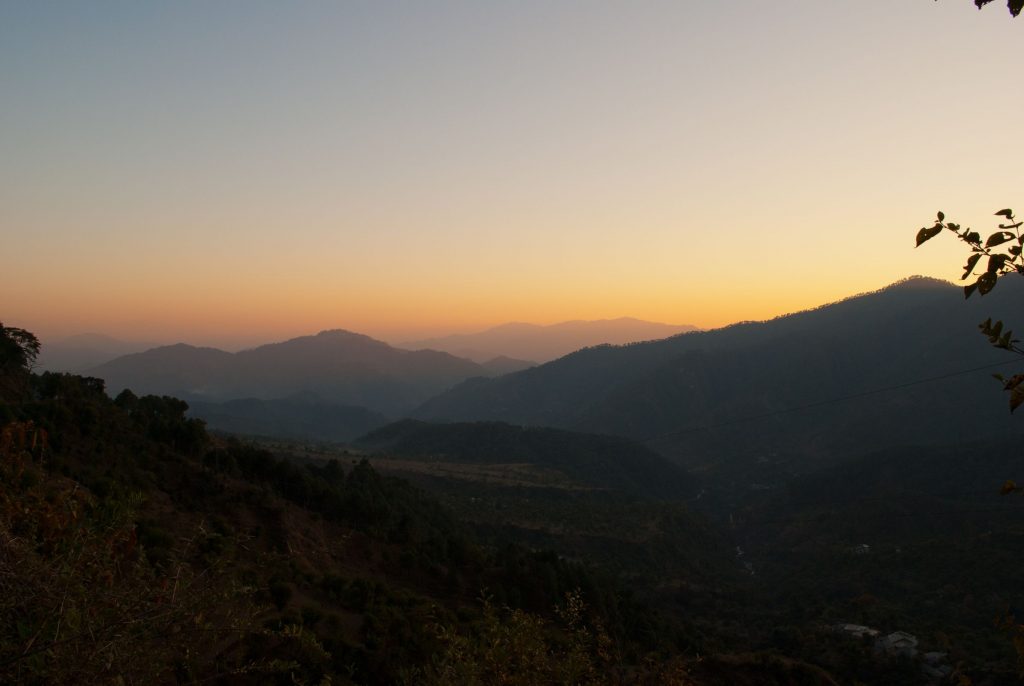
I first heard about Chindi from a fellow traveler who kept insisting that the valley felt like Himachal did 20 years ago. After visiting, I understood exactly what he meant. There are no tourist crowds, no overpriced cafes, no Instagram-driven chaos. Just honest Himachali hospitality, temple bells in the morning, and evenings spent watching sunsets paint the Pir Panjal range in shades of gold. This guide covers everything you need to plan your trip to Chindi and Karsog Valley in 2026, from how to reach, where to stay, what to see, the local fair you have probably never heard of, and how much it costs.
| Quick Facts | Details |
|---|---|
| Altitude | 1,850 m (6,070 ft), Karsog town 1,400-1,800 m |
| Distance | 90 km from Shimla, 107 km from Mandi, ~450 km from Delhi |
| Best time to visit | March-May and September-December |
| Daily budget | Rs 800-1,300 (budget), Rs 2,400-4,300 (mid-range) |
| Permits | None required, this is not a restricted area |
| Nearest ATM | Karsog town (none in Chindi itself) |
| Mobile network | BSNL widest coverage, Jio patchy, Airtel unreliable |
Let's quickly dive into the details:
What Makes Chindi and Karsog Valley Special?
Quick Answer: Karsog Valley is one of Himachal’s least commercialized valleys, home to a wildlife sanctuary, centuries-old temples, and apple orchards, with almost none of the crowds you would find in Manali or Shimla.
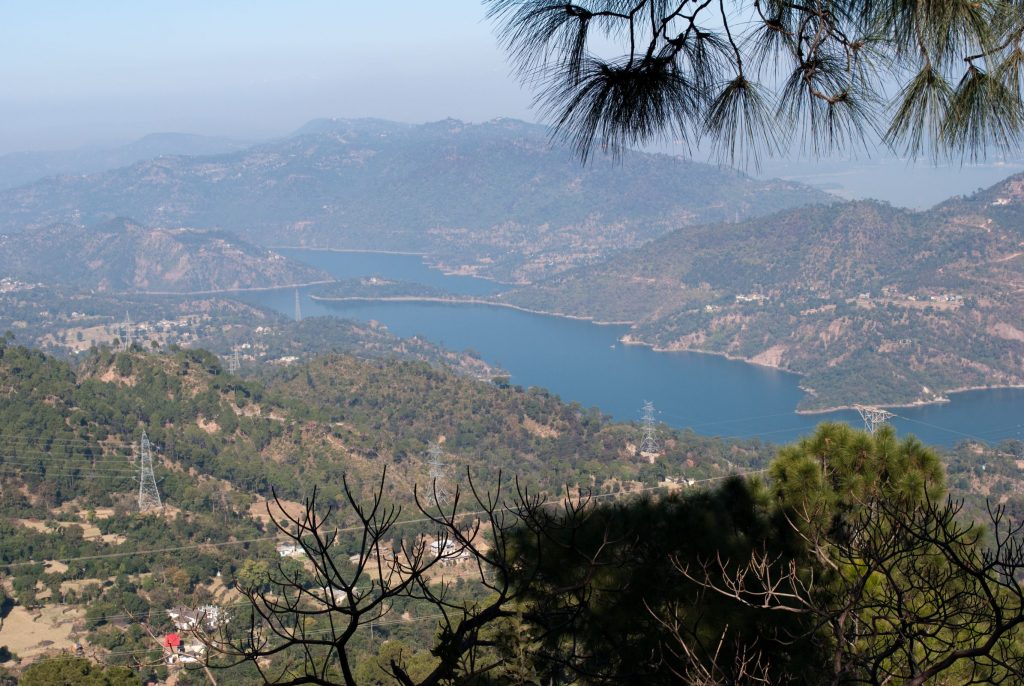
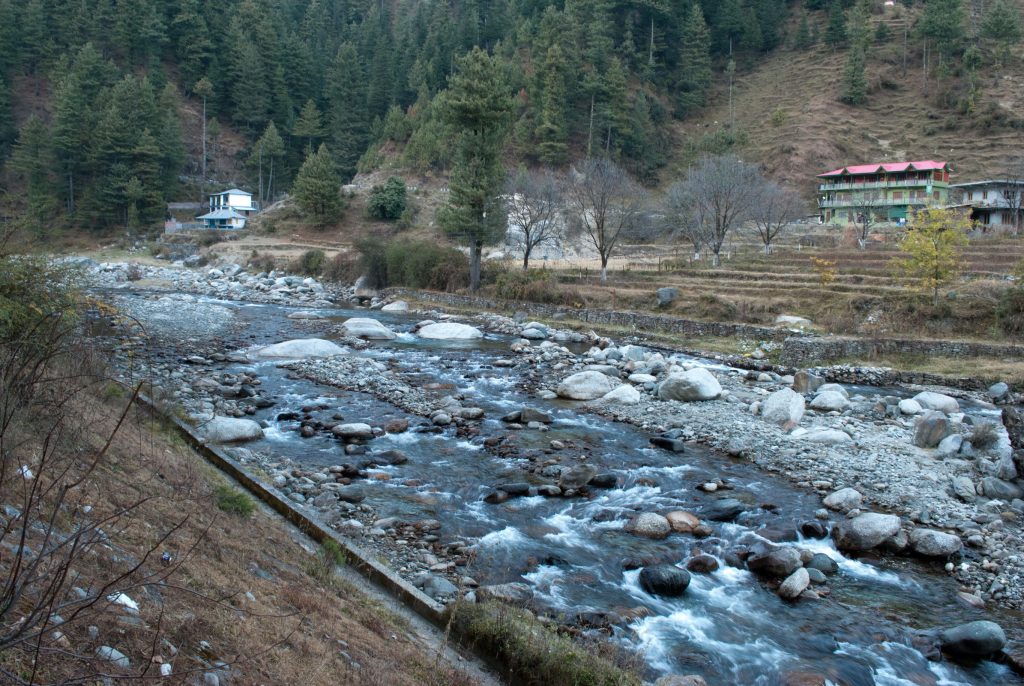
Karsog Valley remains one of the least commercialized valleys in Himachal Pradesh. The village of Chindi sits 7 km before Karsog town at a slightly higher elevation, surrounded by rolling apple orchards and dense forests. The entire valley falls within the Chindi Wildlife Sanctuary area, which means you share the landscape with musk deer, Himalayan black bears, ghorals, and a rich variety of pheasants and birds.
What sets this place apart from popular hill stations is the genuine calm. The villagers are warm, unhurried, and often curious about visitors. If you stop to rest during a walk, do not be surprised if a nearby homeowner invites you for chai and shares stories about the valley’s mythology. This is Himachal at its most authentic and untouched.
What Is the Story Behind the Name Karsog?
Quick Answer: Local legend, tied to the Mahabharata, says the demon Bakasura terrorized this valley by eating one villager a day until Bhima offered himself as the sacrifice and killed the demon instead. The name “Karsog” comes from “Kar” (daily) and “Shok” (mourning), a reminder of that era of grief.
Karsog Valley has deep roots in Hindu mythology and the ancient Suket Kingdom of Himachal Pradesh. According to local tradition, a demon named Bakasura terrorized this village by devouring one villager every day, keeping the settlement in perpetual grief. This is the same demon-slaying story told in the Mahabharata’s Adi Parva, and Karsog is one of a handful of places in India where locals believe it actually happened on their land. When the Pandavas were in exile here, Bhima confronted Bakasura by offering himself as the daily sacrifice, ultimately killing the demon and freeing the village. The name “Karsog” itself comes from the Sanskrit words “Kar” (daily) and “Shok” (mourning), a direct reference to that grim daily ritual before Bhima put an end to it.
The valley falls within the ancient temple belt of the Suket Kingdom, stretching from Sundernagar to Karsog. This temple belt is one of the richest concentrations of medieval Himachali temple architecture in the state, with structures dating back to the 7th century. The temples here use the distinctive pagoda and shikhara styles, with intricate wood and stone carvings that rival anything you will find in Kullu or Kinnaur. In case you are a mythology buff, keep in mind that most of the temples I cover further below (Mameshwar Mahadev especially) are directly linked to this same Pandava legend.
How Much Does a Trip to Chindi Cost in 2026?
Quick Answer: Budget travelers can manage Chindi on Rs 800-1,300 per day using homestays and dhabas, while mid-range travelers should plan for Rs 2,400-4,300 per day with HPTDC stays and local taxis. Add Rs 1,500-3,000 for the Delhi-Shimla bus, one way.
A trip to Chindi is surprisingly affordable compared to popular Himachal destinations like Manali or Kasol. Here is a rough daily budget breakdown for one person.
| Expense | Budget (INR) | Mid-Range (INR) |
|---|---|---|
| Accommodation (per night) | Rs 500-800 (homestay/PWD) | Rs 1,400-2,500 (HPTDC/hotel) |
| Meals (per day) | Rs 300-500 (dhabas) | Rs 500-800 (hotel restaurant) |
| Local Transport | Rs 0 (walking) | Rs 500-1,000 (local taxi) |
| Delhi-Shimla Bus (HRTC) | Rs 500-700 (ordinary) | Rs 1,200-1,500 (Volvo) |
| Shimla-Karsog Bus (HRTC) | Rs 245-285 | Rs 245-285 |
| Total per day (approx) | Rs 800-1,300 | Rs 2,400-4,300 |
Keep in mind, this is a cash-first destination. ATMs are available in Karsog town but not in Chindi itself. Carry enough cash for your entire stay, as card payments are rarely accepted here.
When Is the Best Time to Visit Chindi and Karsog?
Quick Answer: March to May and September to December are the best windows for a first visit, with clear skies and dry roads. June to July brings the apple harvest, and January to February brings snow. Avoid the monsoon (July-September) when landslides can block the road.
Chindi is a year-round destination, but each season offers a different experience. The weather stays pleasant for most of the year, making it a reliable escape regardless of when you plan your trip.
March to May (Spring): Clear skies, wildflowers in bloom, temperatures between 10-25 degrees Celsius. This is the best window for trekking and temple exploration. The roads are dry and well-maintained.
June to July (Apple Season): The orchards come alive with fruit. This is the time for apple picking experiences at farms like Kalasan Nursery, where you can pick organic apples, plums, pears, and kiwis for around Rs 1,000. The landscape is lush green and incredibly photogenic. This window also overlaps with the Mool Mahunag Fair, which I cover in a dedicated section below, so plan around it if you want to catch it.
July to September (Monsoon): I would suggest avoiding this window. Landslides can block roads in the Himalayas during monsoon, and Karsog is no exception. The SH13 from Shimla can get disrupted, leaving you stranded.
October to December (Autumn/Early Winter): Post-monsoon clarity brings stunning views of the Pir Panjal and Shikari Devi peaks. Apple harvest wraps up, temperatures dip to 5-15 degrees, and tourist traffic (already minimal) drops to near zero.
January to February (Winter): Karsog Valley gets a thick blanket of snow. The landscape transforms into a quiet, white wonderland. Roads remain open but can be slippery. If you enjoy snowfall and solitude, this is magical.


I would recommend March to May and September to December as the best periods for a first-time visit.
How to Reach Chindi and Karsog Valley from Delhi?
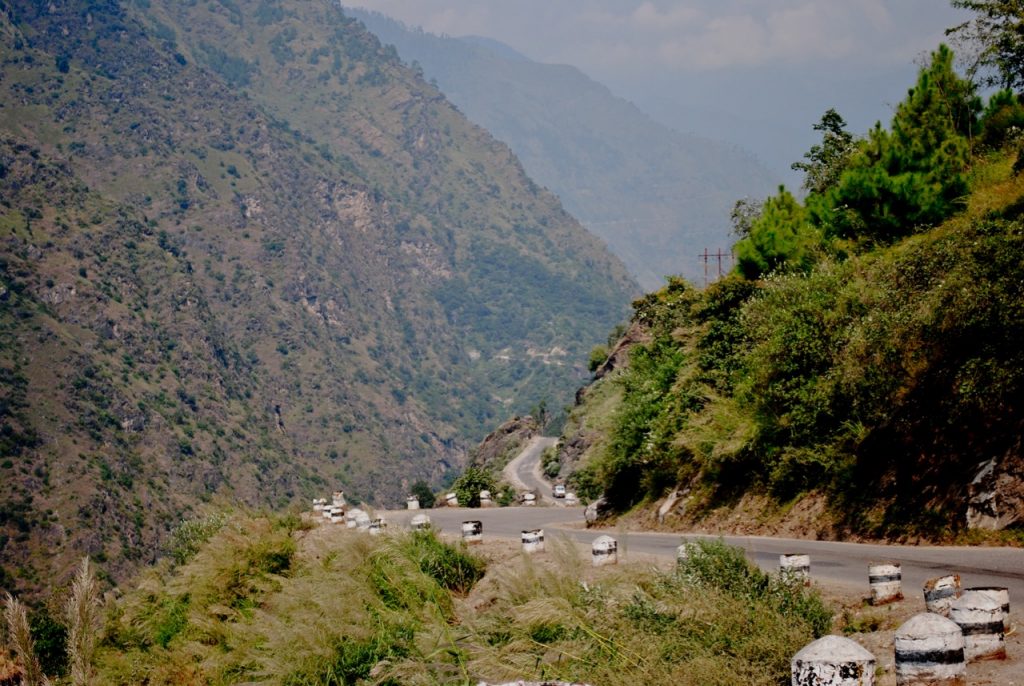
Chindi sits about 7 km before Karsog town, on the same Himachal road corridor that links the valley to the better-known towns of Sundernagar and Shimla. The short Chindi to Karsog drive takes roughly 15-20 minutes along a narrow, winding hill road, making Karsog town the closest hub for buses, shops, and everyday errands.
Quick Answer: The shortest route is Delhi to Shimla (350 km), then SH13 via Mashobra, Naldehra, and Tattapani to Chindi (about 109 km more). Total journey is roughly 450 km and 12-14 hours. HRTC buses run this entire route, and no permits are needed anywhere.
There are two main road routes to reach Chindi from Delhi. Both pass through Himachal Pradesh’s interior roads, and neither is particularly fast, but both are scenic.

Route 1: Via Shimla (Shorter, Recommended)
Delhi to Shimla is approximately 350 km (8-9 hours). From Shimla, take SH13 towards Mashobra and Naldehra. The road passes through Tattapani (a good pit stop for its sulphur hot springs, though the original springs were submerged after the Kol Dam construction and bore-well water is now available). Continue to Chindi, which is 109 km from Shimla, taking 4-5 hours. Total Delhi to Chindi distance via this route: approximately 450 km.
Route 2: Via Sundernagar (Longer, Less Scenic)
The alternate route goes via Chandigarh-Bilaspur-Sundernagar and then climbs into Karsog Valley. The total distance is about 500 km from Delhi. This route is slightly longer but useful if you are coming from Mandi, Barot, or the Kullu side.
By Air
The nearest airport is Shimla (Jubbarhatti), about 120 km from Karsog. Flights from Delhi operate to Shimla, but frequency is limited and weather cancellations are common. From the airport, you will need a taxi (Rs 3,000-4,000) or a bus from Shimla Bus Stand (6 km from the airport) to Karsog.
By Train
Shimla has a railhead on the narrow-gauge Kalka-Shimla line, but the more practical option is to take a train to Kalka or Chandigarh and then proceed by bus or taxi. The Kalka-Shimla toy train is a UNESCO World Heritage experience but adds several hours to your journey.
By HRTC Bus (Budget Option)
This is the most affordable way to reach Chindi. Catch a late-evening HRTC bus from Delhi ISBT to Shimla (departs around 8:30 PM, arrives around 6 AM, fare Rs 500-700 for ordinary, Rs 1,200-1,500 for Volvo). From Shimla, HRTC runs buses to Karsog roughly every 1-2 hours between 6:30 AM and 5:30 PM, with 4 or more services daily depending on the season. The fare is Rs 245-285 and the journey covers about 96-109 km (route dependent) in approximately 5 hours. If you are staying at the PWD guesthouse in Chindi, tell the bus driver and he can drop you before the Karsog terminus. Hence, plan to catch one of the earlier departures if you want to reach Chindi in daylight. You can book HRTC tickets on the official HRTC website.
What Are the Top Things to Do in Chindi and Karsog Valley?
Quick Answer: Temple hopping across the Suket belt, the Shikari Devi trek from Janjehli, the Kunhoo Dhar viewpoint, apple picking at Kalasan Nursery, village walks, and mountain biking are the main things to do around Chindi and Karsog.
The beauty of small Himachali villages like Chindi is that you do not need a packed itinerary. Go with the flow, walk at your own pace, and let the valley surprise you. That said, here are the highlights worth planning around.
Temple Hopping in the Suket Temple Belt
Karsog Valley is exceptionally rich in temple architecture. The notable temples worth visiting include Mamleshwara Mahadev, Kamakshya Mata, Mahunag, Ardhnarishwara, Aledi Mahadeva, Palinag at Nalagali, Churag temple, and Nag Dhamooni temples at Sairi Bangla and Saranda. I have covered the most significant ones in detail below.
Trekking to Shikari Devi (3,359 m)
The Shikari Devi trek is the most popular outdoor activity near Karsog. The temple sits at 3,359 meters (11,020 ft) and is unique because it has no roof, yet locals insist that snow never accumulates inside the shrine even when the entire region around it is buried several feet deep. Nobody has been able to build a roof over it, and the legend attributes this to the Pandavas, who are said to have established the shrine. The trek starts from Janjehli (21 km from Karsog) and is a moderate 5-6 km climb through dense forests. Best attempted between March and June or September and November. According to the Mandi District administration, no special permit is required for the trek.
Kunhoo Dhar Viewpoint
Kunhoo Dhar is a flat-topped hill situated 23 km from Chindi. From the top, you get a panoramic view of the entire Karsog Valley, the Shikari Devi peak, and on clear days, the Pir Panjal range including Hanuman Tibba. You can also walk about 1 km from Karsog Bazar to reach the viewpoint. If you are not driving, hire a local cab (Rs 500-800 return) to get there.
Apple Picking at Kalasan Nursery
If you visit between June and July, the apple orchards come alive. Kalasan Nursery offers apple picking experiences where for around Rs 1,000, you can pick organic apples, plums, pears, prunes, and even kiwis. The entire Karsog Valley is one of Himachal’s most fertile fruit-growing regions, and the experience is especially enjoyable for families.
Village Walks and Local Life
Do not underestimate the simple pleasure of walking through the villages around Chindi. The traditional Himachali architecture, with wood and stone construction, is visible in every home. Like the villages of Tirthan Valley, these settlements have a quiet charm that rewards slow exploration. Strike up conversations with locals, who are genuinely warm and curious about visitors.
Mountain Biking
Karsog is quietly becoming known among mountain biking enthusiasts. The mix of gentle valley roads and steep forest trails makes it ideal for both beginners and experienced riders. Some hotels can arrange bicycle rentals, or better yet, bring your own bike if you are driving in.
Which Temples Should You Visit in Karsog Valley?
Quick Answer: Mameshwar Mahadev (the region’s most important temple, linked to Bhrigu Rishi and the Pandavas), Kamakshi Devi at Kao, and Mahu Nag (built in 1664 AD) are the three temples you should not miss in Karsog Valley.
The temple architecture in Karsog Valley is genuinely impressive, rivaling more famous temple clusters in Kullu and Kinnaur. Here are the three most significant temples you should not miss.
Mameshwar Mahadev Temple
This is the most important temple in Karsog Valley. Dedicated to Lord Shiva, the temple stands at the spot where Bhrigu Rishi is believed to have meditated. Local tradition holds that the Pandavas built the outer structure during their exile, the same exile period tied to the Bakasura legend I mentioned earlier. The temple houses an eternal flame that has been kept burning continuously for centuries. Built in ancient stone and wood, the exterior carvings are remarkably detailed. The temple is about 40 minutes from Chindi. Keep in mind that it usually closes in the afternoons, so plan your visit for the morning.
Kamakshi Devi Temple at Kao
Located near the Mameshwar temple in the village of Kao, this ancient temple is dedicated to a form of Goddess Durga. The brass statue of the deity is dressed in traditional finery and adorned with heavy silver ornaments in local Himachali design. The wood carvings on the temple exterior are stunning, and the brass pendants and chimes add to the atmosphere. If you are visiting temples and monasteries across Himachal, the Kamakshi Devi temple deserves a place on your list.
Mahu Nag Temple
Built in 1664 AD by Raja Shyam Sen, this temple is dedicated to Lord Karna, the guardian deity of the region. The name “Mahu” means bee and “Nag” means snake, representing the temple’s dual symbolism. The temple architecture follows the traditional Himachali pagoda style and is well-maintained by the local community. This is also the temple around which the Mool Mahunag Fair, the valley’s biggest annual festival, is held. I have covered it in detail in the next section.
Beyond these three, the village of Pangana (23 km from Chindi) has its own cluster of ancient temples that are worth a half-day trip if you have the time.
Is There a Local Fair or Festival in Karsog Valley?
Quick Answer: Yes, the Mool Mahunag Fair is Karsog’s biggest local festival, held over five days around the 2nd and 3rd of Jaistha (May) at Bagra Dhar, about 2 km from the Mahu Nag temple, with traditional Nati folk dance as the main draw.

This is something most travel guides to Chindi and Karsog completely skip, and honestly, I almost missed it too on my own research. The Mool Mahunag Fair is held annually around the 2nd and 3rd of Jaistha in the Hindu calendar, which usually falls in May, timed to Sankranti as the sun transitions into Capricorn. The fair unfolds over five days on a rectangular meadow called Bagra Dhar, ringed by tall pine trees, roughly 2 km from the Mahu Nag temple in Karsog.
Locals from villages across the valley gather here in traditional dress, and the highlight is the Nati folk dance performed in bright, colorful costumes. If your trip dates happen to line up with early or mid-May, feel free to build a day around it. It is one of the few times you will see Karsog Valley genuinely crowded, and it is a good kind of crowded, all local families and pilgrims, not tourists.
Where to Stay in Chindi and Karsog Valley?
Quick Answer: HPTDC’s Hotel Mamleshwar is the best option in Chindi itself, starting around Rs 1,400-2,500 per night. Budget travelers can try the PWD Rest House or homestays in Karsog for Rs 500-1,000 per night with meals.
Accommodation options in Chindi are limited, which is part of its charm. There are no big hotel chains or resorts here. Book in advance, especially during weekends, the apple season (June-July), and the Mool Mahunag Fair in May.
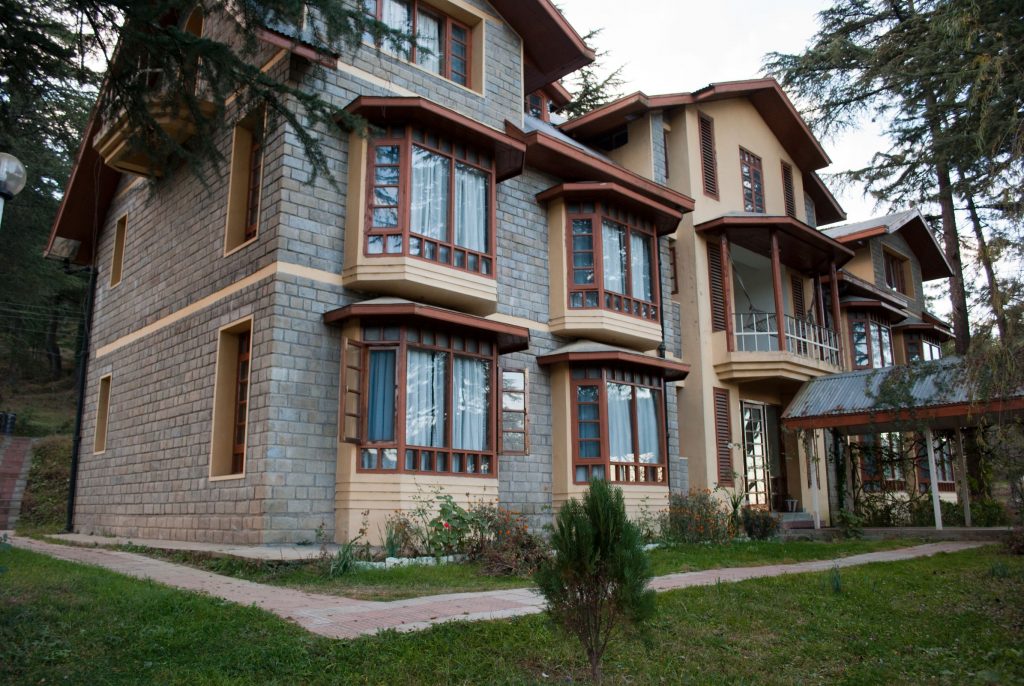
Hotel Mamleshwar (HPTDC): This is the best option in Chindi. Run by the Himachal Pradesh Tourism Development Corporation, the hotel looks like a traditional Himachali cottage with well-maintained grounds and excellent valley views. Rooms are spacious and clean, starting at Rs 1,400-2,500 per night as of 2026 (rates have moved up from the Rs 1,200-2,000 range I quoted in an earlier update, so please verify current tariffs with HPTDC before booking). The food is simple, home-style Himachali cooking, and quite good. Book through the HPTDC website or call ahead.
PWD Rest House: A budget option, though government officials get priority. Rooms are basic but functional. Worth trying if the HPTDC hotel is full.
Homestays in Karsog: A few homestays have started operating in the Karsog area. Suket Homestay is rated well on Tripadvisor. Expect to pay Rs 500-1,000 per night with meals. Homestays offer the most authentic experience, as you eat with the family and learn about valley life firsthand.
What to Eat and Where to Shop in Karsog?
Quick Answer: Expect to eat mostly at your accommodation or the dhaba near the petrol pump before Karsog town. For shopping, Morel mushrooms (Gucchi) and local silver jewelry are the two things worth carrying back.
You will mostly eat at your accommodation, as standalone restaurants are rare. However, there is a dhaba right next to the petrol pump before Karsog town that serves excellent North Indian food. The Rajma Chawal here is genuinely memorable, and every local I asked recommended this place without hesitation. Himachali dishes like siddu and madra are also available if you ask.
For shopping, Chindi is not a souvenir destination. However, I highly recommend picking up Morel mushrooms (Gucchi) if available. These wild mushrooms grow at high altitudes and are considered a delicacy across India. They are expensive (Rs 15,000-25,000 per kg), but even a small quantity makes a worthy purchase. Some local jewelry shops in Karsog also sell pretty silver ornaments in traditional Himachali designs.
What Are the Essential Travel Tips for Chindi?
Quick Answer: Carry cash, expect limited mobile coverage, pack for sudden weather changes, book accommodation early, and allow at least 2-3 nights since the journey from Delhi alone takes 12-14 hours.
Chindi rewards travelers who come prepared for a simple, infrastructure-light destination. Here are the practical things to keep in mind before you go.
- Carry cash: ATMs exist in Karsog town but not in Chindi. Card payments are not accepted at most places. Carry enough cash for your entire stay.
- Mobile connectivity: Internet is very limited here. BSNL has the widest coverage, followed by Jio. Airtel works intermittently. Treat this as a digital detox destination.
- Dress in layers: Like all Himalayan offbeat destinations, weather changes quickly. Even in summer, evenings get cold.
- Sturdy shoes: You will be walking on uneven village paths and forest trails. Proper footwear is essential.
- Pack snacks: Options for eating out are limited. Keep biscuits, dry fruits, and energy bars handy, especially if you plan long walks.
- Book accommodation early: With only a handful of rooms available in Chindi, last-minute booking can leave you without a place to stay, especially around the Mool Mahunag Fair in May.
- Allow extra time: The journey from Delhi is long (12-14 hours). Plan at least 2-3 nights in Chindi to properly unwind. A single overnight trip is not worth the travel effort.
- Driving skills: The roads from Shimla to Chindi involve narrow hill sections. If you are not comfortable with mountain driving, consider hiring a local driver or using the HRTC bus.
Can You Combine Chindi with Other Himachal Destinations?
Quick Answer: Yes. Chindi combines well with Narkanda (skiing and orchards), Barot Valley (another offbeat gem via Mandi), and Tattapani (hot springs on the way in or out).
Absolutely. Chindi works well as part of a larger Himachal circuit. Here are the most practical combinations.
Chindi + Shimla + Narkanda: Since you pass through Shimla to reach Chindi, adding a day in Narkanda (65 km from Shimla) makes for a well-rounded 5-day trip. Narkanda offers skiing in winter and apple orchards in summer.
Chindi + Barot Valley: Barot is approximately 70 km from Karsog and equally offbeat. The two valleys together make an excellent week-long offbeat Himachal circuit via Mandi.
Chindi + Tattapani: Tattapani’s hot sulphur springs are on the Shimla-Chindi route. While the original springs were submerged after the Kol Dam construction, bore-well hot water (45-50 degrees Celsius) is available at the Hotel Hot Springs. A good pit stop on your way in or out.
In case you are still deciding between a few offbeat options near Shimla, it is worth comparing Chindi against other offbeat hill stations near Shimla before you finalize your plan.
Frequently Asked Questions
Is Chindi worth visiting for a weekend trip from Delhi?
Honestly, a weekend is tight. The journey from Delhi takes 12-14 hours one way (including the Shimla-Chindi stretch). You would spend most of your weekend traveling. I recommend at least 3 nights, ideally 4, to properly enjoy the valley. If you only have a weekend, consider closer offbeat options like Kasol instead.
How much budget is needed for a Chindi trip?
A budget traveler can manage on Rs 800-1,300 per day (homestay, dhaba meals, walking). Mid-range travelers should budget Rs 2,400-4,300 per day (HPTDC hotel, local taxi trips, better meals). Add Rs 1,500-3,000 for Delhi-Shimla round-trip bus fare depending on ordinary or Volvo.
Is Chindi safe for solo travelers?
Yes. Karsog Valley is one of the safest regions in Himachal Pradesh. The locals are genuinely friendly and helpful. Solo female travelers have reported positive experiences. Just carry a fully charged phone, enough cash, and inform your accommodation about your day plans if you go trekking.
What is the best time to visit Chindi for snowfall?
January and February see the most consistent snowfall in Karsog Valley. The entire landscape, from the orchards to the temple rooftops, gets covered in white. Roads remain open but can be slippery, so drive carefully or use public transport.
Can I visit Shikari Devi temple from Chindi?
Yes. The Shikari Devi trek starts from Janjehli, which is about 21 km from Karsog. The trek itself is a moderate 5-6 km climb to the roofless temple at 3,359 meters. You can do it as a day trip from Chindi by hiring a local taxi to Janjehli (Rs 1,000-1,500 return) and trekking from there.
Why is Karsog named after a demon story?
Local legend says the demon Bakasura demanded one villager’s life every day, keeping the settlement in mourning, until Bhima killed him during the Pandavas’ exile. “Karsog” comes from “Kar” (daily) and “Shok” (mourning), a direct reference to that period. You will hear versions of this story from locals near the Mameshwar Mahadev temple, which is itself linked to the same legend.
Is there mobile network in Chindi?
Connectivity is limited. BSNL has the most reliable coverage in the valley, followed by Jio which works in patches. Airtel is unreliable here. Do not expect stable internet. This is actually one of the reasons people love visiting Chindi, as it forces you to disconnect.

How is the road condition from Shimla to Chindi?
The road via SH13 through Mashobra, Naldehra, and Tattapani is fairly well maintained throughout the year. Some stretches are narrow single-lane with sharp turns. Avoid monsoon months (July-September) when landslides can block sections. The route is scenic but requires attentive driving.
Can I combine Chindi with a trip to Prashar Lake?
Yes, this is a practical combination. Prashar Lake is about 50 km from Mandi, and Karsog is connected to Mandi via Sundernagar. You can cover both in a 5-6 day trip from Delhi: Delhi to Mandi, day trip to Prashar Lake, then Mandi to Karsog/Chindi, and return via Shimla.
Last Updated: August 2026
Chindi and Karsog Valley are exactly the kind of destination where you go to slow down, breathe clean mountain air, and remember what travel felt like before everything became a tourist product. The valley asks nothing of you except your presence, and gives back peace, beauty, honest Himachali warmth, and a genuinely good story about Bhima and a demon in return. If this guide helped you plan your trip, feel free to drop your questions in the comments below. The DwD community is always happy to help fellow travelers 🙂

2 Comments
Comments section gets closed in 90 days. To ask your travel questions, you can follow my YouTube Channel for a faster reply or for a much slower reply follow me on Instagram. :)
Must visit place for nature admirer. Ensure booking of HP Tourism Hotel or PWD Rest House. We could not get accommodation there.
Area is full of scenic beauty.
Absolutely true!