


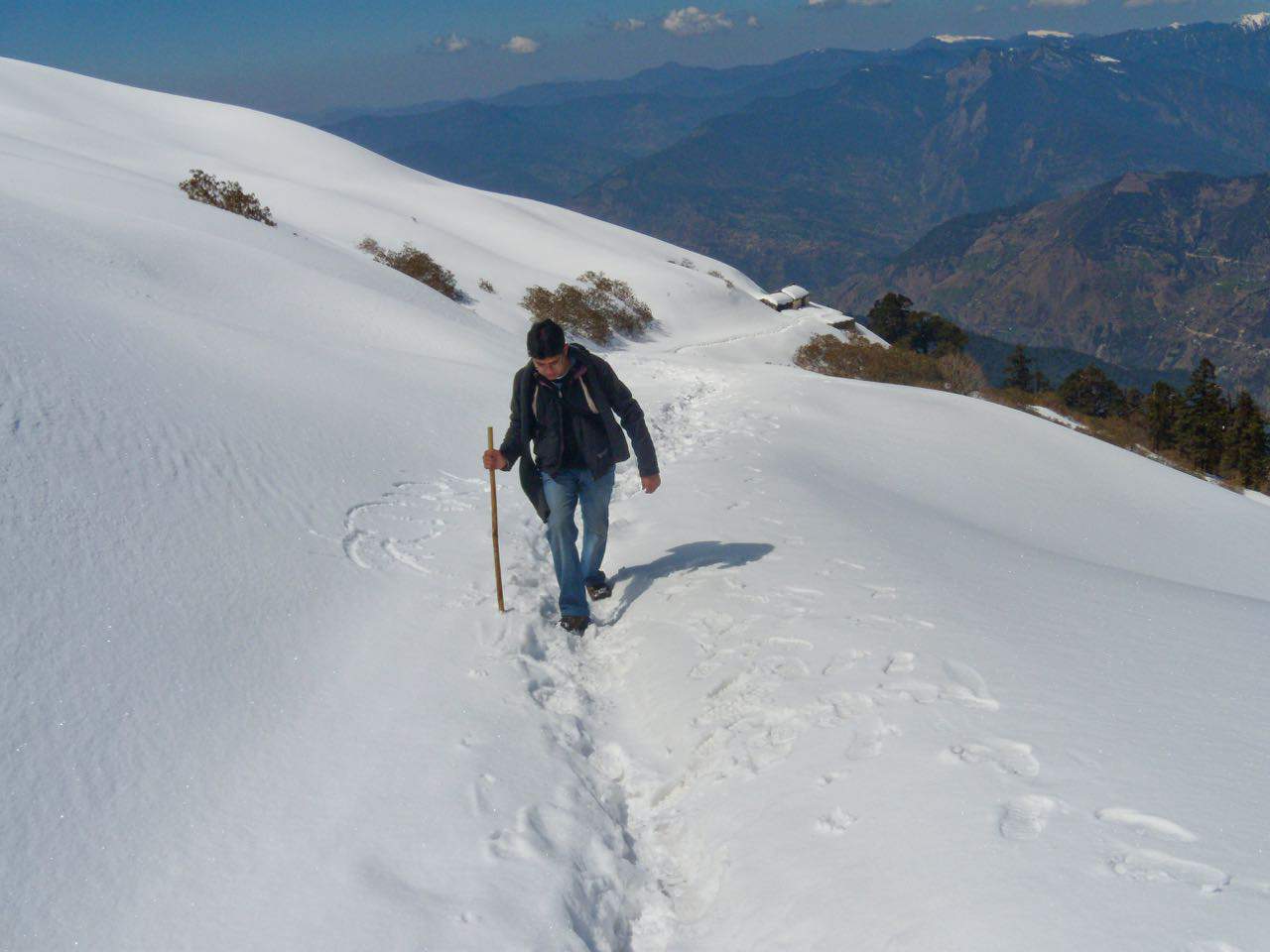
Bhrigu Lake sits at 14,100 feet (4,300 meters) in the Kullu Valley of Himachal Pradesh, and reaching it on foot is one of the most rewarding things you can do near Manali. Named after Maharishi Bhrigu, one of the seven great sages (Saptarishi) of Hindu mythology, this glacial lake changes color with every season and every hour of the day. I have trekked here multiple times, and each visit felt like meeting a completely different lake. If you are planning a beginner-friendly trek in Himachal that still packs a punch at high altitude, Bhrigu Lake should be right at the top of your list.
Let's quickly dive into the details:
What Makes Bhrigu Lake Trek Special in 2026?
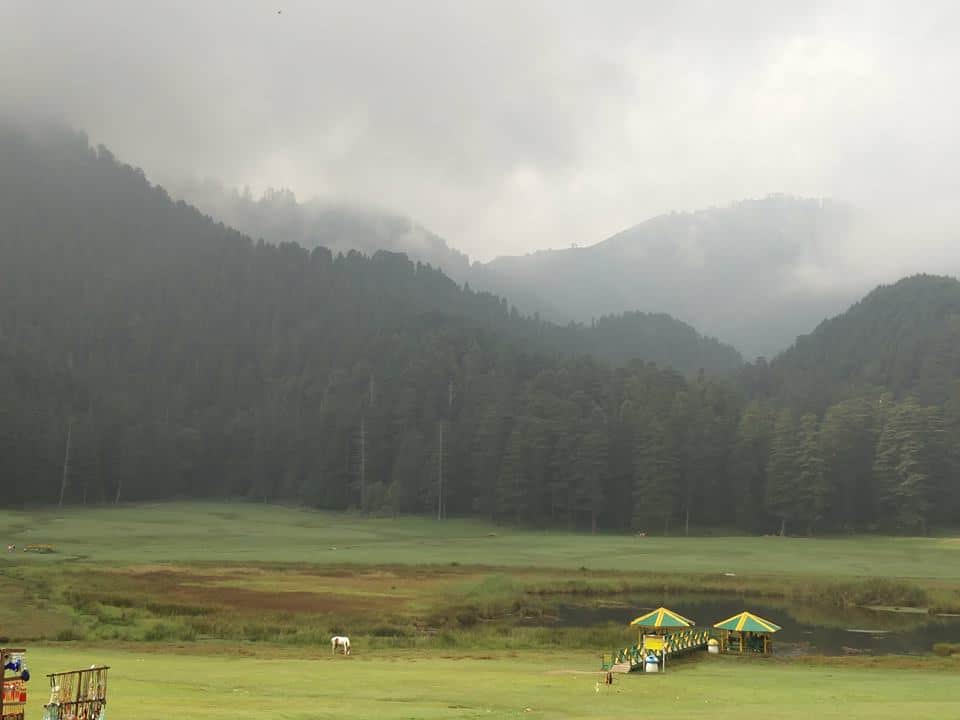
At 14,100 feet, Bhrigu Lake is one of the highest altitude lakes you can reach on a short 3 to 4 day trek from Manali. The trek covers roughly 25 km round trip, starting from Gulaba (about 22 km from Manali on the Rohtang road). What makes this trek truly special is how quickly you transition from dense pine forests to vast alpine meadows. Unlike most Himalayan treks where you need to walk for two days before hitting the tree line, on the Bhrigu Lake trail you step into open meadows almost from the first hour. These meadows are carpeted with wildflowers in July and August, and the sight of horses grazing against the backdrop of snow-capped peaks is something no photograph can fully capture.
The lake itself is a mystery. Locals believe it never freezes completely, not even in the harshest winters, because of its sacred connection to Maharishi Bhrigu. The regional deities of Kullu Valley are said to visit the lake for ritual baths. Guru Vashisht reportedly travels here every couple of years, announced through a local medium, and devotees accompany him on this pilgrimage. Whether you believe in the mythology or not, standing at the edge of this glacial lake surrounded by two massive ridges of the Pir Pinjal range does feel otherworldly.
How Difficult Is the Bhrigu Lake Trek?
The Bhrigu Lake trek is rated easy to moderate. If you have a basic level of fitness and can walk 6 to 10 km a day on inclines, you can complete this trek comfortably. That said, do not underestimate the altitude. You climb from about 10,500 feet at Gulaba to 14,100 feet at the lake in just two trekking days. The steep section between Rola Kholi and the first ridge before the lake is the most demanding part, requiring about 2 hours of sustained climbing.
| Maximum Elevation | 14,100 Ft (4,300 m) |
| Difficulty | Easy to Moderate |
| Duration | 3-4 Days (Manali to Manali) |
| Total Distance | ~25 km |
| Best Time | June to October |
| Starting Point | Gulaba (22 km from Manali) |
| Ending Point | Vashisht or Gulaba |
| Trek Operator Cost (2026) | Rs 4,000 – Rs 8,000 per person |
| DIY Budget | Rs 2,000 – Rs 5,000 per person |
When Is the Best Time to Trek to Bhrigu Lake?
The trekking season for Bhrigu Lake runs from June to October. Each month offers a different experience. In June, the trail has significant snow cover, especially above 12,000 feet. The lake itself may still be partially frozen, with chunks of ice floating on brilliant blue water. July and August bring the monsoon, which means you might encounter rain, but the meadows are at their absolute greenest and the wildflowers are in full bloom. September and October offer clear skies, stable weather, and golden-brown meadows. Keep in mind that nights get extremely cold from late September onward, dropping below freezing at the lake. If you land in the Manali area during July or August and are wondering how to spend your time beyond this trek, our Manali in monsoon 2026 guide has the details.
I personally prefer the June window. Yes, the snow makes the climb harder, but the sight of a half-frozen Bhrigu Lake with snow all around is something else entirely. If you are a first-timer and want easier trail conditions, September is your best bet.
How to Reach the Bhrigu Lake Trek Starting Point?
The trek starts from Gulaba, a small settlement on the Manali-Rohtang road, about 22 km from Manali. Getting to Manali is the first step, and there are several ways to do it depending on your budget and comfort preference.
By Bus from Delhi
HRTC and private operators run overnight buses from ISBT Kashmere Gate in Delhi to Manali. An ordinary HRTC bus costs around Rs 700 to Rs 900, while a Volvo semi-sleeper runs between Rs 1,200 and Rs 1,800 (2026 fares). Private Volvo sleeper buses cost Rs 1,500 to Rs 3,000 depending on the operator and season. The journey takes 12 to 14 hours. You can book HRTC buses on hrtchp.com. I would strongly recommend taking the bus for this trek. You will not need your vehicle during the trekking portion, and parking logistics in Gulaba can be a headache.
By Air
The nearest airport is Bhuntar (Kullu-Manali Airport), about 50 km from Manali. Flights operate from Delhi, though they are weather-dependent and often cancelled. A taxi from Bhuntar to Manali costs Rs 1,200 to Rs 1,500. Chandigarh Airport is a more reliable option at 300 km from Manali, with better flight connectivity. From Chandigarh, you can take a bus from ISBT Sector 43 or hire a cab (Rs 5,000 to Rs 6,000).
By Train
No trains run directly to Manali. The closest railhead is Chandigarh (for the Shatabdi Express from Delhi) or Jogindernagar (narrow gauge from Pathankot). From either station, you will need to take a bus or cab to Manali.
By Road (Self-Drive)
If driving from Delhi, the route goes via Chandigarh, Bilaspur, Mandi, and Kullu. Total distance is about 530 km and takes 10 to 13 hours depending on traffic and road conditions. The NH21 stretch from Mandi to Manali is scenic but can get congested during peak season.
Manali to Gulaba
From Manali, you can hire a taxi to Gulaba for Rs 700 to Rs 1,000 (one way). If you are going through a trek operator, the transfer is usually included in the package. There is no direct public bus to Gulaba, but you can take any Rohtang-bound vehicle and get off at Gulaba.


What Is the Complete Day-Wise Itinerary for Bhrigu Lake Trek?
Here is a detailed day-by-day breakdown of the Bhrigu Lake trek. I have based this on a 4-day itinerary that includes an acclimatization day in Manali, which I strongly recommend if you are coming from the plains.
Day 0: Arrive in Manali and Acclimatize
Reach Manali by your preferred mode of transport. Spend the day acclimatizing. Walk around Old Manali, visit the Hadimba Temple, or simply rest. This is also the time to finalize your trek arrangements. If trekking independently, make sure you have your tent, sleeping bag (rated for -5C minimum), stove, enough food for 3 days, and at least 2 liters of water capacity. Check our detailed list of must-have items for a trek before you pack.
Day 1: Gulaba to Rola Kholi (6 km, 4-5 hours)
Drive from Manali to Gulaba early in the morning. The Rohtang road offers beautiful views of pine-covered mountains along the way. Gulaba sits at about 10,500 feet, and this is your last point of civilization for the next few days. Stock up on water and make sure your stomach is full before starting.
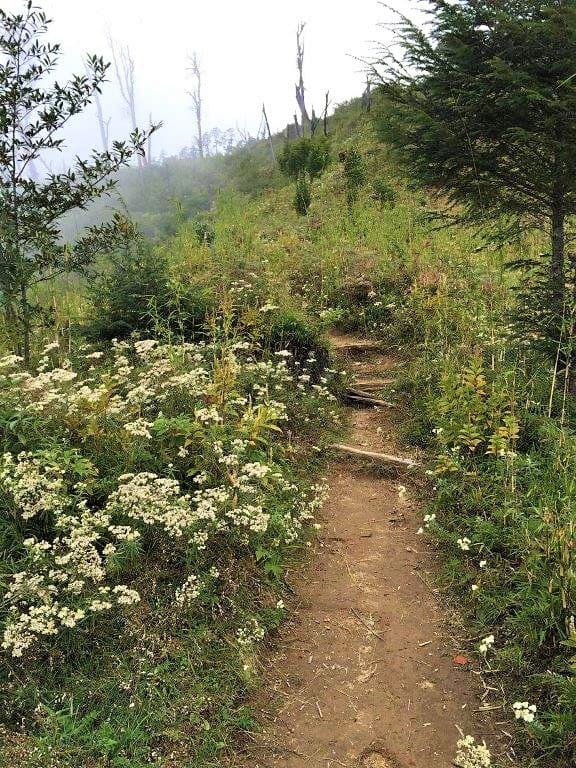
The trail begins with a gradual climb through mixed forests of pine, birch, and oak. About an hour in, you will reach Jonkar Thatch, a sloping meadow at around 11,000 feet. Some trekkers camp here, but I would suggest pushing on to Rola Kholi for a better experience.
After Jonkar Thatch, the trail gets steeper and enters dense forest. About 20 minutes of sustained climbing later, you emerge onto a gorgeous open meadow with views of Hanuman Tibba (5,860 m) and the Seven Sisters peaks in the background. The trail then dips back into forest before finally opening up at Rola Kholi (12,500 feet), a vast grazing ground used by local shepherds.
Keep in mind that water sources are limited on this stretch. There are two streams, Chor Nallah and Kohli Nallah, about 10 to 15 minutes before Rola Kholi. Fill up your bottles here. Camp under the stars at Rola Kholi and enjoy the incredible Himalayan night sky. No light pollution, just you and a million stars.
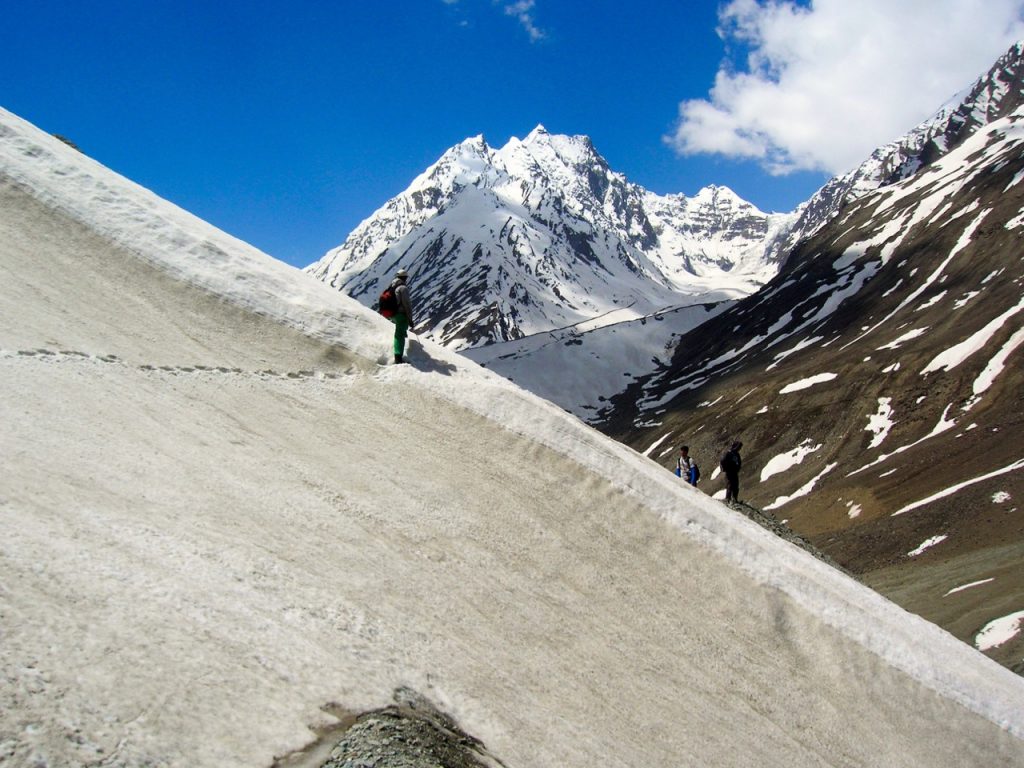
Day 2: Rola Kholi to Bhrigu Lake to Pandu Ropa (10 km, 7-8 hours)
This is the big day. Start as early as possible, ideally by 5:30 to 6 AM, for two reasons. First, you want to catch the Himalayan sunrise from the ridgeline. Second, you have a lot of ground to cover, about 10 km with a climb to 14,100 feet and then a descent to Pandu Ropa.
The first two hours from Rola Kholi are the most demanding section of the entire trek. The trail climbs steeply through rocky terrain to reach the first ridge. Until June, this section is covered in snow, making it slower and more physically demanding. Take your time, drink water regularly, and listen to your body. There is no need to rush.
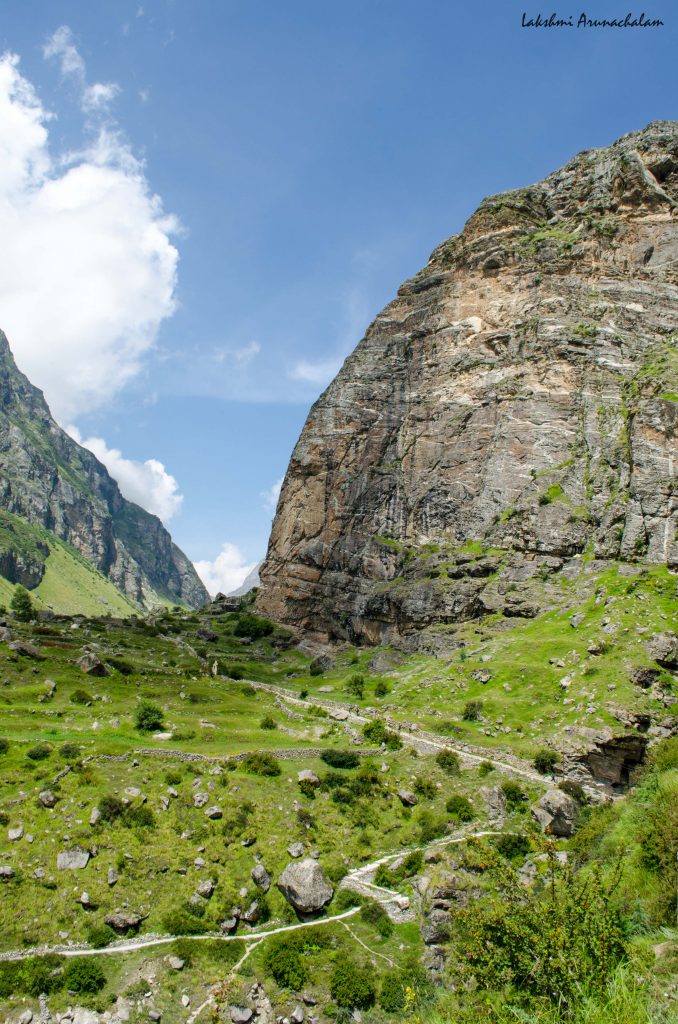
Once you crest the ridge, the trail descends gently towards Bhrigu Lake. On clear days, you will see the lake from the ridgeline, a stunning patch of blue or green nestled between two massive ridges of the Pir Pinjal range. On cloudy days (quite common in monsoon), the lake reveals itself only when you are almost upon it. Peaks like Deo Tibba (6,001 m) and the Dhauladhar range are visible from this vantage point.
Spend time at the lake. The water color shifts between royal blue, emerald green, and turquoise depending on the light and season. In June, you might find chunks of floating ice. The lake changes its personality every single time you visit, which is why it has so many repeat visitors.
Camping near the lake is not advisable. Local tradition considers it inauspicious, and practically speaking, temperatures at 14,100 feet drop to well below freezing at night. After taking in the views, begin your descent towards Pandu Ropa through beautiful alpine meadows. Pandu Ropa offers panoramic views of the Kullu Valley and is a lovely campsite for the night. In summer months, shepherds with their flocks and wildflowers mark the landscape here.
Day 3: Pandu Ropa to Vashisht (9 km, 4-5 hours)
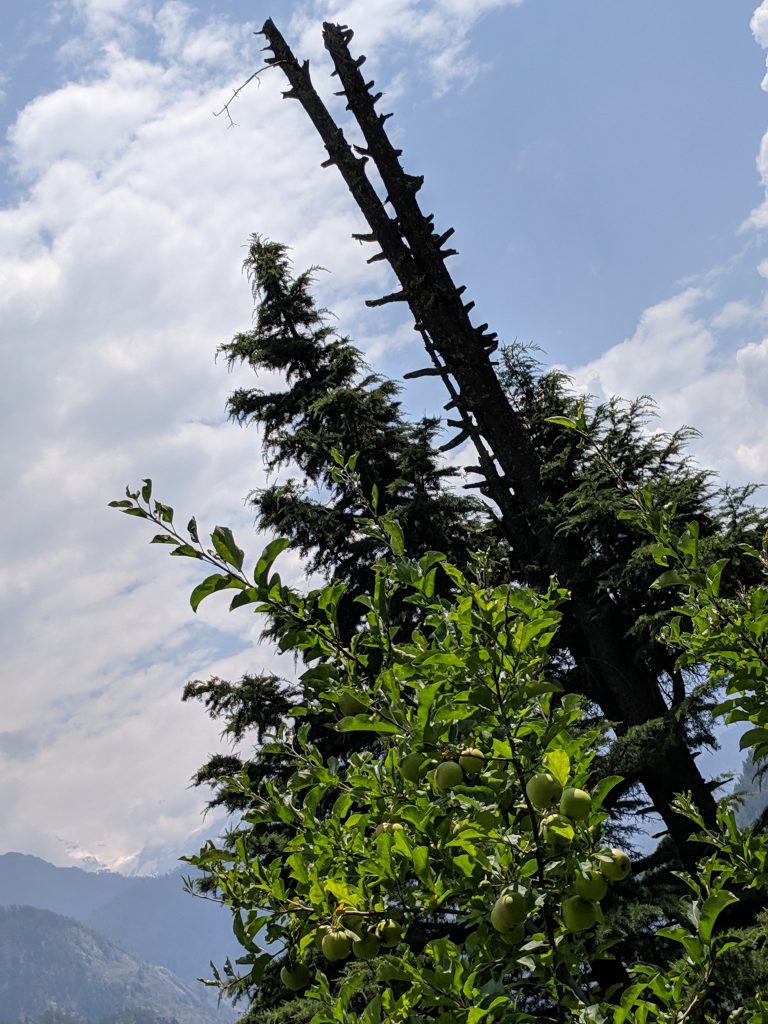
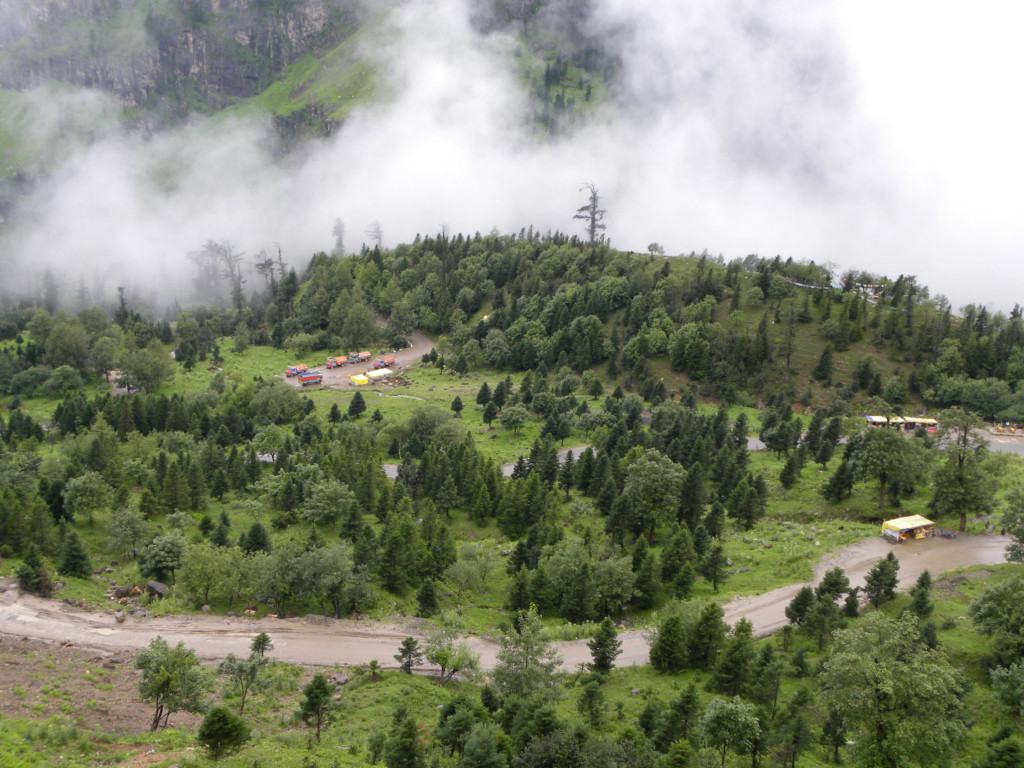
The final day is mostly downhill, but that does not mean it is easy. The trail is often slippery, especially during monsoon, so watch your step. You will pass through meadows, dense forests, apple orchards, and small Himachali villages on the way down.
I strongly suggest ending your trek at Vashisht rather than going back to Gulaba. Vashisht is a charming village about 3 km from Manali, famous for its natural hot sulfur springs. After three days of trekking, soaking in those hot springs feels absolutely divine. From Vashisht, you can walk to Manali or catch a shared auto for Rs 20 to Rs 30.
How Much Does the Bhrigu Lake Trek Cost in 2026?
The cost depends entirely on whether you are going with a trek operator or doing it independently. Here is a rough breakdown for both approaches.
With a Trek Operator
Most operators charge between Rs 4,000 and Rs 8,000 per person for the Bhrigu Lake trek package. This typically includes meals, camping gear, guide, permits, and Manali-Gulaba transfer. Operators like Indiahikes, Trek The Himalayas, and Himalayan Hikers run regular batches from June to October.
DIY / Independent Trek
| Expense | Estimated Cost (INR) |
| Delhi to Manali bus (HRTC Volvo) | Rs 1,200 – Rs 1,800 |
| Manali to Gulaba taxi | Rs 700 – Rs 1,000 |
| Food (3 days, self-cooked or dhabas) | Rs 500 – Rs 1,000 |
| Camping gear rental (if needed) | Rs 500 – Rs 1,500 |
| Guide (optional but recommended) | Rs 800 – Rs 1,500/day |
| Vashisht to Manali auto | Rs 20 – Rs 30 |
| Manali to Delhi bus (return) | Rs 1,200 – Rs 1,800 |
| Total (without guide) | Rs 4,000 – Rs 6,000 |
| Total (with guide, 3 days) | Rs 6,500 – Rs 10,500 |
If you already own camping gear and are comfortable navigating trails independently, you can complete this trek for under Rs 5,000 from Delhi and back. That makes it one of the most affordable high-altitude treks in India.
What Should You Carry for the Bhrigu Lake Trek?
Packing right can make or break your trek experience. Here is what I recommend based on my own trips to Bhrigu Lake.
- Backpack: 40-50 liters, with rain cover. If you want a durable option, see my Quechua Forclaz 60 rucksack review before you buy.
- Sleeping bag: Rated for -5C to -10C (nights at Rola Kholi and Pandu Ropa are cold)
- Tent: If going independently. Operators provide tents.
- Trekking shoes: Waterproof, ankle-high, with good grip. Check our guide on trekking shoes under Rs 5,000.
- Layers: Thermal inner, fleece, waterproof jacket. Temperatures swing from 15C daytime to below 0C at night.
- Water bottles: At least 2 liters capacity. Refill at streams.
- Sunscreen and sunglasses: UV radiation is intense above 12,000 feet.
- Trekking poles: Highly recommended for the steep descent to Vashisht.
- First aid kit: Basic medicines, band-aids, Diamox (for AMS symptoms).
- Headlamp: Essential for early morning starts.
For a complete packing checklist, refer to our detailed trekking packing guide.
Are There Any Permits Required for Bhrigu Lake Trek?
As of 2026, there is no separate trekking permit required for the Bhrigu Lake trek. The trek starts from Gulaba, which is on the Manali-Rohtang road. However, if your taxi needs to go beyond the Atal Tunnel or towards Rohtang Pass, the driver may need a Rohtang Pass permit. For the trek itself, no permit is needed at Gulaba. If you book through a trek operator, they handle any necessary formalities.
Where Can You Stay Before and After the Trek?
Most trekkers base themselves in Manali before and after the trek. Budget guesthouses in Old Manali start at Rs 500 to Rs 800 per night. Mid-range hotels cost Rs 1,500 to Rs 3,000. Vashisht, where the trek ends, also has budget stays starting at Rs 400 to Rs 600 per night, plus the added bonus of hot springs. For a more offbeat experience, Kothi and Solang Valley are also worth exploring if you have an extra day.
What Are Some Important Safety Tips for This Trek?
Bhrigu Lake is a high-altitude trek, and altitude-related issues can catch anyone off guard. Here are some practical safety pointers.
- Acclimatize in Manali: Spend at least one full day in Manali before starting the trek. Walk around, hydrate well, avoid alcohol.
- Watch for AMS symptoms: Headache, nausea, dizziness, and shortness of breath above 12,000 feet are warning signs. If symptoms worsen, descend immediately.
- Stay hydrated: Drink at least 3 to 4 liters of water per day on the trek. Dehydration accelerates altitude sickness.
- Do not camp at the lake: The altitude and cold make it risky. Plus, local traditions advise against it. Move to Pandu Ropa instead.
- Carry enough food: There are no shops or dhabas on the trail after Gulaba. Pack enough food for 3 days.
- Weather can change fast: Carry a rain jacket and waterproof your gear. Afternoon rain is common during monsoon season.
- Hire a guide if inexperienced: The trail is well-marked in peak season, but in early June or late October, snow and fog can make navigation tricky. A local guide costs Rs 800 to Rs 1,500 per day.
For more on handling altitude, read our comprehensive guide to trekking in the Himalayas.
Can You Combine Bhrigu Lake Trek with Other Treks Near Manali?
Absolutely. If you have extra days, here are some great options to extend your trip.
- Hampta Pass Trek: A 4 to 5 day trek that takes you from lush green Kullu Valley to the stark, barren landscapes of Lahaul. Ends at Chatru, from where you can visit Chandratal Lake. If you want a structured plan, see the Hampta Pass 4-day route with camp-by-camp details and cost breakdown.
- Chandratal Lake: If you are already in Manali and have done Bhrigu Lake, a trip to Chandratal via the Atal Tunnel and Kunzum Pass makes for a perfect 5-day extension.
- Easy Treks in Uttarakhand: If you want to explore beyond Himachal, Uttarakhand offers several beginner-friendly treks like Kedarkantha, Brahmatal, and Har Ki Dun.
What Is the Mobile Network and Connectivity Situation?
Mobile network works in Manali, Gulaba, and Vashisht. Once you start trekking beyond Gulaba, expect no network coverage until you descend to Vashisht or return to the road. BSNL postpaid has the widest coverage in remote Himachal areas, but even that drops out on this trail. Jio and Airtel work well in Manali town. Carry a fully charged power bank, as you will not have access to charging points for 3 days.
How to Practice Responsible Trekking at Bhrigu Lake?
Bhrigu Lake has seen a surge in trekkers over the past few years, and unfortunately, the trail shows it. Plastic wrappers, discarded water bottles, and leftover food at campsites are becoming common. Here is how you can help.
- Carry a garbage bag and bring back everything you take up, including food wrappers, tissue paper, and used sanitary products.
- Do not wash utensils or clothes in the lake or streams with soap or detergent.
- Stick to the marked trail to avoid disturbing the fragile alpine vegetation.
- If you spot garbage left by others, pick it up if you can.
- Respect the local beliefs around the lake. It is a sacred site for the communities of Kullu Valley.
For more on this topic, check out our guide on responsible travel in the Himalayas.
Frequently Asked Questions
Is Bhrigu Lake trek suitable for beginners?
Yes, Bhrigu Lake is one of the best beginner-friendly high-altitude treks in India. The trail is well-defined, the duration is short (3 to 4 days), and the total distance is about 25 km. Basic fitness is sufficient, though the steep climb to the ridge on Day 2 can be challenging. Hiring a guide is recommended for first-timers.
Can I do the Bhrigu Lake trek without a guide?
You can, especially during peak season (July to September) when the trail is well-marked and there are other trekking groups on the route. In June and October, when snow or fog can obscure the path, having a local guide is much safer. Guides are available in Manali for Rs 800 to Rs 1,500 per day.
Is Bhrigu Lake trek open in winter?
The trek is technically possible in winter (November to May), but it is extremely difficult and not recommended for beginners. The entire trail is under heavy snow, temperatures drop to -15C to -20C at night, and the risk of avalanches is real. Only attempt a winter trek with an experienced mountaineering team.
Do I need a Rohtang Pass permit for Bhrigu Lake trek?
No. The trek starts from Gulaba, which is before the Rohtang Pass checkpoint. You do not need a Rohtang permit for the trek. However, if you plan to visit Rohtang Pass separately, you will need to apply for a permit online at rohtangpermits.nic.in.
What is the altitude of Bhrigu Lake?
Bhrigu Lake sits at an altitude of 14,100 feet (4,300 meters) above sea level. It is located in the Kullu district of Himachal Pradesh, between the Pir Pinjal and Dhauladhar ranges. The starting point at Gulaba is at approximately 10,500 feet.
Can I carry my pet on the Bhrigu Lake trek?
While there is no official restriction, taking pets on high-altitude treks is not advisable. The altitude, cold temperatures, and rough terrain can be dangerous for animals. Most trek operators do not allow pets in their groups.
Is there a water source at Bhrigu Lake?
Yes, the lake itself is a water source, and there are streams on the trail. However, between Gulaba and Rola Kholi, water sources are limited to two streams (Chor Nallah and Kohli Nallah) about 10 to 15 minutes before Rola Kholi. Always carry at least 2 liters and refill at every stream you cross.
Last Updated: April 2026
Have you done the Bhrigu Lake trek? I would love to hear about your experience in the comments. If you have questions about planning your trip, feel free to ask, and I or someone from the DwD community will be happy to help. Happy trekking, my friend! 🙂

2 Comments
Comments section gets closed in 90 days. To ask your travel questions, you can follow my YouTube Channel for a faster reply or for a much slower reply follow me on Instagram. :)
awesome blog about travel guide & trekkers backackers… nice one, good job
Hello sir,
we are planning a trip to Kedarnath from Jalandhar(Punjab), from 28-9-19 to 2-10-19, kindly suggest us regarding weather,road conditions,things to carry.we area going by train/ bus