


The Annapurna Base Camp (ABC) trek is one of those bucket-list experiences that every trekker in India should seriously consider. Reaching the base of Annapurna I, the 10th highest mountain in the world at 8,091 meters, through dense rhododendron forests, terraced villages, and a natural amphitheater of snow-capped peaks is something that stays with you long after you return. The base camp sits at 4,130 meters (13,550 ft) and the trek typically takes 7 days if you go directly, or 10 days if you include the stunning Poon Hill detour. I did this trek in November 2016 with my cousin, and it remains one of the most rewarding experiences of my life.
Many people assume that you need a guide or a tour package to do the ABC trek. That is not true. While hiring a guide or porter does help the local community, budget travelers can absolutely do this trek independently with some research and careful planning. In this guide, I am sharing our complete itinerary, day-by-day breakdown, budget details, permit information, and everything you need to plan your Annapurna Base Camp trek from India in 2026.
Quick answer: Going independently via the Sonauli border, an Indian trekker can realistically finish the 10-day ABC trek (with Poon Hill) for around NPR 27,100-45,050 (approx. INR 17,000-28,000), covering permits, food, tea house stays, and local transport. Compare that to the INR 25,000-60,000 many Nepal trekking agencies quote for a fully-guided package. Hence, if you have the time to research and plan on your own, doing this independently my friend, saves you a good chunk of money.
Let's quickly dive into the details:
What Makes the Annapurna Base Camp Trek Special?
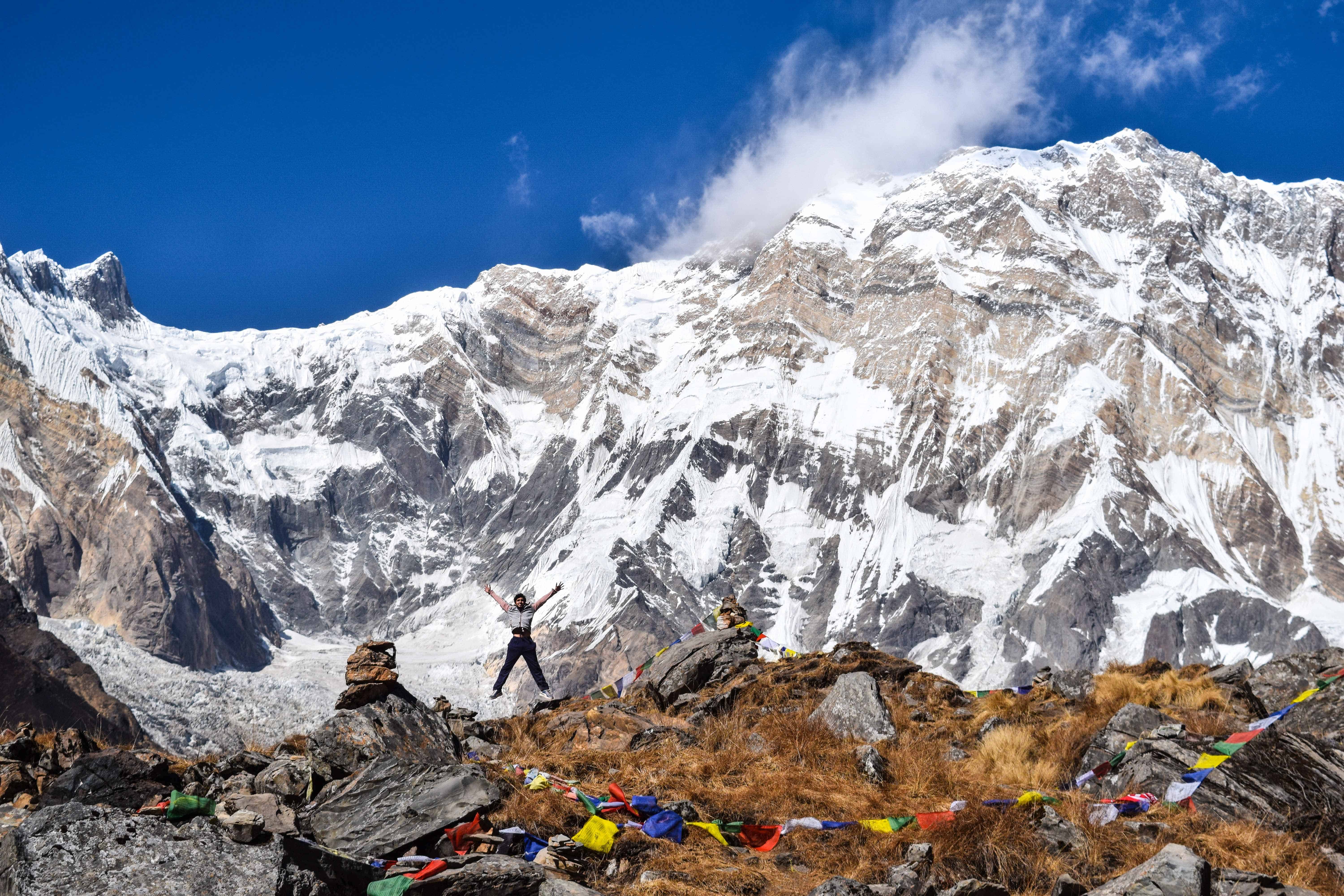
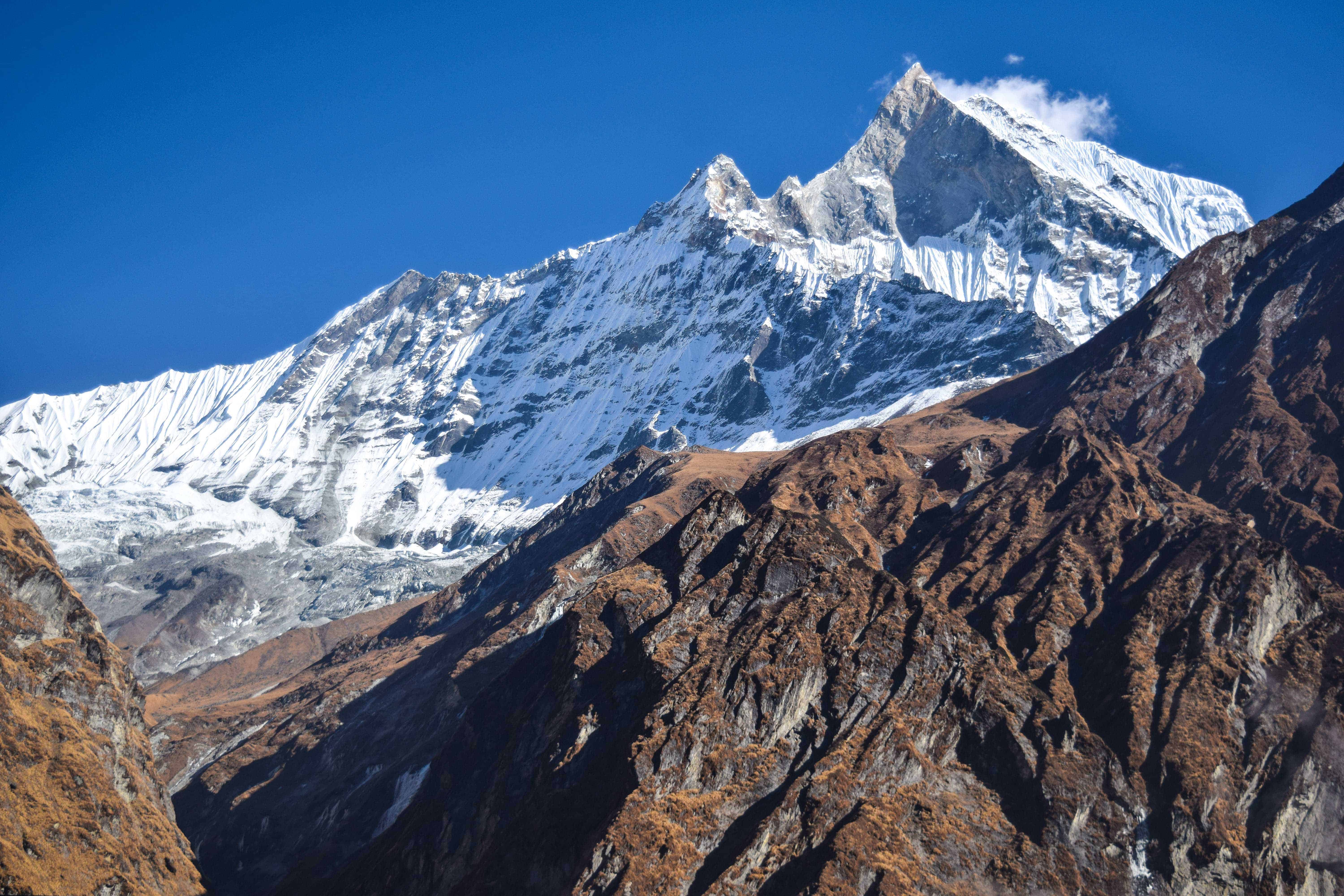
The ABC trek is rated moderate in difficulty, making it accessible to reasonably fit trekkers without technical climbing experience. What sets it apart from other Himalayan treks is the sheer diversity of the landscape. You start in subtropical lowland forests, pass through rhododendron-covered hillsides (which bloom spectacularly in spring), walk through traditional Gurung villages, and eventually enter a high-altitude glacial valley surrounded by peaks above 7,000 meters. The 360-degree panorama at the base camp, with Annapurna I, Annapurna South, Machapuchare (Fishtail), Hiunchuli, and Gangapurna all around you, is genuinely humbling.
How Do You Plan the ABC Trek from India?
If you are traveling from India, you have two main route options to reach Pokhara, which is the starting point for the ABC trek. The budget-friendly way is the overland route through Gorakhpur and Sonauli. The faster option is to fly to Kathmandu and then take a bus or flight to Pokhara.
Overland route (budget option): Take a train to Gorakhpur from Delhi, Lucknow, or Varanasi. From Gorakhpur, it is about 3 hours by bus or shared auto to the Sonauli border crossing. Indian nationals do not need a passport or visa to enter Nepal. Cross the border, and from Bhairahawa/Sunauli on the Nepal side, take a bus to Pokhara. The journey takes about 8-10 hours. Buses from the Nepal side cost NPR 650-900 depending on the type.
Flight route (faster option): Fly to Kathmandu from Delhi, Mumbai, or other Indian cities. From Kathmandu, you can take a tourist bus to Pokhara (6-7 hours, NPR 800-1,200) or a domestic flight (about 25 minutes, around NPR 5,000-8,000).
What Is the ABC Trek Itinerary?
Here is the 10-day itinerary that we followed, which includes the Poon Hill detour. If you want to skip Poon Hill and do only the ABC trek, you can take 7 days by going directly from Nayapul to Chomrong via Ghandruk or Landruk.
| Day | Route | Altitude | Duration |
|---|---|---|---|
| Pre-trek | Gorakhpur to Sonauli to Pokhara (or fly to Kathmandu to Pokhara) | 827 m | 10-14 hrs by road |
| 1 | Pokhara to Nayapul (drive) to Tikhedhunga | 1,570 m | 2 hrs drive + 4-5 hrs trek |
| 2 | Tikhedhunga to Ghorepani | 2,750 m | 7-8 hrs |
| 3 | Ghorepani to Poon Hill to Tadapani | 3,210 m (Poon Hill) / 2,650 m (Tadapani) | 7-8 hrs |
| 4 | Tadapani to Chomrong | 2,170 m | 5 hrs |
| 5 | Chomrong to Himalaya/Dovan | 2,505 m | 7-8 hrs |
| 6 | Himalaya/Dovan to Machapuchare Base Camp | 3,700 m | 4-5 hrs |
| 7 | MBC to Annapurna Base Camp | 4,130 m | 2-3 hrs |
| 8 | ABC to Sinuwa | 2,340 m | 7-8 hrs |
| 9 | Sinuwa to Jhinu Danda (hot springs) | 1,780 m | 7 hrs |
| 10 | Jhinu Danda to Siwai to Pokhara | 1,870 m / 827 m | 6 hrs trek + 3 hrs drive |
What Are the ABC Trek Quick Facts?
Here are the essential numbers you need to plan your trek. These are based on my experience and updated with 2026 pricing where verified.
| Difficulty Level | Moderate |
| Duration | 7 days (ABC only) / 10 days (with Poon Hill) |
| Maximum Elevation | 4,130 m (13,550 ft) at Annapurna Base Camp |
| Daily Budget | NPR 2,500-4,000 per day (food + accommodation) |
| Guide Needed | Not mandatory for independent trekkers |
| Accommodation | Tea houses (lodges) along the entire route |
| Wi-Fi | Available at most tea houses (NPR 100-300) |
| Best Season | March-May and October-December |
| ACAP Permit | NPR 1,000 (SAARC/Indian) / NPR 3,000 (others) |
| TIMS Card | NPR 1,000 (SAARC/Indian) / NPR 2,000 (others) |
How Do You Get the Permits for ABC Trek?
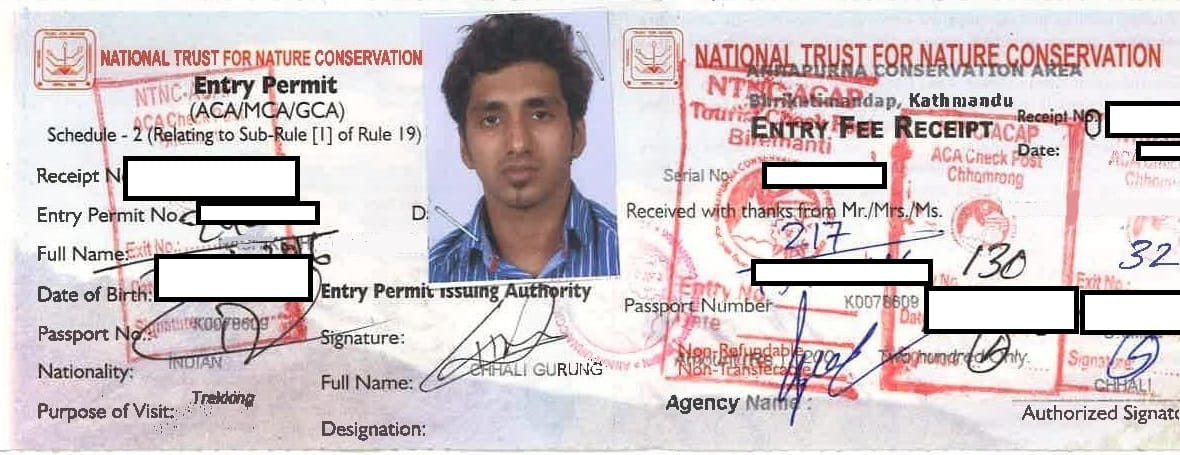
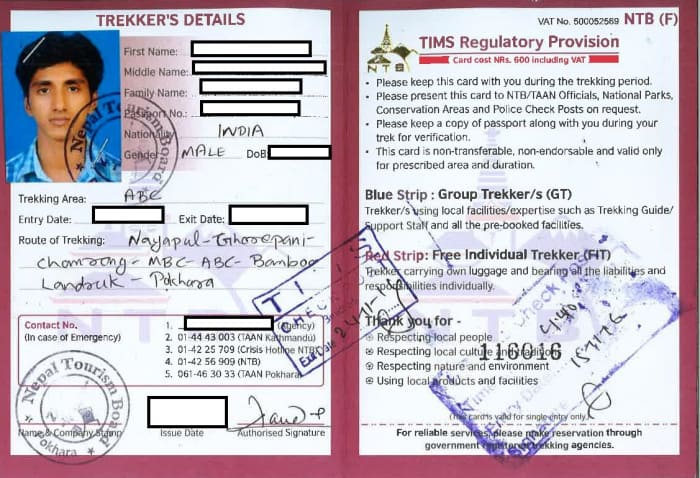
You need two permits to trek in the Annapurna region: the ACAP (Annapurna Conservation Area Permit), issued by the National Trust for Nature Conservation, and the TIMS (Trekkers’ Information Management System) card. Both can be obtained from the Tourist Police Office and Permit Office near Lakeside in Pokhara, or from the Nepal Tourism Board office in Kathmandu.
The office in Pokhara opens by 10 AM. You will need 4 passport-size photos and your ID proof. The office actually has a free photo booth inside, so do not worry if you forget to get photos beforehand. For SAARC nationals (including Indians), the ACAP permit costs NPR 1,000 and the TIMS card costs NPR 1,000, as of 2026. For other nationalities, ACAP costs NPR 3,000 and TIMS costs NPR 2,000. Keep in mind that enforcement is inconsistent. Some checkpoints on the Annapurna trail (Birethanti, Chomrong) check only the ACAP permit, while trekking agencies still register every trekker on TIMS as standard practice. Better to carry both documents and not rely on one checkpoint’s habit.
How Much Does the ABC Trek Cost for Indian Travelers?
One of the biggest advantages of the ABC trek is that it is genuinely affordable for Indian travelers. Here is a realistic budget breakdown for an independent 10-day trek (including Poon Hill) starting from Gorakhpur.
| Expense | Budget (NPR) | Approx. INR |
|---|---|---|
| Gorakhpur to Sonauli (bus/shared auto) | NPR 300-500 | INR 200-300 |
| Sonauli to Pokhara (bus) | NPR 650-900 | INR 400-550 |
| ACAP Permit (SAARC) | NPR 1,000 | INR 625 |
| TIMS Card (SAARC) | NPR 1,000 | INR 625 |
| Pokhara to Nayapul (taxi/bus) | NPR 500-2,000 | INR 300-1,250 |
| Tea house accommodation (10 nights) | NPR 5,000-9,000 | INR 3,100-5,600 |
| Food on trek (10 days) | NPR 16,000-26,000 | INR 10,000-16,300 |
| Poon Hill entry ticket | NPR 50 | INR 30 |
| Jhinu Danda hot springs | NPR 100 | INR 65 |
| Miscellaneous (Wi-Fi, charging, hot showers) | NPR 2,500-4,500 | INR 1,600-2,800 |
| Total (trek only) | NPR 27,100-45,050 | INR 17,000-28,000 |
Note on currency: The exchange rate fluctuates, but as a rough reference, 1 INR equals approximately 1.6 NPR (as of 2026). Indian 100-rupee notes are widely accepted across Nepal. You can also withdraw Nepali rupees from SBI ATMs in Pokhara and Kathmandu using your Indian SBI debit card (up to NPR 25,000 per transaction). The last ATM on the trek route is in Pokhara, so always carry enough cash before you start.
What Should You Carry for the ABC Trek?
Packing light is key for an independent trek. Every extra kilogram adds up over 7-10 days of walking. Here is a practical packing list based on what I carried. For a more detailed trekking packing guide, check out our 12 must-have things for trekking trips.
- Documents: TIMS card, ACAP permit, 4 passport-size photos, ID proof (passport not needed for Indians)
- Backpack: 45-liter is enough for an independent trek
- Footwear: Waterproof trekking shoes (essential in monsoon) + slippers for indoors
- Clothing: Winter jacket, thermal wear, 4-5 T-shirts, 2-3 trekking pants, 5-6 underwear, woolen gloves, beanie cap
- Rain gear: Lightweight rain jacket (especially for monsoon season)
- Sleeping bag: Tea houses provide thick blankets, but your own sleeping bag is more comfortable at higher altitudes
- Walking stick: Bamboo sticks are available for NPR 50 along the route
- Sunglasses: UV-protection sunglasses for high-altitude snow glare
- Medical: Diamox tablets (for altitude sickness prevention), basic first aid kit, personal medications
- Electronics: Power bank (some tea houses charge fees for charging), headlamp or torch
- Toiletries: Lightweight towel, toilet paper, napkins, sanitary items
- Cash: Carry enough Nepali rupees or Indian 100-rupee notes. No ATMs after Pokhara.
A practical tip from my experience: buy your trekking gear in Pokhara’s Lakeside area rather than carrying it from India. The shops there sell sleeping bags, jackets, walking poles, and everything else at very competitive prices. You can even find decent quality fake brands that work perfectly fine for one trek.


When Is the Best Time for the ABC Trek?
The best months for the ABC trek are March to May (spring) and October to December (autumn/early winter). Spring brings rhododendron blooms and pleasant temperatures. Autumn offers the clearest skies and best mountain views. I went in November and the visibility was outstanding, though it was quite cold at higher altitudes.
Avoid the monsoon season (June to September) due to heavy rain, leeches on the trail, landslide risks, and poor visibility. That said, the tea houses remain open year-round, so technically you can trek in any season. Winter (January-February) is possible but extremely cold at the base camp, with temperatures dropping to -20C at night.
Which Route Should You Choose?
The traditional ABC trek takes 7 days (up and down). If you add the Poon Hill detour, it becomes 10 days. I strongly recommend including Poon Hill if you have the time. The sunrise view from Poon Hill (3,210 m) provides a stunning 360-degree panorama of the Annapurna and Dhaulagiri massifs. Seeing Dhaulagiri I, the 7th highest mountain in the world, lit up by the first rays of dawn is worth the extra days.
With Poon Hill (10 days): Head from Pokhara to Nayapul first (2-3 hours by road). Trek through Tikhedhunga, Ghorepani, Poon Hill, and Tadapani before joining the main ABC route at Chomrong.
Without Poon Hill (7 days): Head from Nayapul or Phedi directly. From Phedi, trek to Landruk to reach the ABC route. From Nayapul, trek to Ghandruk to join the ABC trail.
Where Do You Stay and Eat on the ABC Trek?
Tea houses (lodges) with basic amenities are available at every stop along the route. This is what makes the ABC trek so accessible compared to many Indian Himalayan treks where you need to carry tents and food.
Room rates: In the lower villages, rooms cost NPR 400-600 per night as of 2026. At higher altitudes near MBC and ABC, rates go up to NPR 800-1,200. Double rooms are the standard. Single rooms (rare) and dormitory beds (NPR 300-500) are also available at some lodges. Keep in mind that many lodges at higher elevations only have squat toilets. Hot showers, where available, cost about NPR 300-350 extra.
Food: Prices increase as you climb higher. A black tea that costs NPR 50 at Tikhedhunga will cost NPR 100-150 at the base camp. The staple food is Dal Bhat (rice with lentils and vegetable curry), which is filling and usually comes with unlimited refills. Expect to spend NPR 450-900 per meal at mid-altitude villages like Chomrong, and NPR 800-1,200 near the base camp. Keep in mind these are 2026 prices, so please verify locally as they tend to rise every season.
During peak season (October-November, March-April), room availability can be an issue in smaller villages like Sinuwa, Dovan, and Bamboo. A good practice is to ask trekkers coming from the opposite direction about room availability ahead. Start early each day to ensure you get a room at your planned stop.
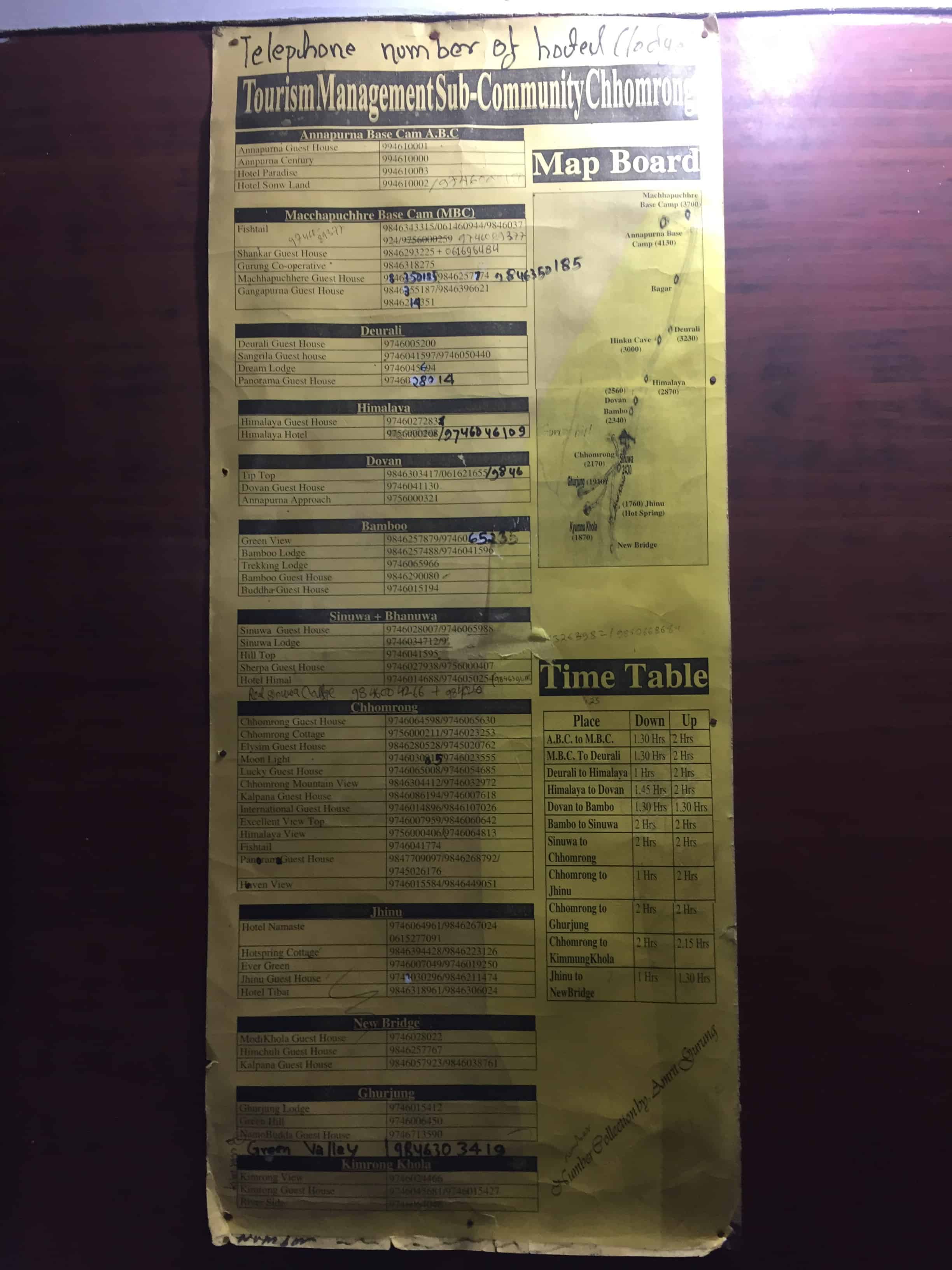
Day 1: Pokhara to Nayapul to Tikhedhunga
The trek begins from Nayapul (1,070 m), about 2 hours by road from Pokhara. Use the morning time to get your permits from the office in Pokhara if you have not done that already. We took a taxi from Pokhara which cost NPR 2,000. You can also take a public bus for much less. Try to reach Nayapul by noon because the trek to Tikhedhunga takes 4-5 hours, and the trail gets dark early. Night trekking on this route is not something you want to deal with on your first day.
About 30 minutes from Nayapul, you reach Birethanti where you show your permits at checkpoints on both sides of the river Modi Khola. The trail splits here: left goes to Ghorepani (our route), right goes to Ghandruk. The path to Tikhedhunga (1,570 m) follows a wide, untarred road, which is the easiest stretch of the entire trek. Enjoy it while it lasts. You can stay either at Tikhedhunga or at Hille, the village just before it. The first lodge at Hille where we stayed served excellent food.
Day 2: Tikhedhunga to Ghorepani
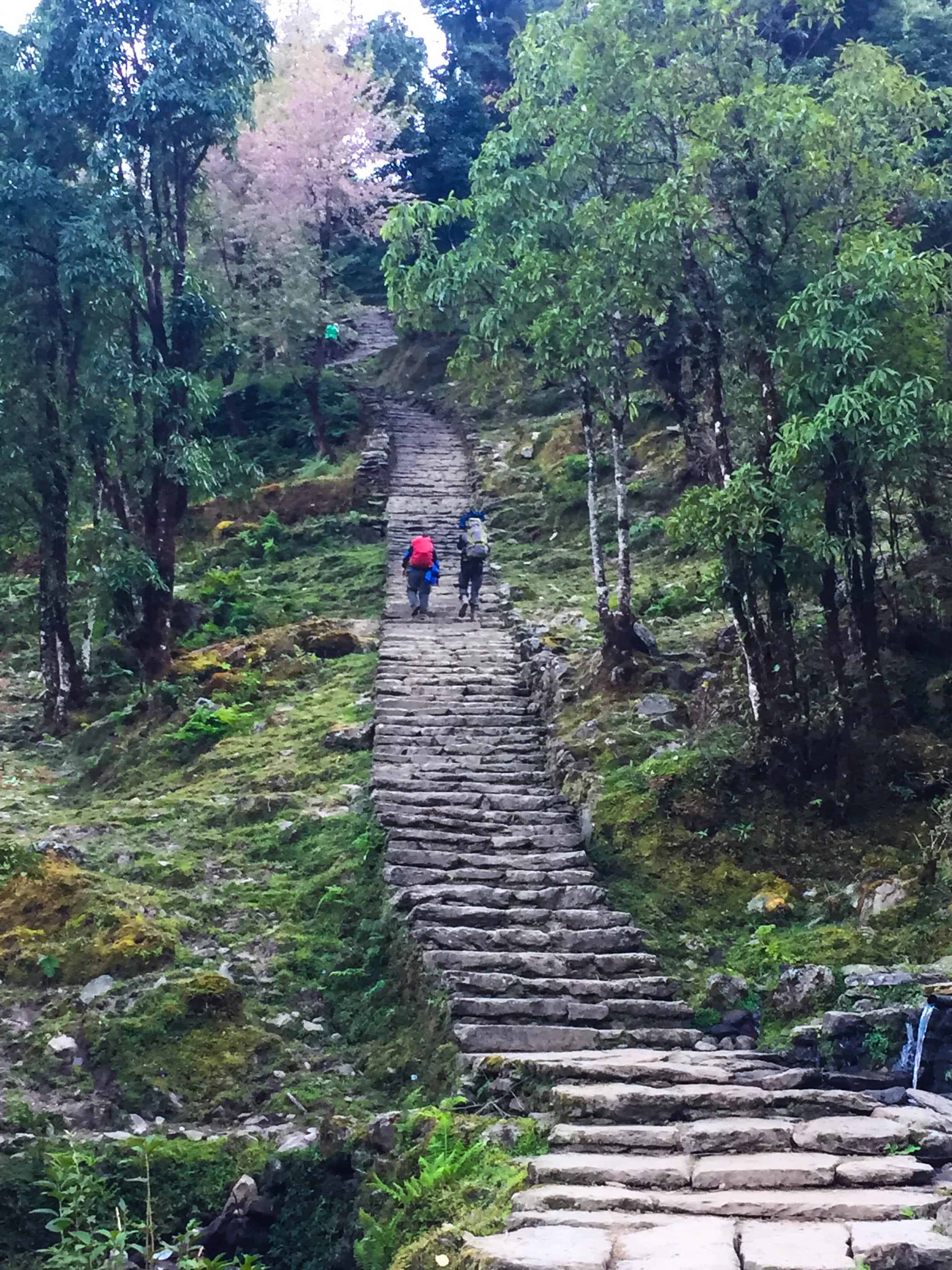
Start early, around 9-10 AM, because 3,200 stone steps are waiting for you. This is one of the most physically demanding days of the entire trek. The climb from Tikhedhunga to Ulleri is relentless, and there are no shops along the way, so carry enough water and snacks. Have lunch at Ulleri and then continue to Ghorepani (2,750 m) through a gorgeous, lush green forest. The big entrance gate of Ghorepani village at the end of 7-8 hours of trekking will put a big smile on your face.
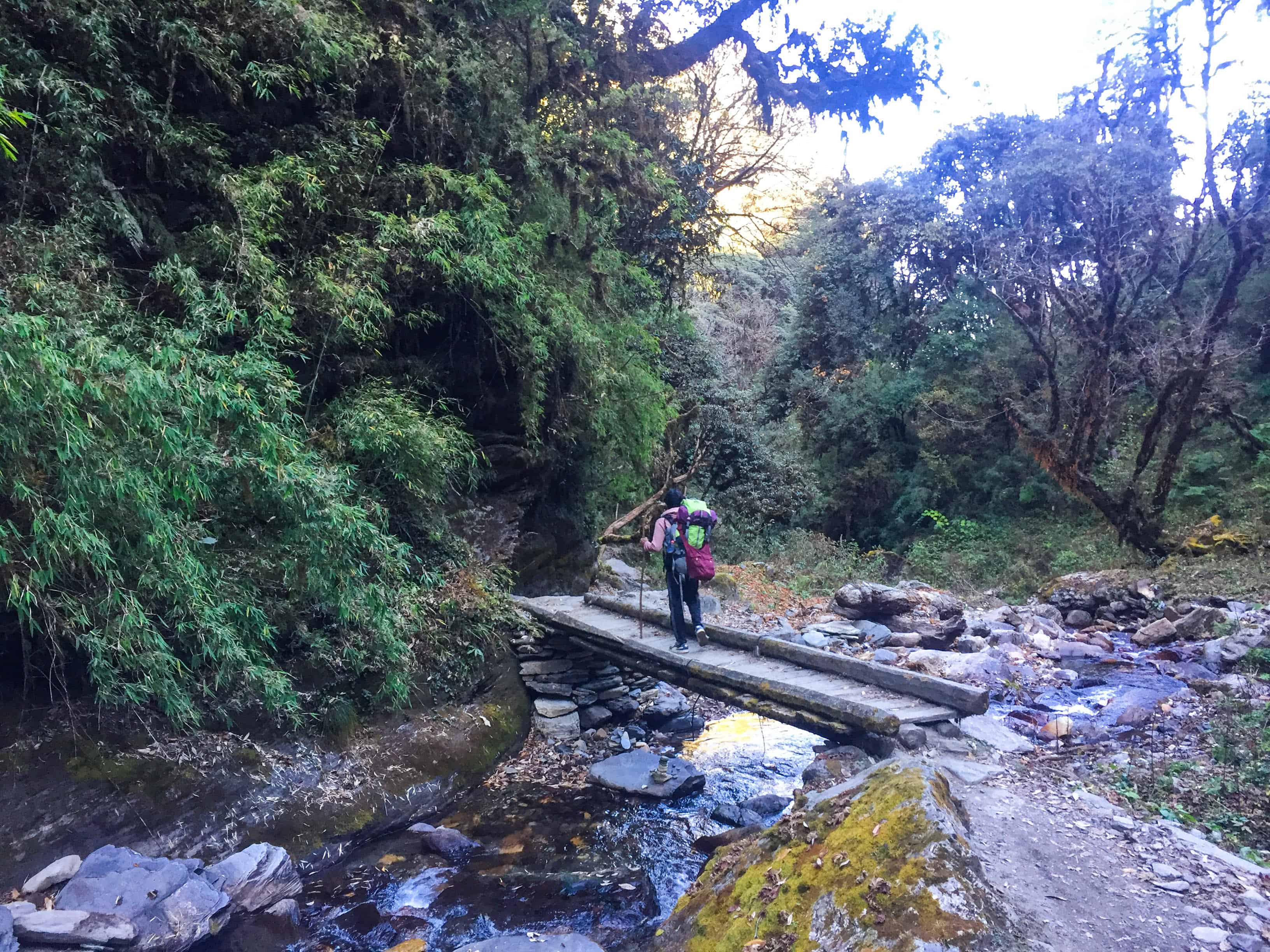
Day 3: Ghorepani to Poon Hill to Tadapani
Wake up at 5 AM and head to Poon Hill (3,210 m) for the sunrise. The climb from Ghorepani is steep but short. There is a ticket counter shortly after the start where you need to buy the NPR 50 entry ticket. Make sure you carry your wallet, otherwise it is a painful walk back and forth.

Poon Hill sunrise. The 360-degree view of the Annapurna and Dhaulagiri ranges is worth every step. The golden light hitting the snow-capped peaks at dawn from Poon Hill.
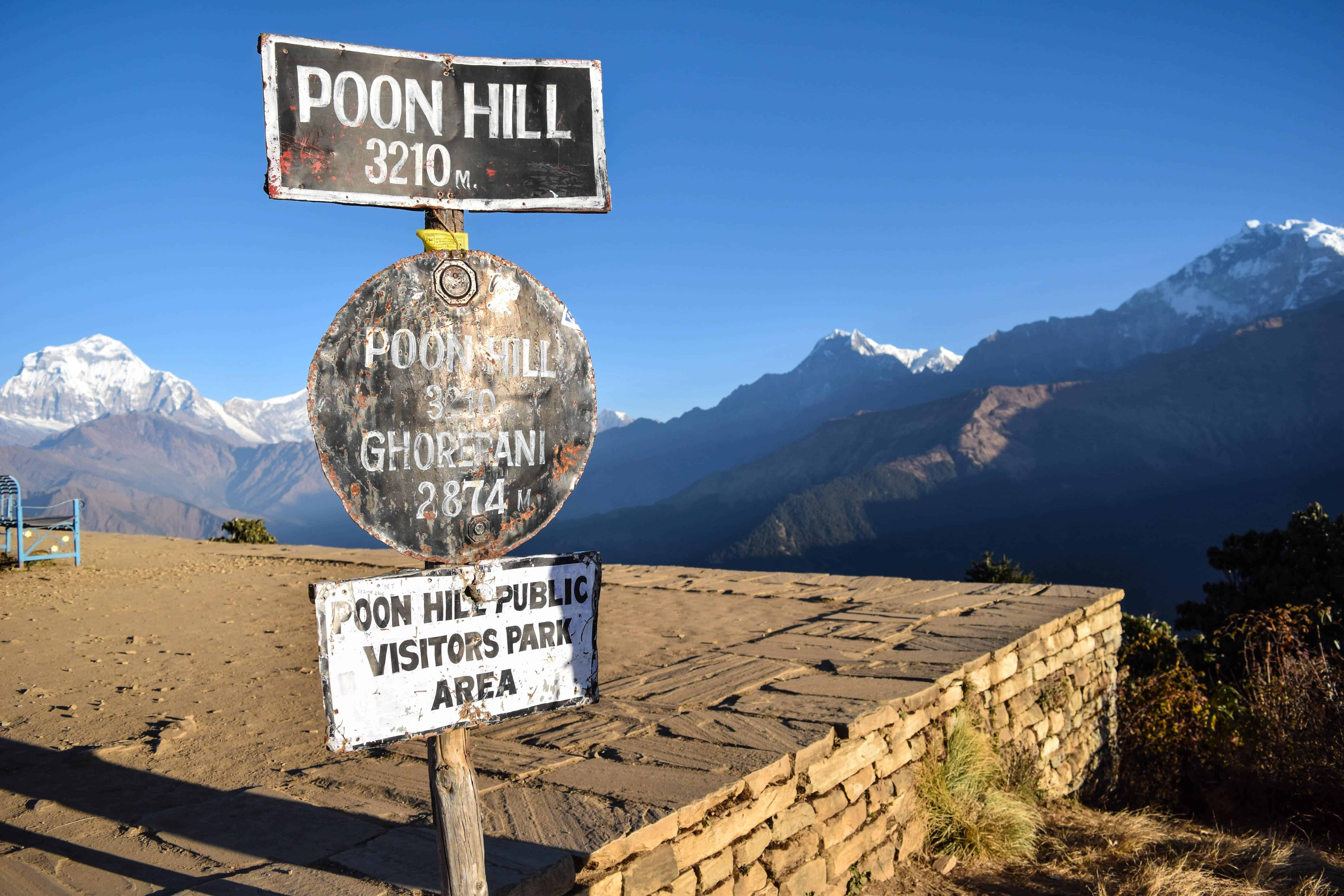
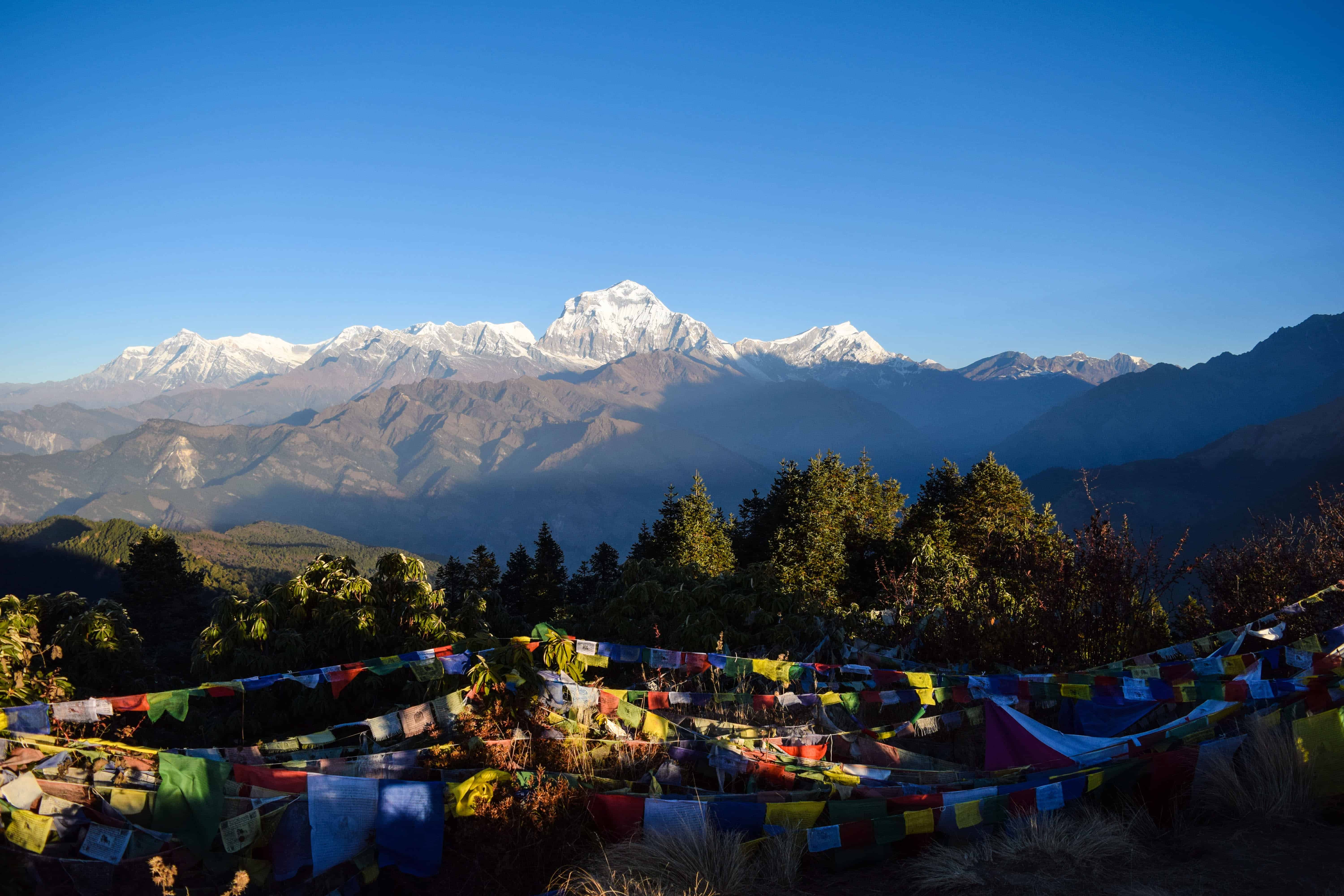
Spend some time soaking in the views, then head back to Ghorepani for breakfast. Around 10 AM, start trekking towards Tadapani (2,650 m). There are two paths: one through Ghorepani village and another less-used forest trail starting near the entrance gate.
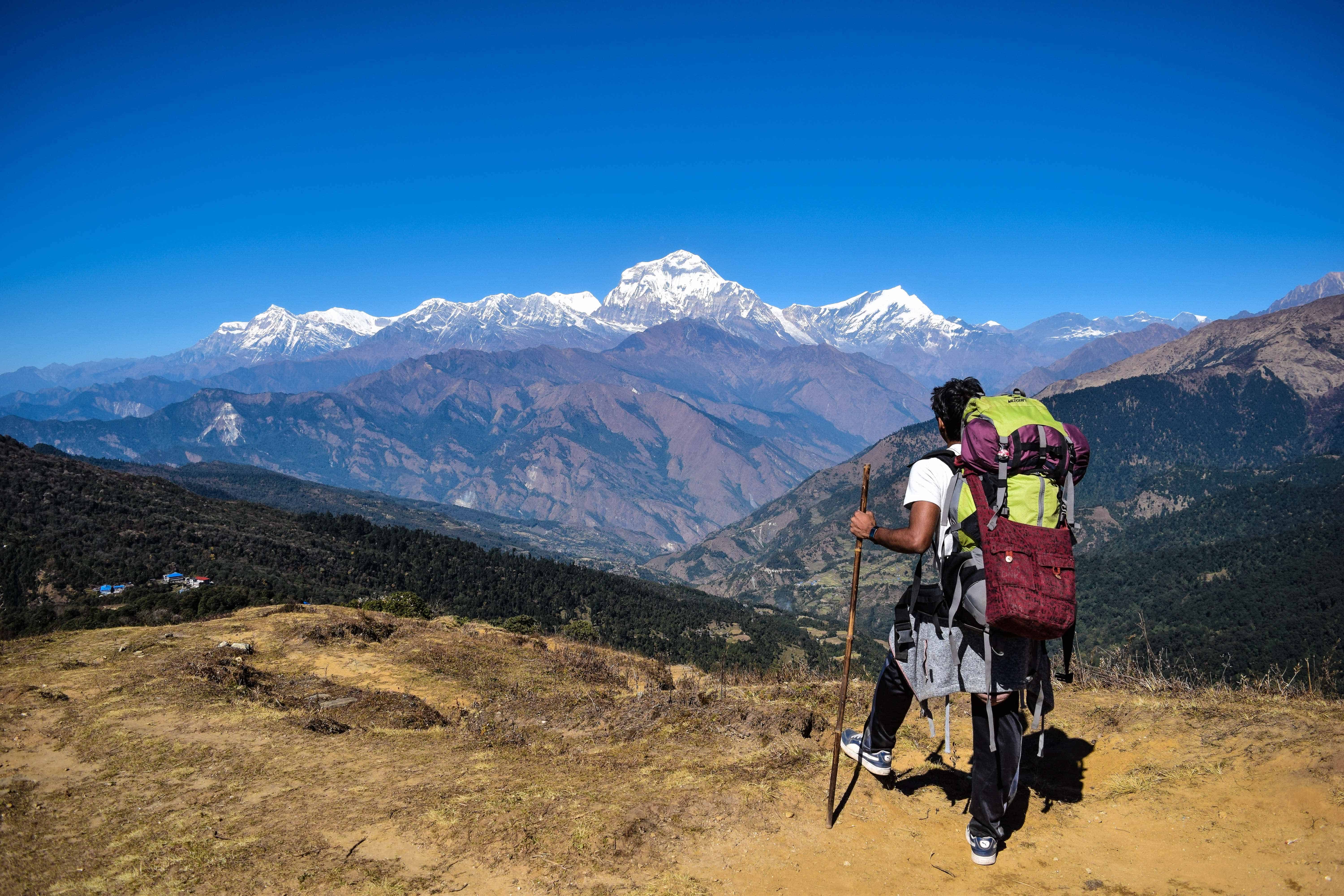
You first climb to the same height as Poon Hill to reach Deurali (there are 3 villages named Deurali in this region, so do not get confused). Have lunch there and continue through beautiful woods with small streams and waterfalls. This was one of my favorite stretches of the entire trek. Moreover, it is mostly a descent. After 6-7 hours of trekking including a lunch break, you reach Tadapani.
Day 4: Tadapani to Chomrong
Today’s route to Chomrong (2,170 m) goes up and down through the villages of Chuile and Siprong. The two river crossings on the way can be frustrating. At Chomrong, the traditional ABC route (coming from Landruk or Ghandruk side) and the Poon Hill route merge. This makes Chomrong the largest village in the mountains along the ABC trail, with the best facilities for stocking up on supplies.
Day 5: Chomrong to Himalaya/Dovan
The countless steps on the other side of Chomrong are something you will remember long after the trek is over. For now, it is a descent, which is the easier direction. But keep in mind that on your way back from ABC, you will be climbing these same steps. The checkpoint midway down is where you show your permit for the third time.
Cross the bridge over the Chomrong Khola river and climb towards Sinuwa (2,340 m). From here, aim for Dovan or push to Himalaya if you have the energy and time.
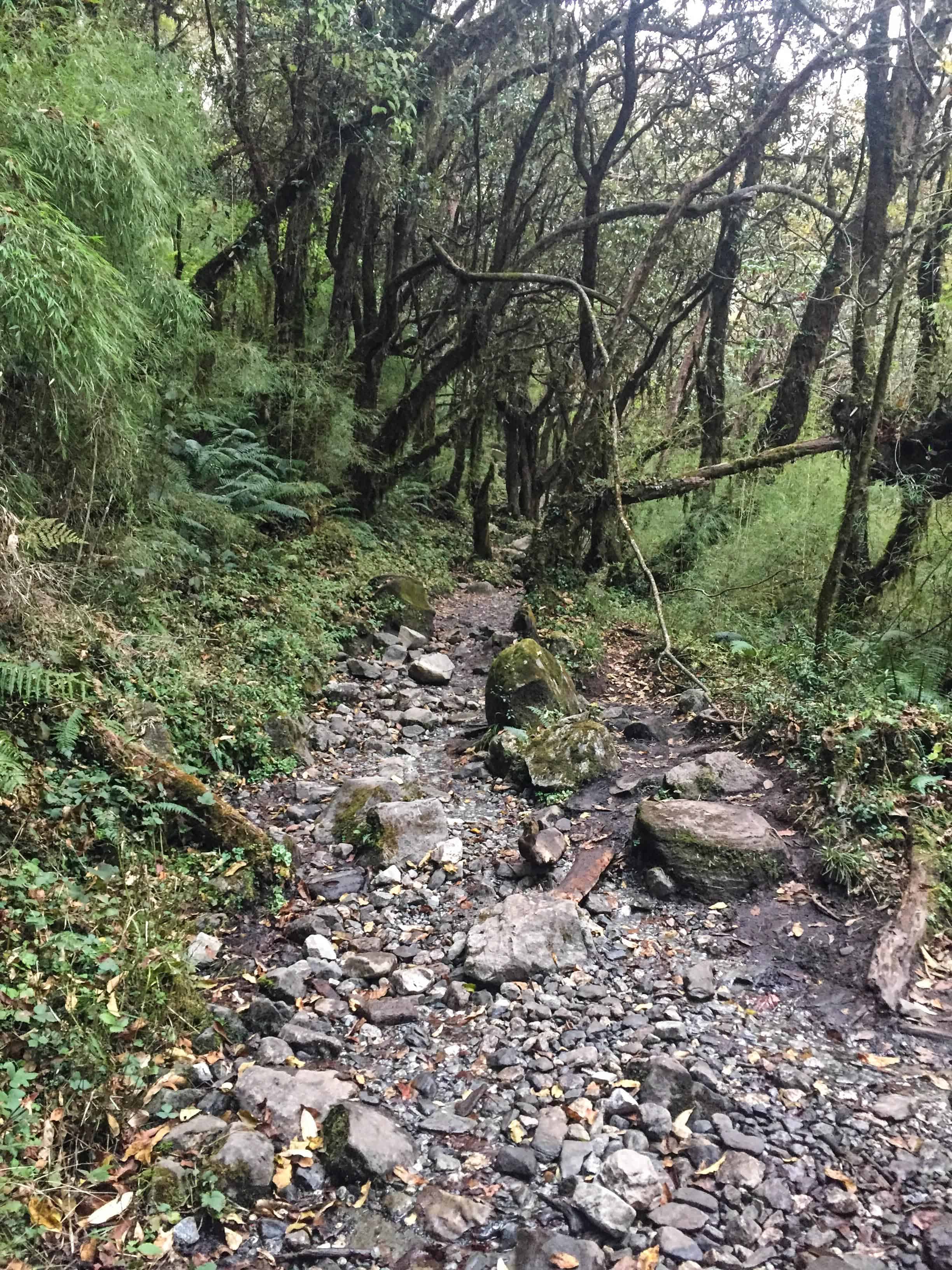
The trail now enters a narrow gorge covered with thick forest, which continues all the way to Machapuchare Base Camp. The famous 750 steps down to Bamboo (2,190 m) are a relief on the way up. An hour from Bamboo takes you to Dovan (2,505 m). Look carefully into the woods as you walk, you might spot a deer or even a Himalayan black bear. This section gets dark quickly in the afternoon because of the mist that covers the gorge. The final push to Himalaya is about 2 hours. There are only 2 lodges at Himalaya, so confirm availability before committing. Dovan has slightly more options, though not by much.

Day 6: Himalaya/Dovan to Machapuchare Base Camp
Today’s destination is Machapuchare Base Camp or MBC (3,700 m), about 4-5 hours from Himalaya. The first 2 hours take you to Deurali, where the forest that has been your companion for the last two days finally ends. The landscape opens up dramatically, and you get your first clear views of the peaks surrounding the Annapurna sanctuary.
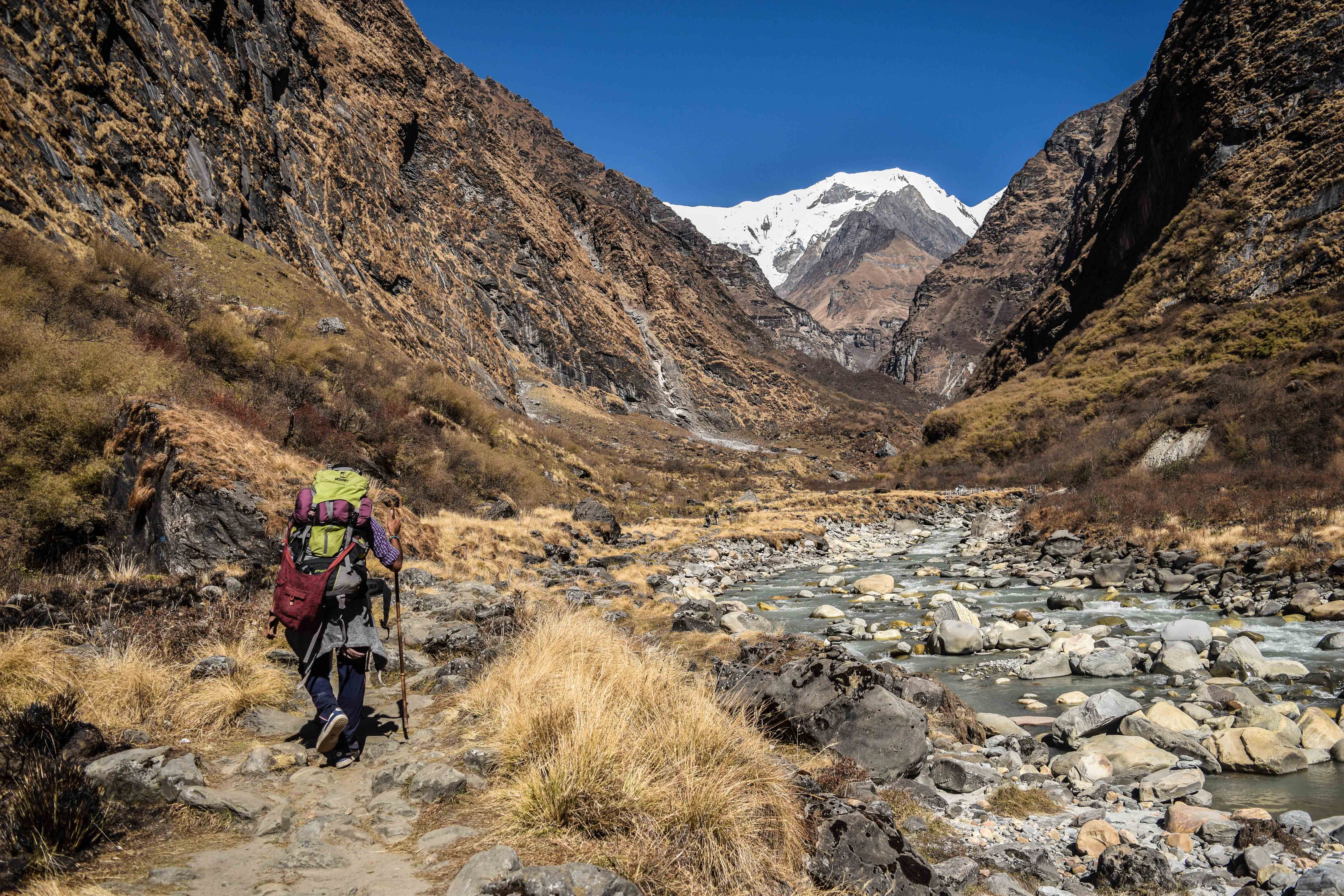
The final push to MBC can be challenging due to the altitude. Take a Diamox tablet if you feel any discomfort, headache, or nausea. If you are unfamiliar with altitude sickness symptoms, I would recommend reading our detailed guide on AMS and acclimatization before the trek. The overnight stay at MBC helps you acclimatize properly before the final push to ABC the next morning.
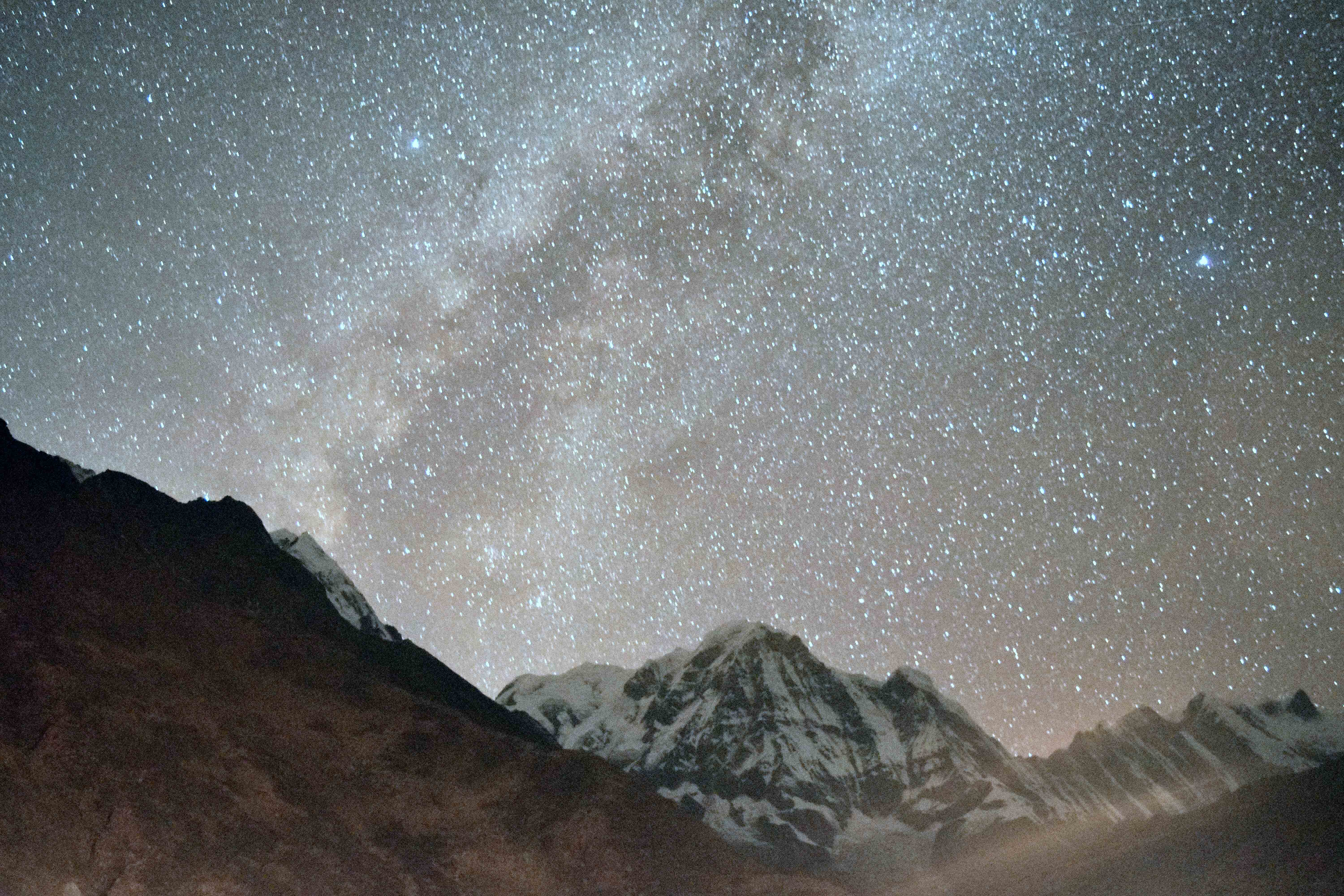
Day 7: MBC to Annapurna Base Camp
This is the day. The final stretch. And here is the funny part: the 2-3 hour trek from MBC to ABC (4,130 m) is probably the easiest section of the entire journey. The trail is relatively flat and well-marked. Spend the rest of the day at the base camp. You have earned it.
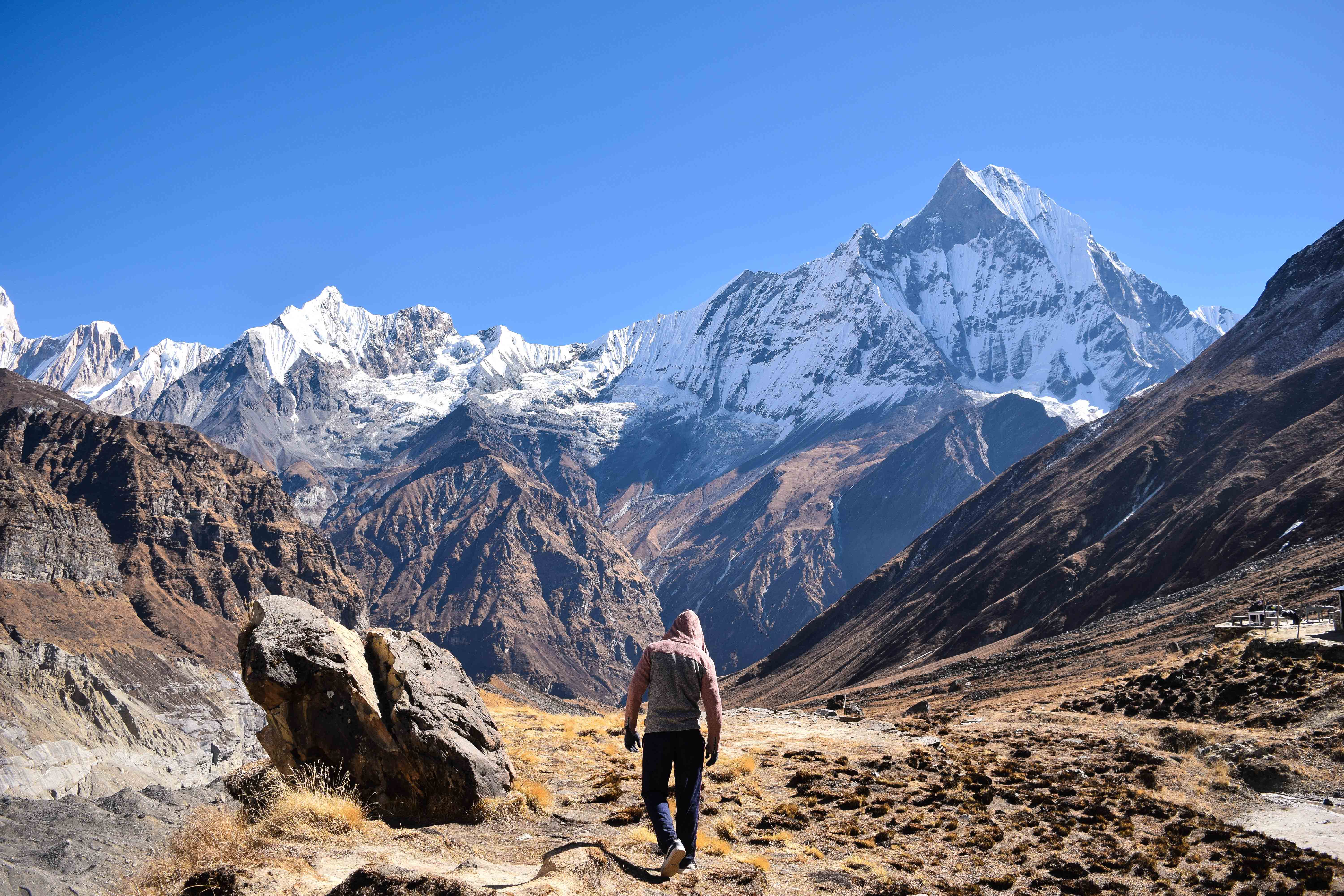
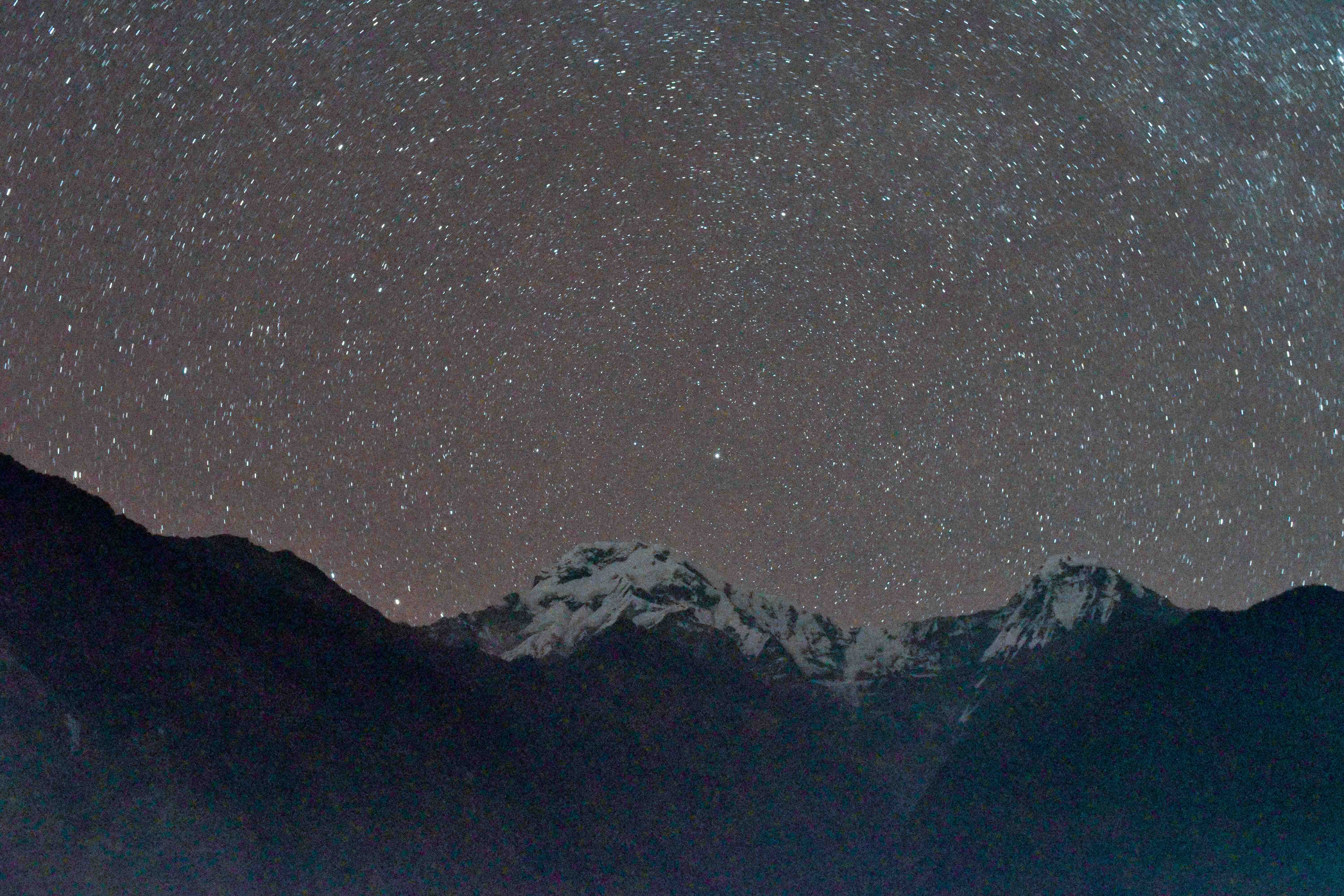
Many trekkers leave after spending a couple of hours at ABC, but I would strongly recommend spending a night here if you are not having any altitude-related problems. It is not every day that you get to sleep in a valley surrounded by 7,000-8,000 meter peaks, with the Milky Way directly overhead. The sunset and sunrise views from the base camp are extraordinary.
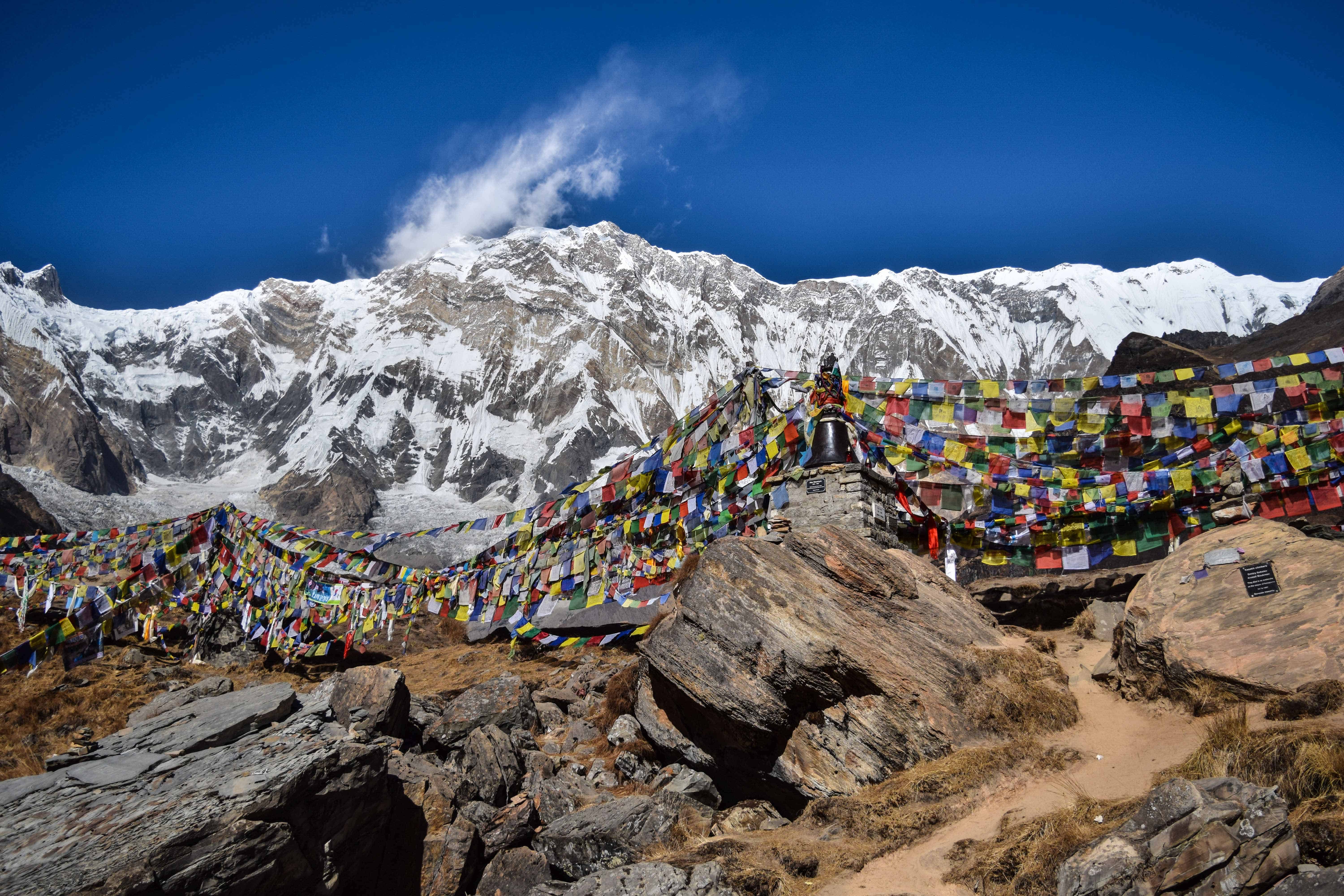
If you want to explore further, a half-day hike to the ice glaciers at higher elevation is a rewarding optional excursion.
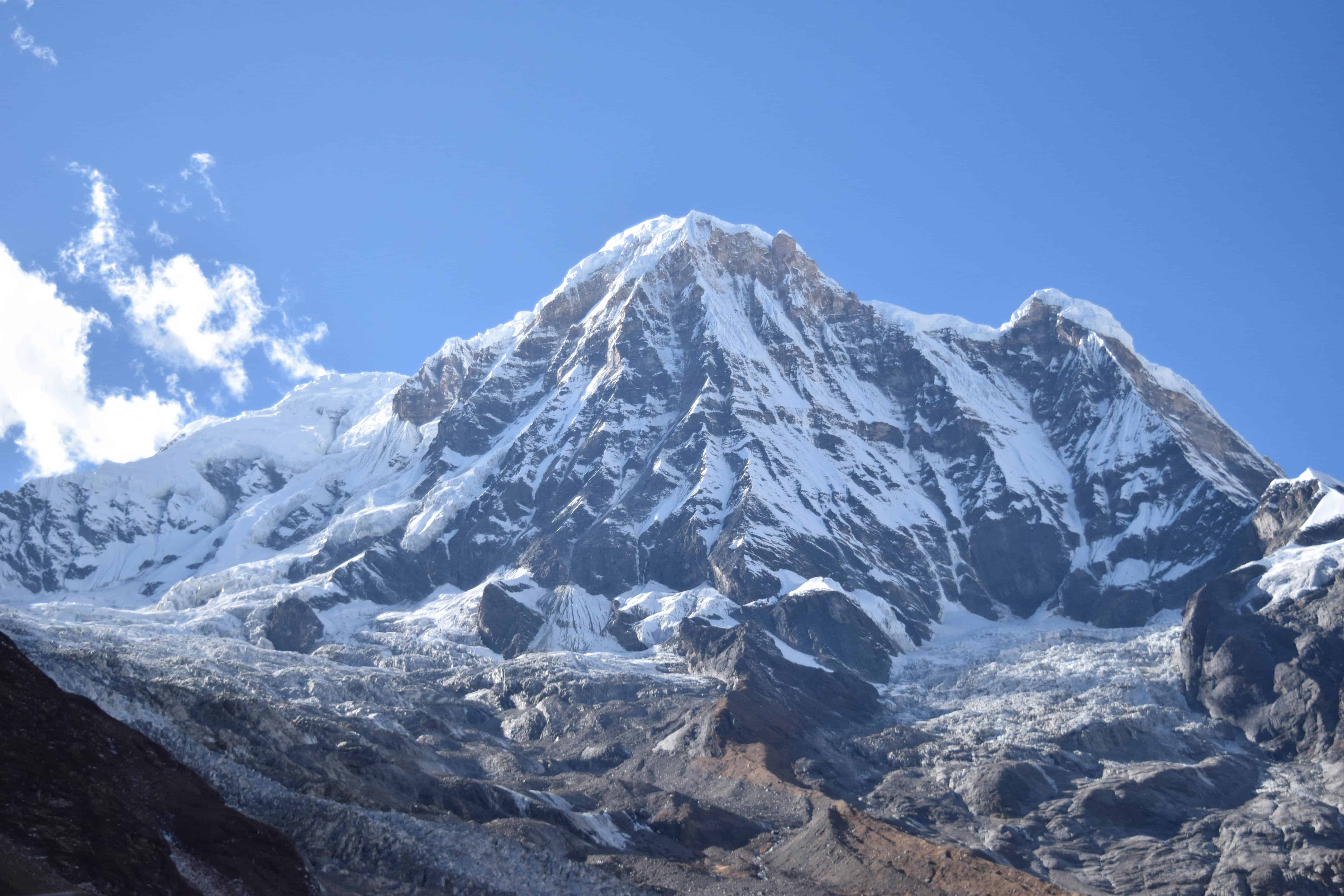
Day 8: Annapurna Base Camp to Sinuwa
Now begins the long descent. You can comfortably reach Bamboo from ABC in one stretch, but if you have more stamina, push to Sinuwa. Some fast trekkers even make it to Chomrong in one day, but remember those 3,200 steps. This time, you have to climb them.
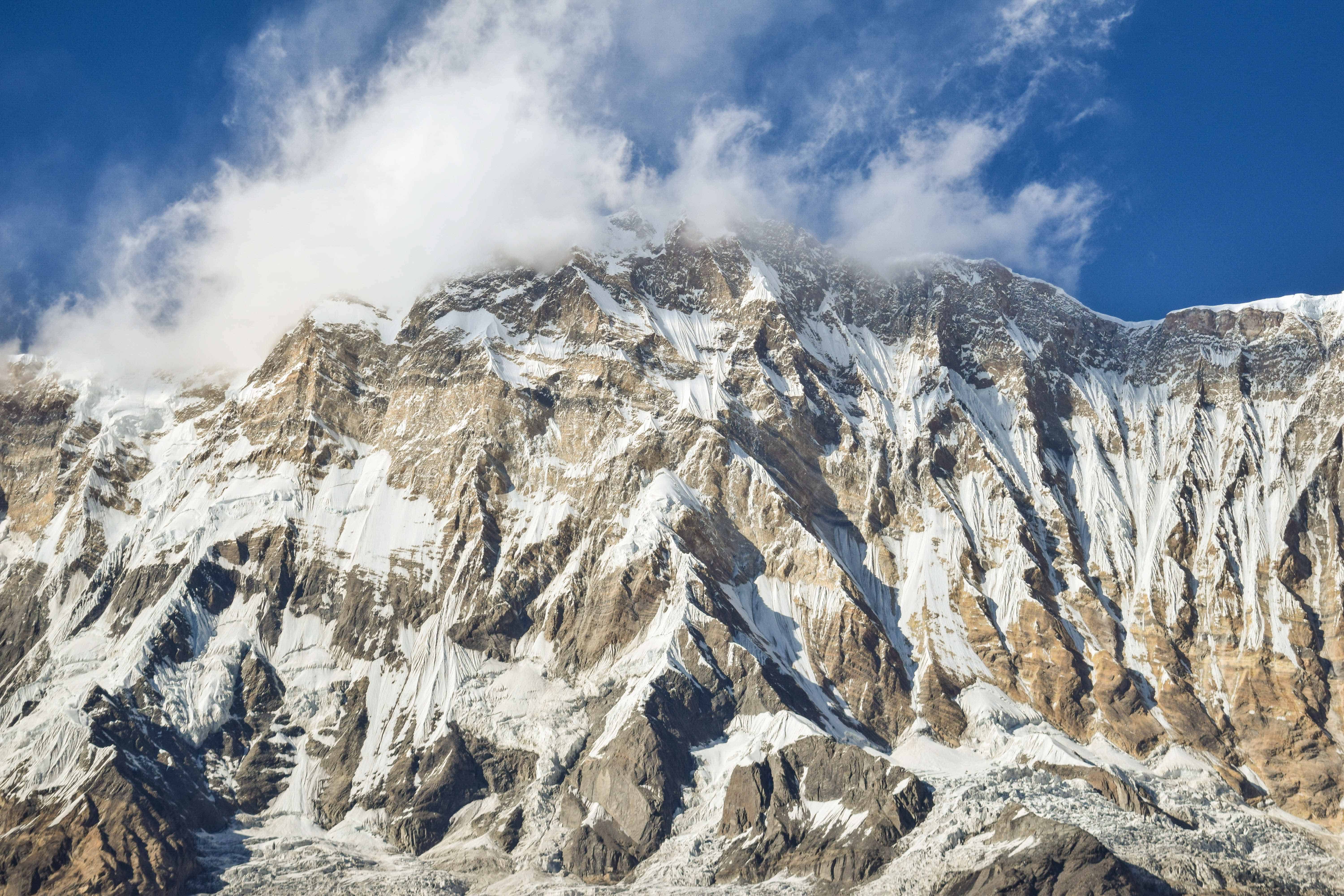
Day 9: Sinuwa to Jhinu Danda
Take the detour from Chomrong to Jhinu Danda (1,780 m). It is a long descent with plenty of steps. Find a lodge, drop your bags, and head to the natural hot springs. The hot springs are about 20-30 minutes walk downhill from Jhinu Danda. There is an entry fee of NPR 100 per person. After 8-9 days of trekking, soaking in those warm waters is exactly the kind of reward your body needs.
Day 10: Jhinu Danda to Siwai to Pokhara
The final day. Trek from Jhinu Danda to Siwai via New Bridge. From Siwai, you can catch a public bus or shared jeep to reach Pokhara. The total trek time is about 6 hours, followed by a 3-hour drive. Once in Pokhara, treat yourself to a proper meal at one of the lakeside restaurants. You deserve it, my friend.
What Are the Important Safety Tips for ABC Trek?
The Annapurna region is well-trodden, but altitude and weather can still catch you off guard. Here are the safety essentials.
- Altitude sickness: The base camp is at 4,130 m. If you experience persistent headache, nausea, dizziness, or breathlessness, descend immediately. Diamox helps with prevention, but it is not a cure. Read our complete guide on AMS before the trek.
- Weather changes: Mountain weather is unpredictable. Carry rain gear even in the dry season. Temperatures at ABC can drop below -15C in winter.
- Trail conditions: Some sections, especially the Chomrong steps and the gorge between Sinuwa and Dovan, can be slippery after rain. Good trekking shoes with grip are essential.
- Mobile connectivity: Ncell and Nepal Telecom have coverage in most villages along the route. Wi-Fi is available at tea houses for NPR 100-300. There is no coverage in the gorge section between Sinuwa and MBC.
- Insurance: Consider getting travel insurance that covers emergency helicopter evacuation. While the ABC trek is not high-risk, altitude emergencies do happen.
- Water: Carry water purification tablets. Boiled water is available at tea houses for NPR 100-200 per liter, but it adds up.
How Does ABC Trek Compare to Other Himalayan Treks?
If you are considering the ABC trek, you are probably also looking at other options. Here is a quick comparison.
The Everest Base Camp trek is longer (12-14 days), higher (5,364 m), and more expensive. The ABC trek is a better choice if you have limited time or it is your first high-altitude trek. For Indian Himalayan alternatives, the Hampta Pass trek in Himachal is excellent for beginners, while treks in the Indian Himalayas offer more variety but less established infrastructure than Nepal’s tea house system.
The biggest advantage of ABC over most Indian treks is the tea house system. You do not need to carry tents, cooking equipment, or food. This dramatically reduces the weight on your back and makes independent trekking much more feasible.
Frequently Asked Questions
Can I do the ABC trek without a guide?
Yes, the ABC trek is one of the easiest Himalayan treks to do independently. The trail is well-marked, tea houses are available at every stop, and the permit process is straightforward. I did the entire trek without a guide or porter. That said, hiring a local guide (around NPR 3,000-4,000 per day) supports the local economy and can enhance your experience with cultural insights.
Do Indian nationals need a passport for the ABC trek?
If you cross the border at Sonauli by road, Indian nationals do not need a passport or visa. You can enter Nepal with just your Voter ID or Aadhaar card. However, you will need an ID proof (Aadhaar, Voter ID, or Passport) for getting the TIMS card and ACAP permit. If you are flying to Kathmandu, you will need a passport.
How fit do I need to be for the ABC trek?
The ABC trek is moderate in difficulty. If you can walk 6-8 hours a day on hilly terrain, you should be fine. The toughest sections are the 3,200 steps on Day 2 and the Chomrong steps. Start cardio training and stair climbing at least 4-6 weeks before the trek. Previous trekking experience helps but is not mandatory.
Is the ABC trek safe for solo travelers?
Yes, the ABC route is one of the safest trekking routes in Nepal for solo travelers. The trail is well-populated with other trekkers and tea house staff. Many solo travelers, including women, complete this trek safely every year. The main risks are altitude-related, not safety-related.
What is the total cost of ABC trek from India?
For an independent 10-day trek starting from Gorakhpur via the Sonauli border, expect to spend INR 17,000-28,000 for the trek portion (including permits, food, accommodation, and transport to Nayapul), as of 2026. Add train fare from your city to Gorakhpur and back. Budget travelers who eat simple meals and share rooms can do it closer to INR 17,000, and that is still well under the INR 25,000-60,000 that most Nepal trekking agencies quote for a guided package.
Can I do the ABC trek in winter?
Technically yes, but it is very challenging. Temperatures at ABC drop to -20C or lower in January-February. The trail can have snow above Deurali, making sections slippery and difficult. Fewer tea houses stay open in deep winter. If you trek in December, the lower sections are pleasant but the base camp area is very cold. Late November and early March are better compromises.
Where can I buy trekking gear in Pokhara?
The Lakeside area of Pokhara has dozens of shops selling trekking gear. You can find sleeping bags, jackets, walking poles, trekking shoes, gloves, thermals, and everything else you need. Prices are very competitive, often cheaper than what you would pay in India. You can also rent sleeping bags and down jackets if you do not want to buy them.
Is there phone network and Wi-Fi on the ABC trek?
Ncell and Nepal Telecom SIMs work in most villages along the route. Wi-Fi is available at most tea houses for NPR 100-300 per day, even at the base camp. However, the gorge section between Sinuwa and MBC has limited or no connectivity. Buy a Ncell tourist SIM in Pokhara or Kathmandu for data access during the trek.
If you are planning this trek and have questions that I have not covered here, feel free to ask in the comments below or reach out to the DwD community. Also, whichever base camp you eventually pick, do try to follow the responsible travel practices we push for in the Himalayas, carry back your trash, avoid single-use plastic, and support the tea house owners and porters directly. For more trekking guides, check out our comprehensive guide to trekking in the Himalayas. Happy trails 🙂
Last Updated: August 2026
Follow me on Instagram and Ask any questions you might have for me!!
