


Last Updated: October 2026
Ever wished for leaving all the cosmopolitan life behind for a while, getting closer to nature, wandering in the wilderness and experiencing some real adventure? If that is what you are looking for in the Himalayas, the Everest Base Camp trek (commonly known as the EBC trek) is one of the best options you have. The 12-day trek covers 65 km from Lukla to EBC, reaching a maximum elevation of 5,643 meters at Kala Patthar, and costs roughly NPR 3,000 to 5,000 per day on the trail for Indian trekkers in 2026.
Mt. Everest is a place that does not need any introduction. The journey to the base camp of the tallest mountain in the world, through greenish rain forests, alpine scrubs, cold rivers and ice glaciers will definitely be one of the most exciting journeys you may ever take. Regarded as one of the most beautiful treks around the world and the most popular trekking route in Nepal, the EBC trek is a trekker’s dream to experience everything one could wish for.
For many people, EBC trekking is about climbing Mt. Everest, but that is not true at all. It is a journey to the base camp of Everest by walking and occasional climbing (but not with climbing tools), with stays provided in lodges (tea-houses) and not in tents. One does not need the skills of a mountaineer to do the EBC trek. Is it challenging? Yes, but doable of course.
Can it be your first trek? My answer is Yes. Back in October 2017, I got an opportunity to experience this trek with my friends and for one of them, the EBC trek was his first ever serious trekking and he did it without any problem.
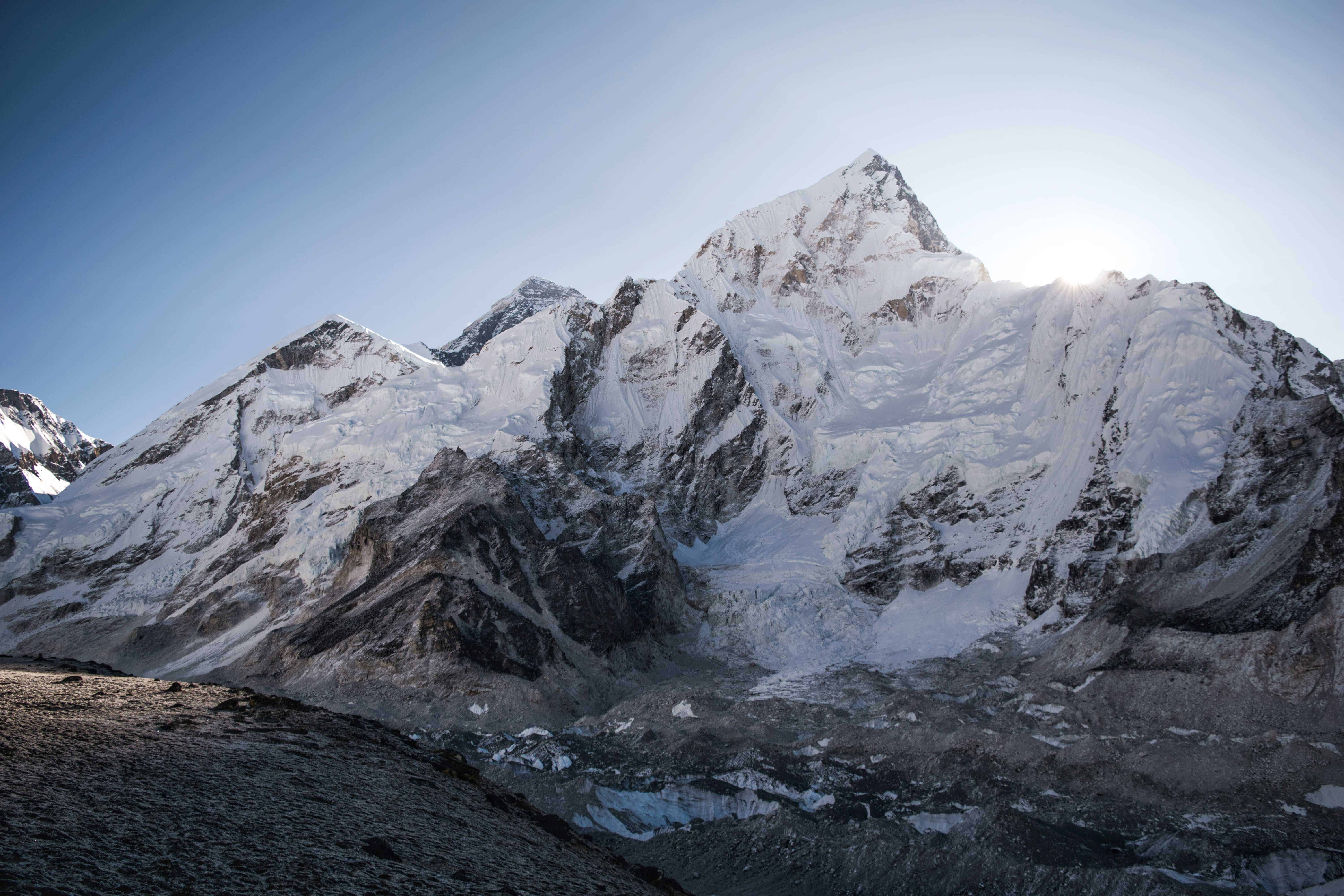
Read my complete EBC travel story here…
Let's quickly dive into the details:
What Are the Key Details of the EBC Trek?
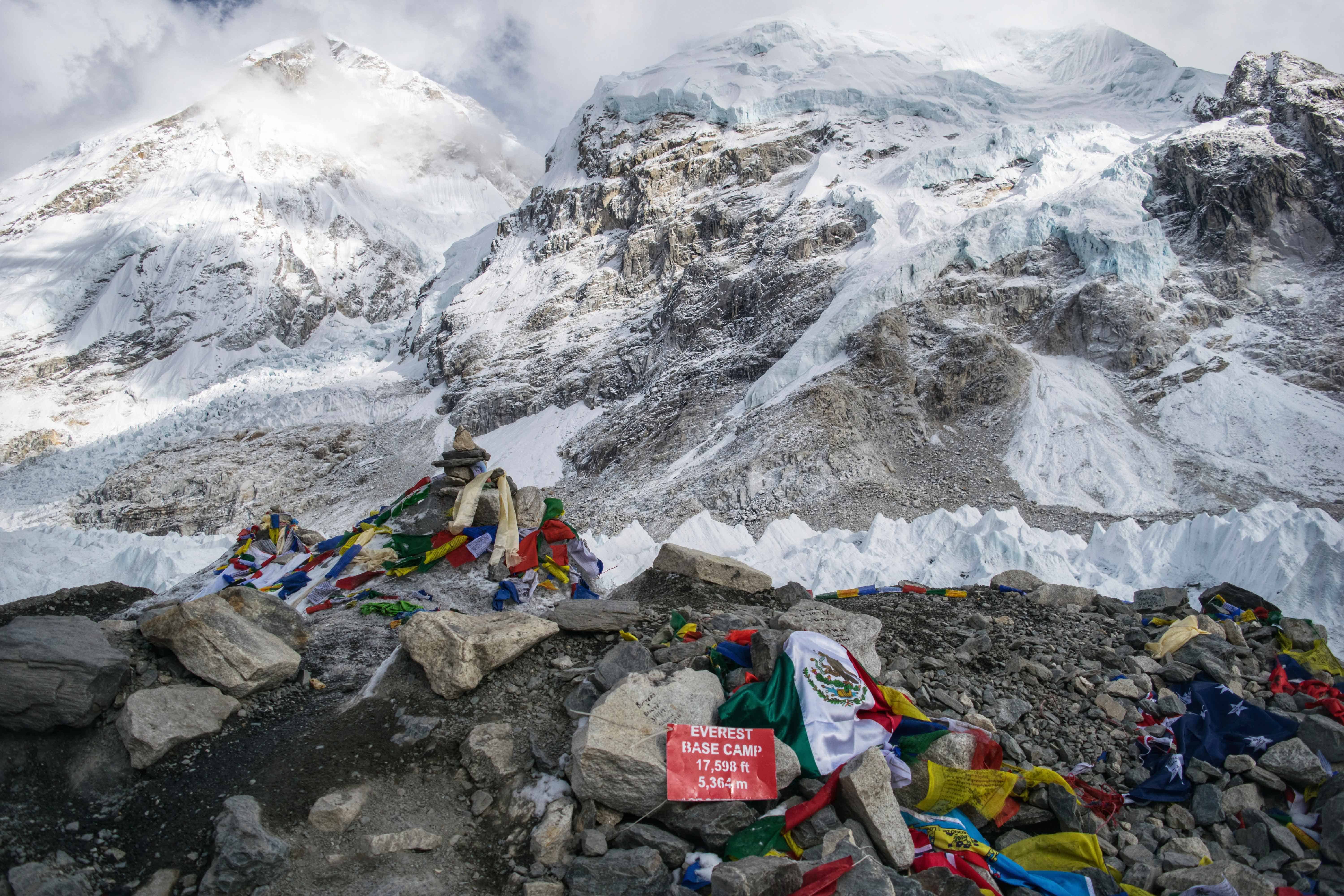
The Everest Base Camp trek is a moderate-difficulty trek that takes 12 days from Kathmandu to Kathmandu. You start from Lukla (2,860 m), walk 65 km through the Khumbu region, and reach EBC at 5,380 m. The highest point is Kala Patthar at 5,643 m, which offers the best view of Everest. Here is the overview.
| Detail | Information |
| Difficulty Level | Moderate |
| Duration | 12 days (Kathmandu to Kathmandu) |
| Starting Point | Lukla (2,860 m), flights from Kathmandu or Ramechhap |
| Total Distance | 65 km (Lukla to EBC) |
| Maximum Elevation | Kala Patthar, 5,643 m (18,514 ft) |
| EBC Altitude | 5,380 m (17,650 ft), some sources list 5,364 m |
| Daily Budget | NPR 3,000 to 5,000 per day (as of 2026) |
| Guide Required | Not enforced in Khumbu as of 2026, but recommended (verify before travel) |
| Stay | Lodges (tea-houses) |
| Best Season | March-May and October-December |
What Is the Complete 12-Day EBC Trek Itinerary?
The standard EBC trek itinerary covers 12 days with two acclimatization days built in at Namche Bazaar and Dingboche. Keep in mind that this is the most common itinerary, but you can extend it by a day or two if you want a more relaxed pace. Here is the day-by-day breakdown.
| Day | Route | Altitude | Duration |
| 0 | Reach Kathmandu | 1,400 m | – |
| 1 | Kathmandu to Lukla (flight), trek to Phakding/Monjo | 2,610 m / 2,835 m | 3-5 hrs trek |
| 2 | Phakding/Monjo to Namche Bazaar | 3,440 m | 6-7 hrs |
| 3 | Namche Bazaar (acclimatization day) | 3,440 m | Short hike |
| 4 | Namche Bazaar to Tengboche | 3,860 m | 6-7 hrs |
| 5 | Tengboche to Dingboche | 4,410 m | 6-7 hrs |
| 6 | Dingboche (acclimatization day) | 4,410 m | Short hike |
| 7 | Dingboche to Lobuche | 4,940 m | 6-7 hrs |
| 8 | Lobuche to Gorakshep to EBC and back | 5,164 m / 5,380 m | 8-9 hrs |
| 9 | Hike to Kala Patthar, descend to Periche | 5,643 m / 4,371 m | 8-10 hrs |
| 10 | Periche to Namche Bazaar | 3,440 m | 7-8 hrs |
| 11 | Namche Bazaar to Lukla | 2,860 m | 7-8 hrs |
| 12 | Lukla to Kathmandu (flight) | 1,400 m | 30 min flight |
What Permits Do You Need for the EBC Trek in 2026?
The permit system for the Everest region has changed significantly since my trek in 2017. The old TIMS (Trekkers’ Information Management System) card is no longer needed for the EBC region. Instead, you need two permits now. The Sagarmatha National Park fee is solid at NPR 1,500 for SAARC nationals, but the local Khumbu permit is quoted at NPR 2,000 by most sources and NPR 3,000 by a few that mention a 2026 rise, hence the range below. Here is the current breakdown.
| Permit | SAARC/Indian Citizens | Other Nationals | Where to Get |
| Sagarmatha National Park Entry Permit | NPR 1,500 (~INR 940) | NPR 3,000 (~INR 1,875) | Kathmandu (Nepal Tourism Board) or Monjo checkpoint |
| Khumbu Pasang Lhamu Rural Municipality Permit | NPR 2,000-3,000 (~INR 1,250-1,875) | NPR 2,000-3,000 (~INR 1,250-1,875) | Lukla or Monjo |
| Total | NPR 3,500-4,500 (~INR 2,190-2,810) | NPR 5,000-6,000 (~INR 3,125-3,750) | Fees differ between sources, verify at the counter |
Do you need a guide in 2026? Nepal announced a mandatory licensed-guide rule for independent trekkers in April 2023, but the Khumbu Pasang Lhamu Rural Municipality, which issues the local permit, has refused to enforce it on its own permits. As of September 2026, multiple operators confirm that solo trekkers are still issued Everest region permits without proof of a guide. This is a long-running dispute between the municipality and the Nepal Tourism Board, so the rule can change without notice. I did my trek without a guide in 2017, but I suggest you check the latest position with the Nepal Tourism Board or your Kathmandu agent before booking. Hiring one is optional, but still a sensible call for first-timers above 5,000 m.
Indians do not need a visa to enter Nepal, which is a significant advantage (see the Nepal Department of Immigration guidance for Indian nationals). If you fly in, carry a valid Indian passport or an original Voter ID card, since Aadhaar is not accepted for air entry. Keep in mind that 4 passport-size photos are needed for the permits.
How Much Does the EBC Trek Cost for Indians in 2026?
The EBC trek is more expensive than treks like the Annapurna Base Camp trek, mainly because of the Lukla flight and higher teahouse costs at altitude. Here is a realistic budget breakdown for an Indian trekker doing the 12-day trek in 2026. The INR figures are approximate conversions, so recheck the exchange rate before you book.
| Expense | Budget (INR) | Notes |
| Delhi to Kathmandu (flight) | Rs 5,000 – 12,000 | Book 2-3 months early for best fares |
| Kathmandu/Ramechhap to Lukla (return flight) | Rs 30,000 – 40,000 | USD 180-240 each way in 2026, roughly USD 360-480 return. Peak-season flights run from Ramechhap, add about USD 20 for the road transfer |
| Permits (Sagarmatha + Khumbu) | Rs 2,190 – 2,810 | NPR 3,500-4,500 for SAARC nationals |
| Licensed Guide (optional) | Rs 12,500 – 18,750 | $150-225 USD for 12 days, split with group |
| Porter (optional) | Rs 10,000 – 14,500 | $120-175 USD for 12 days, can share with another trekker |
| Accommodation (12 nights) | Rs 3,750 – 18,750 | NPR 500-2,500/night, increases with altitude |
| Food (12 days) | Rs 15,000 – 37,500 | NPR 2,000-5,000/day, dal bhat cheapest option |
| Travel Insurance | Rs 5,000 – 10,000 | Must cover helicopter evacuation above 5,000 m |
| Miscellaneous (tips, charging, hot shower) | Rs 3,000 – 6,000 | Electronic charging NPR 200-500/device at higher lodges |
| Total (Lean) | Rs 64,000 – 1,27,000 | No guide, no porter, dal bhat diet. Adds up the lean rows above |
| Total (Comfortable) | Rs 86,500 – 1,60,000 | With guide and porter. Agency packages usually land in the upper half |
If you are on a really tight budget, the biggest cost saver is food. Stick to dal bhat (rice with lentil curry and vegetables) as much as possible. It is the cheapest item on every teahouse menu and most places offer unlimited refills. Western dishes like pasta and pizza cost nearly double. Also, carrying your own snacks from Kathmandu (dry fruits, energy bars, instant noodles) helps a lot.
The last ATM on the trail is in Namche Bazaar, but Indian ATM cards may not work there. Hence, always carry enough Nepali Rupees before you start the trek. Rs 100 notes have always been the safest Indian currency in Nepal. Nepal Rastra Bank has also relaxed the old rule in 2026 to allow Rs 200 and new-series Rs 500 notes (issued after 9 November 2016) up to Rs 25,000 per person, but Rs 2,000 notes are not covered, so confirm before you travel. On the trail itself, you will pay in NPR anyway. Kathmandu ATM withdrawal limits vary by bank and card, so check with your bank before leaving.
What Should You Carry for the EBC Trek?
Packing right is crucial for a comfortable EBC trek. You do not need mountaineering gear, but you do need proper trekking essentials. A 45-liter backpack is enough if you are carrying your own bag. If you hire a porter, a smaller daypack of 20-25 liters works for the trail while the porter carries your main bag. Here is the complete packing list based on my experience.
Documents and Permits: Valid Indian passport or Voter ID, 4 passport-size photos, travel insurance documents, and enough Nepali Rupees (NPR 3,000-5,000 per day). Keep digital copies of all documents on your phone and email.
Clothing: A good winter jacket (down jacket preferred for above 4,000 m), thermal wear (top and bottom), 4-5 moisture-wicking t-shirts (it gets really sweaty on sunny days), 2-3 trekking pants, 7-8 underwear, woolen gloves, a beanie, sunglasses with UV protection, and a lightweight rain jacket if trekking during monsoon. Layering is key because the temperature varies dramatically between morning and afternoon.
Gear: Waterproof trekking shoes (break them in before the trek), a walking stick (trekking poles help a lot on the descent), a sleeping bag rated for -10C (lodges provide thick blankets but your own sleeping bag is always more comfortable), slippers for indoor use, a lightweight towel, a headlamp or hiking light (trails get dark early), and a power bank (most lodges charge NPR 200-500 per device for electronic charging).


Medical: Diamox tablets for altitude sickness prevention, a basic first-aid kit, water purification tablets, sunscreen (SPF 50+), lip balm with SPF, and toilet paper and personal sanitary items. If you have any pre-existing conditions, carry your regular medication with a doctor’s prescription.
When Is the Best Time to Do the EBC Trek?
The best time to do the EBC trek is during two main windows: March to May (spring) and October to December (autumn). October and November are considered the absolute best months because you get clear skies, stable weather, and the best mountain views. March to May is the second-best window with warmer temperatures but slightly hazier skies due to pre-monsoon buildup.
Avoid trekking during the monsoon season (June to September) due to heavy rainfall, landslides, leeches, and poor visibility. The trail remains technically open year-round and lodges stay operational, but availability drops significantly in the off-season and the experience is not the same. Winter trekking (January-February) is possible but extremely cold, with temperatures dropping to -20C at Gorakshep.
How Do You Get to Lukla, the Starting Point?
Getting to Lukla is honestly the trickiest part of this entire trek. From my personal experience, this is where your patience will be tested more than anywhere on the trail. There are two main options for reaching Lukla from Kathmandu.
Option 1: Fly from Kathmandu to Lukla. This is the preferred method for most trekkers. The flight takes about 25-30 minutes and lands at the famous Tenzing-Hillary Airport, regarded as one of the most dangerous airports in the world due to its short runway and mountain terrain. As of 2026, a one-way seat costs roughly USD 180-240, so budget USD 360-480 (about Rs 30,000-40,000) for the return. Keep in mind that during the peak months of April, May, October and November, Lukla flights are routinely operated from Ramechhap (Manthali) airport, a 4-5 hour drive from Kathmandu, so the 3 AM wake-up call is real. However, here is the catch. Even a small hint of a cloud can defer the flight schedules for days. I always suggest booking the first flight of the day (6:00 AM onwards) so that if any delay happens, your chance of flying the same day remains higher.
Option 2: Trek to Lukla via Jiri. This adds 2-3 extra days to your trip but eliminates the Lukla flight cost entirely, saving roughly Rs 30,000-40,000. The drive from Kathmandu to Jiri takes about 7-8 hours, and then you trek from Jiri to Lukla over 2-3 days. This option gives you better acclimatization and is significantly cheaper, but requires more time.
What Is the Day-by-Day EBC Trek Experience Like?
Day 1: Lukla to Phakding/Monjo
After landing in Lukla, most people trek to Phakding on the same day itself. It is an easy walk if you ask me, 3 hours of trekking, mostly climbing down till you reach Phakding. But my suggestion is to push till Monjo which will help you make things easier for the next day’s tiring climb towards Namche Bazaar. If you think it will get late, you can also stay in some of the villages between Phakding and Monjo.
Make sure you collect the Sagarmatha National Park Entry Permit from the checkpoint at Monjo. Also get the Khumbu Pasang Lhamu permit from the administrative office in Lukla before you leave. If you hire a guide, they will usually handle this paperwork for you.
Day 2: Phakding/Monjo to Namche Bazaar (3,440 m)
Welcome to the real world. 6-7 hours of trekking towards Namche Bazaar, the biggest village in the Khumbu region, could be the most tiring part of the EBC trek. The path filled with countless steps which get overcrowded with people and yaks carrying goods on both sides will surely test your stamina. The trail through the beautiful greenish forest near the deep gorge with numerous hanging bridge crossings also provides you the first glimpse of the great Mt. Everest.
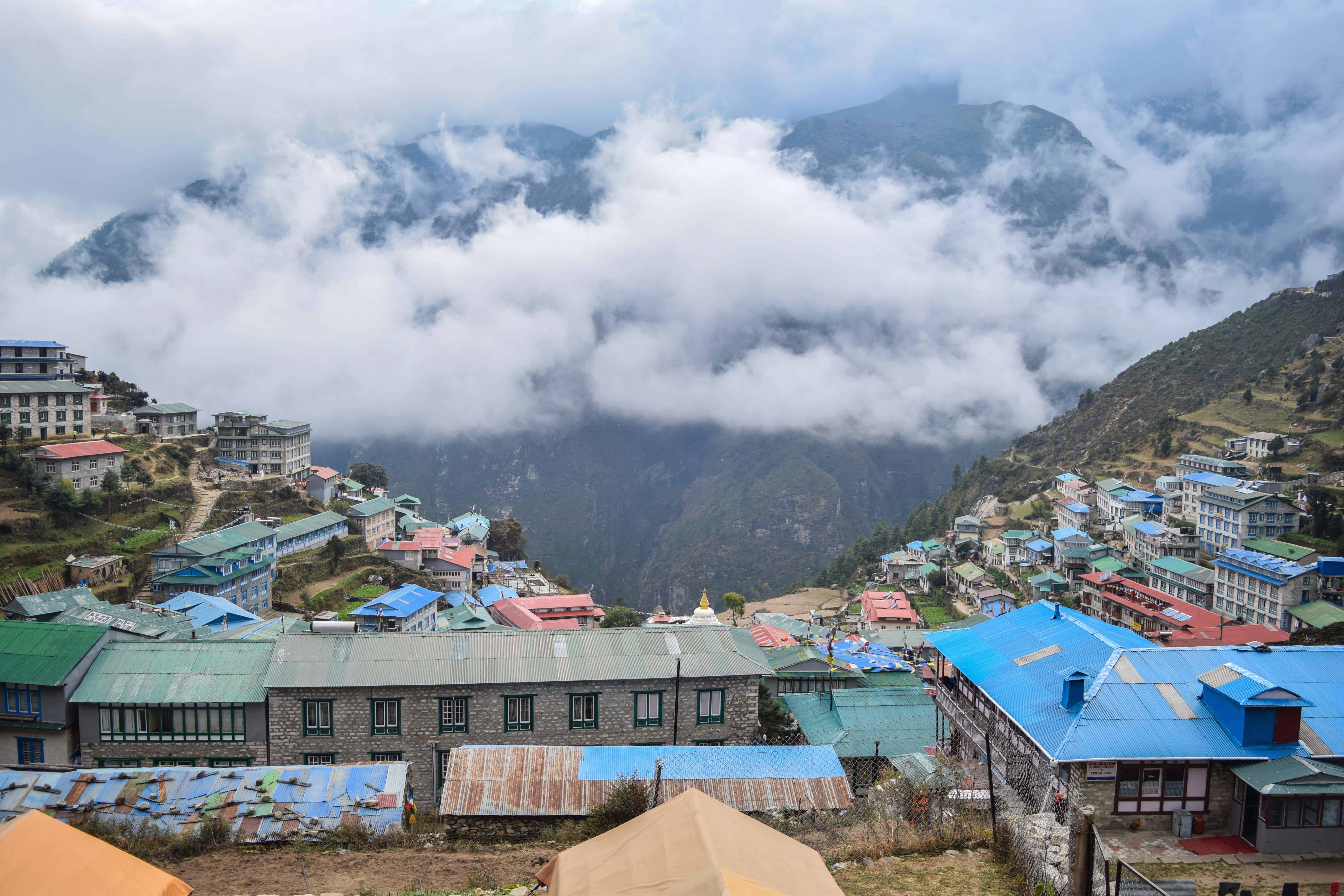
Day 3: Namche Bazaar (Acclimatization Day)
Acclimatization is the most important part of not only the EBC trek but any trekking in the Himalayan region. As part of getting acclimatized, take a short trek towards the top of the village to see the Sherpa museum and the Everest viewpoint. If it is a clear sky, you can get a good look at Everest from here. Enjoy the evening by strolling through the bustling village. Namche has bakeries, gear shops, and even a few bars. You can also do some last-minute purchases for the trek in case you missed something. If you feel any signs of altitude sickness (headache, nausea, difficulty sleeping), do not ignore them. Take a Diamox tablet, drink plenty of fluids, and rest.
Day 4: Namche Bazaar to Tengboche (3,860 m)
You will slowly start to enter the mountain world of Khumbu on the way to Tengboche, home to one of the oldest Tibetan Buddhist monasteries in the region. The trail through rhododendron trees and alpine scrubs is beautiful but physically demanding, especially the climb after the river crossing. The views of countless snowcapped mountains on both sides will help you overcome the tiredness for sure. There is a check post on the way where you need to show your trekking permits. Upon reaching Tengboche, make sure you visit the monastery in the evening.
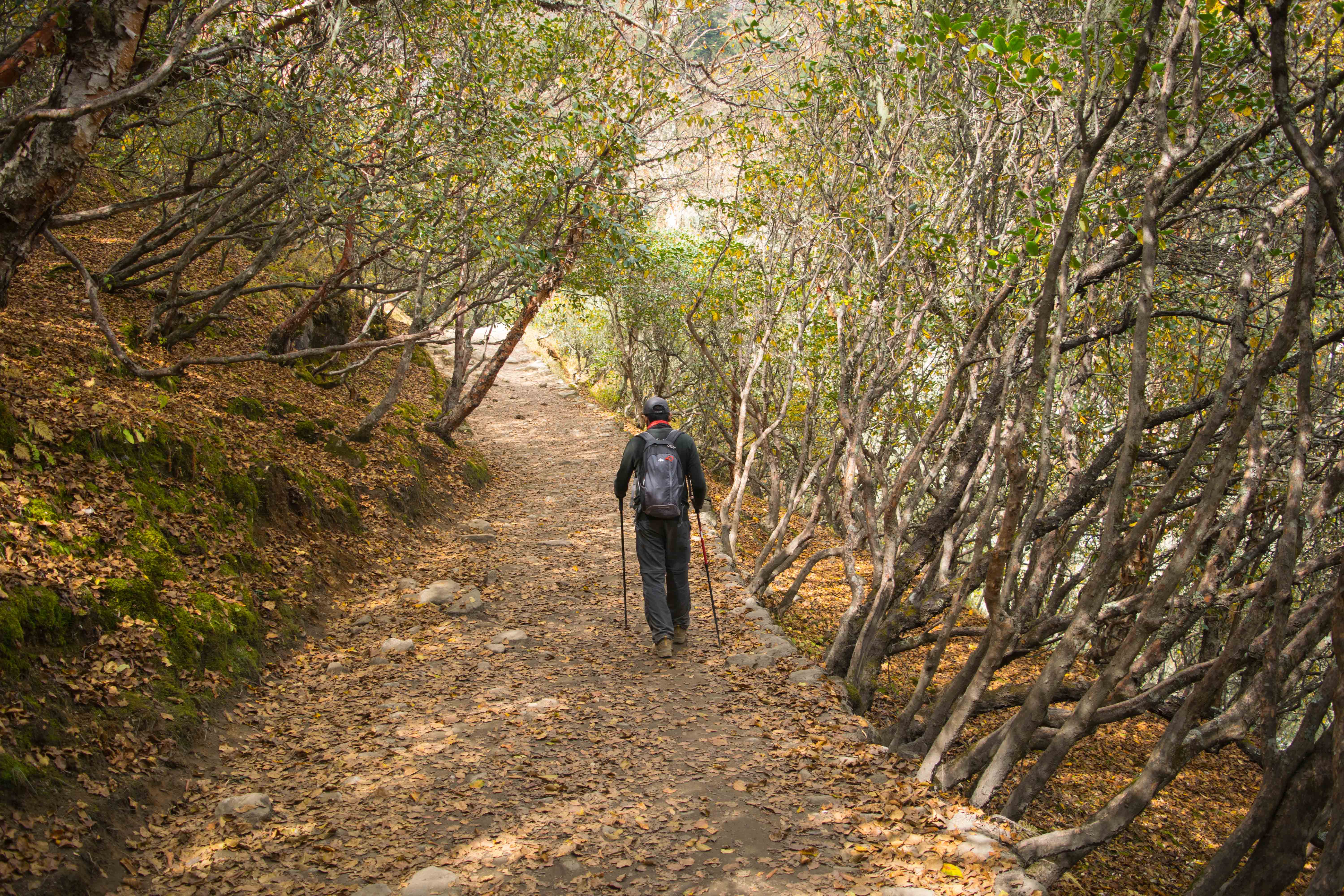
Day 5: Tengboche to Dingboche (4,410 m)
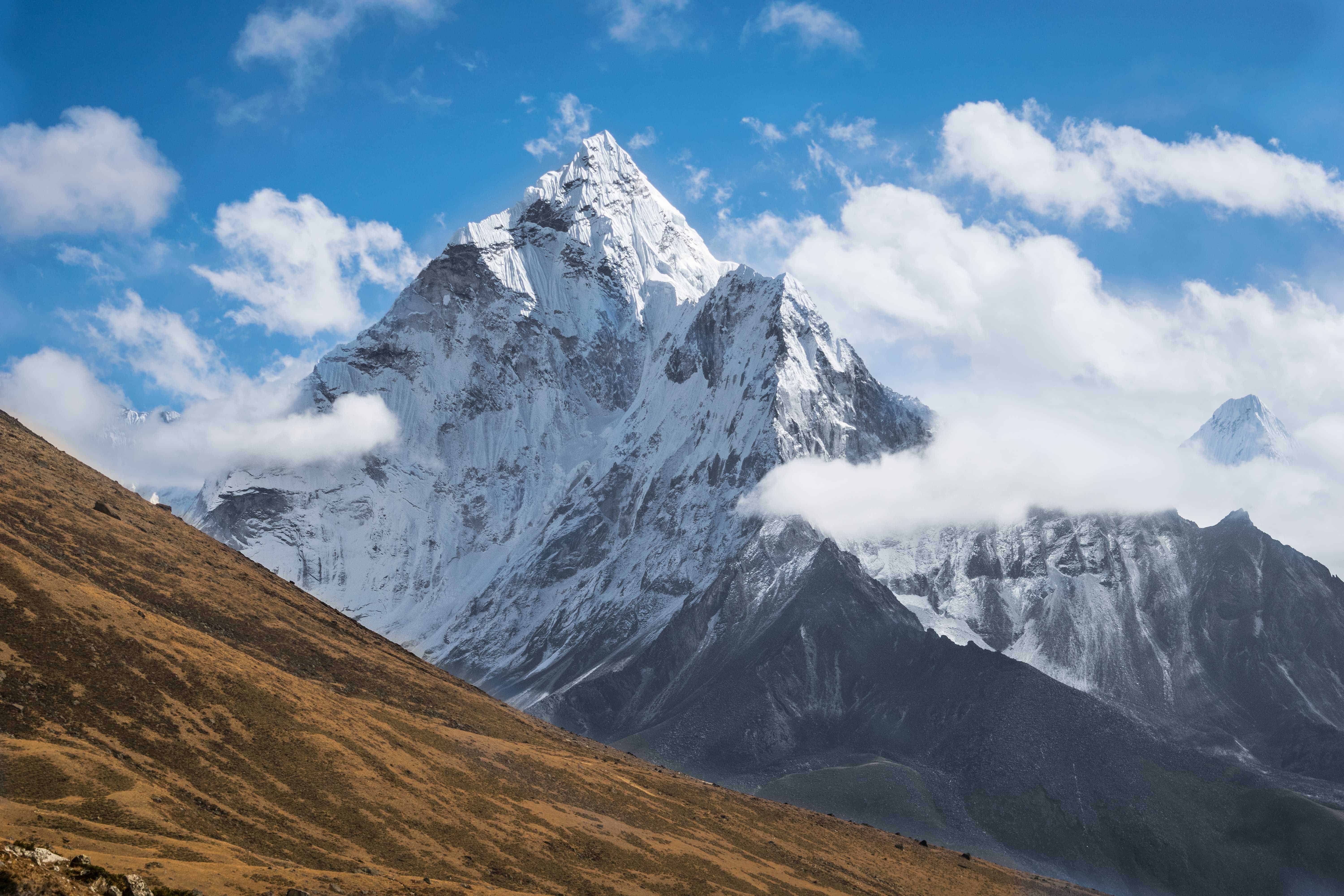
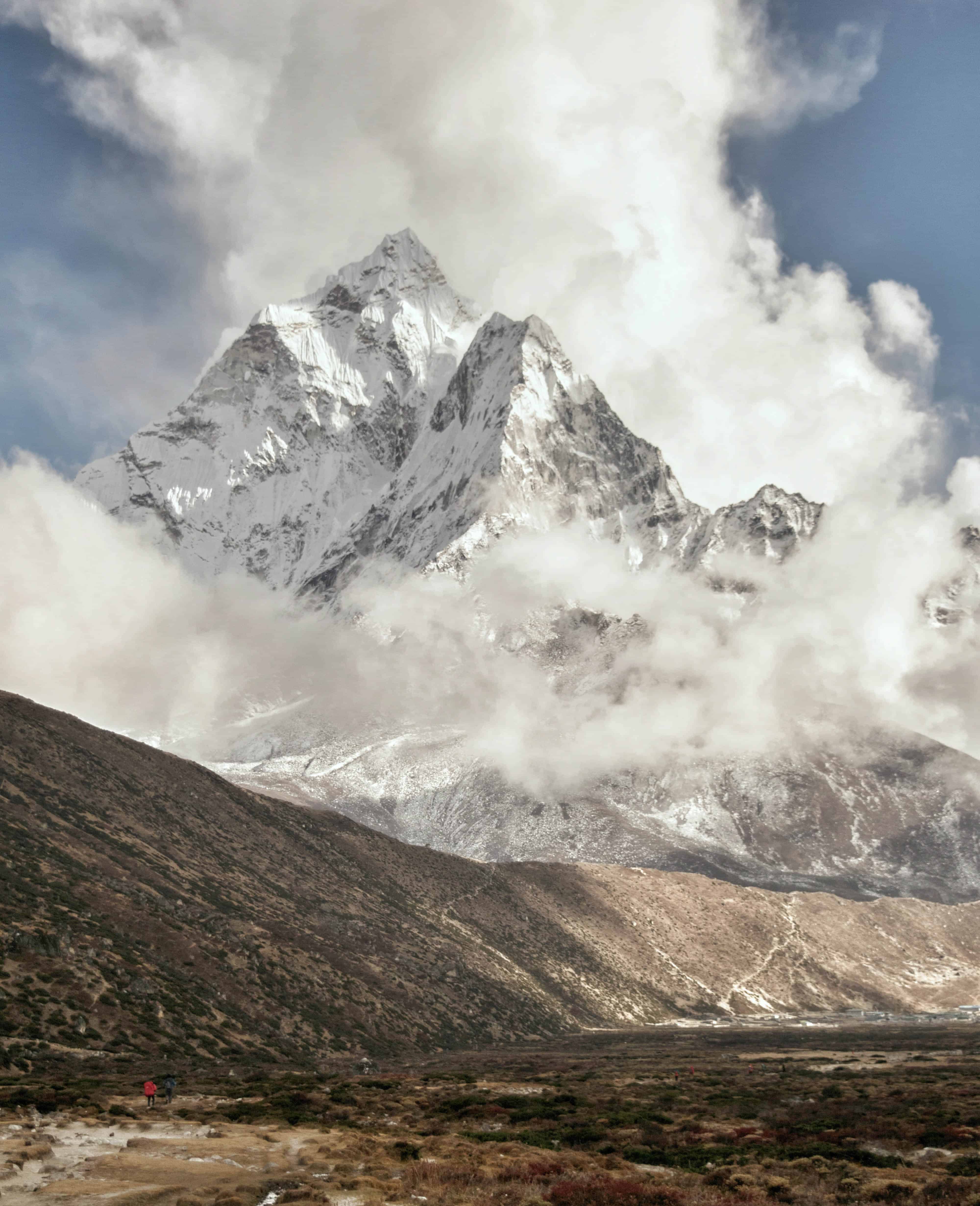
Personally for me, the best part of the whole journey was the walk towards Dingboche on day 5. The path with fewer variations in altitude is comparatively easy and the presence of the mountain Ama Dablam and the Everest-Lhotse massif makes it more pleasant for the eyes. Ironically, this will be the last time you see Mt. Everest before you reach the base camp. Somare is the popular lunch stop en route. Just before the last river crossing near Dingboche, one path branches off to Periche. Trekkers can stay at Periche also instead of Dingboche.
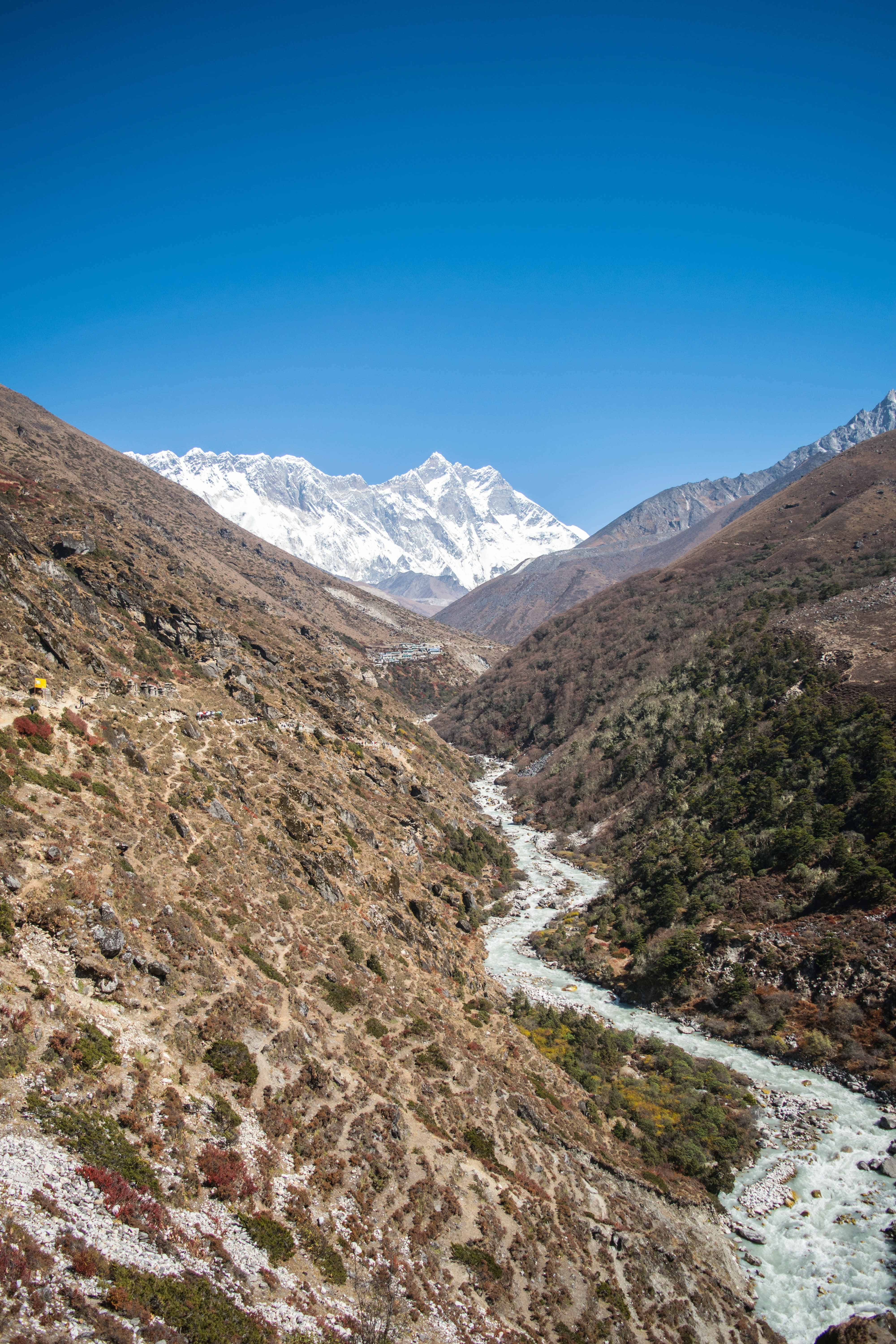
Day 6: Dingboche (Acclimatization Day)
A very crucial part of the EBC trek is this second acclimatization day in Dingboche. Even if you skipped acclimatization in Namche (which you should not), do not dare skip it here. From here onwards the altitude is going to get very high, so it is extremely important that your body gets adapted. In case you find difficulties while sleeping, take a Diamox tablet and drink plenty of fluids. Take a short trek towards the hilltop above the village as part of getting acclimatized. The views from the ridge above Dingboche are spectacular.
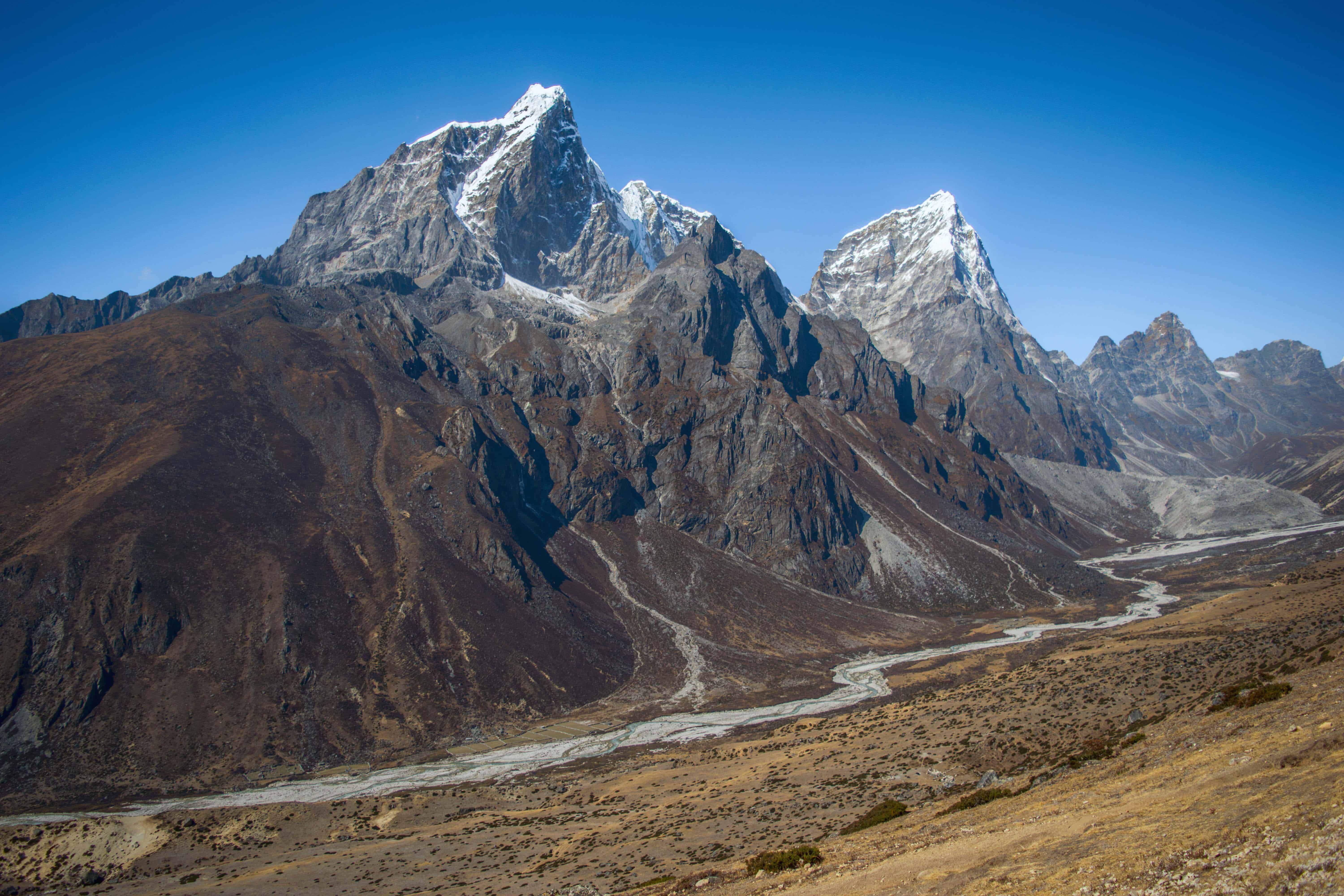
Day 7: Dingboche to Lobuche (4,940 m)
There are two options here. You can either trek to Dughla (Tughla), stay there for the day and proceed to Lobuche the next day (this requires one extra day, so plan accordingly), or have lunch at Dughla and push to Lobuche the same day. The problem with Dughla is that it is a windy place and there are only two hotels available for accommodation.
The chance of getting Acute Mountain Sickness (AMS) is significantly higher from here onwards. So make sure you have acclimatized properly before proceeding to Lobuche, which is almost at 5,000 meters above sea level. If you have a headache that does not go away with Diamox, or if you feel nauseous or dizzy, do not push further. Please take a sensible call for yourself and your loved ones waiting for your safe return.
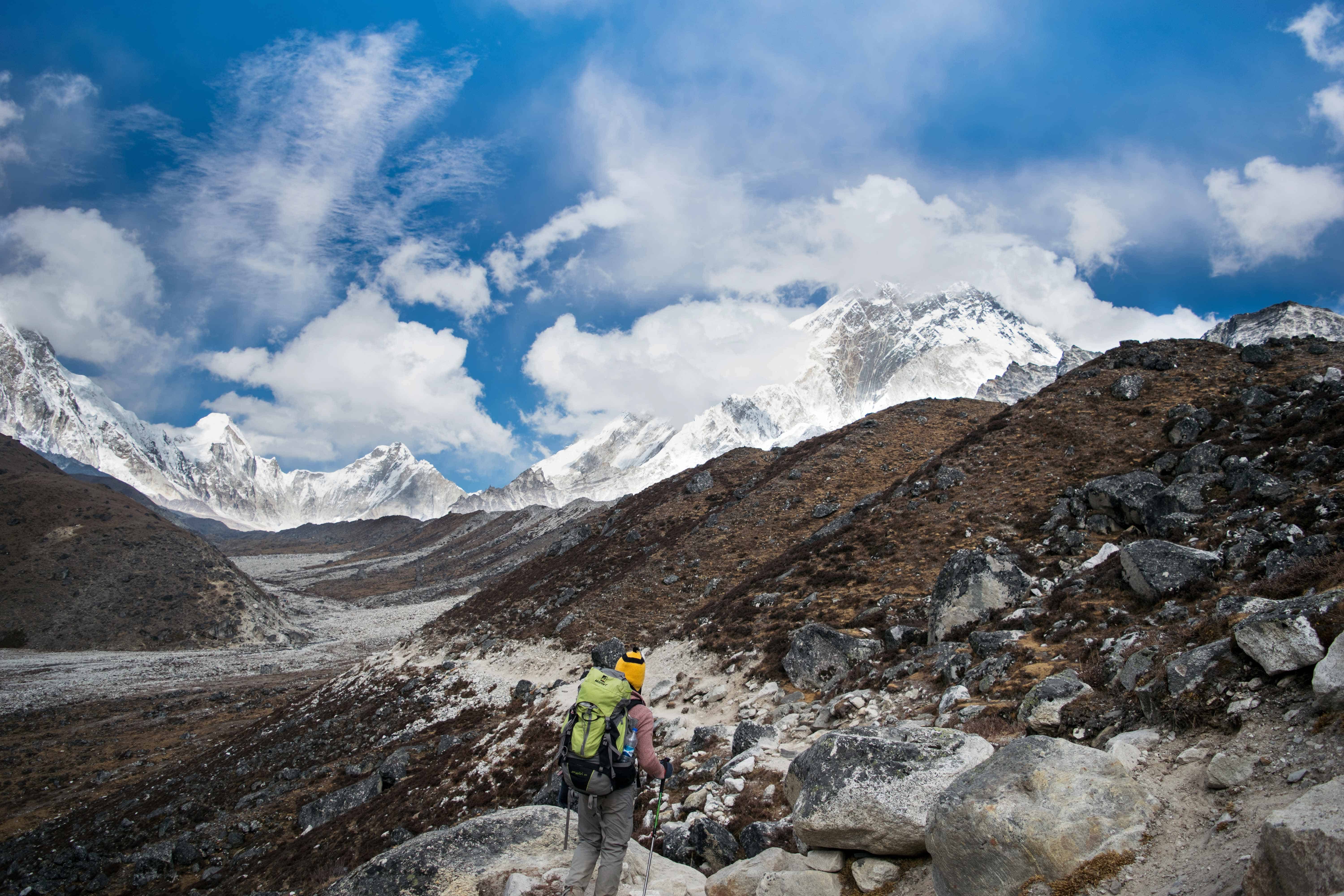
Day 8: Lobuche to Gorakshep (5,164 m) to EBC (5,380 m)
The big day. Start early to Gorakshep, check into a lodge and drop all your luggage there. After having lunch, proceed to the ultimate destination, the Everest Base Camp. Spend some time there (the feeling of standing at the base of the world’s tallest mountain is something else entirely) and come back to Gorakshep. The round trip from Gorakshep to EBC and back takes roughly 3 hours. The trail is rocky and demanding, but the sense of accomplishment when you see that EBC signboard makes it all worth it.
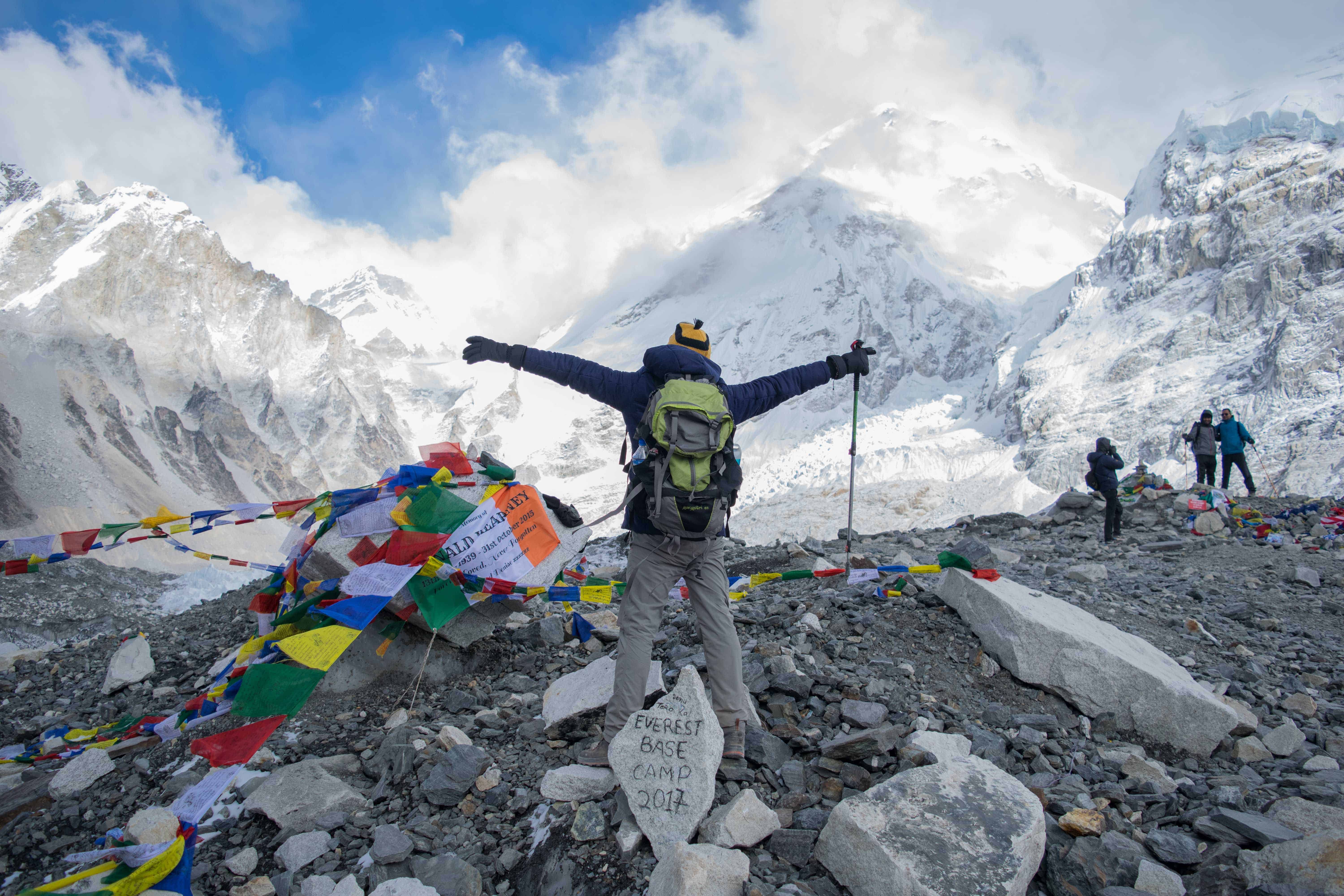
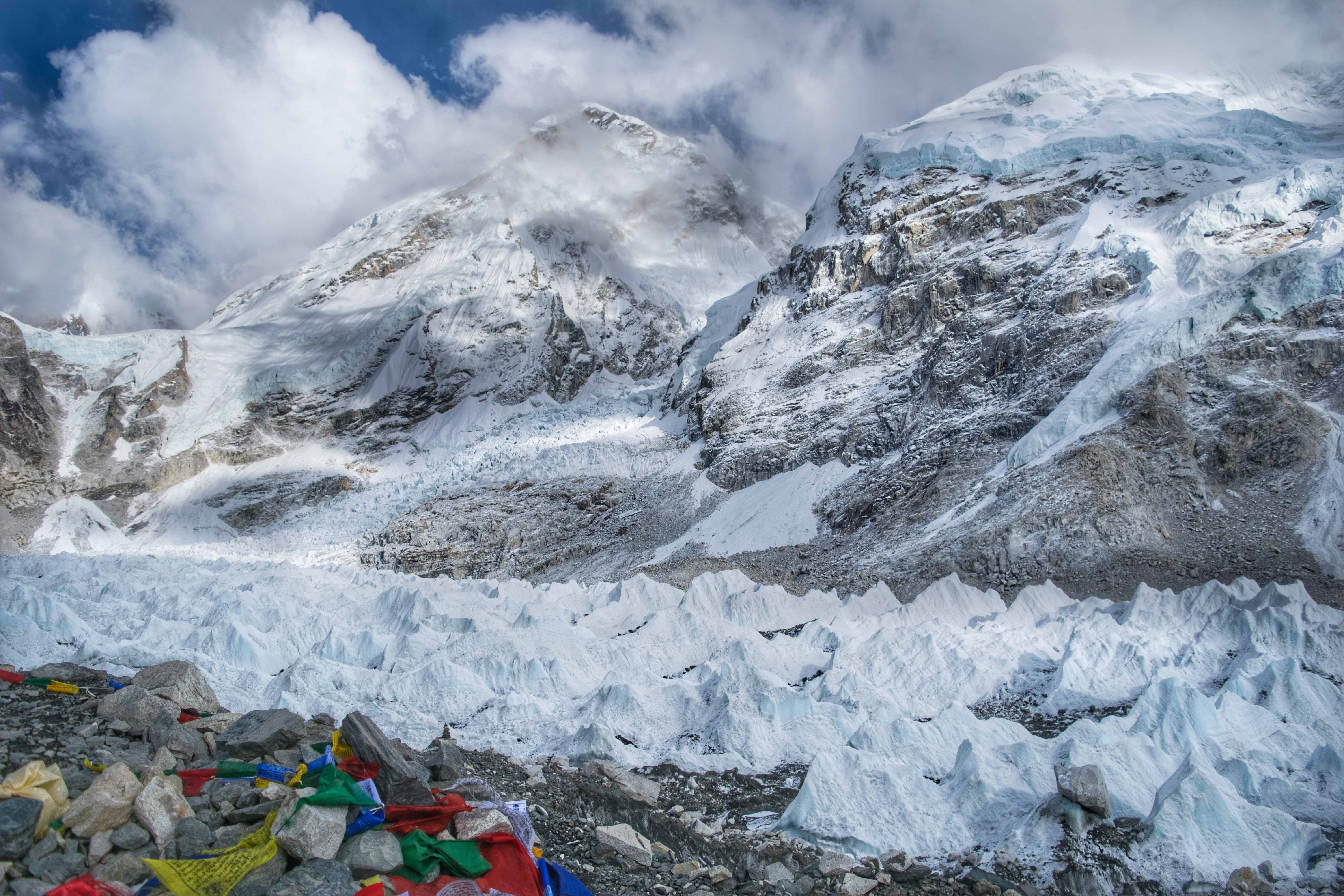
Day 9: Kala Patthar (5,643 m) to Periche (4,371 m)
The visit to EBC is to cross your checklist, but the best view of Everest is actually from Kala Patthar. Start very early around 4-5 AM and trek towards Kala Patthar. See the stunning sunrise view of Mt. Everest and head back to Gorakshep. After breakfast, proceed to Periche. I suggest choosing Lobuche as your lunch stop instead of Dughla. The descent is fast but tough on your knees, so trekking poles really help here.
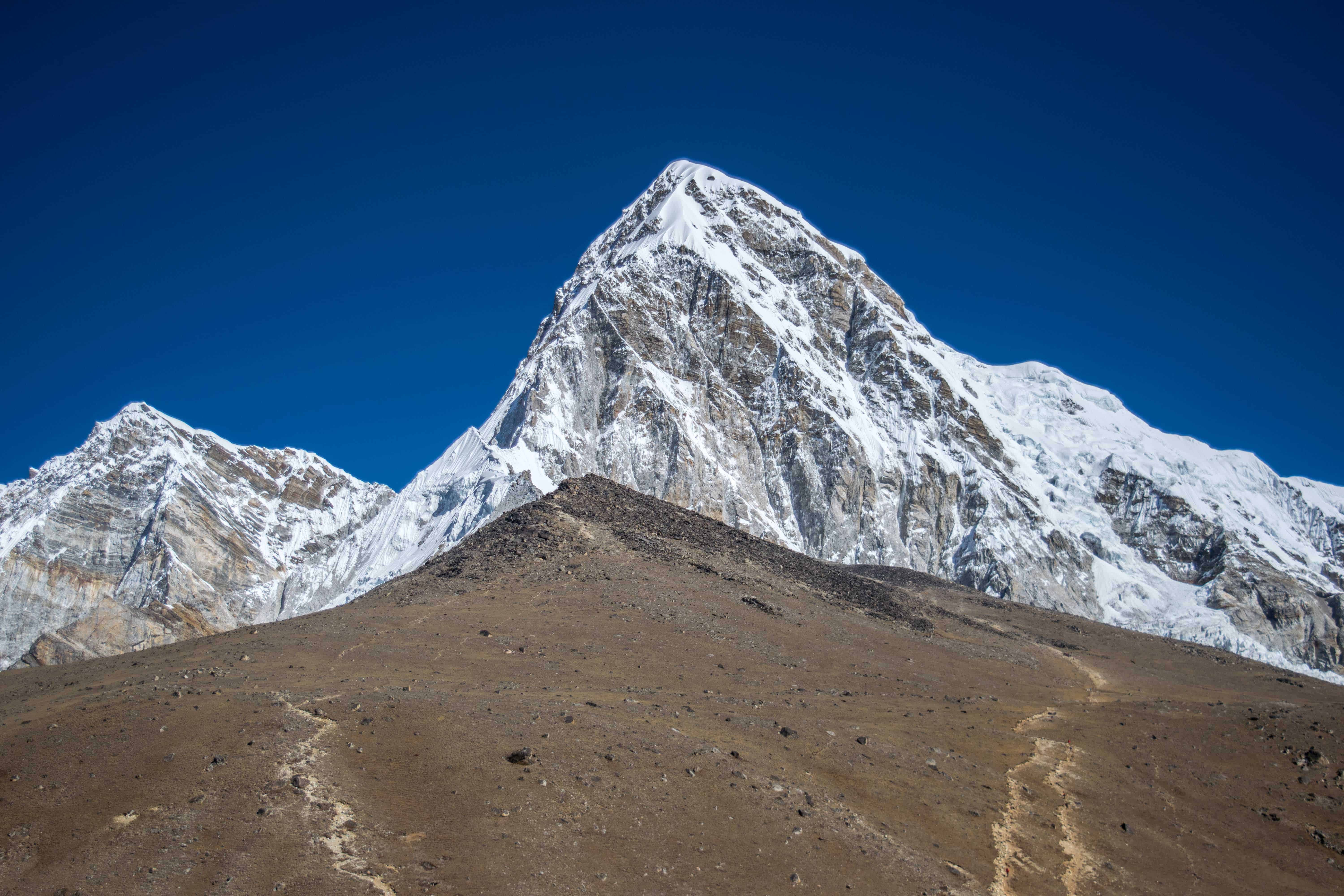
Day 10: Periche to Namche Bazaar
It is a very long walk back to Namche Bazaar. Remember, the distance you covered in two days going up has to be covered in 7-8 hours on the way down. Show your permit at the check post on the way back as well. The descent is physically easier than the climb but the long duration makes it tiring. Your body will appreciate the thicker air at Namche after days at 5,000+ meters.
Day 11: Namche Bazaar to Lukla
Like the previous day, it is a very long and tiring walk back to Lukla. The trail that seemed so new and exciting on Day 1 now feels familiar. Celebrate reaching Lukla. Most trekkers gather in the evening at one of the lodges for a small celebration. You have earned it.
Day 12: Lukla to Kathmandu
Fly back to Kathmandu. Keep in mind the same weather delays that can affect your outbound flight can affect the return too. I always suggest keeping at least 1-2 buffer days in Kathmandu after the trek in case your Lukla flight gets delayed. This is very common, especially during the monsoon shoulder season.
Where Do You Stay and What Do You Eat on the EBC Trek?
The lodges (tea-houses) with basic amenities are the primary accommodation on the EBC trail. Unlike the ABC trek where room rates are somewhat standardized, the EBC route has variable pricing that increases with altitude. A room that costs NPR 200-500 in Namche Bazaar can go up to NPR 1,000-2,500 in Lobuche or Gorakshep. In peak season (October-November), lodges fill up fast and prices are at their highest.
Food prices also increase significantly as you gain altitude since everything above Namche is carried up by porters or yaks. The most popular and cheapest food option is dal bhat (rice with lentil curry and vegetables). Most lodges also serve Western dishes like pasta, pizza, noodles, and soups, but these cost nearly double the dal bhat price. A typical dal bhat at Namche costs around NPR 500-700, while the same dish at Gorakshep can cost NPR 900-1,200.
Hot showers cost extra (NPR 300-500) at most lodges, and Wi-Fi is available at some teahouses for NPR 300-500 per day, though the connection is unreliable above Tengboche. Charging your devices costs NPR 200-500 per charge at higher-altitude lodges. Hence, carrying a good power bank is essential. For emergencies, the Himalayan Rescue Association runs the aid post at Periche.
How Do You Prevent Altitude Sickness on the EBC Trek?
Altitude sickness (AMS) is the single biggest risk on the EBC trek. You are going from 2,860 m at Lukla to 5,643 m at Kala Patthar in about 8 days. That is a massive altitude gain, and your body needs time to adjust. I have written a detailed guide on AMS prevention for Himalayan treks, but here are the key points specific to the EBC trek.
Never skip acclimatization days. The two rest days at Namche Bazaar (Day 3) and Dingboche (Day 6) are not luxury. They are essential for survival. Use these days for short hikes to higher altitudes and then come back down to sleep. This “climb high, sleep low” strategy is the most effective way to acclimatize.
Stay hydrated. Drink at least 3-4 liters of water per day. Dehydration at altitude makes AMS worse. Carry water purification tablets because boiled water costs extra at teahouses (NPR 100-300 per liter at higher altitudes).
Diamox (Acetazolamide). I personally took 125 mg of Diamox twice a day starting from Namche Bazaar. It helps your body adjust faster. Common side effects include tingling in fingers and increased urination. Consult your doctor before the trek. In case you feel any severe symptoms like persistent vomiting, loss of coordination, or chest congestion, descend immediately. Do not wait for it to get better at altitude.
What Are Some Practical Tips for the EBC Trek?
Based on my personal experience and things I have learned from fellow trekkers, here are some practical tips that will make your EBC trek smoother.
Book Lukla flights early. The Kathmandu-Lukla route is one of the busiest and most weather-sensitive in Nepal. Book at least 2-3 weeks in advance, especially for October-November peak season. Always keep 1-2 buffer days for weather delays.
Travel insurance is non-negotiable. Make sure your policy covers helicopter evacuation above 5,000 m. Without insurance, a helicopter rescue can cost $3,000-10,000 out of pocket. Pick a policy that states cover up to at least 6,000 m. This is not the place to save money.
Break in your trekking shoes. Blisters on the trail are painful and can ruin your experience. Wear your trekking shoes for at least 2-3 weeks before the trek. Waterproof shoes are essential if you are trekking during or near the monsoon season.
Carry Indian Rs 100 notes. Rs 100 notes are accepted without any fuss across Nepal, while the newer Rs 200 and Rs 500 allowance is still settling in. Also carry enough Nepali Rupees, exchange in Kathmandu before you fly to Lukla.
Start each day early. Weather in the mountains tends to deteriorate after noon. Starting by 7-8 AM gives you the best trail conditions and ensures you reach your destination before clouds roll in.
Trekking poles save your knees. The descent from Kala Patthar back to Lukla covers thousands of meters of altitude loss. Trekking poles reduce the impact on your knees significantly. You can buy them in Kathmandu or Namche Bazaar for about NPR 1,000-2,000.
Follow me on Instagram and Ask any questions you might have for me!!
How Does the EBC Trek Compare with the ABC Trek?
Many trekkers, especially from India, often ask whether they should do the Everest Base Camp trek or the Annapurna Base Camp trek first. Having done both, here is my honest comparison.
| Parameter | EBC Trek | ABC Trek |
| Duration | 12 days | 10-12 days |
| Max Altitude | 5,643 m (Kala Patthar) | 4,130 m (ABC) |
| Difficulty | Moderate to Hard | Moderate |
| Daily Cost | NPR 3,000-5,000 | NPR 2,000-3,500 |
| Reaching Start Point | Flight to Lukla (expensive) | Drive to Nayapul (cheap) |
| AMS Risk | Higher (5,000m+) | Lower (under 4,200m) |
| Scenery | Barren, high-altitude glacial | Lush forests, waterfalls, diverse |
| Crowding | Very crowded (peak season) | Moderate |
If the EBC trek feels too ambitious for your first Himalayan trek, I suggest starting with the ABC trek. It is shorter, cheaper, at a lower altitude with less AMS risk, and equally stunning in its own way. If you have already done ABC like I did, EBC is the natural next step. You can also consider some other treks in the Himalayas to build your endurance before attempting EBC.
Also read: Everest Base Camp Trekking, Souls in the Valley, my day-by-day trip report from Part 2, and the checklist of things to carry on any trek.
Frequently Asked Questions
Can beginners do the Everest Base Camp trek?
Yes, beginners can do the EBC trek. When I did it in 2017, one of my friends had never done a serious trek before and he completed it without any problem. However, I suggest building some basic fitness before the trek. Practice jogging, stair climbing, and if possible do a shorter trek like Kheerganga or Triund to understand your body’s response to trekking and altitude.
Do Indian citizens need a visa for Nepal?
No. Indian citizens do not need a visa to enter Nepal. You can enter with a valid Indian passport or an original Voter ID card (Aadhaar is not accepted for air entry). However, you will need a passport for the Sagarmatha National Park permit and the Khumbu Rural Municipality permit. Carry 4 passport-size photographs as well.
Can you do the EBC trek without a guide in 2026?
Yes, as of September 2026 independent trekkers are still being issued Everest region permits without a guide. Nepal announced a mandatory-guide rule in April 2023, but the Khumbu Pasang Lhamu Rural Municipality has not enforced it on its permits, and the rule remains disputed, so confirm before you go. I did my 2017 trek independently. A guide costs roughly $150-225 USD for the 12 days and is a sensible call for first-timers, especially for navigation and altitude monitoring above 5,000 m.
How fit do you need to be for the EBC trek?
You need decent cardiovascular fitness but you do not need to be an athlete. The ability to walk 6-8 hours per day on uneven terrain with a backpack is the baseline requirement. Start a fitness routine at least 6-8 weeks before the trek. Focus on cardio (running, cycling), leg strength (squats, lunges), and stair climbing. If you can comfortably climb 50-60 floors of stairs with a 10 kg backpack, you are ready.
Is there mobile network on the EBC trail?
Nepal Telecom (NTC) has coverage up to Namche Bazaar with decent signal. Above Namche, coverage becomes spotty to non-existent. Some teahouses offer Wi-Fi for NPR 300-500 per day, but the connection is extremely slow above Tengboche. If you need to make calls, buy a local NTC SIM card in Kathmandu (NPR 200-300). Indian SIM cards do not work in Nepal unless you have international roaming activated, which is expensive.
What happens if you get altitude sickness on the EBC trek?
If you experience mild symptoms (headache, nausea, loss of appetite), take Diamox and rest for a day. If symptoms persist or worsen (persistent vomiting, loss of coordination, confusion, chest tightness), descend immediately. There is a Himalayan Rescue Association (HRA) aid post in Periche (4,371 m) staffed by volunteer doctors during the trekking season. In severe cases, helicopter evacuation to Kathmandu is the fastest option, which is why travel insurance covering high-altitude rescue is absolutely essential.
If you have any questions about planning your EBC trek, feel free to ask in the comments below or reach out through the DwD Community. I will be happy to help with route planning, budget, or any other concern. Also, feel free to share this article with your friends and family who might be planning a trek to Everest Base Camp 🙂 …
If you liked the article, please share it with your friends and family by clicking the icons below.
