


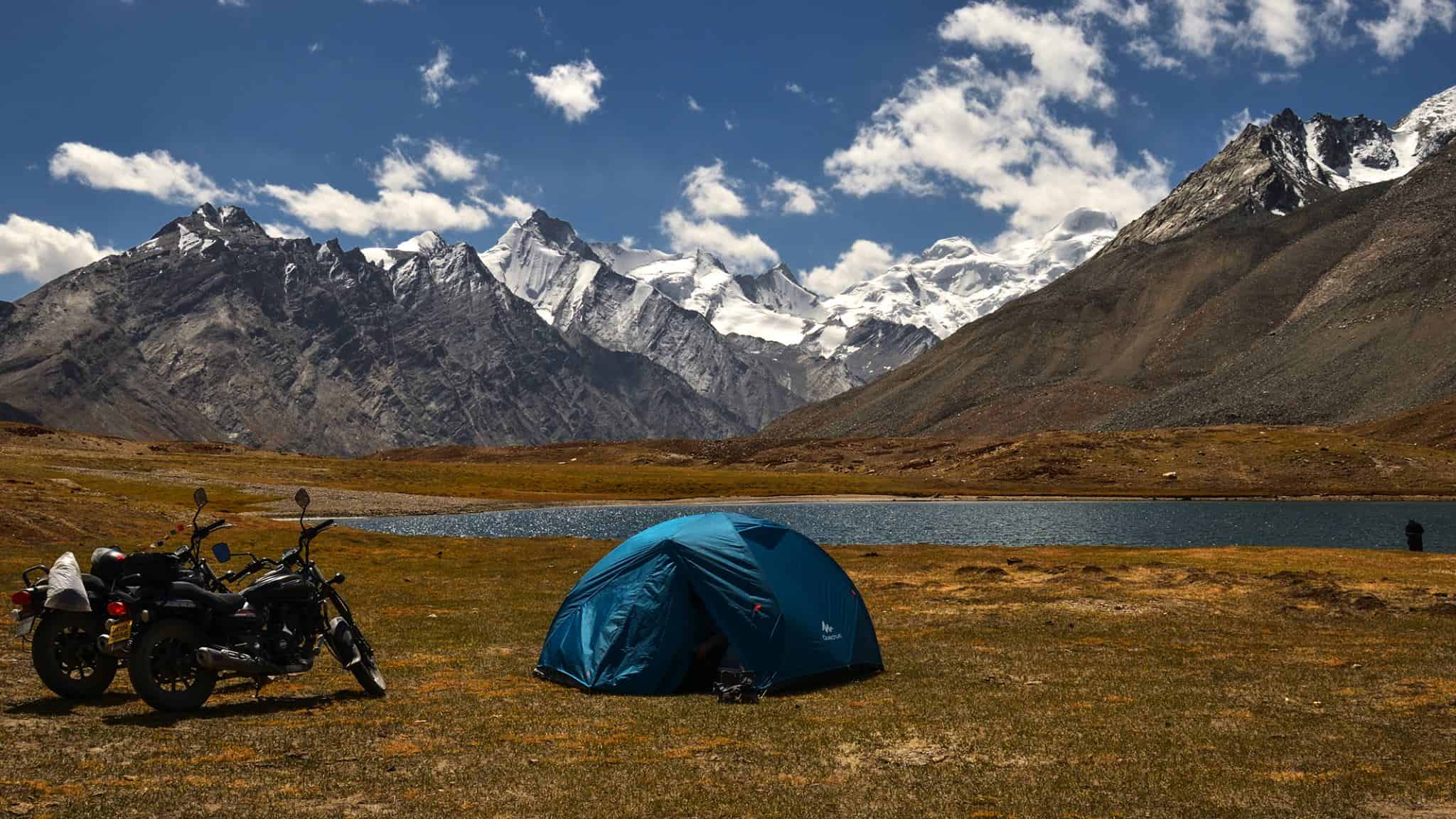
Camping in Zanskar is one of those experiences that stays with you long after the trip ends. The valley sits at over 12,000 feet, cut off from the rest of Ladakh by high passes, and the silence here is something you simply cannot find in a hotel room. I have camped across Ladakh over the years, and Zanskar remains special because the remoteness forces you to slow down and pay attention to everything around you.
If you are planning to camp in Zanskar Valley in 2026, this guide covers everything you need to know. From the best camping spots and gear essentials to safety tips, budget estimates, and how to reach, I have put together all the practical details so you can focus on enjoying the experience. Planning a trip to Zanskar requires solid preparation, and camping there takes it up another notch.
Let's quickly dive into the details:
Quick Reference: Camping in Zanskar at a Glance
| Best Season | June to September (July and August most stable) |
| Altitude Range | 11,000 to 14,400 ft (3,350 to 4,400 m) |
| Night Temperature | Minus 5 to minus 10°C even in summer |
| Organized Campsite Cost | Rs 1,000 to 1,500/person/night (meals included) |
| Wild Camping Cost | Rs 400 to 700/day (own gear, food supplies) |
| Sleeping Bag Rating | Minus 10°C minimum |
| Permit Required | No ILP for Indian nationals |
| Mobile Network | BSNL/Jio/Airtel in Padum only, zero at campsites |
| Nearest Fuel Pump | Kargil (no fuel in Zanskar Valley) |
| Nearest ATM | Kargil (no ATM in Zanskar) |
What Makes Camping in Zanskar Valley Worth the Effort?
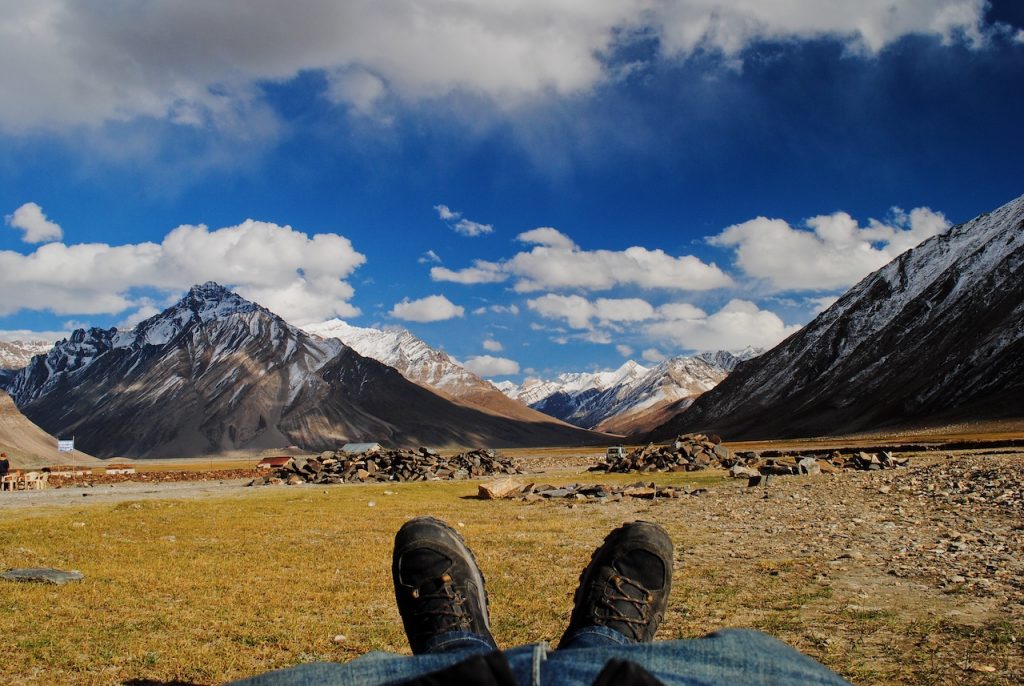
Zanskar is a sub-district of Kargil in Ladakh, and it has gained serious popularity with adventure travelers over the past few years. The valley is remote, rugged, and genuinely isolated. Unlike the well-trodden Leh to Nubra to Pangong circuit, Zanskar feels like stepping into a different era. The Zanskar River cuts through deep gorges, monasteries cling to cliff faces, and the night sky is one of the clearest you will ever see in India.
Camping here lets you experience Zanskar the way it deserves to be experienced. You wake up to views that no hotel window can frame. The sound of the river, the cold mountain air, the star-filled sky at night. This is what Zanskar camping is really about. Hotels in Zanskar are limited to Padum and a handful of villages, so if you want to explore beyond the main town, camping is not just an option, it is often the only option.
When Is the Best Time to Camp in Zanskar?
The camping season in Zanskar runs from June to September. This is when the roads are open, the weather is relatively mild during the day, and the valley is at its greenest. During these months, the Zanskar River flows freely, wildflowers bloom across the valley floor, and daytime temperatures hover between 5 to 25 degrees Celsius.
Here is a month-by-month breakdown to help you pick the right window for your trip.
June: Roads via Kargil usually open by mid-June after snow clearance. Temperatures are pleasant during the day (15 to 22°C) but nights are freezing (minus 5 to minus 8°C). Snow patches may still linger at higher campsites near Pensi La. Fewer crowds, but some organized campsites may not be operational yet.
July and August: The most stable weather window for camping. Daytime temperatures reach 20 to 25°C, and all campsites are operational. Organized tent services at Gumbok Rangan and Purne run during these months. Occasional rain showers are possible, especially in early August, so waterproofing your gear is important. This is peak season, so expect other travelers at popular spots.
September: Clearer skies, thinner crowds, and excellent photography conditions. However, nights get significantly colder (minus 8 to minus 12°C), and some organized campsites begin winding down operations. If you are an experienced camper with cold-weather gear, September offers the most peaceful camping experience in Zanskar.
If you are planning to combine camping with trekking or sightseeing around Padum, July and August are your best bet. Keep in mind that even in summer, night temperatures can drop to minus 5 to minus 10 degrees Celsius, so your sleeping bag needs to be rated for cold conditions. For a broader look at seasonal travel, check the best time to visit Ladakh and Zanskar guide.
Where Can You Camp in Zanskar Valley?
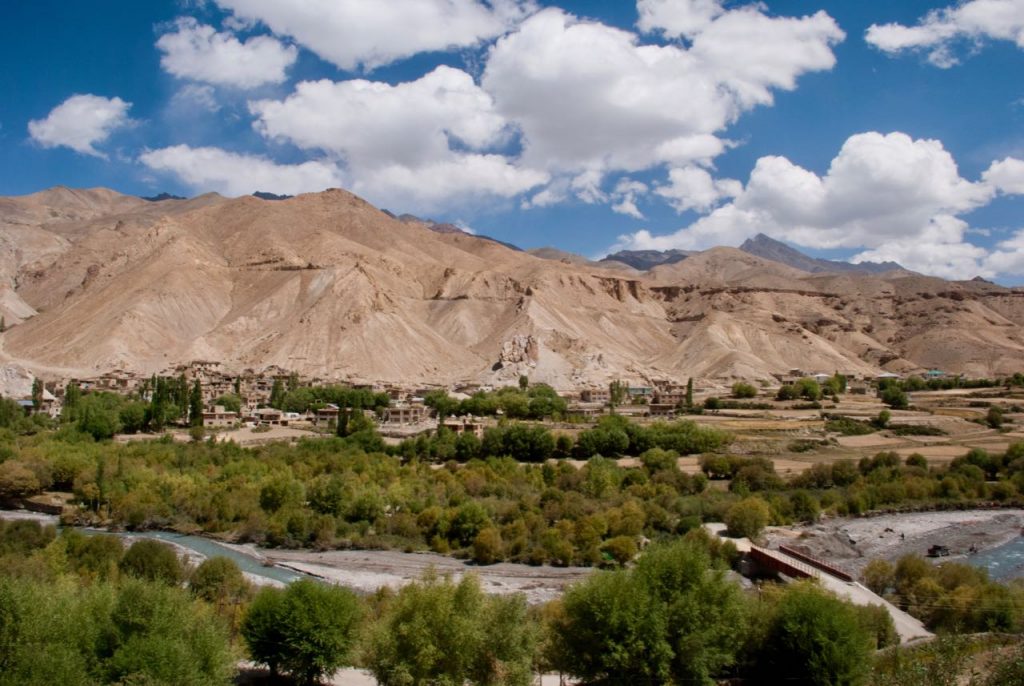
Zanskar has several excellent camping spots, ranging from organized campsites with tent service to wild camping locations where you pitch your own gear. Here are the main options, organized from most accessible to most remote.
Padum Campground: The main town of Padum has a camping ground opposite the Tourist Office. This is the most accessible option and works well as a base camp for exploring Zanskar over multiple days. Basic facilities are available nearby, including shops for supplies and a few eateries. The campground is flat with good drainage, which matters during unexpected rain.
Gumbok Rangan: One of the most scenic camping locations in Zanskar. There is a campsite at the base where tent service providers set up tents from July to September. You do not need to carry your own gear here as the providers have enough tents for travelers. Expect to pay around Rs 1,000 to 1,500 per person per night including meals. The views of the surrounding peaks are extraordinary, and the relatively sheltered position reduces wind exposure.
Zangla Village: A quieter alternative to Padum with a historic fort and monastery. Homestay camping (pitching your tent in a family’s compound) is possible here and gives you a more authentic local experience. The villagers are welcoming, and you get a glimpse into traditional Zanskari life. Ask at the village head’s home for permission and recommendations on flat ground.
Rangdum: Located between Kargil and Padum, near the striking Rangdum Monastery. The wide, flat meadows around Rangdum offer some of the most dramatic camping landscapes in the entire region. The monastery sits on a hillock surrounded by plains, and camping here at sunset is an experience in itself. Rangdum is also a natural acclimatization stop if you are driving from Kargil. There are a couple of basic homestays and a tent camp that operates in peak season (Rs 1,200 to 1,500/person with meals).
Along the Zanskar River: If you have your own gear and experience, camping along the Zanskar River gorge is spectacular. The river sections between Padum and Nimmu offer dramatic canyon views. Just be extremely careful about water levels and wind exposure. Flash floods are a real risk in July and August, so camp at least 50 meters above the waterline.
Purne Village: Near the Phugtal Monastery trek starting point, Dolma Campsite and Homestays charges around Rs 1,000 per person for camping with breakfast and dinner included. This is a good base if you are trekking to Phugtal. The campsite owner also arranges transport to nearby spots like Gonbo Rongjon for Rs 3,000 to 5,000.
Pensi La Area: If you are driving in from the Srinagar to Kargil side, the meadows near Pensi La (4,400 m / 14,436 ft) offer dramatic high-altitude camping. However, this is strictly for experienced campers with proper high-altitude gear. The wind exposure here is extreme, temperatures drop well below minus 10°C at night, and there is zero shelter if conditions deteriorate.
How Much Does Camping in Zanskar Cost?
Your camping budget depends entirely on whether you use organized campsites or bring your own gear. Here is a breakdown of typical daily costs for both approaches.


| Expense | Organized Campsite | Own Gear (Wild Camping) |
|---|---|---|
| Accommodation (tent + bedding) | Rs 800 to 1,200 | Rs 0 (own gear) |
| Meals (breakfast + dinner) | Included in campsite rate | Rs 200 to 400 (supplies) |
| Lunch / snacks | Rs 150 to 250 | Rs 100 to 200 |
| Total per person per day | Rs 1,000 to 1,500 | Rs 400 to 700 |
Keep in mind that these costs do not include transport to Zanskar. Shared taxis from Kargil to Padum cost Rs 1,000 to 1,500 per person. Private taxis run Rs 13,000 to 15,000 one way. If you are on a tight budget, check my budget trip to Zanskar guide for more strategies. For a comprehensive cost breakdown including transport, food, and accommodation, the Zanskar trip budget guide covers everything in detail.
One important note: there is no ATM in Zanskar Valley and no fuel pump either. The last ATM and petrol pump are in Kargil. Carry enough cash for your entire stay plus a buffer for emergencies. Card payments are not accepted anywhere in the valley.
What Camping Gear Do You Need for Zanskar?
If you are a first-time camper or do not own equipment, you have two options. You can rent gear in Leh before heading to Zanskar, or you can use organized campsites in the valley that provide tents and bedding. Leh has several shops near the Main Bazaar that rent camping equipment at reasonable rates. Rental costs are roughly Rs 200 to 400 per day for a sleeping bag, Rs 300 to 500 for a tent, and Rs 100 to 200 for a sleeping pad.
If you are bringing your own gear, here is what you absolutely need.
Tent: A 3-season or 4-season tent rated for high winds. Zanskar gets fierce gusts, especially at night, so your tent needs to be sturdy. Double-walled tents work best for condensation management at altitude. Single-wall tents trap moisture inside, and at minus 5°C that moisture freezes on the tent walls and drips on you when the sun comes up.
Sleeping Bag: This is the single most important piece of gear for Zanskar camping. Your sleeping bag must be rated for at least minus 10 degrees Celsius. I cannot stress this enough. Nights in Zanskar are bitterly cold even in July, and a poorly rated sleeping bag will ruin your entire trip. A down-filled bag is lighter to carry, but a synthetic bag performs better if it gets wet. If you are renting, specifically ask for the comfort rating, not just the extreme rating. A bag rated “extreme minus 10” will keep you alive at that temperature, not comfortable.
Sleeping Pad: A proper insulated sleeping pad (R-value 4 or higher) is essential. The ground in Zanskar radiates cold, and without a pad between you and the earth, even the best sleeping bag will not keep you warm. Foam pads are cheaper and puncture-proof. Inflatable pads are more comfortable but can puncture on rocky ground, so carry a repair kit.
Tarpaulin Sheet: A tarpaulin, or “tirpaal” as we call it in India, is a lifesaver. Lay it down before setting up your tent. It provides insulation from soil temperature changes and keeps moisture away. Make sure it is at least a foot larger on all sides than your tent footprint and is made of thick material. This single item can make the difference between a damp, cold night and a comfortable one.
What Should You Carry for a Camping Trip to Zanskar?
Beyond the tent and sleeping bag, here is a checklist of essential items for camping in Zanskar. I have learned most of these the hard way over multiple trips.
- First aid kit with altitude sickness medication (Diamox), painkillers, bandages, antiseptic, and oral rehydration salts
- Headlamp or torch with extra batteries (cold drains batteries fast, keep spares inside your sleeping bag)
- Camping knife or multi-tool
- Water purification tablets or a portable filter (Sawyer or LifeStraw work well)
- Insulated water bottles (keep them inside your sleeping bag at night to prevent freezing)
- Portable stove and fuel canisters if you plan to cook (buy fuel in Leh, not available in Zanskar)
- Dry fruits, energy bars, and instant noodles for emergency food
- Sunscreen SPF 50+ and lip balm with UV protection (UV is intense at altitude)
- Mosquito repellent (surprisingly needed near river areas in July and August)
- Garbage bags to carry out all your waste, no exceptions
- Power bank (20,000 mAh minimum) and download offline maps before leaving Leh or Kargil
- Duct tape and paracord for emergency tent repairs
What Clothes Should You Pack for Camping in Zanskar?
Layering is everything in Zanskar. You cannot sleep in your sleeping bag wearing heavy fluffy jackets, but you also cannot be in a cotton t-shirt. The trick is to pack light, insulating layers that trap body heat without bulk.
Good quality thermals (top and bottom) are your base layer. Add a fleece mid-layer and a windproof outer shell. For sleeping, wear clean, dry thermals and thick wool socks. Avoid wearing the same clothes you hiked in, as sweat-dampened fabric will make you cold. Keep one complete set of clothes exclusively for sleeping. A warm beanie and gloves are non-negotiable for nights, even in July.
How Do You Set Up Camp Safely in Zanskar?
Choosing the right campsite location in Zanskar is critical for both comfort and safety. Here are the rules I follow after years of high-altitude camping.
Avoid open hilltops and exposed ridgelines. The winds in Zanskar can be fierce and unpredictable. Always camp in the shelter of a hill or large rock formation. Study the wind direction when you arrive and position your tent so the narrowest end faces the wind.
Stay away from river beds. Flash flooding is a real risk, especially during July and August when glacial melt peaks. Camp at least 50 meters above the waterline. What looks like a dry riverbed can fill with meltwater very quickly, sometimes within minutes.
Do not camp near military establishments. Zanskar has several army and ITBP posts along the border areas. If you want to camp near one for safety, approach the post first and ask permission. If denied, ask how far you need to be and move accordingly.
Check your tent thoroughly. Ensure all hooks, guy ropes, and stakes are secure before nightfall. In Zanskar, a loose tent in a windstorm is not just uncomfortable, it can be dangerous. Carry extra stakes and cord.
Look for level ground with natural drainage. A slight slope is fine (actually helps with water runoff if it rains), but avoid depressions where water can pool. Remove sharp rocks and sticks from under your tent footprint before laying the tarpaulin.
If you are looking for a detailed day-by-day plan, check out my recommended Zanskar Valley itinerary which includes camping-friendly stops.
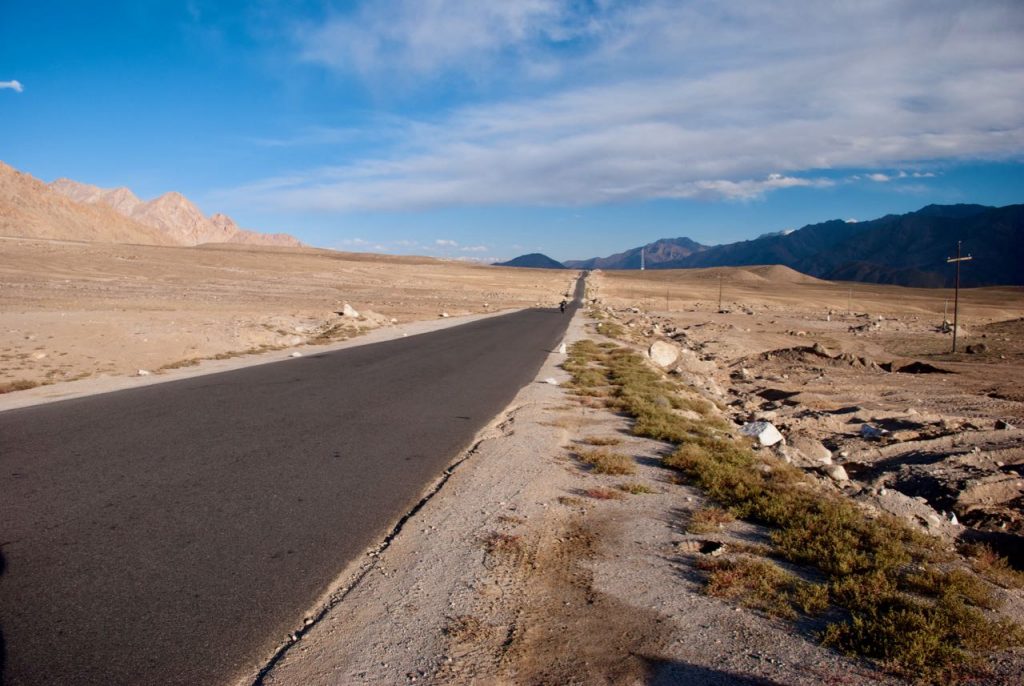
How Do You Handle Water and Food While Camping?
Water management is one of the biggest challenges when camping in Zanskar. Streams may be frozen in early mornings, and heating water at altitude takes longer because the boiling point is lower. Here are practical tips that work.
- Fill all water bottles before sunset and keep them inside your tent or sleeping bag to prevent freezing overnight
- Use water purification tablets for stream water. Even clear-looking mountain streams can carry bacteria from upstream grazing areas
- Carry at least 3 liters per person per day. Altitude increases dehydration significantly, and most people underestimate how much water they lose through breathing alone
- A thermos flask is invaluable. Fill it with hot water or tea before bed for a warm drink in the morning
- Boiling water at 12,000+ feet takes 20 to 25% longer than at sea level. Plan your fuel consumption accordingly
For food, if you are at an organized campsite like Dolma Camp in Purne, meals are included. For wild camping, carry a portable stove, instant noodles, ready-to-eat meals, dry fruits, and energy bars. Local shops in Padum stock basic supplies like biscuits, noodles, and canned food, but do not expect variety. Stock up in Kargil or Leh before heading to Zanskar.
You can also travel to Zanskar by public transport and still camp, but you will need to carry lighter, more compact gear since bus space is limited.
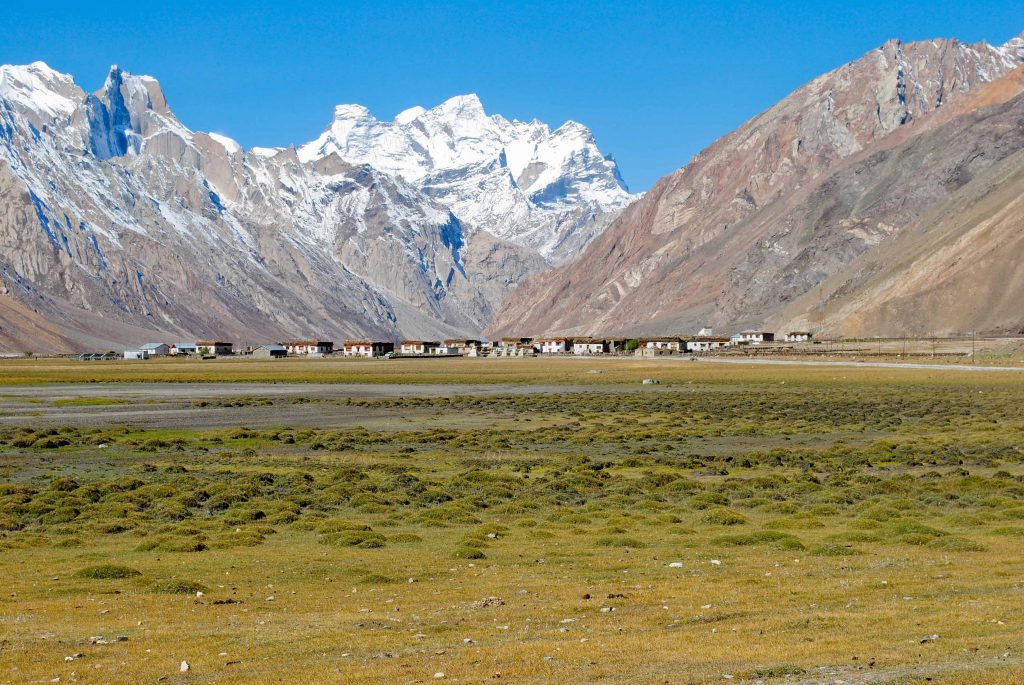
How Do You Reach Zanskar Valley for a Camping Trip?
Getting to Zanskar is part of the adventure. There are two main routes, and the one you choose affects your camping plans significantly.
Route 1: Srinagar to Kargil to Padum (Traditional Route)
This is the more established route, covering about 460 km from Srinagar. You drive to Kargil on Day 1 (6 to 8 hours) and then Kargil to Padum on Day 2 (8 to 10 hours via Pensi La). The road via Pensi La is usually open from mid-June to October, depending on snow conditions. JKSRTC runs limited bus services from Kargil to Padum during summer months. Shared taxis from Kargil to Padum cost Rs 1,000 to 1,500 per person, while private taxis cost Rs 13,000 to 15,000 one way.
Route 2: Manali to Darcha to Padum via Shinku La (Newer Route)
The Manali to Leh via Zanskar and Shinku La route has been operational since 2024. It goes through Darcha, over Shinku La (16,558 ft / 5,091 m), and down into Zanskar. This route is shorter in distance but rougher and only open from July to October. HRTC operates minibus services on parts of this route in peak season. The Shinku La Tunnel is under construction and expected to be completed by 2028 or 2029, which will eventually make this an all-weather route.
Whichever route you take, fuel up in Kargil (if coming from Srinagar side) or in Tandi/Keylong (if coming from Manali side). There is no fuel pump in Zanskar Valley. For a comprehensive list of taxi contacts, check the Ladakh taxi rates page.
How Do You Handle AMS and Health Risks While Camping?
Zanskar Valley sits between 11,000 and 14,400 feet, and altitude sickness (AMS) is a real risk, especially if you are camping at remote high-altitude spots like Pensi La or the upper Zanskar gorge. Here is how to manage it.
Acclimatize properly before heading to Zanskar. Spend at least 2 days in Leh (11,520 ft) or Kargil (8,780 ft) before going deeper. Do not rush. If coming via Manali and Shinku La, the rapid altitude gain makes acclimatization even more critical.
Watch for symptoms: persistent headache, nausea, dizziness, loss of appetite, difficulty sleeping. Mild symptoms are normal on the first day and usually resolve with rest and hydration. If symptoms worsen or you develop confusion, breathlessness at rest, or loss of coordination, descend immediately. Do not “push through” AMS.
Carry Diamox as a preventive measure after consulting your doctor. Stay hydrated (3 to 4 liters per day), avoid alcohol completely, and eat light, easily digestible meals. When camping, remember that cold exposure compounds the effects of altitude, so staying warm is part of staying healthy.
The nearest medical facility is a small clinic in Padum. For serious emergencies, evacuation to Kargil or Leh is necessary, which can take 8 to 12 hours by road. Carry comprehensive travel insurance that covers high-altitude rescue and evacuation.
What About Wildlife When Camping in Zanskar?
Zanskar has wildlife including marmots, Himalayan foxes, wolves, and at higher elevations, snow leopards. Bear encounters are very rare in Zanskar (more common in the Suru Valley side). The main precaution is to never leave food open or unattended near your tent.
Store food in sealed containers and keep your campsite clean. Marmots are curious and will investigate anything that smells like food. They can chew through thin fabric and plastic bags. Wolves are shy and avoid humans, but they may be drawn by food scraps. If you hear wolves at night (common in remote areas), stay calm. They are not interested in you, just in anything edible you may have left out.
Do not approach, feed, or try to photograph wildlife at close range. Maintain at least 100 meters distance from any wild animal. If you spot a snow leopard (extremely rare and lucky), observe quietly from a distance and do not disturb.
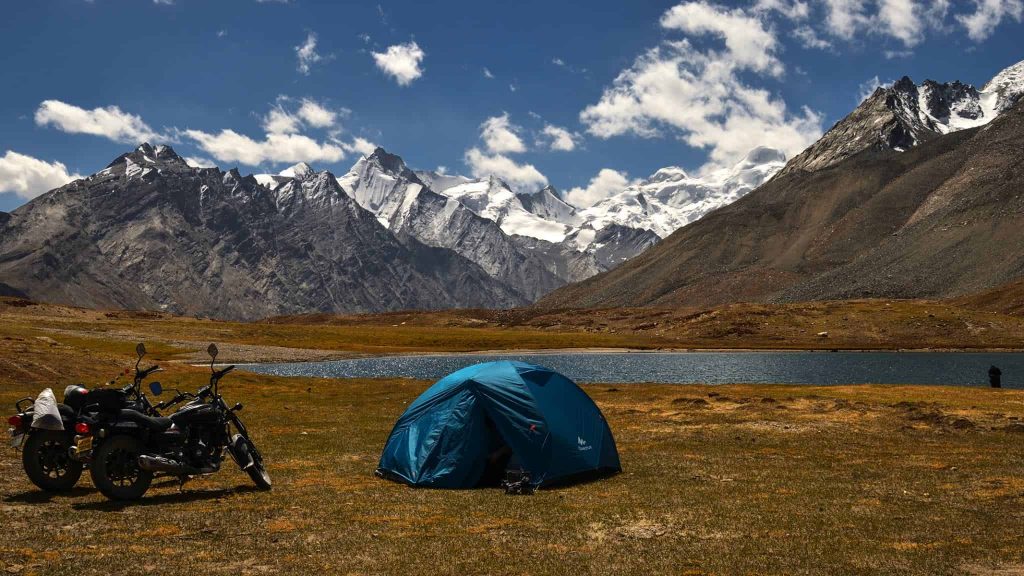
What About Mobile Network and Connectivity?
If you are expecting to post Instagram stories from your Zanskar campsite, lower those expectations. Mobile connectivity in Zanskar is extremely limited. BSNL postpaid has the best coverage, with signals available in Padum town and a few larger villages. Jio and Airtel work in Padum now (since the 2023 to 2024 expansion), but coverage is unreliable outside town.
At campsites outside Padum, expect zero signal. Carry a fully charged power bank (20,000 mAh minimum) and download offline maps before you leave Leh or Kargil. Google Maps works offline if you download the Zanskar region beforehand. Tell your family your itinerary before you go, and let them know you may be unreachable for days at a time.
If connectivity is critical for safety reasons (solo camping, medical conditions), consider renting a satellite communicator. These are available in Leh from adventure gear shops for Rs 500 to 1,000 per day.
How Do You Handle Fire Safety While Camping?
A campfire under the Zanskar sky sounds magical, and it is. But fire safety in this dry, high-altitude environment is non-negotiable. If you build a fire, use an existing fire ring or clear a patch of bare ground. Keep the fire small and contained.
When you are done, extinguish it completely. Splash water over the embers, stir the ashes, and splash again. If the ashes are still warm to the touch, they are not fully out. In Zanskar’s dry conditions, even a small ember can cause problems.
Better yet, carry a portable camping stove for cooking. It is more fuel-efficient, faster, and eliminates fire risk entirely. Firewood is scarce in most parts of Zanskar, and burning local wood contributes to environmental degradation in an already fragile ecosystem. If you must use wood, never cut live trees. Use only fallen, dead wood.
How Do You Practice Responsible Camping in Zanskar?
Zanskar is one of the last truly unspoiled valleys in Ladakh. Keeping it that way is everyone’s responsibility. Follow the responsible travel principles that the DwD community lives by.
- Carry out ALL your waste. There are no dustbins in the Zanskar wilderness. Pack garbage bags and take everything back with you. This includes food packaging, tissue paper, and wet wipes
- Use designated toilet spots or dig a cathole at least 200 feet from any water source, trail, or campsite. Bury waste at least 6 inches deep and pack out toilet paper in a sealed bag
- Do not wash dishes or bathe in streams. Carry water at least 200 feet from the source before using soap. Biodegradable soap is still soap, and it harms aquatic life in these cold, slow-moving streams
- Respect local customs. If camping near a village, ask permission from the village head. Support local homestays and buy supplies from local shops when possible. This puts money directly into the local economy
- Minimize campfire impact. Use a stove instead of burning local wood. The treeline in Zanskar is already receding due to climate change, and every tree matters
Leave nothing but footprints. Zanskar’s fragile high-altitude ecosystem takes decades to recover from even minor damage.
Frequently Asked Questions
Where are the best camping spots in Zanskar Valley?
The best camping spots in Zanskar include Padum campground (near the Tourist Office), Gumbok Rangan (organized campsite with tents available July to September), Purne village (near Phugtal Monastery, Rs 1,000/night with meals at Dolma Campsite), Rangdum (dramatic meadows near Rangdum Monastery), Zangla village, and meadows along the Zanskar River. For experienced campers, the Pensi La area offers high-altitude camping at 14,400 feet.
Do I need a permit for camping in Zanskar?
Indian citizens do not need any special permit to visit or camp in Zanskar. No Inner Line Permit (ILP) is required for the valley itself. Foreign nationals should check with the local administration in Kargil, as permit requirements can change. You do not need a camping permit for wild camping, but always ask permission if camping near a village or monastery.
Can I rent camping gear in Zanskar?
Camping gear rental is available in Leh, not in Zanskar itself. Several shops near Main Bazaar in Leh rent tents (Rs 300 to 500/day), sleeping bags (Rs 200 to 400/day), stoves, and mats. Alternatively, organized campsites in Zanskar like Gumbok Rangan and Dolma Camp in Purne provide all equipment as part of their per-night rate (Rs 1,000 to 1,500 per person including meals).
Is it safe to camp alone in Zanskar?
Solo camping in Zanskar is possible but requires experience with high-altitude camping. The main risks are AMS, extreme cold, sudden weather changes, and zero mobile connectivity in most areas. If you are new to camping, use organized campsites or camp near villages. Always inform someone about your exact plans and expected return dates. Consider carrying a satellite communicator for emergencies.
What temperature should my sleeping bag handle for Zanskar camping?
Your sleeping bag must be rated for at least minus 10 degrees Celsius comfort rating. Even in July and August, night temperatures in Zanskar can drop to minus 5 to minus 10 degrees. A sleeping bag rated for only 0 degrees will leave you cold and miserable. Down-filled bags are lighter, while synthetic bags work better in damp conditions. When renting, ask for the comfort rating, not just the extreme survival rating.
Can I suffer from AMS while camping in Zanskar?
Yes, AMS is a real risk in Zanskar. The valley sits between 11,000 and 14,400 feet. Acclimatize in Leh or Kargil for at least 2 days before heading to Zanskar. Stay hydrated (3 to 4 liters daily), avoid alcohol, and do not ignore symptoms like persistent headache, nausea, or dizziness. Descend immediately if symptoms worsen. Carry Diamox as a preventive measure after consulting your doctor.
Is there wildlife to worry about while camping in Zanskar?
Zanskar has wildlife including marmots, Himalayan foxes, wolves, and at higher elevations, snow leopards. Bear encounters are very rare. The main precaution is to never leave food open or unattended near your tent. Store food in sealed containers and keep your campsite clean. Wildlife encounters are uncommon if you maintain a clean camp and do not leave food scraps around.
How do I reach Zanskar for a camping trip?
There are two main routes to Zanskar. The traditional route is via Srinagar to Kargil to Padum (about 460 km, 2 days driving). The newer route via Manali, Darcha, and Shinku La (open July to October) is shorter but rougher. Shared taxis from Kargil to Padum cost Rs 1,000 to 1,500 per person. Private taxis cost Rs 13,000 to 15,000 one way. JKSRTC and HRTC run limited bus services during summer. Check my Zanskar trip budget guide for detailed transport costs.
Final Thoughts on Camping in Zanskar
Zanskar is truly best experienced when you are as close to nature as possible. Camping in this valley will be an experience you carry with you for years. The charm of Zanskar is unlike anything else in the Ladakh region. You have to experience it to understand what makes this place so special.
That said, camping in Zanskar demands respect for the environment and solid preparation. The altitude, the cold, the isolation. These are real challenges, not adventure marketing. Go prepared with the right gear, the right mindset, and a genuine respect for this fragile ecosystem. You will come back with stories that no hotel stay could ever give you.
If you have any questions about camping in Zanskar or need help planning your trip, feel free to ask in the comments below or connect with the DwD Community. We are always happy to help fellow travelers plan their Himalayan adventures. Safe travels, my friend 🙂
Last Updated: April 2026
Related Reading
- How to Plan a Trip to Zanskar Valley (Beginners Guide)
- Zanskar Valley Most Common Itinerary
- 9 Day Trip to Zanskar Valley from Leh
- Cost and Budget for Zanskar Valley Trip
- Top 10 Tips for Camping in Ladakh
- Complete Guide to Camping in the Himalayas
- Tips for Cold Weather Camping
- Best Time to Travel Ladakh and Zanskar Valley
