


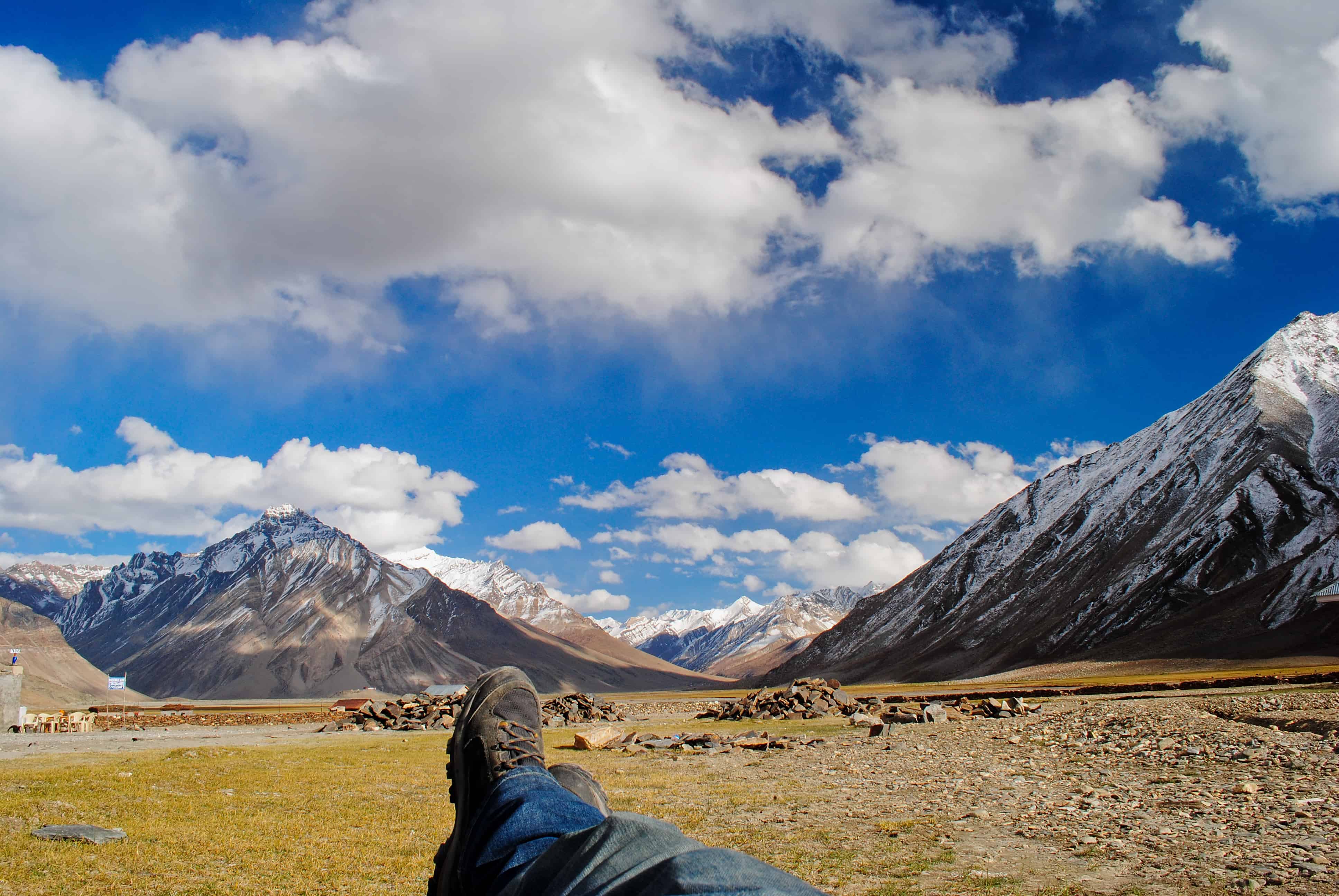
Last Updated: February 2026. Planning a trek to Spiti Valley, Kedarkantha, or Ladakh and wondering whether you can get a decent winter jacket without spending a fortune? You can. In fact, some of the best jackets I have seen on trekkers in the Himalayas cost well under Rs 5000, and a few Decathlon options come in under Rs 2000 and still hold up at sub-zero temperatures. Keep in mind that the right jacket is not the most expensive one. It is the one that matches your trek’s temperature range, your layering setup, and your honest budget.
I put together this guide after years of watching what fellow travelers actually wear on Spiti winter trips and Himalayan treks. The 2019 version of this post listed fashion jackets from Mango and Ed Hardy, which, with all due respect, have no business being recommended to someone planning a trek above 4000 metres. This updated 2026 version focuses entirely on actual hiking and trekking jackets that work in cold mountain conditions, all under Rs 5000.
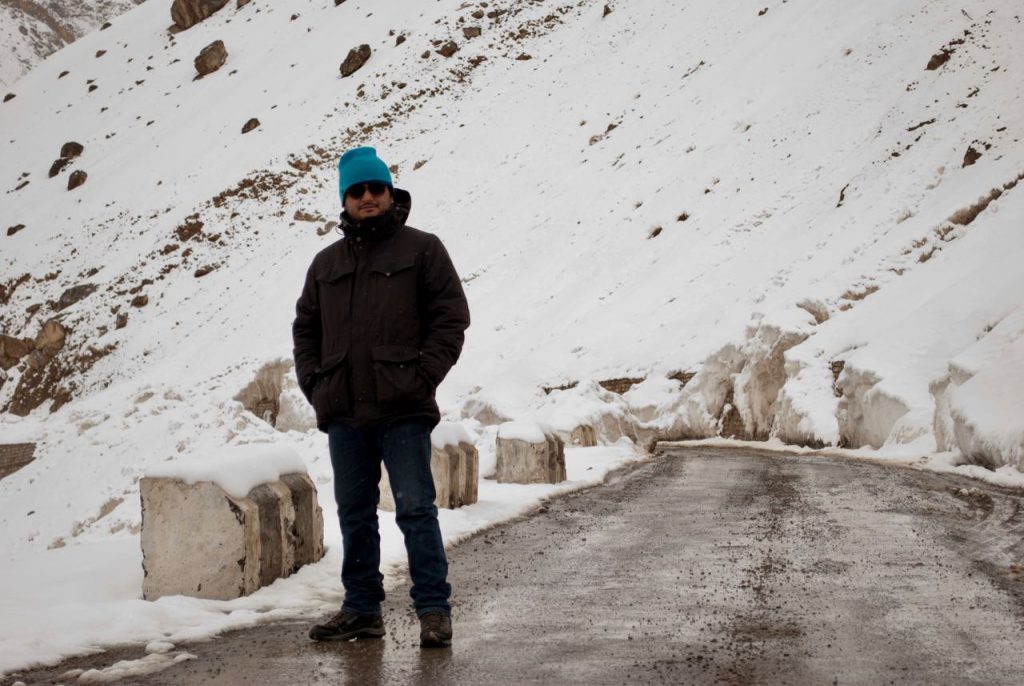
Let's quickly dive into the details:
Why Your Jacket Choice Matters More Than You Think
There is a common misconception among first-time Himalayan trekkers that any warm jacket will do. A thick jacket that works perfectly well in Shimla in December may be completely inadequate at Kedarkantha base camp at 3200 metres or at Chandrashilla at 4000 metres. The difference is not just temperature. Wind chill, moisture from snow, and the effort of climbing all combine to create conditions that expose the weaknesses of a poorly chosen jacket very quickly.
Here is what actually matters when choosing a budget winter jacket for Himalayan treks:
- Insulation type: Down insulation (duck or goose) is warmer per gram but loses insulation when wet. Synthetic insulation (polyfill, Thermolite, Omni-Heat) performs better in wet conditions and is easier to maintain. For Indian conditions where you may face mixed weather, synthetic is the safer bet under Rs 5000.
- Wind resistance: A jacket without a windproof outer layer is essentially useless on a ridgeline. Even a basic DWR (Durable Water Repellent) coating helps.
- Hood: Non-negotiable above 3000 metres. Wind can drop temperatures by 5-10 degrees. A hood can be the difference between a comfortable night and a miserable one.
- Weight and packability: On a multi-day trek, your jacket goes in your backpack for hours at a time. A jacket that compresses into a small stuff sack saves space and weight.
- Layering compatibility: Your jacket should be roomy enough to go over a fleece mid-layer. A jacket that fits perfectly over a t-shirt may be too tight when you add two base layers underneath.
What Is the Right Layering System for Himalayan Treks?
Before we jump to jacket recommendations, it is worth understanding the three-layer system that almost every experienced Himalayan trekker swears by. Your winter jacket is only one part of this system, and getting the full system right on a budget is entirely possible.
The three layers work like this. The base layer sits against your skin and its only job is to wick sweat away from your body. Cotton is absolutely not suitable here, as wet cotton chills you dangerously fast. Use a synthetic dry-fit or merino wool base layer instead. The mid layer, typically a fleece jacket or a light woollen sweater, provides insulation. The outer layer, your winter jacket, provides wind protection and additional warmth while repelling light precipitation.
For temperatures down to minus 5 degrees Celsius (common on winter treks like Kedarkantha or Brahmatal), a synthetic base layer plus a 200-300 gsm fleece plus a good insulated jacket under Rs 5000 will keep you comfortable. For colder conditions, say a Spiti winter or a January Ladakh trip, you will need to add more base layers and consider a heavier mid-layer. No single jacket under Rs 5000 replaces a proper layering system in extreme cold.
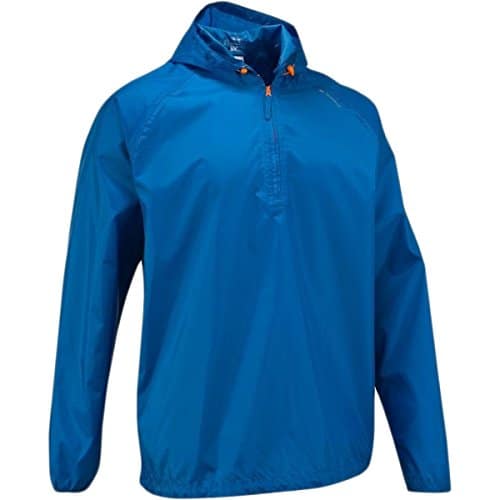
Top Budget Winter Jackets Under Rs 5000 for Trekkers in India (2026)
I have focused on jackets that are available in India through reliable channels in 2026, actually work in cold mountain conditions, and are within the Rs 5000 budget for most travelers. Prices mentioned are approximate and based on current availability as of early 2026. Always verify the current price before buying, as discounts and sales can shift things significantly.
1. Decathlon Quechua MH500 Fleece Jacket (Around Rs 1299-1799)
If there is one brand that has genuinely democratized trekking gear for Indian travelers, it is Decathlon. The Quechua MH500 fleece jacket sits at around Rs 1299-1799 and is one of the most popular mid-layers among budget trekkers in India. It is a 200-weight fleece, breathable, and comfortable for active use. Keep in mind this is a mid-layer, not a standalone outer jacket. But as part of a layering system it is outstanding value. Available in both men’s and women’s cuts.
The reason I recommend this as a starting point is that for many lower-altitude winter treks (Nag Tibba, Chopta, Tungnath), a good fleece over a dry-fit base layer is actually sufficient without adding a heavy insulated jacket. Save the heavier layer for higher, colder treks.


2. Decathlon Quechua SH500 Hiking Padded Jacket (Around Rs 2499-3499)
This is a synthetic insulated jacket from Decathlon designed specifically for trekking. The SH500 range uses polyfill insulation that maintains warmth even if it gets damp, which is a significant advantage over down jackets in the price range. The outer shell has a basic DWR treatment to repel light rain and snow. It has a hood, hand warmer pockets, and is available in compact enough sizing that it fits in a daypack when not in use.
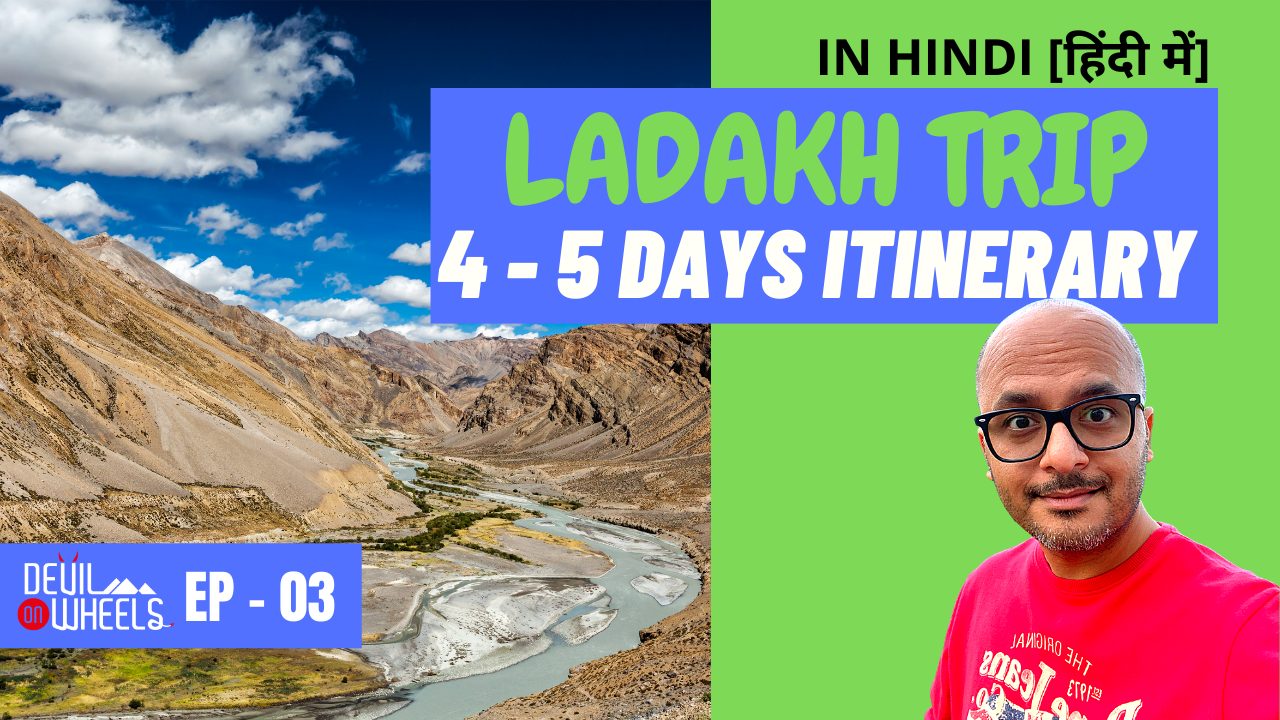
In terms of pure warmth-to-price ratio, this is hard to beat. I have seen this jacket on trekkers at Kedarkantha and Brahmatal and they all spoke highly of it. It is rated for temperatures down to around minus 5 to minus 8 degrees Celsius when worn over a base layer and fleece. For most popular Himalayan winter treks in this range, it is a solid choice well within your Rs 5000 budget.
3. Wildcraft Helium Down Jacket or Wildcraft Men’s Puffer Jacket (Around Rs 2999-4499)
Wildcraft is an Indian outdoor brand that has improved considerably in quality over the past few years. Their puffer jackets in the Rs 3000-4500 range offer good insulation and are designed with Indian conditions in mind. The Wildcraft puffer jackets use a mix of down and synthetic fill (varies by model), making them a reasonable choice for treks where you expect relatively dry cold rather than wet snow conditions.
The advantage of Wildcraft over Decathlon is availability. Wildcraft has a wide network of stores across India, and their products are also available on Myntra, Flipkart, and Amazon. If you are shopping last-minute before a trek and cannot find a Decathlon nearby, Wildcraft is a reliable alternative. Check the fill type on the specific model you choose. In case the jacket uses pure down, keep a rain cover handy on wet weather treks.
4. Columbia Powder Lite Insulated Jacket (Around Rs 4000-4999 on Sale)
Columbia is a premium outdoor brand, and their jackets regularly sit well above Rs 5000 at full price. However, during end-of-season sales (January-February and July-August), the Columbia Powder Lite series frequently drops to the Rs 4000-5000 range on Amazon and Flipkart. The Powder Lite uses Omni-Heat thermal reflective technology, which reflects your body heat back to keep you warm without adding weight. The outer fabric is also wind resistant and water repellent.
If you can catch this jacket during a sale, it is arguably the best value in this price range from a performance standpoint. The insulation quality is noticeably better than budget options. Hence, I suggest keeping an eye on Amazon sale periods if Columbia is on your wish list. At full price, however, it exceeds the Rs 5000 budget, so plan your purchase accordingly.
5. Quechua Arpenaz 500 Padded Hiking Jacket (Around Rs 3499-4499)
Another Decathlon option, but in the higher range of our budget. The Arpenaz 500 is a step up from the SH500 and is designed for more demanding mountain conditions, including light snowfall. The padded jacket has better wind resistance, a more structured hood that actually stays in place in wind, and slightly better insulation rating. It is available in both men’s and women’s versions at Decathlon stores and on the Decathlon India website. If you are shopping for this ahead of a snow trip, our guide to snowfall near Delhi lists the best places to see it within driving distance.
This jacket works well as a single outer layer for moderate winter conditions or as a mid-layer when temperatures drop significantly below zero. For budget trekkers planning their first Himalayan winter trek, this is a safe, well-tested choice from a brand with reliable sizing and easy returns.
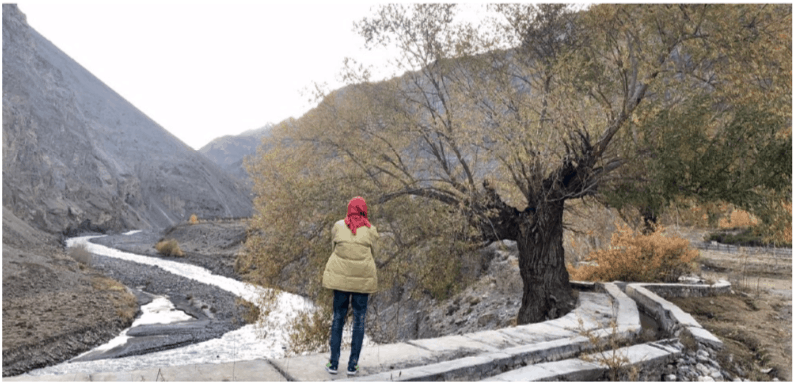
Quick Comparison: Budget Winter Jackets Under Rs 5000
Here is a quick reference table to help you decide which jacket suits your needs:
| Jacket | Price (approx) | Insulation | Best For | Wind/Water |
|---|---|---|---|---|
| Quechua MH500 Fleece | Rs 1299-1799 | Fleece (mid-layer) | Low altitude winter treks | Basic |
| Quechua SH500 Padded | Rs 2499-3499 | Synthetic polyfill | Kedarkantha, Brahmatal | Good (DWR) |
| Wildcraft Puffer | Rs 2999-4499 | Down/synthetic mix | Dry cold conditions | Good |
| Columbia Powder Lite (sale) | Rs 4000-4999 | Omni-Heat synthetic | Multi-day cold treks | Very Good |
| Quechua Arpenaz 500 | Rs 3499-4499 | Synthetic padded | Moderate Himalayan winter | Very Good |
2-in-1 Winter and Rain Jackets Under Rs 5000 (For Wet, Cold Treks)
If your trip mixes rain with cold, an early-season Kedarkantha departure, a monsoon-tail Spiti run, or any Himalayan trek where the weather is unstable, a true 2-in-1 (or 3-in-1) jacket works better than a single-purpose one. These have a waterproof outer shell and a separate warm inner layer that zip together, so you can wear them combined in wet cold or split them apart when conditions change. Here is what I checked and confirmed still priced under Rs 5000 on 29 July 2026:
- Decathlon Quechua Men’s NH100 3-in-1 Waterproof Hiking Jacket (0°C): Rs 4,599, down from Rs 5,999 MRP, on decathlon.in as of 29 July 2026. The outer shell is fully waterproof and windproof, the inner is a warm zip-in layer, and the two combine into one jacket for wet, cold days on the trail.
- Decathlon Quechua Women’s NH100 3-in-1 Warm Hiking Jacket (0°C): Rs 4,599, down from Rs 5,599 MRP, on decathlon.in as of 29 July 2026. Same detachable shell-plus-liner design as the men’s version, cut for women’s sizing.
- Wildcraft Men’s Hypawarm 8-in-1 Con Husky Trekking Jacket: Rs 4,800, down from Rs 9,599 MRP, on wildcraft.com as of 29 July 2026. Windproof, water-resistant outer with a detachable hood and sleeves, so it converts between a full jacket, a vest, and a lighter shell as conditions change through the day.
Keep in mind that prices on all three move with sales, especially around Decathlon’s January and July clearance windows, so check the live listing before you buy. Hence, treat these as current, trek-ready picks rather than a fixed price guarantee.
Should You Buy or Rent a Jacket for Your Trek?
If you are going on a single winter trek and do not see yourself trekking regularly, renting can make more sense than buying. Most popular trek base camps and starting towns like Sankri (for Kedarkantha), Lohajung (for Brahmatal), and Joshimath (for winter Uttarakhand treks) have rental shops that offer insulated jackets for Rs 100-200 per day. Over a 6-day trek, that is Rs 600-1200, which is significantly less than buying even a budget jacket.
However, if you plan to trek more than once, or if you are combining your trek with a road trip to Spiti or Ladakh, buying makes complete sense. The jackets I have listed above will last 5-8 years with proper care. Wash them according to the label instructions, store them uncompressed when not in use, and reproof the DWR coating every couple of seasons with a DWR spray. Simple maintenance goes a long way.
What to Check Before Buying a Jacket for High-Altitude Trekking
Here are a few things I suggest checking before finalising any jacket purchase, especially when buying online where you cannot feel the product:
- Fill power or insulation weight: For synthetic jackets, look for the GSM (grams per square metre) rating of the fill. Higher GSM means warmer, but also heavier. For winter treks, aim for at least 150-200 GSM insulation in the fill material.
- Seam quality: Pull on the seams gently. Budget jackets often have weak seam stitching that unravels after 2-3 trips. Check reviews specifically mentioning durability.
- Pocket placement: Hand warmer pockets are non-negotiable on cold treks. Chest pockets are a bonus for keeping phone warm (cold kills battery fast at altitude).
- Fit over a mid-layer: If buying online, size up by one. Jacket fit charts are typically designed for a single layer. You will often be wearing this over a fleece.
- Return policy: Always buy from sellers with easy returns, especially for winter gear. Decathlon’s return policy is among the most generous in India for sporting goods.
What About Jackets for Women Trekkers?
All the brands mentioned above, Decathlon Quechua, Wildcraft, and Columbia on sale, have specific women’s cuts in their trekking jacket ranges. Women’s trekking jackets are not just styled differently. They have shorter torso lengths, more tailored sleeves, and slightly different hood sizing. In case you are buying for a woman, always buy from the women’s specific range rather than sizing down in men’s. The fit is meaningfully different, especially for layering comfort on a multi-day trek.
Decathlon India currently has women’s trekking jackets starting from Rs 999 for fleece options going up to Rs 3999-4999 for insulated outer layers. Wildcraft also has a solid women’s range. Do explore the women’s sections on both brand websites before committing.
Related Reading from DwD
If you are gearing up for a Himalayan trek or winter road trip, these articles from the blog will help you complete your planning:
- Top 5 Trekking and Hiking Shoes Under Rs 5000 – The companion post to this one. Shoes matter as much as jackets.
- Must Have Things to Carry on a Hiking or Trekking Trip – Full checklist so you don’t miss anything critical.
- Tips for Carrying Clothes for a Ladakh Trip – Ladakh-specific clothing guide including layering for the high passes.
- How to Plan a Trip to Spiti Valley in Winters – Full guide for a Spiti winter trip where your jacket will be seriously tested.
- 6 Special Tips for a Winter Trip to Ladakh – Practical tips for January-February Ladakh travel, including what to wear.
- Leh Ladakh in Winters – Most Common Itinerary – Full winter Ladakh itinerary including gear notes.
- Become a Pro at Packing Your Backpack – How to fit all your layers and gear into a trekking pack efficiently.
- Trip to Chansal Pass – Rohru – Chakrata Itinerary – A shorter winter adventure perfect for testing your new jacket.
Have a travel question?? You can subscribe to my YouTube channel and leave a comment to ask your travel questions about traveling to the Himalayas.
Frequently Asked Questions
Is a Rs 5000 jacket good enough for a Himalayan winter trek?
Yes, for most popular winter treks like Kedarkantha, Brahmatal, or Chopta, a good synthetic insulated jacket under Rs 5000 combined with a proper fleece mid-layer and a dry-fit base layer is sufficient for temperatures down to minus 5 to minus 8 degrees Celsius. For more extreme conditions like a Spiti Valley winter or January Ladakh trip, you will need a heavier layering system regardless of jacket price.
Which is better: down or synthetic insulation for budget trekking jackets?
For Indian conditions where mixed weather (rain, snow, and cold) is common, synthetic insulation is generally the better choice under Rs 5000. Synthetic fill retains warmth even when wet, whereas down loses most of its insulating ability when damp. Premium hydrophobic down jackets solve this problem, but those are not available under Rs 5000. Stick with synthetic fill for budget purchases.
Can I use a regular winter jacket for trekking in Himalayas?
A regular fashion winter jacket, the kind sold in malls and fashion brands, is generally not suitable for Himalayan trekking. Fashion jackets lack the windproofing, moisture resistance, and packability required for mountain conditions. More importantly, they often use fill materials that compress under a backpack and lose their loft. Invest in a proper trekking jacket, even a budget one from Decathlon, rather than using a fashion jacket on a serious trek.
Where to buy budget trekking jackets in India?
Decathlon stores across major Indian cities are the best source for budget trekking gear. The Quechua range is priced well and has consistent quality. For online shopping, Decathlon India’s website, Amazon India, and Flipkart are reliable. Wildcraft has both online and offline stores. For Columbia jackets within budget, watch for Amazon Great Indian Festival and Flipkart sale events in January-February and July-August.
How many layers do I need for a winter trek in the Himalayas?
For most winter treks at altitudes between 3000-4500 metres, three layers are standard. A synthetic moisture-wicking base layer, a fleece mid-layer (200-300 weight), and an insulated outer jacket. For trek nights in camp and very high altitudes, add a second base layer and consider a down jacket as an inner layer. The key is layering flexibility. You should be able to add or remove layers easily as temperature and activity level change throughout the day.

What is the best jacket brand for trekking in India under Rs 5000?
For consistent quality, availability, and value under Rs 5000, Decathlon Quechua is my top recommendation. Their SH500 padded hiking jacket and the Arpenaz 500 jacket are purpose-built for trekking, not fashion. Wildcraft is a close second, especially for those who cannot access a Decathlon store. Columbia is excellent but usually requires catching a sale to stay under Rs 5000.
Can I trek in Spiti Valley in winter with a Rs 5000 jacket?
Spiti Valley in winter (November to March) sees temperatures regularly dropping to minus 15 to minus 25 degrees Celsius. A single Rs 5000 jacket is not sufficient for this. You will need a comprehensive layering system: thermal inner wear, fleece mid-layer, a good insulated jacket, and possibly a windproof shell over the top. The Rs 5000 budget is better viewed as the cost of one piece of the system, not the whole system. Plan accordingly and do not underestimate Spiti winters.
