


Tirthan Valley sits at 1,600 meters in Kullu district, Himachal Pradesh, along the Tirthan River, and forms the main gateway to the Great Himalayan National Park, a UNESCO World Heritage Site. Mobile signal drops out completely past Gushaini village, so expect trout fishing, forest walks and river-side camping instead of Wi-Fi. It is 511 km from Delhi.
If you are looking for a quiet place to disconnect, go for nature walks, try trout fishing, or just sit by the river with a book, Tirthan Valley is your answer.
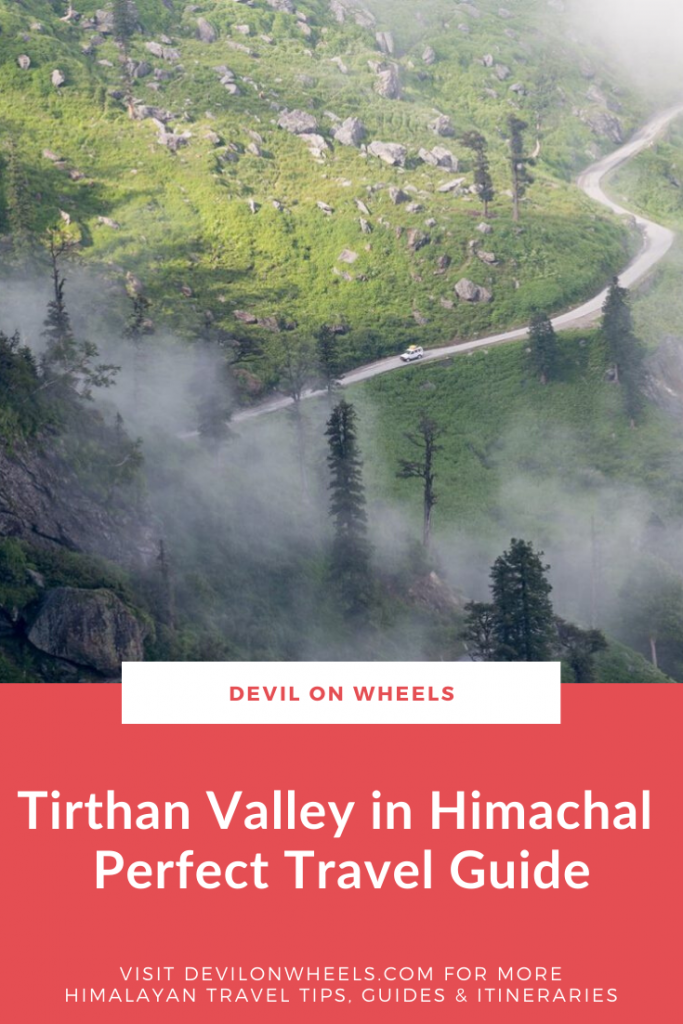
In all, it is an ideal place for connecting with nature, trying out family camping, enjoying bonfires with friends, sitting beside the river and listening to music, or just lazing around. The list of things to do in Tirthan Valley goes on and easily makes it a complete offbeat holiday destination in Himachal.
Let me walk you through this detailed Tirthan Valley travel guide to help you plan a memorable trip.
Let's quickly dive into the details:
Practical Information at a Glance
| Altitude | 1,600 m (5,250 ft) |
| District | Kullu, Himachal Pradesh |
| Delhi to Tirthan | ~511 km (10-12 hours by road) |
| Chandigarh to Tirthan | ~260 km (7-8 hours) |
| Manali to Tirthan | ~100 km (3-3.5 hours) |
| Nearest Airport | Bhuntar (50 km) |
| Best Time to Visit | March to June, September to November |
| Budget Homestay | Rs 800-1,500/night |
| Mid-range Stay | Rs 2,000-5,000/night |
| Premium Stay | Rs 5,000-7,000/night (Himalayan Trout House, Raju’s Cottage) |
| GHNP Ecozone Entry | Free for casual day visits to outer ecozone |
| GHNP Core Zone Permit | Rs 100/day Indian, Rs 400/day foreigner (2026 rates) |
| Trout Fishing License | Rs 100/day per rod (Forest Dept) or Rs 300/day (HP Fisheries), non-transferable |
| Fishing Rules (2026) | Max 6 fish/day, minimum size 25 cm, season March 1 to October 31 |
| Mobile Network | BSNL, Airtel, Jio in main villages (intermittent on trails) |
| ATM | Available at Banjar town, carry cash as backup |
| Last Updated | May 2026 |
What Exactly Is Tirthan Valley?
Tirthan Valley and Banjar Valley are essentially the same place. Banjar is the tehsil, and because the Tirthan River flows through the valley, the area became more popular by the name Tirthan Valley. Jibhi is another well-known name from the same Banjar Valley. Technically, all three names refer to parts of Banjar Valley, with Gushaini and Jibhi being the two most popular tourist spots. Some locals also call it the Trout Fishing Valley of Himachal.
When you travel here, you can feel the raw, pure bliss of nature. Fresh air, a cool breeze from the river, and dense forests surround you from all sides. If nature walks or trout fishing interest you, then do not think much about your next vacation. Just head to Tirthan Valley from Delhi. If you are exploring this pocket of Himachal, our Jibhi and Banjar Valley guide covers the neighboring villages worth a stop too.
Where Is Tirthan Valley Located?
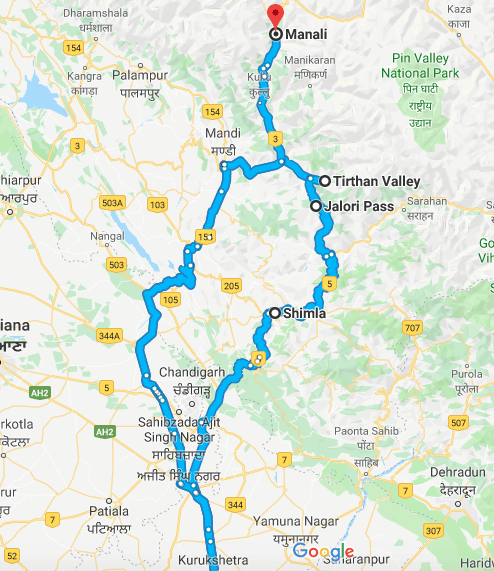
Banjar or Tirthan falls on the alternate route from Kullu to Shimla via Jalori Pass. Hence, you get to enjoy the adventurous drive over Jalori Pass and do the complete circuit. You can easily plan a route like Manali to Tirthan Valley to Shimla or Mashobra in one trip.
What Treks Are Available in Tirthan Valley?
Being the gateway to the Great Himalayan National Park, Tirthan Valley is a trekker’s paradise. The valley offers treks ranging from 2-day easy hikes to 15-day advanced expeditions, and these treks range from beginner level to advanced ones. An avid trekker can explore and reach heights above 4,000 meters. Apart from multi-day treks, you can also do day hikes in the woods or visit nearby waterfalls.
So, if you plan to do some hiking or trekking with family or friends in a quiet natural setting, just drive on the road to Tirthan.
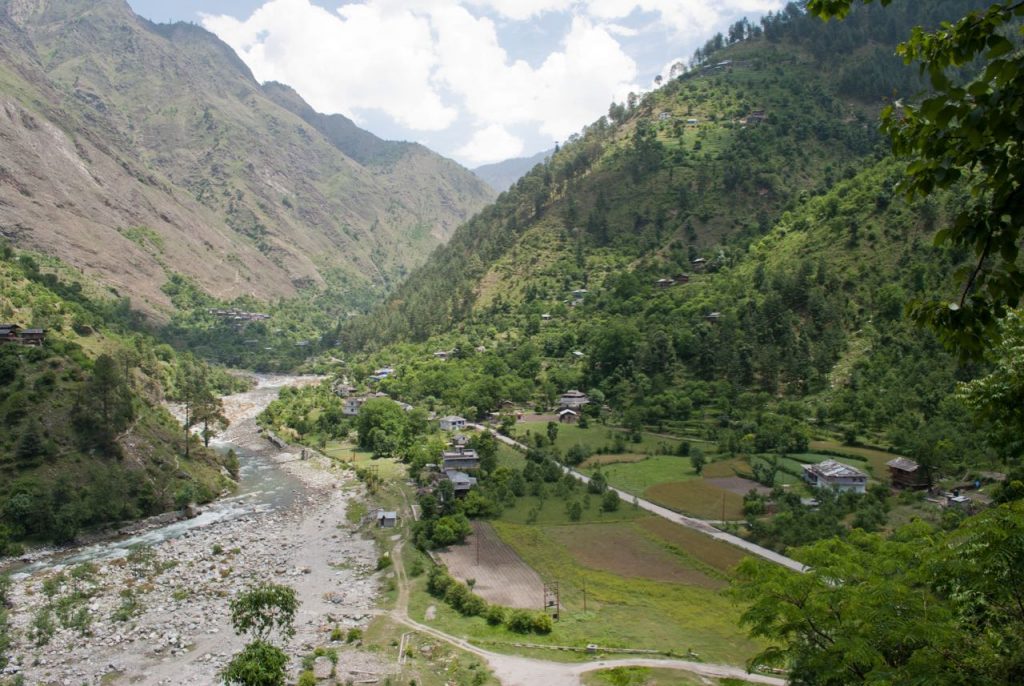
What Is the Weather Like in Tirthan Valley?
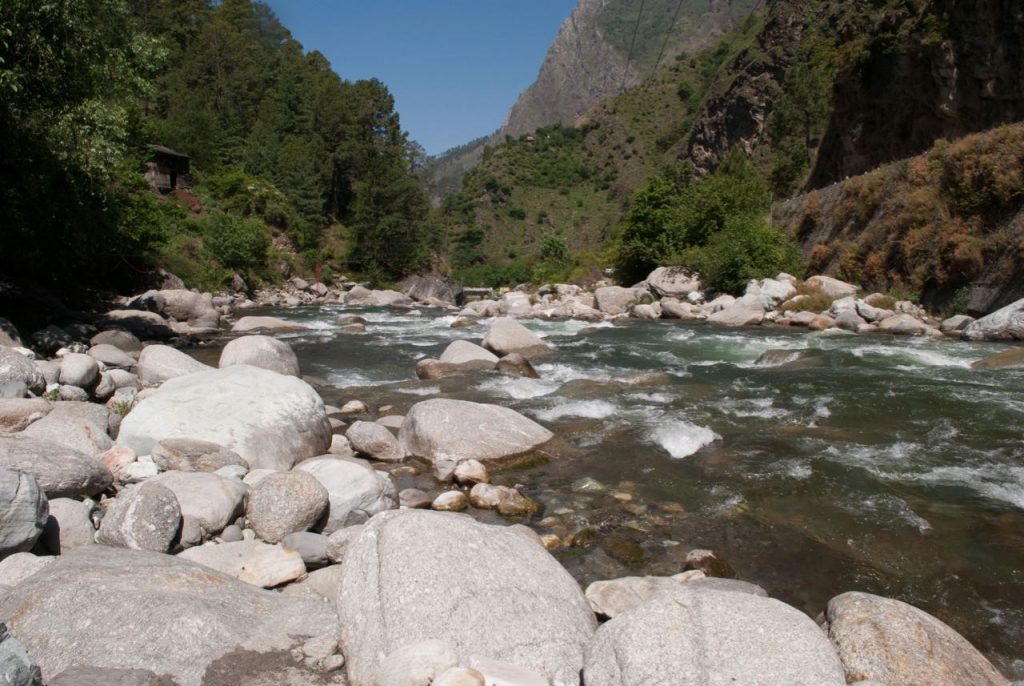
Weather in Tirthan remains pleasant for most of the year. Summer temperatures stay below 24 degrees Celsius, and there is almost always a cool breeze from the flowing river. The greenery all around and the sound of the river add to the overall experience.
In winters, the minimum temperature can fall below freezing, and snowfall is expected during December to February. The weather gets dry in peak winter months. You can always head up to Jalori Pass for snow during January and February.
When Is the Best Time to Visit Tirthan Valley?
The best time to visit Tirthan Valley is the spring season from March to May, when the apple orchards are in full bloom and the weather is refreshing. The valley looks its absolute best during this period.
That said, Tirthan Valley will not disappoint you from March to November. September and October bring clear skies and fewer tourists, making it another excellent window to visit. The trout fishing season runs from March 1 to October 31. You will need a daily license at Rs 100 per person per fishing rod from the Forest Department, or Rs 300/day from the HP Fisheries Department. Both are non-transferable, with a daily catch limit of 6 fish (minimum size 25 cm) under 2026 rules.
Keep in mind that in winters, Tirthan gets quite cold and wildlife descends towards the valley due to snow at higher altitudes. Leopards and bears are known to be active in this area during winter. Hence, if you are traveling to Tirthan in winters, avoid camping in the wild or take proper wildlife precautions.
How Do I Get to Tirthan Valley from Delhi?
Tirthan is 511 km from Delhi via Chandigarh, Mandi and Aut. The fastest option is an overnight HRTC or HPTDC Volvo bus from ISBT Kashmere Gate at around 5:30-7:30 PM (fare Rs 1,300-1,800). Get down at Aut around 6 AM, then take a local bus to Banjar (Rs 40-50, 30 minutes) or a shared/private taxi to Gushaini (Rs 800-1,200). By car, plan a 12-hour drive with an early morning start. The nearest airport is Bhuntar (50 km), and the nearest railway station is Chandigarh (260 km).
Tirthan Valley lies in the Kullu region of Himachal Pradesh. You need to take the Delhi to Manali Highway and reach a place called Aut after Mandi. Do not enter the Aut Tunnel (Jawahar Tunnel). Instead, continue on the road to the right that takes you into Banjar Valley.
The distance from Delhi to Tirthan Valley is about 511 km via the Mandi-Pandoh route. The complete route is:
Delhi, Ambala (188 km), Chandigarh, Roopnagar (282 km), Kiratpur, Bilaspur (371 km), Mandi (440 km), Pandoh, Aut (481 km), Larji, Gushaini, Tirthan (511 km)
How Do I Reach Tirthan Valley from Manali?
If you are coming from Manali, start back towards Delhi from Manali via Kullu. After reaching Aut, just after crossing the Aut Tunnel, take the left exit. Fair warning: the route is extremely scenic from here on 🙂
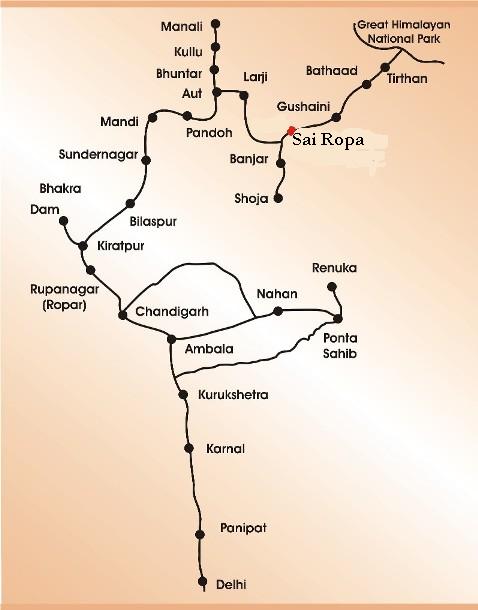
You will reach Larji T-Point where you need to take a right to reach Sai Ropa. At Sai Ropa, if you head straight, you will reach Banjar, Shoja, and then Jalori Pass. For Tirthan, follow the U-turn from Sai Ropa towards Gushaini and Nagini (Tirthan).
It will take about 1.25 to 1.5 hours to reach Tirthan villages from the Aut junction.
What Is the Alternate Route via Shimla and Jalori Pass?
There is an alternate route from Delhi via Shimla and Jalori Pass to Banjar and Tirthan. This route is about 40 km longer but includes the scenic drive over Jalori Pass.


Delhi, Ambala (188 km), Kalka, Shimla (370 km), Narkanda (430 km), Ani, Khanag, Jalori Pass (520 km), Shoja (524 km), Banjar (538 km), Tirthan (544 km)
Many travelers prefer the full circuit. You can go Delhi to Manali to Tirthan to Shoja to Jalori Pass to Shimla and then back home. This way, you enjoy both routes and visit some beautiful places in the Kullu and Shimla districts.
By Air: The nearest airport is Bhuntar (Kullu-Manali Airport), approximately 50 km away. You will need a taxi or bus from Bhuntar. Keep in mind that the airport has limited connectivity and flights may face weather-related disruptions.
By Train: Chandigarh is the closest major railway station. You can take the Shatabdi Express from Delhi to Chandigarh and then hire a cab or take a bus to Mandi and onward. Joginder Nagar station is another option, located about 120 km from Tirthan Valley.
How Do I Reach Tirthan Valley by Bus?
A lot of people ask me this, so let me break it down. Regular HRTC buses and overnight Volvo buses run from Delhi to Manali every day. The Delhi to Bhuntar HRTC AC sleeper or Volvo departs from ISBT Kashmere Gate between 5:30 PM and 7:30 PM, with fares roughly Rs 1,300-1,800 (ordinary HRTC starts around Rs 700-900). These buses reach Aut the next morning around 6 AM. Get down from the bus at Aut and either take a local bus towards Banjar (Rs 40-50, 30 minutes) or hire a taxi.
![What is the best bike or best motorcycle for Leh Ladakh bike trip? [4 Things to Consider]](https://discoverwithdheeraj.com/yt_vid_thumbs/ladakh/81.png)
From Chandigarh, HRTC buses to Aut and Bhuntar run frequently with fares around Rs 455-650 (ordinary to Volvo). The drive is 7-8 hours. Alternatively, if you are traveling on a tight budget, you can also hitchhike from Aut to Tirthan Valley. I have seen many backpackers doing this successfully.
Taxis from Aut and Bhuntar to Tirthan
From Aut, you have two choices. Either pre-book a taxi through your hotel or guesthouse in Tirthan, or get down at Bhuntar to find a taxi yourself.
From Aut, a private taxi to Gushaini or Nagini costs around Rs 800-1,200 with seating for 5-6 people (the 30 km stretch takes about 1.25 hours). If you take a taxi from Bhuntar, expect to pay Rs 1,800-2,500 as the driver might have to return empty. A pre-arranged taxi from your hotel is usually cheaper since it will be a Banjar-based taxi, not a Kullu or Bhuntar one. Verify rates before you board because peak-season pricing can creep up.
While going back, you can catch the Manali to Delhi bus around 7 PM at Aut and reach Delhi by 7 AM next morning. Do not forget to mention your pickup point at Aut or Bhuntar when booking the HPTDC Volvo bus.
What Are the Road Conditions Like?
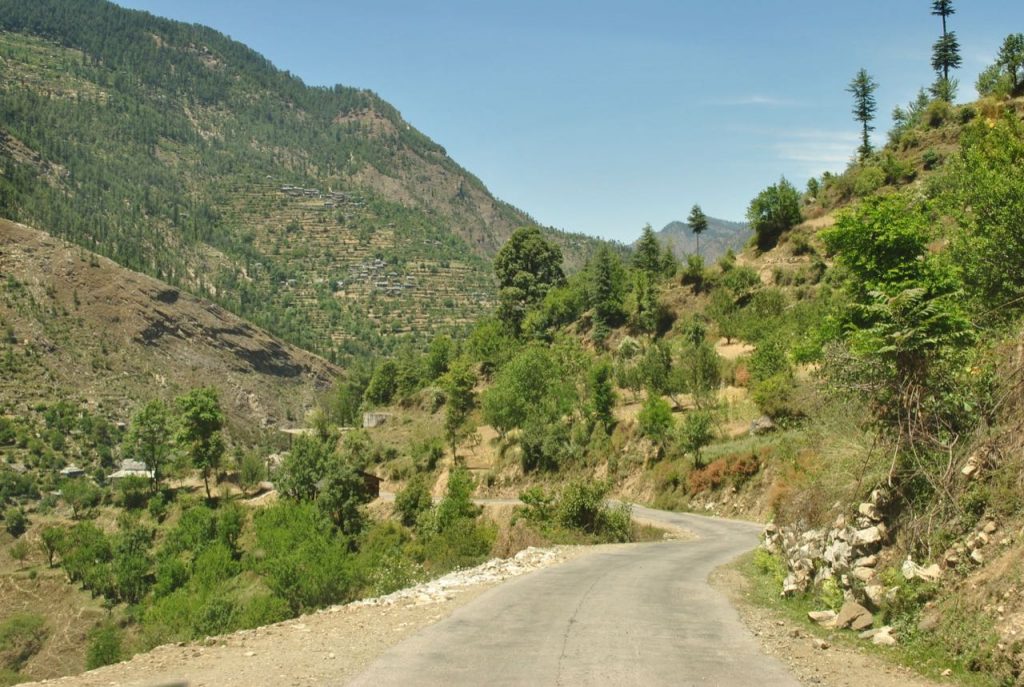
From Delhi to Aut, the roads are in great shape since it is a national highway. From Aut onwards, the roads are a bit narrow but mostly in good to average condition. You will not face any major difficulty.
However, when you travel over Jalori Pass from Tirthan to Shimla, the story changes. If there is rain, the road conditions around Shoja and up to Jalori Pass can get messy. Mud makes the steep gradient of Jalori Pass quite challenging. Even without rain, the drive from Banjar to Jalori Pass and then down towards Narkanda can be nerve-wracking at certain points.
It is essential to use low gear braking when descending from Jalori Pass. I have seen brake failures happen to people who rely only on their brake pedal on these steep descents.
What Vehicle Do I Need?
The best way is to take your own car or bike and hit the road. There is no special vehicle requirement to visit Tirthan Valley. Hatchbacks and sedans will do equally well. There is no need for an SUV or a 4×4 vehicle. Any vehicle in decent running condition will get you there 🙂
Check my must-have things to carry on a self-drive trip to Himachal before you leave.
Where Can I See the Tirthan Valley Map?
Here is a hand-sketched map of Tirthan Valley to give you an idea of places around it and where exactly it is located in the Kullu region of Himachal.
Can I Do a Weekend Trip to Tirthan Valley?
Yes, a trip to Tirthan Valley is very much possible as a 3-day long weekend trip from Delhi. To get the full feel of this relaxing place, I recommend adding one more day to make it a 4-5 day trip.
You can also add a drive to Kasol and Manikaran, or do the complete circuit with a stopover at Narkanda on the other side of Jalori Pass.
Night 1 / Day 0 | Delhi to Tirthan
Leave from Delhi in the evening and reach Gushaini or Banjar early next morning. You can do this journey by overnight Volvos running between Delhi and Manali every day.
Day 1 | Relax at Tirthan
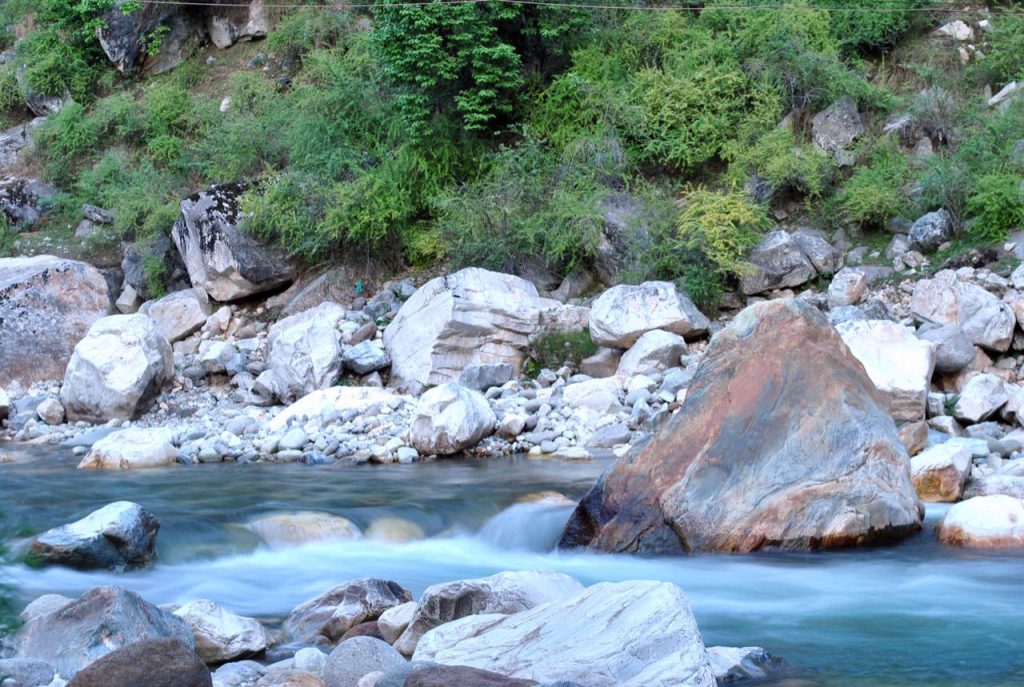
Early morning arrival means sound sleep and rest for 5-6 hours. Then spend the day around the serene Tirthan River. Relax, read a book, try trout fishing if you are interested. In the evening, enjoy a bonfire.
Day 2 | Trek or Waterfall Hike
Trek or hike into the Great Himalayan National Park or hike to nearby waterfalls. There are two waterfalls at a short distance from each other. After coming back from the hike, enjoy dinner alongside the river before a sound sleep.
Day 3 | Relax and Head Back
On Day 3, relax till afternoon and then leave for Delhi around noon to reach by 11 PM. This plan gives you a good night’s sleep, and you can join office the next day on Monday.
If you are traveling by bus, you will reach Delhi the next morning. A bit tiring but manageable with the comfort of a Volvo bus.
Hence, you can see that a weekend trip to Tirthan Valley from Delhi is possible. A bit hectic but definitely doable.
How Can I Extend the Trip by a Few Days?
If you have extra days, you can add these optional stops based on your interests.
Optional Day: Jalori Pass and Serolsar Lake Trek
Drive to Jalori Pass (3,120 m) and trek to Serolsar Lake, about 5 km one way. On the way back, stop at Shringi Vatika (now called Shringipur) for a home-cooked meal. This adds one more day to make it a 4-day trip.
Optional Day: Kasol and Manikaran
You can also drive from Tirthan to Kasol and Manikaran and either come back the same day or stay at Kasol. This way, you can leave for Delhi from Kasol without needing to return to Tirthan. You can of course opt for both days to make a 5-day trip from Delhi.
Another suggestion: You can also plan to include a visit to Prashar Lake along with Tirthan Valley.
What About the Jalori Pass Adventure?
If you want to add adventure to Day 3 of the weekend trip, leave early morning and take the Jalori Pass route back. However, the Serolsar Lake trek will not be possible in that case due to time constraints. I always prefer this route either while coming or while leaving from Tirthan.
Tirthan, Banjar (6 km), Shoja (20 km), Jalori Pass (24 km), Khanag, Ani, Narkanda (114 km), Shimla (174 km), Kalka, Ambala (356 km), Delhi (544 km)
The route to Jalori Pass from the Shoja side is quite steep compared to the Ani and Khanag side, which adds to the adventure of this road trip 😉


Where Should I Stay in Tirthan Valley?
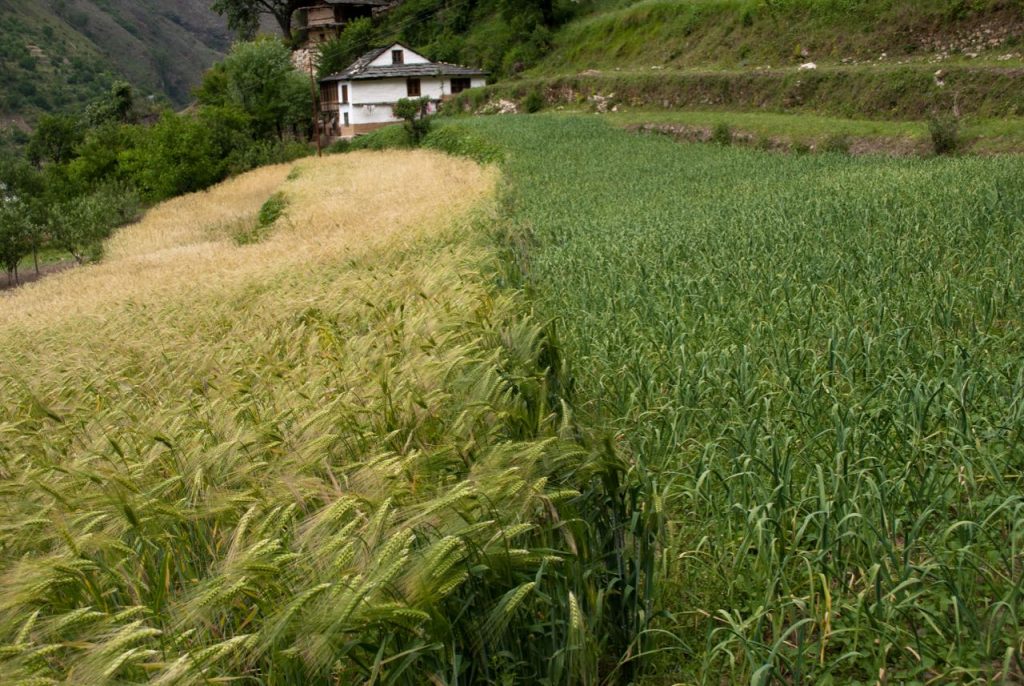
When I started visiting Tirthan back in 2010, there were only a handful of places to stay. Over the last fifteen years, tourism has grown significantly and so have accommodation options in the Tirthan and Banjar region. You now have budget homestays, mid-range guesthouses, and even some premium properties to choose from.
1. Sai Ropa Forest Rest House
This is a government-run forest guest house and one of the most budget-friendly options in Tirthan. Comfort is moderate, but the location is excellent. Getting a booking here can be tricky, so plan in advance.
2. Raju Bharti’s Guest House (Raju’s Cottage)
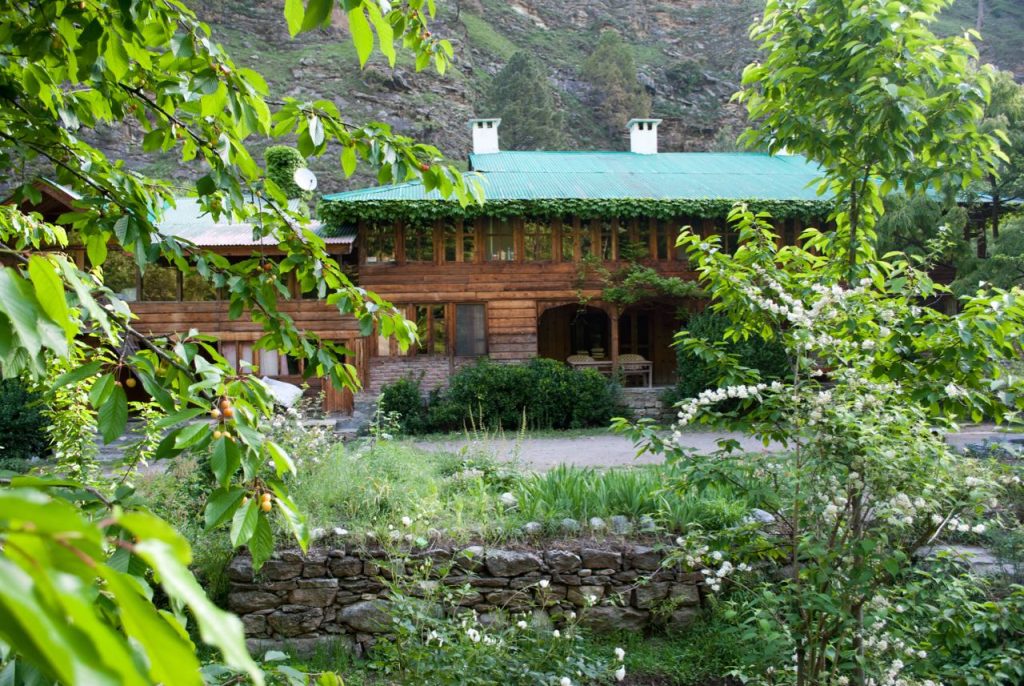
If you want peace, seclusion, and natural beauty, I recommend Raju’s Cottage at Gushaini. It is a pioneer in Tirthan Valley hospitality and has been featured by Outlook Traveler among the top places to stay.
The food here is excellent as per the majority of people who stay. The cottage sits right in the middle of the valley in Gushaini village, surrounded by nature walks and hiking trails. Rates are approximately Rs 3,500-4,500 per couple per day (all meals included, as of 2026, verify current rates before booking). Advance booking at least a month ahead is a must.
3. Himalayan Trout House
A premium option located in Nagini village, about 2-3 km before Raju’s Cottage. The hospitality and experience here are excellent, with rates around Rs 5,000-7,000 per night (as of 2026, verify locally for current rates).
4. Riverside Resort
This one is right at the banks of the river and has gained a lot of attention over the last decade. The price range is decent, and being adjacent to the riverside makes the stay wonderful. I have stayed here when Raju’s Cottage was fully booked, and the experience was quite good.
5. Shringi Vatika Homestay at Ghiyagi
Located a little away from main Tirthan at Ghiyagi village before Shoja (now called Shringipur). It is a budget homestay with good service and a solid reputation. The river is a short hike down, and the property is about 10 km from main Tirthan. They have built a small waterfall from the stream and have swings for kids in the garden. A nice family-friendly option.
Beyond these, budget homestays in Gushaini, Nagini and Banjar start at Rs 800-1,500 per night for a clean double room. In case you want a quieter, deeper-in-the-valley alternative, look at Sainj Valley homestays in Shangarh.
Is Tirthan Valley Good for a Honeymoon Trip?
Absolutely. If you are looking to plan a honeymoon trip in Himachal, Tirthan Valley deserves serious consideration. Here is why:
- There is minimal tourist rush compared to Manali or Shimla, which means ample peace and privacy.
- Raju Bharti Cottage has been recognized by Outlook Traveler among top places to stay. The quality, hospitality, and location are superb, right in the lap of nature.
- The raw natural beauty is all around. Tirthan River, GHNP trails, waterfalls, flora, and fauna make it comparable to any premium forest resort.
- There are other accommodation options too, from Riverside Resort to Himalayan Trout House, so you can choose based on your budget.
- Shoja and Jalori Pass are only 1.5-2 hours away. In winters, you can enjoy plenty of snow near Jalori Pass and Shoja.
- Tirthan Valley is not far from Manali, Kasol, Naggar, and Solang Valley. You can spend 3-4 days in Tirthan and then move to the Manali circuit for adventure activities, Naggar Castle, Israeli food at Kasol, or shopping at Manali Mall Road.
If you prefer peace, avoid Manali during summer holidays, Durga Puja holidays, and the Christmas to New Year week when tourists from all over flock to the valley.
Where Can I Eat in Tirthan Valley?
There are dhabas in the villages of Tirthan and the main market of Banjar town. Otherwise, you will mostly be eating at the guest house or hotel where you are staying. If you are on a day trip to Jalori Pass, you can stop at Shringi Vatika for a meal. Most accommodations offer meal plans, so I suggest going with that option for convenience.
Are There ATMs Near Tirthan Valley?
There is an ATM at Banjar town, but it is better to carry enough cash. ATMs in smaller towns can run out of cash or go offline, especially during long weekends. Mandi and Kullu have more reliable ATM options if you need to withdraw money on the way.
How Is Mobile Network Coverage in Tirthan?
Tirthan has decent mobile phone coverage. BSNL, Airtel, and Jio networks are available, though connectivity can be intermittent at times. On the trails inside GHNP, expect little to no mobile connectivity. But that is part of the point of a trek, right? Disconnect from the modern world for a while, my friend.
What Should I Carry to Tirthan Valley?
Tirthan is famous for trout fishing, so carry your fishing gear if you have any. Beyond that, carry whatever helps you relax. Books, a volleyball, musical instruments, a guitar for bonfire evenings, or simply your curiosity.
Among practical things to carry:
- Check my list of things to carry on a trekking trip if you plan to hike.
- Always carry a water bottle for day hikes and treks.
- For summers, a light woolen sweater or jacket is sufficient for evenings. In winters (December to February), carry 2-3 layers of thermal clothing as temperatures drop below zero.
- Cash, since ATM availability is limited.
- A power bank, as charging points may not be available on longer treks.
What Are the Top Things to Do in Tirthan Valley?
Once you reach Tirthan, there is plenty to keep you engaged. Here are the major attractions and activities.
1. Explore the Great Himalayan National Park (GHNP)
As Tirthan is the gateway to GHNP, this is a must-do. You can go for day hikes, multi-day treks, or evening camping. The park is home to over 375 fauna species including the Western Tragopan, Himalayan Tahr, Snow Leopard, and Musk Deer. The outer ecozone around Gushaini and Sai Ropa is free to walk through. For deeper treks into the core zone, you need a permit from the GHNP office at Sai Ropa or Shamshi (Rs 100/day for Indians, Rs 400/day for foreigners as per 2026 rates), and a registered guide is mandatory for all multi-day treks.
2. Visit the Tirthan Valley Waterfalls
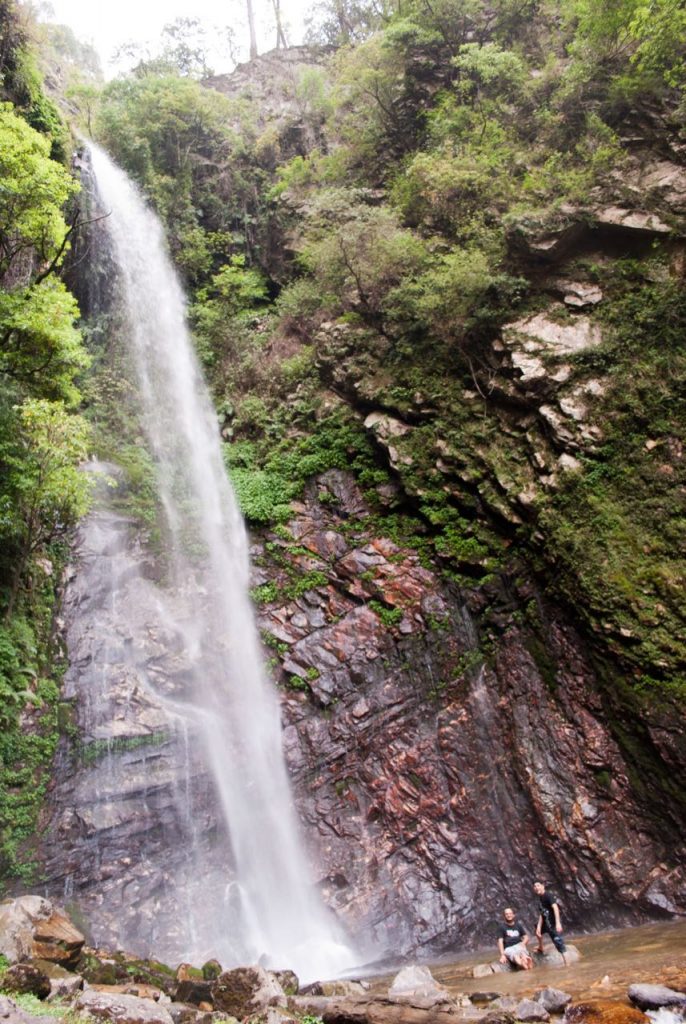
There are two secluded waterfalls within about an hour of hiking distance, with the taller one being more than 50 feet high. Both are very close to each other. The trail offers some excellent aerial views of Tirthan Valley.
3. Drive to Jalori Pass
Jalori Pass, at an altitude of 3,120 meters, is one of the steepest passes to drive in Himachal. It separates the Kullu and Shimla valleys. You need to climb almost 2,500 meters in less than 25 km. The gradient is very steep and caution is required both going up and coming down. Use low gear braking on descent.
You can have a meal at Shringi Vatika on the way back. Jalori Pass remains covered with snow from December end till late March, so the road ahead of Shoja (and sometimes even Shoja itself) is closed in winters.
4. Trek to Serolsar Lake from Jalori Pass
The Serolsar Lake trek starts from Jalori Pass. The lake is about 5 km from the pass, taking about 2 hours to reach. Plan your hike and the return journey carefully so you do not end up driving in the dark. Do not forget to carry a water bottle.
5. Visit Bachelo Pass
About 15 km towards Bathad village, you can visit Bachelo Pass from Tirthan Valley. It remains covered with snow from December to February, so it is not accessible in peak winter.
6. Explore Sainj Valley and Shangarh
Sainj Valley is a beautiful destination nestled about 45 km from Kullu. As you approach the Larji petrol pump while traveling to Tirthan Valley, you need to take the left fork to reach Sainj Valley. The valley includes villages like Shangarh, Pundrik Rishi Lake, Dehuri, Manyashi, Shenshar, and Panihar. These villages have lovely homestays away from the crowds. Sainj Valley gained popularity as an offbeat alternative once Tirthan started getting more crowded.
Frequently Asked Questions
How Do I Reach Tirthan Valley from Delhi?
Tirthan Valley is 511 km from Delhi via Chandigarh, Mandi and Aut. The fastest option is an overnight HRTC or HPTDC Volvo bus from ISBT Kashmere Gate (departures 5:30-7:30 PM, fare Rs 1,300-1,800), reaching Aut around 6 AM. From Aut, take a local bus to Banjar (Rs 40-50) or a taxi to Gushaini (Rs 800-1,200). By car, plan a 12-hour drive starting early morning. By air, fly to Bhuntar (50 km from Tirthan) and continue by taxi.
Does It Snow in Tirthan Valley?
Yes, it does snow in Tirthan Valley during January and February, though snowfall at the valley level is not as heavy as at higher elevations. If you travel up towards Shoja and Jalori Pass, you will find plenty of snow and often active snowfall during these months.
How Far Is Tirthan Valley from Manali?
The distance from Manali to Tirthan Valley is approximately 100 km, and it takes about 3 to 3.5 hours to reach by road via Kullu and Aut.
Do I Need a Permit to Visit Tirthan Valley?
No permit is needed to visit Tirthan Valley itself or the GHNP outer ecozone around Gushaini. However, if you want to trek into the core zone of the Great Himalayan National Park, you will need a permit from the GHNP office at Sai Ropa or Shamshi. Core zone entry costs Rs 100/day for Indians and Rs 400/day for foreigners (2026 rates). A certified guide is mandatory for all multi-day treks into the core zone, and porters are charged separately.
Is Tirthan Valley Safe for Solo Travelers?
Yes, Tirthan Valley is generally safe for solo travelers, including women. The local community is welcoming, and homestay hosts are helpful. In case you plan to trek inside GHNP alone, hiring a local guide is recommended for safety on longer trails.
Can I Do Trout Fishing in Tirthan Valley?
Absolutely. Tirthan Valley is one of the best places for trout fishing in India. The season runs from March 1 to October 31. You need a daily fishing license at Rs 100 per person per fishing rod from the Forest Department, or Rs 300/day from the HP Fisheries Department. Both are non-transferable and cover a 45 km stretch of the Tirthan River. The 2026 rules allow a maximum of 6 fish per day with a minimum size of 25 cm. Brown trout and rainbow trout are the main species found here.
What Is the Best Way to Reach Tirthan Valley from Chandigarh?
From Chandigarh, the distance to Tirthan Valley is approximately 260 km via Mandi and Aut. The drive takes about 7-8 hours. You can also take an HRTC ordinary or Volvo bus from Chandigarh ISBT-43 to Aut or Bhuntar (fare Rs 455-650 depending on bus type), and then continue by local bus or taxi to Gushaini. Buses run frequently through the day.
Is Jibhi the Same as Tirthan Valley?
Jibhi and Tirthan Valley are both part of the larger Banjar Valley in Kullu district. Jibhi is a specific village that has become popular in recent years, while Tirthan Valley refers to the area around the Tirthan River with Gushaini being its most well-known village. They are in the same region, about 10-12 km apart.

Final Thoughts
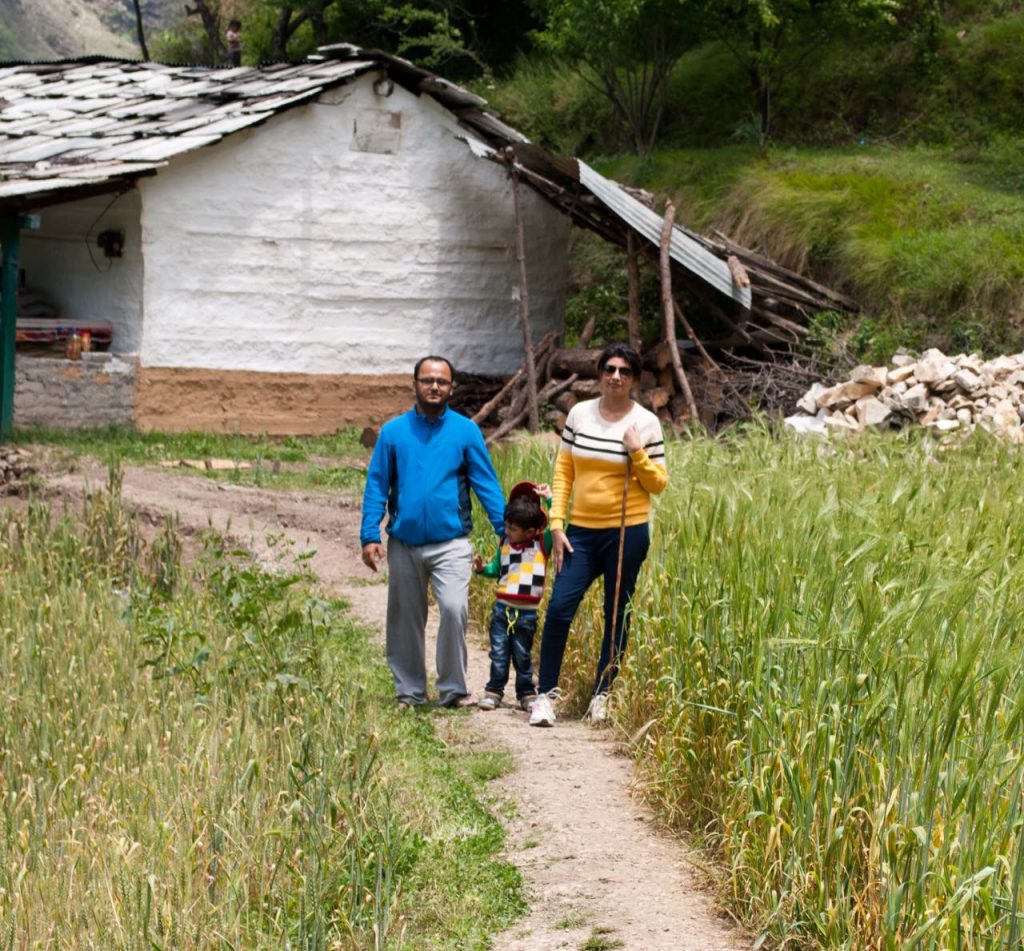
Tirthan Valley remains one of my favorite places in Himachal Pradesh. It offers something for every age group and every type of traveler, whether you want adventure, relaxation, or a bit of both. Whenever I am unable to decide on a trip, I pack my bags with my family and head to Tirthan to enjoy the peace and calm that nature has to offer.
With this guide, I am sure you have all the information you need to plan your own trip. The money you save on expensive trek packages, you can use to spread some smiles in the Himalayas 🙂
I hope this article helps you plan your trip to Tirthan Valley. If you have any questions, drop them in the comments below and we will try to help you in every way possible. Feel free to share this guide with friends who might be interested in visiting this offbeat gem of Himachal!
Also, do join our Discover with Dheeraj community to connect with fellow travelers and get real-time updates on road conditions and travel tips.
