


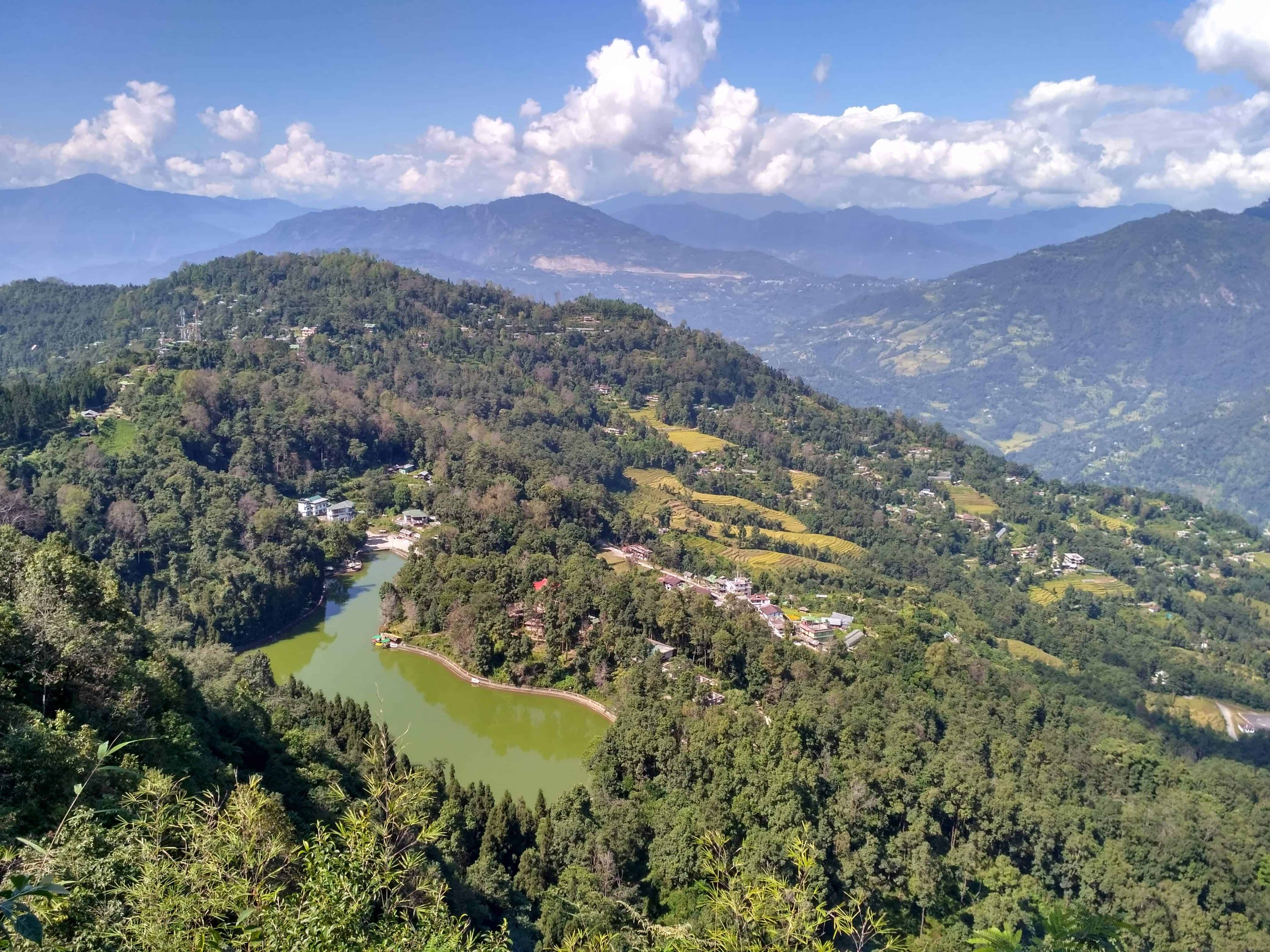
Lava and Aritar are two of those places that most people have never heard of, and that is exactly what makes them special. While everyone is busy fighting for a hotel room in Darjeeling or queuing up at MG Marg in Gangtok, these two quiet villages sit just a couple of hours away, untouched by the usual tourist circus. I visited Lava (West Bengal) and Aritar (Sikkim) back in October 2016, and even years later, I remember the silence more than anything else. Lava also happens to sit right inside Red Panda habitat, Neora Valley National Park is one of the few places in India where you actually stand a chance of spotting one in the wild. If you are someone who values peace over sightseeing checklists, keep reading.
Quick Answer: Lava and Aritar at a Glance
In case you are short on time, here is the practical info box before you dive into the details.
| What | Details |
|---|---|
| States covered | West Bengal (Lava, Kalimpong district) and Sikkim (Aritar, East Sikkim) |
| Altitude | Lava: 7,016 Ft (2,138 m). Aritar: 5,000 Ft (1,524 m) |
| Distance from NJP | Lava: about 100 km. Aritar: about 130 km (via Siliguri) |
| Nearest airport | Bagdogra (IXB), about 110 km from Lava |
| Ideal trip length | 3-4 days for both villages together |
| Best time to visit | October to April for clear Kanchenjunga views. March to June for greenery |
| Permit needed | None for Indian nationals. Neora Valley National Park entry fee applies separately |
| Budget (2 people, 3 nights) | Rs 13,100 to Rs 25,000 approx, depending on hotel category |
| Wildlife draw | Red Panda, Himalayan Black Bear, and Clouded Leopard habitat at Neora Valley National Park |
Where Are Lava and Aritar, and Why Should You Visit?
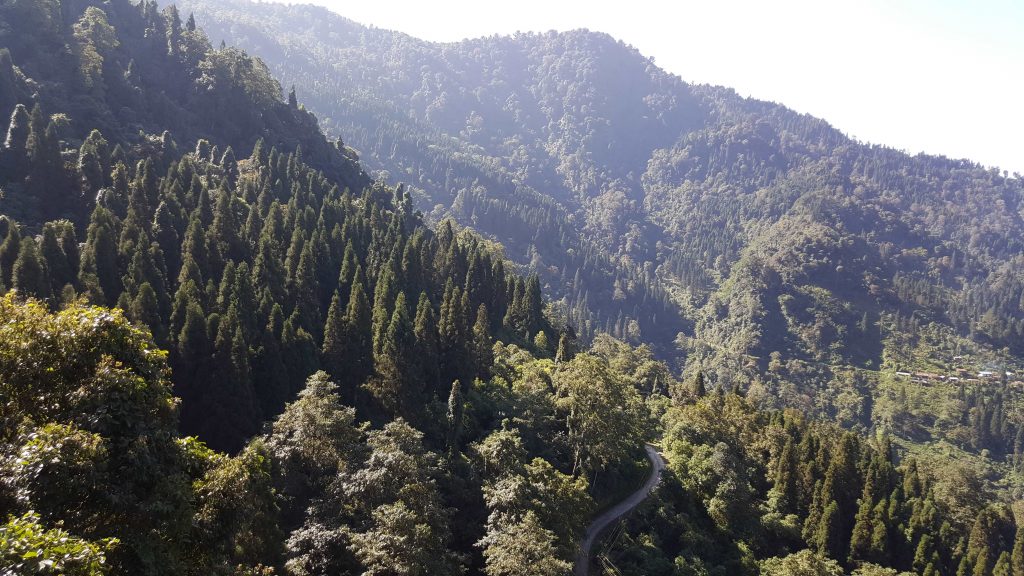
Lava is a small Himalayan village in the Kalimpong district of West Bengal, sitting at an altitude of about 7,016 feet (2,138 m). It is roughly 35 km from Kalimpong town and about 100 km from NJP (New Jalpaiguri) railway station. The village is surrounded by dense forests that are part of the Neora Valley National Park, one of the richest biodiversity zones in eastern India. On a clear day, you can see Mt. Kanchenjunga from Lava and the nearby Rishop viewpoint.
Aritar is a lakeside village in East Sikkim at about 5,000 feet (1,524 m), located along the Old Silk Route. It is about 55 km from Lava, 65 km from Gangtok, and 130 km from Siliguri. The village is best known for Lampokhari Lake, a natural emerald-green lake surrounded by pine forests. As per the West Bengal Tourism department, Lava falls under the Kalimpong offbeat circuit, and Aritar’s East Sikkim offbeat circuit also includes Zuluk and Padamchen. Together, Lava and Aritar make for a perfect 3-4 day trip that combines West Bengal’s forests with Sikkim’s serene villages.
What Are the Best Places to See in Lava?
Lava is not a place with a long list of “tourist attractions.” Instead, it is a place where you slow down, walk through forests, and let the mountains come to you. Here are the key spots worth exploring.
Changey Waterfall
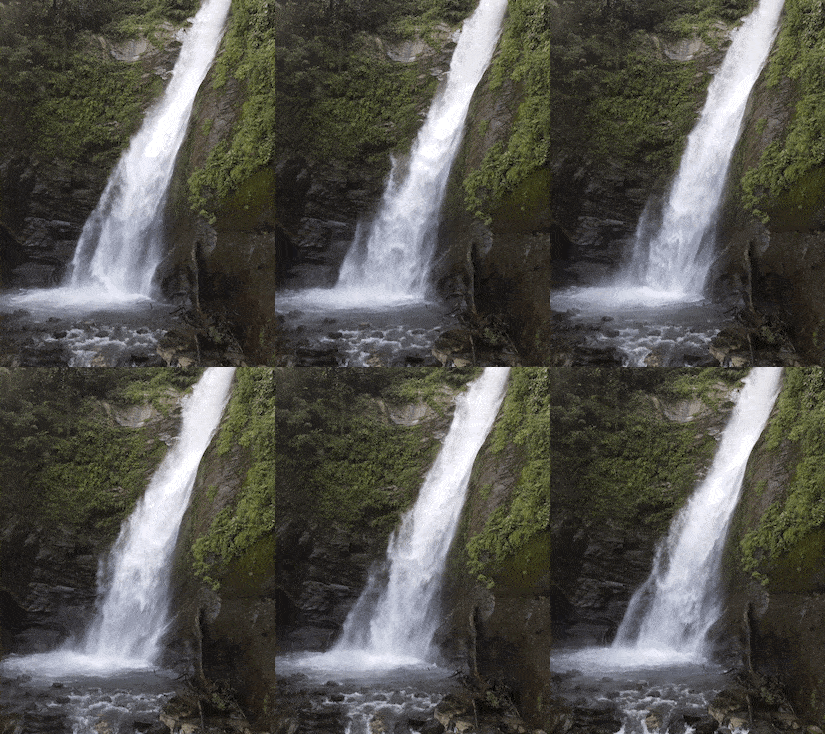
Changey Waterfall is about 10-12 km from Lava (4 km from Kolakham village). You drive to the last motorable point and then walk about 900 meters downhill through the forest to reach the falls. After a 100-foot drop, the water slides into a cave-like opening and merges into the forest, becoming a quiet stream. The setting is dramatic, and there are almost no people around. Carry good shoes because the trail can be slippery, especially after rain.
Lava Monastery (Kagyu Thekchen Ling)
The Lava Monastery follows Tibetan Buddhist architecture and is a short walk from the main village area. It is a working monastery where young monks study and pray. The surrounding forest landscape adds to the calm atmosphere. There is no entry fee. You can visit in 20-30 minutes, but sit down on the steps for a while if the weather is clear. The views of the valley from here are worth the pause.
Kolakham Village
Kolakham is a tiny hamlet about 8 km from Lava and 6 km from Changey Waterfall. The road passes through pristine stretches of the Neora Valley forest. This is one of the best birding spots in West Bengal. If you are a birder, you can spot species like the Satyr Tragopan, Rufous-necked Hornbill, and various laughingthrushes. Even if birding is not your thing, the butterflies alone are worth the trip. On a clear day, Mt. Kanchenjunga is visible from Kolakham.
Several homestays in Kolakham offer accommodation with food packages. Rates typically range from Rs 1,200 to Rs 2,300 per night with meals (as of 2025). Kolakham Eco Huts and Kolakham Himalayan Homestay are popular choices.
Rishop (Rishap) Trek and Tiffin Dara
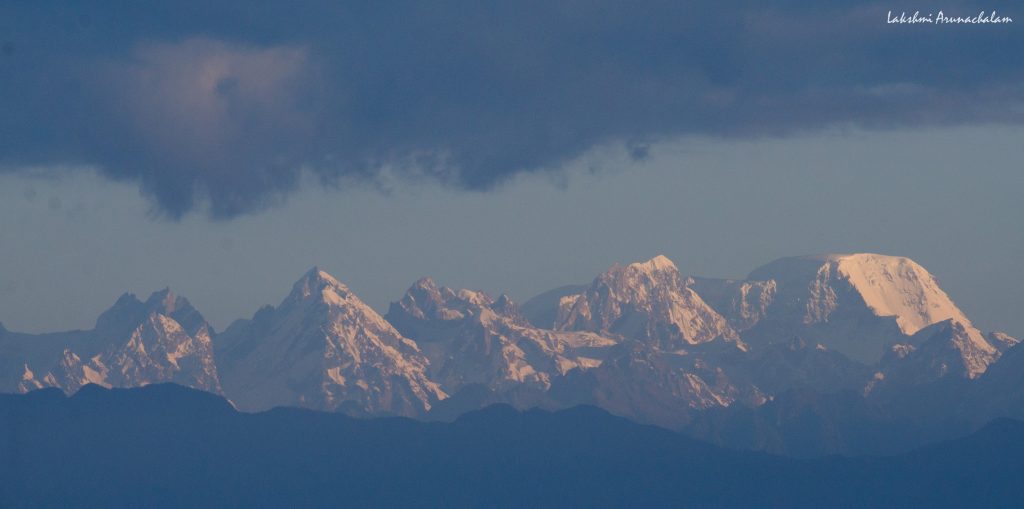
Rishop is a small village about 4-5 km from Lava by trekking trail (10 km by road). The trek takes about 1-2 hours depending on your fitness. From Rishop, you get one of the best views of the Kanchenjunga range in this region. If you prefer not to walk, a jeep from Lava costs around Rs 800 one way.
From Rishop, the Tiffin Dara sunrise viewpoint is another 2 km hike through the forest. Local guides are available for hire (Rs 400-500). If the sky cooperates, you can catch Mt. Kanchenjunga glowing in the morning light. This is one of those moments that makes the entire trip worth it.
Neora Valley National Park
Neora Valley National Park covers about 88 sq km and is one of the richest biodiversity areas in India. It is home to the endangered Red Panda, Himalayan Black Bear, Clouded Leopard, and over 300 bird species. Entry requires prior permission from the Forest Department (DFO office at Jalpaiguri or Kalimpong). As of 2025, the entry fee is Rs 130 for Indian nationals and Rs 500 for foreigners. Jeep safari costs around Rs 1,500, and a guide fee of Rs 300 applies.
For more adventurous trekkers, the trails to Alubari and Rechi La start from Zero Point, about 20 km from Lava. The park is closed during monsoons (mid-June to late September). The best time for wildlife and birding is October to April.
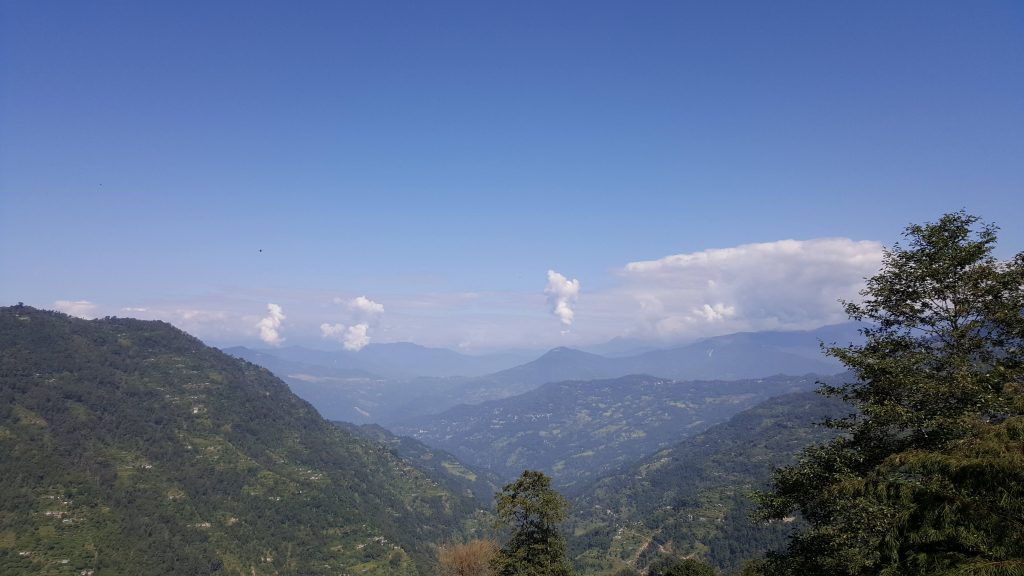
Related Reading: Sillery and Icchey, Two Hamlets Lost In Romance with Kanchenjunga
How Do You Reach Lava from NJP, Siliguri, or Bagdogra?
Getting to Lava is straightforward from any of the major entry points in North Bengal. Here are your options.
By Train
The nearest major railway station is New Jalpaiguri (NJP), about 100 km from Lava. New Mal Junction (NMZ) is closer at 60 km but has fewer train connections. From NJP, you hire a taxi to Lava. The route passes through beautiful tea estates, a glimpse of Mahananda Wildlife Sanctuary, and follows the Teesta River for a stretch.
By Air
Bagdogra Airport (IXB) near Siliguri is the nearest airport. From Bagdogra, Lava is about 110 km and takes 3-4 hours by car. Pre-book a taxi or arrange one through your hotel.


By Taxi
A private taxi from NJP or Siliguri to Lava costs between Rs 3,000 and Rs 5,000 depending on the vehicle type. The drive takes 2.5 to 3.5 hours via Kalimpong.
By Shared Jeep or Bus
Shared jeeps and buses run from Siliguri and Kalimpong to Lava every morning. From Kalimpong, a shared jeep to Lava costs around Rs 100-150. From Siliguri, expect to pay Rs 150-200 for a shared vehicle. Buses are cheaper but less frequent. If you are coming from Darjeeling, you will need to go via Kalimpong.
Related Reading: North Sikkim: Beyond the Wall into Alpine Wilderness

Where Should You Stay in Lava?
Accommodation options in Lava are limited compared to bigger hill stations, but that is part of the charm. Here are the main choices.
WBFDC Nature Resort (Government)
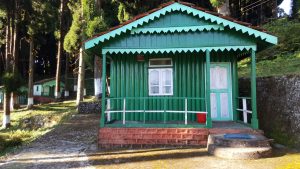
The West Bengal Forest Development Corporation (WBFDC) resort is one of the best options in Lava. It is budget-friendly at Rs 800 to Rs 1,200 per night (as of 2025, dynamic pricing may apply from May 2026). The cottages are located right inside the forest, and the area remains misty most of the time. Booking opens 3 months in advance through the WBFDC website.
Keep in mind that some cottages require walking up steep steps, which can be difficult for elderly travelers or families with small children. The cottages with the best views are the ones that need the climb. Pre-order your meals with the canteen manager since there are no restaurants nearby.
WBFDC Reception: +91 9933447880 | Canteen Manager: +91 9733082350
Homestays in Kolakham
If you prefer staying closer to nature and away from even the small cluster of Lava village, Kolakham has several good homestays. The Nest (contact: info@springvaleresorts.com, +91 9830107879) and Resort Fly Catcher (+91 85830 18448, Flycatcher16@gmail.com) are reliable options. Rates range from Rs 1,200 to Rs 2,300 per night including meals. Kolakham is ideal for birdwatchers.
Private Hotels in Lava
A few small private hotels have come up in Lava town over the years. Expect to pay Rs 1,000 to Rs 2,500 per night. Facilities are basic. Most hotels include meals in the package since standalone restaurants are scarce.
What Are the Best Places to See in Aritar?
Aritar is even quieter than Lava. The pace of life here is unhurried, and the village itself feels like it has been untouched for decades. Here is what you should not miss.
Lampokhari Lake (Aritar Lake)
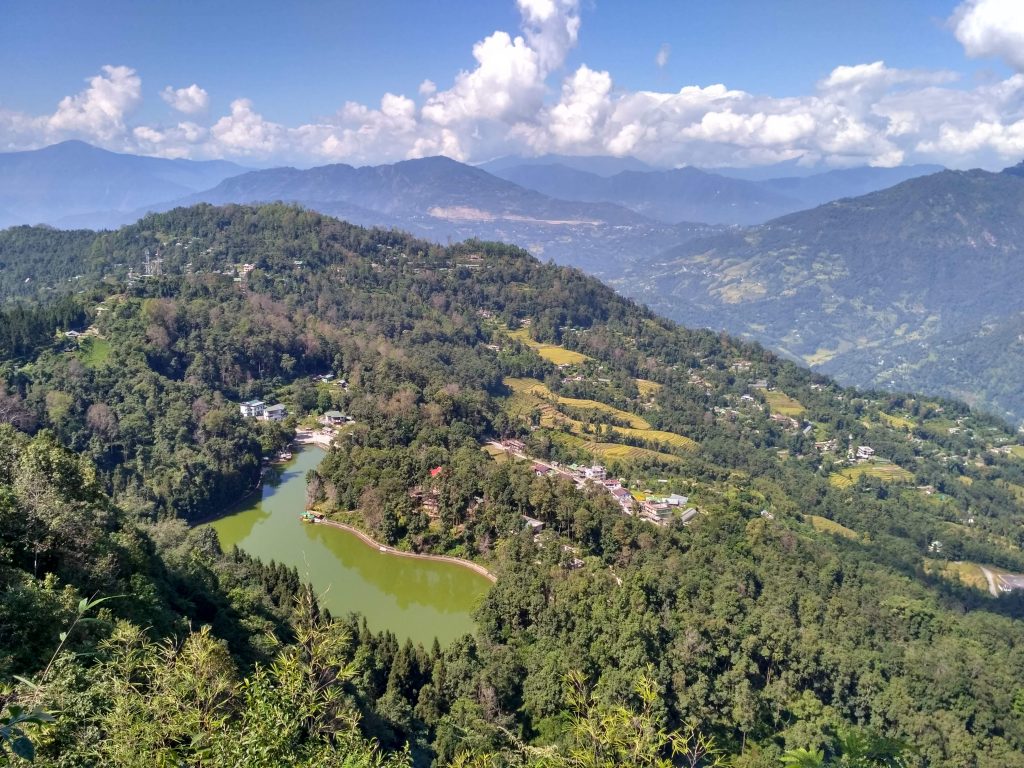
Lampokhari is a natural emerald-green lake nestled among tall pine and rhododendron trees. A short walk from the main village leads you to the lakeside. Boating is available at Rs 50 per person for a 30-minute ride on 4-seater boats. Walking around the entire lake takes about 30-40 minutes and is a pleasant stroll. The lake also serves as the starting point for the hike up to Mankhim Temple.
Mankhim Temple and Viewpoint
Mankhim is a hilltop temple that offers a 360-degree view of the surrounding valley, Lampokhari Lake below, and the pine-dotted villages of East Sikkim. The hike from the lake is about 2 km through a narrow jungle trail. It takes 30-45 minutes uphill. The view from the top is easily the highlight of any Aritar visit. On a clear day, you can see parts of the Silk Route zigzag road from here.
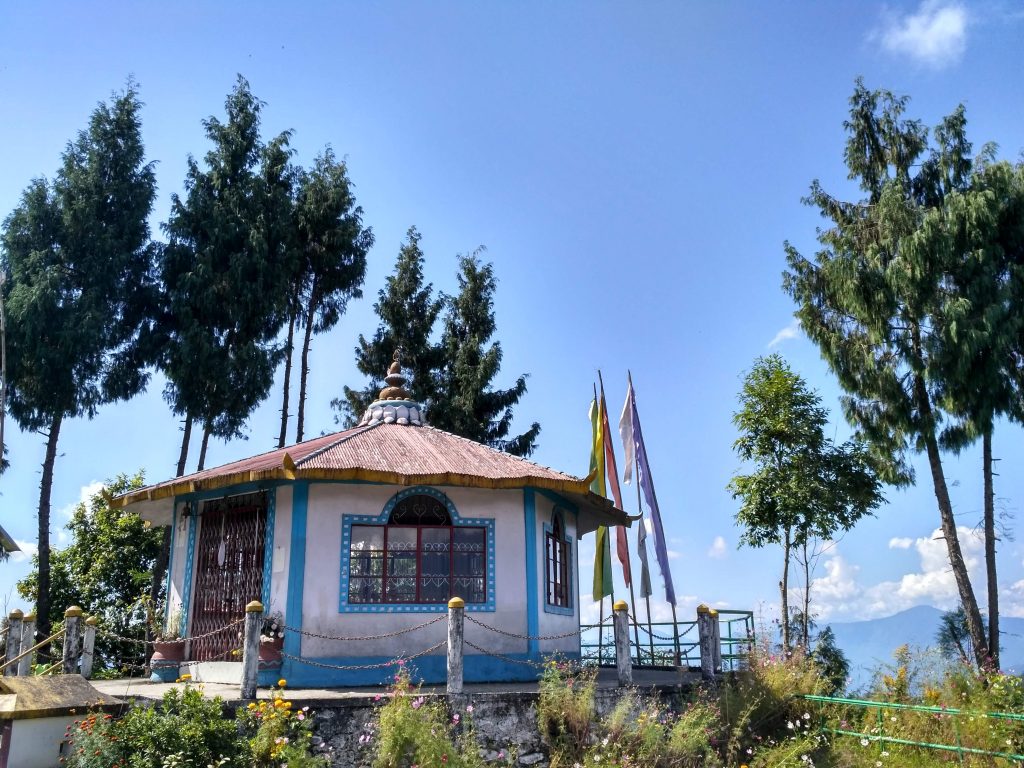
Aritar Monastery
The Aritar Monastery is a small, old Buddhist monastery that also serves as a school for young monks. It is smaller compared to the grander monasteries in Rumtek or Phodong, but it has a quiet charm of its own. You can visit in 15-20 minutes.
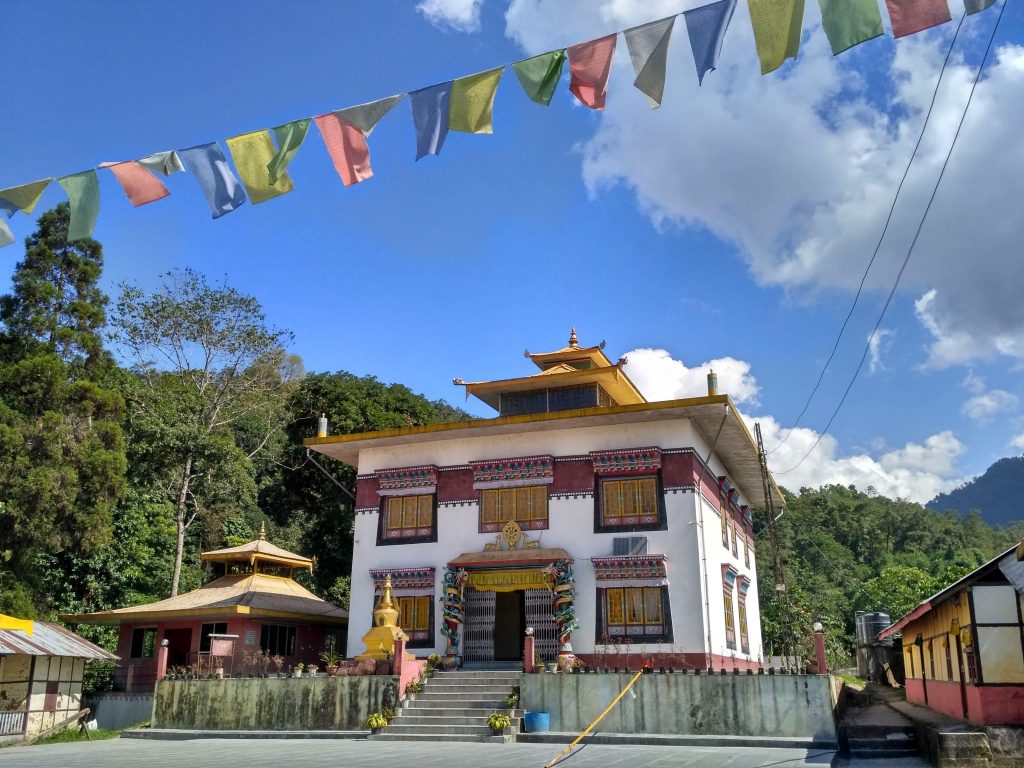
Delo View Point
Delo is on the way from Lava to Aritar, near Kalimpong. It is a park-like viewpoint with an entry fee of Rs 20 per person. The spot is popular with families for picnics and offers nice views of the surrounding hills. It is not a must-visit unless you are passing through with time to spare.
Related Reading: Dzongu, The Little Known Paradise of the Lepchas
How Do You Reach Aritar from Lava, Gangtok, or Siliguri?
Aritar is 55 km from Lava, 65 km from Gangtok, 70 km from Kalimpong, and about 130 km from Siliguri (3.5 hours). Since Aritar is in Sikkim, you will cross the state border at Rangpo or Melli if coming from West Bengal.
The most practical approach is to hire a taxi for the day, cover Aritar’s sights, and then continue to your next destination (NJP, Gangtok, or the Old Silk Route). Shared taxis from Siliguri to Aritar are available but less frequent. A private taxi from Siliguri to Aritar costs around Rs 4,000-5,000.
Sikkim Permit Note: Indian nationals do not need any special permit to visit Aritar. Foreign nationals need an Inner Line Permit (ILP), which can be obtained at the Rangpo check post on the Sikkim border. You will need passport copies, visa copies, and two passport-size photos. The ILP is issued on the spot and is valid for 30 days. You can also get it in advance from Sikkim Tourism offices in Delhi, Kolkata, or Siliguri.
Where Should You Stay in Aritar?
Aritar has a growing number of homestays and small hotels. The village feel remains strong, and staying at a homestay is the best way to experience it.
Hotel Chittiz
Hotel Chittiz is a decent budget hotel close to Lampokhari Lake with an in-house restaurant. Run by Sumitra Pradhan, it offers basic rooms at affordable rates. Contact: +91 98325 44438, +91 8967387140, hotelchittiz@gmail.com
Homestays in Aritar
Several homestays have opened in Aritar over the past few years. Prices start from Rs 800-1,500 per night including meals. Aari INN Homestay and Atithi Griha Homestay are well-reviewed on booking platforms. Homestays offer home-cooked Sikkimese meals, which is a big part of the experience.
Lampokhari Village Resort (STDC)
The Sikkim Tourism Development Corporation (STDC) runs a resort near the lake. It is slightly more expensive but has better facilities. Check the Sikkim Tourism website for current rates and availability.
What Is the Best Time to Visit Lava and Aritar?
The best time depends on what you are looking for.

October to December: Clear skies, best chance to see Kanchenjunga, pleasant weather. This is the ideal window. I visited in late October and the weather was perfect.
January to March: Cold, with a chance of snowfall at Lava (it is one of the few places in West Bengal that gets snow). Great for snow lovers, but roads can get tricky.
March to May: Spring. Rhododendrons bloom, temperatures are comfortable, and the forests are at their greenest. Good for birding.
June to September: Monsoon. Heavy rain, leeches on trails, Neora Valley National Park is closed. Avoid this period unless you specifically enjoy monsoon trekking.
How Much Does a Lava and Aritar Trip Cost?
Here is a rough budget breakdown for a 3-night, 4-day trip for two people starting from NJP (as of 2025-2026). All prices are in INR.
| Expense | Budget (2 people) | Mid-Range (2 people) |
|---|---|---|
| Taxi NJP to Lava | Rs 3,000 (shared) | Rs 4,500 (private) |
| Accommodation Lava (2 nights) | Rs 1,600-2,400 | Rs 3,000-5,000 |
| Meals Lava (2 days) | Rs 800-1,200 | Rs 1,500-2,000 |
| Taxi Lava to Aritar | Rs 2,000 | Rs 3,000 |
| Accommodation Aritar (1 night) | Rs 800-1,500 | Rs 1,500-2,500 |
| Meals Aritar (1 day) | Rs 400-600 | Rs 800-1,000 |
| Taxi Aritar to NJP/Gangtok | Rs 3,000 | Rs 4,500 |
| Sightseeing (jeep, entry fees, guide) | Rs 1,500 | Rs 2,500 |
| Total (approx.) | Rs 13,100-15,200 | Rs 21,300-25,000 |
Solo travelers can save significantly on transport by taking shared jeeps. Hence, budget solo travelers can do this trip for Rs 5,000-7,000 for 4 days.
What Is the Suggested Itinerary for Lava and Aritar?
Here is a 4-day itinerary that covers both Lava and Aritar comfortably. Personally, I would spend an additional day in Lava instead of rushing through, since Lava has more options for birding, hiking, and forest walks.
Day 1: Arrive at NJP or Siliguri. Take a taxi to Lava (2.5-3.5 hours). Settle in, visit Lava Monastery in the evening. Overnight at Lava (WBFDC or private hotel).
Day 2: Morning drive to Changey Waterfall and Kolakham. Afternoon trek from Lava to Rishop (4-5 km). Overnight at Rishop or return to Lava.
Day 3: Early morning hike to Tiffin Dara for sunrise (2 km from Rishop). Return to Lava, then drive to Aritar (55 km, 2-3 hours). Visit Lampokhari Lake and hike to Mankhim Temple. Overnight at Aritar.
Day 4: Visit Aritar Monastery. Drive to NJP (130 km, 3.5 hours) or continue to Gangtok (65 km, 2 hours) or the Old Silk Route (Zuluk, Nathang).
Related Reading: East Sikkim, The Old Silk Route | Pelling Travel Guide, An Offbeat Place in Sikkim
What About Mobile Connectivity at Lava and Aritar?
Lava village has Airtel and BSNL coverage. Jio also works in the main village area now. Data speeds are slow but sufficient for messaging. In Aritar, Airtel and BSNL postpaid connections work. Jio coverage in Aritar is patchy.
In Kolakham, Changey, and the Neora Valley forest trails, there is no mobile signal at all. Plan accordingly. Carry offline maps and let your hotel know your plans before heading into the forest.
What Practical Tips Should You Know Before Going?
Here are a few things I wish I had known before my trip. Keep in mind that this is genuinely offbeat territory, so plan a little extra buffer time into your itinerary, my friend.
- Carry cash. There is no ATM in Lava or Aritar. The nearest ATMs are in Kalimpong (35 km from Lava) and Rongli (30 km from Aritar). Carry enough cash for your entire stay.
- Pre-order food at WBFDC. The canteen at WBFDC Lava needs advance notice for meals. Tell the canteen manager what you want for dinner and breakfast the day before.
- Leeches in monsoon. If you are visiting between June and September, carry salt or tobacco to deal with leeches on forest trails.
- Warm clothing. Even in October, evenings at Lava get cold (5-10 degrees Celsius). In winter, temperatures can drop below zero. Carry layers.
- Carry a torch. Power cuts are common. WBFDC cottages are inside the forest with no street lights.
- Medical help. There is a small health center in Lava village. For anything serious, the nearest hospital is in Kalimpong. Carry basic medicines and a first-aid kit.
- Fuel. No petrol pump in Lava. If driving your own car, fill up at Kalimpong or on the highway.
Frequently Asked Questions
Is Lava worth visiting?
Yes, if you value quiet forest surroundings over crowded tourist spots. Lava is ideal for birdwatching, forest walks, and mountain views. It is not for people who need nightlife, restaurants, or planned activities. Think of it as a digital detox in the Himalayas.
Can I visit Lava and Aritar in one day?
You can technically drive through both in a day, but that defeats the purpose. Both places are about slowing down. Spend at least 2 nights in Lava and 1 night in Aritar to actually experience them.
Do I need a permit for Lava or Aritar?
Indian nationals do not need any permit for either Lava (West Bengal) or Aritar (Sikkim). Foreign nationals need an Inner Line Permit (ILP) for Sikkim, which can be obtained at the Rangpo border check post or in advance from Sikkim Tourism offices.
Is Lava safe for solo travelers?
Yes. Lava is a small village with friendly locals. Solo travelers, including women, visit regularly without issues. Just inform your hotel before going on forest hikes and avoid trails after dark.
Can I combine Lava and Aritar with Darjeeling or Gangtok?
Absolutely. The most convenient approach is to club Lava and Aritar with a Darjeeling or Gangtok trip. From Lava, Darjeeling is about 90 km (3 hours). From Aritar, Gangtok is 65 km (2 hours). Many travelers do Darjeeling first, then Lava, then Aritar, and end in Gangtok.
Does Lava get snowfall?
Yes. Lava is one of the few places in West Bengal that receives snowfall, usually between late December and February. Snowfall is not guaranteed every year, but when it happens, the village and surrounding forests look stunning. Roads may become slippery during snow, so check conditions before traveling in peak winter.
What is the nearest airport to Lava and Aritar?
Bagdogra Airport (IXB) near Siliguri is the nearest airport, about 110 km from Lava and 140 km from Aritar. Pakyong Airport near Gangtok is another option if you are heading to Aritar first (about 60 km), but flight availability to Pakyong is limited.
![How to prepare for cold weather motorcycle ride in Ladakh or Spiti Valley? [13 Important Tips]](https://discoverwithdheeraj.com/yt_vid_thumbs/ladakh/83.png)
Final Thoughts
Lava and Aritar are not destinations where you tick off a list of sights and move on. They are places where you sit on the steps of a forest cottage, watch the mist roll in, listen to birds you cannot name, and feel genuinely rested when you leave. I have been to many hill stations across India, and these two villages remain among the most peaceful I have visited.
If you are planning a trip to Darjeeling or Gangtok, add 3-4 extra days for Lava and Aritar. You will not regret it.
Do you have any questions about planning your trip to Lava and Aritar? Feel free to drop them in the comments below or head over to the Ask a Travel Question section. You can also join our DwD community on Facebook to connect with fellow travelers who have been to these places 🙂
Last Updated: September 2026
Related Reading:
