


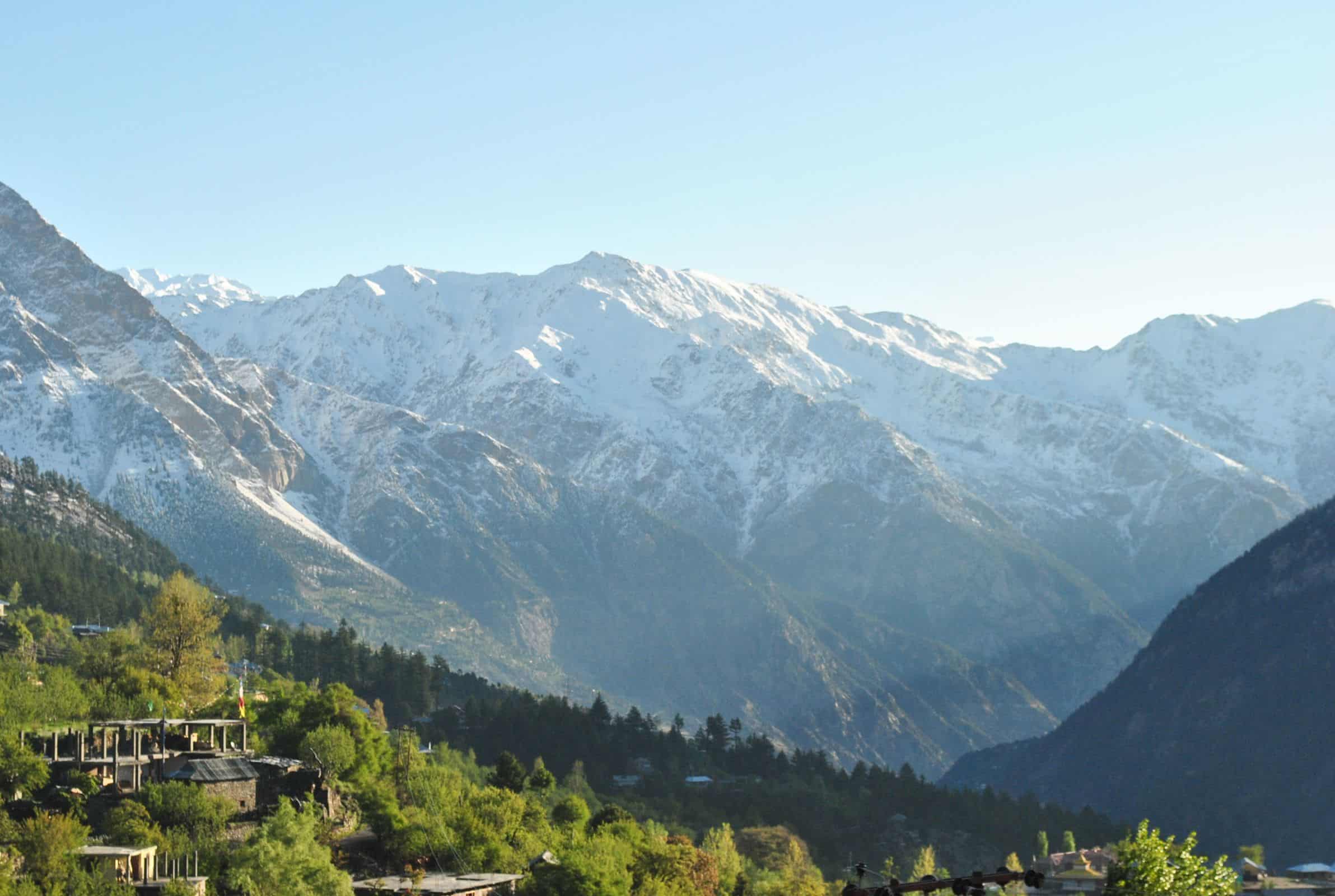
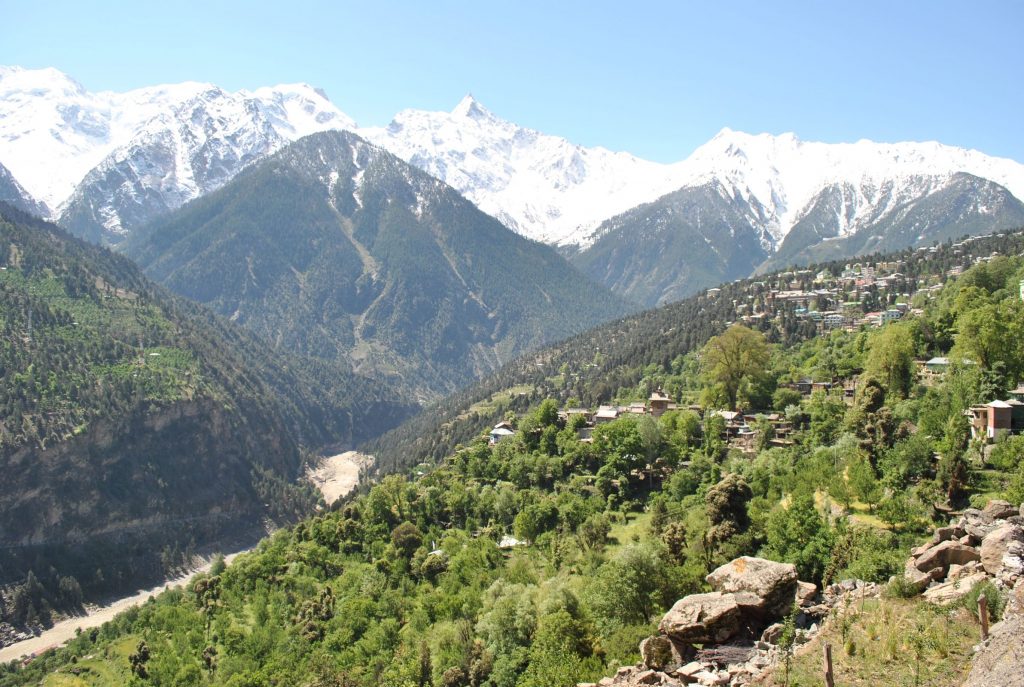
Kinnaur Valley is one of those places in Himachal Pradesh where camping actually feels like camping. No manicured lawns, no resort-style glamping setups. Just you, the Baspa river roaring in the background, apple orchards stretching up the hillside, and snow-covered peaks watching over your tent. I have camped at multiple spots across Kinnaur Valley, and every single time, the experience has been different. Sometimes peaceful, sometimes challenging, but always worth it.
If you are planning to go camping in Kinnaur, this guide covers everything you need to know. Best spots, what to pack, where to pitch your tent, safety tips, campsite options with prices, and mistakes to avoid. Whether you are a first-timer bringing a rented tent or a seasoned camper with your own gear, Kinnaur has something for you. If you are extending your trip into Spiti Valley as well, our Spiti and Kinnaur camping guide covers that side in the same level of detail.
Last Updated: March 2026
Let's quickly dive into the details:
Quick Overview: Camping in Kinnaur at a Glance
| Best Season | April to June (pre-monsoon), September to October (post-monsoon) |
| Altitude Range | 6,500 ft to 11,300 ft (Sangla to Chitkul) |
| Campsite Rates | Rs 1,200 to Rs 4,500/night (organized camps with meals) |
| Self-Camping | Free, but follow local rules and avoid restricted zones |
| Best Spots | Batseri, Rakcham, Sangla riverside, near Chitkul |
| Network | BSNL works in most villages, Jio/Airtel patchy beyond Sangla |
| Nearest Fuel | Tapri (reliable), Reckong Peo |
| Permits | No permits needed for Indian nationals in Kinnaur |
When Is the Best Time to Go Camping in Kinnaur?
The best months for camping in Kinnaur are April to June and September to October. During these windows, the weather is comfortable, the skies are mostly clear, and you can pitch your tent without worrying about landslides or heavy rain.
April to June is the most popular window. Daytime temperatures hover around 15 to 25 degrees Celsius in the lower Kinnaur belt (Sangla, Batseri), dropping to 5 to 10 degrees at night. The apple orchards start blooming, wildflowers carpet the meadows, and the Baspa river runs strong with snowmelt. This is when most organized campsites open for the season. Kinner Camps at Batseri, for instance, opens on April 15 every year.
September to October is equally good. The monsoon recedes by mid-September, and the valley transforms with apple harvest season. The orchards turn golden-red, and the air is crisp. Nights get colder (2 to 8 degrees), so you will need a proper sleeping bag rated for sub-zero temperatures.
Winter camping (November to March) is possible but only for experienced campers. Temperatures drop to minus 10 to minus 15 degrees at higher elevations like Chitkul. Roads may close after heavy snowfall, and you need serious cold-weather gear. If you are considering winter camping, read my cold weather camping tips guide first. For a month-by-month breakdown, check the best time to visit Kinnaur Valley guide.
Avoid July to mid-September for camping. This is monsoon season in Kinnaur, and landslides are common. The Hindustan-Tibet Road (NH-05) gets blocked frequently, and camping near rivers becomes genuinely dangerous due to flash floods and rising water levels.
What Are the Best Camping Spots in Kinnaur Valley?
Kinnaur has several excellent spots for both self-camping and organized campsite stays. Here are the ones I recommend based on accessibility, safety, and scenery.
1. Batseri Village (Near Sangla)
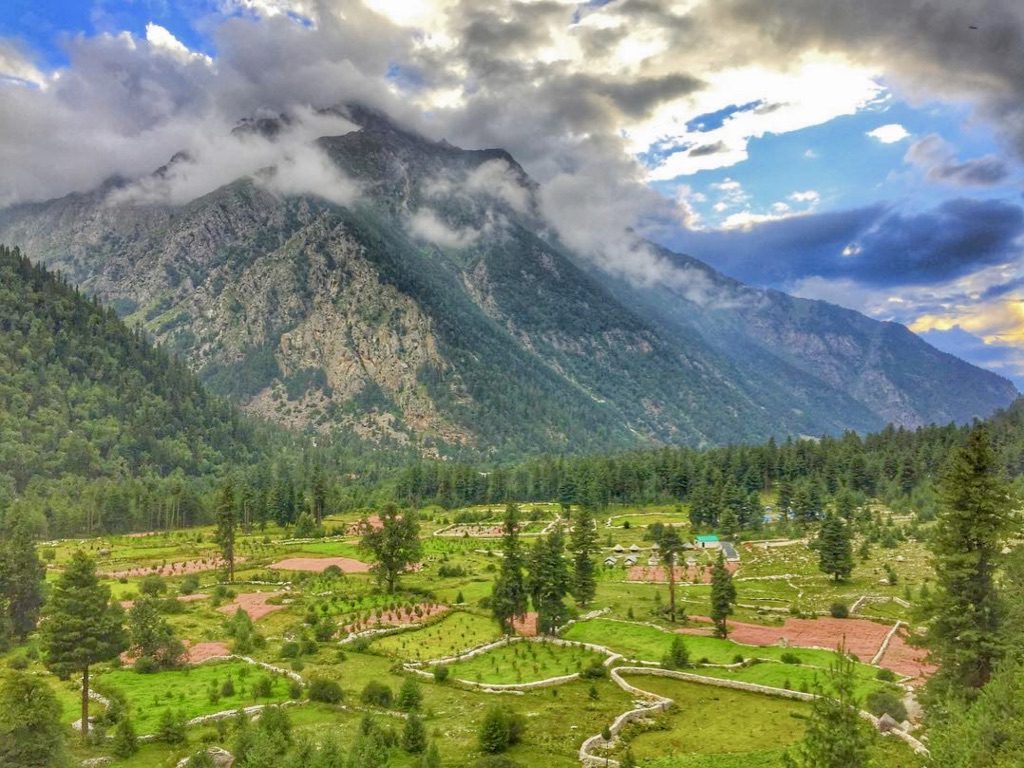
Batseri sits between Karcham and Sangla on the banks of the Baspa river. It is one of the oldest villages in the valley and has become a camping hub. Kinner Camps operates here with 25 Swiss-style luxury tents that include attached bathrooms with hot water. Rates start around Rs 2,500 to Rs 4,500 per night including meals. For self-camping, the riverside areas near Batseri offer flat ground with good wind protection from the surrounding hills.
2. Sangla Valley Riverside
The stretch along the Baspa river near Sangla town has multiple spots where you can pitch a tent. Banjara Camp operates a well-known setup here at 2,700 meters, with Swiss cottage tents on the riverbank. If you prefer self-camping, look for spots upstream from Sangla town where the river widens and the banks are flat. The sound of the Baspa at night is worth the trip alone.
3. Rakcham Village
Rakcham is 15 km from Sangla and sits at about 9,000 ft. This village is quieter than Sangla and perfect for those who want a more isolated camping experience. The meadows around Rakcham, especially towards the Rakcham-Chitkul Wildlife Sanctuary, are ideal for pitching tents. You can also find basic homestay-camping setups run by locals for Rs 500 to Rs 1,000 per night. Keep in mind that there are no shops or restaurants here, so carry your own supplies.
4. Near Chitkul
Chitkul at 11,319 ft is the last inhabited village on the Indo-Tibetan border in this region. The meadows before entering Chitkul village and the areas along the Baspa river downstream are popular camping spots. Apple Orchard Farm and Camping operates comfortable tents here. Self-camping is possible but remember, temperatures drop sharply after sunset even in summer, and there is no ATM or fuel pump anywhere near Chitkul. The nearest ATM is in Sangla or Reckong Peo.


5. Near Kalpa (Roghi Meadows)
Kalpa itself is a town, but the meadows around Roghi village (8 km from Kalpa) and the Chaka Meadows offer stunning camping spots with direct views of the Kinner Kailash range. These are less commercialized spots, so you will need your own gear. The sunrise view of Kinner Kailash (20,000 ft) from a tent here is genuinely one of the best I have seen in Himachal.
6. Sarahan to Karcham Belt
The stretch between Sarahan and Karcham along the Satluj river has a few lesser-known camping spots. These are mostly used by trekkers heading to the Rupi Bhaba pass. The area around Tranda and Bhabanagar has flat ground near the river, but this belt gets warmer than upper Kinnaur, so plan accordingly.
7. Organized Campsites (If You Prefer a Setup)
If you do not want to carry your own gear, several organized campsites in Kinnaur handle everything for you. Meals, tents, bedding, campfire, and sometimes guided treks are all included.
| Campsite | Location | Approx. Rate (per night) | Includes |
|---|---|---|---|
| Kinner Camps | Batseri | Rs 2,500 to Rs 4,500 | Swiss tent, meals, hot water, activities |
| Banjara Camp | Sangla riverside | Rs 3,000 to Rs 5,000 | Swiss cottage, meals, river access |
| Apple Orchard Camping | Chitkul | Rs 1,200 to Rs 2,500 | Basic tent, meals |
| Eskape Camps | Sangla (near Rakcham) | Rs 2,000 to Rs 3,500 | Luxury Swiss tent, meals, activities |
| Local homestay camps | Rakcham, various | Rs 500 to Rs 1,200 | Basic tent or room, meals on request |
Rates are approximate for the 2025-2026 season. Contact campsites directly for current pricing, as rates vary between peak season (May-June) and shoulder season (April, October).
What Gear Do You Need for Camping in Kinnaur?
Your packing list depends on whether you are self-camping or staying at an organized campsite. For organized camps, you just need warm clothes and personal items. For self-camping, here is what I recommend.
Essential Camping Gear Checklist
- Tent: A 3-season tent rated for wind and light rain. If visiting in October or later, go for a 4-season tent. Make sure it has a good rainfly.
- Sleeping bag: Comfort rating of at least 0 degrees Celsius for summer, minus 10 degrees for shoulder season. This is the single most important investment. A bad night’s sleep in the hills can ruin your entire trip.
- Sleeping pad/mat: An insulated sleeping pad makes a massive difference. The ground in Kinnaur gets cold even in May.
- Tarpaulin sheet: Lay this under your tent as a groundsheet. It keeps moisture from seeping through and extends the life of your tent floor. Trust me, this small addition makes a big difference in comfort.
- Headlamp/torch: With extra batteries. Phone flashlights drain your battery, and you will need that for emergencies.
- First aid kit: Bandages, antiseptic, painkillers, ORS packets, and any personal medication. The nearest hospital is in Reckong Peo.
- Water purification: Tablets or a portable filter. River water in Kinnaur is clean but can carry giardia at lower elevations.
- Cooking setup: A portable gas stove, lighter, basic utensils, and dehydrated/ready-to-eat meals if you plan to cook. Maggi, dal-rice packets, and instant soup work well.
- Warm layers: Thermal base layer, fleece mid-layer, and a windproof/waterproof outer shell. Dress in layers because temperatures swing 15 to 20 degrees between day and night.
- Trek shoes: Proper ankle-support boots with good grip. Not sneakers, not sandals. The terrain around camping spots is often rocky and uneven.
- Backpack: A 55 to 65 litre pack if you are carrying your own gear. Make sure it has a supportive hip belt and good back ventilation.
Where Exactly Can You Pitch Your Tent in Kinnaur?
One of the best things about camping in Kinnaur is that you have genuine freedom to pitch your tent in many places. However, “anywhere” does not mean “without thinking.” Here are the ground rules.
Good Spots to Pitch
- Near villages or dhabas: Unless you are an experienced wilderness camper, always pitch within walking distance of a village. This gives you access to water, food, and help in case of emergency.
- Near river streams (with distance): Camp close enough to a river for water access, but keep at least 50 to 100 meters from the riverbank. Water levels in Kinnaur’s rivers can rise suddenly, especially from afternoon snowmelt. This is not a theoretical risk. I have seen the Baspa rise a foot in two hours during a warm afternoon.
- On flat ground with natural wind barriers: Hillsides, tree lines, or large boulders on your windward side will reduce the impact of wind on your tent. The valleys in Kinnaur can funnel wind at night, and an unprotected tent can be miserable.
- Apple orchards (with permission): Many local farmers allow camping in their orchards for free or a small fee of Rs 100 to Rs 200. Always ask before pitching. The orchard floor is usually flat, sheltered, and the apple trees act as natural windbreaks.
Spots to Avoid
- Open ridges and cliff edges: Stunning views, dangerous camping. High wind exposure, risk of rockfall, and difficult rescue if something goes wrong.
- Dry riverbeds: These can flood without warning during monsoon or sudden rain higher upstream.
- Restricted/sensitive zones: Areas near the Indo-Tibetan border, military installations, and wildlife sanctuary core zones are off-limits. Follow all signage and local guidance.
- Dense forest without clearings: While trees provide shelter, dense forest floors are uneven, damp, and attract insects. Also, wildlife encounters (bears, wild cats) are more likely in deep forest.
What Safety Precautions Should You Take While Camping in Kinnaur?
Kinnaur is generally safe for camping, but the mountains demand respect. Here are the safety essentials that I follow on every camping trip.
Wildlife and Food Safety
Never leave food in the open or inside your tent. Kinnaur’s forests are home to Himalayan black bears, leopards, foxes, and langurs. Store food in sealed containers away from your sleeping area, ideally hung from a tree branch. If cooking, do it at least 30 meters from your tent. Clean up all food waste thoroughly. This is not optional. A bear visiting your campsite at 2 AM is not the adventure you want.
Fire Safety
If you light a campfire, keep it small and controlled. Never set up a fire near thatched roofs, dry grass, or overhanging branches. When you are done, douse it completely with water and stir the ashes. No embers should remain. Also check the area around the fire pit for any sparks that may have traveled. Forest fires in Kinnaur are a real problem, and one careless campfire can cause enormous damage.
Weather and Water
Stay hydrated even when it does not feel hot. At altitude, you lose moisture faster through breathing, and dehydration sneaks up on you. Carry at least 2 litres of water per person per day. At night, keep a water bottle inside your sleeping bag so it does not freeze (relevant from October onwards). Relieve yourself before turning in for the night. Getting out of a warm sleeping bag at 3 AM in 2-degree weather is genuinely unpleasant.
Communication
Let someone know your exact camping location and expected return date before you head out. BSNL has the widest coverage in Kinnaur. Jio and Airtel work in Sangla town but become unreliable once you go beyond towards Chitkul or into the side valleys. Do not count on mobile data for navigation, download offline maps before you leave. For more on camping tips specific to the Kinnaur-Spiti belt, I have a detailed guide.
How Much Does Camping in Kinnaur Cost?
The cost depends entirely on your camping style. Here is a realistic breakdown.
| Expense | Self-Camping (per day) | Organized Camp (per day) |
|---|---|---|
| Accommodation | Free (own tent) | Rs 1,200 to Rs 4,500 |
| Food | Rs 200 to Rs 400 (self-cooked) | Included in camp fee |
| Transport (from Shimla) | Rs 400 to Rs 700 (HRTC bus) | Rs 400 to Rs 700 (HRTC bus) |
| Local transport | Rs 100 to Rs 300 (shared taxis) | Rs 100 to Rs 300 |
| Miscellaneous | Rs 100 to Rs 200 | Rs 100 to Rs 200 |
| Total per day | Rs 800 to Rs 1,600 | Rs 1,800 to Rs 5,700 |
If you already own camping gear, self-camping in Kinnaur is remarkably affordable. You can manage a 4 to 5 day camping trip for under Rs 5,000 excluding transport from Delhi. For a detailed budget breakdown including transport, accommodation, and food, check the Kinnaur Valley trip cost guide.
What Activities Can You Do While Camping in Kinnaur?
Camping in Kinnaur is not just about sitting in your tent. The valley offers plenty of activities that complement a camping trip.

- Day treks: Hike to Chaka Meadows from Kalpa, trek to the Batseri temples, or walk from Rakcham to Chitkul (15 km, 4 to 5 hours). The trails pass through forests, meadows, and give you views that no road ever will.
- Trout fishing: The Baspa river is famous for Himalayan trout. If you camp near the river, carry basic fishing gear. Catch-and-cook trout over a campfire is one of the best meals you will ever have in the hills. Check locally about any seasonal fishing restrictions.
- Village walks: Visit Batseri’s ancient temples, explore Sangla’s market, or walk through Chitkul’s wooden houses. The Kinnauri people are warm and welcoming, and their architecture is distinct with slate roofs and wooden balconies.
- Rock climbing and rappelling: Some organized camps at Batseri and Sangla offer rock climbing, rappelling, and river crossing activities.
- Stargazing: Kinnaur has minimal light pollution once you move away from the main towns. On a clear night at Rakcham or Chitkul, the Milky Way is visible to the naked eye. Carry a tripod if you want astrophotography.
- Bird watching: Kinnaur is home to the Western Tragopan (Himachal’s state bird), Himalayan Monal, and several species of eagles. The Rupi Bhaba Wildlife Sanctuary near Sarahan is particularly rich in birdlife.
What Are the Most Common Camping Mistakes to Avoid?
I have made some of these mistakes myself, so learn from my experience.
- Not using a groundsheet: Pitching your tent directly on the ground in Kinnaur means moisture seeps in by morning. Always use a tarp or groundsheet underneath. It takes 30 seconds to lay down and saves you hours of discomfort.
- Camping too close to the river: The Baspa looks peaceful in the morning, but snowmelt from higher peaks causes water levels to rise by afternoon and evening. Keep safe distance.
- Underestimating night temperatures: Even in May, nights at 8,000 to 9,000 ft drop to 3 to 5 degrees. Bring a sleeping bag rated at least 5 degrees below the expected low.
- No offline maps: Mobile data is unreliable beyond Sangla. Download maps on Google Maps or use Maps.me before you leave phone coverage.
- Littering: Both Sangla Valley and the broader Kinnaur region are eco-sensitive zones. Carry ALL non-biodegradable waste back with you. Use a refillable water bottle. Do not leave plastic, foil packets, or cigarette butts in the hills. This is not just ethics, it is the law.
- Skipping the headlamp: Using your phone flashlight drains battery fast, and you need your phone for emergencies. A basic Rs 200 headlamp solves this problem entirely.
- Not informing anyone: Always tell someone your camping plan. When you are out of network coverage, nobody will know if something goes wrong unless you have shared your itinerary in advance.
How Do You Reach the Camping Spots in Kinnaur?
Most camping spots in Kinnaur are accessible by road, which makes logistics relatively straightforward.
From Delhi: Take an overnight HRTC Volvo bus to Shimla or Reckong Peo. From Shimla, catch a local bus to Sangla via Karcham. The Delhi to Reckong Peo direct bus takes about 14 to 16 hours and costs Rs 700 to Rs 1,200 depending on bus type.
From Shimla: HRTC runs daily buses to Reckong Peo (8 to 10 hours, Rs 430 to Rs 650). From Reckong Peo, take a local bus or shared taxi to Sangla (42 km, Rs 100 to Rs 200).
By personal vehicle: Drive from Delhi via Chandigarh, Shimla, Narkanda, Rampur, Jeori, and Karcham. The last fuel pump before entering the Sangla Valley is at Tapri. Fill up there. The total drive is about 550 km and takes 12 to 14 hours.
For a complete route plan and itinerary, check the Kinnaur Valley itinerary guide. If you want to do the trip on a budget using public transport, the Kinnaur budget trip by public transport guide has everything you need.
What About Leave No Trace and Responsible Camping?
This is something I feel strongly about, and I request every camper heading to Kinnaur to take this seriously.
Kinnaur is part of an eco-sensitive region. The forests, rivers, and meadows you camp in are not just scenic backdrops. They are water sources for villages downstream, grazing grounds for local livestock, and habitats for endangered species like the snow leopard and Western Tragopan.
- Pack out everything: Every wrapper, every bottle, every tissue. If you carried it in, carry it out.
- Use biodegradable soap: If washing dishes or yourself near a stream, use eco-friendly soap or none at all. Chemical soap contaminates water that villages downstream drink.
- No loud music: The hills are not a party venue. Portable speakers blasting music at campsites is disrespectful to locals and wildlife. Enjoy the natural sounds.
- Respect local customs: If camping near a village, greet locals, ask permission, and follow their guidance about where to pitch and where not to go. Many spots near temples or sacred groves are off-limits.
- Campfire discipline: Use existing fire rings where possible. Do not create new ones. Use only dead wood from the ground, never break branches from living trees.
The Great Outdoors need to be enjoyed by truly being in the lap of nature. If you are anything like me and love connecting with your truest self, Kinnaur will not disappoint. Its beauty is incomparable, even with other Himachali destinations.
Related Reading
- Kinnaur Valley Complete Travel Guide
- Sangla Valley Detailed Travel Guide
- Chitkul Travel Guide
- Complete Tips for Camping in the Himalayas
- Camping Tips for Spiti and Kinnaur Valley
The distance, the journey, the place, the people, the views, all make for some of the most memorable experiences. Enjoy camping in Kinnaur to make the most of your journey. However, do ensure you leave nothing but footsteps in the hills and clean up after yourself. Clean travelling is travelling by love. If you have any questions about camping in Kinnaur, feel free to ask in the comments below or on the Discover with Dheeraj community on Facebook. See you out there, my friend 🙂
Frequently Asked Questions
Is camping allowed in Kinnaur Valley?
Yes, camping is allowed in most parts of Kinnaur Valley. No special permits are needed for Indian nationals. However, you should avoid camping in wildlife sanctuary core zones, near military installations, or in areas marked as restricted near the Indo-Tibetan border. Always check with locals about any specific restrictions in the area where you plan to pitch.
Which is the best campsite in Kinnaur for beginners?
For first-time campers, I recommend organized campsites like Kinner Camps at Batseri or Banjara Camp near Sangla. They handle all the logistics including tents, meals, and activities. You just need to show up with warm clothes and a sense of adventure. Rates range from Rs 1,200 to Rs 4,500 per night.
Can I camp near Chitkul?
Yes, camping near Chitkul is possible. The meadows before the village and the riverside areas downstream are popular spots. Apple Orchard Farm and Camping operates organized tents here. If self-camping, be prepared for cold nights (temperatures can drop below freezing even in May at 11,300 ft) and carry all your supplies as there are no shops in Chitkul.
Is it safe to camp alone in Kinnaur?
Camping near villages is generally safe even for solo travelers. However, I would not recommend solo camping in isolated areas deep in the forest. Wildlife encounters (bears, leopards) are possible, and help can be far away. If camping solo, always pitch near a village, inform locals of your presence, and share your location with someone who has phone coverage.
What is the cheapest way to camp in Kinnaur?
Self-camping with your own gear is the cheapest option. Accommodation is free, food costs Rs 200 to Rs 400 per day if you cook yourself, and HRTC buses from Shimla to Reckong Peo cost Rs 430 to Rs 650. You can do a 4 to 5 day camping trip for under Rs 5,000 excluding Delhi to Shimla transport. If you do not own gear, renting a tent and sleeping bag in Manali costs Rs 200 to Rs 500 per day.

Do I need a sleeping bag for camping in Kinnaur in summer?
Absolutely yes. Even in peak summer months of May and June, night temperatures at camping altitudes (8,000 to 11,000 ft) drop to 2 to 8 degrees Celsius. A sleeping bag with a comfort rating of 0 degrees Celsius is the minimum. Without one, you will spend the night shivering and regretting every life choice that led you to that moment.
Is there mobile network at camping spots in Kinnaur?
BSNL has the widest coverage across Kinnaur Valley and works in most villages including Sangla, Rakcham, and Chitkul (intermittent). Jio and Airtel work in Sangla town but become unreliable beyond. At isolated camping spots away from villages, expect no coverage at all. Download offline maps and inform someone of your plans before heading out.

1 Comment
Comments section gets closed in 90 days. To ask your travel questions, you can follow my YouTube Channel for a faster reply or for a much slower reply follow me on Instagram. :)
Hii, it is really a very informative blog. People who are planning to visit kinnaur in HImachal Pradesh will really found this very helpful guidelines. Thanks for making the people aware about the safety travel tips.