


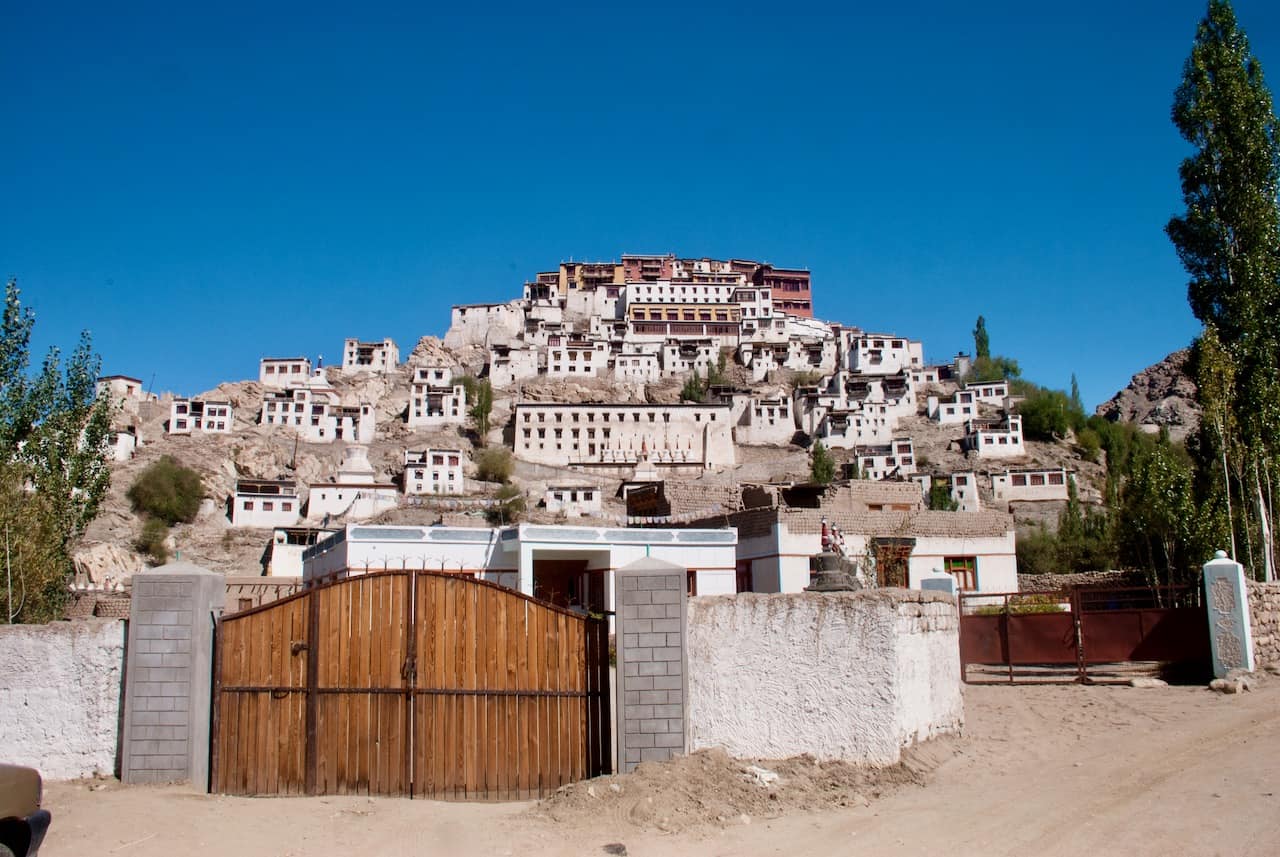
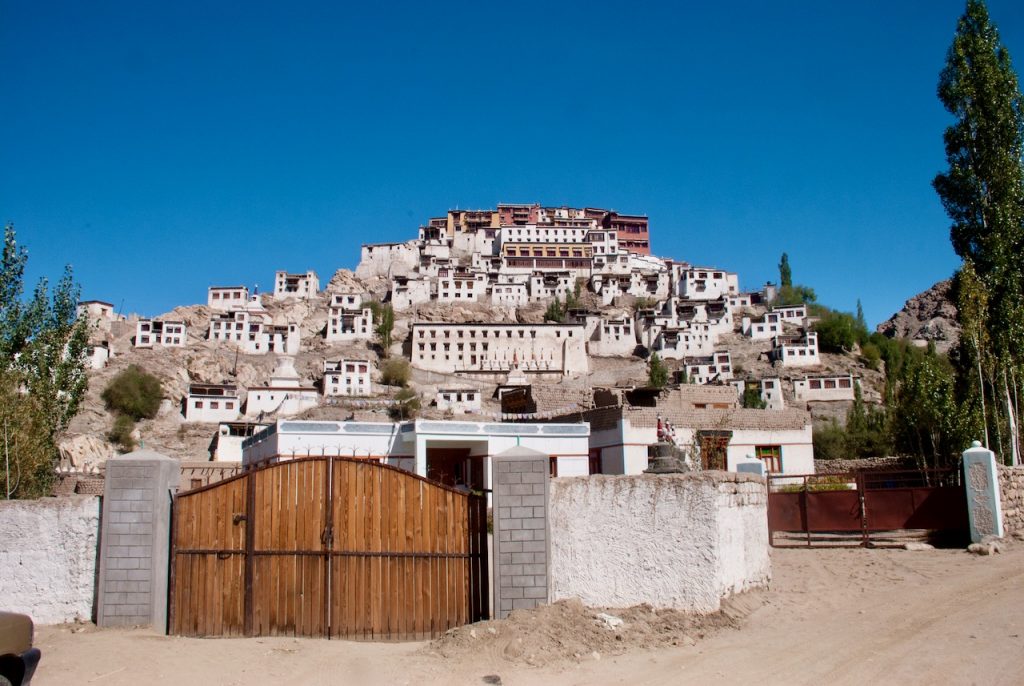
Thiksey Monastery sits on a hilltop at 11,800 feet in the Indus Valley, about 19 km south of Leh. It is the largest monastery in central Ladakh, home to around 120 monks, and often called the “Mini Potala Palace” because of its striking resemblance to the Potala Palace in Lhasa, Tibet. If you are planning to visit Thiksey on your Ladakh trip, this guide covers everything you need to know. Entry fees, timings, how to reach, what to see inside, the Gustor festival, where to stay nearby, and practical tips from someone who has been there multiple times.
Let's quickly dive into the details:
What Is Thiksey Monastery and Why Should You Visit?
Thiksey Gompa (also spelled Thikse, Tiksey, or Thiksay) is a Tibetan Buddhist monastery of the Gelug (Yellow Hat) order, sitting at an altitude of 3,600 metres (11,800 feet). It is a 12-storey complex that houses 10 temples, an assembly hall, monks’ quarters, a nunnery, and a library with rare Buddhist manuscripts. The monastery was founded in the 15th century and has been a centre of Buddhist learning and practice in Ladakh for over 500 years.
I have visited Thiksey multiple times over the years, and every visit feels different. The morning prayers, the silence that fills the corridors, and the panoramic views of the Indus Valley from the rooftop make it one of those places where you genuinely want to slow down. If you are doing the standard Ladakh itinerary, Thiksey should be on your list for Day 2 or Day 3 when you are acclimatizing in Leh. Most travelers club it with Shey Palace, Stakna Monastery, and Hemis Monastery in a single day trip, which is the classic Indus Valley monastery circuit.
What makes Thiksey stand apart from other Ladakh monasteries is its sheer scale and its resemblance to the Potala Palace. The 15-metre Maitreya Buddha statue is the largest in Ladakh, and the complex has everything from prayer halls to a nunnery to a rooftop cafe with valley views. For first-time Ladakh visitors, this is usually the monastery that leaves the strongest impression.
Practical Info Box
| Detail | Information |
|---|---|
| Altitude | 11,800 feet (3,600 m) |
| Distance from Leh | 19 km (about 30-40 minutes by road) |
| Entry Fee | Rs 40 per person (same for Indians and foreigners, as of 2026, cash at the gate. Some sources quote Rs 30-50, so keep small notes handy) |
| Timings | 7:00 AM to 7:00 PM daily (May to October). Short tea break 4:00 PM to 4:15 PM. |
| Morning Prayers | 6:00 AM to 7:00 AM (visitors welcome, arrive by 5:45 AM) |
| Camera Fee | None (flash not allowed near murals) |
| Time Needed | 1.5 to 3 hours |
| Best Time | May to October (monastery accessible year-round if you fly to Leh) |
| Nearest Petrol Pump | Karu (8 km) or Leh (19 km) |
| Mobile Network | Jio 4G/5G, Airtel 4G/5G, BSNL postpaid all work |
| Gustor Festival 2026 | 28-29 October 2026 (Tibetan lunar calendar, verify closer to the date) |
| Permits Required | None for Thiksey. Indian tourists need no stamped ILP anywhere in Ladakh now, only the online EDF registration (about Rs 590 for 7 days) |
What Is the History Behind Thiksey Monastery?
Thiksey Monastery was founded in the 15th century, and the story of how it came to be built is one of those Ladakhi legends that you will hear the monks tell if you spend enough time there.
In the 15th century, Je Tsongkhapa, the founder of the Gelug school of Tibetan Buddhism, sent six disciples to spread his teachings across remote parts of Tibet and Ladakh. One of his disciples established a small monastery at Stagmo. About fifty years later, the monks decided to build a larger complex. During the consecration prayers at the new site, crows grabbed the Torma offerings (sacred cakes meant to be scattered across the valley as peace offerings) and flew them to the opposite side of the valley, placing them in Thiksey village. The monks saw this as a divine sign. The name “Thiksey” itself means “a perfect order” in the local language. The monastery was built at this spot and named after the village.
Today, Thiksey is affiliated with Likir Monastery and houses around 120 monks who follow the Gelug tradition. The Maitreya Temple, its most famous feature, was added in 1970 to commemorate the visit of the 14th Dalai Lama. Over the centuries, the monastery has been a key centre for Tibetan Buddhist studies in Ladakh, and according to the Wikipedia entry on Thikse Monastery, it remains one of the most active and well-maintained gompas in the region.
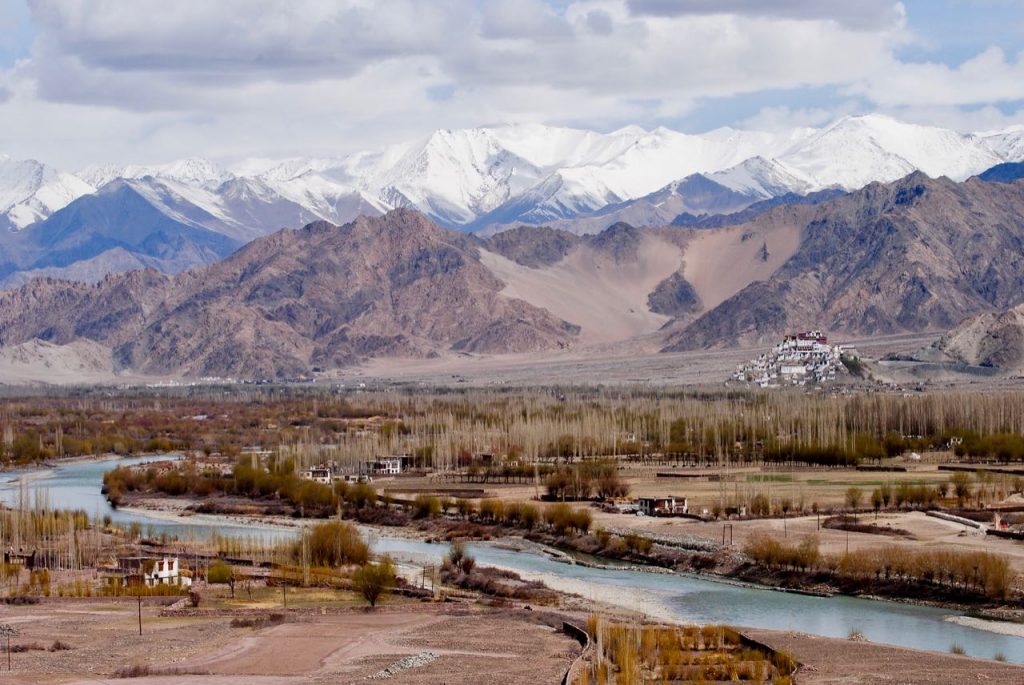
When Is the Best Time to Visit Thiksey Monastery?
The best time to visit Thiksey Monastery is from May to October, when the weather is pleasant, the roads to Ladakh are open, and the monastery is fully operational. This coincides with the peak season for Ladakh travel.
Here is a month-by-month breakdown to help you decide:
- May to June: Roads open via both Manali-Leh Highway and Srinagar-Leh Highway. Weather is warm during the day (15-25°C) but cool at night. Good time for photography with clear skies.
- July to August: Peak tourist season. Occasional rain due to stray monsoon clouds. Hemis Festival falls in June or July (24-25 June in 2026), and you can club it with a Thiksey visit. Keep in mind that monsoon tips for Ladakh are worth reading before you go.
- September to October: My personal favourite. Fewer crowds, crisp air, and golden light on the monastery walls during sunrise. The Thiksey Gustor Festival happens in October-November (28-29 October in 2026).
- November to April: The monastery remains accessible if you fly to Leh, but the roads from Manali and Srinagar are closed. Some temples inside may be closed during peak winter. Expect temperatures as low as minus 20°C. If you are considering a winter trip to Ladakh, be sure to read up on what to expect.
Hence, if you are driving to Ladakh, plan your visit between May and October. If you are flying in during winter, Thiksey is still worth visiting, but keep in mind that the overall experience is limited and some inner temples may be closed.
How Do You Reach Thiksey Monastery from Leh?
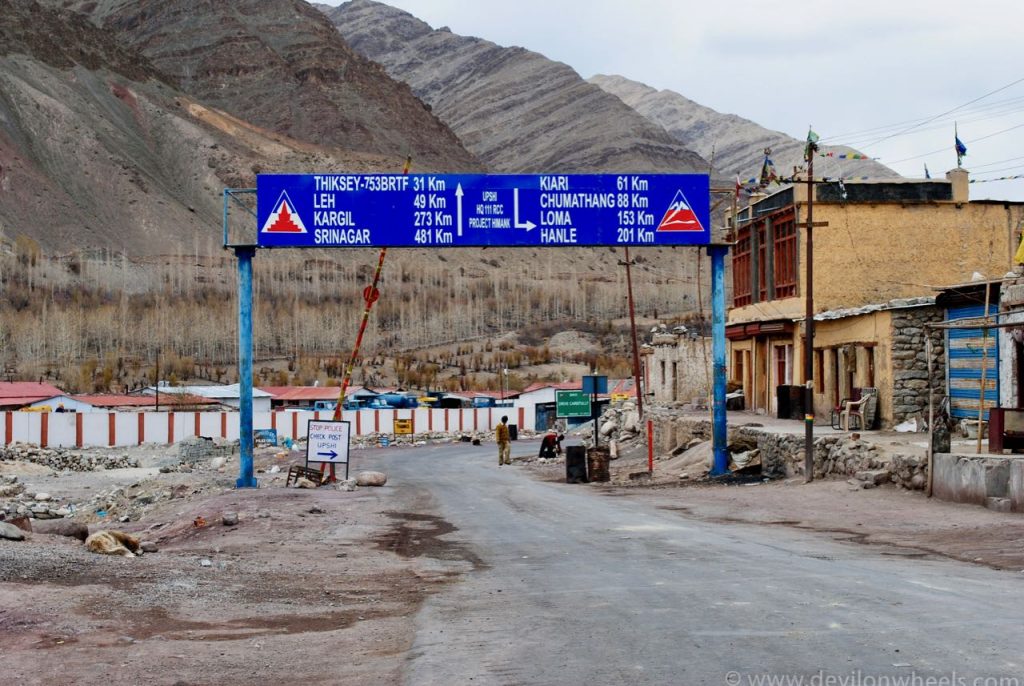
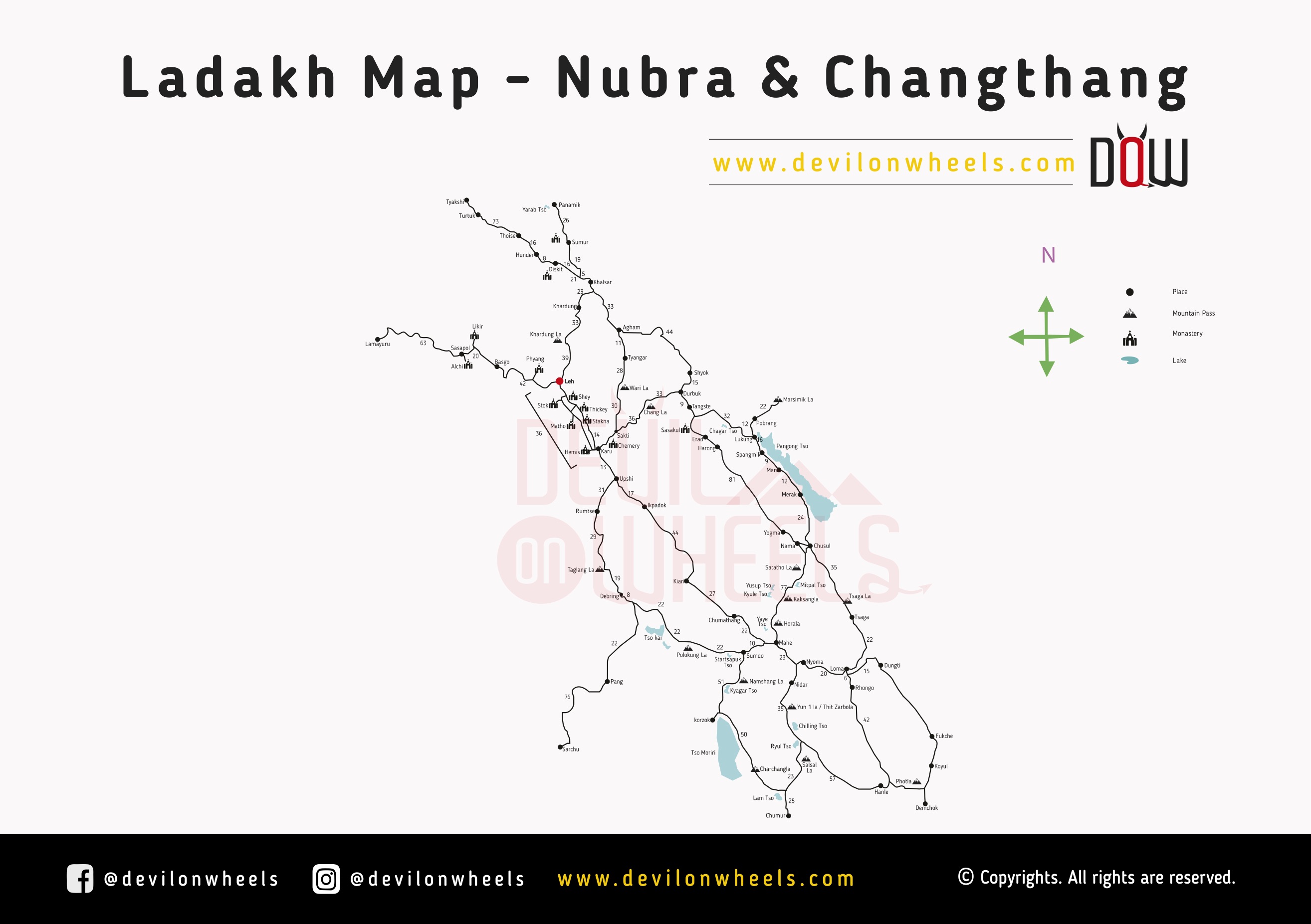
Thiksey is located on the Leh-Manali Highway (NH3), about 19 km south of Leh. The road is well-paved and takes approximately 30-40 minutes by car or taxi. No special permits are required to visit Thiksey since it falls within the Leh municipal area.
By Taxi or Private Car
This is the most convenient option. You can hire a taxi from Leh for a half-day local sightseeing trip that covers Thiksey, Shey Palace, Stakna Monastery, and Hemis Monastery. The taxi union rate for this Indus Valley circuit is approximately Rs 3,500-4,500 for a full day (as of 2026, verify locally for current rates). Check the Ladakh taxi rate list for the latest rates.
If you are self-driving, just head south on the Leh-Manali Highway towards Karu. Thiksey is clearly signposted on the left side of the road. There is a parking area at the base of the hill. If you are on a self-drive trip to Ladakh, fuel up in Leh or at the Karu petrol pump (8 km from Thiksey) before heading out.
By Bus from Leh
Budget travelers can reach Thiksey by local bus from Leh bus stand. Here is how it works:
- Take a bus from Leh Main Bus Stand to Choglamsar. Buses leave every 15 minutes and cost around Rs 15-20.
- At Choglamsar, change to a Thiksey-bound bus. These leave every 30 minutes and cost around Rs 20-25.
- Total journey time by bus is approximately 45 minutes to 1 hour.
Keep in mind that the bus drops you at the main road near Thiksey village. From there, it is a 10-15 minute uphill walk to reach the monastery entrance. Carry water and wear comfortable shoes for this climb, especially at 11,800 feet where you will feel the altitude. If you are doing Ladakh entirely by public transport, this route is straightforward.


By Bike or Motorcycle
If you are on a rented bike from Leh, the ride to Thiksey takes about 25-30 minutes on a smooth highway. The parking area at the base of the monastery can accommodate bikes easily. This is a popular stop for bikers on Day 2 of their Ladakh trip, usually combined with the full Indus Valley circuit.
Arriving from Manali-Leh Highway
If you are driving from Manali to Leh, Thiksey comes about 19 km before Leh on the highway. I would strongly suggest stopping here even if you are tired from the drive. We did this on our trip, and after spending the previous night in Sarchu, the journey to Leh on the final day was long but the views kept us going. Once we entered Karu, we refueled the car, took a quick detour to Hemis Monastery for the last day of the Hemis Festival, and then stopped at Thiksey on our way to Leh. It was the perfect way to end the road trip.
What Are the Must-See Places Inside Thiksey Monastery?
Thiksey is a large complex spread across 12 storeys. You will need at least 1.5 to 2 hours to see everything properly. Here are the highlights you should not miss:

Maitreya Buddha Temple
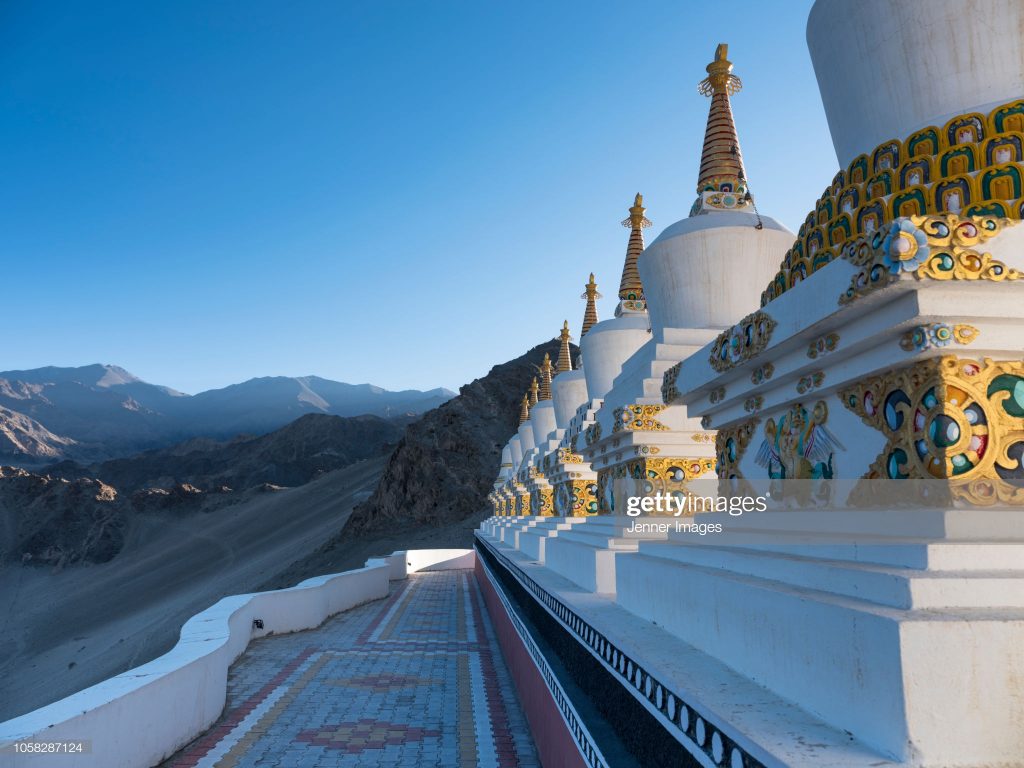
This is the crown jewel of Thiksey. The Maitreya (Future Buddha) statue stands 15 metres (49 feet) tall, spanning two storeys. It is the largest such statue in Ladakh and was installed in 1970 to mark the 14th Dalai Lama’s visit. The craftsmanship is stunning. Spend some time here just sitting quietly and taking in the scale of it. According to the Wikipedia entry on Thikse Monastery, the statue was crafted by Ladakhi artisans using clay, copper, and gold. The statue faces south towards the direction from which the Dalai Lama is expected to arrive.
Assembly Hall (Dukhang)
The main prayer hall is where the monks gather for daily prayers. The walls are covered with murals depicting the Tibetan Buddhist calendar, scenes from Buddha’s life, and protective deities. If you arrive for the morning prayers (6:00 AM to 7:00 AM), you can sit quietly at the back and watch the monks chant. It is an experience that stays with you. The deep resonance of the chanting, combined with the dim butter lamp lighting, creates an atmosphere that photographs cannot capture.
Tara Temple
A smaller temple dedicated to Goddess Tara, known for its detailed thangka paintings and delicate murals. It is easy to miss since it is on one of the upper floors, but worth seeking out. The Green Tara and White Tara depictions here are among the finest in Ladakh.
Lamokhang Temple
This temple houses several important Buddhist scriptures, including the Stangyur. It is also the place where young boys undergo their training to become Lamas. Important note: Women are not allowed entry into this particular temple. This is a centuries-old tradition specific to certain Gelug temples, and the monastery requests visitors to respect it.
Library
The monastery library has a significant collection of Tibetan Buddhist books, manuscripts, and handwritten texts. Some of these manuscripts are hundreds of years old and are carefully preserved. The library can be closed at certain times, so check with the monks at the entrance when you arrive.
Nunnery
Thiksey has a separate set of buildings for the nunnery (Chulichan), which is one of the few operational Buddhist nunneries in Ladakh. You can visit and interact with the nuns if the timing is right. The nunnery is located slightly away from the main monastery building, and reaching it requires a short walk.
The Rooftop
Do not skip the rooftop. The 360-degree views of the Indus Valley, the surrounding mountains, and the Stok Kangri range are genuinely spectacular. Sunrise from the rooftop is particularly memorable, and photographers should plan to be here by 6:00 AM. On a clear day, you can see the Zanskar range to the south and the monastery of Stakna across the valley.
What Is the Thiksey Gustor Festival?
Quick answer: Thiksey Gustor 2026 is on 28-29 October 2026, a two-day Cham dance festival held in the monastery courtyard. As of 1 October 2026 that is under four weeks away, and there is no entry fee for the festival itself. Dates follow the Tibetan lunar calendar and shift every year, so reconfirm with the monastery or the Ladakh festival calendar before booking flights.
The Thiksey Gustor is a 2-day annual festival that is among the most popular festivals in Ladakh. It takes place in October or November (28-29 October in 2026), depending on the Tibetan calendar (17th to 19th day of the 9th Tibetan month). As per the official Ladakh UT administration, the Gustor dates vary each year based on the Tibetan lunar calendar, so check the District Leh official website for confirmed dates closer to your trip.
The festival features the Cham dance, where monks wear elaborate masks and colourful costumes to perform rituals symbolizing the victory of good over evil. The highlight is the preparation and cutting of the sacrificial Torma cake, which represents evil forces. When a monk cuts the cake in two, it marks the end of evil’s reign, and pieces are distributed among the worshippers.
A unique aspect of the Thiksey Gustor is the re-enactment of the assassination of King Lang Darma of Tibet by a Buddhist monk during the mid-9th century. Lang Darma had been persecuting Buddhists, and his assassination is seen as a pivotal moment in Tibetan Buddhist history. The masked monk performing this re-enactment is one of the most dramatic moments of the festival.
If your Ladakh trip falls in October-November, try to time it with this festival. Keep in mind that late October is already cold in Leh (nights drop below freezing), so pack warm layers and read up on what Ladakh feels like in winter. The event draws both locals and tourists, and the atmosphere is something you will not find at any other time of the year. There is no separate entry fee for the Gustor festival. You just need to be there.
Where Can You Stay Near Thiksey Monastery?
You have a few options for accommodation near Thiksey. Here is what works best depending on your travel style and budget:
Stay at the Monastery
Thiksey Monastery itself offers basic rooms for visitors who want to experience monastery life. The rooms are simple, the food is vegetarian, and the price is very budget-friendly (around Rs 500-800 per night, as of 2026, verify locally for current rates). I would suggest this option if you want to attend the morning prayers and experience the monastery at dawn when it is quiet and the light is magical. You will need to check with the monastery office on arrival. There is no online booking system.
Chamba Hotel and Nearby Guesthouses
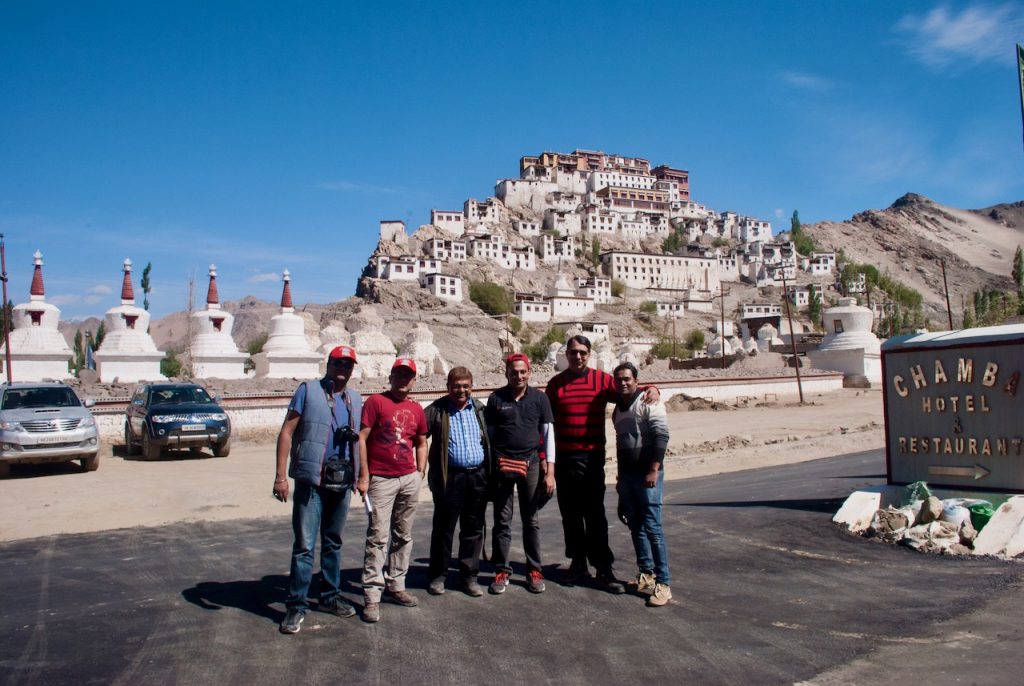
Chamba Hotel in Thiksey village is a popular option. There are also a few guesthouses and homestays in the village. Expect to pay Rs 1,000-2,500 per night for a decent room with meals. The Chamba Hotel has a restaurant and is within walking distance of the monastery, making it a convenient base.
Stay in Leh
Most travelers visit Thiksey as a day trip from Leh, which is just 19 km away. This makes the most sense if you are doing the Indus Valley monastery circuit in a single day. You can find good mid-range hotels in Leh starting from Rs 1,500-3,000 per night, or budget guesthouses for Rs 600-1,200 per night.
You can also stay near Shey or Hemis Monastery, both of which are nearby.
What Are the Food Options at Thiksey?
There are two cafes inside the monastery complex. One is on the rooftop with gorgeous views of the valley, perfect for a cup of tea after exploring the monastery. The other is near the parking area at the base. Both serve basic food like momos, thukpa, maggi, and tea. A cup of tea costs about Rs 30-40, and a plate of momos or thukpa runs Rs 80-150.
The Chamba Hotel in the village also has a restaurant. On the road between Leh and Thiksey, you will find several roadside dhabas that serve Tibetan food, noodles, and thukpa. If you are continuing towards Karu or Upshi, there are more dhabas along the highway. For a proper sit-down meal, check the restaurant guide for Leh.
What Are the Best Photography Tips for Thiksey Monastery?
Thiksey is one of the most photogenic monasteries in Ladakh, and it rewards photographers who put in a little planning. Here are tips from my visits:
- Sunrise from the rooftop: Be at the monastery by 5:45 AM. The first light hitting the white and red walls while the Indus Valley is still in shadow creates a dramatic contrast. This is the golden hour shot that most travel magazines use.
- The classic external shot: The iconic panoramic view of Thiksey is from Stakna Monastery, across the valley. If you are visiting both, shoot Thiksey from Stakna first, then drive over to Thiksey itself.
- No flash inside temples: Flash is not allowed near murals, thangkas, and the Maitreya statue. Use a fast lens or bump up your ISO. The butter lamp lighting inside the Dukhang is beautiful but very dim.
- No camera fee: There is no additional charge for carrying a camera. However, photography may be restricted inside certain smaller temples. Always ask the monks before clicking.
- Drone restrictions: Ladakh has strict drone regulations due to its proximity to the border. As per Ladakh UT administration guidelines, flying drones near monasteries and military areas is prohibited without explicit permission. Do not attempt it.
What Are Some Important Tips for Visiting Thiksey?
Here are some practical tips from my visits that will help you plan better:
- Arrive early for morning prayers. The morning prayer session runs from 6:00 AM to 7:00 AM. It is open to visitors, and watching 120 monks chanting in the assembly hall is an experience you should not miss. The monastery officially opens at 7:00 AM for general visitors. If you want to attend prayers, reach by 5:45 AM.
- Carry water. At 11,800 feet, dehydration hits hard and fast. The climb from the parking area to the top of the monastery involves a fair bit of walking and stairs. Always have your water bottle with you.
- Wear sun protection. The UV radiation at this altitude is intense. Apply sunscreen, wear a hat, and carry sunglasses. You will be outdoors for 2-3 hours.
- Dress respectfully. This is an active monastery with monks in residence. Wear conservative clothing, nothing too revealing. Cover your shoulders and knees.
- Take AMS seriously. Thiksey is at 11,800 feet. If you have just arrived in Leh and have not acclimatized, take it slow. The stairs inside the monastery will feel much harder than they look. If you feel headache, nausea, or breathlessness, sit down and rest. There is no shame in admitting to symptoms. Be vigilant and keep an eye on your group members.
- Photography. There is no camera fee. However, photography may be restricted inside certain temples. Check with the monks before clicking pictures inside prayer halls. Use of flash is generally not allowed near murals and thangkas.
- Mobile connectivity. Jio, Airtel, and BSNL postpaid all work at Thiksey. You should have 4G/5G coverage here since it is on the main highway. Jio and Airtel launched 5G in Leh in 2023-2024, and Thiksey falls within the coverage zone.
- Shoes off inside temples. You will need to remove your shoes before entering the prayer halls and temples. Carry a plastic bag to keep them in.
- Tea break. The monastery closes briefly from 4:00 PM to 4:15 PM for a tea break. If you arrive around this time, just wait or grab a cup at the rooftop cafe.
- Respect the silence. When monks are praying or meditating, keep your voice down. Mobile phones should be on silent inside the prayer halls. This is their home, not just a tourist attraction.
Which Other Monasteries Can You Visit Along with Thiksey?
Thiksey is part of the Indus Valley monastery circuit, and most travelers club 3-4 monasteries in a single day trip from Leh. Here is the recommended route that I follow:
- Shey Palace and Monastery (15 km from Leh). The former summer capital of Ladakh with a beautiful copper-gilt Buddha statue. Start here early in the morning.
- Thiksey Monastery (19 km from Leh). The main attraction of the circuit. Spend 1.5-2 hours here.
- Stakna Monastery (25 km from Leh). A smaller but photogenic gompa perched on a hill beside the Indus River. The view of Thiksey from Stakna is iconic.
- Hemis Monastery (45 km from Leh). The wealthiest monastery in Ladakh, famous for the Hemis Festival in July.
If you have more time, you can also add Alchi Monastery (70 km from Leh) and Lamayuru Monastery (125 km from Leh) on separate days. Likir Monastery, which is affiliated with Thiksey, is about 62 km from Leh on the Sham Valley route. For the complete Leh local sightseeing guide, check out the detailed post on our blog. You can also visit the Sangam (Indus-Zanskar confluence) on this same route, which is between Leh and Alchi.
How Much Does a Visit to Thiksey Monastery Cost?
Thiksey is a very affordable visit. Here is a rough budget breakdown for a day trip from Leh covering the monastery circuit:
| Expense | Budget (Rs) | Mid-Range (Rs) |
|---|---|---|
| Entry fee (Thiksey) | 40 | 40 |
| Entry fees (Shey + Stakna + Hemis) | 60-100 | 60-100 |
| Transport (bus round-trip) | 70 | – |
| Transport (taxi, shared/private) | – | 500-4,500 |
| Lunch at monastery cafe | 150-250 | 300-500 |
| Water and snacks | 50 | 100 |
| Total (Thiksey only) | Rs 310-410 | Rs 940-5,140 |
| Total (full circuit) | Rs 370-510 | Rs 1,000-5,240 |
If you are doing the full Indus Valley circuit (Shey + Thiksey + Stakna + Hemis) by taxi, the total entry fees across all four monasteries will be around Rs 100-200, and the taxi cost will be Rs 3,500-4,500 for the full day. For detailed budget planning for your entire Ladakh trip, refer to the complete Ladakh trip budget guide.
Do You Need Any Permits to Visit Thiksey Monastery?
No, you do not need any permit to visit Thiksey Monastery. It falls within the Leh area along the main highway, so no permit is checked at the gate. You just need to pay the Rs 40 entry fee.
However, since 2021 every visitor to Ladakh registers online for the Ladakh Environmental/Development Fee (EDF), which replaced the old stamped Inner Line Permit for Indian tourists. As of 2026 that is Rs 400 one-time, Rs 20 per person per day (wildlife fee) and an optional Rs 50 Red Cross contribution, roughly Rs 590 for a 7-day trip. Hence, you do not need to queue at a DC office for Nubra or Pangong anymore, but do register online before you go and carry the printout. In case you are a foreign national, check the PAP requirements for foreigners in Ladakh.
Frequently Asked Questions
What is the entry fee for Thiksey Monastery?
The entry fee for Thiksey Monastery is Rs 40 per person as of 2026. The fee is the same for Indian and foreign tourists. There is no additional charge for carrying a camera.
What are the timings of Thiksey Monastery?
Thiksey Monastery is open from 7:00 AM to 7:00 PM daily between May and October. There is a short tea break from 4:00 PM to 4:15 PM. Morning prayers are held from 6:00 AM to 7:00 AM and are open to visitors. The monastery has limited access during winter months (November to April).
How far is Thiksey Monastery from Leh?
Thiksey is 19 km from Leh, located on the Leh-Manali Highway (NH3). The drive takes approximately 30-40 minutes by taxi or private car. By local bus, it takes about 45 minutes to 1 hour with a change at Choglamsar.
Can you stay overnight at Thiksey Monastery?
Yes, Thiksey Monastery offers basic guest rooms for visitors. The rooms are simple with vegetarian food, and the cost is approximately Rs 500-800 per night (as of 2026, verify locally for current rates). This is ideal if you want to experience the morning prayers and the sunrise from the monastery rooftop. There is no online booking. You need to check availability on arrival.
Is Thiksey Monastery the same as Potala Palace?
No, Thiksey Monastery and the Potala Palace in Lhasa, Tibet are different structures. However, Thiksey is often called the “Mini Potala Palace” because of its striking architectural resemblance to the Potala Palace, with both being multi-storey hilltop structures with red and white facades. Thiksey follows the Gelug order, the same order that the Dalai Lama belongs to.
When is the Thiksey Gustor Festival held?
The Thiksey Gustor Festival is held annually in October or November, depending on the Tibetan calendar (17th to 19th day of the 9th Tibetan month). In 2026 it falls on 28-29 October. It is a 2-day festival featuring Cham dances, masked performances, and the Torma cake-cutting ceremony. There is no additional entry fee for the festival. Check the Ladakh festival calendar for exact dates each year.
Is Thiksey Monastery open in winter?
Thiksey Monastery is accessible year-round if you fly to Leh. However, during winter (November to April), some temples inside the complex may be closed. The roads from Manali and Srinagar are also closed during this period, so flying is the only way to reach Leh in winter.
Is there wheelchair access at Thiksey Monastery?
Unfortunately, Thiksey Monastery is not wheelchair accessible. The complex is built on a steep hill with narrow staircases and uneven paths across 12 storeys. Visitors with mobility issues will find the climb challenging. You can view the exterior and the lower courtyard without climbing, but the main temples and the rooftop require significant stair climbing.
Can you visit Thiksey Monastery with kids?
Yes, Thiksey is suitable for families, but the altitude (11,800 feet) and the steep stairs can be tiring for young children. Take it slow, carry water, and allow extra time. If you are traveling to Ladakh with kids or babies, make sure they are well acclimatized before visiting. The Maitreya Buddha statue and the rooftop views usually fascinate children.
That covers everything you need to know about visiting Thiksey Monastery. If you have been to Thiksey and I have missed something, feel free to drop a comment below, and I will add it to the post with due credits. Also, if there is a place or topic you would like us to cover, do let us know. We love talking about all things travel, and the DwD Community is always happy to help fellow travelers plan their Ladakh adventures 🙂
Happy traveling to the Land of Gompas!
Last Updated: October 2026
