


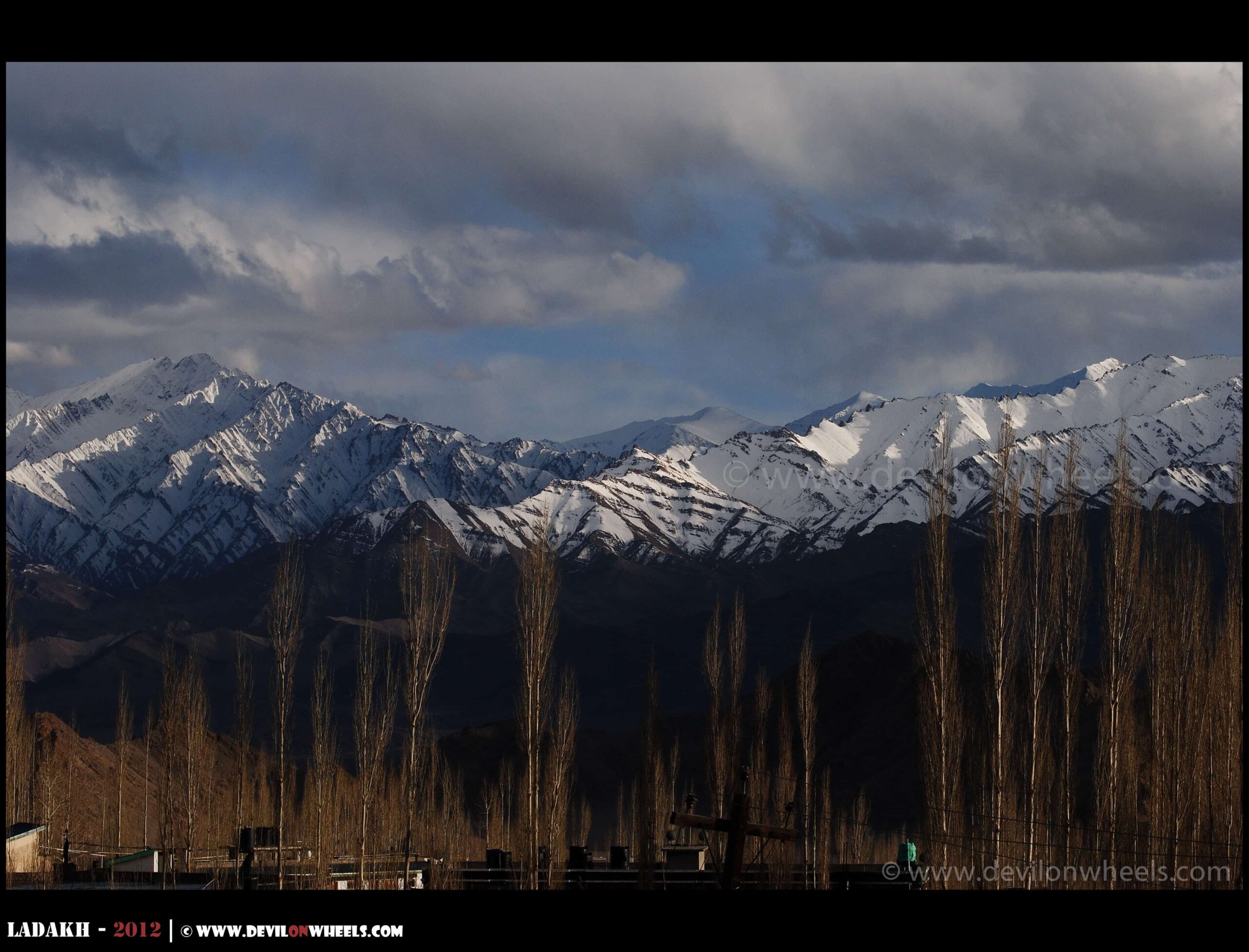
Are you planning a snow leopard safari in Ladakh? If the idea of spotting the elusive “Ghost of the Mountains” in its natural habitat has been on your mind, then Ladakh is the place you need to be. Based on my research and reports from travelers in the DwD community, a snow leopard expedition in Hemis National Park is one of the most rewarding wildlife experiences in the Indian Himalayas. In this guide, I will cover everything you need to know, from the best time and locations to costs, operators, and practical planning tips for your winter wildlife trip to Ladakh, including the new government-run safari vehicles that were flagged off in Leh on 7 October 2026.
Where Can You See Snow Leopards in Ladakh?
The best place to see snow leopards in Ladakh is Hemis National Park, located about 40 km southeast of Leh. Hemis is India’s largest national park, covering approximately 4,400 sq km, and it holds the highest recorded density of snow leopards in the world, at roughly 2 animals per 100 sq km. According to a 2025 study published in PLOS One by Ladakh’s Department of Wildlife Protection, the region is home to an estimated 477 snow leopards, which is about 68% of India’s total snow leopard population. This figure comes from a landscape-wide survey that walked over 6,000 km logging signs and then ran nearly 956 camera traps, so it is the most robust count we have to date. The best time to spot them is January to March, with February being the peak month. Most expeditions run for 5 to 10 days, and costs typically range from Rs 25,000 to Rs 1,50,000 per person depending on the operator and group size.
Hence, if you are serious about wildlife tourism in the Himalayas, Hemis National Park should be at the top of your list. Let us look at the details now.
Why Is Ladakh the Best Place for a Snow Leopard Safari?
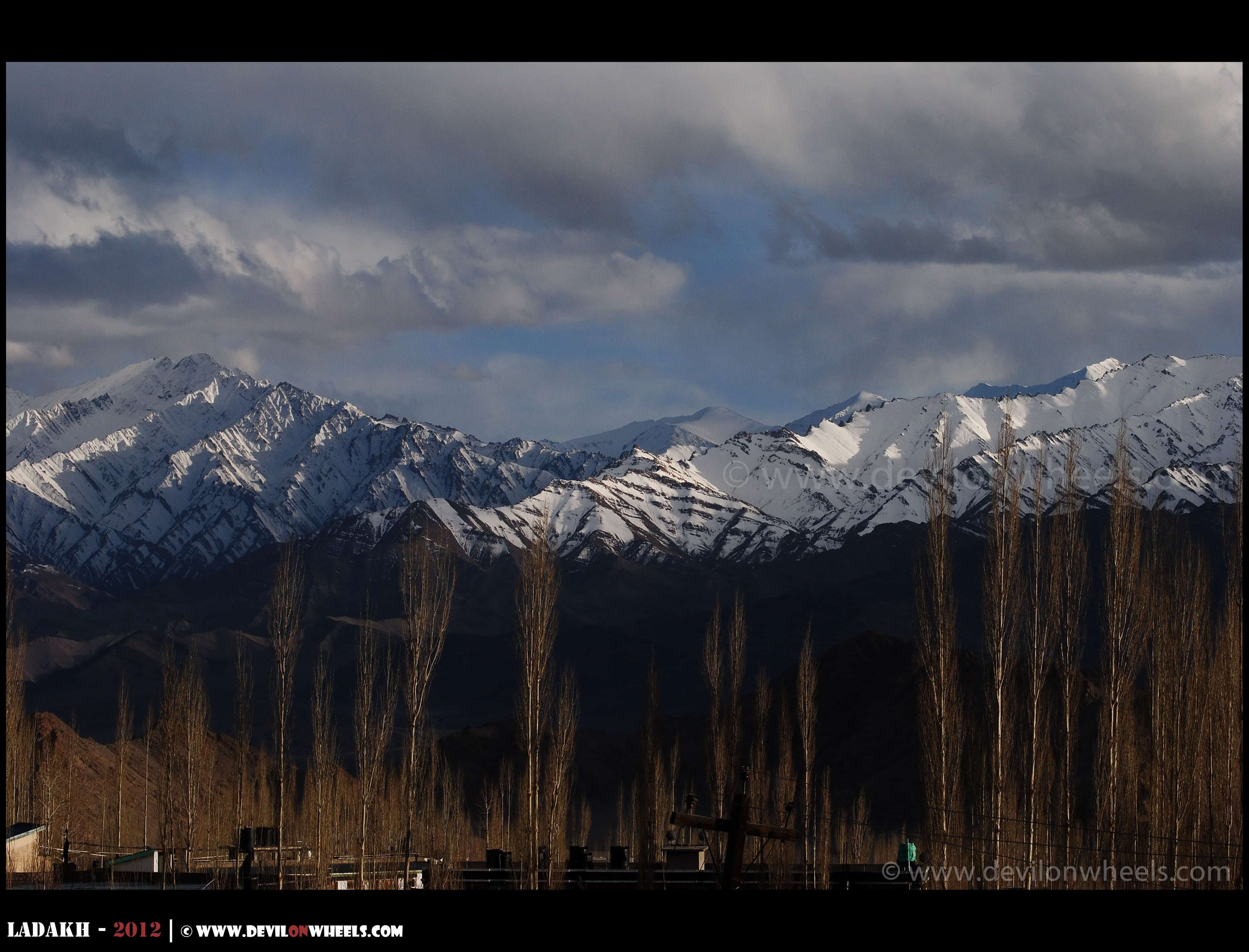
Ladakh is not just one of the best places in India for a snow leopard safari. It is one of the best places in the world. Here is why:
Highest density globally. A camera-trapping study by Ladakh’s Department of Wildlife Protection confirmed that Hemis National Park has a snow leopard density of approximately 2.07 individuals per 100 sq km. This is higher than any previously recorded density in Tibet (1.06 to 1.84 per 100 sq km). So this claim is backed by peer-reviewed scientific data, not marketing.
Contiguous population. Ladakh has a large contiguous population spread across 47,572 sq km. The cats move freely between valleys, increasing your chances of sighting them.
Conservation success. According to researchers, Ladakh’s success comes from cultural values (Buddhism’s respect for wildlife), healthy bharal populations, and sustained conservation efforts. The Snow Leopard Conservancy India Trust (SLC-IT), established in 2000, created the homestay programs that now directly benefit local villages.
Accessible infrastructure. Unlike snow leopard habitats in Central Asia or Mongolia, Ladakh has an airport in Leh with daily flights from Delhi throughout winter. You also get basic but functional accommodation in villages like Rumbak and Ulley. This makes it far more accessible for Indian travelers compared to snow leopard destinations abroad.
Best Locations for Snow Leopard Spotting in Ladakh
While all of Ladakh has snow leopard presence, there are specific valleys and zones where sightings are most concentrated. Keep in mind that snow leopard spotting requires patience. You may spend several days scanning mountain slopes with binoculars before you get a sighting. Here are the primary locations:
1. Hemis National Park (Primary Zone)
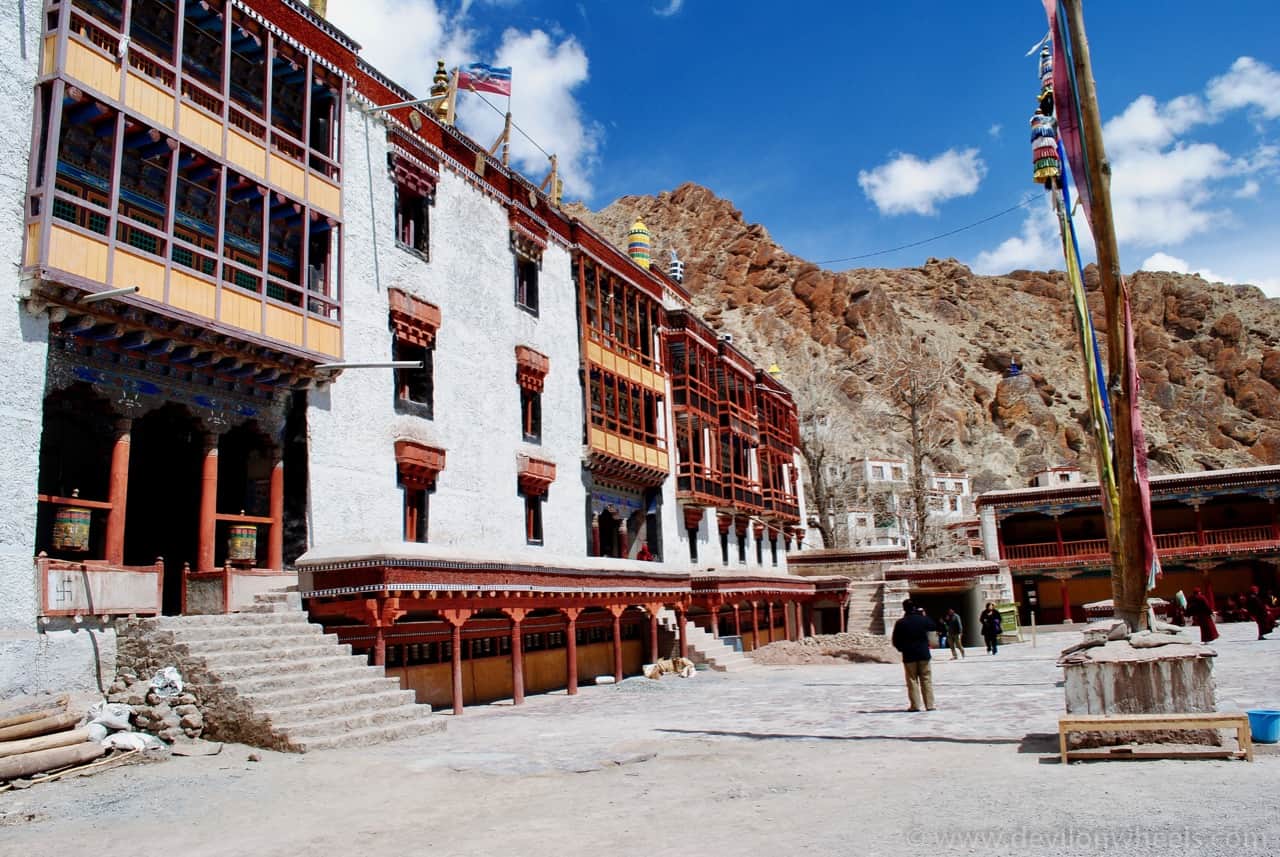
Hemis National Park is the flagship destination for snow leopard expeditions. The park encompasses the catchments of Markha, Rumbak, and several other valleys. The most popular way in is through the Rumbak Valley, reached via the Zingchen check post on the road from Spituk, on the outskirts of Leh. Since 2019 the park has had check posts at Zingchen, Skiu and Shang Sumdo, and beyond them only vehicles belonging to villagers who live inside the park are allowed, so traditionally you walk in from the roadhead. Most guided expeditions set up base camps within or near Rumbak because this valley has consistently high sighting records. The park allows walking safaris and camping inside, which is what makes the experience truly immersive.
2. Rumbak Valley
Rumbak is a small village inside Hemis National Park, sitting at about 12,500 feet. It has become the heart of snow leopard tourism in Ladakh. Several homestays operate here during winter, all initiated by the Snow Leopard Conservancy India Trust. The village is surrounded by bharal (blue sheep) herds, which are the primary prey of snow leopards. When bharal descend to lower elevations in winter, the snow leopards follow them, making Rumbak one of the most productive spotting locations.
3. Ulley Valley
Ulley (also spelled Uley) is located in the Sham Valley region of central Ladakh, at about 13,000 feet. It is outside the boundary of Hemis National Park but is still a high-density snow leopard zone. The Snow Leopard Lodge operates from Ulley and has become a popular base for international wildlife photographers. The advantage of Ulley is that it is slightly more accessible from Leh (about 70 km) and the terrain is more open, which sometimes makes spotting easier.
4. Husing and Tarbung Valleys
These are additional valleys within Hemis National Park used as alternative zones when Rumbak is crowded or when leopard activity has shifted. Less commercialized, more remote.
5. Kibber, Spiti Valley (Cross-Over Option)
Kibber in Spiti Valley is another established snow leopard zone, but reaching Spiti in winter is far more challenging since the Manali to Kaza road remains closed from November to April. Ladakh’s advantage is that Leh airport operates year-round, making it the more practical winter choice. For snow leopard sightings in a wilder, less-visited summer habitat, the Pin Valley National Park 2026 guide covers the Kaza-to-Mudh route, 83 confirmed snow leopards from the 2025 camera-trap survey, and homestay options from Rs 500/night.
When Is the Best Time for a Snow Leopard Safari in Ladakh?
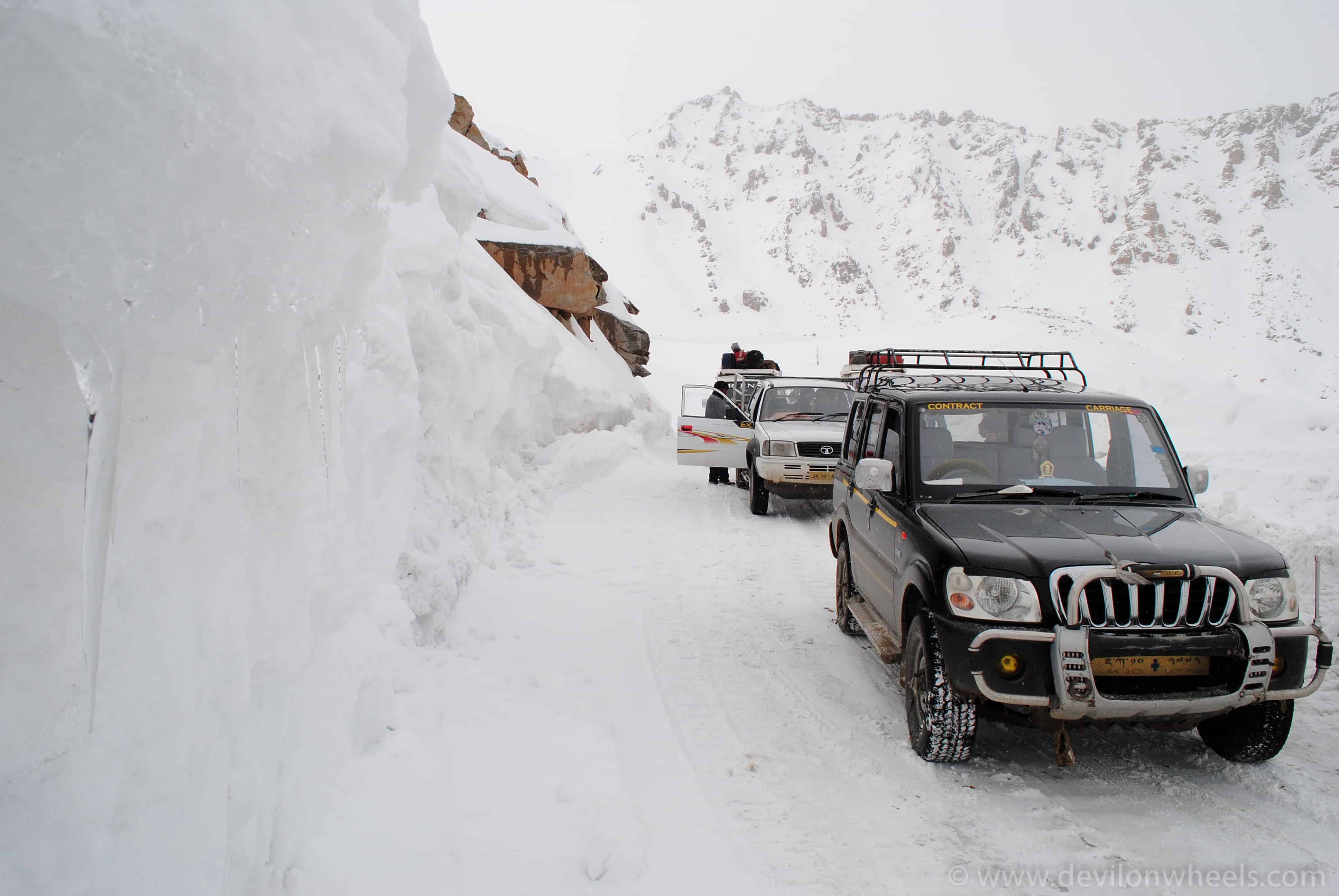
The best time for a snow leopard safari in Ladakh is January to March, with February being the peak month. Here is why this window works best:


- Post-snowfall prey movement: After heavy snowfall in December and January, bharal (blue sheep) descend to lower valleys in search of grazing. Snow leopards follow their prey, bringing them closer to accessible terrain and observation points.
- Mating season: February coincides with the snow leopard mating season. During this period, the cats are more active, move more frequently, and are less cautious about being visible. Some operators report that mid-February to mid-March offers the highest success rates.
- Clearer tracks: Fresh snow makes it easier for local trackers to identify pugmarks, scat, and scrape marks, which helps in narrowing down the leopard’s location.
- Fewer tourists: Winter Ladakh has a fraction of the summer tourist crowd. This means less disturbance to the wildlife and a more focused, quieter expedition experience.
Now, keep in mind that “best time” does not mean guaranteed sighting. Snow leopards are masters of camouflage and can blend into rocky terrain so well that even experienced trackers miss them. However, with a multi-day expedition (5 to 7 days minimum) and experienced local guides, your chances are quite good.
In case you are targeting February 2027, I suggest locking your dates by November. Leh flights get pricier closer to the date, and the number of homestay beds in villages like Rumbak is small, so these are usually the first things to run out.

How to Organize a Snow Leopard Expedition in Ladakh
There are essentially two ways to plan a snow leopard trip. I would suggest going with a guided expedition unless you have prior winter trekking experience in Ladakh and local contacts. Let us look at both options.
New for the 2026-27 season: Ladakh now has India’s first high-altitude wildlife safari. According to a PTI report carried by ThePrint, Lt Governor Vinai Kumar Saxena flagged off six safari vehicles on 7 October 2026 during Wildlife Week at Choglamsar near Leh. The vehicles will initially run in Rumbak, Shang and Uley, where snow leopards are seen most often, while routes in Changthang, Nubra, Zanskar, Sham, Kargil and Drass are still being identified. The plan uses open-back vehicles, trained local drivers and guides, and 20 local youth being trained in bird and wildlife spotting. The official reason is also worth knowing, my friend. The guided safaris are meant to stop illegal off-roading that disturbs wildlife, so please do not try to drive into these valleys on your own. Booking process and safari fares had not been announced when I updated this guide in October 2026. Hence, in case you are booking for this winter, ask your operator whether they are running the older homestay-and-tracker model, the new safari-vehicle system, or a mix of both. Either way, the emphasis on local employment lines up well with the responsible travel approach the DwD community follows.
Option 1: Guided Expedition (Recommended)
This is what most travelers, including wildlife photographers and international tourists, go for. A guided expedition typically includes:
- Airport pickup and drop in Leh
- 1 to 2 nights in Leh for acclimatization
- Transport to Rumbak, Ulley, or another base camp
- Accommodation in homestays or expedition camps
- All meals during the expedition
- Expert local trackers and spotters
- Spotting scopes and binoculars (some operators provide these)
- Permits and entry fees
The quality of your guides and trackers is the single most important factor in whether you spot a snow leopard. Local Ladakhi trackers who have grown up in these valleys have extraordinary knowledge of leopard movements, territorial patterns, and daily routines. I suggest prioritizing operators who employ local trackers from Rumbak, Ulley, or surrounding villages.
Option 2: Self-Organized Trip
This is possible but requires significant planning. You would need to:
- Fly to Leh and arrange your own accommodation for acclimatization
- Hire a local taxi from Leh to the trailhead (about Rs 3,000 to Rs 5,000 one way)
- Contact homestays in Rumbak or Ulley directly for booking
- Hire a local tracker independently (essential, do not try without one)
- Carry your own winter gear, binoculars, and camera equipment
- Get Hemis National Park entry permits
The self-organized route is cheaper but carries more risk. In case you go this route, I suggest contacting the Snow Leopard Conservancy India Trust or the Hemis National Park office in Leh for local guide recommendations.
Snow Leopard Tour Operators for Ladakh
Based on research and community reports, here are some established operators that run snow leopard expeditions in Ladakh. I have not personally used all of these, so please do your own due diligence before booking. The costs mentioned are approximate and may vary by season and group size.
| Operator | Base Location | Duration | Approx. Cost Per Person | Notes |
|---|---|---|---|---|
| Snow Leopard Lodge (Ulley) | Ulley Village | 7-10 days | Rs 80,000 – Rs 1,50,000 | International-grade lodge, experienced trackers, popular with photographers |
| Ladakh Himalaya (Leh-based) | Rumbak / Hemis NP | 7-9 days | Rs 25,000 – Rs 50,000 | Local operator, budget-friendly, group departures |
| Ancient Tracks | Rumbak / Ulley | 8-11 days | Rs 40,000 – Rs 80,000 | Multiple valley options, experienced local guides |
| Dream Ladakh | Hemis NP / Rumbak | 7-10 days | Rs 35,000 – Rs 60,000 | Local Ladakhi operator, homestay-based |
| Voygr Expeditions | Hemis NP (LUNGMAR Camp) | 8-12 days | Rs 1,00,000 – Rs 2,00,000+ | Premium, claims 100% sighting record over 5 seasons |
Important note: These are approximate ranges based on 2025-2026 research. Prices vary by group size, accommodation type, and amenities. I suggest contacting operators directly for current rates. Many international operators quote in USD or Euros, which can push costs to Rs 2,00,000+ per person for premium packages.
What Are the Chances of Spotting a Snow Leopard?
Snow leopards are called the “Ghost of the Mountains” because their grey-white coat blends perfectly with rocky terrain. Even when a tracker knows a leopard is nearby, it can take hours of scanning through spotting scopes. That said, success rates have improved thanks to better tracking methods and higher leopard density:
- On a 7-day expedition with experienced trackers: Roughly 50% to 80% chance of at least one sighting, depending on the season, weather, and specific valley.
- On a 3-4 day short trip: Significantly lower, perhaps 20% to 40%. Snow leopard safaris reward patience.
- Peak February with top operators: Some operators like Voygr Expeditions report near-100% success rates over entire seasons, though individual trip results can still vary.
Keep in mind that most sightings happen at 200 to 500 meters through a spotting scope. Close encounters are rare. If you are a photographer, a 500mm+ telephoto lens is the minimum. Even without a snow leopard sighting, Hemis is home to bharal, Himalayan wolves, red foxes, golden eagles, lammergeiers, and other high-altitude wildlife.
How Much Does a Snow Leopard Safari in Ladakh Cost?
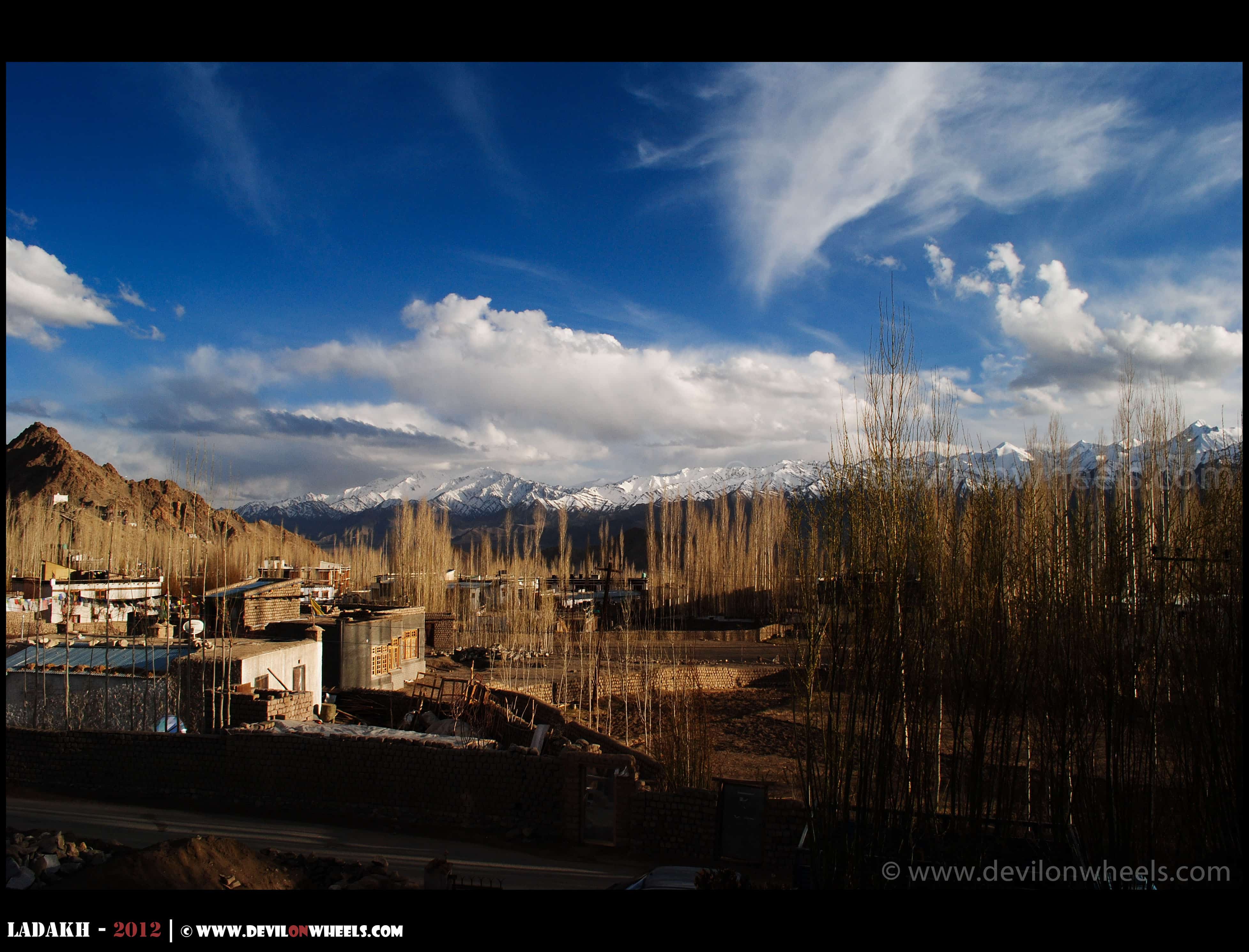
Let me break down the costs so you can plan your budget. I am dividing this into three tiers: budget (self-organized with local guides), mid-range (local operator guided expedition), and premium (international-grade operators). All prices are per person for a 7-day trip as of 2026.
| Expense | Budget | Mid-Range | Premium |
|---|---|---|---|
| Flights (Delhi-Leh return) | Rs 8,000 – Rs 12,000 | Rs 8,000 – Rs 12,000 | Rs 8,000 – Rs 15,000 |
| Hotel in Leh (2 nights acclimatization) | Rs 1,500 – Rs 3,000 | Rs 3,000 – Rs 6,000 | Rs 6,000 – Rs 12,000 |
| Expedition / Operator Fee (5-7 days) | Rs 15,000 – Rs 25,000 | Rs 35,000 – Rs 60,000 | Rs 80,000 – Rs 2,00,000 |
| Hemis NP Entry + Ladakh EDF | Rs 560 – Rs 640 | Included | Included |
| Local Transport (Leh to trailhead) | Rs 3,000 – Rs 5,000 | Included | Included |
| Gear Rental (if needed) | Rs 2,000 – Rs 5,000 | Rs 2,000 – Rs 5,000 | Provided |
| Food & Miscellaneous | Rs 3,000 – Rs 5,000 | Included | Included |
| Total (approx.) | Rs 33,060 – Rs 55,640 | Rs 48,000 – Rs 83,000 | Rs 94,000 – Rs 2,27,000 |
Key points on costs:
- Flight prices to Leh in winter are generally lower than summer peak season. Book at least 2 to 3 months in advance for the best fares.
- The biggest variable is the expedition fee. Budget operators charge Rs 15,000 to Rs 25,000 for a group trek with basic homestay accommodation, while premium operators with dedicated lodges and expert international guides can charge over Rs 2,00,000.
- If you are organizing independently, factor in hiring a local tracker (Rs 2,000 to Rs 3,000 per day) and homestay costs (Rs 1,000 to Rs 2,000 per night including meals).
- Gear rental is a real cost if you do not own proper winter gear, binoculars, and camera equipment. More on this in the packing section.
What to Pack for a Winter Snow Leopard Expedition
This is something you need to take very seriously. Winter Ladakh is extremely cold. Temperatures in the expedition zones can drop to -20 degrees Celsius or even lower at night. If you are not properly prepared, you will be miserable, and you will not be able to focus on the wildlife experience. Here is what you need to carry:
Clothing (Layering System)
- Base layer: 2 pairs of merino wool or polypropylene thermals (top and bottom). Avoid cotton.
- Mid layer: 2 fleece jackets (one light, one heavy).
- Outer layer: Heavy-duty down parka rated for -20 degrees C or lower. This is your most important piece.
- Bottom layers: Fleece-lined trekking or ski pants. Carry 2 pairs.
- Footwear: Waterproof insulated trekking boots, broken in before the trip. At least 4 pairs thick merino wool socks.
- Hands: Windproof gloves with liner gloves underneath (liner gloves let you operate camera buttons).
- Head and face: Balaclava, warm beanie, UV-rated sunglasses, neck gaiter.
Optics and Camera Gear
- Binoculars: 10×42 is the recommended spec. Essential even if you are not a photographer.
- Spotting scope: 60mm to 80mm with tripod. Many operators provide these, confirm in advance.
- Camera: DSLR or mirrorless with 150-600mm or 200-500mm telephoto lens. Keep batteries warm inside your jacket as cold drains them rapidly.
- Power: Extra memory cards, power bank, and a solar charger (no electricity at remote camps).
Other Essentials
- Hot water flask, hand and toe warmers (disposable heat packs)
- Sunscreen SPF 50+ and lip balm (winter sun at altitude is deceptively strong)
- First aid kit with Diamox, dry bags for camera gear protection
- Sleeping bag rated for -15 to -20 degrees C (if camping, confirm with operator)
You can also refer to our detailed Tips for Carrying Clothes for Ladakh Trip for more general packing advice. For more on photography, check our Ladakh Photography Guide 2026 which covers camera settings and gear recommendations in detail. In case you are buying a parka for the first time, our list of budget winter jackets under Rs 5,000 is a decent starting point for the mid layer.
How to Reach Leh in Winter for a Snow Leopard Safari
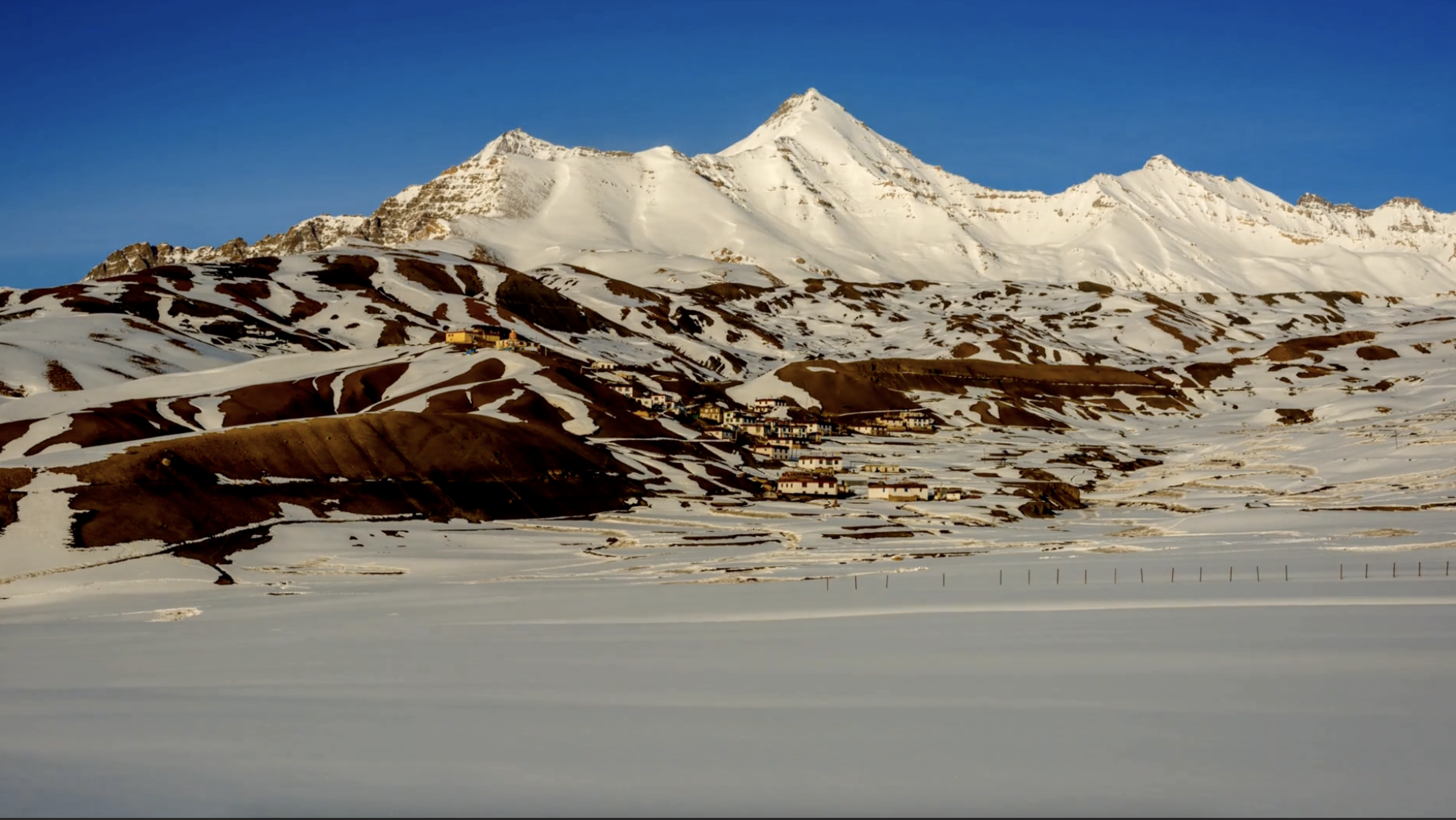
This is a critical point that many first-time winter visitors miss. Both the Manali to Leh Highway and the Srinagar to Leh Highway are completely closed from November to approximately May. The only way to reach Leh in winter is by flight.
As of 2026, the following airlines operate flights to Leh’s Kushok Bakula Rimpochee Airport (IXL) during winter:
- IndiGo: Daily flights from Delhi. This is the most reliable option with the highest frequency.
- Air India: Flights from Delhi, frequency varies by season.
- SpiceJet and Akasa Air: Also fly Delhi to Leh, though winter frequency can be thinner than in summer, so check schedules before you lock dates.
Important tips for winter flights to Leh:
- All flights operate in the morning only (typically 7 AM to 11 AM departures from Delhi). This is because strong afternoon winds make landing unsafe.
- Winter fog in Delhi can cause delays or cancellations. Keep at least 1 buffer day in your itinerary.
- Flight prices range from approximately Rs 5,000 to Rs 16,000 one way depending on demand and booking timing. Book early for better fares.
- Leh airport is at 10,682 feet. You will feel the altitude the moment you step off the plane. Do NOT rush to the expedition site on Day 1. Spend at least 1 to 2 full days in Leh for acclimatization.
For a detailed understanding of winter travel logistics, I recommend reading our Ladakh in Winters: Most Common Itinerary and 6 Special Tips for a Winter Trip to Ladakh.
Permits and Entry Requirements
Here is what you need to know about permits for a snow leopard safari in Ladakh:
- Inner Line Permit (ILP): The Ladakh Administration did away with the Inner Line Permit for domestic tourists back in August 2021, replacing it with the Environment/Development Fee (EDF) system described below. So as of 2026, Indian citizens do not need an ILP for Leh and surrounding areas including Hemis National Park. Foreign nationals still need a Protected Area Permit (PAP) for certain areas of Ladakh.
- Hemis National Park Entry: There is an entry fee for Hemis National Park. For Indian nationals, the fee is approximately Rs 20 to Rs 50 per person. For foreign nationals, it is approximately Rs 100 to Rs 200 per person (older listings quoting Rs 500-600 appear outdated). These fees are subject to change, so verify locally with the park office or your operator.
- Environment / Development Fee (EDF): All visitors to Ladakh are required to pay the EDF, which replaced the ILP in 2021. It is made up of three parts: a one-time green fee of Rs 400 per person, a wildlife fee of Rs 20 per person per day, and an optional one-time Red Cross Fund contribution of about Rs 50 (not a recurring daily charge, despite what some older blogs claim). For a typical 7-day expedition this works out to Rs 540 per person, or Rs 590 if you add the optional Red Cross contribution. You can pay this online before your trip.
- Camera fees: If you are carrying professional photography or filming equipment, there may be additional camera fees inside Hemis National Park. Confirm with the park office or your operator.
Safety Tips for a Winter Wildlife Trip to Ladakh
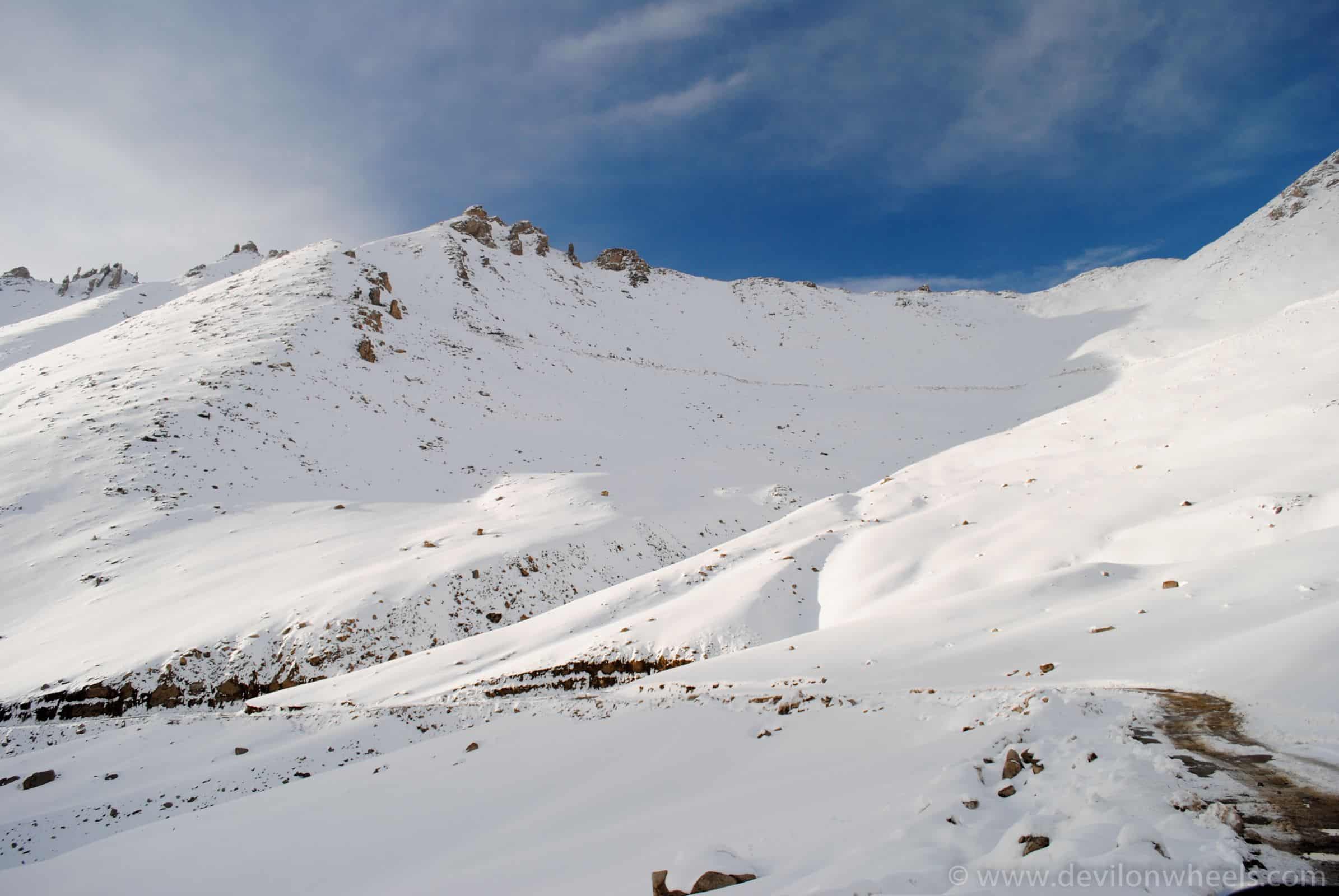
I want to be very direct about this. A winter trip to Ladakh is not a casual holiday. Temperatures drop well below freezing, you are at high altitude with thin air, and medical facilities are limited. Please take a sensible call for yourself and your loved ones. Here are the key safety considerations:
Acute Mountain Sickness (AMS)
Leh sits at 11,500 feet and the expedition sites are at 12,000 to 14,000 feet. AMS symptoms include headache, nausea, dizziness, and difficulty sleeping. In severe cases, it can lead to HACE or HAPE. Spend at least 2 full days in Leh for acclimatization, stay hydrated, consult your doctor about Diamox, and if symptoms persist, descend immediately.
You can read more about this in our detailed guide on Acute Mountain Sickness and Acclimatization.
Extreme Cold
Temperatures in the expedition zones can reach -20 to -25 degrees Celsius in January and February. Frostbite and hypothermia are genuine risks if you are not properly dressed. Always carry more layers than you think you need. Keep your extremities (hands, feet, ears, nose) well covered at all times.
Limited Medical Access and Connectivity
The nearest hospital is SNM Hospital in Leh. From Rumbak or Ulley, evacuation can take several hours. Make sure you have travel insurance covering high-altitude trekking and emergency evacuation. Mobile network coverage inside Hemis National Park is virtually non-existent. BSNL and Jio may work in Leh town, but do not expect any signal at expedition sites. For more details, read our guide on Mobile Phone Connectivity in Ladakh.
Practical Info at a Glance
| Best Time | January to March (Peak: February) |
| Primary Location | Hemis National Park (Rumbak Valley, Ulley Valley) |
| Distance from Leh | Rumbak: ~40 km, Ulley: ~70 km |
| Altitude | 12,000 – 14,000 feet |
| Temperature | -10 to -25 degrees Celsius |
| How to Reach | Flights to Leh (Delhi-Leh daily, Rs 5,000-16,000) |
| Expedition Duration | 5-10 days (7 days recommended minimum) |
| Budget Range | Rs 33,000 (budget) to Rs 2,27,000 (premium) per person |
| Permit Required | Hemis NP entry fee + Ladakh Environment Fee |
| Difficulty | Moderate (cold weather, high altitude) |
| Best For | Wildlife enthusiasts, photographers, nature lovers |
| New Safari Vehicles | Govt-run, flagged off 7 Oct 2026 (Rumbak, Shang, Uley); fares not yet announced |
| Last Updated | October 2026 |
Related Reading on DwD
If you are planning a snow leopard safari, these DwD guides will help you with your overall trip planning:
- Ladakh in Winters: Most Common Itinerary
- 6 Special Tips for a Winter Trip to Ladakh
- Hemis Monastery Ladakh: Complete Travel Guide
- Ladakh Photography Guide 2026: Best Locations, Camera Settings and Timing
- How to Calculate the Budget for a Ladakh Trip
- Best Time to Travel Ladakh and Zanskar Valley
- Leh Ladakh FAQs: Preparing for Your Trip
- Fuel Availability in Leh Ladakh: Petrol Pumps, Spare Fuel & Route Guide
Frequently Asked Questions
What are the chances of seeing a snow leopard in Ladakh?
On a 7-day expedition with experienced trackers in Hemis National Park, success rates range from 50% to 80% during the peak February to March window. Key factors are expedition length, quality of trackers, and weather.
How much does a snow leopard tour cost in Ladakh?
Costs range from Rs 33,000 (budget, self-organized) to Rs 2,27,000 (premium, international operator) per person for a 7-day trip including flights, accommodation, and expedition fee.
What is the best month for a snow leopard safari?
February is the peak month due to post-snowfall prey movement, mating season activity, and clearer tracking conditions. January and March are also productive.
Is it safe to visit Ladakh in winter?
Yes, if you prepare properly. Main risks are AMS (acclimatize 2 days in Leh), extreme cold (-25 degrees C), and limited medical access. Proper clothing, acclimatization, and a responsible operator make it manageable.
Can I do a snow leopard safari independently without a tour operator?
Technically yes, but I would not recommend it unless you have prior winter Ladakh experience. You will still need to hire a local tracker (essential for finding the leopards). Hiring independently costs about Rs 2,000 to Rs 3,000 per day for a tracker. Homestays in Rumbak charge around Rs 1,000 to Rs 2,000 per night with meals.
Do I need a permit for Hemis National Park?
Yes. Indian nationals pay a nominal entry fee of approximately Rs 20 to Rs 50. Foreign nationals pay approximately Rs 100 to Rs 200. You also need to pay the Environment/Development Fee (EDF), which is a one-time Rs 400 green fee plus Rs 20 per day wildlife fee plus an optional one-time Rs 50 Red Cross Fund contribution, done online. The ILP was replaced by the EDF for domestic tourists back in August 2021, so no separate Inner Line Permit is required.
What camera gear do I need for snow leopard photography?
A 500mm to 600mm telephoto lens is considered the minimum for snow leopard photography, since most sightings happen at 200 to 500 meters distance. Carry extra batteries (cold drains them fast), a sturdy tripod, and protective dry bags for your gear. A full guide is available in our Ladakh Photography Guide 2026.
Are there other wildlife species to see during a snow leopard expedition?
Yes. Hemis National Park is home to bharal (blue sheep), Himalayan wolves, Eurasian lynx, red foxes, Tibetan wild ass (kiang), golden eagles, lammergeiers (bearded vultures), and several species of high-altitude birds. Even on days without a snow leopard sighting, the wildlife viewing is rewarding.
How many days do I need for a snow leopard safari?
I suggest a minimum of 7 days for a meaningful snow leopard expedition. This includes 2 days for acclimatization in Leh and 5 days in the field. Longer expeditions (8 to 10 days) significantly improve your chances of a sighting. A 3 to 4 day trip is possible but does not give enough field time for reliable sighting chances.
Is there a jeep safari for snow leopards in Ladakh?
Yes, since October 2026. The Ladakh administration flagged off six government safari vehicles on 7 October 2026, starting in Rumbak, Shang and Uley, with trained local drivers and guides. Fares and booking details had not been published as of October 2026, so confirm with your operator or the Wildlife Department in Leh. Walking with trackers is still the classic way to spot snow leopards.
Can I combine a snow leopard safari with the Chadar Trek?
Both operate in January to February, so it is possible. However, both are physically demanding at high altitude and extreme cold. I would suggest doing them separately unless you can allocate at least 15 to 18 days. Read more in our Zanskar Valley Itinerary guide and the Chadar Trek permits and rules guide.
Conclusion
A snow leopard safari in Ladakh is one of the most special wildlife experiences India offers. With the highest density of snow leopards in the world, a strong conservation framework, and improving tourism infrastructure, Ladakh is the best accessible destination for this experience. The trip requires preparation, the cold is extreme, and the altitude demands respect. But if you plan properly and go with realistic expectations, the reward is something that stays with you.
I suggest booking for February, allocating at least 7 days, and going with a reputable operator who employs local Ladakhi trackers. The budget option at roughly Rs 33,000 to Rs 56,000 is achievable for most Indian travelers, while the mid-range option at Rs 48,000 to Rs 83,000 gives you a worry-free experience.
If you have done a snow leopard expedition or are planning one, I would love to hear from you. Your tips and sighting stories can help other travelers in the DwD community. Feel free to share in the comments section below, and do share this guide with friends and family interested in wildlife travel.
If you have any questions, feel free to ask in the comments section below 🙂
