


Last Updated: March 2026
Long distance motorcycle riding in the Himalayas is the kind of adventure that stays with you forever. If you are anything like me, you have spent countless evenings daydreaming about the open highway, wind in your face, and your entire life packed into two saddlebags. But here is the thing. The dream and the reality are very different animals. I have ridden thousands of kilometers across Ladakh, Spiti, and the Himalayan passes over the years, and every trip has taught me something new about what it takes to ride long distances safely and comfortably.
This guide covers everything I have learned about long distance motorcycle riding, specifically for Indian riders planning trips in the Himalayas. Whether you are riding to Leh via Manali – Leh Highway or crossing into Spiti Valley, these tips will help you ride smarter, stay safer, and enjoy the journey more.
Let's quickly dive into the details:
What Are the Most Important Tips for Long Distance Motorcycle Riding in the Himalayas?
Long distance motorcycle riding in the Himalayas demands more preparation than a regular road trip. You are dealing with altitudes above 10,000 Ft, unpredictable weather, isolated stretches with no mechanic for 200 km, and roads that can go from butter-smooth tarmac to broken gravel in minutes. The tips below come from years of riding these roads, and I hope they save you from the mistakes I made early on.
1. How Far Should You Ride in a Day? Know Your Limits
If the longest ride you have ever done is 250 km, do not plan 500+ km days for a week straight. That is a recipe for exhaustion, poor judgement, and eventually an accident. I have seen riders push themselves hard on Day 1, covering massive distances, only to be completely wiped out by Day 3.
A good rule for Himalayan riding is to cap your daily distance at 200-300 km. In the mountains, 200 km can easily take 6-8 hours because of road conditions, altitude, and the constant hairpin bends. Scale up your capacity gradually over the first 2-3 days. Start with a comfortable 150 km day, then push to 250 km, and only attempt 300+ km once your body has adjusted to the saddle time and altitude.
2. How Should You Prepare Your Motorcycle Before a Long Ride?
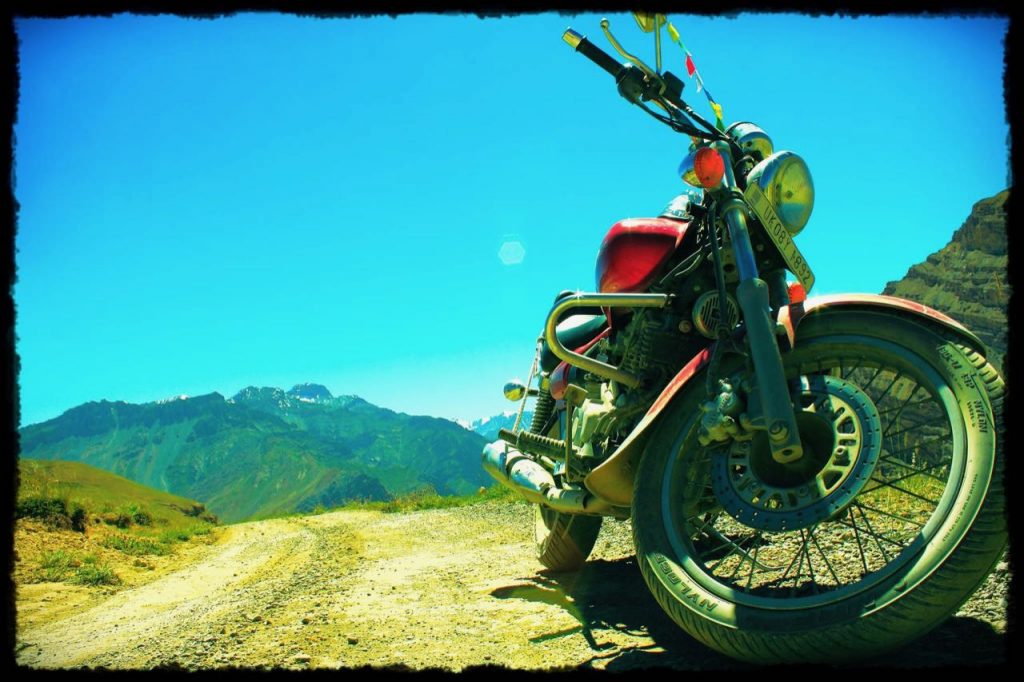
The majority of your journey can be smooth if you plan ahead. If your bike is not in top condition before you start, the road is no place to be making repairs. Get your bike thoroughly checked 2-3 weeks before departure, not the day before. This gives you time to break in any new parts.
Here is what needs checking: engine oil and filter, chain tension and lubrication, brake pads and fluid, tire pressure and tread depth, clutch and throttle cable play, all lights and indicators, battery health, and air filter. I have a detailed guide on preparing your bike for a Ladakh or Spiti ride that covers this in much more detail.
One important caution. Do not add major accessories or make big modifications right before your trip. A new exhaust or handlebar setup needs a few hundred kilometers of riding before you take it into the mountains. However, getting a local mechanic to adjust your seat padding for better comfort is a smart last-minute move.
3. What Protective Gear Do You Need for Long Distance Riding?
First things first, DO NOT ride without protective gear. Trust me on this, it makes a massive difference if you do fall. A good riding jacket with armor, proper riding pants, ankle-covering boots with grip, and a full-face helmet are non-negotiable. Protective gear also gives you a confidence boost when you are navigating tricky terrain.
Your helmet is your best friend on a long ride. Any time is the best time to invest in a helmet that fits perfectly with no pressure points. Make sure you have a new, scratch-free visor. A photochromatic visor is ideal because it adjusts to light conditions automatically, which is incredibly useful when you ride through tunnels like the Atal Tunnel or go from bright sunlight into shadowed valleys.
Gloves are often neglected. Do not expose your hands if you intend to ride for hours at a stretch. Without gloves, your hands will swell up from vibration and wind. I learned this the hard way on my early rides. For more on what to carry, check my complete packing guide for long distance motorcycle riding.
4. How Do You Stay Safe on Himalayan Mountain Roads?
When you are in the game of long distance motorcycle riding, you are truly in a marathon, not a sprint. Forget about speeding through. Slow and steady truly wins the race. In the Himalayas, there is no such thing as “making up for lost time” because the roads simply do not allow it.
Some specific safety rules I follow. When you spot a long-haul truck ahead, maintain safe distance. Those trucks kick up gravel, dust, and occasionally shed parts. If your tank drops below 25%, fuel up immediately. Carrying extra fuel is practically mandatory on routes like Manali – Leh or through Spiti where petrol pumps can be 150-200 km apart.


If it looks like rain is coming, get into your rain suit now. Do not wait for the first drops. Getting soaked on a motorcycle at 12,000 Ft in the Himalayas is not just uncomfortable, it can be genuinely dangerous. Hypothermia sets in fast at altitude. A complete rain suit plus waterproof shoe covers are essential. Keep a large plastic cover for your luggage as well. Being dry is the key to a worthy journey.
5. What Toolkit and Spare Parts Should You Carry?
Access to things becomes vital on a long distance motorcycle trip. Keep your toolkit, flashlight, and first-aid kit within easy reach, not buried under layers of luggage. Less is more has never been truer than in the case of long distance travel on a motorcycle.
Here is my essential toolkit list for Himalayan rides:
- Puncture repair kit (tubeless and tube-type, depending on your tires). You should know how to use it before you need it
- Extra clutch cable and spark plugs. These are the most common failures on mountain roads
- M-seal. This is the most important thing to carry. It can temporarily fix a cracked engine casing, seal a leaking fuel line, or patch just about anything
- Foot pump if your journey goes through isolated areas
- Basic multi-tool, electrical tape, zip ties, and extra engine oil
- Chain lubricant and chain lock
A good first-aid kit should include bandages, antiseptic, painkillers, Diamox (for altitude sickness prevention), ORS sachets, wet wipes, and toilet paper. Carry a torch, a physical map or offline maps on your phone, and a spare mobile phone if possible.
6. When Should You Take Breaks on a Long Motorcycle Ride?
The easiest way to know when to stop is to listen to your body. If your back starts aching (and it will), pull over. Stretch, drink some water, move around, take some pictures, and relax. Do not ride through pain because it only compounds over the hours.
As a thumb rule, take a break every 60-90 minutes for at least 10-15 minutes. Small breaks to cut the monotony actually speed you up in the long run because you return to the saddle with a fresher mind and body. Customize this based on what your body is telling you. On bad road stretches, you may need to stop more often.
At every break, do three things: splash your eyes with water (it livens you up in a heartbeat), check your bike quickly (tire pressure, chain, any unusual sounds), and eat or drink something small. I personally enjoy washing my face with ice-cold river water to get the circulation going. In the hills, every stream gives you that option 🙂
7. How Do You Manage Rider Fatigue at High Altitude?
This is something most articles about long distance riding do not cover, and it is one of the biggest challenges you will face in the Himalayas. Rider fatigue at high altitude is a completely different beast compared to plains riding. At 12,000-15,000 Ft, your body is already working harder just to breathe. Add 6-8 hours of concentration on challenging roads, and fatigue compounds rapidly.
Signs of altitude-compounded fatigue include slower reaction times, difficulty maintaining a line through corners, irritability with co-riders, and an overwhelming urge to rush just to “get there.” If you notice any of these, stop immediately. No pass, no viewpoint, no hotel check-in time is worth riding fatigued.
What helps: get at least 7-8 hours of sleep every night, avoid alcohol completely (it worsens altitude effects), carry packets of mixed dry fruits and nuts for energy while riding, and consume them regularly. Do not rely on caffeine or energy drinks to push through. If you are tired, the only real solution is to stop.
8. What Should You Eat and Drink on a Long Distance Ride?
Road trips in the Himalayas come with limited food choices. Whatever you can get at the next dhaba is often your only meal. Think of all the Maggi you will consume! If you cannot manage to eat healthy, at least eat light. Heavy meals lead to indigestion, sleepiness, and sluggish reactions on the bike.
If you are unsure about the food quality at a roadside stall, stick to the classics: bread, butter, toast, omelets, and dal-rice. These are safe bets almost everywhere. Avoid heavy oily food, especially before a long riding stretch.
Hydration is the most important and most ignored piece of advice. When you are riding at altitude, you must drink at least 2-3 liters of water a day. Dehydration amplifies the effects of AMS, and tiredness, aches, and cramps get more severe. Keep sipping regularly rather than drinking large amounts at once. Add ORS (not glucose) to your water to replenish salts and minerals.
I would also suggest adding a daily vitamin supplement during your trip. Check with your doctor before taking anything, though. In case of headaches, try Disprin first. Save the stronger medicines for when you reach your destination and can rest properly.
9. How Do You Maintain Proper Riding Posture on Long Rides?
When you are riding 200+ km a day, your body will feel it. Backaches are a natural part of long distance riding, especially if your posture is compromised or you are not a regular rider. The key is to minimize the damage.
Wear a riding jacket with spine support. Yes, it might get hot in the scorching Indian summers, but it is genuinely helpful for back support during long hours in the saddle. Do not tie anything on your body. No backpacks, no cameras around your neck, no pouches on the waist. Keep your back, waist, and shoulders completely free and light.
A bag strapped on the pillion seat works as excellent back support. If that is not an option, a kidney belt (waist belt) keeps your back erect and reduces strain. Adjust your handlebar position and foot peg placement for the most natural riding posture. Small adjustments here make a huge difference over hundreds of kilometers.
And yes, your butt will hurt no matter what you do. So be prepared for that 🙂 A gel seat pad or getting your seat re-padded before the trip helps significantly.
10. How Should You Handle Road Awareness in the Himalayas?
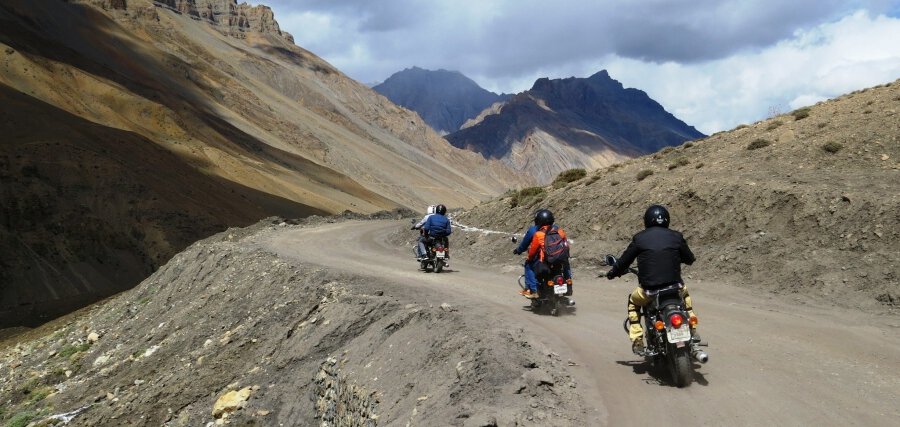
It is essential, especially on Indian mountain roads, that you stay alert and vigilant at all times. A nice two-lane highway can turn into a pothole-ridden mess within a few short minutes. In the Himalayas, you also have to deal with oncoming traffic on narrow roads, sharp blind bends, army convoys, overloaded trucks, and the general tendency of drivers to not follow lane discipline.
Keep in mind that your smooth roads will not last forever. After a stretch of beautiful tarmac, you might suddenly hit a landslide zone with loose rocks and slush. Ride at a speed where you can stop safely within the distance you can see ahead. This is especially critical around blind corners.
For riders doing bike rides through Spiti Valley or the highest motorable passes, remember that road conditions change dramatically with weather. BRO (Border Roads Organisation) works constantly but fresh landslides, water crossings, and damaged stretches are part of the experience. Check my guide on handling water crossings on your motorcycle before you go.
What Are the Common Challenges in Long Distance Motorcycle Riding?
Even if you prepare well and follow every tip in this guide, you will still face certain challenges. Being mentally prepared for them makes the difference between a miserable experience and an adventure you will tell stories about for years.
Wet Feet and Shoes
One of the biggest and most persistent problems on Himalayan rides. Water crossings, rain, and even morning dew will get into your shoes. You need a good pair of riding boots where grip is more important than waterproofing. Carry LOTS of extra socks, at least 4-5 pairs. You can try covering your shoes with plastic bags but this rarely keeps them completely dry. The real solution is to carry a spare pair and dry your feet as soon as possible when they get wet.
Wind and Eye Fatigue
The Himalayan wind is a major challenge for bikers. It hits your head, neck, and eyes constantly. A full-face helmet helps, but good riding sunglasses or a photochromatic visor make even more sense. Keep eye drops handy and use them during breaks. I make it a point to splash water on my eyes at every stop.
Cold Weather Riding
Even in peak summer (June-July), temperatures at passes like Baralacha La (16,040 Ft), Khardung La (17,582 Ft), or Chang La (17,585 Ft) can drop near freezing. Layering is the solution. A thermal base layer, a fleece mid-layer, and your riding jacket as the outer shell. For detailed cold weather advice, read my guide on tips for cold weather motorcycle riding.
Navigation and Communication
Mobile network coverage is unreliable in most of the Himalayas. BSNL postpaid has the widest coverage across Ladakh and Spiti, but even that drops out in many stretches. Download offline maps (Google Maps or OsmAnd work well) before you leave. Keep a physical backup of your route and key phone numbers. If you are riding in a group, invest in a basic walkie-talkie set for communication between riders.
What Should Your Pre-Ride Checklist Look Like?
Before every ride day, run through this quick checklist. It takes 5 minutes and can save your entire day.
- Tire pressure: Check both tires. Mountain roads with gravel and potholes punish under-inflated tires
- Chain: Should have about half-inch play. Lubricate if dry
- Brakes: Squeeze both levers and press the rear brake. They should feel firm
- Fuel level: Plan your fuel stops for the day. Know where the next petrol pump is
- Lights: Headlight, brake light, indicators. All must work
- Luggage: Everything secure? Nothing loose that could shift while riding?
- Rain gear: Accessible without unpacking everything?
- Documents: License, RC, insurance, pollution certificate, and permit copies
Other Articles in the Spiti – Ladakh Bike Ride Series
This article is part of a comprehensive series on motorcycle riding in the Himalayas. Here are the related guides that cover specific aspects in detail:
- Preparing Your Bike for a Ladakh or Spiti Ride
- Packing Guide for Long Distance Motorcycle Riding
- Safely Carrying Spare Fuel and Luggage on Your Motorcycle
- Tips for Cold Weather Motorcycle Ride in Ladakh or Spiti
- Clothes and Accessories to Carry on a Ladakh Bike Ride
- Tips for Handling Water Crossings on a Ladakh or Spiti Bike Ride
- How to Hire or Rent a Bike in Manali for Your Ladakh Trip
Conclusion
Long distance motorcycle riding in the Himalayas is an art. It requires you to plan well, respect your body, and stay alert on the road. The mountains will test you, but if you ride prepared and ride smart, the rewards are beyond anything you can imagine. I can promise you that.
The key takeaway from all my years of riding: never rush. The Himalayas reward patience. Stop when your body says stop, fuel up before you think you need to, and gear up before the weather turns. These simple habits will make your ride safer and more enjoyable.
If you have any questions about planning your motorcycle trip, feel free to ask in the comments below or join the DwD Community where fellow riders share real-time updates, responsible travel tips, and find travel partners for upcoming rides. Happy and safe travels to you, my friend 🙂
Frequently Asked Questions
How many kilometers should I ride per day on a Himalayan motorcycle trip?
For most riders, 200-300 km per day is a comfortable and safe range in the Himalayas. Mountain roads are slow, with average speeds of 30-40 km/h due to bends, altitude, and road conditions. Start with shorter 150 km days and increase gradually as your body adjusts.
What is the best motorcycle for long distance riding in Ladakh and Spiti?
Royal Enfield Himalayan is the most popular choice for Himalayan rides because of its comfortable ergonomics, good ground clearance, and easy availability of spare parts in towns like Manali and Leh. The RE Classic 350 and KTM Adventure 390 are also commonly used. What matters more than the bike model is that your motorcycle is well-serviced and you are comfortable riding it.
Do I need a special license for motorcycle touring in the Himalayas?
No special license is needed. A regular Indian motorcycle driving license is sufficient. However, if you are renting a bike in Manali, you will need to show your original license. For Ladakh, you need an Inner Line Permit (ILP) for areas like Nubra Valley, Pangong Lake, and Hanle. Spiti Valley requires an Inner Line Permit beyond Sumdo.
How do I prevent altitude sickness while motorcycle riding at high passes?
Ascend gradually, ideally not gaining more than 1,000-1,500 Ft of sleeping altitude per day. Stay hydrated with 2-3 liters of water daily. Avoid alcohol and heavy meals at altitude. Consider taking Diamox (after consulting your doctor) as a preventive measure. Most importantly, acclimatize for a full day in Leh (11,520 Ft) before heading to higher passes. Read my detailed guide on AMS prevention and acclimatization.
What should I do if my motorcycle breaks down in a remote area?
Carry a basic toolkit and know how to fix a flat tire, replace a spark plug, and adjust a clutch cable. These are the three most common breakdowns. If the problem is beyond your skill, flag down a passing vehicle for help. Truckers and other bikers on Himalayan routes are generally very helpful. Keep your phone charged and have offline maps downloaded. In absolute emergencies, BRO camps along major highways can provide basic assistance.
Is it safe to ride a motorcycle alone in Ladakh or Spiti?
Solo riding is common and generally safe if you are experienced, well-prepared, and inform someone about your daily route plan. The risks are higher because there is no backup if you fall or your bike breaks down in an isolated stretch. Riding in a group of 2-3 bikes is always safer. If you ride solo, stick to popular routes and avoid isolated trails, especially during monsoon (July-August) when landslides are frequent.
