


Most travelers visiting Ladakh make a beeline for Pangong Tso and Tso Moriri. And honestly, I get it. These lakes are stunning. But after more than a decade of exploring Ladakh, I can tell you that some of the most rewarding experiences I have had were at lakes that most people have never even heard of. Hidden in the folds of the Changthang plateau, tucked behind high passes, and scattered across the remote corners of Nubra and Zanskar, these lesser-known lakes of Ladakh will give you a reason to plan yet another trip.
In this guide, I am sharing 8 lesser-known lakes in Ladakh that I have either visited personally or know from fellow travelers in our DwD community. Each lake comes with practical details on how to reach, permits needed, altitude, and what to expect on the ground. If you have already done the standard Ladakh circuit and want something truly offbeat, this list is for you.
Let's quickly dive into the details:
What Makes These Lakes Different from Pangong and Tso Moriri?
The famous lakes of Ladakh, Pangong Tso and Tso Moriri, are well-connected, have accommodation options nearby, and see thousands of visitors every season. The lakes on this list are the opposite. Most of them require special permits, dedicated planning, and a willingness to travel on rough tracks with no help available for hours. That is exactly what makes them special. You will not find tourist crowds, selfie sticks, or roadside cafes here. What you will find is Ladakh in its most raw and undisturbed form.
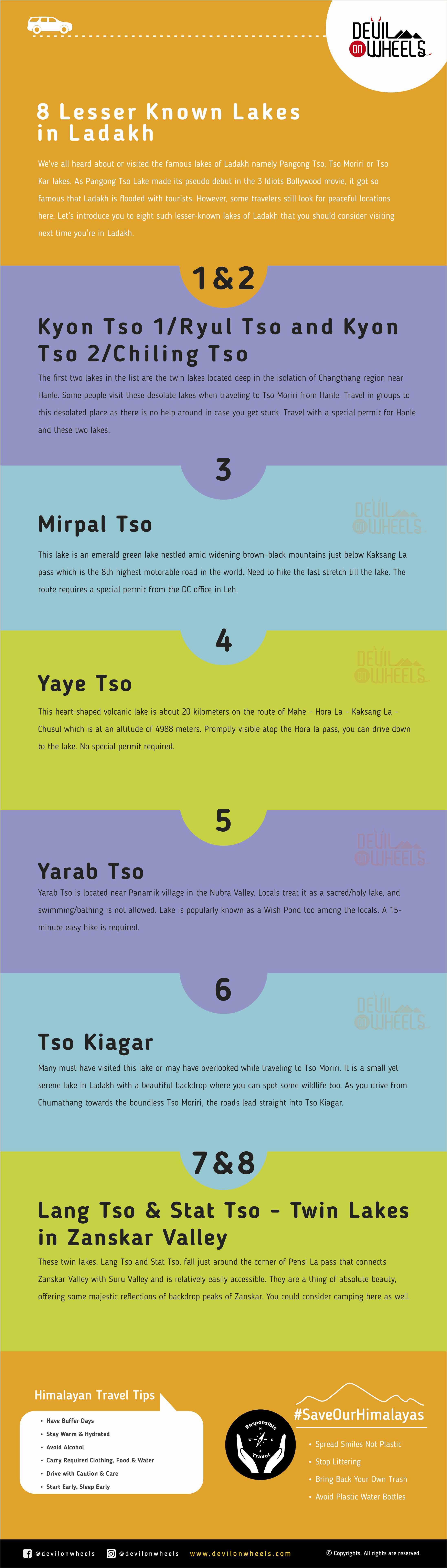
Download your FREE high-resolution PDF copy of this infographic guide. If you found it helpful, please feel free to share it with your family and friends.
How Do You Get Permits for These Remote Lakes in Ladakh?
Before I get into the individual lakes, let me address the most common question. Most of these lakes fall in restricted or protected areas, and there is no longer a stamped Inner Line Permit (ILP) to worry about, that requirement ended in 2021. In its place, Indian nationals pay the Ladakh Environment and Development Fee (EDF) entirely online at lahdclehpermit.in: Rs 400 per person one-time, plus Rs 20 per person per day (wildlife fee), plus an optional one-time Rs 50 Red Cross Fund contribution. Works out to about Rs 590 for a standard 7-day trip. The receipt is valid for 21 days and covers Nubra Valley, Pangong, Tso Moriri, Hanle, and most Changthang areas on a single document, no in-person stamping required.
For some lakes like Mirpal Tso (via the Chusul-Kaksang La route), you may need a special permit from the DC office in Leh since the route passes close to the LAC. Keep in mind that the army presence is heavy in these areas, and permits are checked multiple times. Always carry printed copies along with a valid photo ID.
Practical Information for Visiting Offbeat Lakes in Ladakh
| Detail | Information |
|---|---|
| Best Time to Visit | June to September (roads open, weather stable) |
| Permit Required | Online EDF (no stamped ILP since 2021) for all. Special in-person permit from Leh DC office for Mirpal Tso/Chusul route |
| EDF Cost (2026) | Rs 400 one-time + Rs 20/person/day + Rs 50 optional Red Cross (~Rs 590/7-day) |
| Vehicle Recommended | 4×4 SUV or adventure motorcycle. No sedans. |
| Fuel | Last pump at Leh (Karu for Changthang side). Carry extra. |
| Mobile Network | BSNL postpaid works intermittently. No signal at most lakes. |
| Accommodation | No hotels near any lake. Carry camping gear or return to base. |
| Altitude Range | 10,500 ft (Yarab Tso) to 16,500 ft (Ryul Tso) |
Which Are the 8 Lesser-Known Lakes in Ladakh Worth Visiting?
I have arranged these lakes roughly by difficulty level. The first ones require serious off-roading and group travel, while the last few are accessible to anyone with a standard Ladakh itinerary. All of them, without exception, are worth the effort.
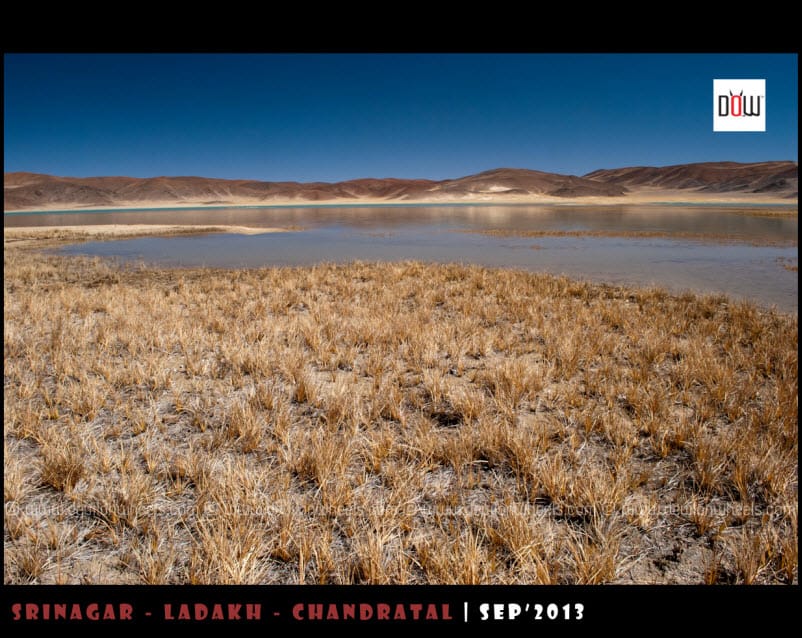
1. Kyon Tso 1 (Ryul Tso) and 2. Kyon Tso 2 (Chilling Tso) – Twin Lakes of Changthang
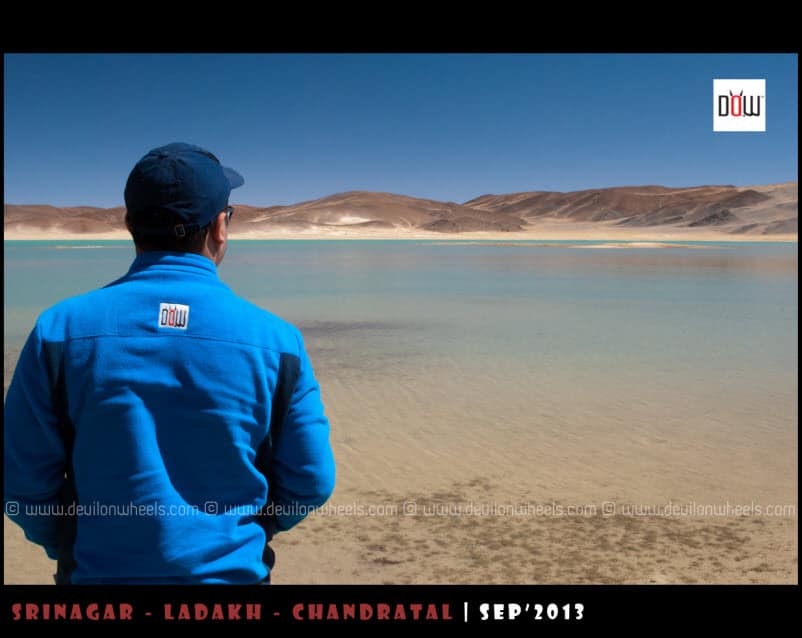
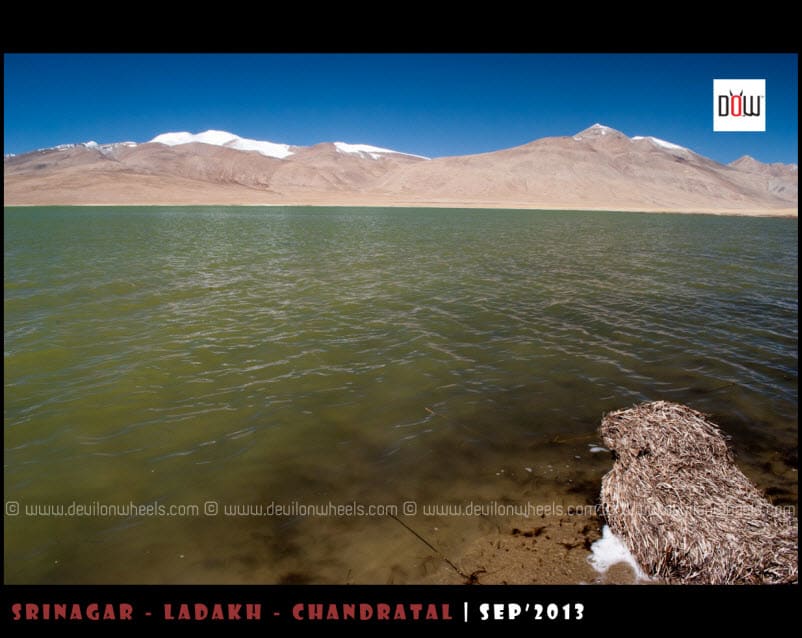
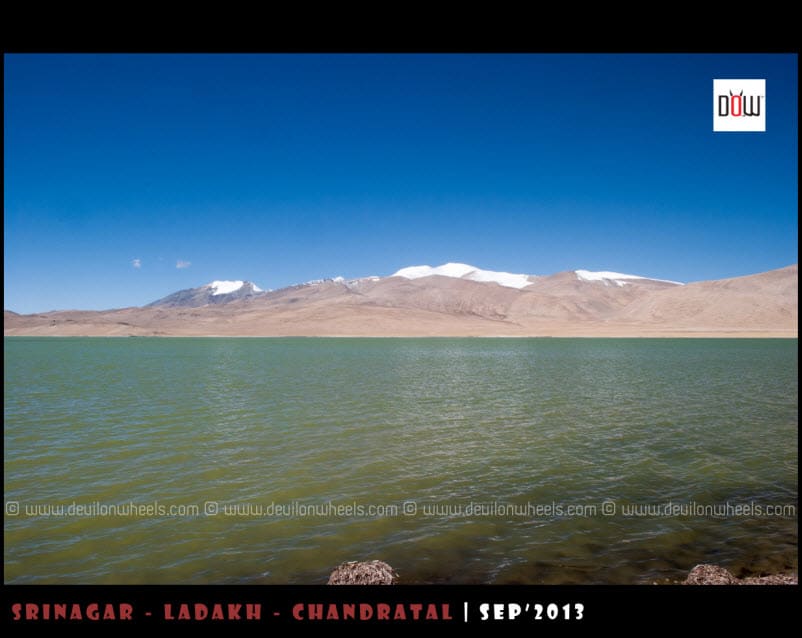
The twin lakes of Ryul Tso and Chilling Tso sit at approximately 5,000 meters (16,400 ft) in the deep isolation of the Changthang region near Hanle. We visited them in 2013 during the DoW Ladakh Mega Meet, and it remains one of the most memorable experiences of all my Ladakh trips. These two lakes sit close to each other, one on your left and the other on the right as you approach, and the emptiness around them is absolute.
Some travelers visit these desolate lakes when traveling to Tso Moriri from Hanle directly. The route from Hanle goes through the back of the Indian Astronomical Observatory and covers about 58 km one way. You must travel in a group because there is no help around in case you get stuck. I cannot stress this enough.
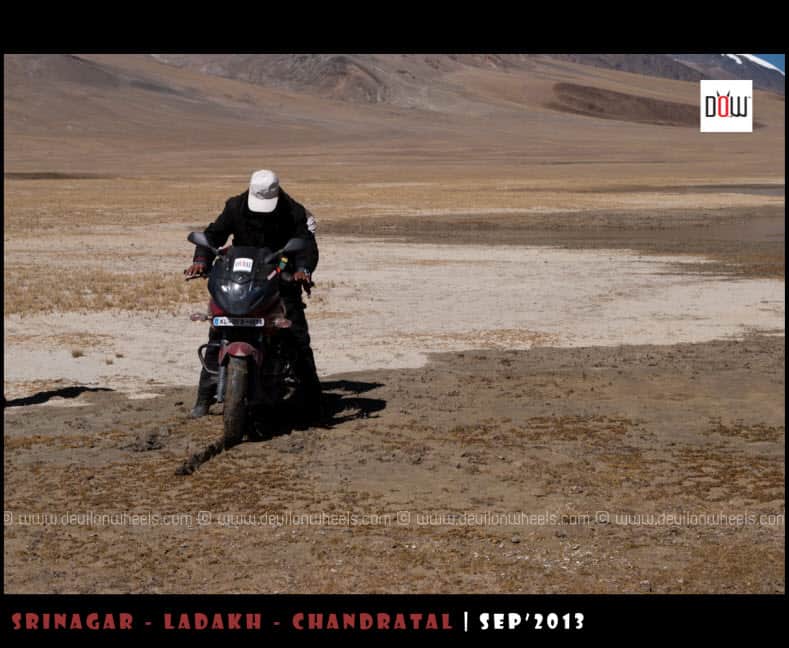
Critical warning about marshes: Do not take your vehicle anywhere near the lake shores. There are marshes that will suck the tires of your vehicle in, and you will spend the entire day digging it out. We learned this the hard way. Enjoy the views from a safe distance or hike to the shores on foot.
While traveling to these lakes, you can also visit Thit Zarbo La before the Nidar region in Nyoma. You will need the ILP with Hanle marked on it. Once you reach Hanle, take the road or off-road track from Hanle to Thitzarbo La, then continue to Nidar and Nyoma. Do not venture into this region alone or in a small group. Always travel with a valid permit and at least two vehicles.
Pro Tip: If you are doing a self-drive to these remote places in Ladakh or Zanskar Valley, make sure to read the article 40 Must Have Things to Carry on a Self Drive Trip to Ladakh. Carrying extra fuel, spare tires, and basic tools is non-negotiable for this route.
3. How Do You Reach Mirpal Tso Near Kaksang La?
Mirpal Tso is an emerald green lake sitting at approximately 4,913 meters (16,122 ft), nestled just below Kaksang La pass amid brown-black mountains. The deep green hue it gets from the minerals in the surrounding rock is unlike anything else in Ladakh. When visiting this lake, you also get to cross Kaksang La, one of the highest motorable passes in the world.
However, do not be fooled by photos you may have seen online. There is still no proper road to the banks of the lake. You can see it from the pass, but reaching the shore requires a hike over loose scree. The total distance from Leh is approximately 280 km via the Chumathang-Mahe-Kaksang La route.


Two routes to Mirpal Tso:
- From Chumathang side: Leh to Upshi (47 km) to Chumathang (47 km) to Mahe (26 km) to Kaksang La (33 km) to Mirpal Tso (11 km). Total: ~280 km, full day drive.
- From Pangong Tso side: Spangmik to Man to Merak to Chusul to Mirpal Tso (~70 km from Chusul). This route requires a special permit from the DC office in Leh, and the army often restricts travel beyond the Chusul-Nama checkpost.
Just like the twin lakes, do not venture on this route alone or in a small group. The terrain is desolate and full of sharp stones. We busted two tires on our Fortuner and ended up borrowing a spare from the Pajero in our convoy to reach Chumathang safely at night. Carry at least two spare tires and a tire repair kit.
4. What Is Special About Yaye Tso, the Heart-Shaped Lake?
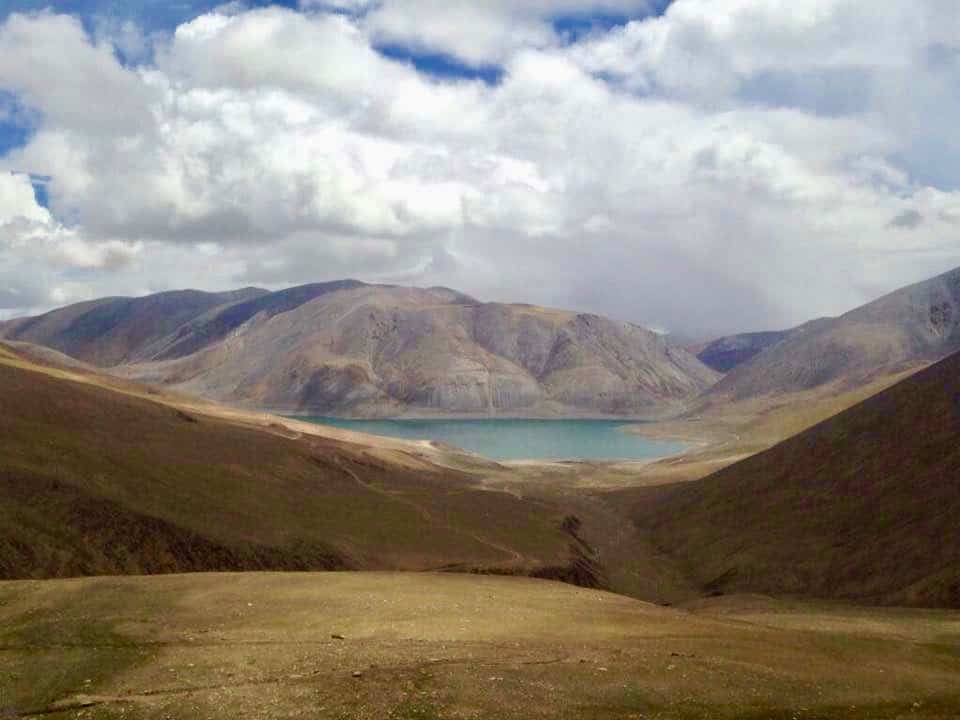
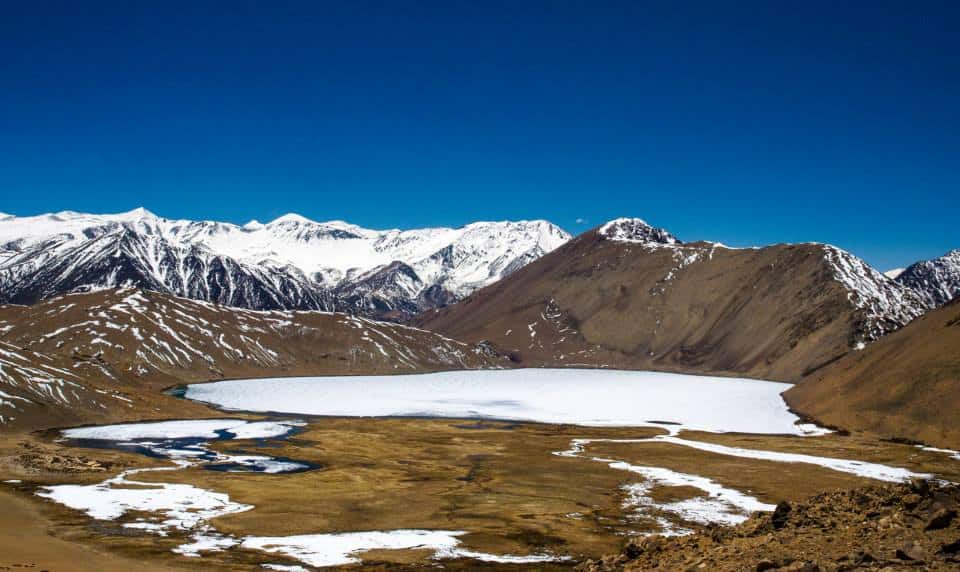
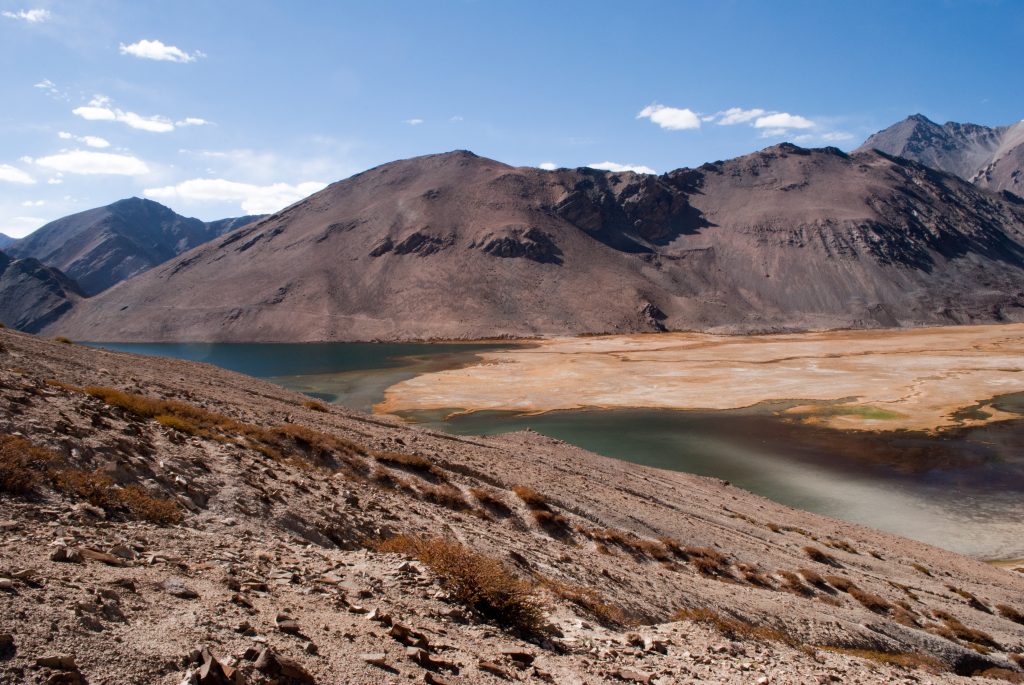
About 20 km on the route from Mahe towards Hora La, you will spot a heart-shaped volcanic lake at an altitude of 4,988 meters (16,368 ft). This is Yaye Tso, and its name translates to “Heavenly Lake” in the local language. The lake is promptly visible from atop Hora La pass, and you can actually drive down closer to it.
There is a small Yaye village nearby along with a monastery and nunnery. One thing to be very careful about is the presence of quicksand near the lake. Do not walk too close to the water’s edge without checking the ground first.
The good news is that the road from Mahe to Hora La is reasonably well-built, and you do not need any special permit to travel up to Hora La. The standard Changthang ILP covers this area. There are many shortcuts visible on the route, but I will suggest staying away from them as they can cause serious trouble for your car. You can hike from Nurpa La or Thato La (which come before Hora La) to get a stunning vantage point view of Yaye Tso from above.
5. Where Is Yarab Tso, the Sacred Wish Pond of Nubra Valley?
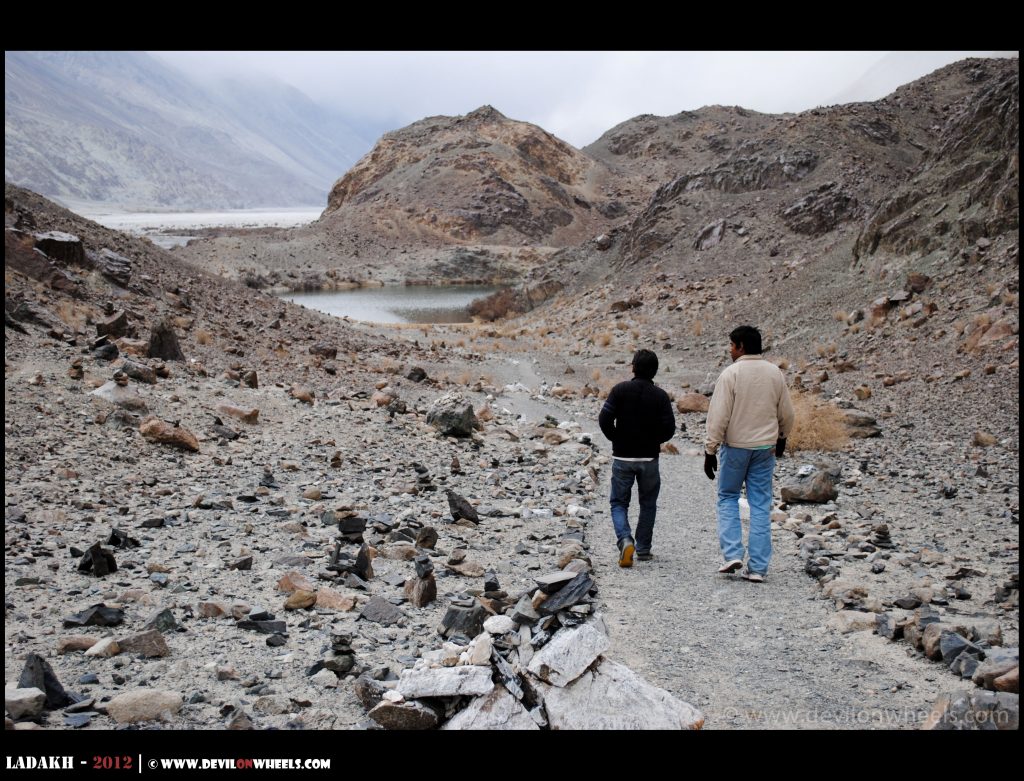
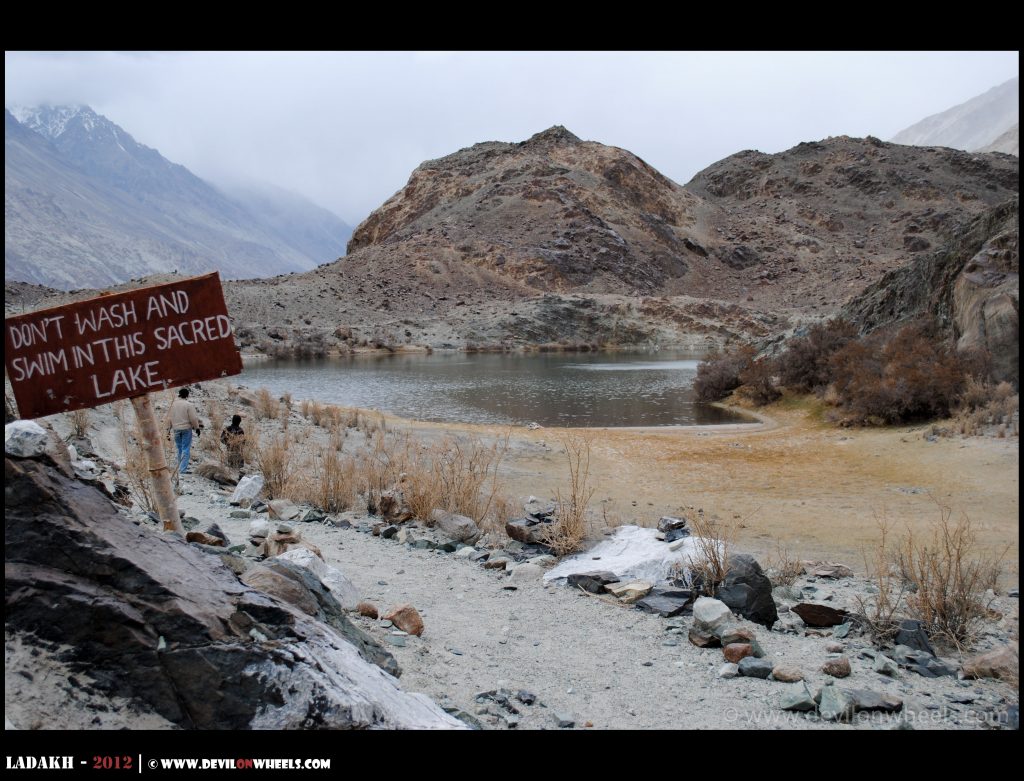
If the previous lakes felt too extreme for you, Yarab Tso is the most accessible lake on this list. This small sacred lake (more of a pond, really) is located near Panamik village in Nubra Valley, at around 10,500 ft. Locals in Nubra consider it a wish pond, and swimming or bathing is strictly not allowed. It holds deep religious significance for the Buddhist community here.
To reach Yarab Tso, look for the traditional prayer flag gate just before you enter Panamik village. A rough dirt track goes to the left, taking you to the foot of a small hill. The hike to the lake from that point is hardly 15-20 minutes. If you approach from the Panamik village side, the hike is a bit tougher and longer, but still doable for most fitness levels.
In case you are visiting Panamik for the hot springs, adding Yarab Tso to your day plan takes very little extra effort and is worth the short detour.
You should always carry your water bottle and refill it as many times as you need water. It will not only keep you hydrated always, but you will also help in saving the Himalayas from plastic garbage. Remember, every tiny step counts and your step in this direction can help save the Himalayas too !! 🙂 🙂
6. Why Should You Stop at Tso Kiagar on the Way to Tso Moriri?
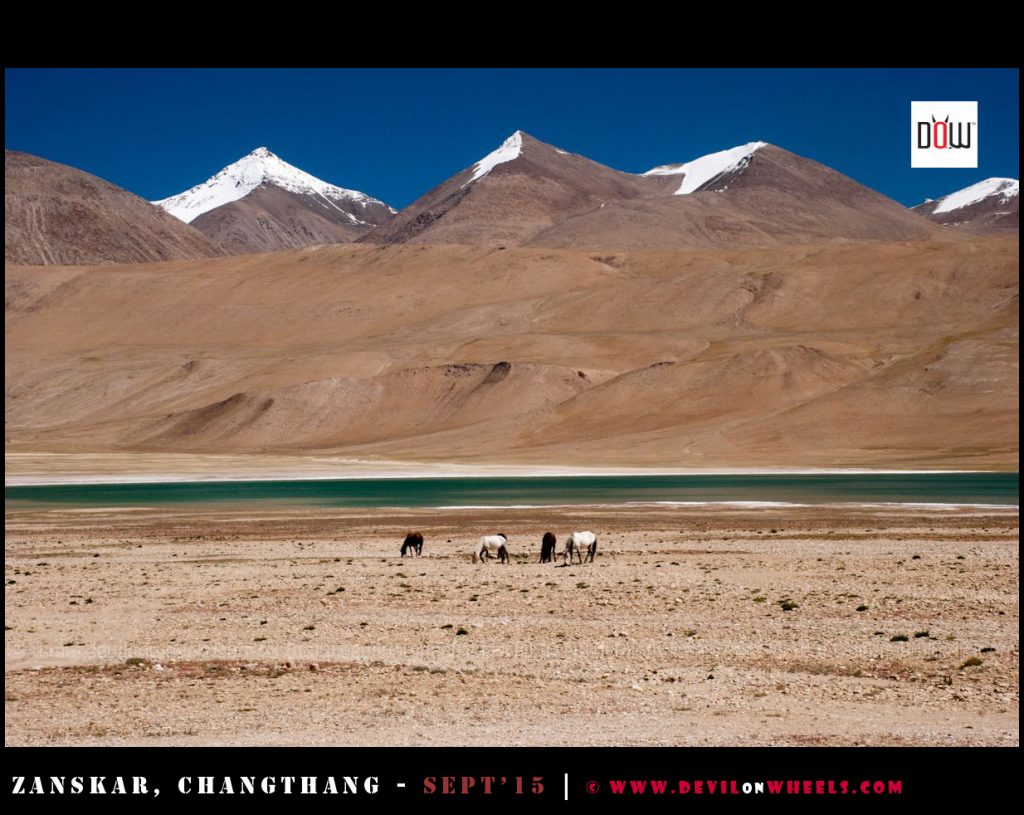
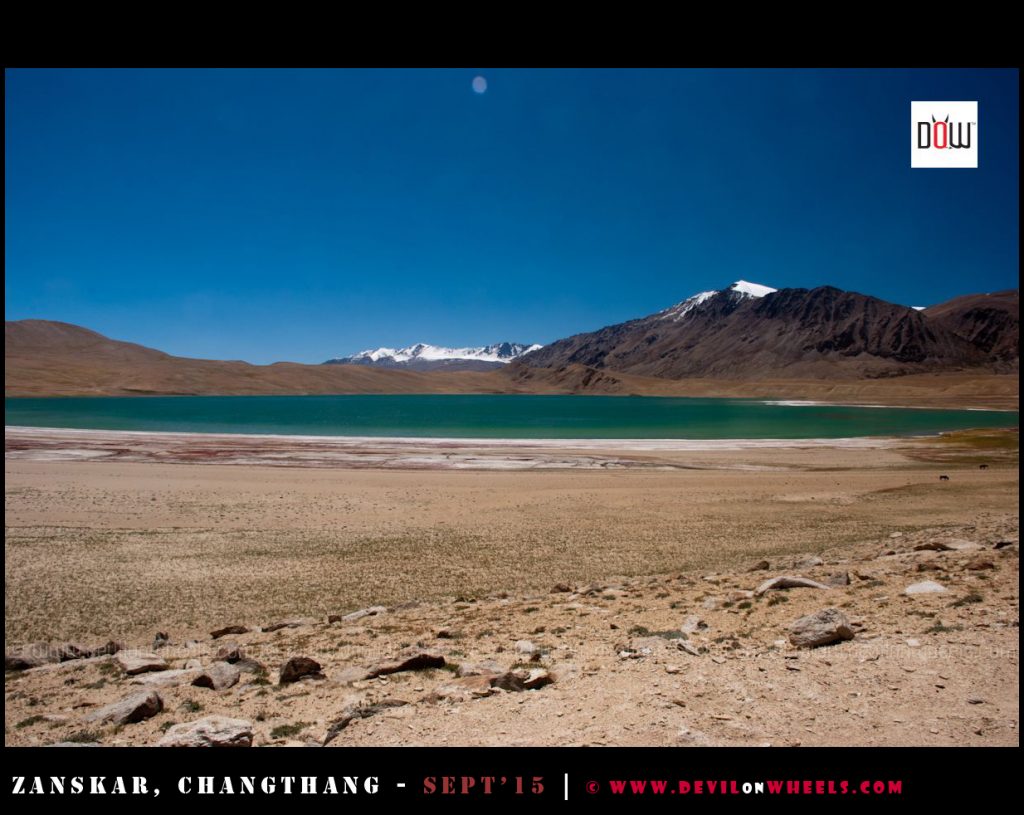
I am willing to bet that many of you have driven past this lake without stopping. Tso Kiagar sits at approximately 4,700 meters (15,420 ft) on the Chumathang to Korzok road, right on the standard route to Tso Moriri. Most people are so focused on reaching Tso Moriri that they drive past Tso Kiagar without giving it a second glance. That is a mistake.
The lake may look small from the road, but the backdrop of mountains and the wildlife around it make it genuinely special. We have spotted kiangs (wild asses), marmots, and various migratory birds here. If you are interested in camping in Ladakh, pitching your tent near Tso Kiagar for a night will be an experience you remember long after the trip ends.
No special permit is needed beyond the standard Changthang ILP that you already have for Tso Moriri. My suggestion: stop here for at least 30-45 minutes on your way to Korzok. Walk around, take in the silence, and let your eyes adjust to the stunning play of light on the water. More people should appreciate this lake instead of rushing past it.
7. Lang Tso and 8. Stat Tso – Can You Camp at the Twin Lakes Near Pensi La?
These twin lakes are technically in Zanskar Valley rather than Ladakh, but since they fall on the Kargil-Padum highway near Pensi La pass (14,436 ft), most travelers visiting Ladakh can access them. If you have already gone through the most common itinerary of Zanskar Valley, you might have seen these lakes mentioned as a stop between Kargil and Rangdum.
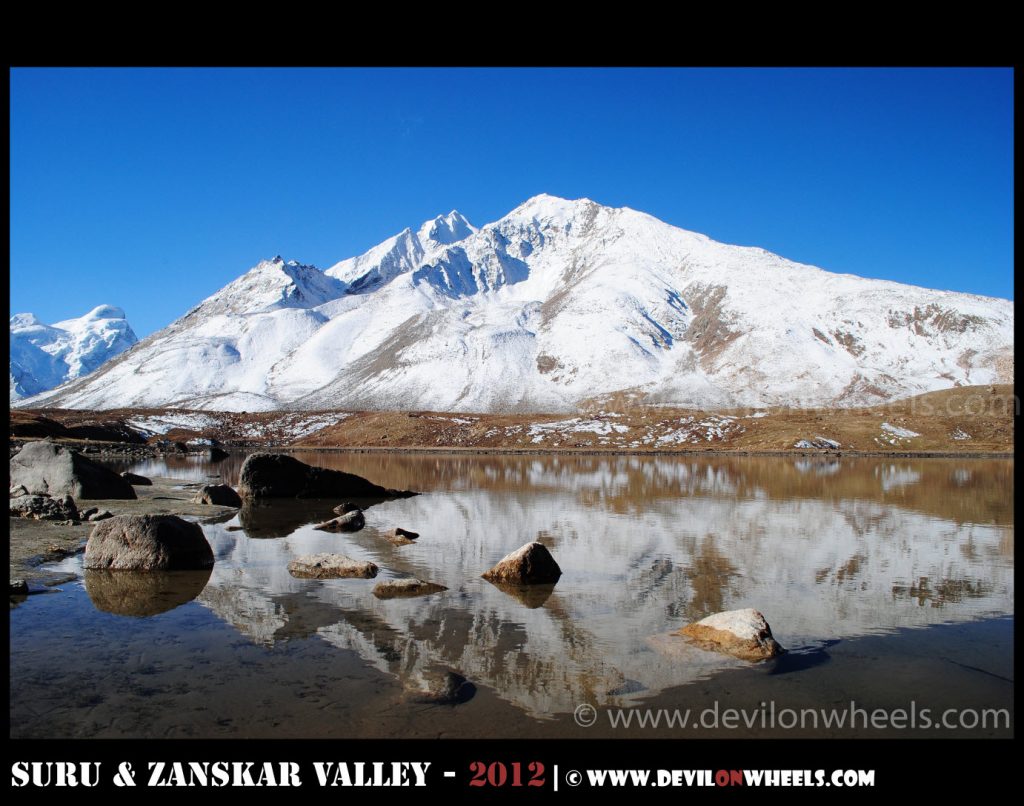
Lang Tso and Stat Tso adjoin Pensi La and are absolutely stunning, especially in the early morning light when the peaks of Zanskar reflect perfectly on the still water. Unlike the remote Changthang lakes, these twin lakes are 100% accessible to anyone who can drive to Pensi La on the Kargil-Padum road. No special permits needed beyond the standard Ladakh ILP.
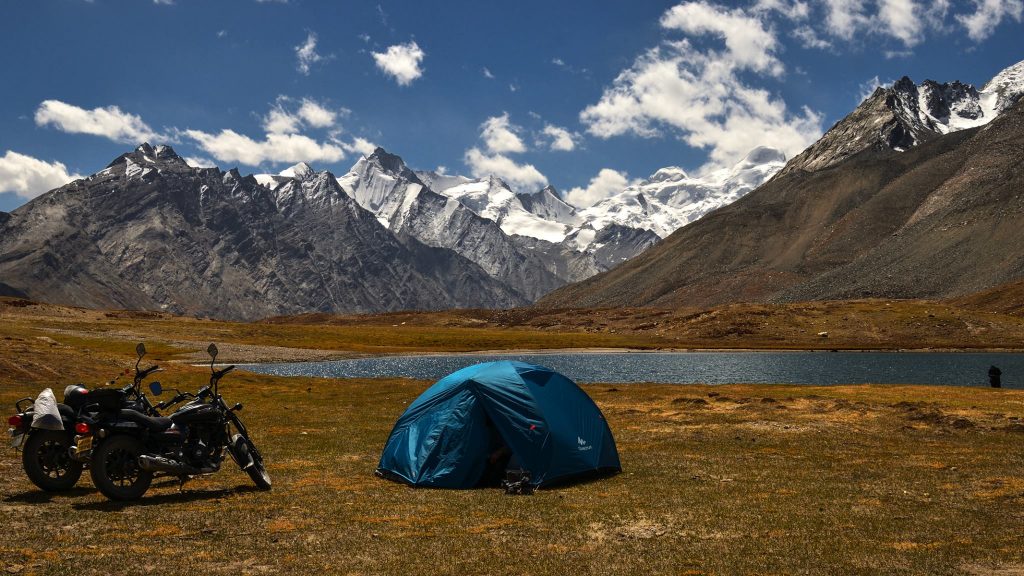
If you want to camp here, keep in mind that the altitude is around 14,000 ft and nights can be bitterly cold even in July. Make sure you are properly acclimatized before attempting to sleep at this altitude. If you have a couple of spare days at Kargil, a great plan is: Day 1, drive from Kargil to the twin lakes and Rangdum. Day 2, return to Kargil. This gives you a taste of Zanskar’s wild beauty without committing to the full Padum trip.
How Do You Plan an Itinerary to Visit These Lakes?
You cannot visit all 8 lakes in a single trip unless you have at least 15-18 days and a very well-planned itinerary. Here is how I would group them based on the routes they fall on:
Changthang Circuit (5-7 days from Leh): Covers Kyon Tso 1, Kyon Tso 2, Yaye Tso, Mirpal Tso, and Tso Kiagar. Base yourself in Hanle for the twin lakes, then take the Mahe-Hora La-Kaksang La circuit for Yaye Tso and Mirpal Tso. Stop at Tso Kiagar on your way to or from Tso Moriri via Chumathang. This circuit requires a minimum of two 4×4 vehicles, extra fuel, and camping gear.
Nubra Valley add-on (1 day): Visit Yarab Tso as a half-day trip when you are already in Nubra Valley. Combine it with Panamik hot springs.
Zanskar detour (2-3 days from Kargil): Visit Lang Tso and Stat Tso on a Kargil-Rangdum-Kargil loop. This can be combined with a longer Zanskar Valley trip if you have the time.
What Should You Carry When Visiting Remote Lakes in Ladakh?
These are not your usual tourist spots. For the Changthang lakes especially, you need to be fully self-sufficient. Based on our experience from multiple trips to these areas, here is a checklist:
- Extra fuel: At least 20-30 liters beyond your tank capacity. Karu has the last reliable fuel pump before Changthang on the Upshi-Chumathang route. If you are headed to the Hanle-side lakes (Kyon Tso, Mirpal Tso, Yaye Tso), the pump at Nyoma, operational since 2024, is the better top-up point since it sits much closer to that circuit than Karu does. There is also a pump at Tangtse, running since 2023, about 34 km before Pangong, useful if you are pairing Tso Kiagar with a Pangong add-on.
- Two spare tires: Sharp stones on these routes will puncture tires. One spare is not enough.
- Tire repair kit and air compressor: Non-negotiable for off-road routes.
- Camping gear: There is no accommodation at any of these lakes. Carry a good quality tent rated for high altitude winds.
- Warm clothing: Temperatures drop to -5 to -10 degrees Celsius at night, even in July at 15,000+ ft.
- Food and water: Carry enough for 2-3 days minimum. Water purification tablets for lake water (do not drink directly).
- First aid and AMS medication: Diamox, Disprin, and ORS packets. Read our AMS prevention guide before going.
- Satellite phone or InReach: There is zero mobile network at most of these locations. BSNL postpaid may work at Hanle village and Panamik, but not at the lakes themselves.
Quick Reference: All 8 Lakes at a Glance
| Lake | Altitude | Location | Difficulty | Special Permit? |
|---|---|---|---|---|
| Ryul Tso (Kyon Tso 1) | ~16,500 ft (5,029 m) | Changthang, near Hanle | Very Hard | ILP with Hanle |
| Chilling Tso (Kyon Tso 2) | ~16,076 ft (4,900 m) | Changthang, near Hanle | Very Hard | ILP with Hanle |
| Mirpal Tso | ~16,122 ft (4,913 m) | Near Kaksang La pass | Hard | DC office permit for Chusul route |
| Yaye Tso | ~16,368 ft (4,988 m) | Near Hora La pass | Moderate | Standard Changthang ILP |
| Yarab Tso | ~10,500 ft (3,200 m) | Panamik, Nubra Valley | Easy | Standard Nubra ILP |
| Tso Kiagar | ~15,420 ft (4,700 m) | Chumathang-Korzok road | Easy (roadside) | Standard Changthang ILP |
| Lang Tso | ~14,436 ft (4,400 m) | Near Pensi La, Zanskar | Easy (roadside) | Standard ILP |
| Stat Tso | ~14,436 ft (4,400 m) | Near Pensi La, Zanskar | Easy (roadside) | Standard ILP |
What Is the Best Time to Visit These Hidden Lakes?
The window for visiting these lakes is relatively narrow. June to September is the only practical season, with July and August being the best months. Here is why:
- Before June: Most high passes (Kaksang La, Hora La, Pensi La) remain snow-bound. The twin lakes in Changthang are completely frozen and roads are impassable.
- June: Roads start opening but can still be unreliable. Snow patches on high passes. Suitable for Yarab Tso and Tso Kiagar only.
- July-August: Best window. All roads open, passes clear, lakes at their most vibrant colors. Some rain possible but rarely blocks routes.
- September: Weather starts turning. Good for the easier lakes. Changthang routes may close early if snow arrives.
- October onwards: Most routes close. Do not attempt any of the Changthang lakes after September unless you are experienced in winter travel at extreme altitude.
Are There Any Other Hidden Lakes in Ladakh?
This list covers the 8 most notable lesser-known lakes, but Ladakh has dozens more that are either unnamed or known only to local Changpa herders. Some worth mentioning include Tso Kar (the white salt lake near the Manali-Leh Highway), which is more well-known but still sees fewer visitors than Pangong. Then there are the nameless tarns at the base of Baralacha La and the seasonal lakes near Wari La on the Nubra to Pangong direct route.
I have excluded Surajtal and Deepaktal from this list as they fall on the Manali-Leh Highway and are well-known stops. Similarly, Tso Kar, while less visited than Pangong, is not exactly “lesser-known” anymore thanks to its Ramsar wetland designation in 2020.
One more worth flagging: Chagar Tso, a small lake right on the Tangtse-Lukung stretch of the Pangong road, easy to drive past if you are not looking for it. Based on research (we have not made a dedicated stop here ourselves), other travelers describe it as a quiet, reflective pond dwarfed by the barren mountains around it, worth a 5-10 minute halt if you are already on the Chang La route to or from Pangong. No separate permit is needed since it sits inside the standard Pangong ILP zone.
How Do These Lakes Compare to Pangong, Tso Moriri, and Tso Kar?
If you searched broadly for “lakes in Ladakh” and landed here, this table puts everything side by side. The distances are cross-checked against my own Ladakh road map notes, so treat them as a working reference rather than GPS-exact figures.
| Lake | Category | Distance from Leh | Altitude | Crowd Level |
|---|---|---|---|---|
| Pangong Tso | Famous | ~225 km via Chang La | 4,225 m (13,862 ft) | Heavy, especially May-Sept |
| Tso Moriri | Famous | ~220 km via Chumathang | 4,522 m (14,836 ft) | Moderate |
| Tso Kar | Semi-known (Ramsar site) | ~150 km via Taglang La | 4,530 m (14,862 ft) | Light |
| Yarab Tso (this guide) | Lesser-known | ~120 km via Nubra | 3,200 m (10,500 ft) | Rare, only passing travelers |
| Tso Kiagar (this guide) | Lesser-known | ~200 km, en route to Tso Moriri | 4,700 m (15,420 ft) | Rare, most people drive past it |
| Kyon Tso twin lakes (this guide) | Lesser-known | 260-280 km via Hanle | 4,900-5,029 m (16,076-16,500 ft) | Virtually none, group travel required |
Final Thoughts
So, which of these lesser-known lakes in Ladakh is on your 2026 adventure agenda? If you thought you had covered all the places in Ladakh, well, I have given you eight solid reasons to plan another trip 🙂
The journey to these lakes is as much the experience as the destination itself. The emptiness, the silence, the raw beauty of landscapes untouched by tourism. These are the moments that stay with you long after you have unpacked your bags and returned to the city.
If you have any questions about planning a trip to visit any of these lakes, feel free to post them in the comments section below. You can also connect with fellow travelers and get expert advice in our DwD Community. Many members in the community have visited these lakes and can share firsthand tips.
Last Updated: September 2026
Frequently Asked Questions
Do you need a permit to visit lesser-known lakes in Ladakh?
Yes, but not the old kind of ILP. As of 2026, Indian nationals pay the Ladakh Environment and Development Fee (EDF) entirely online at lahdclehpermit.in, no in-person collection needed, works out to about Rs 590 for a 7-day trip (Rs 400 one-time plus Rs 20 per person per day plus an optional Rs 50 Red Cross contribution). For Mirpal Tso via the Chusul route specifically, you need an additional special permit that does have to be collected in person from the DC office in Leh, since that route runs close to the LAC.
Which is the easiest lesser-known lake to visit in Ladakh?
Yarab Tso near Panamik in Nubra Valley is by far the easiest. It requires only a short 15-20 minute hike from the road and falls on the standard Nubra Valley tourist circuit. Tso Kiagar is also easy as it sits right on the road to Tso Moriri, requiring no detour at all.
Can you visit Kyon Tso and Mirpal Tso without a 4×4 vehicle?
No, these lakes are only accessible by 4×4 SUVs or adventure motorcycles. The routes involve unpaved tracks, river crossings, and loose stone terrain at altitudes above 15,000 ft. A sedan or hatchback will not survive these roads. Always travel in a convoy of at least two vehicles.
Is there accommodation near any of these hidden lakes in Ladakh?
There is no commercial accommodation at any of these lakes. For Yarab Tso, you can stay in Panamik village (homestays from Rs 800-1,500/night). For the Changthang lakes, the nearest accommodation is at Hanle (homestays Rs 800-1,200/night) or Korzok near Tso Moriri, and I have a full rundown of where to stay around Tso Moriri if you are basing yourself there. For Lang Tso and Stat Tso, Rangdum has basic accommodation. Otherwise, you need to carry your own camping gear.
What is the best month to visit these offbeat lakes in Ladakh?
July and August are the best months. All passes are open, roads are in the best possible condition (though still rough), and the lakes display their most vibrant colors. June works for the easier lakes like Yarab Tso and Tso Kiagar, but high passes like Kaksang La and Hora La may still have snow.
How many days do you need to visit all 8 lesser-known lakes?
You would need at least 15-18 days from Leh to cover all 8 lakes comfortably. The Changthang circuit (covering lakes 1-4 and 6) takes 5-7 days, Nubra Valley (lake 5) takes 1 day as an add-on, and the Zanskar twin lakes (lakes 7-8) need 2-3 days from Kargil. Add buffer days for acclimatization and weather delays.
Is it safe to drink water from these high-altitude lakes?
No, do not drink water directly from any of these lakes. Some are saline (Tso Kiagar), some have mineral deposits that can cause stomach problems, and the water may contain bacteria or parasites. Always carry your own drinking water or use purification tablets. Carry enough water for 2-3 days when visiting remote Changthang lakes.
How many lakes are there in Ladakh in total?
Ladakh has three widely known lakes, Pangong Tso, Tso Moriri, and Tso Kar, plus dozens of smaller, lesser-known ones scattered across Changthang, Nubra, and Zanskar. This guide covers 8 of the most accessible lesser-known lakes with practical route and permit details, though local Changpa herders know of many more that do not even have names on a map.

14 Comments
Comments section gets closed in 90 days. To ask your travel questions, you can follow my YouTube Channel for a faster reply or for a much slower reply follow me on Instagram. :)
How to get online permit for Mirpal Tso?
If you have permit for Tso Moriri you can travel to Mitpal Tso from Mahe village side, reach to Kaksang La top and come back on the same route. On the other side coming from Pangong Tso, it will depend upon army to let you pass through the checkpost at Nama or not. Mostly it is no.
So beautiful! wish I visit these places soon.
Thank you
oouuhh Dheeraj, why do u make me confuse again?
huhuhuhuhu
these lesser-known lakes are sooo pretty…
but I only have few days in Leh, and already make some tight schedules
so my itinerary will be :
Day 1. Leh-khardung la-turtuk (stay)
Day 2. Turtuk-nubra-hunder (stay)
Day 3. Nubra-pangong tso-Leh
Day 4. Leh-Moriri Tso (stay)
Day 5. Moriri-Leh
will be possible if we stop by to one of those lakes, in our way?
also read that tso kar is sooo beautiful….
many places, less day
Day 3, is very tight. I do not think you will enjoy doing Day 3.
yeah I know…
so for day 3, after Nubra-Hunder, we better stay overnight at Pangong for one night? then back to Leh the next day?
but after we arrive at Leh, we should go to Moriri at that day… is it possible?
we still plan to stay one night at Moriri (day 4)
how is that, Dheeraj?
thanks……
Yes, better stay at Pangong Tso for one night. Then next day Pangong tso to Chumathang and do not return to Leh. Finally from Chumathang to Tso Moriri and back to Leh next day.
Ok please correct them :
Day 0: Leh all day long
D1. Leh-Khardung La-Turtuk (stay)
D2. Turtuk-Nubra-Hunder (stay)
D3. Hunder-Pangong (stay)
D4. Pangong-Chumagtang (stay)
D5. Chumagtang-Moriri-Leh
D6. Leh all day long
Is it possible?
Since we only have 5 days for touring, so we can not add one night stay at Moriri, because it already done at Chumatang (day 4)
Is there any specific landscape that we can visit/explore at Chumatang? I guess Chumatang is better than we back to Leh
Thank you, master Dheeraj
Dysta, this is good. You will be able to do it Chumathang to Tso Moriri and back to Leh. Leave early in the day if you wish to come back from Tso Kar Taglang La route to Leh. Just enjoy the vistas enroute.
Just a suggestion. Please add Google map location points.
It would help everyone because some names are not the same in maps you have given here.
Sure, thank you for the suggestion and yeah, will work on it to add the coordinates. By the way, these are mapped in our maps of Ladakh
Hi
Thanks for sharing your experience
We are very thrilled now to visit Ladakh and also see the various lakes in this area.
Keep posting stuff like this.
Thank you, have a wonderful trip to Ladakh