


The Hampta Pass trek is one of those rare Himalayan crossings where the landscape changes character under your feet. You start in the green pine forests of Kullu Valley near Manali, walk through wildflower meadows for two days, then cross a 14,100 ft pass and descend into the moonscape of Lahaul-Spiti on the other side. Four days, two completely different worlds. That contrast is why this trek has stayed at the top of the beginner-to-moderate Himalayan trek list for almost a decade.
I have spent time on both sides of this pass over the years, driving the Manali to Spiti road past Chatru several times and watching trekkers come down the trail dusty and grinning. The trek itself I have not done end to end, so what follows is a route guide built from trekkers who came off the pass, agency briefings, and cross-checking route notes from established national operators like Indiahikes. This post is the day-by-day route: the actual walking days, what each camp looks like, where the hard sections sit, and what the numbers are in 2026. If you want the wider picture on the trek instead (history, packing philosophy, operator selection), read my complete Hampta Pass trek guide and treat this page as the route companion to it.
Last Updated: August 2026. Chandratal entry fee, e-Aagman vehicle registration and the Chatru to Chandratal distance were all re-verified for this update.
Hampta Pass Trek Quick Answer
The Hampta Pass trek is a 4-day, 26 km crossover trek from Manali in Himachal Pradesh, going from Jobra (9,800 ft) over Hampta Pass (14,100 ft) to Chatru in Spiti. It is rated easy-to-moderate, suitable for first-time high-altitude trekkers with reasonable cardio fitness. The best time is mid-June to mid-September. June trips cross significant snow near the pass, August offers blooming meadows, September gives clear blue skies. Expect to pay INR 6,500 to 12,000 per person for a guided trek including Chandratal extension and Manali-Manali transport.
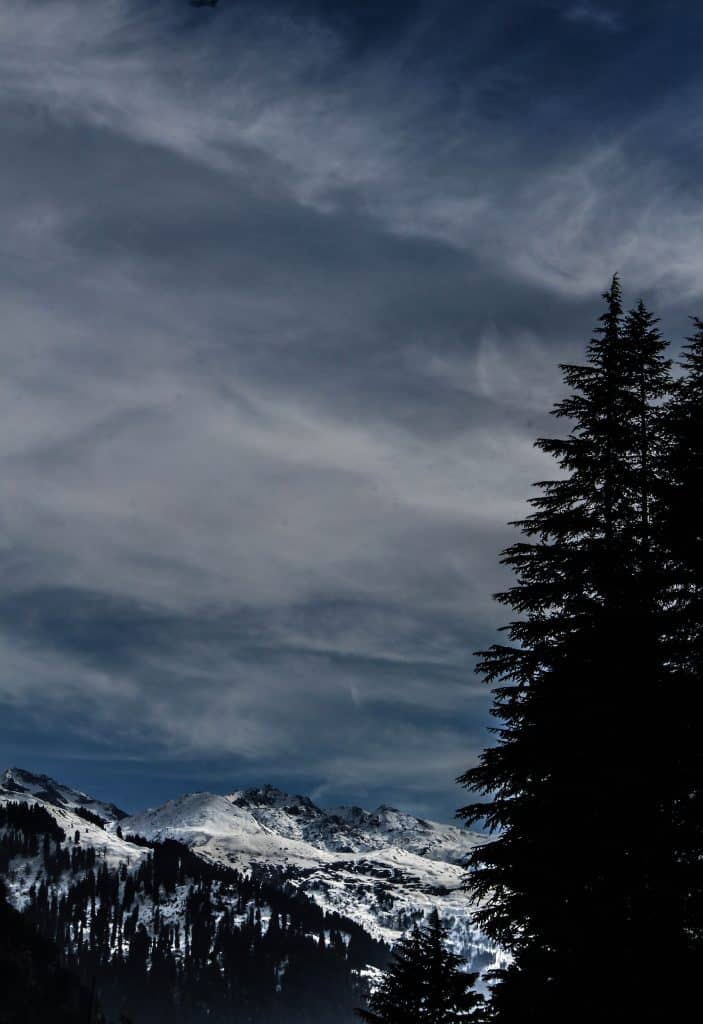
Hampta Pass Trek at a Glance
| Starting point | Jobra (drive from Manali, ~16 km) |
| End point | Chatru (drive back to Manali via Atal Tunnel or Rohtang) |
| Total distance | ~26 km on foot over 4 trek days |
| Campsites | Chika (10,100 ft), Balu Ka Ghera (12,411 ft), Shea Goru (12,800 ft) |
| Max altitude | Hampta Pass, 14,100 ft / 4,300 m |
| Difficulty | Easy to Moderate (one challenging summit day) |
| Best time | Mid-June to Mid-September |
| Trip duration including travel | 5-6 days from Delhi or other origin cities |
| Permits (walker) | None for Indian nationals on the trek itself |
| Permits (vehicle) | Free e-Aagman registration for any vehicle entering Lahaul-Spiti, which includes the Chatru pickup and the Chandratal drive. Operators normally handle this. |
| Chandratal entry fee | Carry INR 300 cash per person. See the fee section below, the notified rate and what operators collect do not currently match. |
| Mobile network | Works in Manali and Jobra (Jio, Airtel). After Chika, no signal until you reach the road head at Chatru. |
| Typical cost | INR 6,500 to 12,000 per person (guided, ex-Manali) |
| Last verified | August 2026 |
Why is the Hampta Pass Trek so Popular?
This trek punches above its weight on the scenery to effort ratio. Most Himalayan crossings at this altitude demand 6 to 8 days of walking. Hampta Pass packs the whole experience into 4 days on the trail: the green Kullu side, the actual pass crossing with its narrow ridge view, the dramatic descent into the cold desert of Spiti, and the bonus drive to Chandratal Lake. All inside one week including travel from Delhi. The other half of it is access. Manali is well connected by overnight Volvo from Delhi and Chandigarh, and the trail needs no technical climbing skill. If you can walk 6 to 8 hours a day on uneven terrain and handle one steep summit push, you can finish this trek. Hence it has become the natural first high-altitude pass crossing for most Indian trekkers. For other entry-level options in Himachal, see my easy Himachal treks for beginners guide.
When is the Best Time to Trek Hampta Pass in 2026?
Quick answer: The 2026 window runs mid-June to end-September, sometimes into early October. Mid-June to June-end is the snow trek. August is the meadow month. September gives the clearest skies. By mid-August the snow on the pass has usually melted out completely.
- Mid-June to end of June: The snow trek window. Heavy snow from Balu Ka Ghera up to the pass and on the descent to Shea Goru. Microspikes and gaiters are essential. Nights at Balu Ka Ghera and Shea Goru drop close to freezing. Pick this for the snow experience.
- July: Monsoon hits the Kullu side. The lower trail gets wet and slippery, leeches appear in the forest. The Spiti side stays dry (rain shadow). Snow on the pass reduces. Not the best month.
- August: The meadow month. Wildflowers carpet Jwara and Balu Ka Ghera. Brahma Kamal blooms higher up. Rain reduces by mid-month and the pass is normally snow-free by then. Many trekkers call August the most beautiful time.
- September: The clear-sky month. Post-monsoon blue skies, sharp Deo Tibba and Indrasan views, cold nights. My pick if you want photographs and stable weather.
- Early October: Risky. Some years the trek runs into early October, other years an early snowfall shuts it down. Have your operator confirm 10 days before.
My pick: late August to mid-September for the best weather, June for the snow experience. Whichever month you pick, check the India Meteorological Department forecast for Kullu and Lahaul in the week before you travel, since the Kullu-side and Spiti-side weather on this trek can differ completely on the same day.
How to Reach Manali (the Base for the Trek)
Almost every Hampta Pass trek package starts and ends at Manali. You meet the group there the evening before Day 1, and you come back to Manali on the evening of Day 4 or morning of Day 5 if Chandratal is included. So your travel question is really how to get to Manali in 2026.
- From Delhi by road: Overnight Volvo buses from ISBT Kashmere Gate or Majnu Ka Tila, around 540 km, 12 to 14 hours. HRTC, HPTDC and private operators run daily. Ordinary AC fares approximately INR 900 to 1,200, Volvo around INR 1,400 to 2,200 depending on operator and season. Book a week in advance for June and September.
- From Chandigarh: 9 to 10 hours by road. HRTC buses from ISBT-43 and Sector 17 run regularly. Better option if you can fly into Chandigarh as it skips Delhi traffic.
- By air: Closest airport is Bhuntar (Kullu), 50 km before Manali. Limited flights from Delhi, fares vary widely. Most trekkers find flying to Chandigarh and then taking a bus or shared cab more reliable.
Reach Manali by the evening before Day 1. Most operators conduct the briefing that night, hand out rented gear, and ask you to be ready by 8 am for the drive to Jobra. Avoid alcohol for 48 hours before the trek starts. If you are continuing the trip into Spiti or Leh after the trek, check my Manali-Kaza road status guide for current conditions.
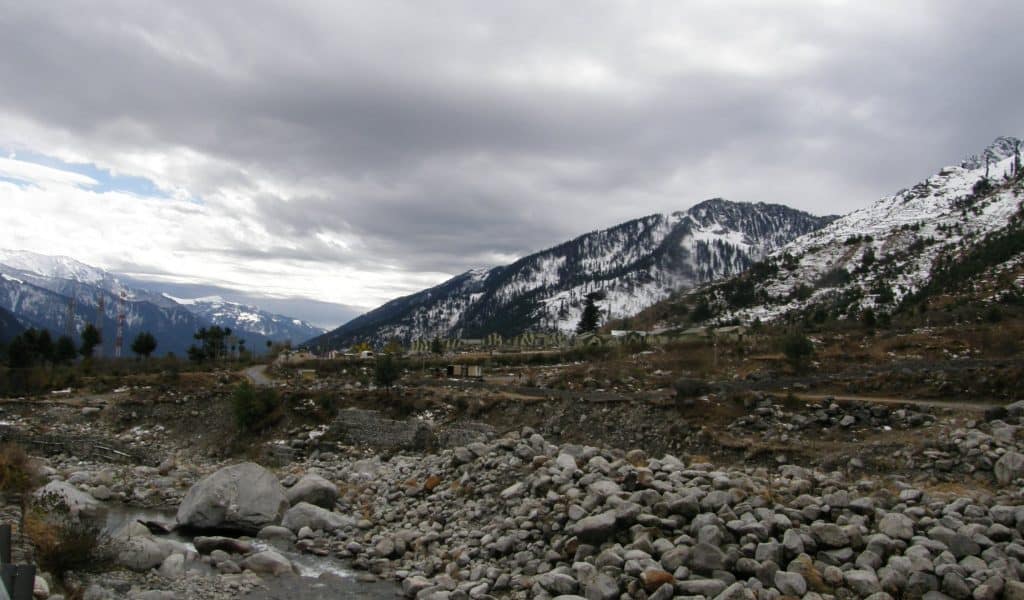
Day-by-Day Hampta Pass Route Guide
Quick answer: Day 1 is a 16 km drive to Jobra plus a 2 km walk to Chika. Day 2 is 8 km to Balu Ka Ghera via Jwara. Day 3 is the 9 km summit day over the pass to Shea Goru. Day 4 is 7 km down to Chatru, then the drive out.
This is the standard 4-day Manali-to-Manali itinerary that almost every operator follows. Sometimes Day 2 is split (Chika to Jwara, Jwara to Balu Ka Ghera) for slower groups, but the total trail distance stays the same. Individual operators quote slightly different daily figures, usually because they measure from a marginally different road head, so treat the numbers below as the working shape of the trek rather than survey data.
Day 1: Manali to Jobra (Drive) to Chika (Trek)
- Drive: Manali to Jobra, about 16 km, 1 hour by road via Prini and the Allain Duhangan hydro project road
- Trek distance: ~2 km from Jobra to Chika
- Trek time: 1.5 to 2 hours
- Altitude: Jobra 9,800 ft (2,987 m), Chika 10,100 ft (3,078 m)
- Terrain: Easy mixed forest trail along the Rani Nallah
The drive from Manali to Jobra is short but climbs steeply through 42 hairpin bends. You will pass Prini village and the Allain Duhangan hydro power project gate. Jobra is the road head at around 9,800 ft. Your trek leader will conduct a brief safety check here and you will start walking.
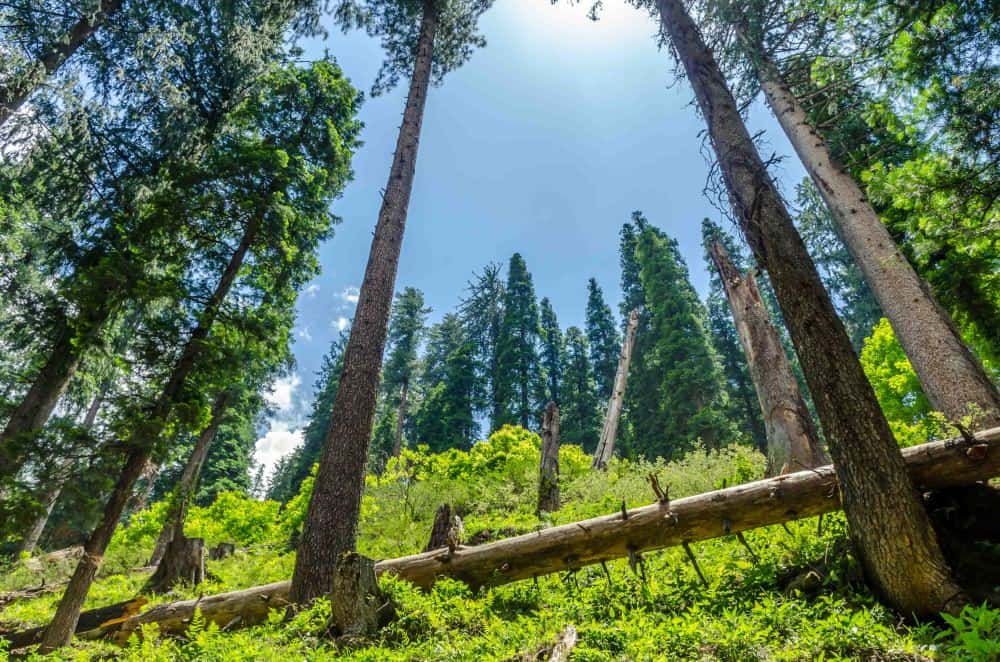
The trail to Chika is gentle, almost flat. You walk through pine and birch forest, then open out into a small grassy clearing where the Rani Nallah curves around. This is Chika. It is your first night under the stars and a perfect introductory camp. Total trek time is short on purpose. The body needs to adjust to the altitude before the longer second day.
Keep in mind, even at 10,100 ft the air is noticeably thinner. Drink at least 4 litres of water through the day. Skip the caffeine and alcohol. Eat what the camp cook serves even if your appetite is low. The first night is when most AMS symptoms surface and hydration is your biggest defence.
Day 2: Chika to Balu Ka Ghera via Jwara
- Trek distance: ~8 km
- Trek time: 5 to 6 hours
- Altitude: Chika 10,100 ft to Jwara 11,000 ft to Balu Ka Ghera 12,411 ft
- Terrain: River crossings, meadows, gradual climb with a steeper final pull
This is the meadow day, and depending on the time of year, possibly the most beautiful walking day of the trek. You start from Chika and cross the Rani Nallah on a wooden bridge (or wade through, depending on the year and the bridge condition). The trail climbs gently and then opens out into Jwara, a wide flower-filled meadow surrounded by snowy peaks. You will stop here for lunch.


From Jwara, the trail continues alongside the river through more meadows. The final pull to Balu Ka Ghera is the steepest part of the day but it is short. Balu Ka Ghera literally means “bed of sand” and the camp sits on a flat sandy patch between mountains. This is your acclimatization camp at 12,411 ft and your launching point for the summit day tomorrow.
The afternoon at Balu Ka Ghera is when most trek leaders do a short acclimatization walk above the camp and then run a briefing about the summit day. Listen carefully. They will tell you about wake-up time (usually 4 am to 5 am), what to wear, how to pace yourself on snow if it is June, and the descent route after the pass. Sleep early. The next day is the hardest of the four.
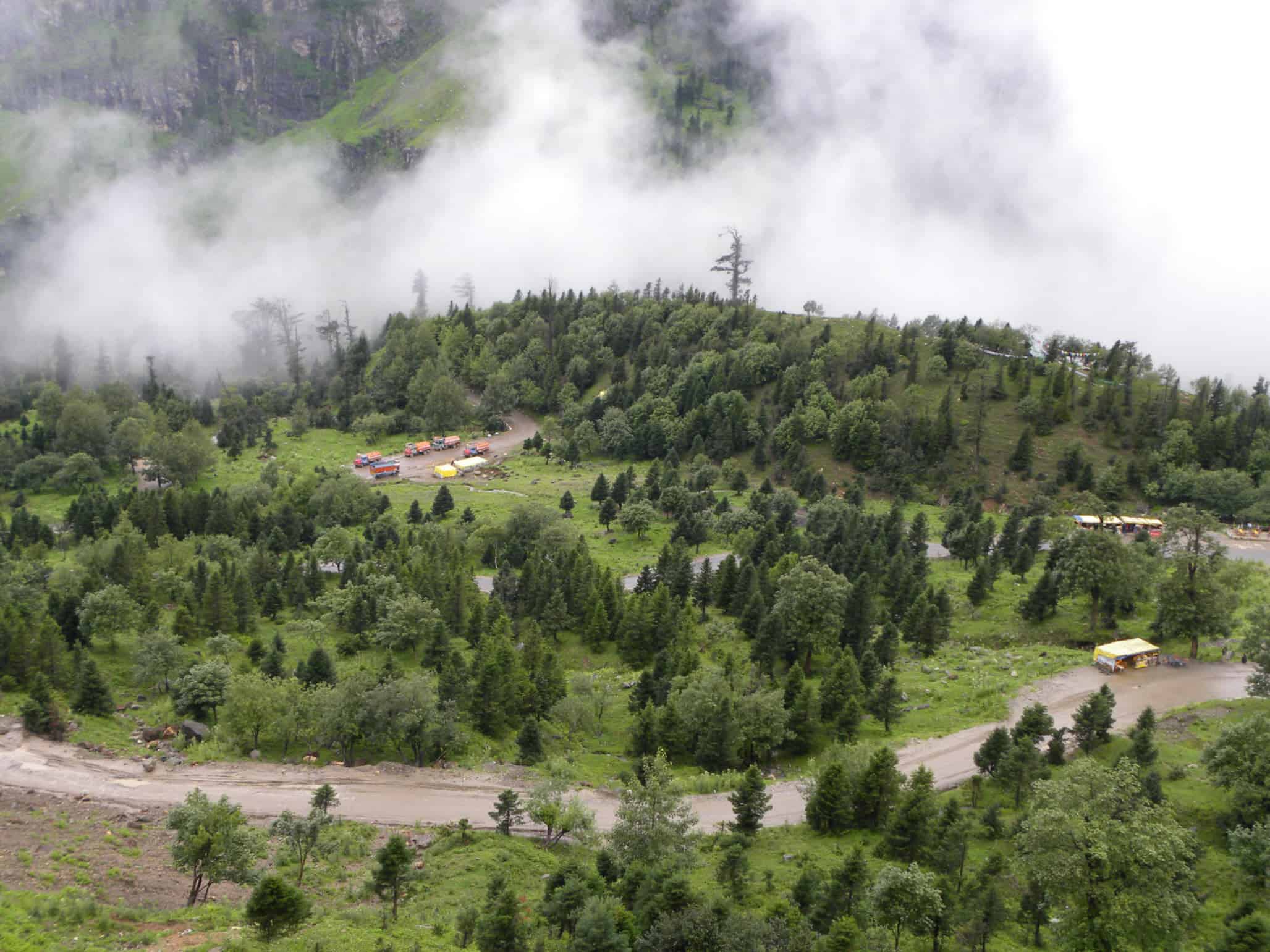
Day 3: Balu Ka Ghera to Hampta Pass to Shea Goru (Summit Day)
- Trek distance: ~9 km
- Trek time: 8 to 10 hours
- Altitude: Balu Ka Ghera 12,411 ft, Hampta Pass 14,100 ft, Shea Goru 12,800 ft
- Terrain: Steady climb to the pass, then a steep descent. Snow in June, rocky scree later in season
This is the day you came for. You will be woken around 4 am, given a hot breakfast, and on the trail by 5 to 6 am. The early start matters for two reasons. First, you want to cross the pass and get down to Shea Goru well before the afternoon weather window when winds pick up. Second, in June, the snow on the trail is firmer in the morning and turns slushy by afternoon.
The climb from Balu Ka Ghera to the pass is steady and not technical. You gain about 1,700 ft over roughly 4 km. In June this entire stretch is on snow. The last 200 m before the pass is the steepest. Many groups will be roped together on the steepest snow sections in June. Microspikes are not negotiable in early-season weeks.
Hampta Pass itself is a narrow ridge in the Pir Panjal range with steep drops on both sides. You get sweeping views of Deo Tibba and Indrasan to one side and the brown moonscape of Lahaul-Spiti to the other. Most groups spend 15 to 20 minutes here for photos and a snack. Then comes the part nobody warns you enough about: the descent.
The descent from Hampta Pass to Shea Goru is steep, loose, and tiring. In June it is on snow, which can be done by glissading short sections (sliding on your bum with your trekking pole as a brake) but only under guide supervision. Later in the season it is on loose scree and small rocks. Either way, your knees will feel it. Use trekking poles, take your time, and let your guide pick the line. Twisted ankles happen most often on this descent, not on the climb.
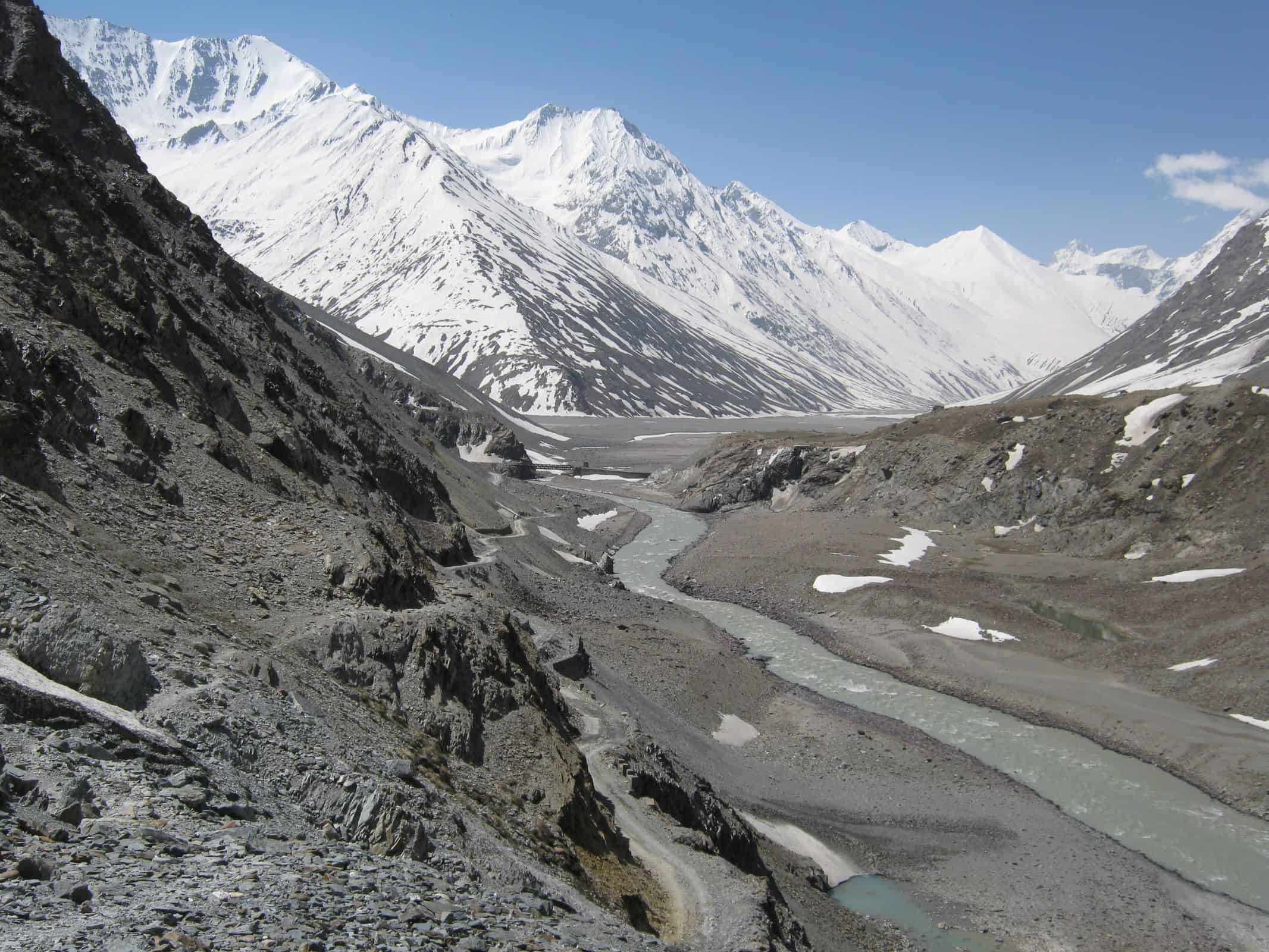
Shea Goru is a flat valley camp at 12,800 ft. The landscape here is completely different from Balu Ka Ghera. Brown mountains, no trees, the Chandra River below. You have crossed into the rain shadow side. Most groups arrive at Shea Goru between 2 and 4 pm depending on snow conditions and group speed. Rest the legs, drink fluids, eat a big dinner, and sleep.
Day 4: Shea Goru to Chatru (Trek), Drive to Chandratal or Manali
- Trek distance: ~7 km
- Trek time: 4 to 5 hours
- Altitude: Shea Goru 12,800 ft to Chatru 10,800 ft
- Terrain: Steady descent along the Chandra River, two glacial stream crossings
The final trek day is mostly downhill but it carries two crux moments most trekkers do not expect: glacial stream crossings. You will wade through two streams, knee deep or thigh deep depending on the year, fed by glaciers above. The water is freezing. Most groups change into a separate pair of crossing footwear (sandals or old trainers) so your trekking shoes stay dry for the rest of the descent.
The trail winds down along the Chandra River. Brown mountains all around, almost no vegetation. This is your introduction to the Lahaul side. After about 4 to 5 hours you arrive at Chatru, a small road-head settlement on the Manali to Spiti highway, where your support vehicle is parked. Hot chai and a packed lunch are usually waiting.
From Chatru you have two choices, and most operators include Option A as standard:
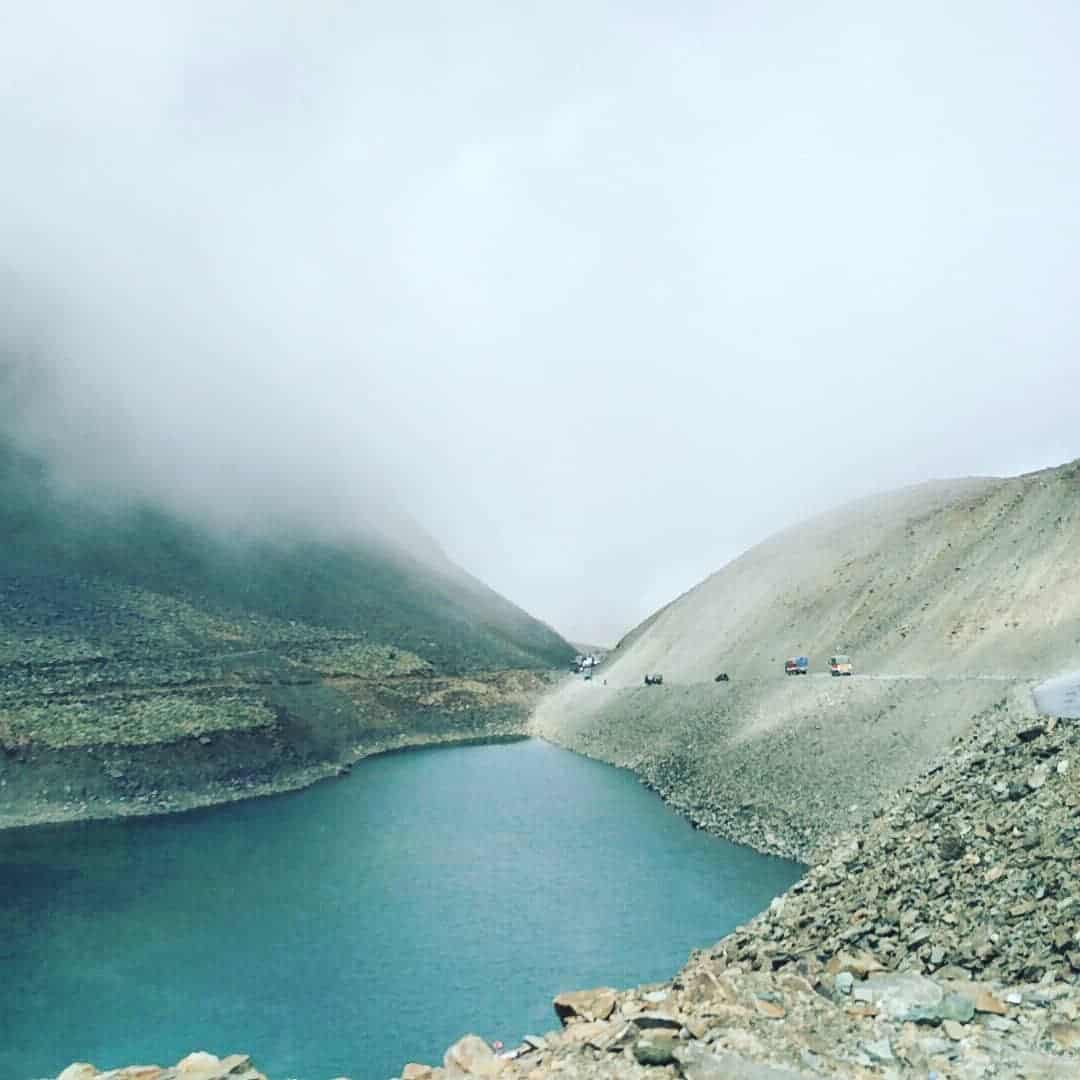
- Option A: Drive about 50 km to Chandratal Lake, roughly 3 hours one way on a dusty, bumpy road through Batal and the famous Chacha-Chachi dhaba. Camp near Chandratal for one night, visit the lake at sunset and again at sunrise the next morning, then drive back to Manali via Atal Tunnel or Rohtang Pass. This adds one day, totalling a 5-day Manali-Manali trip. You can read more in my Chandratal Lake guide and the wider Chandratal travel guide.
- Option B: Drive directly back to Manali from Chatru via Atal Tunnel. This finishes the trek in 4 days. You miss Chandratal but you save a day. Pick this if you have already been to Chandratal or are short on time.
Hence, when somebody says “Hampta Pass trek with Chandratal”, they mean Option A with that extra night at the lake. The cost difference is small (usually INR 1,000 to 1,500 over the base package) but the experience is worth it. Chandratal at dawn after a four-day trek is one of those moments that makes the soreness in your legs disappear.
What Changed at Chandratal: Camping Rules and the Entry Fee
Two things about the Chandratal extension have shifted, and most trek pages have not caught up. Worth knowing before you assume your operator’s older brochure is accurate.
- You cannot camp on the lake shore. Camping on the Chandratal perimeter is banned to protect the wetland. Every camp now sits roughly 2 to 3 km back from the water on the Batal side, and you walk or drive the last stretch to the lake for sunset and sunrise. If a package promises you a tent “on the lake”, that is either outdated copy or a rule the operator is planning to break.
- The entry fee is in dispute right now. The Himachal Forest Department’s notified rate for the Spiti eco-sensitive zones, brought in on a Himachal High Court direction and reported by The Tribune, is INR 150 per person per day for Indians and INR 500 for foreign nationals, with a separate INR 200 to 500 per day charge on tent installation that camp operators pay. Indiahikes, however, tells its 2026 trek batches to carry INR 300 in cash per person, with students still at INR 150 on production of a valid student ID and foreign nationals at INR 1,000. Those two do not reconcile cleanly. The most likely explanation is that an overnight Chandratal stay spans two calendar days and is therefore billed at 150 x 2.
My practical advice: carry INR 300 to 350 in loose cash per person specifically for the Chandratal gate and do not count on any card or UPI working up there. If they only charge you 150, you have change for chai at Batal. Also ask your operator at booking whether the gate fee is inside your package price or collected separately, because it is one of the most common “extra” charges people get surprised by at the barrier.
Do You Need a Permit for the Hampta Pass Trek in 2026?
Quick answer: You as a walker need no permit. Your vehicle does. The Chatru pickup and the Chandratal drive both happen inside Lahaul-Spiti district, which requires a free e-Aagman registration for every vehicle entering. Operators usually handle it, but confirm at booking.
This is the distinction almost every Hampta Pass article gets wrong, including the earlier version of this one. Saying “no permit needed” is only half true. Here is the full picture.
- The trek itself: No permit for Indian nationals. The trail runs through Kullu and Lahaul districts, both open, and no Inner Line Permit applies. Foreign nationals should confirm with the operator at booking, since requirements around adjacent Spiti areas do change.
- e-Aagman vehicle registration: Every vehicle entering Lahaul-Spiti district needs a free registration through the Himachal Government’s e-Aagman portal, which produces a QR e-pass shown at the checkpost. This covers your Chatru pickup and the Atal Tunnel-Koksar-Chandratal circuit. It costs nothing, but fill it 24 to 48 hours ahead from Manali because there is no usable mobile signal at the barrier itself.
- Returning over Rohtang instead of the tunnel: If your driver takes the old Rohtang Pass road back to Manali rather than the Atal Tunnel, a Rohtang tourism permit of INR 550 applies per vehicle, booked at rohtangpermits.hp.gov.in. Through the tunnel there is no toll and no Rohtang permit. Most operators use the tunnel now.
- Chandratal gate fee: Covered in the section above. Cash only.
How Difficult is the Hampta Pass Trek Really?
Quick answer: Easy to moderate over four days, with one genuinely hard day. Days 1, 2 and 4 suit anyone with average fitness. Day 3, the pass crossing and the steep descent to Shea Goru, is the day people remember and the day worth training for.
- Day 1 (Jobra to Chika): Easy. Anyone with average fitness will manage.
- Day 2 (Chika to Balu Ka Ghera): Moderate. The 8 km distance is the main challenge, not the gradient. Trekkers who do not train for endurance feel this day on their calves and lower back the next morning.
- Day 3 (Summit day): Moderately hard, especially in June. The combination of the early start, the altitude, snow walking, and the steep descent to Shea Goru is what people remember as the toughest day of any moderate Himalayan trek. Train for this day specifically.
- Day 4 (Shea Goru to Chatru): Easy on muscles but the cold stream crossings test mental will. Have warm socks ready in your daypack for after the crossings.
Minimum fitness level you need: comfortable running or fast-walking 5 km in 30 to 35 minutes, plus the ability to climb 6 flights of stairs without stopping. If you can do that today, you have at least 8 weeks of training time before peak season, which is enough.
Hampta Pass Trek Cost Breakdown 2026
The price most agencies quote is for the Manali-to-Manali package, meaning you reach Manali yourself and the package covers everything from there. Here is what 2026 pricing looks like across operator tiers, cross-verified from public operator price lists and trekker reports.
| Operator Tier | Cost Per Person (Manali-Manali) | What’s Included |
|---|---|---|
| Budget local operators | INR 6,500 to 8,000 | 4-day trek, basic dome tents (3-sharing), all meals on trek, certified guide, transport Manali-Jobra and Chatru-Manali. Chandratal extension may or may not be included. |
| Mid-range / established | INR 8,500 to 11,000 | Same as above with better tents, sleeping bags rated to -10C, two trek leaders per group, first-aid kit with oximeter, Chandratal included. |
| Premium national operators | INR 11,000 to 13,500 | Detailed pre-trek prep app, certified high-altitude leaders, gear quality control, smaller group sizes (10-12), safety SOPs, Chandratal usually a separate add-on of INR 2,000 to 3,000. |
On top of the package fee, plan for the following personal costs.
- Manali pre-trek and post-trek stay: INR 800 to 2,500 per night depending on whether you pick a hostel dorm or a mid-range guesthouse. Budget for 2 nights minimum.
- Delhi to Manali to Delhi transport: INR 2,000 to 4,500 round trip in a Volvo. Less by ordinary HRTC.
- Porter or mule to carry your backpack: Around INR 400 to 600 per day, so INR 1,600 to 2,400 for the full trek. Many trekkers, including most first-timers, find this money well spent on the summit day if not the whole trek.
- Gear rental in Manali: Trek shoes INR 200-300/day, jacket INR 200/day, sleeping bag INR 150/day. Old Manali has multiple rental shops near the main road. Rent only if you do not own. Buying cheap is worse than renting good.
- Chandratal entry fee: Carry INR 300 per person in cash at the gate, as explained above.
- Tips and personal: INR 500 to 1,000 for guide/porter tips at the end. Plus chai stops and snacks before the trek begins.
So a realistic total trip cost from Delhi for a mid-range package with Chandratal: INR 13,000 to 17,000 per person. Budget version with hostel stays and ordinary buses: as low as INR 10,000 to 12,000. Premium version with Volvo, mid-range Manali stay and a top-tier operator: INR 17,000 to 21,000. If you are pushing the bottom of that range, my cheapest ways to reach Chandratal post covers how people do the lake leg on public transport instead of a package vehicle.
Gear Checklist for the Hampta Pass Trek
Operators will hand out their gear list 2 to 3 weeks before the trek. Most lists overlap heavily. Here is the realistic working list that covers all four days, including the gear you specifically need for snow if you are trekking in June.
- Footwear: Waterproof high-ankle trekking shoes with good grip (Quechua MH500 or Forclaz MT100 from Decathlon work). Break them in before you leave. New shoes equal blisters by Day 2.
- Backpack: 50-60 litre rucksack with hip belt and rain cover, or 40L if using a porter.
- Clothing layers: 1 thermal inner, 2 quick-dry t-shirts, 1 fleece, 1 padded jacket, 1 waterproof shell jacket, 1 thermal lower, 2 trekking pants, 1 waterproof over-trousers (essential June-July).
- Headwear and hand: Beanie, sun cap, buff, fleece-lined gloves, waterproof outer gloves.
- Socks: 4 pairs woollen socks, 1 pair sandals for camp and stream crossings.
- Snow gear (June and early-July only): Microspikes, gaiters, UV-blocking sunglasses with side coverage.
- Trekking poles: Two poles strongly recommended for the Day 3 descent. Rent in Manali.
- Personal: Headlamp + spare batteries, sunscreen SPF 50, lip balm, toilet roll, small towel, plate-cup-spoon set, 1L bottle + thermos.
- Medical: Personal medicines, Diamox (prescription only), ORS, paracetamol, blister patches.
- ID: Original photo ID plus 2 photocopies. Required for operator registration.
- Cash: INR 1,500 to 2,000 in small notes. The Chandratal gate, the Batal dhaba and the Manali rental shops are all cash-first, and there is no ATM after Manali.
You do not need to carry tents, sleeping bags or kitchen equipment, these come from the operator. The biggest mistake first-timers make is overpacking. A loaded 60-litre bag becomes a real problem on Day 3. For a complete packing approach, see my guide to packing a trekking backpack.
Should You Go Guided or DIY?
Quick answer: Go guided for your first crossing. DIY brings the cost down to roughly INR 4,000 to 5,000 per person in a group of four or more, but the saving is small next to what you give up on snow-line information and emergency evacuation.
- Snow line management: In June, the snow conditions on Day 3 vary from week to week. Operators have updated information from their teams running treks the previous batch. Solo trekkers do not.
- Camp logistics: Tents, kitchen gear, gas cylinders, food rations for 4 days, in this terrain. Logistically possible but a hassle.
- Emergency response: If someone in your group gets AMS or twists an ankle on the Day 3 descent, evacuation needs a coordinated team. Operators have this network. Solo groups do not.
- Cost difference is small: The DIY saving of INR 2,000 to 3,000 is not worth the increased risk for most first-timers. If you have done multiple high-altitude treks before, DIY is a different conversation.
My recommendation for first-time Hampta Pass trekkers: go guided. Pick a mid-tier operator with safety SOPs, not the cheapest one. Save the DIY ambition for your second or third Himalayan trek when you have built up the field skills.
Safety, AMS and Things to Watch Out For
You will sleep at 12,411 ft on Day 2 and cross 14,100 ft on Day 3. AMS is a real concern even though the trek is rated easy. Most groups will have at least one person who develops mild symptoms (headache, nausea, broken sleep) on the second night. The standard playbook works here, and my post on acute mountain sickness and acclimatization goes deeper into the why.
- Hydrate aggressively. 4 litres a day minimum, more on summit day. Dehydration is the biggest accelerator of AMS.
- No alcohol, no smoking on the trek or for 24 hours before it starts.
- Eat what is served even if appetite drops. Energy intake matters at altitude.
- Diamox is not magic. If prescribed, start 24 hours before reaching altitude. Do not self-medicate.
- Talk to your trek leader the moment a headache becomes throbbing or sleep breaks. Hiding symptoms is the most dangerous thing people do on these treks.
- Snow on Day 3 in June: Single file. Plant trekking poles. Microspikes on. Do not run downhill. Glissade only under guide instruction.
- Stream crossings on Day 4: Separate footwear, single file holding hands or a rope, look at the opposite bank not down at the water.
- Emergency contact: Manali District Hospital +91 1902 252379. Most operators have a dedicated emergency number.
Critical reminder: this trek has no easy bail-out point after Day 1. Once you cross Chika, the closest road head behind you is Jobra and ahead is Chatru. If serious AMS hits at Balu Ka Ghera, the descent back to Jobra takes a full day and is not always possible in deteriorating weather. Listen to your body before it forces you to.
Pairing the Hampta Pass Trek with Other Himachal Plans
If you have more than a week, the Hampta Pass trek combines naturally with several other plans in Himachal. Some options that the DwD community has done:
- Hampta Pass + Chandratal + Spiti Valley: After Chandratal, instead of returning to Manali, drive further to Kaza and explore Spiti for 4 to 5 more days. This needs separate transport arrangement from Chandratal because most trek operators turn back to Manali. See my Spiti Valley itinerary guide for routing.
- Hampta Pass + Kheerganga Trek: Both treks are based out of the Kullu region. Combine them across 9 to 10 days. Kheerganga is a 2-day trek and a great cool-down after the bigger Hampta climb. Read more in my Kheerganga Trek guide.
- Hampta Pass + Bhrigu Lake: Bhrigu Lake (14,108 ft) is a short summit trek from Manali that many Hampta trekkers add before or after. My Bhrigu Lake Trek 2026 guide has the route, campsites and logistics.
- Hampta Pass + Manali sightseeing: The classic version. Two extra days in Manali for Old Manali cafes, Hadimba Temple, Solang Valley. Detailed in the Manali travel guide.
- Hampta Pass + Lahaul Valley exploration: From Chatru, instead of going to Chandratal, head deeper into Lahaul. Sissu, Keylong, the Pin-Bhaba area become reachable. See the Lahaul Valley travel guide.
If you are driving your own vehicle to Manali and leaving it parked while you trek, ask your operator about a safe parking spot. Most have an arrangement with a local hotel or guesthouse in Manali. Confirm before you arrive.
Frequently Asked Questions
Is the Hampta Pass trek good for beginners?
Yes, it is one of the most beginner-friendly high-altitude crossings in India. The trail is well marked, the daily distances are reasonable, and operators run beginner-friendly batches every week in season. That said, beginner does not mean zero training. Eight weeks of cardio and stair-climbing before you arrive will completely change how you feel on Day 3.
Do I need a permit for the Hampta Pass trek?
As a walker, no. Indian nationals need no permit for the trek itself, since the trail runs through Kullu and Lahaul districts and no Inner Line Permit applies. Your vehicle is a different matter. The Chatru pickup and the Chandratal drive both sit inside Lahaul-Spiti district, which needs a free e-Aagman registration at eaagman.hp.gov.in for every vehicle entering. Operators normally arrange this, but ask at booking. If your driver returns over Rohtang Pass rather than the Atal Tunnel, add the INR 550 Rohtang permit.
How much is the Chandratal entry fee in 2026?
Carry INR 300 per person in cash. The Himachal Forest Department’s notified rate for the Spiti eco-sensitive zones is INR 150 per person per day for Indians and INR 500 for foreign nationals, but Indiahikes instructs its 2026 batches to carry INR 300, with students at INR 150 on a valid student ID and foreign nationals at INR 1,000. An overnight stay spanning two calendar days is the likely reason for the doubled figure. There is no card or UPI facility at the gate.
Can I do the Hampta Pass trek in June with snow?
Yes, and it is the most popular month for that reason. Expect heavy snow from Balu Ka Ghera up to the pass and on the descent to Shea Goru. Microspikes and gaiters are required. The summit day will be tougher than a snow-free August day, but the experience is dramatic. Book with operators who run weekly batches in June so they have current snow line data. By mid-August that snow has usually melted out entirely.
How far is Chandratal from Chatru?
About 50 km, roughly 3 hours one way by vehicle. The road runs through Batal and is bumpy and very dusty, so keep a buff or mask handy if you are asthmatic. This is a drive, not a trek. You finish walking at Chatru on Day 4 and your support vehicle takes you from there.
How many days do I need from Delhi for this trek?
Six days minimum, ideally seven. Day 1 is the overnight bus to Manali, Days 2 to 5 are the trek itself (with Chandratal), Day 6 is the overnight bus back. If you skip Chandratal, you can squeeze it into 6 days. If you want a buffer day in Manali to acclimatize before the trek and another buffer in case of weather delay, plan for 8 days.
Is there mobile network on the Hampta Pass trail?
Network is available in Manali and at the Jobra road head. Once you start trekking, Jio and Airtel work in patches at Chika on a clear day but are unreliable. From Day 2 onwards there is no signal until you exit at Chatru. Inform family and friends before you start. Most operators carry a satellite communicator or have a system to relay messages from the trail in genuine emergencies.
What is the minimum age and is there a maximum age for the Hampta Pass trek?
Most operators set the minimum at 14 to 16 years (with a parent or guardian along), maximum around 55 to 60 years subject to a basic fitness declaration. Some operators ask for a doctor’s certificate above 50. The age is less important than the fitness. I have seen 55-year-olds finish the trek strongly while 25-year-olds struggle on Day 3 from poor preparation.
Can I do the Hampta Pass trek solo?
Yes, by joining an operator’s open group batch as an individual. Almost every established operator accepts individual bookings and places you with other solo trekkers. Pure solo trekking is technically possible but not recommended given the glacial pass, two stream crossings and steep descent.
How do I prepare physically for the Hampta Pass trek?
Start 8 weeks before your trek date. Build a routine of running or fast walking 5 km in under 35 minutes, four times a week. Add stair climbing twice a week (15 floors continuous if you can). Include 2 sessions of leg strength training (squats, lunges, calf raises). In the last 2 weeks, do at least one weekend hike of 10 to 15 km with a loaded backpack. This will replicate the trek load close enough.
Closing Thoughts
The Hampta Pass trek is one of those rare Himalayan experiences that lives up to the hype without demanding mountaineering skill. Four days, two valleys, one ridge, and a finish at Chandratal that takes care of the photographs for years. My honest take after watching many groups come off this pass: the trekkers who enjoyed it most were the ones who arrived prepared. They had broken in their shoes, done their stair sessions, and skipped the alcohol the night before in Manali. Respect the 14,100 ft number and the trail will reward you.
If you are planning a Hampta Pass trip for 2026, start booking by mid-April. June and September batches with the better operators fill up first. Keep one extra buffer day in Manali, especially on the return. Mountain weather and trek schedules do not always agree. And carry that extra INR 300 in cash for the Chandratal gate, because a surprising number of people in the DwD community have written in about getting caught out by it.
If you have any questions, feel free to ask in the comments section below 🙂
