


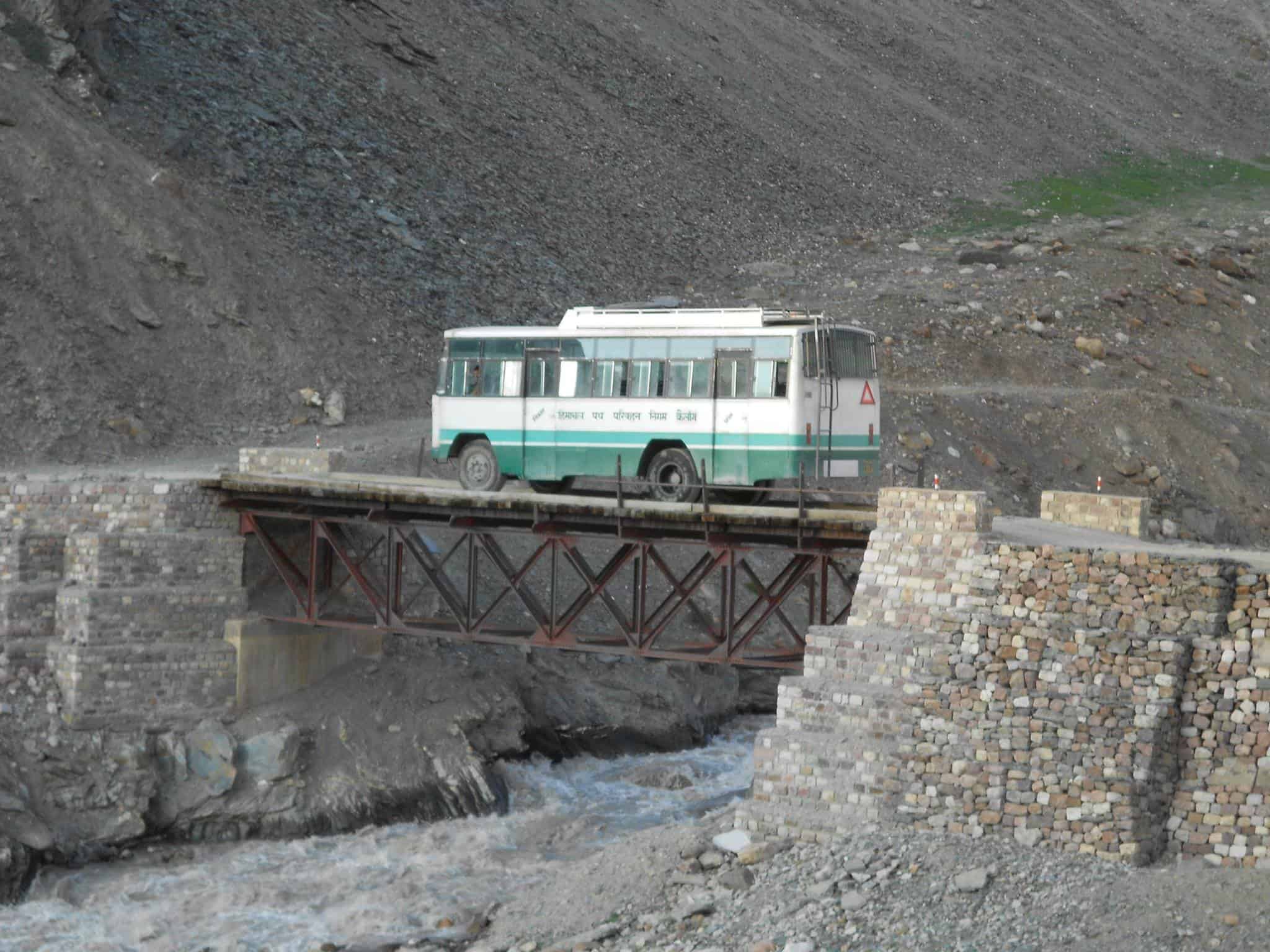
When most people dream of a Ladakh road trip, they picture themselves on a Royal Enfield or behind the wheel of an SUV. And sure, those are great ways to travel. But if you ask me, some of my best memories in Ladakh have been on a bus, watching the world go by from a window seat while the driver navigated hairpin bends I was very happy not to be driving myself. Traveling to Ladakh by bus is not just cheap. It changes the entire experience of your trip, and I genuinely believe more people should try it.
In this guide, I will share why bus travel to Ladakh makes so much sense in 2026, the practical details you need (routes, fares, timetables), and how to plan a smooth trip using only public transport. Whether you are a solo traveler on a tight budget or someone who simply wants to sit back and soak in those mountain views without worrying about the road ahead, this one is for you.
Let's quickly dive into the details:
Quick Info: Ladakh by Bus at a Glance
Traveling to Ladakh by bus is surprisingly well-connected in 2026. HRTC runs a direct Delhi to Leh bus (Rs 1,657), Manali to Leh costs Rs 833, and JKSRTC operates a Srinagar to Leh service for Rs 925-1,320. The season runs from mid-June to early October when the highways are open. You can cover all major destinations in Ladakh, including Nubra Valley, Pangong Tso, and Tso Moriri, using a combination of HRTC buses and shared taxis from Leh.
Why Should You Travel to Ladakh by Bus?
There are many ways to reach Ladakh today. You can fly directly into Leh, ride a motorcycle up the Manali – Leh Highway, drive your own car, or hire a private taxi. Each has its advantages. But traveling by bus offers something that none of the others can match: a combination of affordability, freedom from driving stress, authentic local interactions, and a genuinely different perspective on the journey. Let me break it down for you.
1. How Much Money Can You Save Traveling to Ladakh by Bus?
The biggest reason people choose bus travel to Ladakh is the cost, and the savings are significant. A one-way bus ticket from Delhi to Leh on HRTC costs about Rs 1,657. Compare that with a private taxi from Manali to Leh which can set you back Rs 12,000-15,000 per vehicle, or fuel costs of Rs 5,000-7,000 if you are self-driving. Even the Manali to Leh bus is just Rs 833 one way.
The two biggest expenses on any Ladakh trip are transportation and accommodation. By using public transport, you slash the transportation cost dramatically, and that money can go towards a few extra nights in Ladakh or better food and homestays. Keep in mind that a Ladakh trip requires at least 10-14 days to truly enjoy. With longer trips, expenses add up fast. Public transport keeps the daily travel cost so low that you can actually afford to spend those extra days exploring Nubra Valley or Tso Moriri without watching your budget crumble.
I always tell first-timers: if budget is a concern, do not let it stop you from visiting Ladakh. A bus-based trip can be done for as little as Rs 15,000-18,000 covering all major destinations. That is less than what many people spend just on fuel for a self-drive trip.
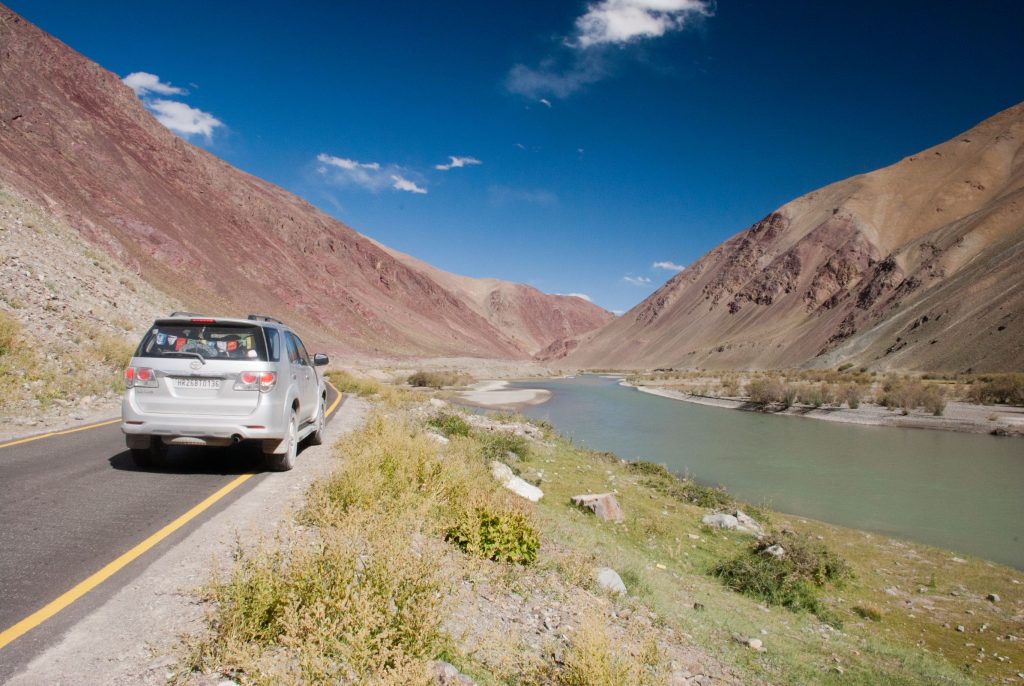
2. Do You Meet Interesting People on Ladakh Buses?
Absolutely, and this is something that no self-drive trip can replicate. When you are on a bus to Ladakh, you are surrounded by people from all walks of life. Fellow travelers, local Ladakhis heading home, monks traveling between monasteries, soldiers returning to their posts, and backpackers from around the world. Everyone has a story, and the shared experience of a long mountain bus journey brings people together in a way that is hard to describe until you have lived it.
I have had conversations on Ladakh buses that I still remember years later. A local uncle who told me about a hidden hot spring that was not on any blog. A group of college students from Bangalore on their first Himalayan trip, eyes wide at every turn. The real joy lies in sharing the experience with someone who connects with what you are feeling in that moment.
Also, traveling by bus gives you ample opportunities to interact with locals and pick their brains on secluded, lesser-known places that most tourists will never hear about. At bus stops and dhabas along the highway, you will find yourself chatting with people who know these mountains better than any travel blog ever could. Hence, if you are a solo traveler, bus travel in Ladakh is one of the best ways to make friends on the road.
3. Is Bus Travel to Ladakh Stress-Free Compared to Self-Driving?
If you have ever driven the Manali – Leh Highway or the Srinagar – Leh route, you know how demanding it is. Narrow roads carved into mountainsides, blind turns, loose gravel, water crossings, and the constant mental load of navigating at high altitude. It is exhausting. On a bus, someone else handles all of that. The drivers on these routes have made the journey hundreds of times. They know every blind corner, every landslide-prone section, and exactly where to stop and where to push through.


This means you get to actually enjoy the views instead of white-knuckling the steering wheel. You can look out the window at the Zanskar Range, watch the Chenab River valley unfold below, or simply close your eyes and rest. I can tell you from experience that the biggest concern for first-timers is navigation and altitude sickness. Having experienced drivers who know the route, understand AMS symptoms, and know the best places to stop takes a massive weight off your shoulders.
Food stoppages, water availability, and pit stops are all perfectly planned by the bus crew. You do not need to worry about finding the right dhaba or figuring out if there is a petrol pump ahead. It is all taken care of. In case you are someone who gets anxious about mountain driving, bus travel is the answer, my friend.
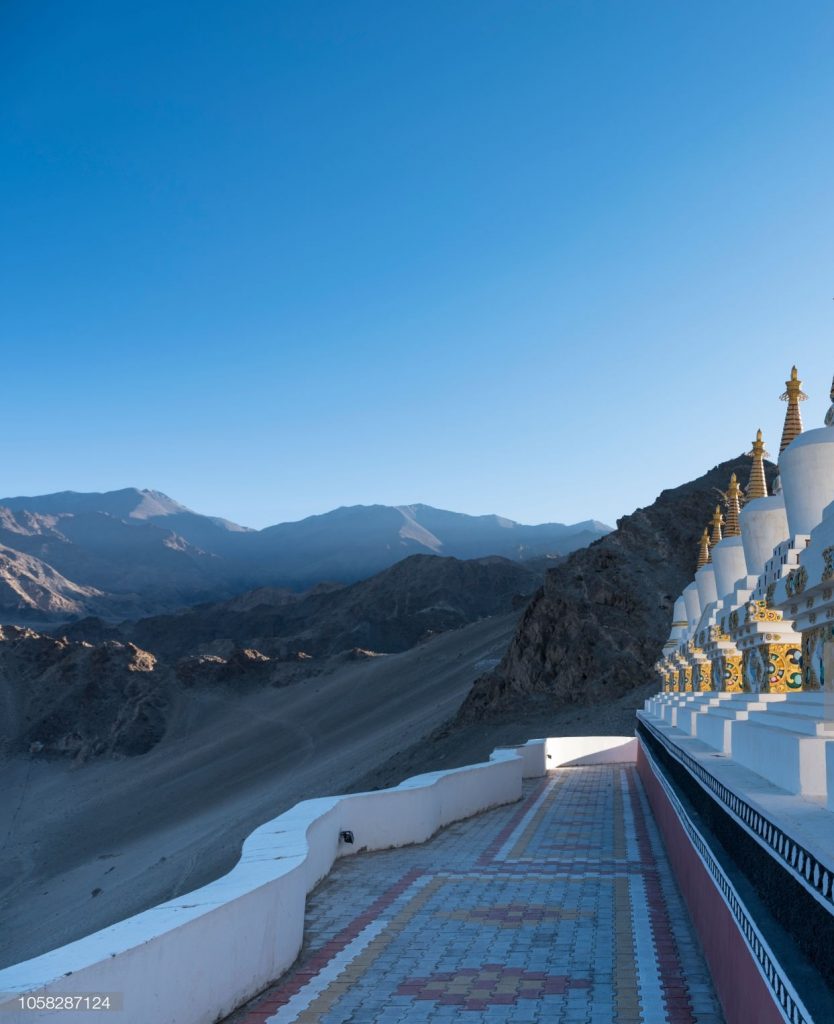
4. How Does Bus Travel Help Ladakh’s Fragile Environment?
This is something I feel strongly about. Ladakh’s ecosystem is incredibly fragile. Every additional vehicle on those narrow mountain roads means more emissions, more dust, more wear on the roads, and more strain on an environment that is already under pressure from increasing tourism. When you choose public transport over a private vehicle, you are directly reducing the carbon footprint of your trip.
In 2025, Ladakh took a massive step forward: NTPC launched India’s first hydrogen fuel cell buses in Leh. Five zero-emission buses now operate at an altitude of 11,562 Ft, powered by a 1.7 MW solar plant. These buses emit nothing but water vapor, and each can travel about 300 km on a single hydrogen fill. According to the UT Ladakh administration, this is part of Ladakh’s goal to become a carbon-neutral territory. So when you travel by bus in Ladakh, you are not just saving money. You are contributing to the region’s sustainability goals.
If you appreciate nature enough to travel thousands of kilometers to see it, investing in keeping that environment clean and healthy is the least we can do. I always suggest that our DwD community members practice responsible travel, and choosing public transport is one of the simplest ways to do it.
5. Can You Actually Enjoy the Views Better from a Bus?
This might sound counterintuitive, but yes. When you are driving, your eyes are on the road. When you are riding a motorcycle, you are focused on the next turn, the gravel, the water crossing. But on a bus, you are free. You can sit by the window, camera in hand, and watch the landscape change from green pine forests to barren brown mountains to snow-capped peaks. You can take photographs, make videos, or just sit there and be 100% present in the moment.
I can promise you that some of the most stunning views on the Manali – Leh Highway and the Srinagar – Leh Highway are best enjoyed when you are not the one driving. The stretch between Pang and Tanglang La, the first glimpse of the Indus Valley as you descend towards Leh, the winding road along the Zoji La pass. These moments deserve your full attention, not a nervous glance between the road and the rearview mirror.
6. Is Ladakh Well-Connected by Bus in 2026?
Yes, and the bus network has improved significantly over the years. In 2026, you can reach Leh by bus from three major starting points, and once in Leh, local buses connect you to all major tourist destinations. Here is a quick overview of the main routes.
7. Does Bus Travel Let You Explore at Your Own Pace?
One of the less obvious advantages of bus travel is the flexibility it gives you. With a private taxi, you are locked into a fixed itinerary because the driver charges by the day. On a bus, you can hop off at any village that catches your eye, spend an extra day somewhere beautiful, and catch the next bus when you are ready to move on. There is no pressure to stick to a schedule.
This is especially valuable in Ladakh, where the best experiences are often unplanned. Maybe you want to spend an extra day at Pangong Tso because the light was perfect. Or maybe you met a group of travelers at a homestay in Leh who invited you along on a different route. Bus travel gives you that freedom. You are not paying a taxi driver by the day, so an extra day somewhere costs you almost nothing beyond your room and food.
How to Reach Ladakh by Bus: Routes, Fares, and Timetables
Now let us get into the practical details. Here are the main bus routes to reach Leh in 2026, with current fares and schedules.
Delhi to Leh by HRTC Bus
HRTC operates a direct bus from Delhi to Leh. The bus departs from Kashmere Gate ISBT at 12:10 PM and reaches Leh the next day by evening. The fare is approximately Rs 1,657 one way. There is an overnight halt at Keylong. Tickets are available only at HRTC counters (17, 18, 20, 21) at Kashmere Gate ISBT or at Leh bus stand. As of 2026, there is no online booking for this route. I suggest arriving at the counter early in the morning during peak season (July-August) as seats fill up fast.
Manali to Leh by HRTC and HPTDC Bus
The Manali to Leh bus service operates from mid-June to early October, depending on when the highway opens. HRTC runs a direct bus that departs Manali at 4:00 AM and reaches Leh by late evening. The fare is Rs 833. There is also a second bus departing around 8:00 AM that stops at Keylong for an overnight halt. HPTDC runs a slightly more comfortable semi-deluxe bus for Rs 2,900 that includes dormitory accommodation at HPTDC Hotel Chanderbhaga in Keylong with dinner and breakfast. The HPTDC bus can be booked online via the HPTDC official website. Keep in mind that the Atal Tunnel (opened 2020) now bypasses Rohtang Pass, so you no longer need a Rohtang permit for this journey. The tunnel has also reduced travel time by 3-4 hours.
Srinagar to Leh by JKSRTC Bus
The Srinagar to Leh bus service via JKSRTC is a two-day journey with an overnight stop at Kargil. The bus departs from the Tourist Reception Center (TRC) near Dal Lake in Srinagar at 8:00 AM and reaches Kargil by 4-5 PM. Next morning, it departs Kargil at 6:00 AM and reaches Leh by 4:00 PM. Fares are Rs 925 (semi-deluxe) to Rs 1,320 (super deluxe) per person. No online booking is available. I recommend going to TRC Srinagar at least one day in advance to book your ticket, especially during June-September.
Local Bus Services Within Ladakh
Once you reach Leh, local HRTC buses connect you to the major tourist destinations. Here are the key routes.
- Leh to Nubra Valley (Diskit): HRTC bus, approximately Rs 300-400. Leaves early morning.
- Leh to Pangong Tso: HRTC bus runs a few times per week. Fare approximately Rs 250-350.
- Leh to Tso Moriri: Limited bus service, often combined with shared taxis from Leh.
For destinations where direct bus service is limited (like Pangong to Nubra or Tso Moriri), you will find shared taxis and jeeps easily in Leh. Flyers are put up at cafes, restaurants, and travel agent shops in Leh by travelers looking to share taxi costs. This is a tried and tested system, and you can easily find co-passengers for any route. You can also check out the complete Leh Ladakh bus services timetable and rates for detailed schedules.
What Are Some Practical Tips for Traveling to Ladakh by Bus?
Bus travel in the Himalayas requires a little preparation. Here are some practical tips from my experience and from fellow DwD community members who have done this journey.
- Carry warm layers. Even in summer, you will cross multiple high-altitude passes where temperatures can drop below zero. Keep a light woolen jacket, windproof layer, cap, and gloves handy in your daypack, not in the luggage compartment below.
- Book tickets a day in advance. For HRTC and JKSRTC buses, there is no online booking for most routes. Go to the bus stand the evening before and get your ticket. During July-August peak season, buses fill up fast.
- Carry your own water and snacks. Bus stops are planned, but they can be brief. Having your own water bottle and some dry snacks (biscuits, dry fruits, energy bars) means you are not dependent on finding a dhaba at every stop.
- Sit on the left side (Manali – Leh) or right side (Srinagar – Leh) for the best views of the valley. These are the mountain-facing sides with the dramatic drop-offs and the best photo opportunities.
- Carry cash. ATMs are unreliable outside Leh. The last reliable ATMs are in Manali (Manali route) or Srinagar (Srinagar route). Do not forget to get your ILP and pay the Ladakh EDF (Rs 400 per person + Rs 20/day + Rs 10/day Red Cross, as of 2026) before heading to restricted areas like Nubra Valley and Pangong Tso.
- Carry AMS medication. You will gain altitude quickly on both routes. Read our AMS prevention guide before your trip. Bus drivers stop at high passes, but those stops should be short. Do not overexert yourself at altitude.
- Mobile network. BSNL postpaid has the widest coverage in Ladakh. Jio and Airtel now work in Leh city, but expect no signal on most of the highway and at remote destinations.
How Much Does a Ladakh Trip by Bus Cost in 2026?
One of the biggest advantages of bus travel is the total cost of the trip. Here is a rough budget breakdown for a 12-14 day Ladakh trip by public transport in 2026.
| Expense | Budget (per person) |
|---|---|
| Delhi to Leh bus (HRTC, one way) | Rs 1,657 |
| Leh to Manali bus (HRTC, return) | Rs 833 |
| Local buses + shared taxis within Ladakh (Nubra, Pangong, Tso Moriri) | Rs 2,000 – Rs 4,000 |
| Accommodation (12 nights, budget homestays/guesthouses) | Rs 6,000 – Rs 12,000 (Rs 500 – Rs 1,000/night) |
| Food (12 days, dhabas and local restaurants) | Rs 3,600 – Rs 6,000 (Rs 300 – Rs 500/day) |
| ILP + EDF fees | Rs 700 – Rs 900 |
| Miscellaneous (entry tickets, shopping, emergency) | Rs 1,000 – Rs 2,000 |
| Total | Rs 15,800 – Rs 27,400 |
This is significantly cheaper than a self-drive trip (Rs 30,000-50,000 per person with fuel, car maintenance, and tolls) or a private taxi trip (Rs 40,000-70,000 per person). For a detailed breakdown of Ladakh trip costs, check our dedicated budget guide.
Reference Articles for Planning Your Ladakh Bus Trip
I have covered all the bus routes to and within Ladakh in detail across separate articles. Here are the essential reads for planning your trip.
- Srinagar to Leh by Bus Service
- Delhi to Manali to Leh by Bus Service
- Leh to Nubra Valley Bus Service
- Leh to Pangong Tso Bus Service
- Leh to Tso Moriri Bus Service
- Complete Leh Ladakh Bus Services Timetable and Rates
- How to Make a Budget Trip to Ladakh by Public Transport
- Travel Guide for Manali – Leh Highway
- Most Common Leh Ladakh Itinerary (12-14 Days)
- Ladakh FAQs on Public Transport and Budget Travel
Frequently Asked Questions
Is there any other way to travel to Leh from Manali if I miss the bus?
Yes, there are plenty of options. If you miss the HRTC bus from Manali, you can reach Keylong from Manali by other local buses or shared jeeps that run throughout the day. Once you reach Keylong, take the next morning bus from Keylong HRTC bus stand or a shared local jeep from Keylong to Leh. Apart from HRTC buses, private tour operators also run buses between Manali and Leh. You can also look for other tourists in Old Manali to share private taxi costs. If you miss the HPTDC bus from Manali, you can reach Keylong separately and continue the rest of the journey from Keylong to Leh on your reserved ticket.
How much time does the bus take to reach Leh from Manali?
Manali to Leh is a 474 km long journey. The direct HRTC bus from Manali to Leh takes about 17-18 hours. Other buses, including the HPTDC bus service, cover the journey in two days with an overnight stop at Keylong. The bus from Delhi to Leh also takes two days with an overnight stop at Keylong, covering about 1,050 km in approximately 35 hours. With the Atal Tunnel (opened 2020) bypassing Rohtang Pass, the bus journey time to Keylong has reduced by 3-4 hours compared to earlier.
Can I book the Manali to Leh bus online?
The HPTDC Manali – Leh bus service can be booked online through the HPTDC official website. However, the HRTC Manali to Leh bus and the HRTC Delhi to Leh bus cannot be booked online as of 2026. For HRTC buses, you need to purchase tickets in person at the bus stand counter. I suggest buying your ticket the evening before departure during peak season.
Is the Manali to Leh bus journey comfortable?
The HRTC buses on the Manali to Leh route are standard, no-frills buses. Do not expect air conditioning or reclining seats. Hence, travel like a local and keep your expectations practical. The HPTDC buses are semi-deluxe with slightly better seating and comfort, but they cost more. Some local travel agents also run tempo travelers on this route, which are shared tourist vehicles costing more than standard buses but offering better comfort. My suggestion: if comfort matters to you, go for the HPTDC service with the Keylong overnight halt.
Do buses from Manali to Leh stop for sightseeing?
The HPTDC bus from Manali to Leh will stop at all the major sightseeing places along the highway. The HRTC buses, however, will not stop at all sightseeing spots as they are point-to-point public transport. HRTC buses will stop for meals and rest, but the primary goal is to get you from Manali to Leh, not a sightseeing tour. In case sightseeing on the highway is important to you, I suggest taking the HPTDC bus or breaking the journey at Keylong/Jispa and exploring at your own pace.
Is the Srinagar to Leh bus route better than Manali to Leh?
Both routes have their own charm, but the Srinagar to Leh route is generally considered easier in terms of altitude acclimatization. The highest point on this route is Zoji La (11,575 Ft) compared to Tanglang La (17,480 Ft) on the Manali side. The Srinagar route also has a comfortable overnight stop at Kargil, which is at a moderate altitude. If you are a first-timer worried about AMS, I would recommend the Srinagar side. You can always return via Manali for a different experience on the way back.
What should I carry on a Ladakh bus trip?
Pack light but smart. Keep warm layers, a windproof jacket, sunscreen (SPF 50+), sunglasses, a refillable water bottle, dry snacks, any personal medication, and a power bank in your daypack. Your main luggage goes in the bus storage compartment, so keep essentials with you. Carry cash (ATMs are unreliable outside Leh), a valid ID for permits, and a BSNL postpaid SIM for the widest network coverage. For a detailed packing list, check our packing guide which covers Himalayan travel essentials.
Conclusion
If Ladakh has been on your list but budget, driving anxiety, or the logistics of a self-drive trip have been holding you back, bus travel is your answer. It is affordable, it is stress-free, it is eco-friendly, and it gives you a perspective of Ladakh that you simply cannot get from behind a steering wheel. The bus network to and within Ladakh is better than ever in 2026, and thousands of solo travelers and backpackers use it every season to explore this incredible region.
I hope this guide helps you plan your Ladakh bus trip with confidence. If you have done this journey by bus, I would love to hear about your experience in the comments below. And if you know someone who is planning a Ladakh trip on a budget, feel free to share this article with them 🙂 …
Last Updated: March 2026

3 Comments
Comments section gets closed in 90 days. To ask your travel questions, you can follow my YouTube Channel for a faster reply or for a much slower reply follow me on Instagram. :)
Thanks for this useful informative blog to gave step by step.
Thanks for this sharing information.
Amazing tips. You are very thorough in your research