


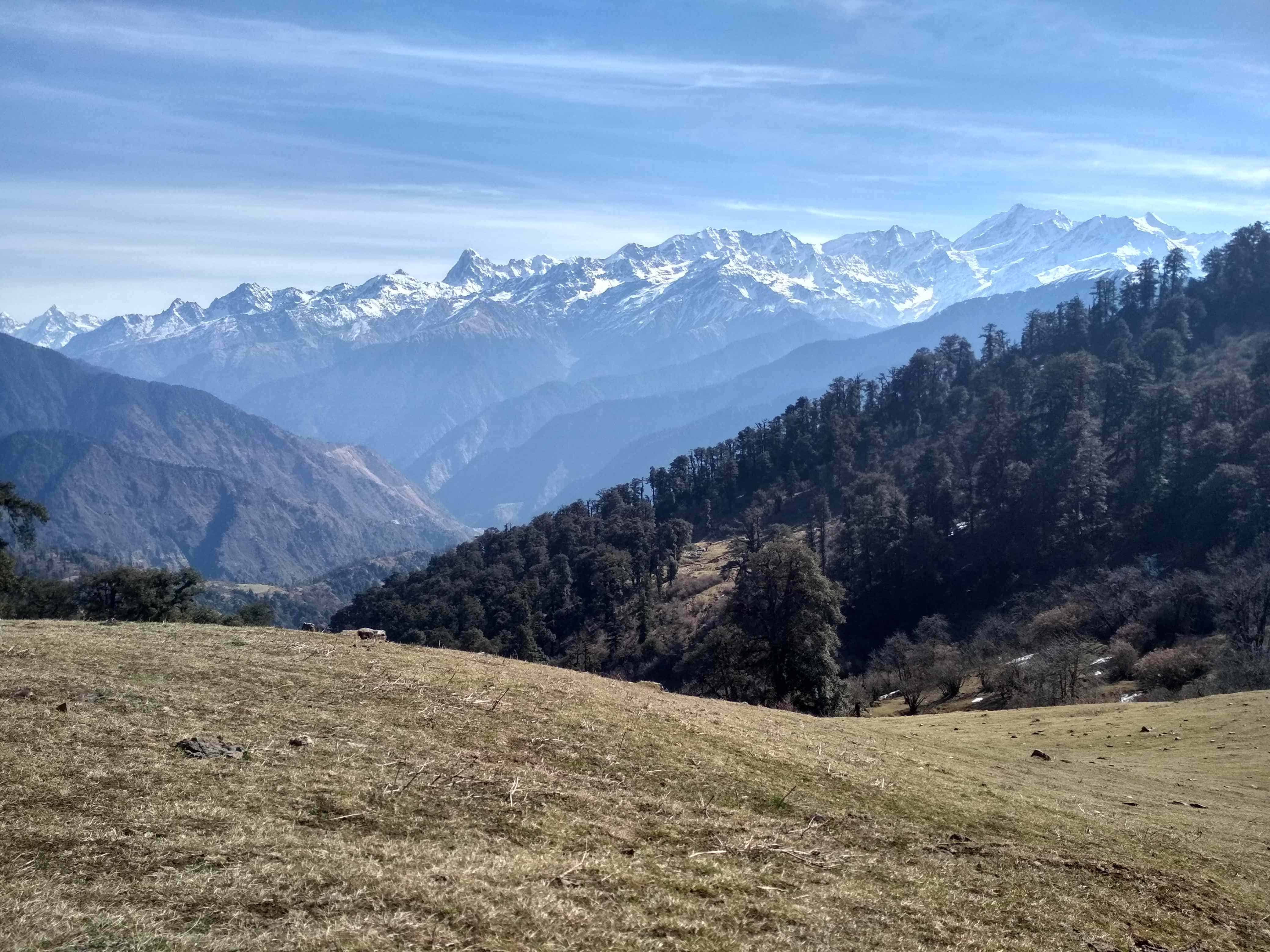
Are you looking for an offbeat destination in Uttarakhand that genuinely matches the cold desert landscapes of Ladakh? Then Nelong Valley (also spelled Nelang Valley) in the Uttarkashi district is a place you should absolutely have on your radar. Situated at an elevation of 11,400 Ft along the Indo-Tibet border, this valley remained closed to the outside world from 1962 until 2015, and even today, access is carefully controlled. In my view, it is one of the most stunning and genuinely untouched valleys in all of Garhwal. Let me walk you through everything you need to know before planning your visit.
Last Updated: February 2026. Permit process and entry fees verified against 2025-2026 information. Keep in mind that guidelines for restricted border areas can change, so verify locally before you travel.
Let's quickly dive into the details:
Practical Info: Nelong Valley at a Glance
Altitude: 11,400 Ft (approx. 3,475 m)
District: Uttarkashi, Uttarakhand
Open Season: May to November
Best Time: September and October (post-monsoon)
Permit Required: Yes — from SDM/DM office in Uttarkashi
Overnight Stay: NOT allowed inside the valley (25 km restricted zone)
Nearest Base: Harsil (26 km) or Gangotri
Entry Fee: Rs 150/person + Rs 250/vehicle (Gangotri National Park)
Foreigners Allowed: No — Indian nationals only
Max Visitors/Day: 24 people (6 Forest Dept. vehicles × 4 persons each)
Distance from Uttarkashi: About 100 km
Distance from Dehradun: About 195 km
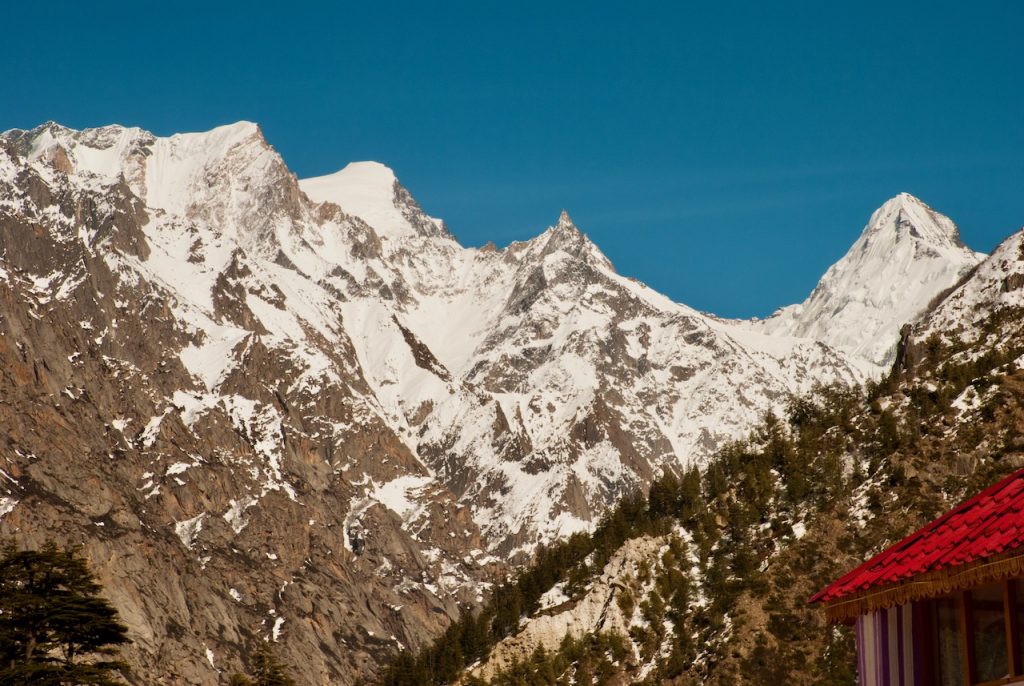
What is Nelong Valley? Why is it Called the Ladakh of Uttarakhand?
If you have been to Ladakh or Spiti Valley, you already know what a cold mountain desert looks like. The barren brown-grey ridges, the stark blue sky, the silence that feels physical, the complete absence of trees beyond a certain altitude. Nelong Valley gives you all of that, but tucked inside Uttarakhand. That is why the comparison sticks. The landscape, the climate, and the altitude all combine to make this feel like a piece of Lahaul-Spiti relocated to Garhwal.
The valley is part of the Gangotri National Park and sits very close to the Indo-Tibet border in the Uttarkashi district. It was an active trading corridor between India and Tibet for centuries, until the 1962 Indo-China war shut it down entirely. The valley remained off-limits to civilians for over five decades before being opened to domestic tourists in 2015. Even now, access is carefully rationed: only 24 visitors per day, Indian nationals only, no overnight stays, and only Forest Department vehicles beyond Bhairav Ghati.
Some locals translate “Nelong” as “the place of blue stones.” What is certain is that the valley has a history and cultural weight that goes far beyond any tourist brochure description. The Rongpas community (also called Bhotiyas), who were the original inhabitants, were displaced to Bagori village in Uttarkashi during the 1962 war evacuation and have not returned since. Their old homes, temples, and trade infrastructure still exist inside the valley, slowly being reclaimed by the elements.
The Historical Significance of Nelong Valley
Long before Tibet was occupied by China, Nelong Valley was a vital link on the ancient India-Tibet trade route. Wool, salt, borax, and grain moved through this corridor for centuries. The evidence is still there if you know where to look. The valley houses the ruins of the Lal Devta Temple and the Garstang Galion, remnants of a civilization that was simply switched off in 1962. There is also the famous Gartang Gali, a narrow wooden walkway carved into the cliff face that dates back to the 17th century. This was the actual path that traders used to cross the gorge while carrying goods between India and Tibet.
One piece of history that really caught my attention is the claim that Heinrich Harrer, the Austrian mountaineer and author of “Seven Years in Tibet,” escaped to Tibet through this very valley during World War II. Whether or not you have read his book, that context adds a fascinating dimension to your walk through Nelong.
After the 1962 war, ITBP checkposts were established throughout the valley. Even today, the area has significant military presence, which is part of why the visitor limits are so strict. When you do visit, I would encourage you to have conversations with the ITBP personnel and any locals you encounter. They carry stories about this place that you will not find documented anywhere.
When is the Best Time to Visit Nelong Valley?
Nelong Valley is open from May to November. However, not all months are equal. Here is my honest breakdown by season so you can plan properly.
May to June (Early Season)
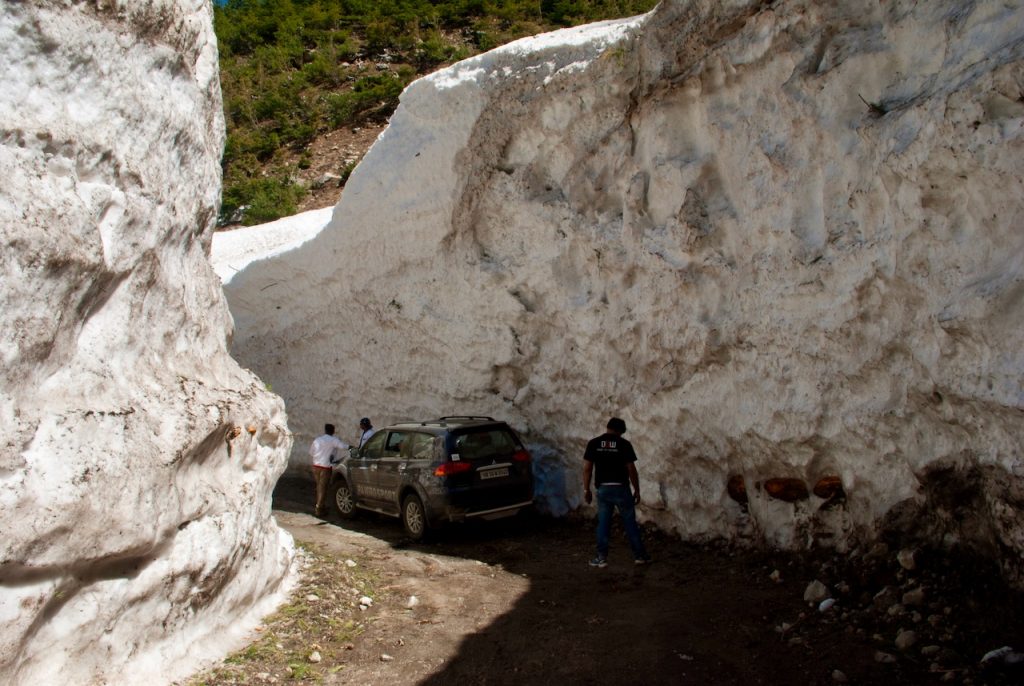
The valley opens in May, and this is a good time to visit if you want thinner crowds. The road from Harsil to Bhairav Ghati can still have snow patches in May, so check road conditions before heading out. Temperatures during the day stay between 5-12 degrees Celsius, and nights drop below zero. The landscape looks its most dramatic in this period, with snow still clinging to the higher ridges while the valley floor is clear.
July to August (Monsoon — Avoid)
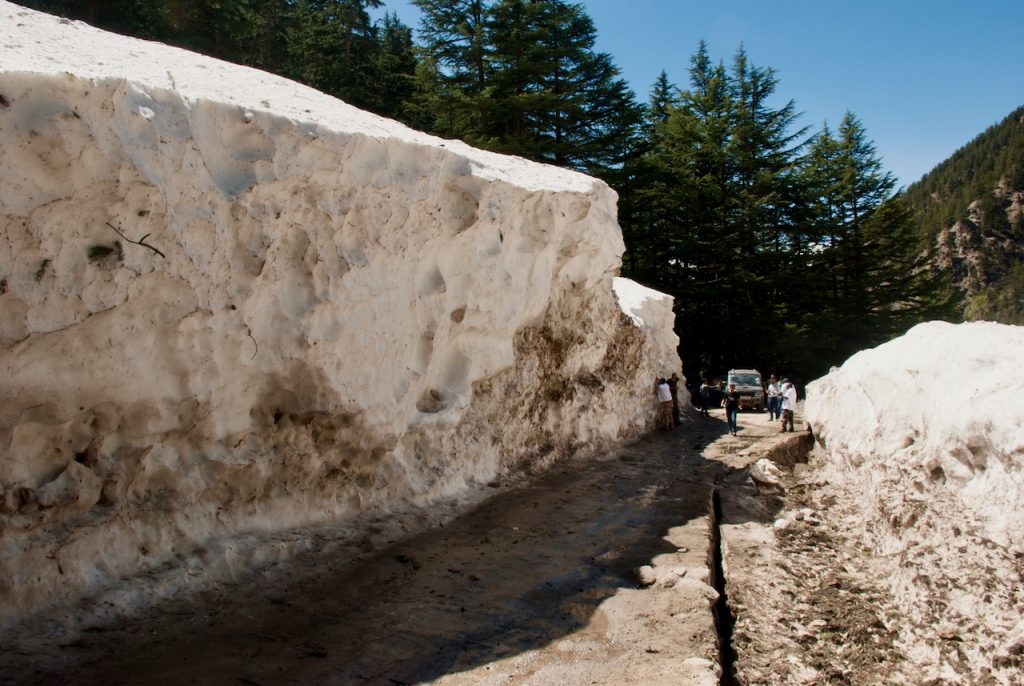
I would strongly suggest avoiding the monsoon months. Uttarakhand gets heavy rainfall from July to mid-September, and the roads in this region are notoriously vulnerable to landslides and washouts. The Bhagirathi River swells significantly, and the approach road can be risky. The valley itself gets very little rainfall (it is in a rain shadow zone similar to Lahaul), but the approach roads through lower Uttarkashi district are the problem. It is simply not worth the risk.
September to October (Best Time — Highly Recommended)
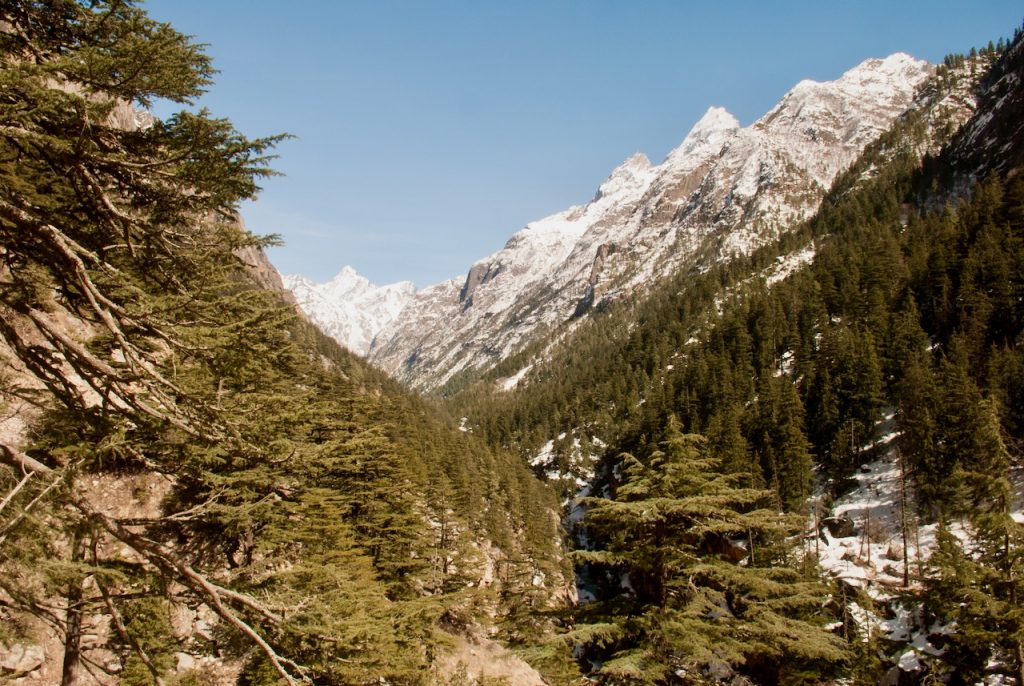
This is the sweet spot. The monsoon has retreated, the roads are at their most stable, the sky is a deep blue that you simply cannot get during monsoon, and the temperatures are manageable: days at 8-15 degrees Celsius, nights dipping to -3 to -5 degrees. Wildlife sightings of Himalayan blue sheep and musk deer are more common in this period as the animals move down from higher grazing zones. September-October is also when Gangotri and Harsil are at their most beautiful, so you can combine the Nelong visit with a longer Garhwal circuit.
November (Closing Season)
The valley closes for the winter around November. If you want to catch the valley with fresh snowfall on the surrounding peaks, early November can be spectacular. But the days are short, temperatures are very cold (nights can drop to -15 degrees Celsius), and you need to be prepared for sudden weather changes. The road can close early if there is an early snowfall, so keep a flexible itinerary.
How to Reach Nelong Valley
Nelong Valley is about 100 km from Uttarkashi and sits at the end of a road that runs through Harsil and past Gangotri. The entry checkpoint is at Bhairav Ghati (also spelled Bhaironghati). Beyond Bhairav Ghati, you travel in Forest Department vehicles. Here is how to get to the starting point depending on where you are coming from.
By Air
Jolly Grant Airport in Dehradun is the closest airport, about 195 km from Uttarkashi and approximately 315 km from Nelong Valley. Flights connect Dehradun to Delhi, Mumbai, and a few other major cities. From the airport, hire a taxi directly to Uttarkashi (about Rs 3,000-4,500 for the 5-6 hour drive) or take a bus from Dehradun ISBT to Uttarkashi.
By Rail
The nearest major railheads are Rishikesh and Haridwar, both well connected to Delhi and most other parts of India. Dehradun Railway Station is about 145 km from Uttarkashi. From any of these stations, taxis and GMOU/state buses ply to Uttarkashi throughout the day. From Uttarkashi, you need your own vehicle or a hired taxi to reach Bhairav Ghati.


By Road from Delhi
The most common route from Delhi is: Delhi to Haridwar (about 220 km), then Haridwar to Uttarkashi (about 160 km), then Uttarkashi to Bhairav Ghati (about 100 km). Total distance from Delhi: about 500 km. Driving time, without overnight halts, is roughly 12-14 hours. I would strongly recommend breaking this into two days, spending a night at Uttarkashi or Harsil before visiting the valley. Harsil is about 26 km before Bhairav Ghati and makes an excellent base. The road from Uttarkashi to Harsil follows the Bhagirathi River and is genuinely one of the most scenic drives in Garhwal.
Route: Uttarkashi to Nelong Valley
| Segment | Distance | Time | Notes |
|---|---|---|---|
| Uttarkashi to Harsil | 74 km | 2.5-3 hrs | Scenic mountain road, narrow in places |
| Harsil to Bhairav Ghati | 26 km | 45-60 min | Your private vehicle stops here |
| Bhairav Ghati to Nelong Valley | 25 km | 45-60 min | Forest Dept. jeep only; rough mountain track |
| Total (Uttarkashi to Valley) | ~125 km | ~5 hrs | Including Forest Dept. jeep leg |
Keep in mind that the road from Bhairav Ghati to Nelong is a rough mountain track, which is why private vehicles are prohibited. The Forest Department jeeps are 4×4 vehicles that can handle the terrain. Your permit will be checked at the checkpoint at Bhairav Ghati, so make absolutely sure you have everything in order before you leave Uttarkashi.
How to Get the Nelong Valley Permit — Step by Step
This is the part that trips up most people planning a visit. The permit process for Nelong Valley is multi-step and requires visiting three different offices in Uttarkashi. I recommend keeping a buffer of at least 2-3 days in your schedule for this process. It can take anywhere from a single day (if you are lucky and all officials are available) to a week. Getting here and then not having your permit sorted is a disaster you can avoid with a little planning.
Here is the step-by-step process as of 2026 (verify locally, as processes in restricted border zones can change):
- Prepare your application letter. Write an application in Hindi addressed to the District Magistrate (DM) of Uttarkashi. Include the full names of all travelers (including the driver), vehicle details (registration number, type), and the reason for the visit. Attach photocopies of Aadhaar Cards, Driving License (for the driver), and Vehicle Registration Certificate. You will need one original copy plus three photocopies of the entire application set. Keep in mind that only Indian nationals can apply.
- Visit the District Magistrate’s office in Uttarkashi (earlier Bhatwari). Submit your application at the Collectorate Office in Uttarkashi. The SDM’s office handles the Nelong Valley permits. Plan to arrive in the morning so you are not rushing. After document verification, you will receive a signed letter along with your stamped original application. Call ahead to confirm the SDM is available that day: offices in small hill towns sometimes have erratic schedules.
- Visit the Forest Office in Kotbangla. The Forest Office is about 2 km uphill from Uttarkashi town. Submit one set of photocopies here. The Forest Department will add their signature to your original application and issue a separate letter of approval. This signature is required, so do not skip this step.
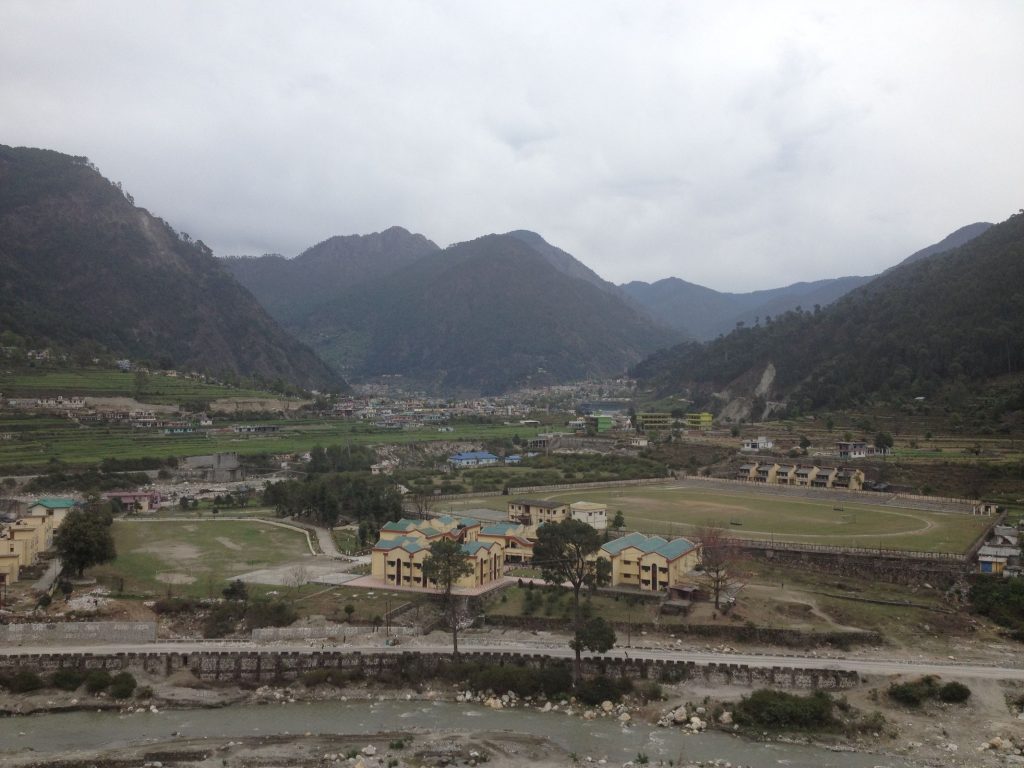
- Visit the Local Intelligence Unit (LIU), District Thana. The LIU office is located behind the famous Vishwanath Temple in Uttarkashi. This is typically the most time-consuming step. Submit your final photocopy set here. The LIU will sign your original application and keep the photocopies. Be patient, and be polite. These officers are doing their jobs carefully, and the border-area sensitivity is real.
- Return to the DM’s office for the final permit. Take your fully-signed original back to the PA (Personal Assistant) of the District Magistrate. He will prepare the official brown paper permit, get it signed by the SDM, and hand it to you. Guard this document carefully. It is your permission to enter the restricted zone. The permit is typically valid for one day only. You must return to the Bhairav Ghati checkpoint by 5:00 PM.
Also note: you need to furnish a fitness certificate confirming that all travelers are physically fit for high-altitude travel. Your regular doctor can provide this. Some travelers have also attached basic trek/adventure insurance documents, though this is not always mandatory. It is better to carry more documents than fewer when dealing with border area permits.
Nelong Valley Entry Fee
At the Bhairav Ghati checkpoint, you will pay the Gangotri National Park entry fee. As of 2025, this is Rs 150 per person and Rs 250 per vehicle. There is no separate SDM permit fee, but the permit process itself (photocopying, travel to offices) will cost you around Rs 200-500 in miscellaneous expenses. Keep small change handy at the checkpoint.
Things to Do in Nelong Valley
Since overnight stays and camping are not permitted, your time in Nelong Valley is limited to a single day visit. Make the most of it by knowing exactly what you want to see before you go. Here is what the valley offers.
Gartang Gali — The Ancient Wooden Walkway
This is the single most compelling reason to visit Nelong Valley. Gartang Gali is a narrow wooden walkway (essentially a wooden plank trail) carved into the vertical cliff face of the Jadh Ganga gorge. It dates back to the 17th century and was the actual path used by India-Tibet traders for hundreds of years. The walkway hangs over a sheer drop into the gorge below. It was restored a few years ago after falling into dangerous disrepair. Walking on it is an experience that is equal parts historically humbling and physically exhilarating. Keep in mind that it is narrow. Only one person can pass at a time on most sections.
Wildlife Spotting
Nelong Valley is part of the Gangotri National Park, which has excellent wildlife. The cold desert ecosystem here supports species you would associate more with Ladakh than Uttarakhand: Himalayan blue sheep (bharal), snow leopard, musk deer, and Himalayan wolf. September-October, when the animals descend to lower grazing areas, gives you the best chance of sightings. Carry binoculars. The blue sheep are often visible on the steep ridges, and with patience, musk deer sightings are possible near the treeline.
The Tibetan Plateau Views
From within the valley, on a clear day, you can actually see the Tibetan Plateau across the border. This is the kind of view that is genuinely rare in Uttarakhand. The barren brown expanse stretching across the horizon, framed by high ridges, reinforces exactly why people call this “the Ladakh of Uttarakhand.”
Heritage Structures and Ruins
The Lal Devta Temple and the remains of old stone buildings from the Rongpa/Bhotiya trading community are scattered through the valley. These are not maintained or signposted, which makes them simultaneously more atmospheric and more fragile. Please do not disturb or remove anything. The cultural heritage of Nelong Valley is on the edge of being lost forever, and every stone, every timber beam that remains tells a piece of that story.
Photography
For landscape photographers, Nelong Valley is genuinely exceptional. The combination of high-altitude desert terrain, the deep Bhagirathi gorge, the wooden walkway at Gartang Gali, distant Himalayan peaks, and the dramatic sky above the Tibetan Plateau makes for images you simply cannot get anywhere else in Uttarakhand. Early morning light in September-October, when the sky is crystal clear, is the best time. Carry a good wide-angle lens and plenty of storage.
Where to Stay Near Nelong Valley
Since overnight stays inside the valley are not permitted, your accommodation options are the nearby villages. There are two main choices depending on how far you want to drive each day.
Harsil — The Ideal Base
Harsil is my top recommendation for a base. It is a gorgeous apple orchard village on the Bhagirathi, about 26 km from Bhairav Ghati. You will find budget guesthouses charging Rs 800-1,500 per room per night, plus a few mid-range options at Rs 1,500-3,000. The village is small but has enough food options to keep you comfortable. The drive from Harsil to Bhairav Ghati takes 45-60 minutes, which means you can leave early in the morning and be at the checkpoint by 8:00-9:00 AM, a reasonable start time for a full day in the valley.
Gangotri
Gangotri is further along the same road, past Bhairav Ghati, but remember: Nelong Valley comes before Gangotri on this route. If you are combining a Gangotri pilgrimage with a Nelong visit, staying at Gangotri makes sense. There are many guesthouses and dharamshalas there, ranging from Rs 500 to Rs 2,500 per night. Gangotri is about 5 hours from Uttarkashi by road.
Uttarkashi Town
If you are handling your permit collection over 1-2 days (which is the reality for most people), Uttarkashi town itself has the best range of accommodation. You will find budget hotels from Rs 700-1,200/night and mid-range options from Rs 1,500-2,500. This also keeps you close to the DM office, Forest Office, and LIU office, making the permit logistics much easier.
Suggested Itineraries for Nelong Valley
3-Day Itinerary (Recommended Minimum)
This is the most practical approach for most travelers coming from Delhi or other major cities.
Day 2: Complete permit process (LIU clearance + final DM permit if Day 1 wasn’t enough). Drive to Harsil in the evening (74 km, 2.5 hrs). Overnight at Harsil.
Day 3: Early start from Harsil (7:00 AM). Drive to Bhairav Ghati. Present permits, pay entry fee. Board Forest Dept. jeep to Nelong Valley. Full day exploring Gartang Gali, wildlife spotting, photography. Must return to Bhairav Ghati by 5:00 PM. Drive back to Harsil or Uttarkashi for overnight.
5-Day Extended Itinerary (With Harsil and Gangotri)
If you have more time, I would highly recommend combining Nelong Valley with Harsil and Gangotri. The entire Bhagirathi valley at this altitude is spectacular. You can read more about the most common Harsil-Gangotri itineraries here to plan the broader circuit.
Day 2: Complete permits. Drive to Harsil (overnight).
Day 3: Nelong Valley visit (full day).
Day 4: Drive to Gangotri, explore Gangotri temple and surroundings.
Day 5: Return to Uttarkashi or continue toward Rishikesh/Delhi.
Budget for Nelong Valley Trip
Here is an honest budget breakdown for a 3-day trip to Nelong Valley from Dehradun, for two travelers sharing costs. All figures are in INR and based on 2025-2026 rates.
| Expense | Budget (per person) | Mid-Range (per person) |
|---|---|---|
| Taxi/Fuel (Dehradun to Uttarkashi + Harsil round trip) | Rs 1,500-2,000 | Rs 2,500-3,500 |
| Accommodation (3 nights: 2 in Uttarkashi, 1 in Harsil) | Rs 1,200-2,000 | Rs 2,500-4,000 |
| Food (3 days, dhabas and local restaurants) | Rs 800-1,200 | Rs 1,500-2,000 |
| Nelong Valley entry fee (Rs 150/person + Rs 250/vehicle) | Rs 275 | Rs 275 |
| Permit miscellaneous (photocopies, travel to offices) | Rs 200-400 | Rs 200-400 |
| Total per person (approximate) | Rs 4,000-6,000 | Rs 7,000-10,000 |
These figures exclude your travel from your home city to Dehradun. If you are driving from Delhi in your own vehicle, add fuel costs (roughly Rs 3,500-5,000 for a Delhi-Uttarkashi return in a mid-size car). If you are hiring a taxi from Delhi, that will be a significant additional expense (Rs 8,000-15,000 depending on vehicle type and negotiation).
Important Guidelines and Safety Tips
Given the strategic location and the altitude, there are several things you absolutely must keep in mind before visiting Nelong Valley. Do not skip this section.
- Foreign nationals are NOT allowed. No exceptions. The valley is in a restricted zone near the Indo-Tibet border. Only Indian nationals with valid ID proof may visit.
- No overnight stay. This means no camping, no tents, no sleeping in your vehicle inside the 25 km restricted zone between Bhairavghati and Nelong. You must exit by 5:00 PM.
- Daily visitor cap: 24 people. That is 6 Forest Department vehicles carrying 4 people each. The quota fills up during peak season (September-October). Plan well ahead and get your permits sorted before arriving at Bhairav Ghati.
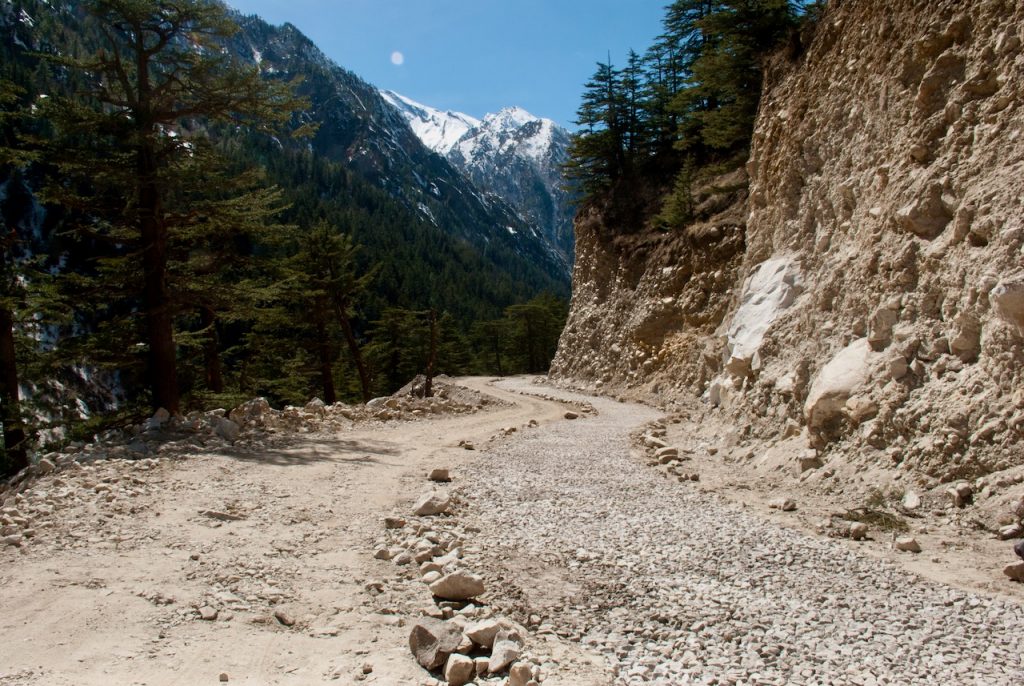
- Vehicle restriction. Private vehicles are not allowed beyond Bhairav Ghati. Park your vehicle here and use the Forest Department jeeps. Only SUVs/4x4s are allowed on the approach road from Uttarkashi to Bhairav Ghati. Sedans and hatchbacks will struggle on the narrow mountain road, especially in the sections beyond Gangotri.
- Photography rules. Photography is allowed in most of the valley but may be restricted near ITBP checkposts. Always ask before pointing your camera at any military infrastructure.
- Altitude and AMS. At 11,400 Ft, Nelong Valley is high enough to cause altitude sickness in people who are not acclimatized, especially if they have driven up quickly from lower altitudes. Common symptoms: headache, nausea, breathlessness, loss of appetite. Spend at least one night at Uttarkashi (3,165 Ft) before attempting the valley. If you experience severe symptoms, do not push on.
- Weather can change rapidly. Even in September-October, afternoon clouds and sudden temperature drops are common. Carry warm layers, waterproof jacket, and trekking shoes. Do not underestimate how cold it gets inside the valley.
- Mobile network. BSNL has limited coverage in this area. Beyond Uttarkashi, do not rely on your phone for navigation or communication. Download offline maps beforehand.
- Carry your own food and water. There are no tea stalls or dhabas inside the valley. Pack a lunch, snacks, and enough water (2-3 litres per person minimum) for the full day.
- Leave No Trace. This is a genuinely pristine environment. Whatever you carry in, carry out. There are no cleanup crews in Nelong Valley. The cultural heritage inside is irreplaceable. Please do not disturb anything.
Nelong Valley and Garhwal: Other Offbeat Destinations Nearby
If you are making the long trip to Uttarkashi for Nelong Valley, it makes sense to combine it with other destinations in the Garhwal Himalayas. Here are some excellent options.
The Harsil-Gangotri circuit is an obvious extension. Harsil is a magical village that most people rush through on the way to Gangotri, but it deserves a full day at minimum. The apple orchards, the Bhagirathi views, and the German Baker Wilson’s legacy give it real character. Gangotri is one of the four Char Dham shrines and sits at 10,200 Ft, making it an excellent acclimatization halt before visiting Nelong.
For those interested in exploring more of Garhwal, the Garhwal active itinerary is worth reading. It covers the major routes and destinations across the region. And if you are building a broader Uttarakhand circuit, check out my guide to offbeat places in Uttarakhand’s Garhwal and Kumaon regions for more ideas beyond the standard tourist trail.
Malari Village in Chamoli district offers a similar restricted-zone, border-area experience with ancient Tibetan-influenced architecture. My complete guide to Malari Village has all the logistics. And of course, if the spiritual side of Uttarakhand calls to you alongside the adventure, the Kedarnath complete guide covers the highest Shiva shrine in the Himalayas in detail.
For a broader perspective on Uttarakhand travel, the Tungnath and Chandrashilla guide is one of our most comprehensive resources for Garhwal, covering the highest Shiva temple in the world at 3,680 m and the surrounding trekking options. And the Ladakh itinerary guide gives a useful comparison if you are wondering how Nelong Valley stacks up against Ladakh’s landscapes (the honest answer: they are very similar in character, though Ladakh has more scale).
A Note on Responsible Travel
I want to be direct about something here. Nelong Valley has been closed to the world for nearly six decades. The Rongpa community who lived here was forcibly displaced in 1962 and has not been able to return to their ancestral homes and temples. What we see inside the valley today, the ruins, the remnants of the trade route, the temples, is all that remains of a living culture that was effectively frozen in time.
When you visit, please carry everything you bring back out. Do not remove stones, artifacts, or any physical objects from the valley. Do not light fires. Do not shout or disturb wildlife. If you are carrying plastic-wrapped snacks, carry the wrappers back. There are no cleanup crews in Nelong Valley. The people who lived here are not there to maintain it. It is our responsibility as visitors to leave it exactly as we found it, or better.
I pray for a future where the Nelong Valley’s history gets properly documented, preserved, and perhaps one day, where the Rongpa community can return in some form. Until then, our visits should do no harm. 🙂
Have a travel question?? You can subscribe to my YouTube channel and leave a comment to ask your travel questions about traveling to the Himalayas.
Frequently Asked Questions About Nelong Valley
Is Nelong Valley open for tourists in 2026?
Yes, Nelong Valley is open to Indian tourists from May to November each year. Foreign nationals are not permitted. You need a permit from the SDM/DM office in Uttarkashi before visiting. The valley is open during daylight hours only, and all visitors must return to the Bhairav Ghati checkpoint by 5:00 PM.
How long does the Nelong Valley permit process take?
The permit process typically takes 1-3 days, though it can stretch to a week in rare cases depending on office availability. You need to visit three offices in Uttarkashi: the District Magistrate’s office, the Forest Office in Kotbangla, and the Local Intelligence Unit (LIU) at the District Thana. Plan a buffer of at least 2-3 days in your overall itinerary for permit logistics.
Can I drive my own car to Nelong Valley?
You can drive your own vehicle up to Bhairav Ghati (Bhaironghati). Beyond that point, only Forest Department vehicles are allowed to enter the 25 km restricted zone leading to Nelong Valley. Park your vehicle at Bhairav Ghati and board the Forest Department jeep. Only SUVs and 4×4 vehicles are recommended for the approach road from Uttarkashi to Bhairav Ghati. Sedans will struggle on the narrow mountain sections.
What is the entry fee for Nelong Valley?
The entry fee at the Bhairav Ghati checkpoint is Rs 150 per person and Rs 250 per vehicle (Gangotri National Park fee), as of 2025. There is no separate SDM permit fee, but factor in approximately Rs 200-500 for photocopying, transport, and miscellaneous expenses during the permit process in Uttarkashi.
What is the best time to visit Nelong Valley?
September and October are the best months to visit Nelong Valley. The monsoon has cleared, the sky is crystal blue, roads are at their most stable, and wildlife sightings of Himalayan blue sheep and musk deer are more common. May-June is also good (thinner crowds, some snow on ridges), while July-August should be avoided due to monsoon-related landslide risk on the approach roads.
Can I stay overnight inside Nelong Valley?
No. Overnight stays, camping, and trekking are strictly prohibited inside the 25 km restricted zone between Bhairav Ghati and Nelong Valley. The area is a restricted border zone under Indian Army and ITBP oversight. Violating this rule can lead to serious consequences. Stay at Harsil, Gangotri, or Uttarkashi and make a day visit.
What wildlife can I see in Nelong Valley?
Nelong Valley is part of the Gangotri National Park and is home to Himalayan blue sheep (bharal), snow leopard, musk deer, Himalayan wolf, and various high-altitude bird species. Snow leopard sightings are rare but possible, especially in winter (though the valley is closed to tourists then). September-October gives the best wildlife viewing conditions as animals descend to lower elevations.
Is Nelong Valley suitable for first-time Himalayan travelers?
Nelong Valley is more challenging logistically than most Uttarakhand destinations due to the multi-step permit process, the restricted access rules, and the altitude (11,400 Ft). For first-time Himalayan travelers, I would suggest building some altitude experience first (Mussoorie, Chopta, Harsil) before attempting Nelong. That said, if you are fit, plan well, and allow enough time for permits and acclimatization, the visit is absolutely rewarding and worth the effort.
