


Lohaghat spans a quiet stretch of the Lohawati River in Champawat district, Kumaon, at 1,745 meters (5,725 ft), 432 km from Delhi via NH9. It stays free of the traffic and inflated rates common in Nainital or Mussoorie. The KMVN Tourist Rest House here still charges Rs 800 to Rs 1,800 a night, verified as of March 2026.
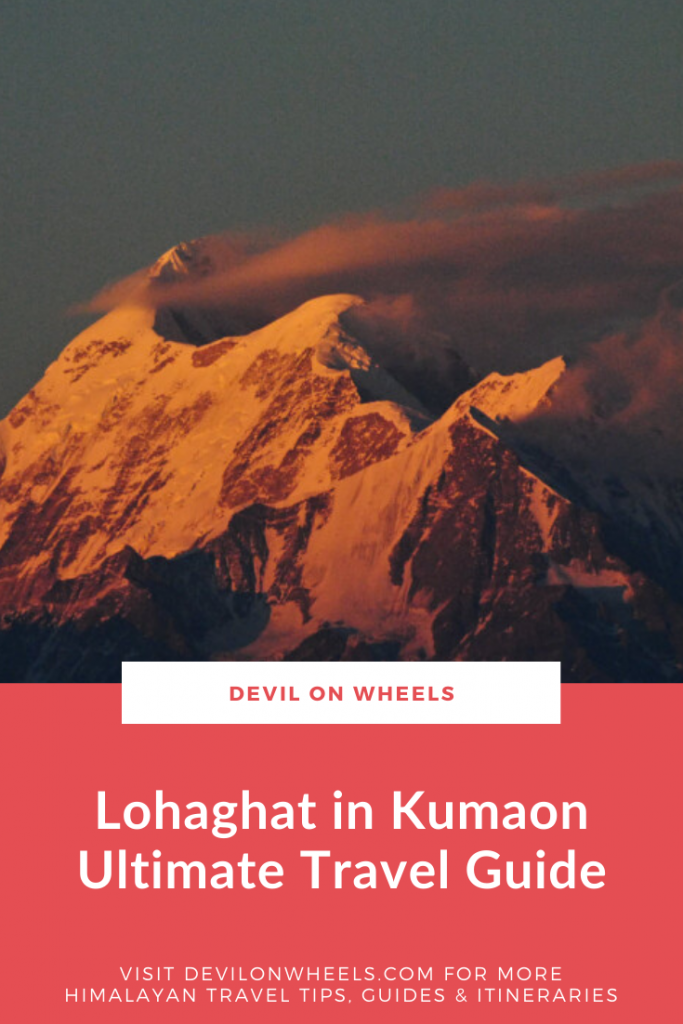
Lohaghat sits quietly on the banks of the Lohawati River in Champawat district, Kumaon, at an altitude of 1,745 meters (5,725 ft). It is one of the least crowded hill stations you will find within driving distance of Delhi. No tourist buses, no overflowing parking lots, no inflated hotel rates. Just pine and oak forests, the sound of the river, and a handful of travelers who actually enjoy silence. If you have been looking for an offbeat weekend escape in Uttarakhand, this guide covers everything you need to plan your trip to Lohaghat in 2026.
Let's quickly dive into the details:
Quick Facts About Lohaghat
Lohaghat is located 432 km from Delhi, 60 km from Tanakpur, and 7 km from Abbott Mount. The town sits at 1,745 meters and stays pleasant throughout the year, with summer temperatures around 15-25 degrees Celsius. Winters bring occasional snowfall from November to February, and monsoon (July-August) sees heavy rainfall with landslide risks on connecting roads.
| Detail | Information |
|---|---|
| Altitude | 1,745 m (5,725 ft) |
| District | Champawat, Kumaon, Uttarakhand |
| Distance from Delhi | 432 km (10-12 hours by road) |
| Nearest Railway Station | Tanakpur (60 km) |
| Nearest Airport | Pantnagar (160 km) |
| Best Time to Visit | March to June, September to November |
| Ideal Trip Duration | 2-3 days (long weekend) |
| Mobile Network | BSNL and Jio (patchy in Abbott Mount area) |
| ATM | Available in Lohaghat town (SBI, PNB) |
Why Should You Visit Lohaghat?
Lohaghat holds an important place in the historical and mythological landscape of India. This region served as the cultural capital of the Chand Dynasty, dating back to the 11th century. Ancient festivals are still celebrated here with traditional fervor. The town’s connection to the Lohawati River, the ruins of Banasur Fort, and the Advaita Ashram (Mayawati) add layers of cultural significance that most Kumaon destinations simply do not have.
But here is the real reason I keep recommending Lohaghat. During summers, the entire area turns red with Rhododendron blooms spread across the forest floor. And at night, the skies are dark enough to see the Milky Way without a telescope. That combination of wildflower forests and zero light pollution is rare this close to Delhi. If you have visited Nainital or Kumaon’s popular circuit and found them crowded, Lohaghat is your answer.
What Is the Best Time to Visit Lohaghat?
Lohaghat stays pleasant year-round, but certain months offer better experiences depending on what you are looking for. Here is a season-by-season breakdown.
March to June (Spring/Summer): Best overall window. Temperatures range from 15-25 degrees Celsius. Rhododendrons bloom from March to May, painting the hillsides red. Clear skies make this ideal for photography and trekking to Banasur Fort. Most popular with families and couples.
July to September (Monsoon): Avoid this window. The region receives heavy rainfall, and the roads from Tanakpur to Lohaghat become prone to landslides. Public transport frequency drops significantly. Unless you enjoy getting stuck for hours waiting for road clearance, skip the monsoons.
October to November (Autumn): Excellent time for a quiet visit. The monsoon has cleared the air, giving you sharp mountain views. Crowds are non-existent. Weather is cool and comfortable, around 10-18 degrees Celsius. This is also when the Devidhura temple sees cultural activities around Navratri.
December to February (Winter): Cold, with temperatures dropping to 0-5 degrees Celsius. Occasional snowfall at Abbott Mount and the surrounding ridges. If you enjoy winter solitude and carry warm layers, this is a beautiful time. Keep in mind that some homestays may close for the season, so confirm availability before traveling.
How to Reach Lohaghat from Delhi?
Lohaghat is 432 km from Delhi. There is no direct bus, no direct train, and no nearby airport with daily flights. Getting here requires a bit of planning, which is exactly why it stays uncrowded. Here are your options.
By Road (Self-Drive)
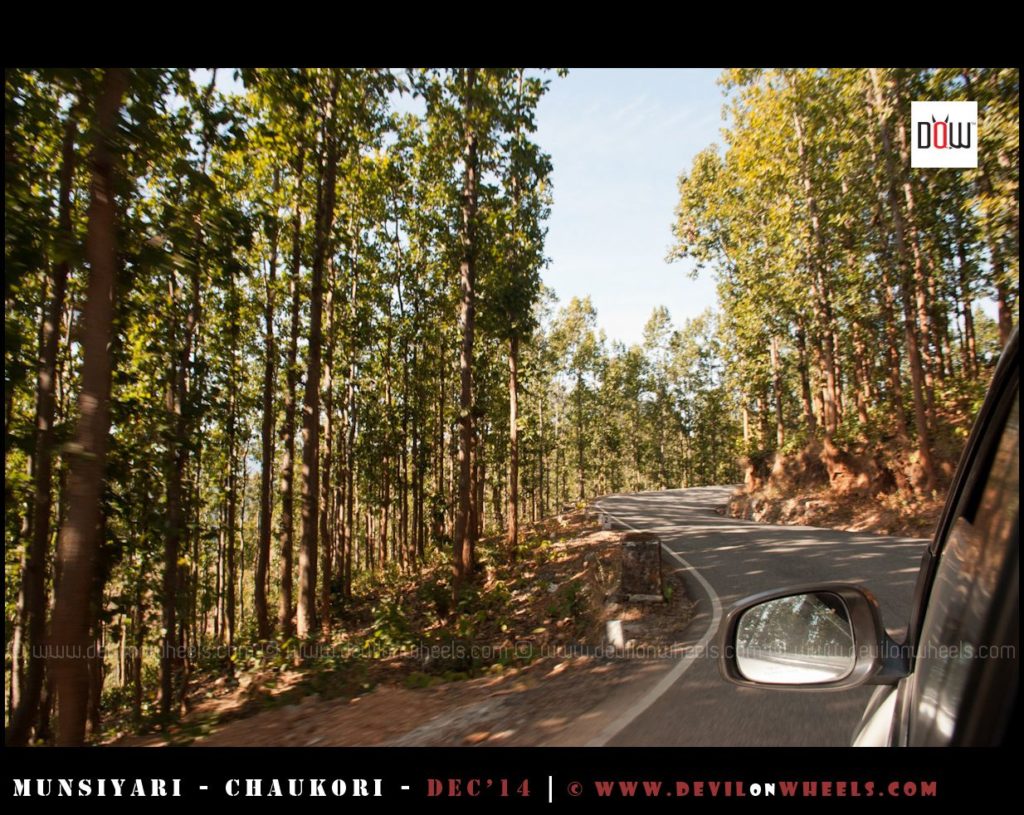
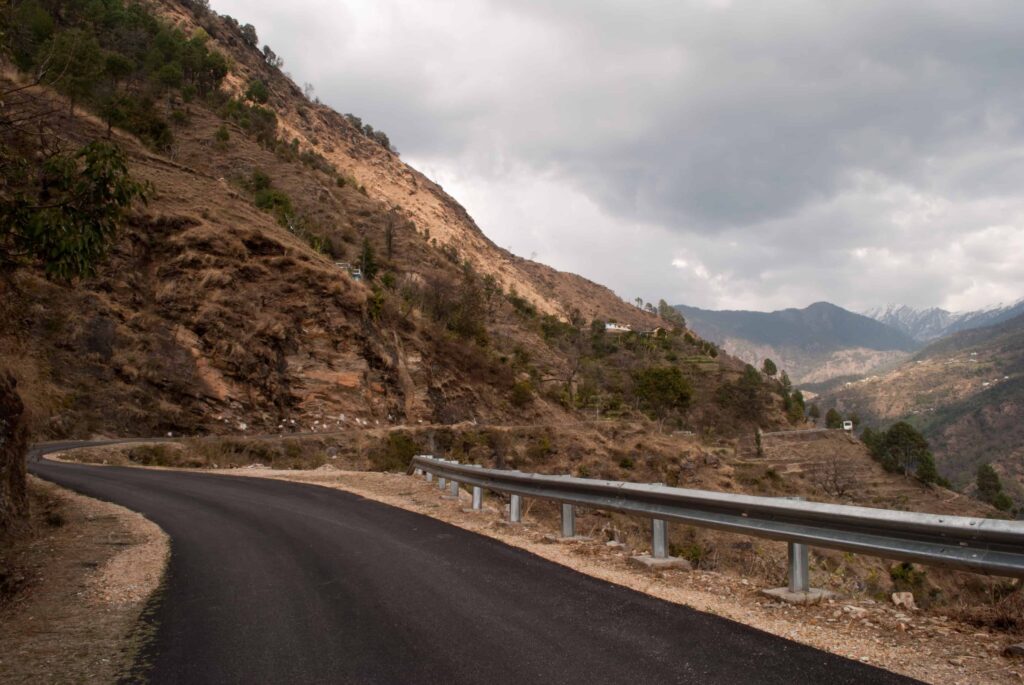
The most convenient option. Take NH9 from Delhi towards Moradabad, then continue via Rampur, Rudrapur, Khatima, and Tanakpur. From Tanakpur, it is another 60 km of hill road to Lohaghat. Total driving time is 10-12 hours depending on traffic around Moradabad and Rudrapur. The road condition is generally good till Tanakpur. The Tanakpur-Lohaghat stretch is a two-lane hill road, well-maintained but with sharp turns. Drive carefully after dark, as there is no street lighting on most sections.
Fuel note: Fill up at Tanakpur. There is a petrol pump in Lohaghat town, but availability can be uncertain during peak season.
By Bus
There is no direct bus from Delhi to Lohaghat. The practical route is to take a UTC (Uttarakhand Transport Corporation) bus from ISBT Anand Vihar in Delhi to Tanakpur. Multiple buses leave through the day and overnight. Fare is around Rs 350-500 for ordinary class, and a few private AC/sleeper operators also ply this route from Anand Vihar starting around Rs 600, in case you want a more comfortable overnight journey. From Tanakpur, shared jeeps and local buses run to Lohaghat, costing Rs 100-150. The Tanakpur-Lohaghat leg takes about 2-2.5 hours. As always, fares change with season and fuel prices, so confirm on the UTC app or with the operator before booking.
By Train
The nearest railway station is Tanakpur (station code: TPU), 60 km from Lohaghat. Tanakpur is connected to Delhi via a few trains, including the Delhi-Tanakpur Express. The journey takes around 8-10 hours. From Tanakpur station, taxis and shared jeeps are available for the onward ride to Lohaghat. Private taxi from Tanakpur to Lohaghat costs around Rs 1,000-1,500.
By Air
The nearest airport is Pantnagar (160 km from Lohaghat). Flights operate from Delhi a few times per week. From Pantnagar, you will need a pre-booked taxi (Rs 3,000-4,000 one way, 4-5 hours drive) or take a bus to Haldwani and then connect to Tanakpur. This is the most expensive and least practical option, so most travelers prefer to drive or take the train.
What Are the Top Places to Visit Near Lohaghat?
While Lohaghat itself is a tiny hamlet, don’t be fooled by its size. There are several historically and culturally significant places within a short drive. Here is a detailed breakdown of each.


Abbott Mount (7 km from Lohaghat)
Abbott Mount is the highlight of any Lohaghat trip and a must-visit. The road from Lohaghat climbs through dense pine and oak forest, with enough twists to keep you alert. The hilltop settlement was founded by an Englishman named John Abbott, who built cottages here in the colonial era. Most of those original cottages have fallen into disrepair, but a few have been restored as heritage stays.
The main attractions at Abbott Mount include an abandoned colonial church (now considered haunted by locals), panoramic views of the Himalayan peaks on clear days, and a KMVN Tourist Rest House where you can stay overnight. The sunrise from Abbott Mount, when the fog lifts over the valley and the first light hits the snow-capped peaks in the distance, is genuinely stunning. I would recommend spending at least one night at Abbott Mount if your schedule allows.
Tip: The road to Abbott Mount is narrow and steep. If you are driving a sedan, go slow, especially during monsoon when the road surface deteriorates. Two-wheelers handle this stretch better.
Mayawati Ashram / Advaita Ashram (9 km from Lohaghat)
The Advaita Ashram at Mayawati is a branch of the Ramakrishna Math, established in 1899 on the inspiration of Swami Vivekananda. His English disciples, Captain and Mrs. Sevier, founded the ashram. Swami Vivekananda himself visited Mayawati after returning from the West, and his room has been converted into a library that visitors can see.
The ashram sits at an altitude of about 1,940 meters, surrounded by cedar, pine, and rhododendron trees. It is a genuinely peaceful place for meditation and quiet reflection. The ashram publishes the well-known journal “Prabuddha Bharata” from here since 1896. Visiting hours are generally from 8 AM to 12 PM and 2 PM to 5 PM. There is no entry fee, but donations are welcome. Photography is restricted inside the main buildings.
Banasur Ka Kila / Banasur Fort (7 km from Lohaghat)
This is my favorite spot near Lohaghat. Banasur Ka Kila sits at about 1,859 meters, and reaching it requires a moderate trek of about 1.5-2 km uphill from the road. The climb is steep in parts, so carry water and wear proper shoes. The ruins at the top are from a fort associated with the mythological king Banasur, son of the demon king Bali.
The views from the top are the real reward. On a clear day, you can see the Himalayan snow peaks stretching across the horizon. The Lohawati River originates from this very hill, and you can trace its path winding through the valley below. Plan about 3-4 hours for the round trip including time at the top. Early morning is the best time to attempt this climb, both for cooler temperatures and better visibility.
Devidhura Temple (45 km from Lohaghat)
Devidhura is about 45 km from Lohaghat and famous for the Barahi Temple dedicated to Goddess Barahi. The temple draws pilgrims from across Kumaon and even Nepal. What makes Devidhura unique is the Bagwal festival held every year on Raksha Bandhan. Two groups of villagers throw stones at each other while holding wooden shields, and drawing blood is considered auspicious. It is a fascinating cultural tradition that has survived centuries. Jim Corbett mentioned the Devidhura fair in his book “Temple Tiger,” which gives you an idea of how long this festival has been part of the local culture.
If you are visiting around August, timing your trip to coincide with the Bagwal festival is worth it. The drive from Lohaghat takes about 1.5-2 hours on winding hill roads.
Pancheshwar (44 km from Lohaghat)
At the confluence of the Saryu and Kali rivers, the village of Pancheshwar is home to the ancient Pancheshwar Mahadev Temple dedicated to Lord Shiva. The sight of two rivers merging is visually striking, especially during the early morning light. Pancheshwar is also near the India-Nepal border, so the cultural blend of Kumaoni and Nepali traditions adds an interesting dimension. The drive from Lohaghat takes about 1.5-2 hours. You can combine Pancheshwar and Devidhura into a single day trip if you start early.
Champawat Town (15 km from Lohaghat)
The district headquarters, Champawat, is just 15 km from Lohaghat. The town has the Baleshwar Temple complex, a group of 10th-12th century temples with intricate stone carvings that showcase the architectural skill of the Chand Dynasty. Champawat was the former capital of the Chand kings before they shifted to Almora. It is also associated with the legendary Champawat tigress, shot by Jim Corbett in 1907. A quick half-day visit to Champawat adds historical depth to your Lohaghat trip.
What Is the Best Itinerary for a Lohaghat Trip?
A 3-day long weekend works perfectly for Lohaghat. You can stretch it to 4 days if you want to include Devidhura and Pancheshwar. Here is a practical day-by-day plan.
Day 0: Overnight Drive from Delhi
Leave Delhi by 10 PM. Drive through Moradabad, Rampur, Rudrapur, and Khatima. Reach Tanakpur by early morning (5-6 AM). Grab breakfast at one of the dhabas near Tanakpur bus stand, fill fuel, and continue to Lohaghat. You should reach by 8-9 AM. If you are taking a bus, catch the overnight UTC bus from ISBT Anand Vihar to Tanakpur (departs around 9-10 PM), then connect to Lohaghat by shared jeep in the morning.
Day 1: Lohaghat and Mayawati Ashram
After checking in, rest for a couple of hours. In the afternoon, drive to Mayawati Ashram (9 km, 20 minutes). Spend an hour or two at the ashram. The peaceful setting is perfect after a long overnight drive. In the evening, walk along the Lohawati River bank near the town. The river is not dramatic, but the sound of water flowing over rocks and the forest sounds at dusk make for a calming experience. Have dinner at your hotel or one of the local dhabas in the market area.
Day 2: Banasur Fort and Abbott Mount
Start early, around 7 AM. Drive to the Banasur Fort trailhead (7 km from Lohaghat) and begin the 1.5-2 km trek to the top. The morning light is best for photography from the fort ruins, and the air is cooler for the climb. Return to your hotel by noon, have lunch, and rest.
By 3 PM, head to Abbott Mount (7 km, 15-20 minutes by road). Explore the old church, the colonial cottages, and find a viewpoint for sunset. If you have booked a stay at KMVN Abbott Mount TRH or one of the restored cottages, spend the night there. Otherwise, return to Lohaghat after sunset. The drive down after dark is a bit tricky, so keep your headlights on high beam and watch for sharp turns.
Day 3: Return to Delhi
Leave Lohaghat by 6-7 AM to avoid afternoon traffic around Rudrapur and Moradabad. The drive back takes 10-12 hours with stops. Alternatively, you can add Champawat town on your way out (it is on the route), visit the Baleshwar Temple for an hour, and then continue towards Tanakpur and Delhi.
Where to Stay in Lohaghat and Abbott Mount?
Accommodation options in Lohaghat are limited compared to popular hill stations, which is part of the charm. Here is what is available as of 2026.
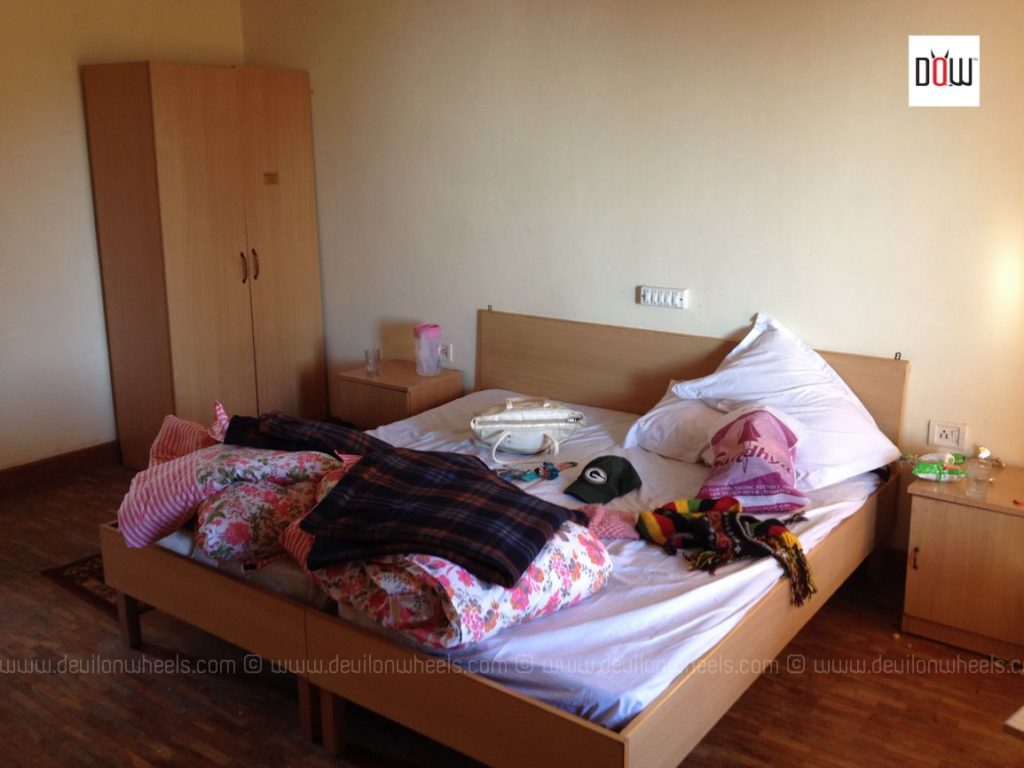
KMVN Tourist Rest House, Lohaghat: The government-run option with Deluxe Rooms and a dormitory. Clean, basic, and reasonably priced at Rs 800-1,800 per night depending on room type and season. Book through the KMVN official website.
KMVN Abbott Mount TRH (Gold Crest Eco Log Huts): Wooden log huts at Abbott Mount run by KMVN. These are charming, surrounded by forest, and give you the full hilltop experience. Rates range from Rs 1,200-2,500 per night. Book early during summer, as they have limited rooms.
Hotel Ranjeet Palace, Lohaghat: A private option with decent rooms. Rates around Rs 1,000-2,000 per night.
Kalptaru Homestay: Good views and warm hospitality. Budget-friendly at Rs 800-1,200 per night including meals.
Camping: If you carry your own gear, Lohaghat is excellent for camping. The forest areas near Banasur Fort and around Mayawati Ashram have flat ground suitable for pitching a tent. The night sky here, with zero light pollution, is one of the best I have seen in the Kumaon region.
Where to Eat in Lohaghat?
Lohaghat is a small town, so do not expect fancy restaurants or cafes. What you will find is honest, home-style North Indian food at roadside dhabas near the main market. Dal, rice, roti, sabzi, and simple Chinese items like chow mein and momos are available everywhere. A meal for two at a dhaba will cost around Rs 200-350.
Hotels like Ranjeet Palace and the KMVN TRH serve meals to their guests. If you are staying at a homestay, your host will likely cook for you, and that is honestly the best food option in Lohaghat. Fresh, home-cooked Kumaoni food with local ingredients. Ask for Bhatt ki Churkani (a black bean curry) and Aloo ke Gutke (spiced potatoes). These are Kumaoni specialties that you will not find at your average Delhi restaurant.
How Much Does a Lohaghat Trip Cost?
Lohaghat is one of the most affordable hill station trips you can take from Delhi. Here is a budget breakdown for a 3-day, 2-night trip for two people.
| Expense | Budget (Rs) | Mid-Range (Rs) |
|---|---|---|
| Fuel (Delhi-Lohaghat-Delhi, ~900 km) | 4,500-5,000 | 4,500-5,000 |
| Or Bus (Delhi-Tanakpur return x2) | 1,400-2,000 | 1,400-2,000 |
| Taxi Tanakpur-Lohaghat (return x2) | 400-600 | 2,000-3,000 |
| Accommodation (2 nights) | 1,600-2,400 | 3,000-5,000 |
| Meals (3 days x 2 people) | 1,200-1,800 | 2,000-3,000 |
| Local Transport / Sightseeing | 500-1,000 | 1,500-2,000 |
| Total (by car) | 7,800-10,200 | 11,000-15,000 |
| Total (by bus/train) | 5,100-7,800 | 9,900-15,000 |
As you can see, a budget trip for two to Lohaghat costs under Rs 10,000 if you drive, and under Rs 8,000 if you take public transport. That is significantly cheaper than Nainital, Mussoorie, or Rishikesh for a similar duration. The savings come from the low accommodation costs and the absence of tourist-inflated pricing.
What Should You Know Before Visiting Lohaghat?
Here are some practical tips that will save you hassle on the ground.
- Cash is king: There are ATMs in Lohaghat town (SBI, PNB), but they sometimes run out of cash during long weekends. Carry enough cash for your entire trip. Abbott Mount has no ATM.
- Mobile network: BSNL has the widest coverage. Jio works in Lohaghat town but gets patchy at Abbott Mount and on the forest roads. Airtel coverage is limited. Download offline maps before you leave.
- Medical facilities: Lohaghat has a government hospital for basic emergencies. For anything serious, Champawat (15 km) or Tanakpur (60 km) has better facilities. Carry a basic first-aid kit.
- Road conditions: The Tanakpur-Lohaghat road is generally well-maintained but narrow. During and immediately after monsoon (July-September), landslides can block the road for hours. Local news outlets reported continued rain-related disruption around Champawat and Lohaghat as recently as mid-August 2026, so check road conditions before starting if you are traveling in this window.
- Alcohol: Lohaghat has a few wine shops. Abbott Mount does not have any. If that matters to your trip planning, stock up in Tanakpur or Lohaghat town.
- Permits: No permits are required for Indian nationals to visit Lohaghat, Abbott Mount, or any of the nearby attractions.
- Photography: The Mayawati Ashram restricts photography inside the main buildings. Elsewhere, you are free to photograph.
How Is Lohaghat Different from Other Kumaon Destinations?
If you have visited Nainital, Almora, Ranikhet, or even Kausani, you will notice that Lohaghat operates at a completely different pace. There are no traffic jams, no honking, and no shopkeepers competing for your attention. The town has a single main market street, a few dhabas, and a river. That is about it.
What Lohaghat offers instead is genuine quiet. The kind of quiet where you can hear birds you have never heard before, where your phone does not constantly buzz with notifications (because the network is patchy), and where the night sky actually looks like it does in those long-exposure photographs. Lohaghat is not a destination for thrill seekers or Instagram checklist travelers. It is for people who want to disconnect and slow down. If that sounds like what you need, this is your place.
For those looking to explore more offbeat destinations in the Kumaon region, consider combining Lohaghat with nearby places like Manila or Chaukori. Both are within striking distance and equally uncrowded.
Camping and Stargazing at Lohaghat
I mentioned camping earlier, but it deserves its own section because the stargazing potential here is something special. Lohaghat and Abbott Mount sit in one of the darkest sky zones in the Kumaon Himalayas. The nearest major town (Tanakpur) is 60 km away, and the surrounding forests block any stray light from nearby villages.
If you carry a tent, sleeping bag, and a thermos of chai, pick a clearing near the Banasur Fort area or the ridge above Mayawati Ashram. The Milky Way is visible to the naked eye on clear nights, especially between March and May, and again in October-November. A basic camera on a tripod can capture excellent star trails without any special equipment.
Keep in mind that night temperatures drop sharply, even in summer. Carry warm layers even if the daytime feels comfortable. And always inform your hotel or homestay host if you plan to camp overnight, so someone knows where you are.
Lohaghat for Families and Solo Travelers
Families: Lohaghat is very family-friendly. The altitude is moderate (no AMS risk), the roads are safe, and the pace of life means kids can run around freely. The KMVN rest houses are clean and affordable. The only thing to watch out for is that there is no dedicated kids’ entertainment. The fun here comes from nature walks, river exploration, and fort climbs. Families with young children should skip the Banasur Fort trek (too steep for kids under 8) and instead spend time at Mayawati Ashram and the Abbott Mount viewpoint.
Solo travelers: Lohaghat is safe for solo travelers, including women. The locals are friendly and helpful, and the tourist infrastructure, while basic, is trustworthy. A solo budget trip can be done for under Rs 4,000-5,000 for 3 days if you take public transport and stay at the KMVN dormitory. Feel free to explore at your own pace, this is the kind of place that rewards slow travel.
Nearby Offbeat Destinations to Combine with Lohaghat
If you have 4-5 days instead of a weekend, you can create a larger Kumaon circuit. Here are some options.
- Champawat (15 km): Baleshwar Temple complex, Jim Corbett history, half-day addition
- Devidhura (45 km): Barahi Temple, stone-throwing festival on Raksha Bandhan
- Pancheshwar (44 km): Confluence of Saryu and Kali rivers, Pancheshwar Mahadev Temple
- Gwaldam (250 km): If heading deeper into Kumaon, Gwaldam offers lake views and mountain panoramas
- Harsil in Garhwal (distant, 400+ km): Different region entirely, but if you are doing a week-long Uttarakhand road trip, Harsil is another hidden gem worth visiting
Frequently Asked Questions
Is Lohaghat safe for families with children?
Yes, Lohaghat is safe for families. The altitude is moderate at 1,745 meters, so there is no risk of altitude sickness. Roads are well-maintained, and the town has basic medical facilities. The only precaution is to avoid the Banasur Fort trek with very young children, as the trail is steep.
Is there snowfall in Lohaghat?
Lohaghat itself gets occasional light snowfall between December and February. Abbott Mount, being at a slightly higher elevation, sees more frequent snowfall during this period. If snowfall is your primary reason for visiting, January is the best bet, but confirm weather conditions before traveling.
Can I visit Lohaghat in one day from Delhi?
A one-day trip is not practical. Lohaghat is 432 km from Delhi, requiring 10-12 hours of driving each way. The minimum recommended duration is 2 nights and 3 days, ideally over a long weekend.
Is Abbott Mount really haunted?
Local folklore says the old colonial cottages and the abandoned church at Abbott Mount are haunted. Whether you believe in ghosts or not, the atmosphere after dark, with mist rolling through the pine trees and complete silence, does create an eerie vibe. The KMVN rest house at Abbott Mount is perfectly comfortable and not spooky at all, so do not let the ghost stories stop you from staying there.
What is the best month to see Rhododendrons in Lohaghat?
Rhododendrons bloom between March and May in the Lohaghat-Abbott Mount area. Peak bloom varies by year depending on winter rainfall, but mid-April is generally the best time. The red Rhododendrons along the forest trails and around Abbott Mount create a stunning visual backdrop.
Is there mobile network at Abbott Mount?
BSNL works intermittently at Abbott Mount. Jio has spotty coverage. Airtel is largely absent. If you need to stay connected, download offline maps and inform someone of your plans before heading to Abbott Mount. Lohaghat town itself has better network coverage.
How far is Lohaghat from Nainital?
Lohaghat is about 175 km from Nainital, which translates to a 5-6 hour drive through hill roads via Almora and Pithoragarh. It is possible to combine Nainital and Lohaghat on a longer trip, but they serve very different purposes. Nainital is commercial and crowded. Lohaghat is the opposite.

What does the name Lohaghat (Loha Ghat) mean?
“Loha” means iron and “ghat” refers to a riverside landing or step in Hindi. Lohaghat, which many people search as two words, “Loha Ghat”, sits on the banks of the Lohawati River and has a documented history of ironworking. Local self-help groups in the Lohaghat tehsil still practice traditional blacksmithing today, a craft that gave the town its name.
How far is Lohaghat from Pithoragarh?
Lohaghat is about 62 km from Pithoragarh, roughly a 2-hour drive on hill roads via Champawat. It is also 15 km from Champawat, the district headquarters. Keep in mind these hill roads have sharp turns, so add buffer time if you are driving after dark.
That covers everything you need to plan your trip to Lohaghat. If you have any questions or want to share your own experience visiting this place, feel free to drop a comment below. Our DwD community loves hearing from fellow travelers, and if your tip is useful, we will add it to this guide for future visitors 🙂
Last Updated: August 2026

2 Comments
Comments section gets closed in 90 days. To ask your travel questions, you can follow my YouTube Channel for a faster reply or for a much slower reply follow me on Instagram. :)
Wow. I am definitely going share this with a few of my friends. Very cool information.
Thanks Ray! Hope you get to visit as well 🙂