


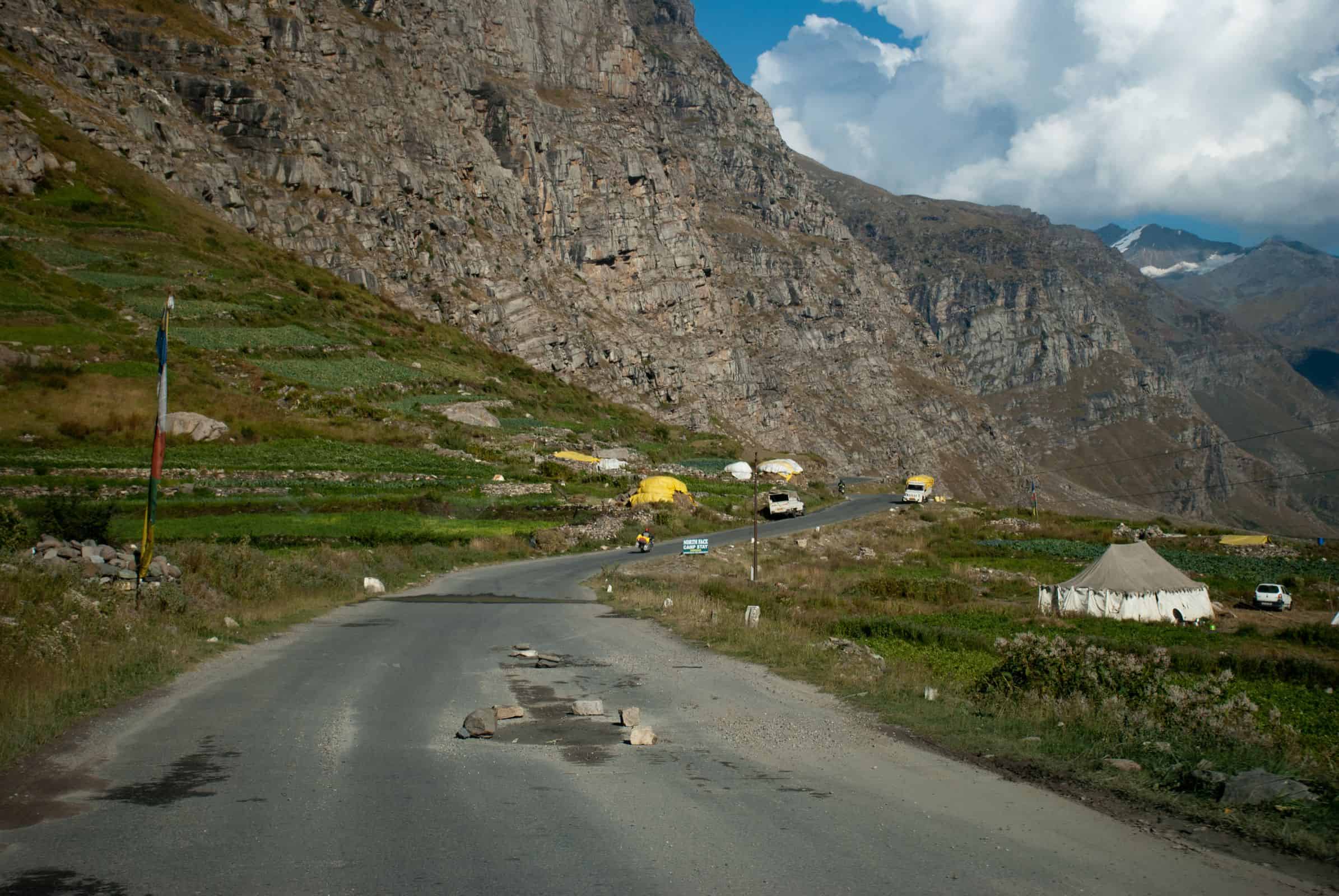
Lahaul Valley is one of those places in Himachal Pradesh that most travelers simply drive through on their way to Ladakh. And I think that is a big mistake. Sitting at an average elevation of about 10,000 feet, tucked between the Pir Panjal and the Greater Himalayas, Lahaul has its own unique charm, culture, and landscapes that deserve more than just a passing glance from a car window. In this guide, I will cover everything you need to plan a trip to Lahaul Valley in 2026, from the best time to visit and how to reach, to a practical budget breakdown, itinerary options, and safety tips.
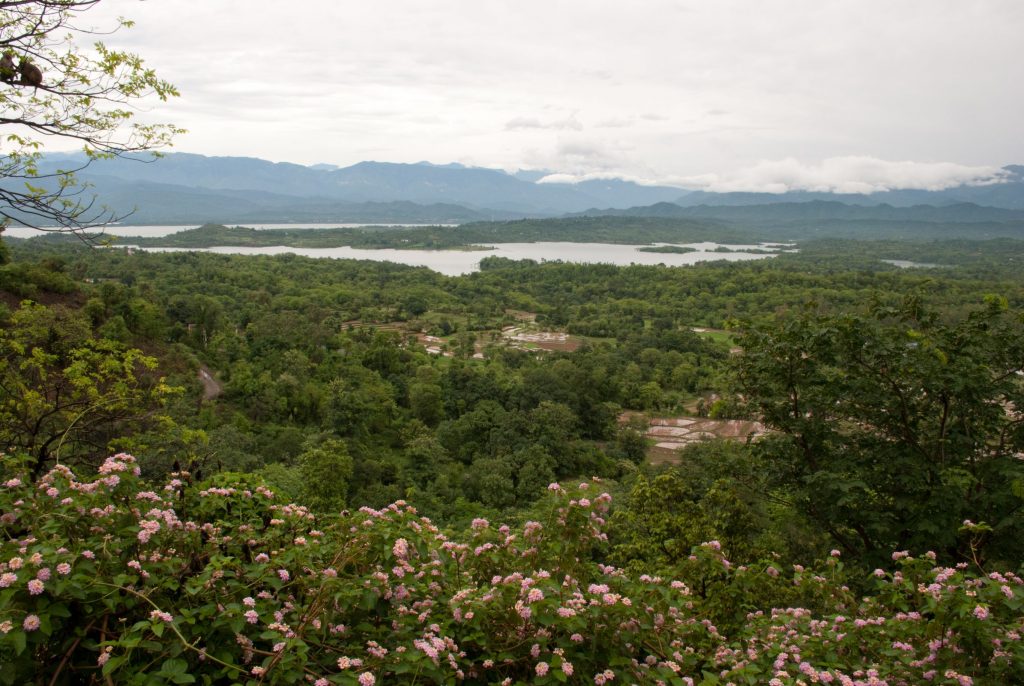
The biggest change in recent years has been the Atal Tunnel (Rohtang), which opened in 2020 and reduced the Manali to Lahaul travel time dramatically. Before the tunnel, you had to cross Rohtang Pass, which was closed from October to May every year. Now, Lahaul is accessible year-round, and that has opened up a whole new dimension to this valley, including winter tourism.
Quick Info: Lahaul Valley at a Glance
| Location | Lahaul & Spiti District, Himachal Pradesh |
| District HQ | Keylong (10,200 Ft) |
| Distance from Manali | About 115 km (via Atal Tunnel) |
| Best Time to Visit | May to October (summer), Dec to Feb (snow via Atal Tunnel) |
| Budget (per person/day) | Rs 1,000 – Rs 6,000 depending on travel style |
| Permits Required | None for Indian tourists |
| Nearest Airport | Bhuntar (Kullu), about 170 km |
| Mobile Network | BSNL, Airtel 4G, Jio 4G in major towns |
| Last Updated | February 2026 |
What is Lahaul Valley and Why Should You Visit?
Lahaul Valley forms the western part of the Lahaul and Spiti district in Himachal Pradesh. While Spiti gets most of the attention (and rightly so, it is stunning), Lahaul is equally beautiful but in a very different way. Where Spiti is dry and desert-like, Lahaul is greener, with terraced fields, willow and poplar trees lining the roads, apple orchards, and rivers fed by glaciers. The valley is formed by the Chandra and Bhaga rivers, which meet at Tandi to form the Chandrabhaga (also known as Chenab).
For travelers coming from Manali, Lahaul is the first taste of the trans-Himalayan landscape. It is also a region with deep Buddhist and Hindu cultural roots. You will find ancient monasteries like Kardang, Shashur, and Tayul sitting on hillsides, alongside Hindu temples like the famous Trilokinath and Mrikula Devi temple in Udaipur. This coexistence of Buddhism and Hinduism is one of the most beautiful aspects of Lahaul’s culture.
If you are planning a trip to Ladakh via the Manali – Leh Highway, I would suggest spending at least 1-2 nights in Lahaul rather than just rushing through. You can read more about why in my article on why I recommend Jispa over Sarchu as a night halt.
When is the Best Time to Visit Lahaul Valley?
The best time to visit Lahaul Valley depends on what kind of experience you are looking for. Here is a month-by-month breakdown to help you decide.
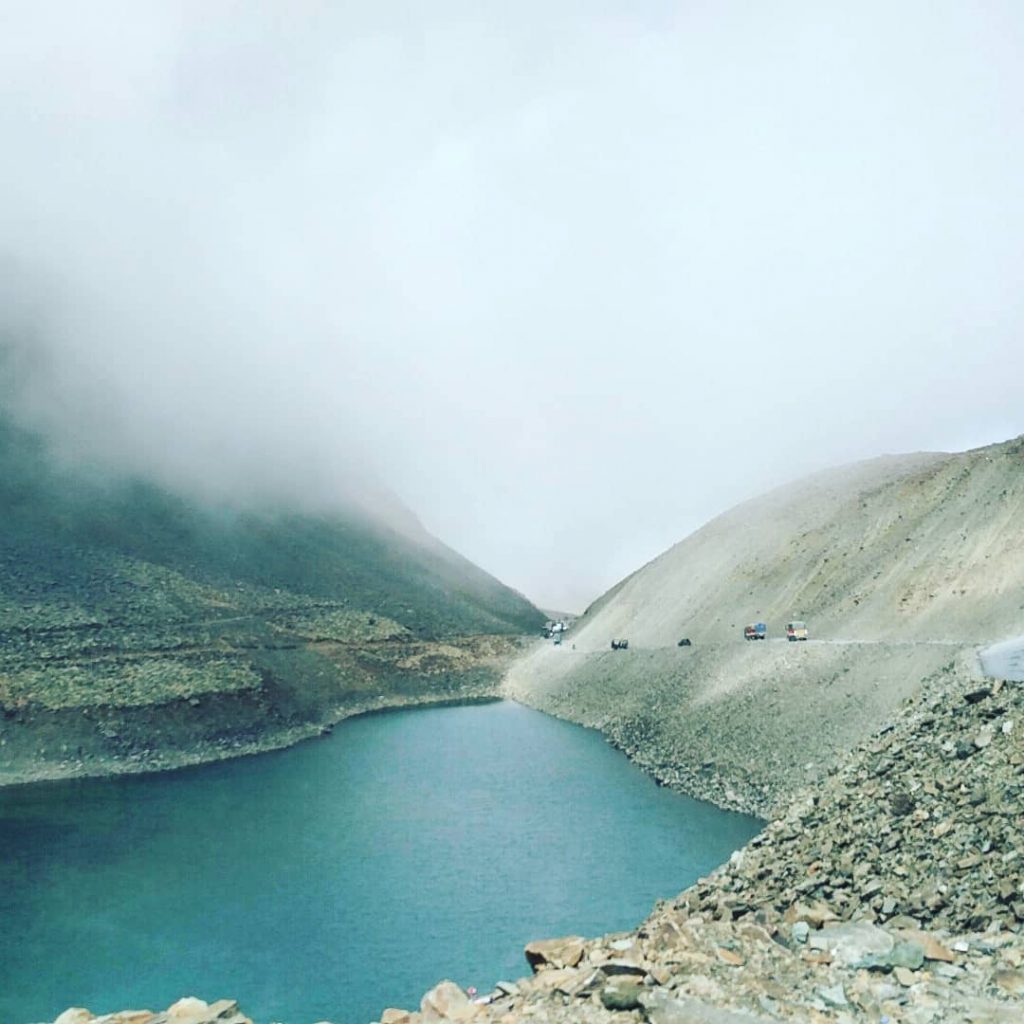
May to June: This is when the valley truly comes alive after winter. The roads open up beyond Keylong towards Ladakh (via Baralacha La), the weather is pleasant with daytime temperatures around 15-25 degrees Celsius, and the landscapes are lush green. This is the best time for first-time visitors. Keep in mind that early May can still have snow patches on higher stretches beyond Jispa.
July to September: Monsoon season. Now, Lahaul sits in a rain shadow, so it does not get as much rain as, say, Manali or Kullu. However, the approach road from Manali side (before the Atal Tunnel) can be affected by landslides. The valley itself remains beautiful, and this is actually a good time for wildflowers and lush greenery. The Manali – Leh Highway is fully operational during these months.
October to November: Autumn brings golden hues to the valley. The willow and poplar trees turn yellow, the skies are clear, and the crowds thin out. This is a wonderful time if you enjoy quieter travel. However, the road beyond Keylong towards Ladakh (via Baralacha La) usually closes by mid-October due to snowfall.
December to February: Thanks to the Atal Tunnel, you can now visit Lahaul in winter. The valley is covered in snow, temperatures drop to -10 to -20 degrees Celsius, and the landscape transforms into a white wonderland. However, do keep in mind that travel beyond Keylong is not possible in winter. The road from Keylong to Jispa and beyond is usually closed. Travel is restricted to the Manali – Atal Tunnel – Sissu – Keylong stretch. Also, many hotels and homestays shut down for winter, so options are limited. I suggest checking with local contacts before planning a winter trip.
March to April: A transition period. Snow starts melting, roads are being cleared by BRO. Not the best time for tourism as conditions are unpredictable. The Atal Tunnel remains operational, but beyond Keylong, roads may still be closed.
My recommendation: If this is your first visit to Lahaul, go between mid-May and June or in September to early October. You get the best weather, open roads, and can combine it with a Ladakh trip if you wish.
How to Reach Lahaul Valley from Manali, Delhi, and Chandigarh?
Lahaul Valley is most commonly accessed from Manali. Here are the different ways to get there.
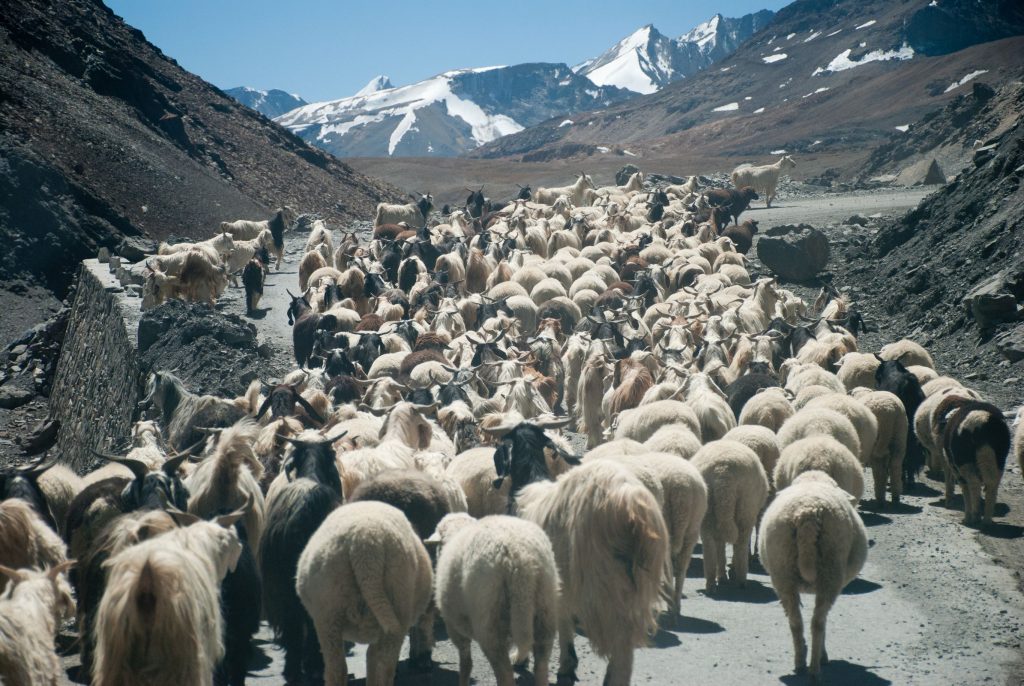
By Road from Manali (Easiest and Most Common)
The distance from Manali to Keylong is about 115 km via the Atal Tunnel. Before the tunnel, this journey used to take 6-8 hours via Rohtang Pass (and was only possible from June to October). Now, thanks to the 9.02 km Atal Tunnel, you can reach Sissu in about 1.5 to 2 hours from Manali, and Keylong in about 3 to 4 hours.
The route is: Manali → Palchan → Atal Tunnel South Portal → Atal Tunnel North Portal (Sissu side) → Sissu → Tandi → Keylong → Jispa
Key distances along the route:
- Manali to Sissu: about 40 km (1.5-2 hours)
- Sissu to Keylong: about 30 km (1-1.5 hours)
- Keylong to Jispa: about 23 km (30-40 minutes)
- Manali to Jispa: about 93 km (3-4 hours total)
For a detailed route guide, you can refer to my Travel Guide for Manali – Leh Highway. Also check the Manali Leh Highway Status page for the latest road conditions.
By Bus (HRTC)
HRTC operates regular bus services from Manali to Keylong. There are a few buses daily with the first one usually starting around 5 AM from Manali and the last around 1 PM. The journey takes approximately 4-6 hours depending on road conditions and traffic. The fare for an ordinary HRTC bus is in the range of Rs 250-400 (verify current fares at the Manali bus stand or on the HRTC official website).
There is also the Manali to Leh HRTC bus that passes through Keylong and halts there for the night. The one-way fare for this Manali – Leh bus is approximately Rs 1,736 for the full journey. If you are heading to Ladakh on a budget, this is a great option. You can read more about it in my detailed post on Manali to Leh Bus Service.
HRTC has also started running electric buses on the Manali to Keylong route via the Atal Tunnel, which is a welcome addition for eco-conscious travelers.
By Road from Delhi and Chandigarh
From Delhi, the total distance to Keylong is approximately 570-590 km. The route is Delhi → Chandigarh → Mandi → Manali → Atal Tunnel → Keylong. I suggest breaking this into two days. Drive to Manali on Day 1 (about 12-14 hours or take an overnight Volvo bus), and then drive to Keylong on Day 2.
From Chandigarh, the distance to Keylong is about 340-360 km. You can drive to Manali first (about 8-9 hours) and then continue to Keylong the next day. Alternatively, if you start early from Chandigarh, you can push all the way to Keylong in a single day, but it will be a long 12-14 hour drive.


By Air
The nearest airport is Bhuntar Airport (Kullu), about 170 km from Keylong. From Bhuntar, you can hire a taxi or take a bus to Manali and then continue to Lahaul. Direct flights operate from Delhi to Bhuntar, though they are weather-dependent and get cancelled frequently. Hence, I suggest keeping a flexible schedule if you plan to fly in.
What Are the Best Places to Visit in Lahaul Valley?
Lahaul has more sightseeing spots than most people realize. Here are the must-visit places in the valley, listed roughly in the order you will encounter them coming from Manali.
1. Sissu (Khwaling)
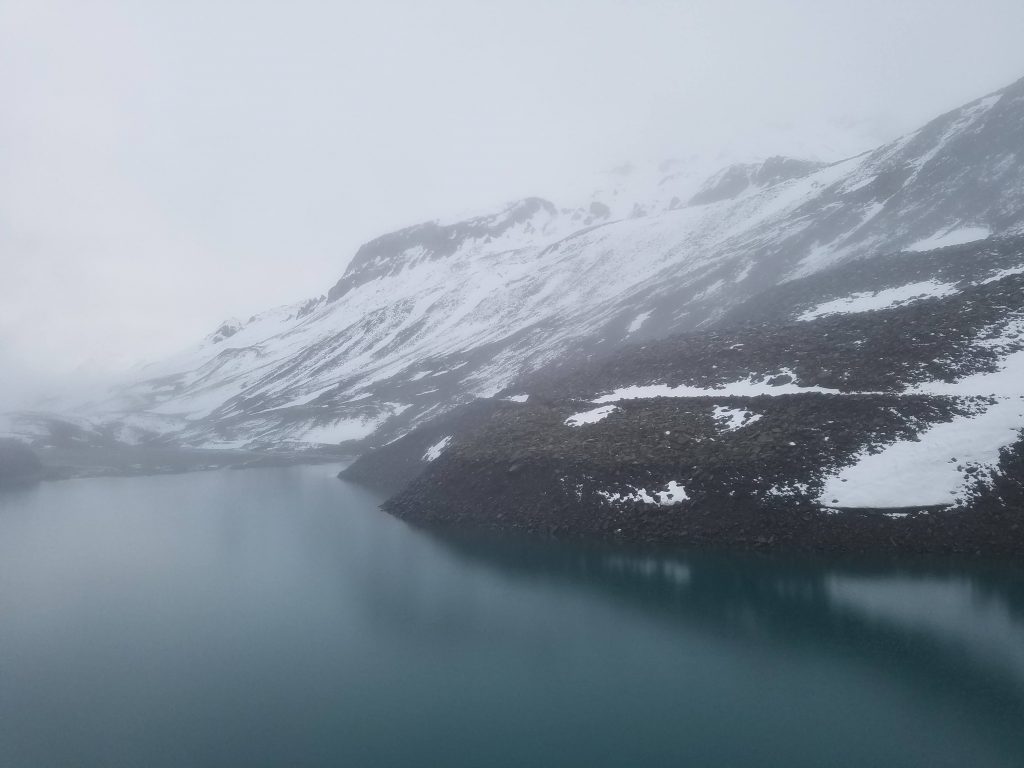
The first major stop after exiting the Atal Tunnel. Sissu sits on a broad flat ground overlooking the Chandra River, with green terraces, willow trees, and the lovely Sissu Waterfall cascading down a cliff. There is also a small lake here. It is a great place for a chai break or even a night halt if you want to take it slow. A few budget hotels and a Zostel hostel have come up here in recent years.
2. Gondhla and Gondhla Castle
A short drive from Sissu, you will pass Gondhla, which is home to the Gondhla Castle (Fort), built around 1700 AD by the Thakur of Gondhla. The castle is a multi-storey wooden structure and is worth a quick stop. The annual Gondhla fair held in July is a local cultural event if your timing aligns.

3. Tandi
Tandi is where the Chandra and Bhaga rivers meet to form the Chandrabhaga (Chenab). This confluence is a significant geographical landmark. Tandi is also where you will find the only petrol pump in Lahaul Valley, about 105 km from Manali. If you are heading towards Keylong, Jispa, or beyond towards Ladakh, make sure you fill up here. The next petrol pump is either at Kaza (Spiti side, about 170 km) or at Leh (about 368 km). I cannot stress this enough, do not skip the Tandi petrol pump.
4. Keylong
The district headquarters of Lahaul and Spiti, sitting at about 10,200 feet on the bank of the Bhaga River. Keylong is a small, functional town with a market, a few hotels, restaurants, ATMs, a hospital, and a petrol pump at Tandi nearby. It is the most convenient base for exploring Lahaul. From Keylong, you can visit:
- Kardang Monastery: Across the river from Keylong, about 3 km trek. One of the largest and oldest monasteries in Lahaul.
- Shashur Monastery: About 3 km from Keylong, perched on a hillside. Built in the 17th century and offers panoramic views of the valley.
- Tayul Monastery: Near Keylong, known for its 4-meter-high statue of Padmasambhava.
For accommodation options in Keylong, you can check my review of Nalwa Guest House in Keylong.
5. Jispa
About 23 km ahead of Keylong, Jispa is a quiet little village on the banks of the Bhaga River. This is my personal favorite place in all of Lahaul. The river runs wide and shallow here, the mountains rise on both sides, and on a clear evening, the sunsets are something else. Jispa is also the last comfortable night halt before you enter the high-altitude stretch towards Ladakh via Baralacha La. I have written a detailed guide on Jispa village that covers everything from where to stay to what to do. Also check out my Jispa Journeys hotel review if you are looking for accommodation.
6. Udaipur and Mrikula Devi Temple
Not to be confused with Udaipur in Rajasthan. This Udaipur is a small town in the Pattan Valley of Lahaul, about 55 km from Keylong. It is known for the Mrikula Devi Temple, famous for its intricate wooden carvings, especially on the ceiling. The carvings depict scenes from the Ramayana and Mahabharata and are considered some of the finest examples of wooden art in the Western Himalayas. The town itself sits in a fertile, low-lying area with orchards of apple, walnut, and apricot.
7. Trilokinath Temple
One of the most unique temples in India, Trilokinath is revered by both Hindus and Buddhists. Hindus worship the deity as Lord Shiva, while Buddhists consider it a form of Avalokiteshvara. Every August, the Pauri festival is held here for three days where followers of both religions gather to offer prayers. The temple is located about 45 km from Keylong on the road towards Udaipur.
8. Deepak Tal
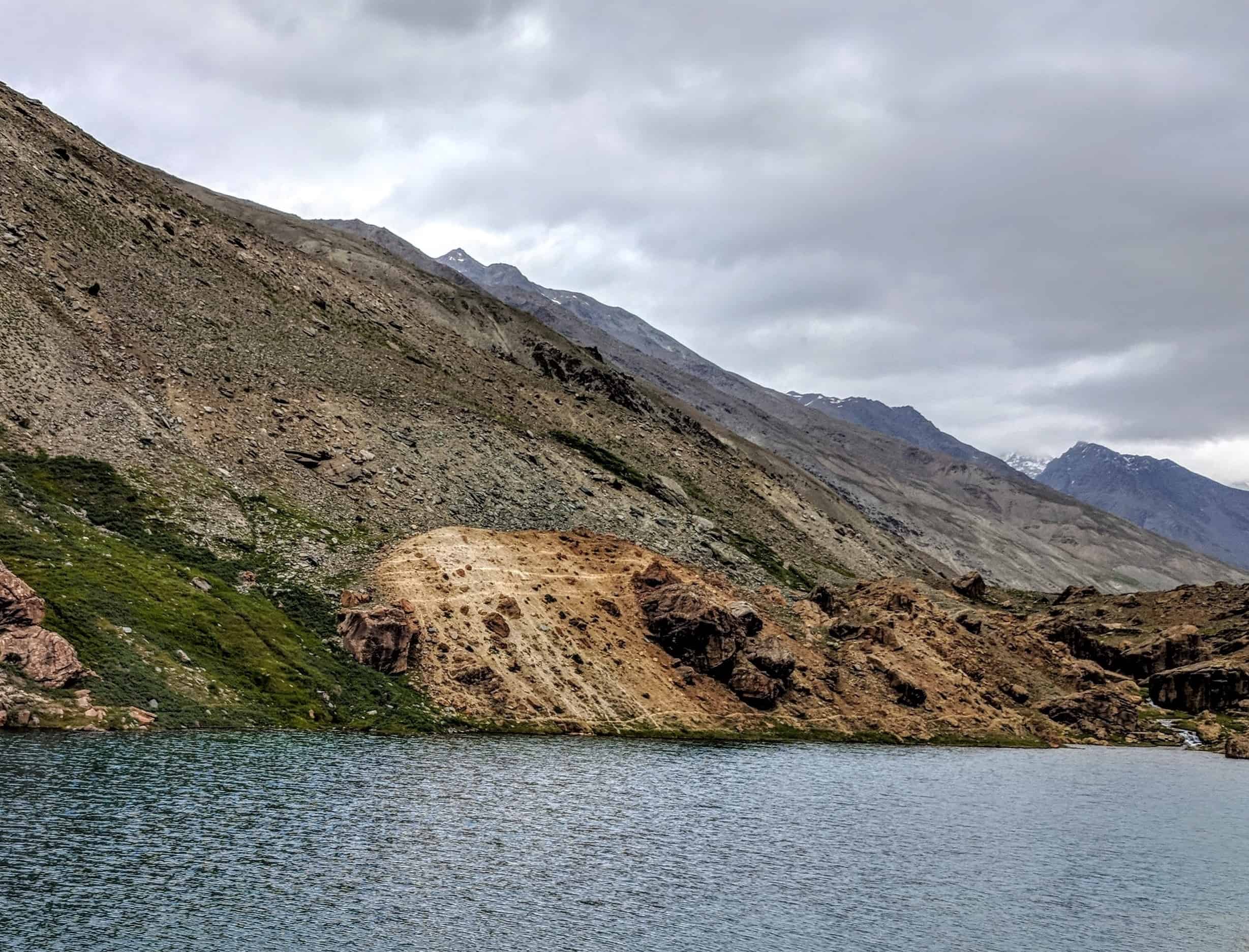
A small, pretty lake located on the Manali – Leh Highway between Tandi and Keylong. The emerald green waters surrounded by mountains make it a lovely spot for a short stop. It is right on the highway, so you do not need to detour.
For a more detailed list of sightseeing options, check out my post on 10 Beautiful Places to Visit in Lahaul Valley from Manali.
What Are the Best Itinerary Options for Lahaul Valley?
Your itinerary for Lahaul depends on how much time you have and whether Lahaul is your primary destination or a stop on the way to Ladakh or Spiti. Here are some practical options.
2-Day Lahaul Quick Trip (from Manali)
Day 1: Manali → Atal Tunnel → Sissu (explore waterfall, lake) → Keylong. Stay overnight at Keylong. Visit Shashur or Kardang Monastery in the evening if time permits.
Day 2: Keylong → Jispa (morning, spend some time by the river) → Return to Keylong → Tandi (refuel) → Back to Manali via Atal Tunnel.
3-Day Lahaul Circuit
Day 1: Manali → Atal Tunnel → Sissu (explore) → Gondhla Castle → Keylong. Night at Keylong.
Day 2: Keylong → Udaipur (visit Mrikula Devi Temple) → Trilokinath Temple → Return to Keylong. Night at Keylong or Jispa.
Day 3: Jispa (morning walk by the river, explore the village) → Deepak Tal → Return to Manali.
5-Day Lahaul + Pangi/Sach Pass Circuit (For Adventurous Travelers)
Day 1: Manali → Keylong (via Atal Tunnel). Night at Keylong.
Day 2: Keylong → Udaipur → Trilokinath. Night at Udaipur or return to Keylong.
Day 3: Keylong → Jispa → Explore Jispa and surrounding areas. Night at Jispa.
Day 4: Keylong → Sach Pass → Killar (Pangi Valley). Night at Killar. (Only attempt Sach Pass between July and September, and preferably in a 4×4 vehicle).
Day 5: Return from Killar → Keylong → Manali.
For more itinerary options, including combinations with Spiti and Ladakh, check my detailed post on Lahaul Valley – Most Common Itineraries.
How Much Does a Lahaul Valley Trip Cost in 2026?
One of the most common questions I get asked is about the budget for a Lahaul trip. The cost depends heavily on how you travel, where you stay, and how many people are in your group. Here is a rough breakdown for 2026 to help you do the math.
| Category | Budget | Mid-Range | Comfort |
|---|---|---|---|
| Accommodation (per night) | Rs 500 – 1,200 (guesthouses, dormitories) | Rs 1,200 – 2,500 (hotels, homestays) | Rs 2,500 – 5,000 (good hotels, camps) |
| Food (per day) | Rs 300 – 500 (dhabas, basic meals) | Rs 500 – 1,000 (restaurants, homestay meals) | Rs 1,000 – 1,500 (hotel restaurants) |
| Transport (Manali – Keylong, one way) | Rs 250 – 400 (HRTC bus) | Rs 1,500 – 2,500 (shared taxi) | Rs 4,000 – 6,000 (private taxi) |
| Fuel (if self-driving, round trip Manali – Jispa) | Approximately Rs 1,500 – 2,500 depending on vehicle | ||
| Sightseeing / Monastery Entry | Mostly free or nominal (Rs 20-50) | ||
Total estimated cost per person for a 3-day trip:
- Budget traveler: Rs 3,000 – 5,000 (bus travel, guesthouses, dhaba food)
- Mid-range: Rs 6,000 – 10,000 (shared taxi or self-drive, decent hotels, restaurant meals)
- Comfort: Rs 12,000 – 18,000 (private taxi or self-drive, good hotels, full meals)
Keep in mind that 4 is the magical number when it comes to sharing costs. If you are traveling with 3 more friends, the transport and accommodation costs get divided significantly. For a more detailed budget calculation specific to Lahaul, you can refer to my post on how to calculate the cost or budget of a Lahaul trip.
Note: The prices above are indicative and based on research for 2026. Rates can vary by season (peak summer is more expensive), and it is always a good idea to verify locally before finalizing your budget.
Where to Stay in Lahaul Valley?
Accommodation in Lahaul is not as developed as Manali or even Spiti, but you will find enough options to suit different budgets. Here is a quick overview by location.
Sissu: A few budget hotels, camps, and a Zostel hostel have come up here recently. Good option if you want to stay close to the tunnel exit and do not want to drive further.
Keylong: The widest range of accommodation in Lahaul. You will find HPTDC hotels (Hotel Chandrabhaga is a popular one), private hotels, guesthouses, and a few homestays. ATMs are available here. This is the safest bet for a comfortable stay.
Jispa: Several camps, guesthouses, and a few hotels line the highway here. Jispa has a more rustic, riverside vibe compared to Keylong. My pick for those who prefer peace and nature over town conveniences.
Udaipur: Limited options. A few HPTDC rest houses and basic guesthouses. Only stay here if you specifically want to explore the Pattan Valley side of Lahaul.
I always suggest booking in advance during peak season (June to September) as options are limited and the good ones fill up quickly. In the off-season, you can usually find rooms on the spot, but do call ahead to confirm the place is open.
What About Safety, AMS, and Practical Tips for Lahaul?
Lahaul is generally a safe destination, but since it is a high-altitude region with remote stretches, there are a few things you must keep in mind.
Altitude and AMS
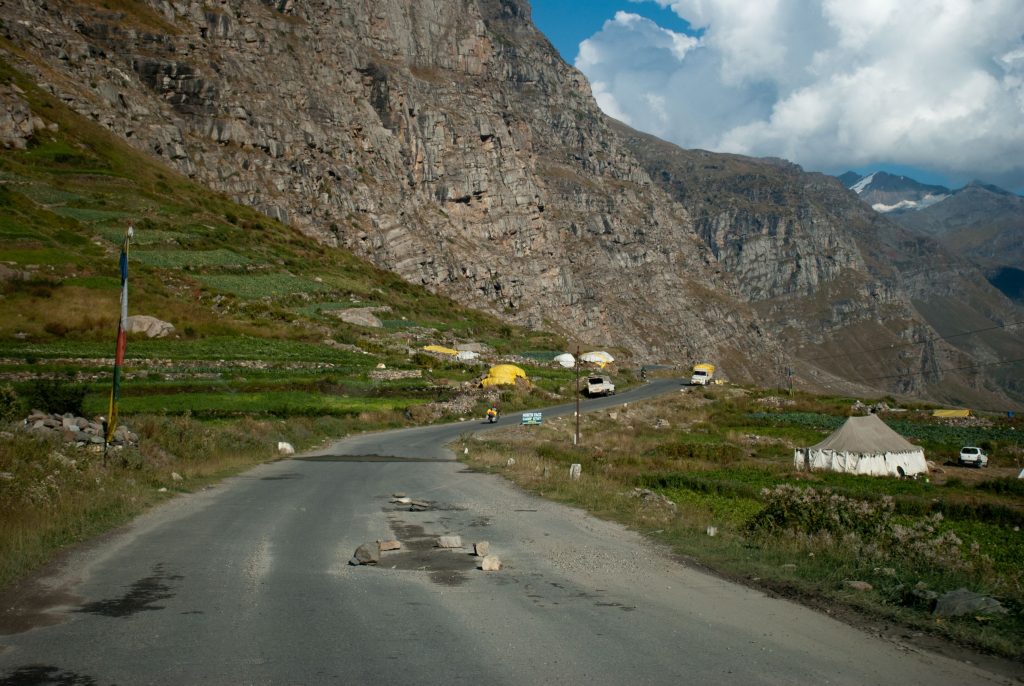
Keylong sits at about 10,200 feet, and Jispa at a similar elevation. For most people coming from the plains, this altitude is manageable and serious AMS is uncommon at these elevations. However, some travelers may experience mild symptoms like headaches, mild breathlessness, or trouble sleeping on the first night. I suggest drinking plenty of water, avoiding alcohol on the first day, and not doing strenuous activities immediately after arrival. If you are planning to go beyond Jispa towards Baralacha La (16,040 feet), then AMS becomes a much more serious concern, and proper acclimatization is essential.
Petrol and Fuel
This is critical. There is only one petrol pump in all of Lahaul Valley, at Tandi. It is about 105 km from Manali. The next petrol pump is either in Kaza (Spiti Valley, about 170 km from Tandi) or in Leh (about 368 km from Tandi). Always fill up your tank at Tandi. I repeat, do not skip this stop.
Mobile Network and Internet
As of 2026, BSNL, Airtel 4G, and Jio 4G all work in the major towns of Lahaul including Keylong, Tandi, Sissu, Koksar, and Darcha. Airtel and Jio have expanded their coverage significantly in recent years. However, once you go off the main highway or towards remote villages, the signal drops. I suggest keeping a BSNL or Airtel SIM as a backup if you are on Jio, or vice versa.
ATM and Cash
ATMs are available in Keylong and Sissu, but they can run out of cash, especially during peak season. I always recommend carrying sufficient cash for your entire trip. While some hotels in Keylong accept UPI payments, do not rely on digital payments in smaller villages and at dhabas.
Road Conditions and Vehicle Type
The road from Manali to Keylong via the Atal Tunnel is in good condition and any vehicle type can manage it comfortably, including sedans and hatchbacks. Beyond Keylong towards Jispa and Darcha, the road is also generally good. However, if you plan to venture towards Sach Pass, Pangi Valley, or beyond Baralacha La towards Ladakh, a SUV or 4×4 is highly recommended.
During monsoon (July-September), landslides can block the road between Manali and the Atal Tunnel entry point, or beyond Jispa. Always check the latest road status before starting your journey.
Medical Facilities
Keylong has a district hospital with basic medical facilities. For anything serious, you would need to be evacuated to Manali or further to Chandigarh. Carry your own basic medicines, including those for headache, cold, stomach upset, and motion sickness. If you have any pre-existing conditions, please consult your doctor before traveling to high-altitude areas.
What to Pack
- Warm layers (even in summer, evenings are cold at 10,000+ feet)
- Rain jacket or poncho (especially July-September)
- Sunscreen and sunglasses (UV is strong at this altitude)
- Basic medicines
- Cash (ATMs are unreliable)
- Portable charger (power cuts are common)
- Snacks and dry fruits for the road
Can Lahaul be Combined with Spiti or Ladakh?
Absolutely. In fact, Lahaul is the natural gateway to both Spiti and Ladakh from the Manali side.
Lahaul + Ladakh: The classic Manali to Leh Highway route passes through Lahaul. From Jispa, the road continues to Darcha, Baralacha La, and eventually Leh. You can spend 1-2 nights in Lahaul (at Keylong or Jispa) before continuing to Ladakh. This is what I recommend for all first-time Ladakh travelers, as it helps with acclimatization.
Lahaul + Spiti: From Keylong, you can take the road to Gramphoo and then via Kunzum Pass to Kaza (Spiti). However, the Kunzum Pass is only open from around June to October. An alternative is to go via Manali → Atal Tunnel → Lahaul → return to Manali → then take the Shimla – Kinnaur – Spiti route. This is a longer but more comprehensive circuit.
Lahaul + Pangi (via Sach Pass): For experienced drivers with a capable vehicle, the Keylong to Killar via Sach Pass route is an incredible adventure. Sach Pass sits at about 14,520 feet and is only open from around July to September. This is not for the faint-hearted but is immensely rewarding.
You can read more about combining these regions in my post on Lahaul Valley – The Most Complete Travel Guide.
Frequently Asked Questions About Lahaul Valley
Is Lahaul Valley open in winter?
Yes, partially. Thanks to the Atal Tunnel, you can reach Sissu and Keylong year-round. However, the road beyond Keylong towards Jispa and Ladakh is closed in winter. Many hotels also shut down for winter, so options are limited.
Do I need a permit to visit Lahaul Valley?
No. As of 2026, no permits are required for Indian tourists to visit Lahaul Valley. However, if you are continuing towards Spiti Valley, you may need an Inner Line Permit for certain areas beyond Kaza. You can read more about this in our guide on Inner Line Permits for Kinnaur – Spiti Valley.
Can I visit Lahaul Valley with a sedan or hatchback?
Yes, the road from Manali to Keylong and even to Jispa is well-maintained and a sedan can handle it without issues. However, for Sach Pass, Baralacha La, or any off-road detours, you will need a SUV or 4×4.
How many days are enough for Lahaul Valley?
A minimum of 2 days is needed for a quick trip from Manali. 3-4 days is ideal if you want to explore the valley properly, including Udaipur and Trilokinath. If combining with Pangi Valley via Sach Pass, plan for 5-7 days.
Is Lahaul Valley safe for solo travelers?
Yes, Lahaul is generally safe for solo travelers, including solo female travelers. The locals are friendly and helpful. However, standard precautions apply. Inform someone about your itinerary, carry a working phone, and do not attempt remote treks alone without informing the local administration.
What is the best base in Lahaul Valley?
Keylong is the most practical base with the best range of facilities (hospital, ATMs, market, fuel nearby at Tandi). Jispa is better if you prefer a quieter, more scenic setting and do not mind fewer amenities.
Is there vegetarian food available in Lahaul?
Yes. Most dhabas and restaurants serve both vegetarian and non-vegetarian food. Maggi, dal-rice, rajma-rice, and paranthas are widely available. Homestays often serve home-cooked meals that are filling and affordable.
Can I visit Lahaul Valley from Spiti side?
Yes, you can enter Lahaul from Spiti via Kunzum Pass (open June to October). The route is Kaza → Kunzum Pass → Gramphoo → Keylong. This is a popular circuit for travelers doing a Manali – Spiti – Lahaul – Manali loop.
What is the temperature in Lahaul Valley?
In summer (May-September), daytime temperatures range from 15 to 25 degrees Celsius, and nights can drop to 5-10 degrees. In winter (December-February), temperatures drop to -10 to -20 degrees Celsius. Always carry warm layers regardless of the season.
Is the Atal Tunnel free to use?
Yes, as of 2026, there is no toll or fee to use the Atal Tunnel. However, there are timings and traffic regulations (one-way traffic management at times). Check the latest tunnel timings before traveling, as they can change based on season and conditions.
Final Thoughts
Lahaul Valley deserves to be more than just a passing stop on the way to Ladakh. It is a beautiful, culturally rich, and relatively uncrowded part of Himachal Pradesh that offers a genuine taste of trans-Himalayan life. The opening of the Atal Tunnel has made it accessible year-round, which means you do not have to wait for the summer months to visit.
Whether you are a solo backpacker on a tight budget, a family looking for a peaceful mountain getaway, or a road trip enthusiast headed to Ladakh, Lahaul has something for everyone. Just make sure you fill up at the Tandi petrol pump, carry enough cash, and keep an eye on the weather.
I hope this guide helps you plan your trip to Lahaul Valley. If you have any questions, feel free to ask in the comments section below. Also, if you know someone who is planning a trip to Lahaul or Ladakh via Manali, do share this article with them. It might just help them make a better plan 🙂
For more trip planning resources, discussions, and finding travel partners, you can always check the DwD Community from the link in the Main Menu of the website. I would love to hear about your Lahaul experiences, so do share your stories in the comments.
Last Updated: February 2026
