


Last Updated: August 2026
When I think of wildlife holidays in the Northern part of India, the place that comes to my mind immediately is Jim Corbett National Park, especially as it is close to the Himalayas. Located in between the Himalayas and Shivaliks in the Nainital and Pauri Garhwal districts of Uttarakhand, Jim Corbett is India’s oldest national park. It was established in 1936 and remains one of the finest places in the country to spot Bengal Tigers in the wild.
In this guide, I will cover everything you need to know to plan your Jim Corbett safari in 2026, including zone-wise details, updated safari fees, the booking process, best time to visit, how to reach, and accommodation options. Whether you are a first-time wildlife enthusiast or a repeat visitor, this article should help you plan a well-informed trip 🙂 …
Let's quickly dive into the details:
Jim Corbett National Park at a Glance (2026)
| Gateway town | Ramnagar, Nainital district (about 260 km from Delhi) |
| Tourism zones | 7 (Dhikala, Bijrani, Jhirna, Dhela, Durgadevi, Garjia, Sonanadi) |
| Official booking | corbettgov.org only. Bookings open 45 days ahead |
| Day jeep safari cost | Rs 7,000 to Rs 7,900 per jeep (up to 6 Indians) |
| Safari timings | Morning 6:00 AM to 9:30 AM, Evening 2:30 PM to 5:30 PM |
| Best months | March to May for tigers, November to February for scenery |
| Tigers in the reserve | Around 260, the highest of any single reserve in India |
| Nearest railhead / airport | Ramnagar (RMR) / Pantnagar, about 80 km |
What Makes Jim Corbett National Park Special?
Quick Answer: Jim Corbett is India’s first national park, set up in 1936. The original national park core covers 520.82 sq km, and the full Corbett Tiger Reserve, which adds the Sonanadi Wildlife Sanctuary and surrounding buffer forests, spans 1,288.31 sq km in total. It holds around 260 tigers, the highest count of any single tiger reserve in India. It also supports close to 600 bird species and one of the largest summer elephant congregations in the country.
Jim Corbett is not just any national park. It holds the distinction of being India’s first national park, established in 1936 as Hailey National Park. The park was later renamed after Jim Corbett, a famous British hunter who turned conservationist and convinced the British Raj to protect this region, mainly for Bengal Tigers. A statue of Jim Corbett stands at the park entrance as a remembrance.
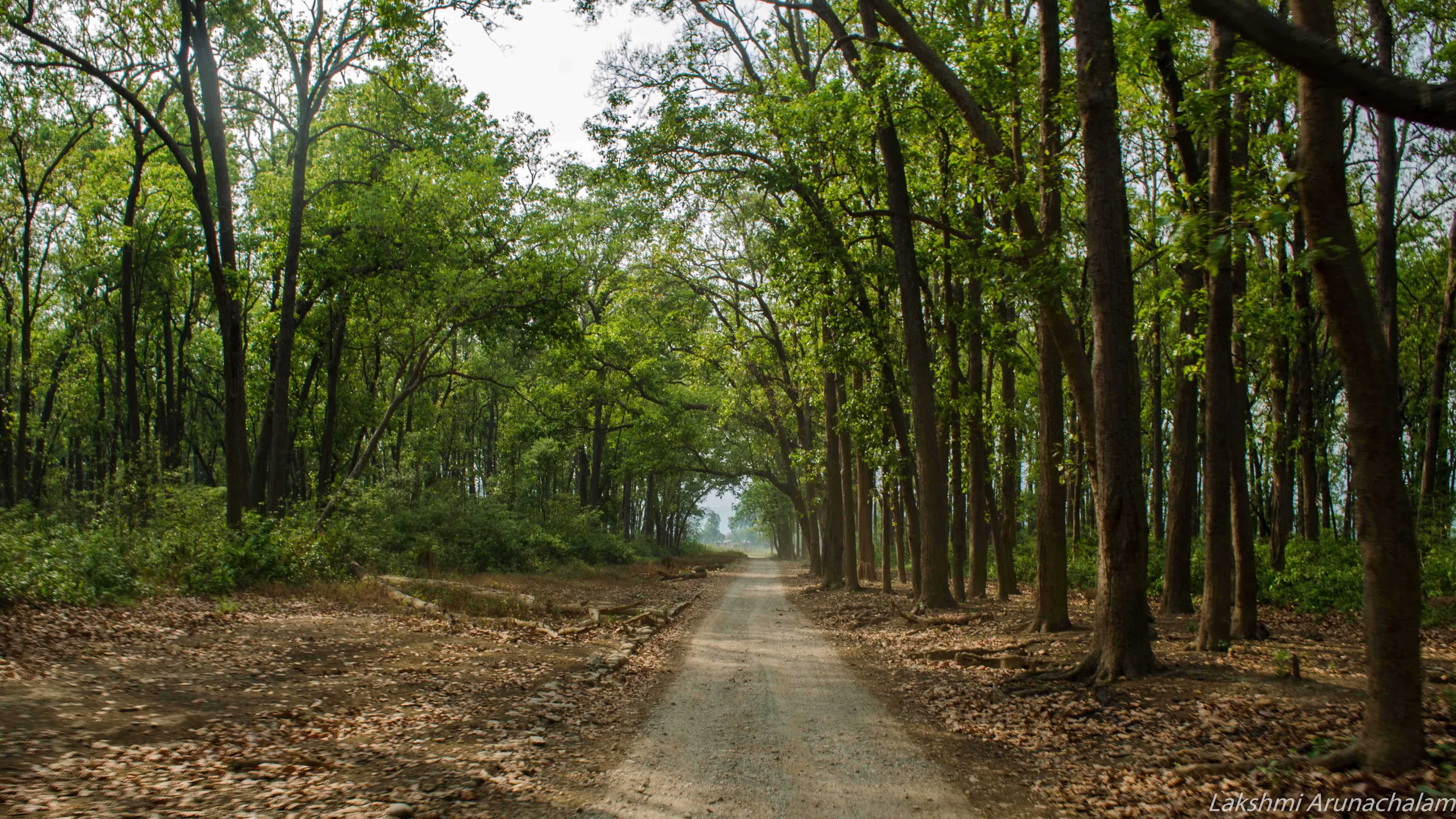
Spread over approximately 1,300 sq km at its widest reading, Jim Corbett Tiger Reserve is one of the top ten national parks in India by area. The altitudes inside the forest vary between 400 m to 1,200 m, and the landscape is a wonderful mix of open grasslands interspersed between dense vegetation, predominantly Sal and Peepal trees, with lakes, hills, marshes, and the Ramganga river flowing through the forest like veins.
How Big Is Jim Corbett National Park in Sq Km?
This is one of the most searched questions about Corbett, and most articles answer it with a single rounded number that blurs three different boundaries into one. Here is the precise breakdown, going by the reserve’s own recorded history and the current NTCA notification.
Jim Corbett National Park in its own right, the original protected core whose boundary reached its present shape in 1966, covers 520.82 sq km. In 1991, a further 797.72 sq km was brought under the reserve as buffer, and this addition included the 301.18 sq km Sonanadi Wildlife Sanctuary. When the Corbett Tiger Reserve was formally notified under the National Tiger Conservation Authority in February 2010, the boundaries were redrawn into the two categories used today. The Critical Tiger Habitat, essentially the National Park plus Sonanadi Wildlife Sanctuary combined, works out to roughly 822 sq km, while the surrounding buffer forest divisions add another 466 sq km. Add core and buffer together and you get the reserve’s current official total of 1,288.31 sq km.
- Jim Corbett National Park (original core): 520.82 sq km
- Sonanadi Wildlife Sanctuary: 301.18 sq km
- Core / Critical Tiger Habitat (National Park + Sonanadi): approximately 822 sq km
- Buffer zone (surrounding reserve forest divisions): approximately 466 sq km
- Total Corbett Tiger Reserve: 1,288.31 sq km
So when someone asks how big Corbett is, the honest answer depends on which line on the map they mean. The safari zones covered earlier in this guide, Dhikala, Bijrani, Jhirna, Dhela, Durgadevi, Garjia and Sonanadi, all sit within this combined tiger reserve rather than only the original 520.82 sq km national park. For scale, the full reserve is close to 1.8 times the land area of Singapore (about 728 sq km) and more than double the area of Mumbai city (about 603 sq km), which gives a sense of just how much ground a naturalist and a jeep have to cover on a single safari.
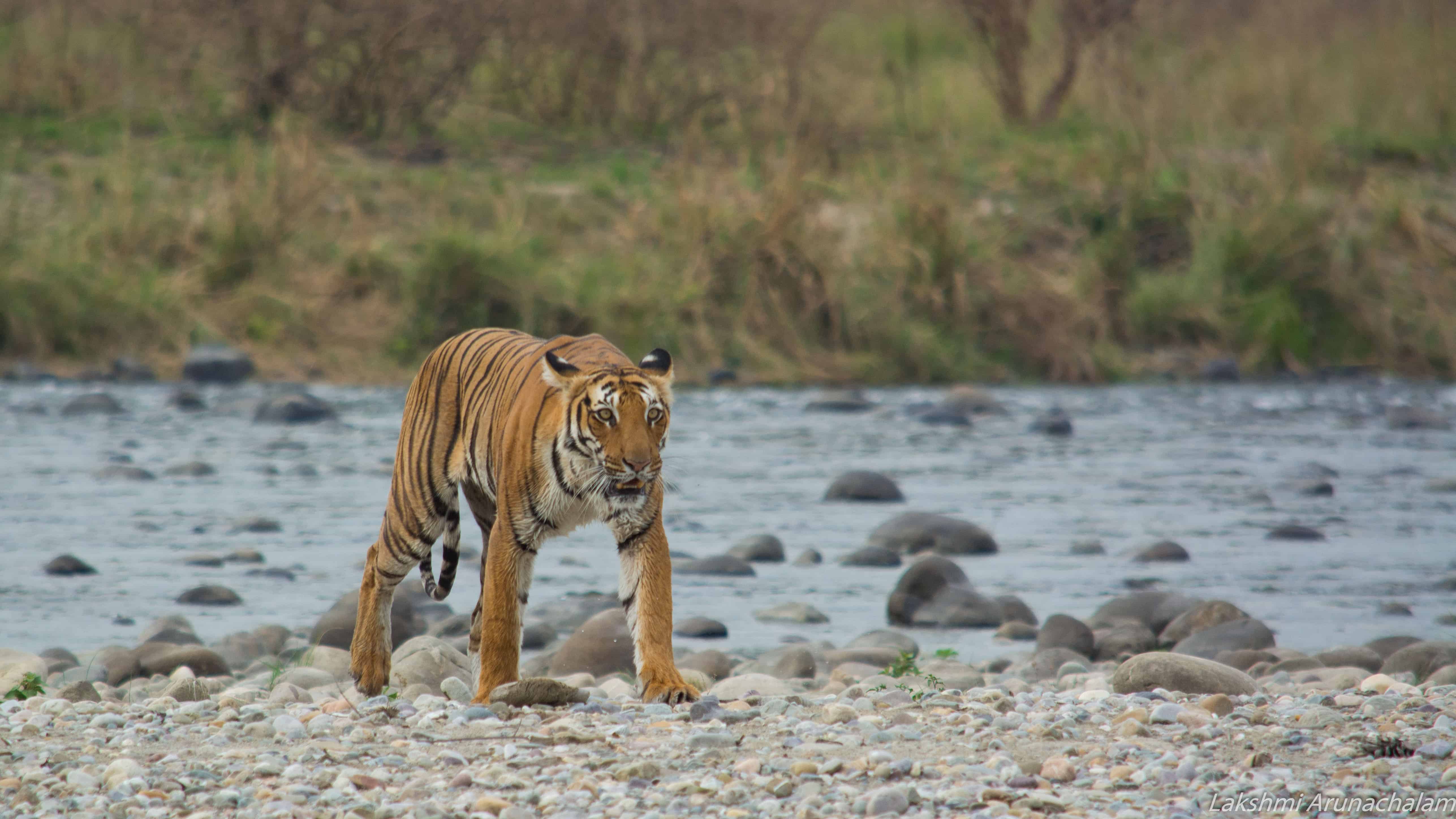
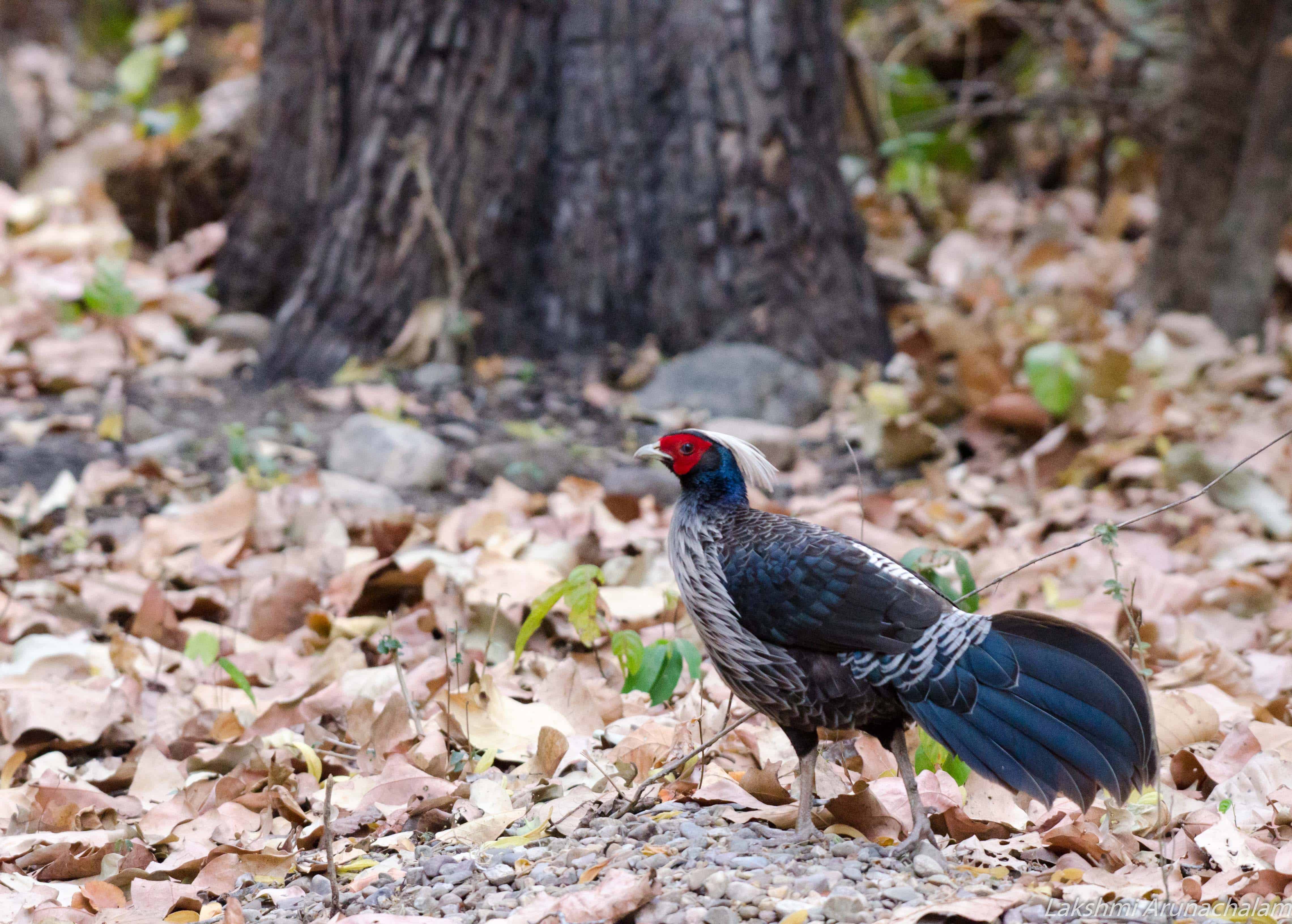
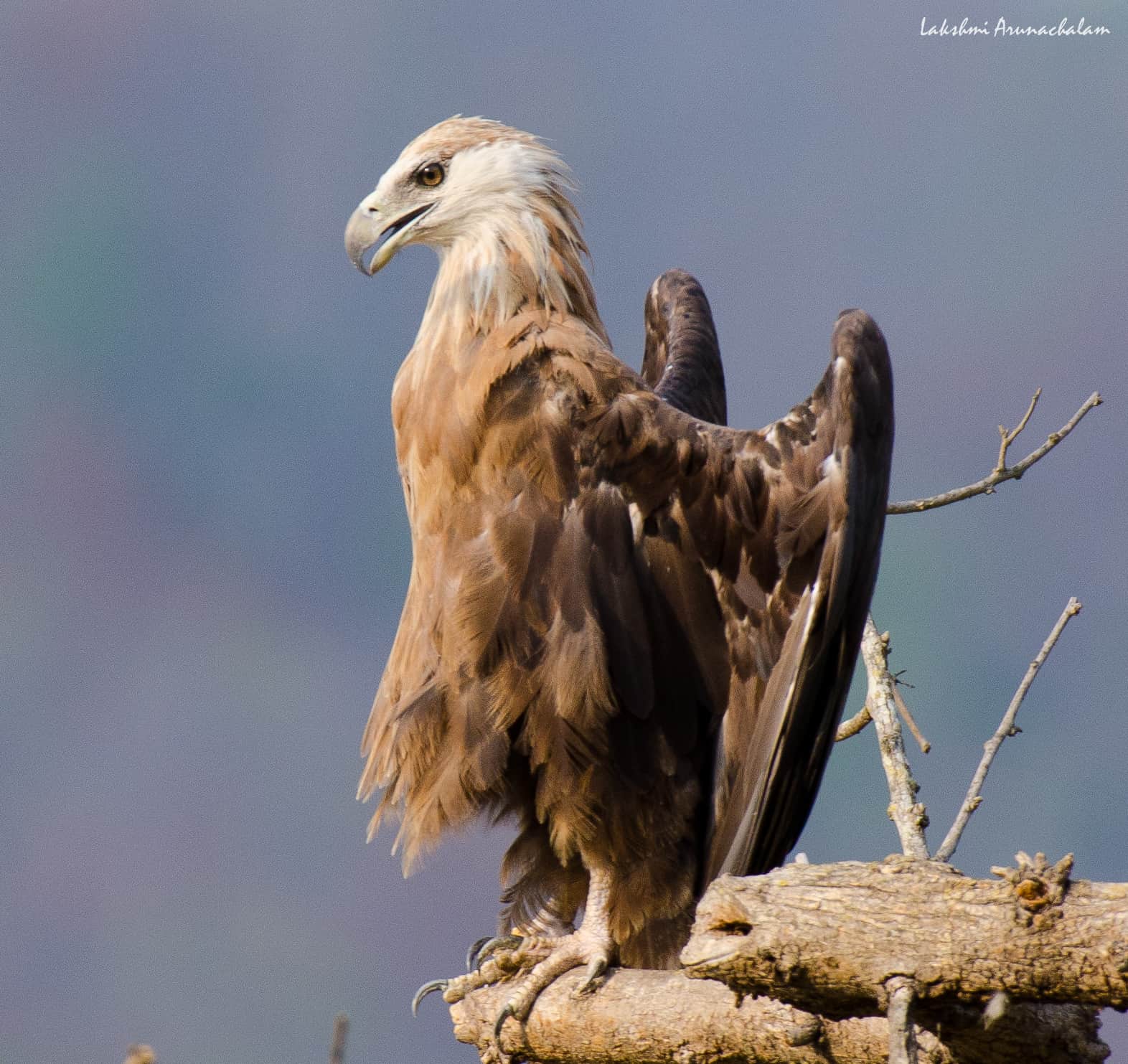
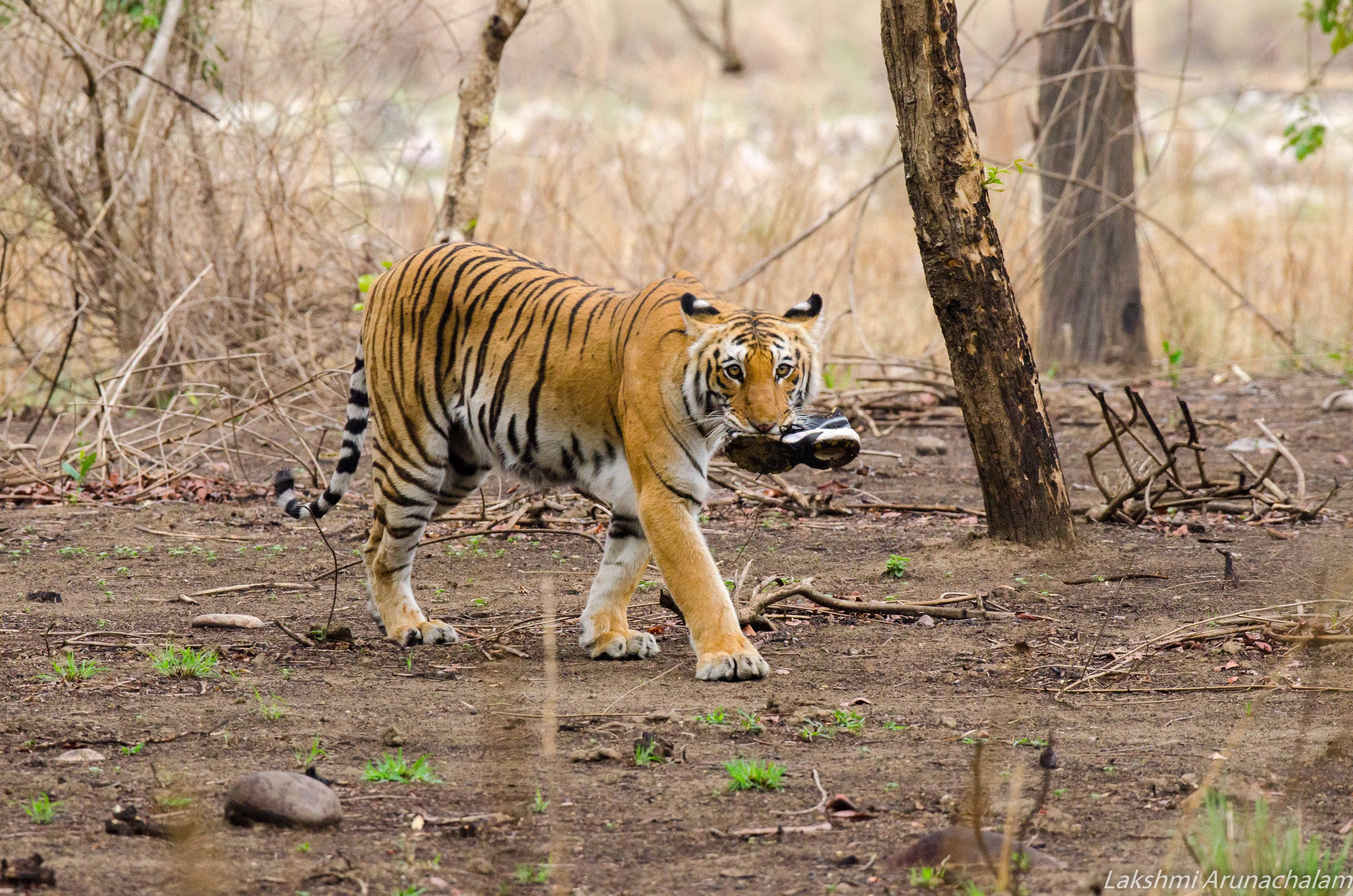
As per the latest All India Tiger Estimation published by the National Tiger Conservation Authority, Corbett is home to about 260 Bengal Tigers. That is the largest tiger population in any single reserve in the country, with Bandipur a distant second at roughly 150. Close to 600 species of birds (including residents and migrants) and 500 species of plants and trees call Jim Corbett their home. Other animals such as leopards, Asiatic elephants, deer, otters, mongoose, yellow-throated martens, and Himalayan black bears are also found here.
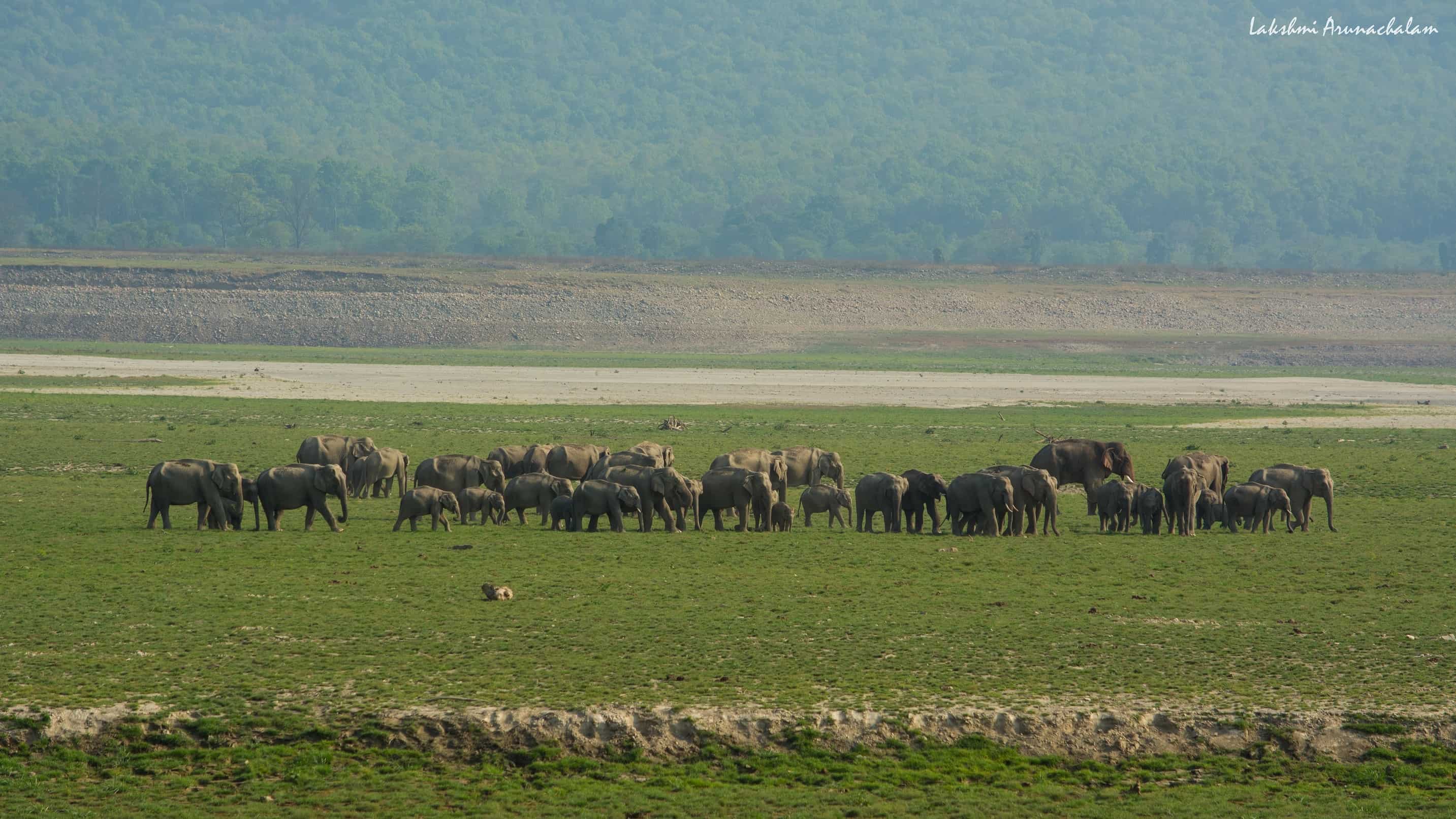
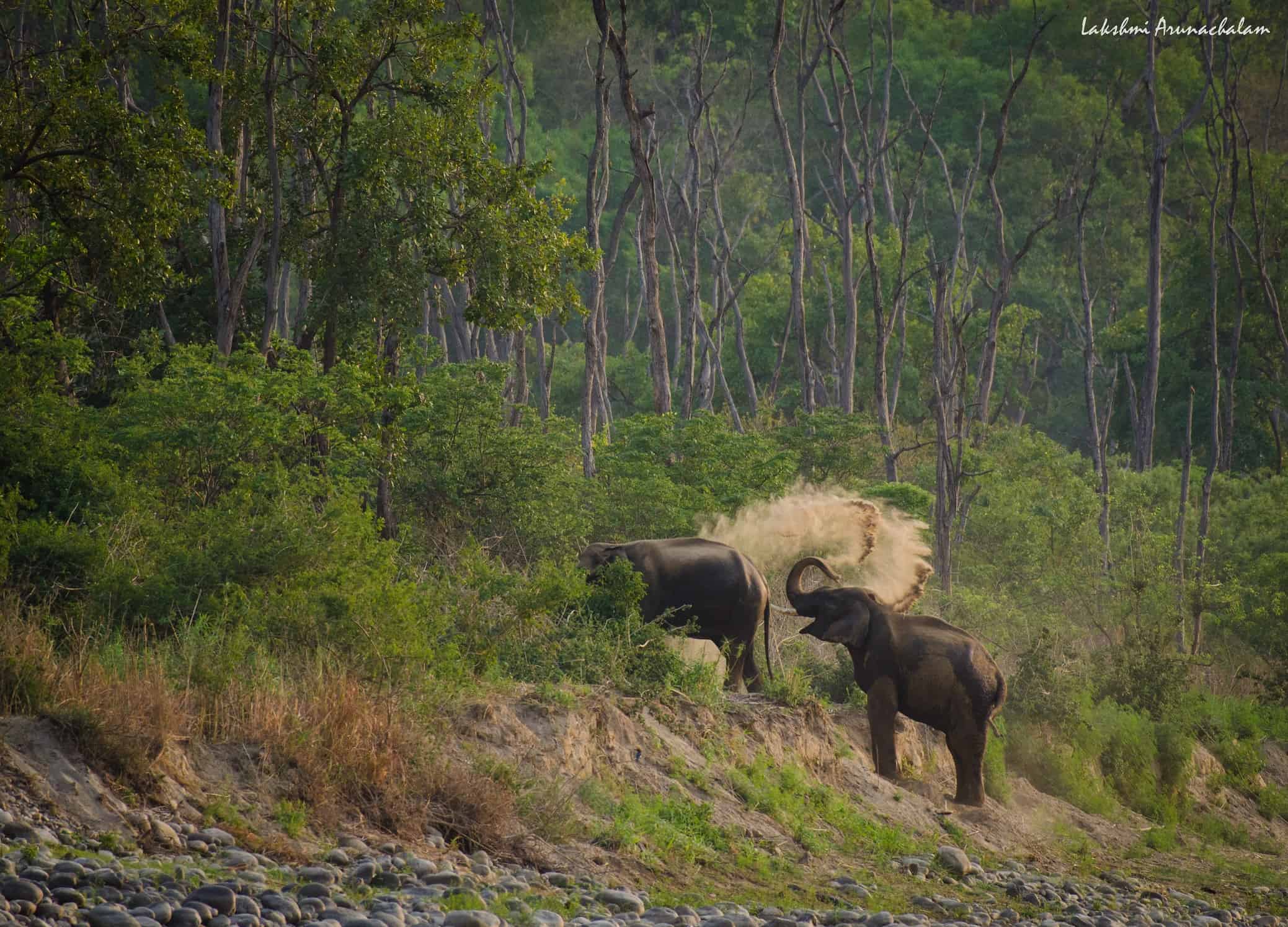
During summer months, you can witness one of the largest congregations of elephants in India. Each herd might have more than a few hundred elephants at times. The vast area of the park makes animals elusive, so good tracking and patience are essential for spotting them.
What Are the Safari Zones in Jim Corbett National Park?
Quick Answer: As of 2026 there are seven tourism zones: Dhikala, Bijrani, Jhirna, Dhela, Durgadevi, Garjia and Sonanadi. Dhikala and Bijrani are the best for tigers, Durgadevi for birds, and Jhirna and Dhela stay open year-round. Phato and Sitabani are separate buffer-zone options.
Ecotourism in Jim Corbett is allowed only in designated zones. Many core zones remain closed during the monsoon season due to heavy rainfall. Ramnagar is the gateway city, and you need to hire registered gypsy vehicles (jeeps) for a safari inside the forest. Let me walk you through each zone.
Bijrani Zone
Bijrani is the closest entry from Ramnagar (just 2 km from the Amdanda gate) and is one of the most popular zones for tiger sightings. The landscape here is a mix of river plains and open grasslands, which makes it easier to spot wildlife.
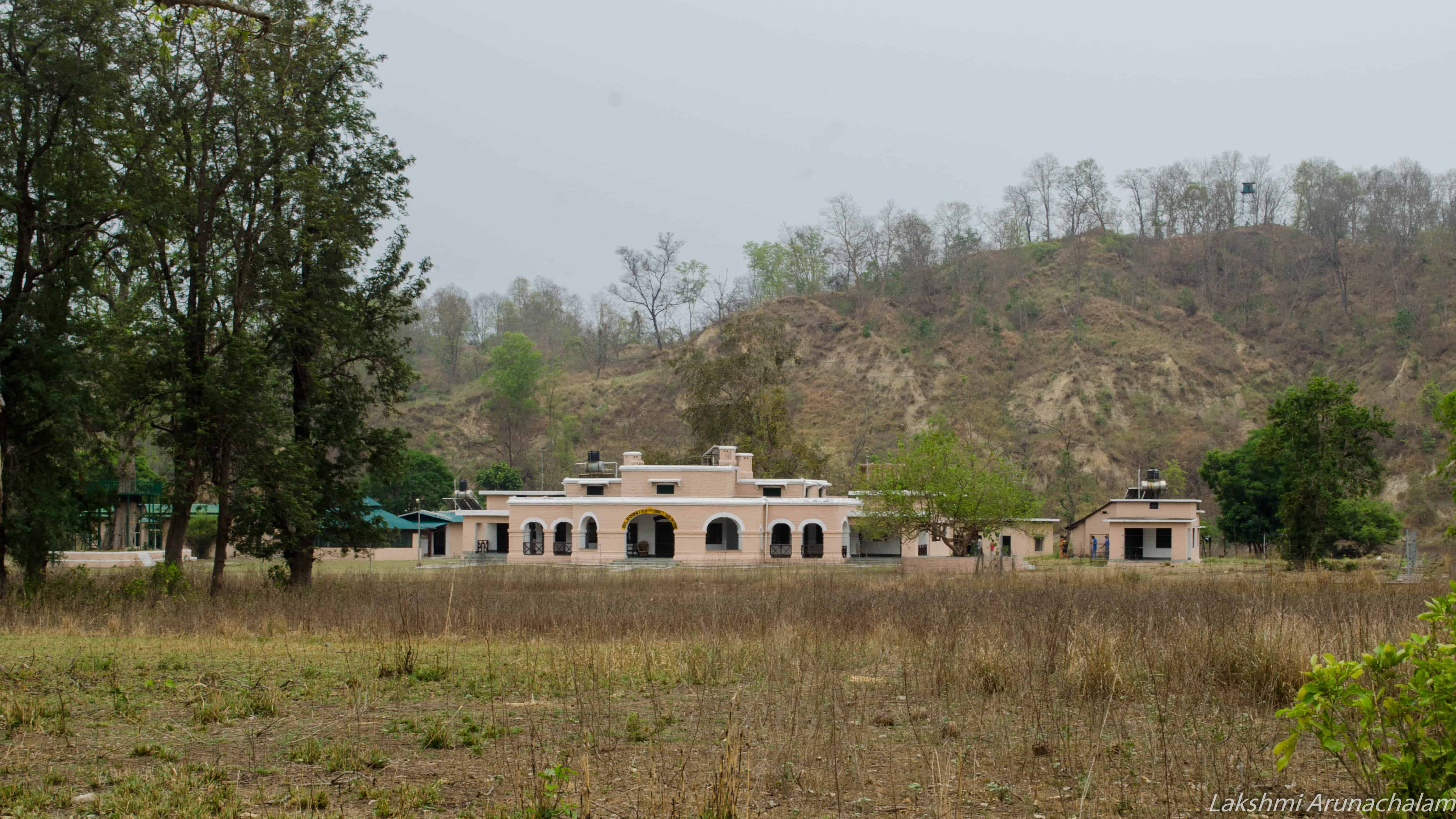
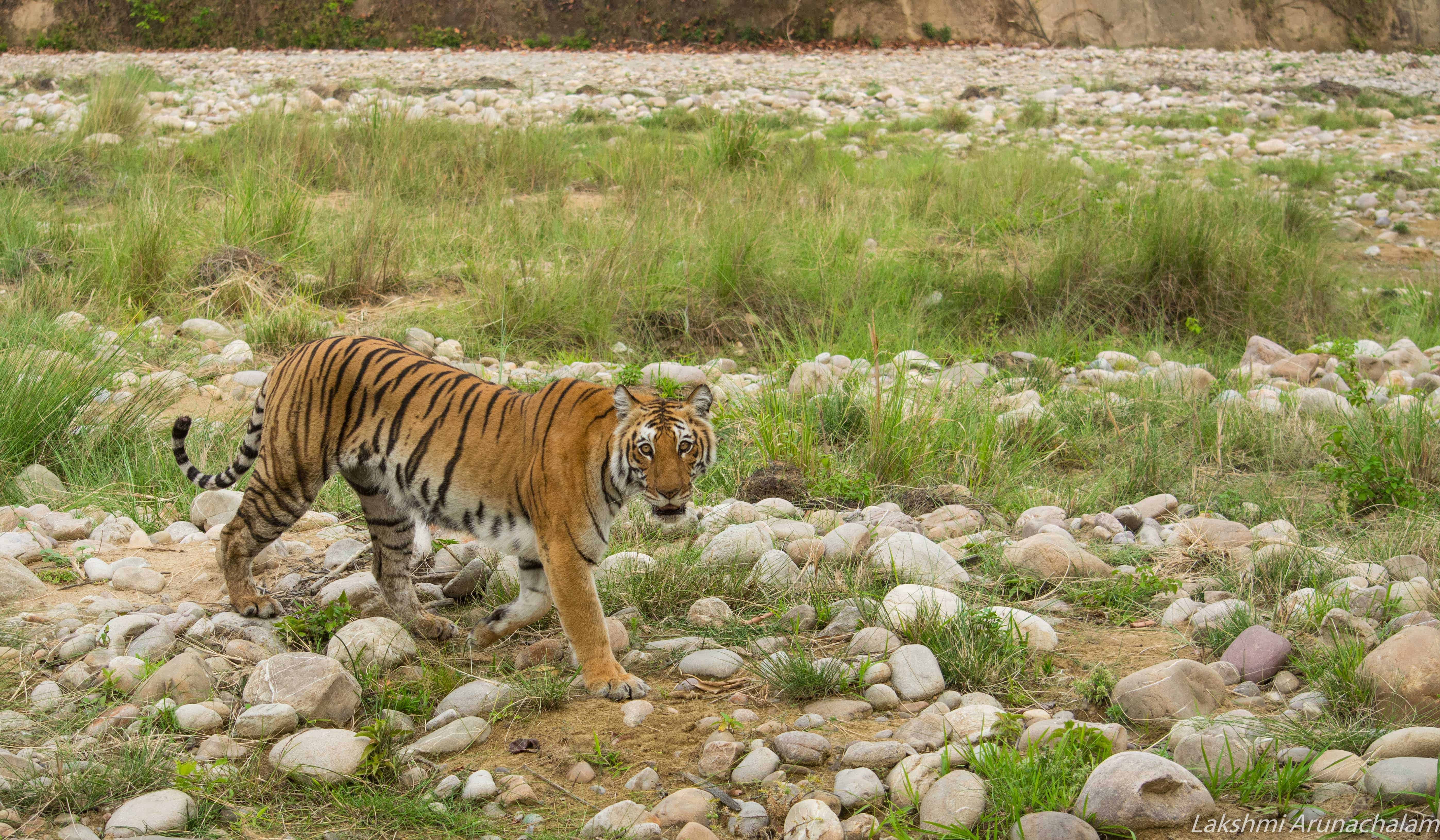
Bijrani is an absolute wilderness, especially when night falls. There is no electricity here (be sure to charge your camera batteries before entering). You are provided only with solar lamps. There is no mobile connectivity either, which makes it the perfect retreat for a digital detox. When we visited, “Sharmili,” the tigress, crossed right in front of our jeep. That is an experience that would not fade from memory anytime soon.
A minimum of 4 safaris (2 days) is needed to cover this zone properly. The forest rest house here is an erstwhile hunting complex now converted to accommodate visitors. Canteen food is available at an additional cost. Bijrani zone is open from 15th October to 30th June.
Dhikala Zone
Arguably the most beautiful and sought-after zone in Jim Corbett, Dhikala is often called the crown jewel of the park. The entry from the Dhangarhi gate to the forest rest house takes about an hour through dense Sal forests. As we waited patiently in our jeep with only the sound of the wind blowing or an occasional rustling of leaves, the mind becomes calm and embraces silence.
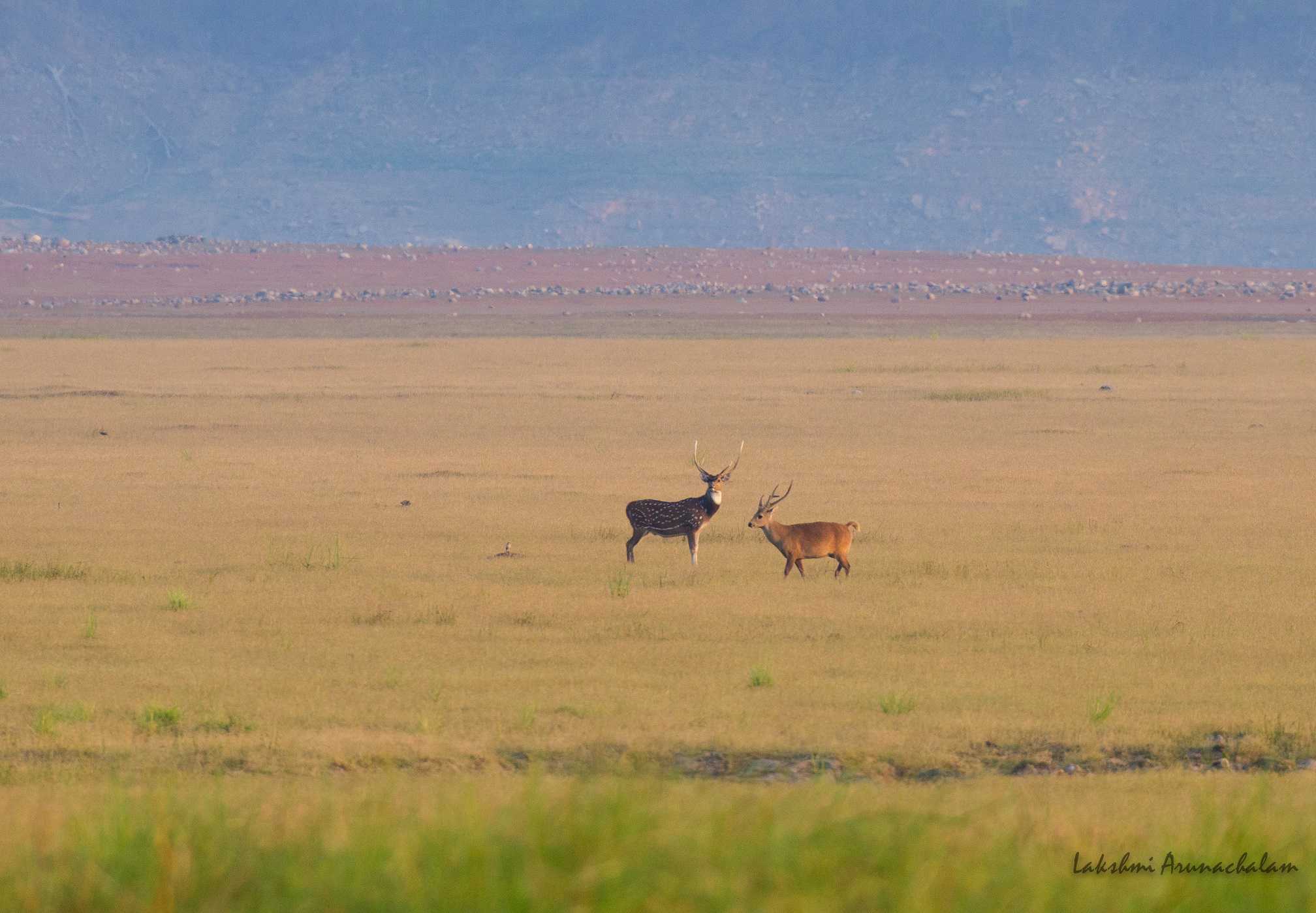
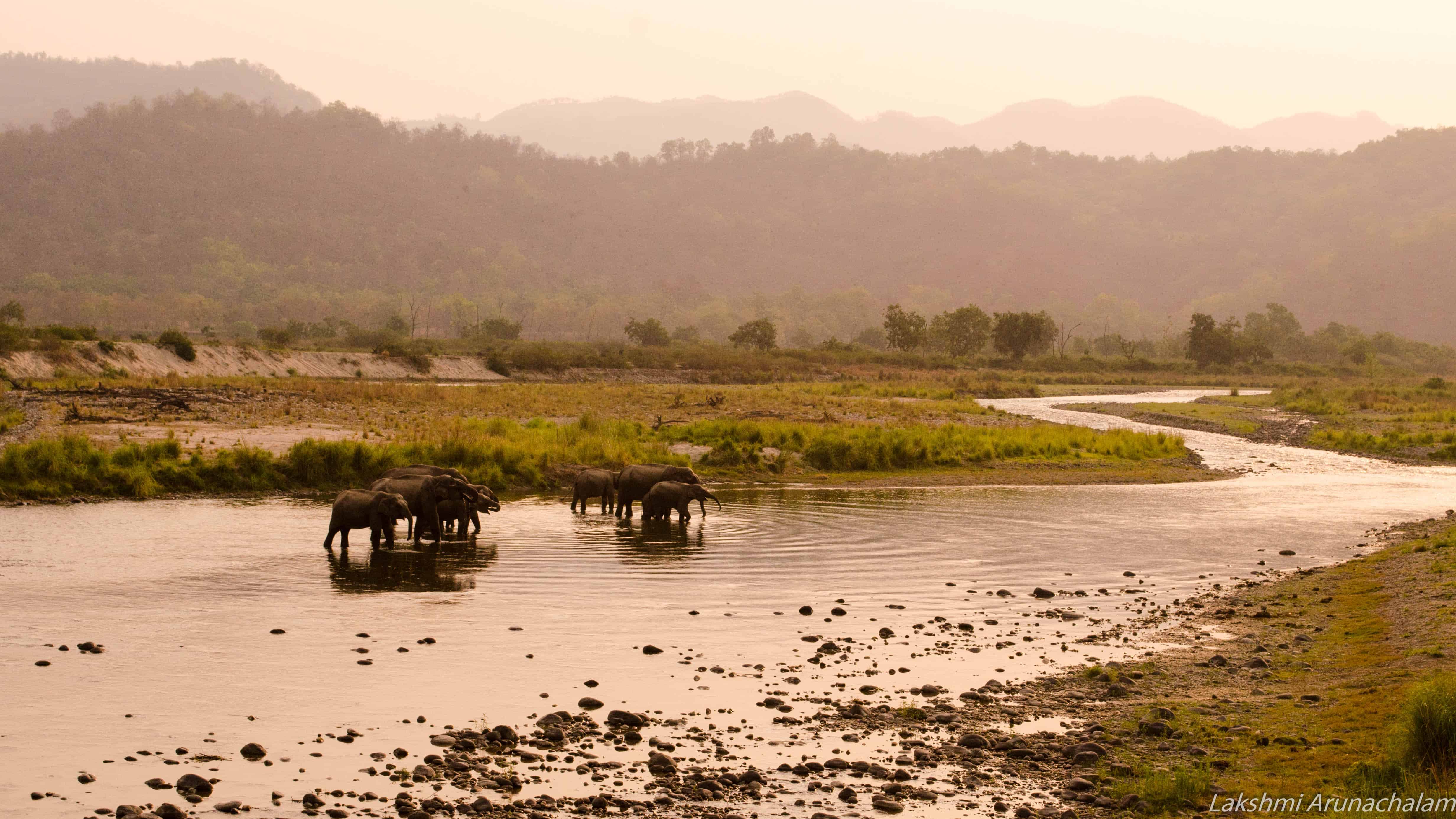
Tallgrass sways gently in the wind and reveals spotted deer or the endangered hog deer foraging for food. On a late evening, we were lucky to witness a herd of elephants cross the Ramganga River near Sambhar road along with their little ones. We watched them engage in a mock fight, smaller elephants pampered by the older ones, and big tuskers scattered here and there.
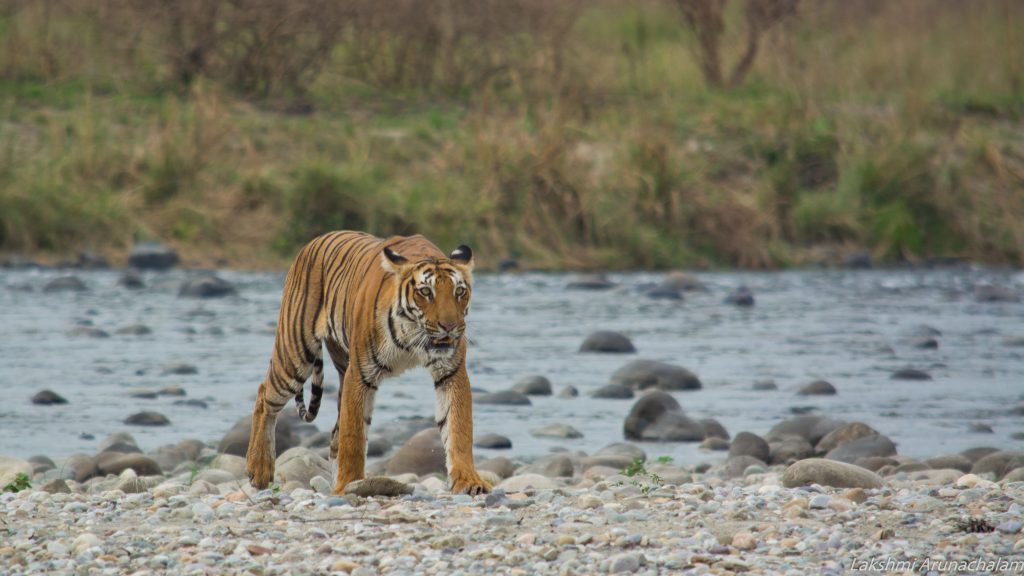
The sunrise view from the reservoir at one end of the zone is worth sacrificing your sleep. “Parvaali” is another famous tiger in this part of the jungle, and she is often very bold in front of gypsy vehicles. A minimum of 4 safaris (2 days) is needed to do proper justice to Dhikala.
Keep in mind that for Dhikala, staying at the forest rest house is mandatory for a jeep safari. You cannot do a day visit by jeep here. This one rule catches out more first-timers than anything else at Corbett, so plan for it early. If you cannot get a room, there is a canter ride (shared 16-seater bus) that can be booked for day visits. Dhikala has patches of mobile connectivity for Airtel and BSNL. Buffet food at the main canteen is quite good. There is also a smaller canteen with cheaper but less tasty food. The zone is open from 15th November to 15th June.
Durgadevi Zone
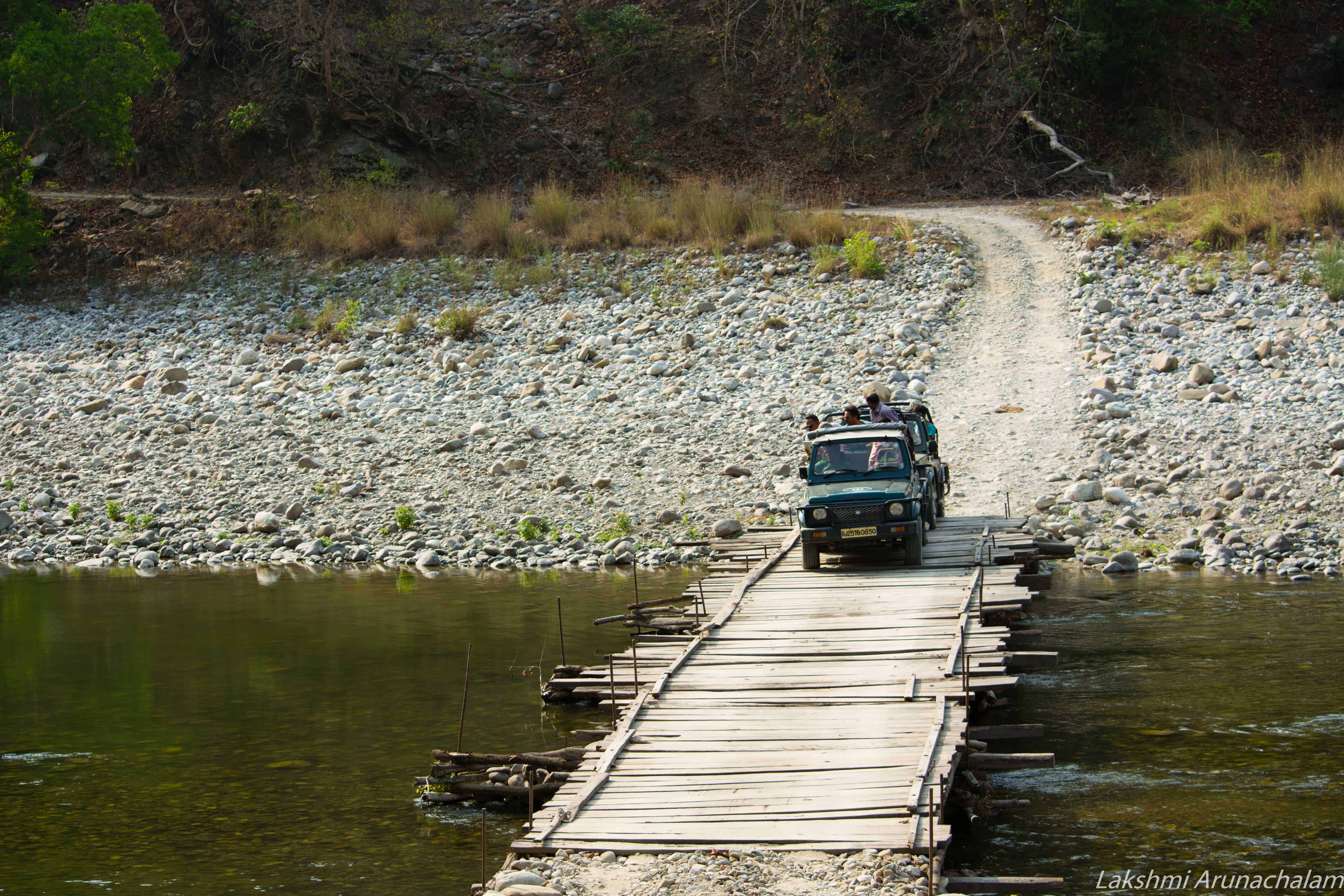
The hilly terrain of Durgadevi makes it a paradise for birdwatchers. Varying altitudes along with dense tree cover provide an excellent opportunity to spot birds. The entry gate is about 26 km from Ramnagar. Safari vehicles take you further past the Domunda bridge where you can spot the famous Mahseer fish. Plan to book one or two safaris in this zone. It is open from 15th November to 15th June.
Jhirna Zone
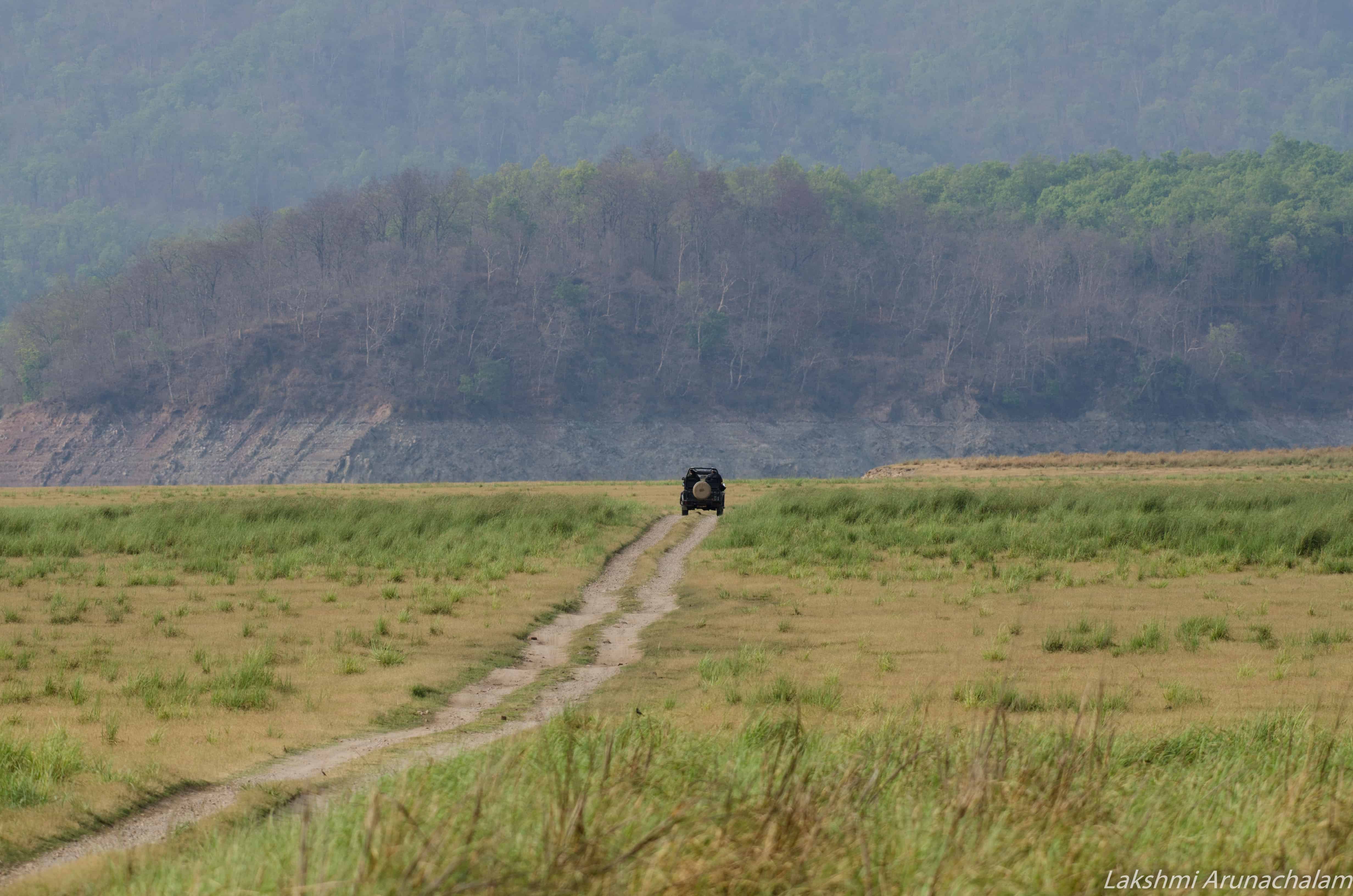
Jhirna is unique because it is open throughout the year (subject to weather conditions). It is located about 20 km from Ramnagar. While it may not have the dramatic grasslands of Dhikala, Jhirna offers consistent wildlife sightings across seasons, including leopards and sloth bears. This zone is a good option if you are visiting during the monsoon months when other zones are closed.


Dhela Zone
Dhela is located about 15 km from Ramnagar. Like Jhirna, it is also open year-round (subject to weather). It has a mix of grasslands and deciduous forests. Dhela is a good backup option when bookings for Bijrani or Dhikala are full, as it typically has better availability.
Garjia Zone
Garjia is the newest tourism zone at Corbett and the one most guides still forget to mention. It shares the Amdanda gate with Bijrani, about 9 km from Ramnagar, and follows the same season as Bijrani, from 15th October to 30th June. Being new, it usually has permits left when Bijrani is sold out. The terrain here runs along the Kosi river belt and is good for elephants, deer and birdlife, though tiger sightings are less frequent than in the core zones.
Sonanadi Zone, and the Phato and Sitabani Buffer Areas
Sonanadi is part of the Sonanadi Wildlife Sanctuary adjoining Corbett and offers a more remote, far less crowded safari. It is open from 15th November to 15th June. Separately, Phato (about 20 to 25 km from Ramnagar) and Sitabani fall under the buffer zone of the reserve and are booked differently from the core zones. Sitabani in particular is a birding favourite with 600-plus species recorded, and since it sits outside the national park boundary, it stays accessible when the core zones shut. In case you land in Ramnagar without a core-zone permit, Sitabani is your fallback.
How to Book a Jim Corbett Safari Permit in 2026?
Quick Answer: Book only on the official Corbett Tiger Reserve site, corbettgov.org. Day-visit and forest rest house bookings open 45 days ahead for Indians and 90 days for foreign nationals, canter bookings 30 days ahead. Same-day online booking closes at 6:30 AM for the morning slot and 4:00 PM for the evening slot.
All safari bookings for Jim Corbett are done through the official Corbett Tiger Reserve website at corbettgov.org, which routes you to its booking portal at booking.corbettgov.org for jeep safaris, canter rides and night stays. The reserve itself puts up a scam warning on its home page stating that this is the only official booking website. Every other site you will find selling “Corbett permits” is a reseller adding a margin, and some of them are outright frauds. I strongly recommend booking directly.
Day Visit: A day visit permit allows you to enter a specific zone for one safari (morning or evening). No overnight stay inside the park. Booking opens 45 days in advance for Indian nationals and 90 days in advance for foreign nationals.
Night Stay (FRH Booking): If you want to stay inside the forest at a government rest house, booking also opens 45 days in advance. For Dhikala zone, night stay is mandatory for a jeep safari. The maximum stay allowed is 2 nights. I highly recommend staying inside the forest for at least one night, as the early morning and late evening safaris offer the best wildlife sightings.
Canter Safari (Dhikala only): If you cannot get a Dhikala night stay booking, you can book a canter ride (shared 16-seater bus). Canter booking opens 30 days in advance and is capped at 4 seats per booking.
Two rule changes are worth knowing before you book in 2026. First, the reserve issued a notice in March 2026 restricting safari vehicles older than 15 years, so if you are arranging a gypsy through a hotel, confirm the vehicle is compliant or your permit day can be wasted at the gate. Second, new nature guide rates came into effect on 23 April 2026, so the guide charge quoted to you may be a little higher than older articles say. Both notices are published for download on corbettgov.org.
Keep in mind that each safari is about 3.5 to 4 hours long. Morning safaris typically run from 6:00 AM to 9:30 AM and evening safaris from 2:30 PM to 5:30 PM (timings shift slightly by season). A naturalist must accompany each vehicle, and a maximum of 6 people can be accommodated in a jeep (excluding driver and naturalist). The naturalist helps identify and spot animals and birds, so listen to their guidance.
For booking-related queries, you can contact the Corbett Tiger Reserve Help Desk at +91 9759363344 or +91 5947251489. They are available between 10 AM and 5 PM IST on weekdays.
How Much Does a Jim Corbett Safari Cost in 2026?
Quick Answer: A day jeep safari costs Rs 7,000 to Rs 7,900 per jeep for Indians (entry permit Rs 3,380, guide Rs 900, gypsy Rs 2,700 to Rs 3,000), which works out to roughly Rs 1,200 to Rs 1,400 per person in a full jeep of six. A canter seat at Dhikala costs about Rs 1,770 per person.
The safari fees at Jim Corbett have multiple components. Let me break them down clearly so you can budget properly. All prices below are taken from the pricing page of the official Corbett Tiger Reserve website and are applicable as of 2026. Do reconfirm at the time of booking, since the guide component was revised in April 2026.
Day Visit Safari Fees (Jeep Safari)
| Fee Component | Indian Nationals | Foreign Nationals |
|---|---|---|
| Entry permit (per jeep, up to 6 persons) | Rs 3,380 | Rs 6,680 |
| Naturalist/Guide charges | Rs 900 | Rs 900 |
| Gypsy/Jeep charges (Bijrani, Garjia) | Rs 2,700 | Rs 2,700 |
| Gypsy/Jeep charges (Jhirna, Dhela, Durgadevi) | Rs 3,000 | Rs 3,000 |
| Total per jeep (approx.) | Rs 6,980 – Rs 7,280 | Rs 10,280 – Rs 10,580 |
So for a group of 6 Indian nationals, the per-person cost comes to roughly Rs 1,200 – Rs 1,400 per safari. I suggest going with a group of 4-6 friends to split costs. Solo travelers can also find shared jeep options through local tour operators in Ramnagar, and the Corbett Motel owner mentioned further down this article can arrange one.
Canter Safari Fees (Dhikala Zone Only)
| Fee Component | Indian Nationals | Foreign Nationals |
|---|---|---|
| Canter seat (16-seater, per person) | Rs 1,500 + 18% GST | Rs 3,000 + 18% GST |
| Total per person (approx.) | Rs 1,770 | Rs 3,540 |
Night Stay Fees (Forest Rest House)
| Fee Component | Indian Nationals | Foreign Nationals |
|---|---|---|
| Room charges (per room, 2 persons) | Rs 3,500 – Rs 5,050 | Rs 10,450 |
| Vehicle + driver (Bijrani, Jhirna) | Rs 5,750 | Rs 5,750 |
| Vehicle + driver (Dhikala, Sarpduli) | Rs 7,250 – Rs 7,750 | Rs 7,250 – Rs 7,750 |
| Guide charges | Rs 900 | Rs 900 |
| Food charges (per person, per meal) | Rs 350 – Rs 400 | Rs 350 – Rs 400 |
For a 2-night Dhikala stay for 2 Indian adults, do the math: two nights of room rent at Rs 3,500 to Rs 5,050, the vehicle and driver at Rs 7,250 to Rs 7,750, guide charges, and roughly six meals per person. That lands you at approximately Rs 20,000 – Rs 25,000 in total. This gets you 4 safaris, which is ideal for thorough wildlife exploration. Discounts are available for senior citizens (50% off room rent and entry fee) and students aged 12-18 (75% off entry fee). Keep in mind that a few rest houses have no canteen at all and you are expected to carry your own rations.
What Is the Best Time to Visit Jim Corbett National Park?
Quick Answer: Visit between November and June. March to May gives the best tiger sightings because animals gather at shrinking water sources. November to February is colder and more scenic but grass is tall, so sightings are harder. July to October is monsoon and only Jhirna and Dhela stay open.
The best time to visit Jim Corbett is from November to June, with the peak wildlife sighting season being March to May. Each season has its charms, so let me break it down for you.
Winter (November to February): The forest is at its most scenic during winter. Early morning mists and safaris on cold mornings are an experience of a lifetime. Imagine a tiger emerging from the fog and crossing the mud road. Tiger sightings are slightly harder in winter as the grass is tall and dense, but the overall atmosphere is magical. Carry warm layers, as early morning safaris can be quite cold.
Summer (March to June): This is the peak season for tiger spotting. As the heat increases, wildlife gathers around water sources, making sightings more frequent. April and May also see large herds of elephants migrating into the park. If your primary goal is to spot a tiger, summer is your best bet. However, it can get quite hot during afternoon safaris (temperatures crossing 40 degrees Celsius).
Monsoon (July to October): Most zones are closed during monsoon due to heavy rainfall and flooding. Only Jhirna and Dhela zones remain open for day safaris (subject to weather), and monsoon-season bookings reopen at the end of June each year. I would suggest avoiding this period unless you specifically want a monsoon wildlife experience.
Zone-Wise Open Period and Distance from Ramnagar
| Zone | Entry Gate | Distance from Ramnagar | Open Period |
|---|---|---|---|
| Dhikala | Dhangarhi | 18 km | 15th Nov to 15th Jun |
| Bijrani | Amdanda | 2 km | 15th Oct to 30th Jun |
| Garjia | Amdanda | 9 km | 15th Oct to 30th Jun |
| Jhirna | Jhirna | 20 km | Open year-round (subject to weather) |
| Durgadevi | Durgadevi | 26 km | 15th Nov to 15th Jun |
| Dhela | Dhela | 15 km | Open year-round (subject to weather) |
| Sonanadi | Sonanadi | ~30 km | 15th Nov to 15th Jun |
How to Reach Jim Corbett National Park from Delhi?
Quick Answer: Ramnagar is the gateway, about 260 km from Delhi. Self-driving takes 5 to 6 hours via Hapur, Moradabad and Kashipur. The Ranikhet Express (15013) from Delhi Cantt reaches Ramnagar around 4:15 AM. UTC buses run from Anand Vihar ISBT in 6 to 8 hours. Nearest airport is Pantnagar, 80 km away.
The nearest city to Jim Corbett is Ramnagar, which is approximately 260 km from New Delhi. Ramnagar is well connected by road, rail, and you can also fly to a nearby airport. Here are your options.
By Road (Recommended for Self-Drivers)
The drive from Delhi to Ramnagar takes about 5-6 hours via the Delhi – Hapur – Moradabad – Kashipur – Ramnagar route (approximately 260 km). The road is mostly a well-maintained highway. I recommend starting early to avoid traffic, especially around Hapur and Gajraula. If your safari slot is a 6:00 AM one, drive down the previous evening. Nobody does a Delhi start and a morning safari on the same day without regretting it.
By Train
Several trains connect Delhi to Ramnagar (station code: RMR). The most popular is the Ranikhet Express (15013) which stops at Delhi Cantt in the evening and reaches Ramnagar early the next morning around 4:15 AM, as per the 2026 timetable. Trains also run from other cities like Lucknow, Moradabad, and Bareilly. The Ramnagar railway station and bus stand are close to each other, making onward travel convenient. Do reconfirm timings on IRCTC before you book, as slots get revised every few months.
By Bus
Uttarakhand State Transport (UTC) buses ply from Delhi (Anand Vihar ISBT) to Ramnagar on a regular basis. You can book online at the UTC official website. Private buses and Volvo services are also available. The journey takes 6-8 hours depending on traffic.
By Air
The nearest airport is Pantnagar Airport (about 80 km from Ramnagar). You can hire a taxi from Pantnagar to Ramnagar. Alternatively, Dehradun (Jolly Grant Airport) is about 220 km away. Most visitors prefer to fly into Delhi and then take a train or drive, as it tends to be more cost-effective.
What Are the Important Rules for Jim Corbett Safari?
Quick Answer: Permits are non-refundable and non-transferable, private vehicles are banned inside the park, and you must carry the same photo ID used at booking. Walking inside the forest is prohibited, no plastic, alcohol or smoking is allowed, and you should wear muted earthy colours.
These are the essential rules you must keep in mind before entering Jim Corbett National Park. Violating these can result in penalties or being denied entry.
- A permit is required to enter the forest. Book it in advance through the official website.
- Cancelling or rescheduling the permit is not allowed after booking. The booking fee is non-refundable.
- Entry is restricted only to the zone for which the permit is obtained.
- Same-day online booking closes at 6:30 AM for the morning session and 4:00 PM for the afternoon session.
- Walking or trekking inside the forest is prohibited except at designated areas.
- Private vehicles are not allowed inside the park. You must hire a registered gypsy vehicle, and as of March 2026 that vehicle cannot be more than 15 years old.
- Carry valid photo ID (Aadhaar card, PAN card, Voter ID, or Passport) as it must be shown at the entry gate and must match the booking.
- Canteen food is available only at Dhikala and Bijrani zones. For other zones, kitchen facilities may be provided where you can cook your own food.
- Avoid littering inside the park. Do not shout or make loud noises when spotting animals.
- No smoking, alcohol, or plastic bottles allowed inside the park.
- Wear earthy, muted colours (olive green, brown, khaki). Avoid bright colours and white, as they can startle animals.
Where to Stay Near Jim Corbett National Park?
Quick Answer: Budget stays around Ramnagar cost Rs 1,500 to Rs 3,000 a night, mid-range resorts Rs 3,000 to Rs 7,000, and luxury properties Rs 8,000 and above. The forest rest houses inside the park cost Rs 3,500 to Rs 5,050 per room and are the better experience if you can get a booking.
Besides the government forest rest houses inside the park (which I covered in the booking section above), there are many hotels and resorts in the periphery of the park around Ramnagar. Here are some options across budget ranges.
Budget (Rs 1,500 – Rs 3,000 per night):
- Corbett Motel is a budget accommodation located on a mango farm. Good value for money. The food here is very good. The hotel owner Mr. Ranjith can also help arrange and book safaris and jeeps. Contact: 05947-253033.
- Several budget guesthouses and homestays are available in Ramnagar town.
Mid-Range (Rs 3,000 – Rs 7,000 per night):
- Tiger House Corbett is a mid-range hotel located a little further from Ramnagar with comfortable rooms.
- Corbett Mango Bloom is a mid-range resort in the range of Rs 4,000 – Rs 5,000 per day.
Luxury (Rs 8,000+):
- Several luxury resorts like Jim’s Jungle Retreat, The Solluna Resort, and Taj Corbett Resort are available for those looking for a premium experience.
I would suggest staying in Ramnagar or nearby if you are on a budget. However, if you can manage the forest rest house booking (especially at Dhikala or Bijrani), that experience is unmatched. Waking up inside the forest to the sounds of birds and the distant calls of animals is something that no resort outside the park can replicate.
What Should You Carry for a Jim Corbett Safari?
Quick Answer: Carry a telephoto lens (200mm or longer), binoculars, spare camera batteries and a power bank because most rest houses have no electricity. Add earthy-coloured clothing, warm layers for winter safaris, sunscreen for summer, insect repellent, a reusable bottle and the photo ID you booked with.
Based on my experience, here is a quick packing checklist for your Jim Corbett trip. You can also check my detailed article on things to carry on a trip for a comprehensive list.
- Camera with a telephoto lens (200mm or longer) for wildlife photography. Fully charged batteries and extra memory cards.
- Binoculars for spotting birds and distant animals.
- Warm clothing for winter visits (November to February). Early morning safaris can be very cold.
- Sunscreen and sunglasses for summer visits (March to June).
- Earthy-coloured clothing (khaki, olive green, brown). Avoid bright colours.
- Insect repellent and basic first-aid kit.
- Valid photo ID (Aadhaar, PAN card, or Passport) for entry.
- Power bank since there is no electricity in most forest rest houses.
- Reusable water bottle (no plastic bottles allowed).
Can You Combine Jim Corbett with Nainital?
Quick Answer: Yes. Nainital is only about 65 km from Ramnagar and pairs well with a two-safari Corbett trip. Sattal is 25 km further and much quieter. With 6 to 7 days you can extend into Almora, Binsar and Mukteshwar for a full Kumaon loop.
Yes, absolutely. Nainital is only about 65 km from Ramnagar and makes for a perfect add-on to your Jim Corbett trip. You can also visit Sattal, which is a cluster of seven interconnected freshwater lakes, about 25 km from Nainital. It is a much quieter alternative for those who want to avoid the crowds of Nainital.
If you have more time, you can extend your Kumaon itinerary to include Almora and Chaukori, the forest-wrapped ridge of Binsar, and the orchards of Mukteshwar. Binsar in particular works well after Corbett, since it is a wildlife sanctuary itself and gives you a Himalayan skyline that the Terai forest does not. The Kumaon region of Uttarakhand is full of hidden gems that are worth exploring beyond the standard tourist circuit. Check my article on offbeat places in Uttarakhand for more ideas.
Why Is Ecotourism at Jim Corbett Important?
Quick Answer: Safari revenue pays the local drivers, naturalists and rest house staff, which gives villages around Corbett a direct financial stake in anti-poaching and forest protection. Booking through the official portal instead of a reseller keeps more of that money inside the reserve’s own system.
Ecotourism is important to save our forests. The revenue from tourism directly benefits the local people. They are employed as drivers, naturalists, and caretakers of forest rest houses. People also take a keen interest in preservation and anti-poaching since their livelihood depends on it. The Government also spends on conservation efforts.
Already, wildlife is in a vulnerable position all over India due to rapid development activities putting many species under threat. So, we need to make sure not to cause further damage to the environment while staying inside the park. You can read about other Himalayan zoological parks in my previous article, and the Uttarakhand Tourism portal lists the state’s other protected areas.
If you are planning other wildlife and nature experiences in Uttarakhand, do check the Valley of Flowers trek, which is a UNESCO World Heritage Site and one of the most beautiful treks in India. For pilgrimage combined with trekking, the Char Dham Yatra 2026 is another excellent option in the state.
Have a travel question?? You can subscribe to my YouTube channel and leave a comment to ask your travel questions about traveling to the Himalayas.
Enjoy the wilderness, lush greens, lakes brimming with water, monkeys jumping about, elephants taking a mud bath on a hot afternoon, or the elusive tiger staring at you with its gleaming eyes. Visit Jim Corbett for the love of nature.
I hope this guide on Jim Corbett National Park is useful for those planning their visit. If you have any questions about safari booking, zone selection, or trip planning, feel free to ask in the comments section below. If you know friends or family who are planning a wildlife trip, do share this article with them. You can also find more travel guides for Uttarakhand on the blog. For other details, discussions, queries, and finding travel partners, please go through the DwD Community 🙂 …
Frequently Asked Questions
How many days are enough for Jim Corbett National Park?
I recommend at least 3-4 days for a proper Jim Corbett experience. This allows you to cover 2 zones (ideally Dhikala and Bijrani) with 4 safaris each. A weekend trip with 2 day-visit safaris is also possible but you may miss out on the deeper forest experience.
What are the chances of spotting a tiger at Jim Corbett?
Jim Corbett has the highest tiger count of any single reserve in India, around 260 as per the latest All India Tiger Estimation. The chances of spotting a tiger are moderate to good, especially during March to May when water sources draw animals out. However, wildlife is unpredictable, so patience is key. Book multiple safaris across different zones to maximize your chances.
Is corbettgov.org the only official Jim Corbett booking website?
Yes. The Corbett Tiger Reserve states on its own home page that corbettgov.org is the only official booking website, with the booking engine hosted at booking.corbettgov.org. Every other website offering “Corbett safari permits” is a reseller or an agent, and some are outright scams charging for permits they cannot issue. Book direct and pay the official rate.
Is Jim Corbett safe for families with children?
Yes, Jim Corbett is very safe for families. Children enjoy the jeep safari experience and the chance to spot elephants, deer, and birds. Keep in mind that children below 5 years are generally not recommended for long safaris due to the bumpy rides and strict silence rules. The forest rest houses at Dhikala and Bijrani are comfortable for families.
Can I visit Jim Corbett during monsoon?
Most zones are closed during monsoon (July to October). Only Jhirna and Dhela zones remain open for day safaris, subject to weather conditions, and monsoon bookings typically reopen at the end of June. Night stays inside the park are not available during this period. While you can still visit, wildlife sightings are less predictable during monsoons.
What is the difference between jeep safari and canter safari at Jim Corbett?
A jeep safari uses a gypsy (open-top 4×4 vehicle) that seats up to 6 passengers. It allows you to go deeper into the forest and is available in all zones. A canter safari is a shared 16-seater bus that operates only in the Dhikala zone for day visits, at about Rs 1,770 per person. Jeep safaris offer a more intimate and flexible wildlife experience, while canter safaris are more affordable per person.
![How to prepare for cold weather motorcycle ride in Ladakh or Spiti Valley? [13 Important Tips]](https://discoverwithdheeraj.com/yt_vid_thumbs/ladakh/83.png)
How do I book Jim Corbett safari online?
You can book through the official Corbett Tiger Reserve website at corbettgov.org. For day visits, booking opens 45 days in advance for Indians and 90 days for foreign nationals. For forest rest house accommodation, it also opens 45 days prior. You will need to provide valid photo ID details, preferred zone, and date. Payment is online via credit/debit card or net banking.
What is the best zone in Jim Corbett for tiger sighting?
Dhikala and Bijrani are considered the best zones for tiger sightings. Dhikala has vast grasslands where tigers are often spotted near water bodies. Bijrani also has open grasslands that provide good visibility. However, I suggest booking multiple zones if possible, as tiger movements are unpredictable and you may get lucky anywhere.
How much does a Jim Corbett trip cost from Delhi for 2 persons?
A budget Jim Corbett trip for 2 persons from Delhi for 3 days and 2 nights can cost approximately Rs 12,000 – Rs 18,000 per person. This includes train tickets (Rs 300-500), 4 safari permits split between the group (Rs 1,200-1,400 per safari), accommodation outside the park (Rs 1,500-2,500 per night), and food (Rs 500-800 per day). If you opt for a Dhikala night stay instead, budget Rs 20,000 – Rs 25,000 total for the 2-night stay including safaris and food.

3 Comments
Comments section gets closed in 90 days. To ask your travel questions, you can follow my YouTube Channel for a faster reply or for a much slower reply follow me on Instagram. :)
Truly amazing…. Especially the detail… Felt like lonely planet… Keep it up Ajay
Very informative
Thanks Ajay! Hope you have a great time at Jim Corbett when you go!