


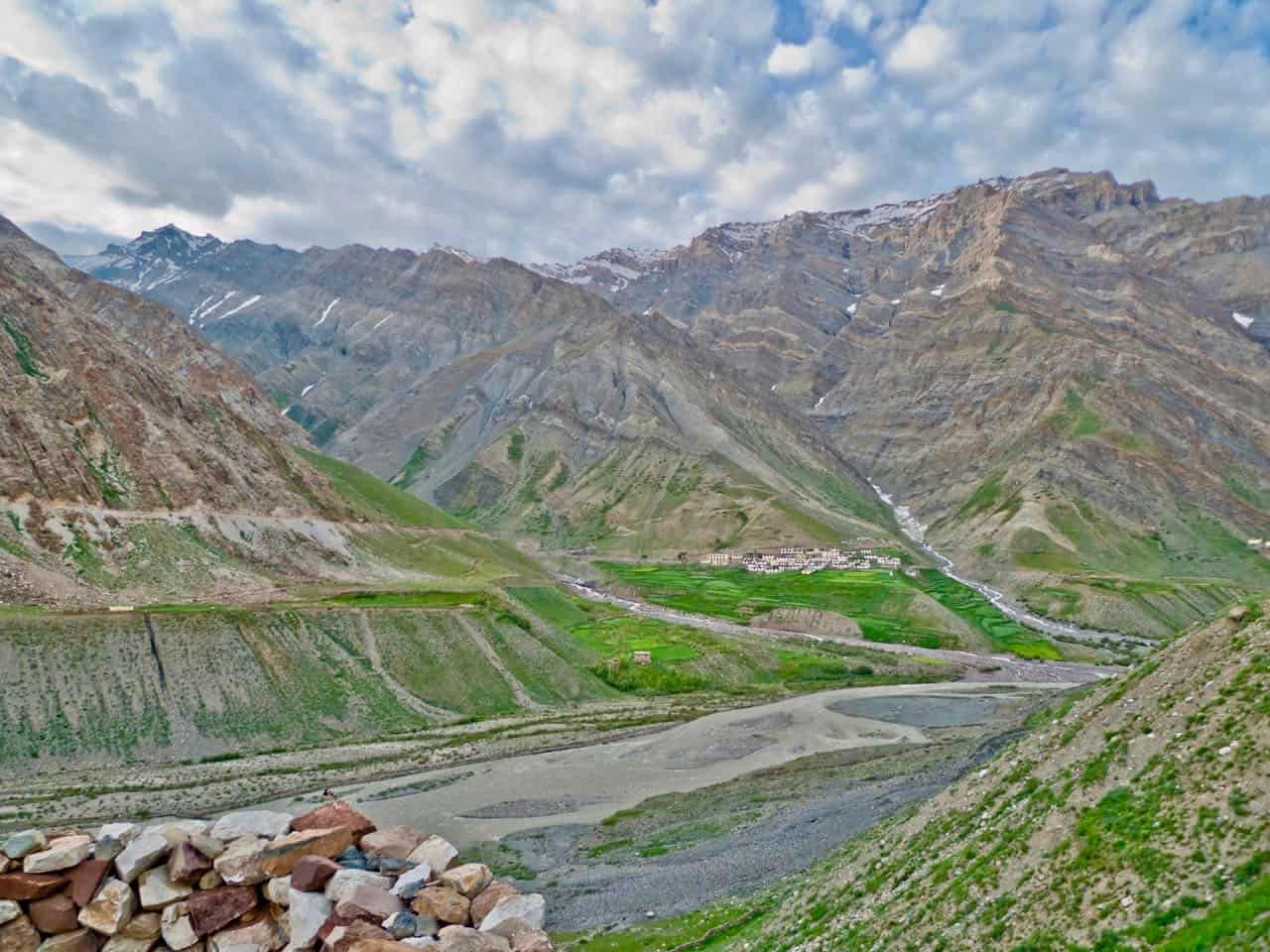
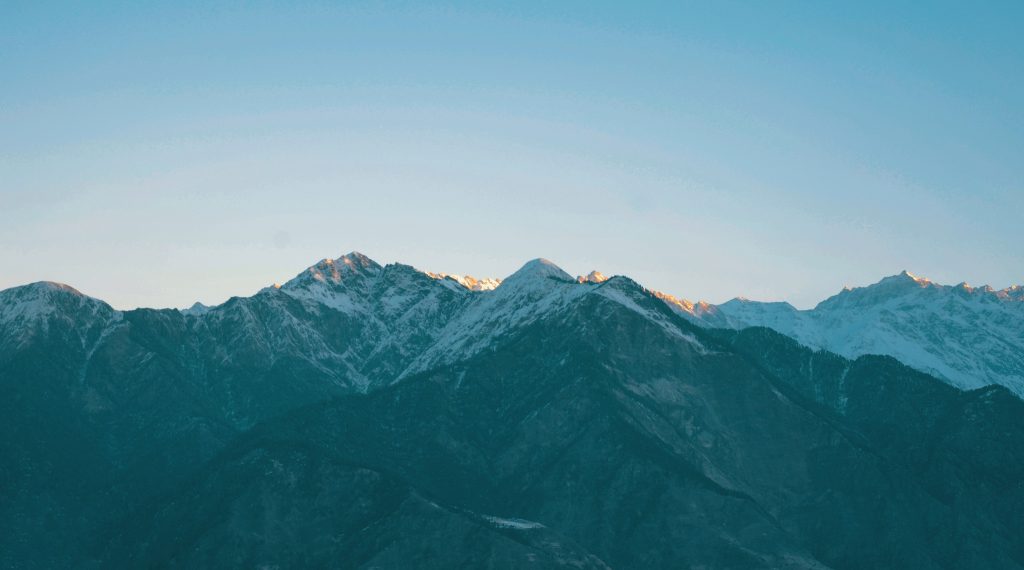
The Hampta Pass trek is one of those rare Himalayan experiences where the landscape completely transforms within a single day of walking. You start in the lush green valleys of Kullu, surrounded by thick forests and wildflower meadows, and by the time you cross the pass at 14,100 feet, you are staring at the barren, moon-like terrain of Lahaul and Spiti Valley. That dramatic shift from green to desert is what makes this trek so special, and why it remains one of the most popular beginner treks in Himachal Pradesh.
I have been recommending this trek to friends and readers for years because it delivers a genuine Himalayan experience without demanding the fitness level of, say, a Rupin Pass or Pin Parvati crossing. If you are new to trekking in the Himalayas and want something that pushes you just enough while rewarding you with views you will remember for life, Hampta Pass should be near the top of your list. In this guide, I will cover everything you need to plan your Hampta Pass trek in 2026, from the day-by-day itinerary to current costs, best season, and how to reach the basecamp from Delhi.
Let's quickly dive into the details:
What Are the Key Details of the Hampta Pass Trek?
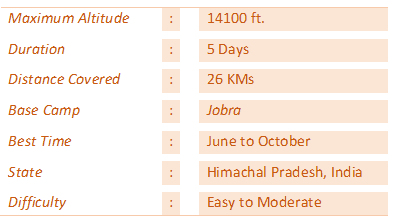
The Hampta Pass trek covers approximately 26 km over 5 days, starting from Jobra (near Manali) and ending at Chatru on the Spiti side. The pass itself sits at 14,100 feet, and the difficulty level is easy to moderate, making it accessible for first-time trekkers with basic fitness. Here is a quick overview of the essential details.
| Maximum Altitude | 14,100 feet (4,298 m) |
| Trek Duration | 5 Days (4 nights camping) |
| Total Distance | 26 km (one way) |
| Base Camp | Jobra (30 km from Manali) |
| End Point | Chatru (Spiti side) |
| Best Season | Mid-June to September |
| State | Himachal Pradesh, India |
| Difficulty Level | Easy to Moderate |
| Trek Cost (with agency) | Rs 6,500 to Rs 12,000 per person |
| Forest Permit | Required (included in agency packages) |
Why Is the Hampta Pass Trek So Popular Among Beginners?
The Hampta Pass trek stands out among the 200+ defined trekking trails in Himachal Pradesh for one simple reason. It gives you the full Himalayan trekking experience, including river crossings, snow patches, high-altitude camping, and a pass crossing, without demanding extreme fitness or prior trekking experience. If you can jog 3-4 km without stopping and climb 4-5 floors of stairs without gasping, you are fit enough for this trek.
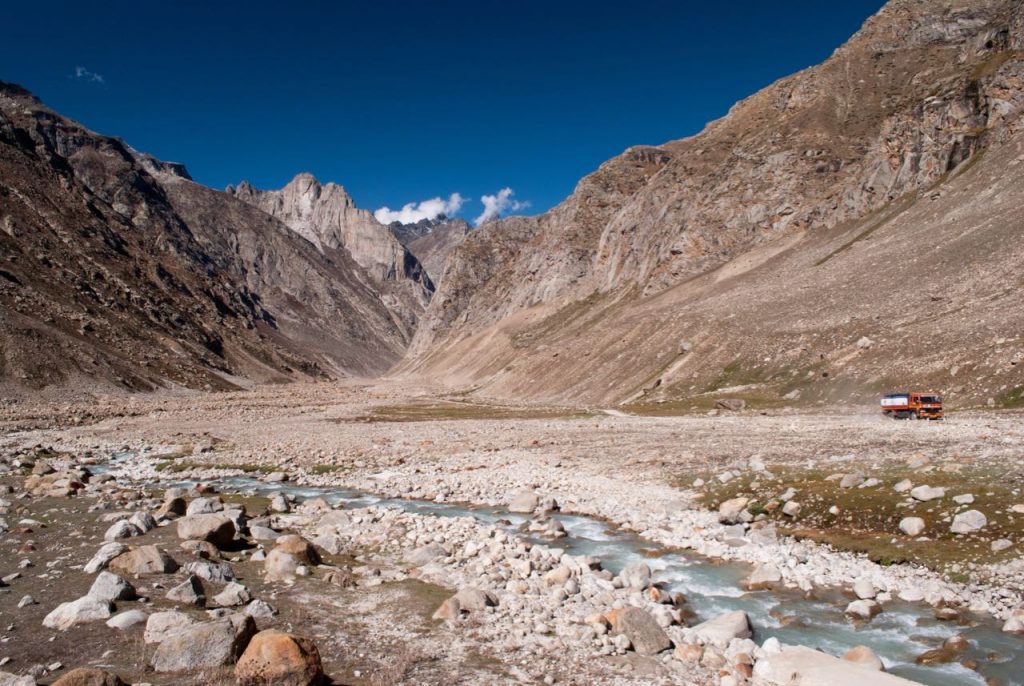
That said, seasoned trekkers enjoy it too. The diversity of landscapes you cover in just 5 days is hard to match. You walk through glacial valleys, cross rushing streams, camp beside snow-covered grounds, and then descend into the raw desert beauty of Spiti. The contrast between the Kullu side (green, forested, alive with streams) and the Spiti side (barren, dry, vast) is genuinely dramatic. Most trekkers who have done Hampta Pass say the moment you reach the top and see the Spiti landscape open up on the other side is the highlight of the entire experience.
When Is the Best Time to Do the Hampta Pass Trek?
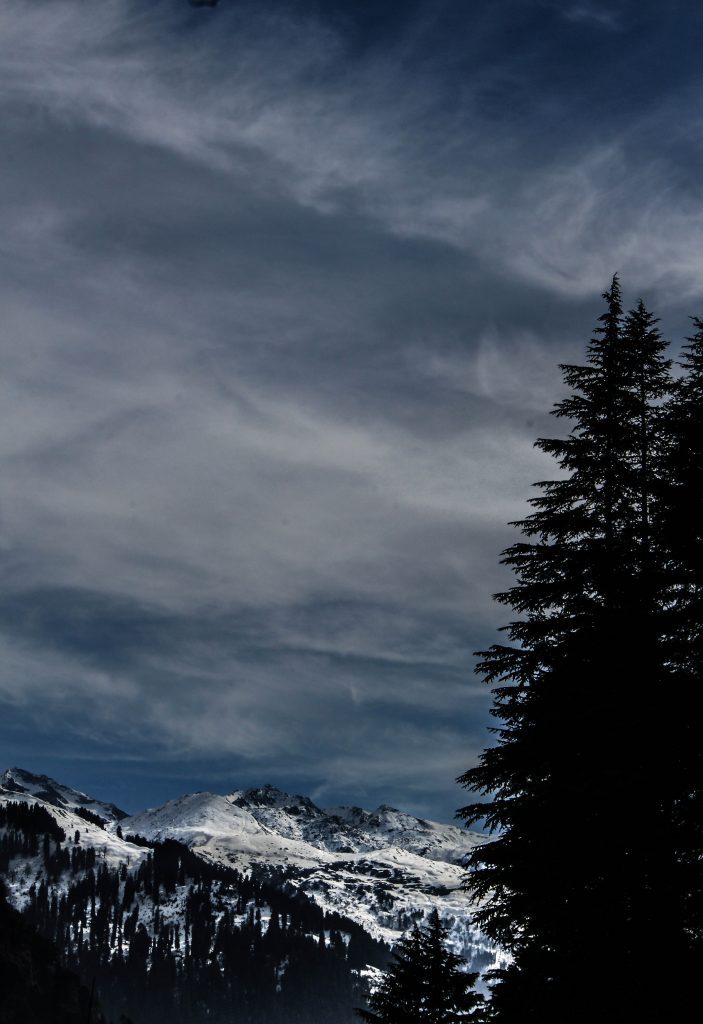
The Hampta Pass trek season runs from June to September, but the best window is mid-June to early September. Here is what each month looks like on the trail, so you can pick the right time based on what kind of experience you want.
June: Snow and Green Valleys
Early June usually has significant snow on the trail, especially near the pass and at Balu Ka Ghera. The valleys below are turning green and the wildflowers start appearing. Keep in mind that in early June, the road to Chandratal Lake may not be open yet, so if visiting Chandratal is part of your plan, aim for late June or later.
July and August: Monsoon Season
The Manali side gets rain from mid-July through August, which makes the trail muddy and stream crossings more challenging. The good news is that Spiti Valley sits in the rain shadow, so once you cross the pass, you are likely to see clear skies and bright sunshine. The vegetation is at its peak during this period. If you do not mind getting a little wet, the monsoon months offer some of the most dramatic views.
September: Clear Skies and Autumn Colors
September is excellent for the trek. The monsoon retreats, skies clear up, and you get crisp views of the peaks. Night temperatures drop below zero at higher camps, so pack warmer layers. The trails are relatively dry and the crowd thins out compared to July-August. If you are considering the July-August window itself despite the crowds, our Manali in monsoon 2026 guide breaks down whether it is worth it.
What Is the Weather Like on the Trek?
Daytime temperatures range from 12 to 20 degrees Celsius at lower camps, while night temperatures can drop to -6 to 4 degrees Celsius depending on your campsite altitude. At Balu Ka Ghera (11,000 ft) and above, expect sub-zero nights even in summer. Always carry a good sleeping bag rated for at least -5 degrees Celsius.

Having traveled extensively in the Himalayas across all seasons, I am a strong believer that weather changes everything about a trip. When you leave the heat and humidity of Delhi behind and step into the cool mountain air, something shifts. You feel lighter, more present, genuinely happy. The Hampta Pass trek gives you that reset in the best possible way.
How to Reach the Hampta Pass Trek Basecamp?
The trek starts from Jobra, which is roughly 30 km from Manali. To get to Jobra, you first need to reach Manali, which is well connected to Delhi and Chandigarh by road. Here are your options.
By Bus (Recommended for Trekkers)
This is the smartest option for Hampta Pass trekkers. You will not be using your own vehicle for 5+ days while you are on the trail, so there is no point in driving up and worrying about your car the entire time. HRTC and HPTDC run overnight Volvo and semi-sleeper buses from Delhi (Kashmere Gate ISBT) to Manali. The journey takes 13-14 hours.
Current fares (2025-26): HRTC ordinary buses start at Rs 895. Volvo AC semi-sleeper buses range from Rs 1,000 to Rs 1,500. HPTDC Himsuta AC buses cost around Rs 1,450. Buses depart from Delhi between 5 PM and 11 PM and reach Manali by morning. You can book tickets on the HRTC official website or at the bus stand.
By Air
The nearest airport is Bhuntar (Kullu-Manali Airport), about 50 km from Manali. Flights operate from Delhi and Chandigarh, though they are often delayed or cancelled due to weather. From Bhuntar, you can take a taxi (Rs 2,000-2,500) or a local bus to Manali. In case you are flying, keep a buffer day in your plan for potential flight disruptions.
By Train
No direct trains run to Manali. The closest major railway station is Chandigarh (310 km from Manali). You can take the Shatabdi Express from Delhi to Chandigarh and then book a bus or taxi to Manali. From Chandigarh, the road journey takes about 8-9 hours.
By Private Vehicle or Self-Drive
If you are driving from Delhi, the route goes via Chandigarh, Bilaspur, Sundernagar, Mandi, and Kullu. The total distance is roughly 550 km and takes 12-14 hours with pit stops. And what is a road trip without good dhaba food along the way? However, keep in mind that your vehicle will sit idle for the entire duration of the trek. Hence, my suggestion would be to take the bus instead and save yourself the parking anxiety.
How Do You Get from Manali to Jobra Basecamp?
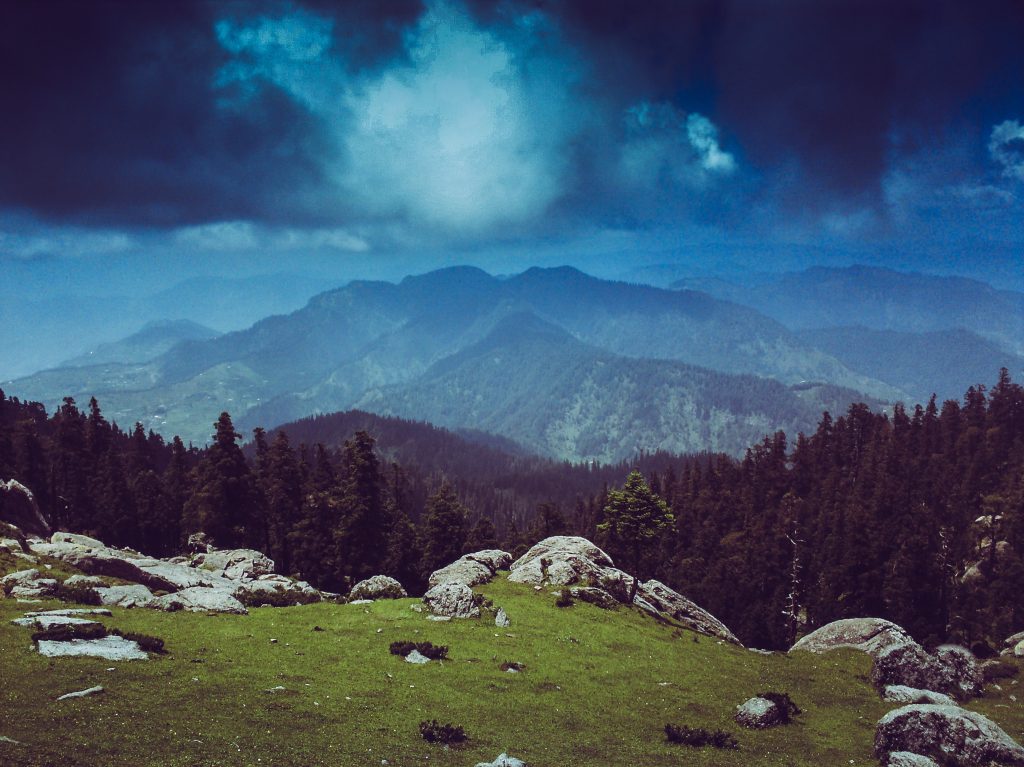
Once you reach Manali, you need to get to Jobra, which is approximately 30 km away. The drive involves multiple hairpin bends and takes about 1 to 1.5 hours. You will need to book a private taxi from Manali to Jobra. The fare is around Rs 2,500-3,000 (as of 2025-2026). Shared cabs charge around Rs 500 per person. If you have booked through a trek agency, this transfer is usually included in the package.
What Is the Day-by-Day Itinerary for Hampta Pass Trek?
Here is a practical 5-day itinerary for the Hampta Pass trek. I have included realistic timing, what to expect each day, and tips that will help you plan better. The trek goes from Manali’s green valleys to Spiti’s barren landscape, with the pass crossing on Day 4. If you prefer a more compact plan, see my 4-day Hampta Pass route guide with detailed camp-by-camp breakdown.


Day 1: Reach Manali, Rest, and Prepare
Take an overnight bus from Delhi and reach Manali by 8-9 AM. Check into your accommodation, get some rest, and explore the town. This rest day is important because your body needs to adjust before the trek begins the next morning.
Use this day to finalize a few things. If you plan to visit Chandratal Lake after the trek, arrange a taxi pickup at Chatru in advance. It is much easier to sort this out in Manali than to scramble at Chatru where options are limited. If you are trekking independently (without an agency), rent camping gear, sleeping bags, and cooking equipment from one of the many rental shops in Old Manali.
Before you pack, check my recommended list of essential items for trekking and hiking trips.

Day 2: Manali to Jobra to Chika (2-3 Hours Trek)
Start early from Manali and drive to Jobra. From Jobra, the trek to Chika takes about 2-3 hours through a gentle trail surrounded by dense forest. This is your warm-up day, so the pace is easy. Chika is a flat camping ground surrounded by tall trees and open meadows, and you can pitch your tent wherever you find a good spot.
There are plenty of water sources along this stretch, so carry a water bottle and refill as needed. Try to reach Chika by 4 PM so you have time to set up camp and enjoy the evening views. The first night under the stars on a trek is always something special. Also, the first river crossing happens near Jobra, where you cross Jobri Nala via a wooden bridge. It is straightforward but can be slippery, so watch your step.
Day 3: Chika to Balu Ka Ghera via Jwara (5-6 Hours Trek)
This is a longer day with some spectacular views. Leave Chika by 8-9 AM at the latest. You will cross a stream (nala) to reach Jwara, where two valleys intersect in a beautiful V-shape. The scenery here is stunning, with green fields and waterfalls on either side.
From Jwara, continue to Balu Ka Ghera (11,000-12,220 ft), which is a flat ground surrounded by snowy mountains. You can choose to camp at either Jwara or Balu Ka Ghera, but I recommend Balu Ka Ghera because it puts you closer to the pass for the next morning’s climb. Water sources are available throughout this stretch. The night here will be cold, expect temperatures around 0 to 4 degrees Celsius. The Rani Nala crossing between Chika and Jwara is the second major river crossing. The water is glacier-fed and ice-cold, so waterproof shoes and trekking poles are essential here.
Day 4: Balu Ka Ghera to Hampta Pass to Shea Goru (7-8 Hours Trek)
This is the big day. Start as early as possible, ideally by 6-7 AM. The climb from Balu Ka Ghera to the top of Hampta Pass (14,100 ft) takes about 4 hours. The trail is steep and will have snow, especially in June and early July. This is the most physically demanding section of the entire trek, so pace yourself.
Important: Carry enough water from Balu Ka Ghera. There are no water sources between Balu Ka Ghera and the pass. You are climbing uphill at altitude, and dehydration hits faster than you expect.
The moment you reach the top of the pass, the landscape transforms completely. The green Kullu valley behind you gives way to the stark, barren mountains of Lahaul and Spiti ahead. This is the moment every Hampta Pass trekker talks about, and it genuinely does feel like stepping into a different world. After soaking in the views, descend to Shea Goru on the Spiti side. The descent involves the Hampta Nala crossing, which is glacier-fed and numbingly cold. Some operators set up rope assists for this section.
Pro Tip: Do not sleep in late on summit day. Getting an early start gives you more daylight for the crossing and leaves buffer time in case weather turns. Attentiveness and early starts are the keys to safe trekking in the Himalayas.
Day 5: Shea Goru to Chatru (3-4 Hours Trek)
The final trekking day is relatively easy. The walk from Shea Goru to Chatru takes about 3-4 hours along a gradual descent. Plenty of water sources along the way, so no worries there.
At Chatru, you have two main options. If you have pre-arranged a taxi to Chandratal Lake (about 50 km from Chatru), your driver should be waiting for you. Chandratal is absolutely worth the extra day if the road is open. Alternatively, you can catch a bus back to Manali or take your pre-booked taxi. Buses on the Chatru-Manali route typically leave around 11 AM, but timing depends on weather and road conditions (schedules may vary seasonally, verify with HRTC before travel).
The return to Manali goes through the Atal Tunnel (9.2 km long, no Rohtang permit needed), which has made this journey much faster. The tunnel opened in October 2020, and the drive from Chatru to Manali via the tunnel takes about 3-4 hours now. If you want to go over Rohtang Pass instead (seasonal, requires permit), that is an option too, though the tunnel route is far more convenient.
Can You Extend the Trek to Chandratal Lake?
Yes, and I highly recommend it if the road is open. Chandratal Lake (Moon Lake) sits at about 14,100 feet and is roughly 50 km from Chatru. Most trekkers add an extra day to visit Chandratal after completing the Hampta Pass trek. The crescent-shaped lake, surrounded by barren mountains and reflecting the sky on its surface, is one of the most stunning sights in Himachal Pradesh.
The road from Chatru to Chandratal opens sometime in June (depending on snow clearance) and closes by October. If you are trekking in early June, there is a chance the road may not be open yet. To visit Chandratal, you need to arrange a taxi pickup at Chatru in advance (book it in Manali before starting the trek). The taxi fare from Chatru to Chandratal and back to Manali runs about Rs 3,000-4,000 if shared among 3-4 people. The lake entry fee is Rs 150 per person in cash.
After Chandratal, you can either return to Manali via the Atal Tunnel or continue further into Spiti Valley from the Manali side if you have more time on your hands. That is a whole different adventure, and I have covered it separately.
How Much Does the Hampta Pass Trek Cost in 2026?
The cost of the Hampta Pass trek depends on whether you are doing it with an organized group (trek agency) or independently. Here is a practical breakdown of costs for both approaches.
With a Trek Agency (Organized Group)
Most agencies charge between Rs 6,500 to Rs 12,000 per person for a 5-day Hampta Pass trek package (plus 5% GST). This typically includes camping, meals, a guide, porters, forest permits, and the Manali-Jobra-Chatru transfers. Some agencies also include the Chandratal extension for a slightly higher cost. Budget packages start around Rs 5,500-6,500 while premium operators charge Rs 10,000-12,000. The difference is usually in tent quality, food variety, and group size.
Independent Trek (Without Agency)
| Expense | Estimated Cost (INR) |
| Delhi to Manali (Volvo bus, one way) | Rs 1,000 – Rs 1,500 |
| Manali accommodation (1 night) | Rs 500 – Rs 1,500 |
| Taxi: Manali to Jobra | Rs 2,500 – Rs 3,000 (private) / Rs 500 (shared) |
| Camping gear rental (5 days) | Rs 800 – Rs 1,500 |
| Food and supplies (5 days) | Rs 1,500 – Rs 2,500 |
| Guide/porter (if hired, per day) | Rs 1,000 – Rs 1,500 |
| Chatru to Chandratal taxi (shared) | Rs 800 – Rs 1,000 per person |
| Return: Chatru/Chandratal to Manali | Rs 500 – Rs 2,000 |
| Manali to Delhi (return bus) | Rs 1,000 – Rs 1,500 |
| Chandratal entry fee | Rs 150 |
| Total (Budget, without guide) | Rs 8,000 – Rs 12,000 |
| Total (with guide and porter) | Rs 13,000 – Rs 20,000 |
Keep in mind that independent trekking on Hampta Pass requires you to carry your own food, cook, set up camp, and navigate the trail. If you are a first-time trekker, I would strongly recommend going with an agency. The cost difference is marginal when you factor in gear rental, food supplies, and the peace of mind that comes with having an experienced guide.
What Permits Do You Need for the Hampta Pass Trek?
A permit is required for the Hampta Pass trek. The permit system is managed through the same portal used for Rohtang Pass permits. According to the official Hampta Pass permit portal, here are the current charges: congestion fee of Rs 100 for two-wheelers (though two-wheelers are currently not allowed on this route) and Rs 200 for cars and jeeps. The permit is valid for one day only (to and fro). Applications are accepted between 00:00 and 23:00 hours daily.
You must carry a printed copy of the permit along with valid ID. Vehicle information on the permit must exactly match your identification documents. A valid PUC (Pollution Under Check) certificate is required, and vehicle age must not exceed 10 years. If you are trekking with an agency, they handle all permits on your behalf and the cost is included in the package. For independent trekkers, large portions of the trail fall under Himachal Pradesh Forest Department jurisdiction. Forest guards regularly patrol entry zones like Jobra, so make sure your paperwork is in order before you start.
What About River Crossings on the Hampta Pass Trek?
River crossings are one of the most challenging and exciting parts of this trek. There are four major water crossings along the route, and they need to be taken seriously, especially during monsoon months when water levels are higher.
- Jobri Nala (Day 2): A wooden bridge crossing near the start of the trek. Relatively easy but can be slippery when wet.
- Rani Nala (Day 3): A glacier-fed stream between Chika and Jwara. The water is ice-cold and the current can be strong. Waterproof shoes and trekking poles are essential for this crossing.
- Hampta Nala (Day 4): Near Shea Goru on the descent from the pass, this glacier-fed crossing is numbingly cold. Some operators set up rope assists for safety.
- Chatru Nala (Day 5): Glacier melt streams near Chatru. Usually manageable but water volume increases significantly by afternoon.
Safety tip: Always cross rivers in the morning when water levels are lowest. Glacier melt increases flow significantly by afternoon. Never attempt a crossing if the water is above knee level. If you are trekking independently, a guide who knows the safe crossing points is worth every rupee you pay.

Where Do You Stay During the Hampta Pass Trek?
There are no guesthouses or lodges on the trek route. You will be camping at designated sites each night. If you are trekking with an agency, they provide tents, sleeping bags, and meals at each campsite. If you are going independently, you need to carry or rent all camping gear from Manali.
The main campsites along the route are Chika (Day 2), Balu Ka Ghera or Jwara (Day 3), and Shea Goru (Day 4). At Chatru (trek end point), there is a PWD Guest House where you can get a room if available (first come, first served). Manali has accommodation options for every budget, from Rs 500 dorm beds to Rs 3,000+ private rooms.
Gear rental shops in Old Manali offer tents, sleeping bags, sleeping mats, cooking stoves, and backpacks. Rates for a basic camping kit (tent + sleeping bag + mat) run about Rs 800-1,500 for the full trek duration. You can also hire porters from Manali to carry your gear, which costs around Rs 1,000-1,500 per day.
What About Food on the Hampta Pass Trek?
Food options on the trail are extremely limited. There are a couple of small shops at Jobra and Chika, and a dhaba at Chatru, but nothing in between. If you are with an agency, all meals (breakfast, lunch packs, evening snacks, dinner) are provided. If you are trekking independently, you need to plan your meals in advance.
My suggestion: hire a cook from Manali if you are going independent. It costs around Rs 1,000-1,200 per day and makes the entire experience far more comfortable. Alternatively, carry ready-to-eat meals, instant noodles, energy bars, dry fruits, and enough snacks to keep your energy up during the walking hours. Staying fueled is critical when you are burning calories at altitude. Carry food for one extra day as a buffer, because weather delays happen regularly in the mountains.
What Practical Things Should You Keep in Mind?
Here are some practical details that will help you prepare better for the Hampta Pass trek. These are the things people often overlook or ask about at the last minute.
Fitness Requirements
According to experienced trek operators, you should be able to jog 3-4 km without stopping and climb 4-5 floors of stairs comfortably. Aim for at least 20 km of walking or running per week in the month leading up to your trek. Start preparing 4-6 weeks before your trek date. You do not need to be an athlete, but being completely sedentary and attempting a high-altitude trek is asking for trouble.
Acclimatization and Altitude Sickness
The maximum altitude on this trek is 14,100 feet, which is high enough to cause Acute Mountain Sickness (AMS) if you rush the ascent. The itinerary is designed for gradual altitude gain, so stick to the schedule. Drink plenty of water (3-4 liters per day), avoid alcohol before and during the trek, and listen to your body. If you experience persistent headache, nausea, or disorientation, slow down and inform your guide. According to altitude sickness guidelines, gradual ascent is the best prevention. Carrying Diamox as a precaution is recommended, but consult your doctor before taking it.
Do You Need a Guide?
If you are a first-time or beginner trekker, yes, absolutely hire a guide. The trail is well-defined in good weather, but visibility can drop quickly during rain or snow. It is easy to get disoriented in the forests during the initial stretches. A local guide knows the terrain, weather patterns, and can get you out of trouble. They also tend to be excellent storytellers, which makes the evenings around the campfire far more interesting. You can hire a guide in Manali for about Rs 1,000-1,500 per day.
ATM and Cash
Manali is the last place with ATMs. Once you leave, there are no banking facilities until you return. Carry enough cash to cover the entire trek, including guide fees, emergency expenses, and any purchases at Chatru or Chandratal. I would suggest carrying at least Rs 5,000-7,000 in cash even if you have pre-paid your agency.
Mobile Network on the Trek
Jobra is roughly the last point where you get a mobile signal, and even that is patchy. Once you start the trek, expect to be without phone connectivity for the entire duration (3-4 days). BSNL and Jio have the best coverage around Manali, but neither works on the trail. At Chatru, you might get a weak signal depending on conditions. For a detailed breakdown, read my guide on mobile network coverage in Spiti Valley.
Inform your family and friends about your itinerary before you start. Let them know when to expect you back and that you will be unreachable for several days. Your adventure should not cause anxiety for your loved ones back home.
Essential Gear Checklist
- Footwear: Waterproof trekking shoes with ankle support are non-negotiable. The trail has stream crossings and snow patches.
- Clothing: Multiple warm layers (thermals, fleece, down jacket), waterproof rain jacket, trek pants, gloves, woolen cap, and UV-protective sunglasses.
- Sleeping bag: Rated for -5 degrees Celsius minimum. Rent from Manali if you do not own one.
- Backpack: 50-60 litre capacity. Keep it light, around 10-12 kg.
- Water bottles: 1-2 litres capacity. Refill at streams along the trail.
- Snacks: Energy bars, dry fruits, chocolates, glucose powder, and instant noodles.
- First aid: Diamox (consult doctor), painkillers, bandages, antiseptic, ORS sachets.
- Sun protection: Sunscreen (SPF 50+) and lip balm. UV is intense at altitude.
- Trekking poles: Highly recommended, especially for river crossings and the descent from the pass.
- Headlamp: Essential if you get delayed on the trail. Carry extra batteries.
- Documents: Valid government ID, printed permit, medical certificate (mandatory for trekkers over 58 years).
For a detailed packing list, check out my complete trekking packing guide.
Is the Hampta Pass Trek Safe for Solo Trekkers and Women?
The Hampta Pass trek is one of the safer Himalayan treks for solo travelers and women, provided you take basic precautions. During the peak season (June-September), you will encounter other trekking groups on the trail almost every day. Trek agencies run batches regularly, so you are rarely truly alone on the trail.
For solo trekkers, I recommend joining an organized group rather than going alone. This gives you the safety of numbers, a knowledgeable guide, and the social experience of trekking with like-minded people. Most reputable agencies have mixed groups and experienced guides who ensure everyone’s comfort and safety. A few practical tips: always trek during daylight hours, do not wander off the marked trail, carry a headlamp, and always have your guide’s emergency contact number noted down physically (not just on your phone, which may die).
How Does Hampta Pass Compare to Other Beginner Treks?
If you are deciding between Hampta Pass and other popular beginner treks in India, here is a quick comparison to help you choose.
| Trek | Duration | Max Altitude | Difficulty | Unique Feature |
| Hampta Pass | 5 days | 14,100 ft | Easy-Moderate | Valley-to-desert crossover |
| Kedarkantha | 4 days | 12,500 ft | Easy | 360-degree summit views |
| Kheerganga | 2 days | 9,700 ft | Easy | Natural hot springs |
| Triund | 1-2 days | 9,350 ft | Easy | Quick weekend trek |
| Valley of Flowers | 5-6 days | 14,100 ft | Moderate | UNESCO heritage flora |
Hampta Pass strikes the best balance between challenge and accessibility. It is harder than Kheerganga or Triund, but easier than Valley of Flowers (which involves more walking distance). The unique selling point is the landscape crossover, something no other beginner trek in India offers.
Responsible Trekking Tips
- Carry your waste back: Bring all your trash, including food wrappers and used tissues, back to Manali. The mountains are not a dustbin. Let us keep them clean for the next generation of trekkers.
- Stay on the trail: Do not create new paths through meadows or fragile alpine zones.
- Minimize campfire impact: Use a stove for cooking. If you must have a campfire, use existing fire rings and put it out completely.
- Respect local culture: The villagers and porters you meet are incredibly hospitable. Treat them with respect and gratitude.
- No loud music: Seriously. If you wanted a party, you should have gone to Goa. 🙂
Practical Information Box
| Trek Name | Hampta Pass Trek |
| Location | Kullu-Manali to Lahaul, Himachal Pradesh |
| Altitude | 14,100 ft (4,298 m) |
| Duration | 5-6 days |
| Distance | 26 km trekking |
| Difficulty | Easy to Moderate |
| Best Season | Mid-June to September (September best overall) |
| Nearest Town | Manali (30 km to base camp at Jobra) |
| Nearest Airport | Bhuntar / Kullu-Manali Airport (50 km from Manali) |
| Trek Operator Cost | Rs 6,500 – Rs 12,000 per person (2025-2026) |
| Independent Trek Cost | Rs 8,000 – Rs 20,000 per person |
| Permits | Online via rohtangpermits.nic.in |
| Mobile Network | None between Jobra and Chatru |
| ATM | Manali only, carry cash |
| Last Updated | February 2026 |
Frequently Asked Questions About Hampta Pass Trek
Is Hampta Pass trek suitable for beginners with no trekking experience?
Yes. Hampta Pass is rated easy to moderate and is one of the most recommended first treks in India. You do not need prior trekking experience, but you should have basic fitness. If you can jog 3-4 km without stopping and climb stairs comfortably, you can do this trek. Hiring a guide or joining an organized group is strongly recommended for first-timers.
What is the best month to do the Hampta Pass trek?
The best months are late June, July, August, and September. Late June to early July offers snow-covered landscapes. July-August has lush greenery with some rain. September has clear skies and autumn colors. Avoid early June if you want to visit Chandratal Lake, as the road may not be open yet.
How much does the Hampta Pass trek cost per person?
With a trek agency, expect to pay Rs 6,500-12,000 per person for a 5-day package including meals, camping, guide, and transfers. Independent trekking costs Rs 8,000-12,000 for budget travelers (without guide) or Rs 13,000-20,000 with a hired guide and porter. Add Rs 2,000-3,000 for Delhi-Manali-Delhi bus tickets.
Do I need a permit for the Hampta Pass trek?
Yes. A Hampta Pass permit is required and can be obtained online at rohtangpermits.nic.in. Congestion charges are Rs 200 for cars and jeeps. The permit is valid for one day only. If you book through an agency, the permit is included in your package.
Is the Hampta Pass trek safe for solo female trekkers?
Yes. During the trekking season (June-September), the trail sees regular traffic from multiple trekking groups. Joining an organized group is the safest option for solo travelers of any gender. Most agencies run well-managed batches with experienced guides, and you will always have fellow trekkers around.
Can I do the Hampta Pass trek without a guide?
Experienced trekkers can do it without a guide as the trail is well-marked during peak season. However, I would not recommend it for beginners. Weather can change quickly, visibility can drop in fog or rain, and getting lost in the forest sections is a real possibility. A guide costs Rs 1,000-1,500 per day, which is a small price for safety and peace of mind.
Is there mobile network on the Hampta Pass trek?
Mobile connectivity is available in Manali and partially at Jobra (the basecamp). Once you start the trek from Jobra, there is no mobile network until you reach Chatru, where you might get a weak signal. Plan to be offline for 3-4 days. BSNL has the widest coverage in Himachal’s remote areas, but even BSNL does not work on this trail.
What is the difference between Hampta Pass trek and Chandratal Lake trek?
They are not separate treks. Chandratal Lake is a popular extension of the Hampta Pass trek. After crossing Hampta Pass and reaching Chatru, many trekkers take a vehicle to Chandratal Lake (50 km from Chatru) before returning to Manali. It adds one extra day and is highly recommended if the road is open. The lake entry fee is Rs 150 per person.

Final Thoughts
The Hampta Pass trek holds a special place among Himalayan treks for good reason. It gives beginners a real taste of what the mountains have to offer, while still being rewarding enough for experienced trekkers who appreciate landscape diversity. The crossover from Kullu’s green valleys to Spiti’s barren landscape is something that stays with you long after the trek is over.
If this is going to be your first trek, you are in for something special. Plan well, pack right, start early on summit day, and let the mountains do the rest. Feel free to drop your questions in the comments below, and I will help you plan your Hampta Pass trek. You can also join our DwD community for more travel guides, trekking tips, and trip reports from the Himalayas. Happy trails, my friend. 🙂
Last Updated: February 2026
Have a travel question?? You can subscribe to my YouTube channel and leave a comment to ask your travel questions about traveling to the Himalayas.
