


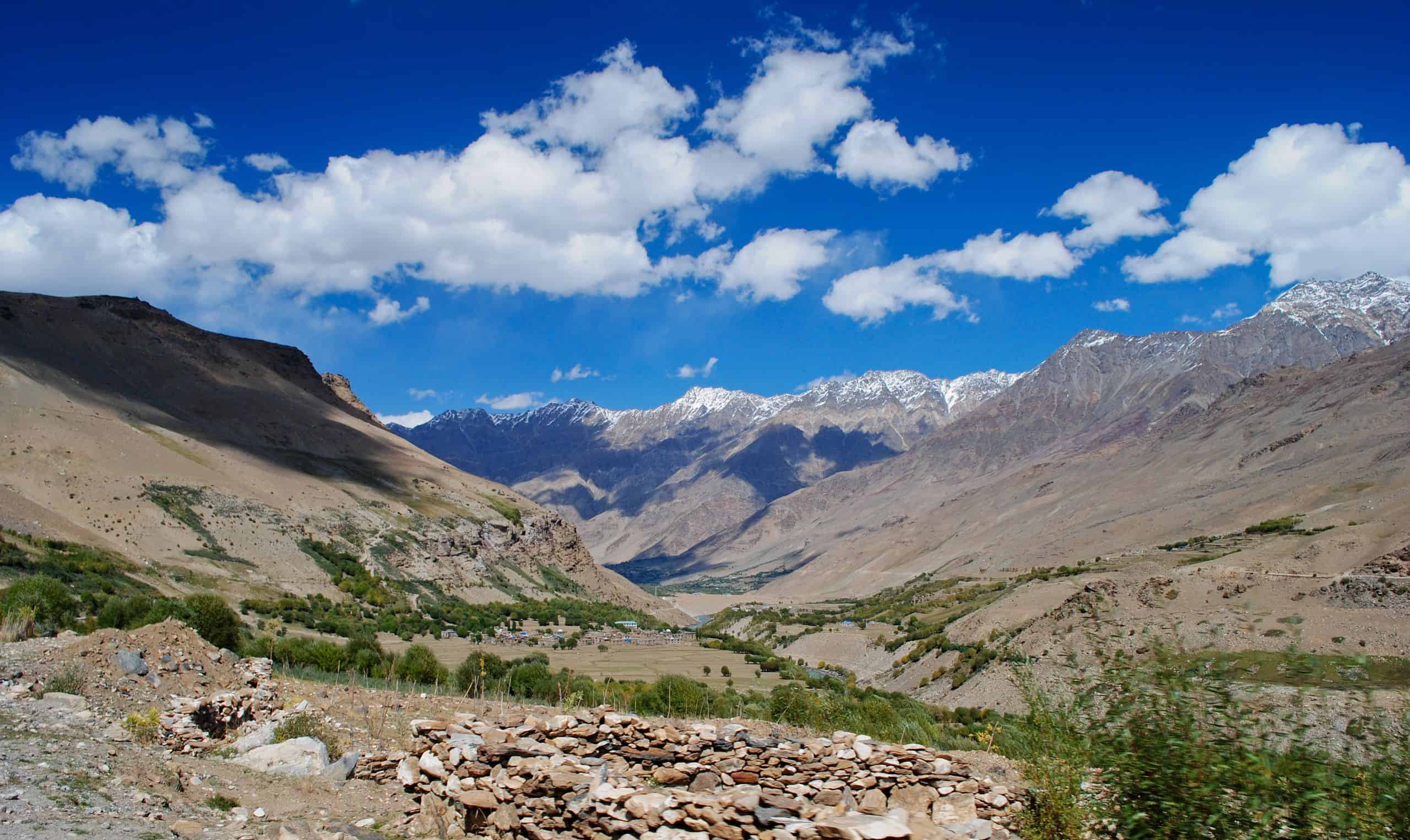
Suru Valley is one of those places in Ladakh that most travelers drive through without stopping. They are either rushing to Zanskar or heading back to Kargil, and in the process, they miss one of the most striking valleys in all of the Indian Himalayas. Situated in the Kargil District, Suru Valley stretches from Kargil town all the way to Penzi La, the gateway to Zanskar. And in 2025, National Geographic named it one of the world’s 25 best travel destinations. That alone should tell you something.
I have driven through Suru Valley multiple times over the years, and each visit has left me more impressed than the last. The lower parts are green and lush, almost like Kashmir. The upper sections, near Rangdum, feel like a different planet altogether. The twin peaks of Nun and Kun tower in the background, glaciers feed the river below, and ancient monasteries sit on rocky hilltops. If you are planning a trip to Ladakh and want to see something truly offbeat, Suru Valley deserves its own dedicated time on your itinerary.
We have a complete Suru Valley travel guide with detailed information on how to reach, where to stay, road conditions, and maps. In this article, I want to focus specifically on the best places to visit in Suru Valley so you know exactly what to look out for during your journey.
Let's quickly dive into the details:
What Makes Suru Valley Special in 2026?
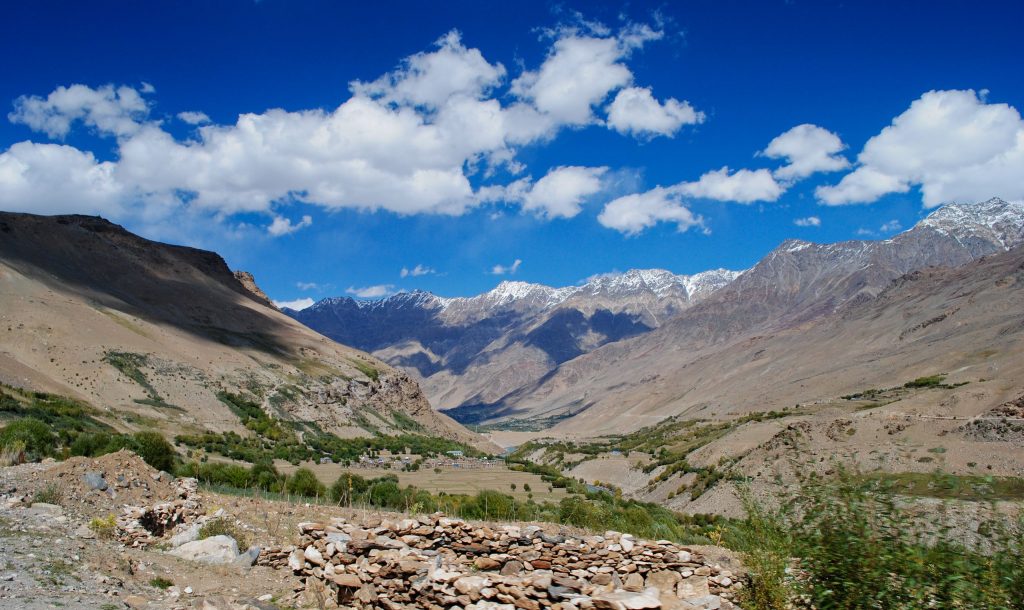
Suru Valley, at an average elevation of 3,000 meters (roughly 9,800 ft), forms the western gateway to Zanskar. What makes it unique is the dramatic contrast in landscape as you move from Kargil toward Penzi La. The lower valley around Sankoo is green with willow trees, apricot orchards, and fertile fields fed by the Suru River. As you climb higher toward Panikhar and Parkachik, the snow-capped peaks of Nun (7,135 m) and Kun (7,077 m) dominate the skyline. By the time you reach Rangdum, you are in a high-altitude desert plateau that feels completely isolated from civilization.
In 2025, National Geographic featured Suru Valley in their “Best of the World” list, making it the only Indian destination on that prestigious list. The recognition has brought more attention to this valley, but it remains far less crowded than Nubra or Pangong. The annual Suru Outdoor Fest (held in August-September) has also put the valley on the global climbing map, with over 500 boulder problems attracting climbers from around the world.
How to Reach Suru Valley from Kargil, Leh, and Srinagar?
Suru Valley is accessed through Kargil, which serves as the base for exploring this region. Here are the main routes you can take.
From Srinagar: Srinagar to Kargil is about 204 km via NH1 (Zoji La route). The drive takes 8-10 hours depending on road conditions. From Kargil, Suru Valley begins immediately as you take the road toward Padum/Zanskar. JKSRTC runs a daily bus from Srinagar to Kargil (fare around Rs 400-500).
From Leh: Leh to Kargil is about 230 km on the Leh-Srinagar highway. The drive takes 6-8 hours. You can take the JKSRTC bus from Leh to Kargil, which runs daily during summer (fare around Rs 300-400).
From Manali: If you are coming via Manali-Leh Highway, you will need to reach Leh first and then drive to Kargil. Alternatively, if you are coming from Zanskar via the Shinku La route, you can enter Suru Valley from the Rangdum side via Penzi La.
Local transport within Suru Valley: There are bus services from Kargil to Sankoo (2 hours) and Panikhar (4 hours) that run regularly during summer, sometimes twice a day. For Rangdum, buses are extremely limited, often just once a week as part of the Kargil-Padum service. Shared taxis from Kargil to Sankoo cost around Rs 200-300 per person. For Rangdum or beyond, you will likely need a private taxi (around Rs 4,000-6,000 for a return trip). Keep in mind that transport options thin out significantly beyond Panikhar.
What Are the Best Places to Visit in Suru Valley?
Suru Valley has seven standout destinations that I recommend covering during your visit. Some of these are on the main road, while others require short detours or hikes. I have listed them in the order you will encounter them while driving from Kargil toward Penzi La.
1. Sankoo Village
Sankoo is the first major settlement you will reach, located about 42 km from Kargil. Often called the “Gulmarg of Ladakh,” this village is one of the greenest spots in the entire Ladakh region. The lush pastures, willow-lined roads, and the sound of two tributaries of the Suru River (Karste and Nakpochu) give it a distinctly different feel from the barren landscapes most people associate with Ladakh.
Even if you do not plan to spend multiple days here, I strongly urge you to at least have a relaxed, unhurried picnic by the river. The village has a small market where you can pick up basics. Sankoo has been inhabited since the mid-16th century, and the local architecture reflects that long history. There is also a curious “man-shaped forest” on the hillside that is always fun to spot.
The village serves as the base for several treks, including the 4-day Sankoo-Mulbek trek. The Tourist Bungalow run by the District Tourism Department offers clean rooms if you plan on staying longer. Homestays are also available for Rs 800-1,200 per night including meals.
2. Kartse Khar Rock Carving
This is one of the most historically significant sites in Suru Valley and deserves more attention than it gets. Located near Kartse Khar village (about 40 km from Kargil), you will find a magnificent 7-meter (roughly 20 ft) statue of Maitreya Buddha carved into a massive rock face. The carving dates back to the 7th century and is a striking example of early Buddhist art in the region.
The Buddha figure has one hand raised in the “Abhaya mudra” (gesture of fearlessness) and the other holding a Kamandal. Two Gandharvas flank the figure on either side at the top, with a crown of stupas above. The craftsmanship is remarkable considering this was carved over 1,300 years ago. Buddhist influence runs deep in this valley, and you will see it in the prayer flags fluttering from every ridge and the small gompas scattered across the landscape.
Near the rock carving, there is also the palace of the Kartse Khar kings, perched atop a rocky hill. The climb up is a bit steep, but the view from the top is absolutely worth it. You get an unobstructed panoramic view of the valley below. It is one of those moments where you just stand there in silence, taking it all in.


3. Panikhar Village
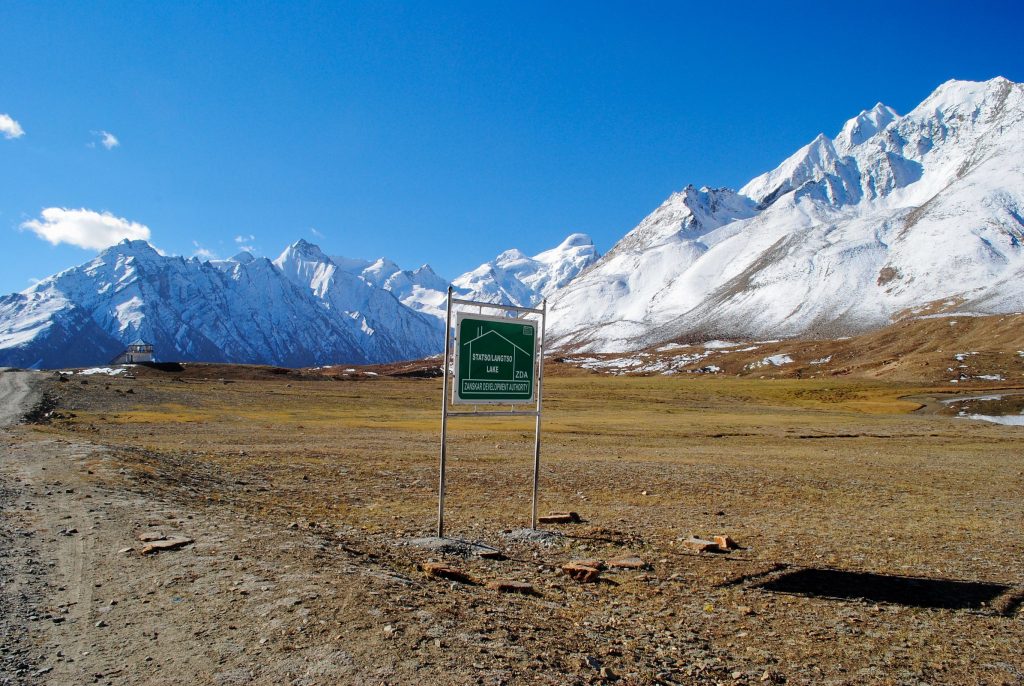
Panikhar is where Suru Valley really starts showing its wild side. Located about 65 km from Kargil, this village is the primary base for mountaineering and trekking in the region. From here, you get some of the most spectacular views of the Nun-Kun massif, with the twin peaks rising dramatically above the valley.
If you are an adventure enthusiast, Panikhar offers several options. Tanyol, the base for a trek to Mount Nun, is only 6 km away. You can also hike to the Sentik Ridge, which serves as the base camp on the rim of an ice plateau. For a more challenging option, there is a trek to the Nun-Kun view saddle (3,810 m) on the Parkachik ridge, though this involves about 3 hours of steep climbing through verdant slopes.
The Zorawar Singh fort ruins at Panikhar are also worth a visit. General Zorawar Singh, the Dogra warrior who led campaigns into Ladakh and Tibet in the 19th century, built this fort during his military expeditions. Though now in ruins, the fort sits in a commanding position with views of the valley and the Nun-Kun peaks beyond. Accommodation in Panikhar includes a government tourist bungalow and a handful of local homestays (Rs 800-1,500 per night).
4. Parkachik Glacier
Between Panikhar and Rangdum, you will pass by the Parkachik Glacier, one of the most accessible glaciers in the region. Covering an area of about 53 sq km and stretching 14 km in length, it is visible right from the road. A suspension footbridge over the Suru River allows you to walk closer to the glacier snout for a better look.
This is also one of the best spots to see the Nun-Kun peaks up close. From Parkachik village, a 3-4 hour round trip hike takes you to the icefall at the base of Nun-Kun. The views from this hike are simply unreal. Keep in mind that the trail can be tricky in sections, especially after rain, so wear proper trekking shoes and carry water.
5. Rangdum Village and Monastery
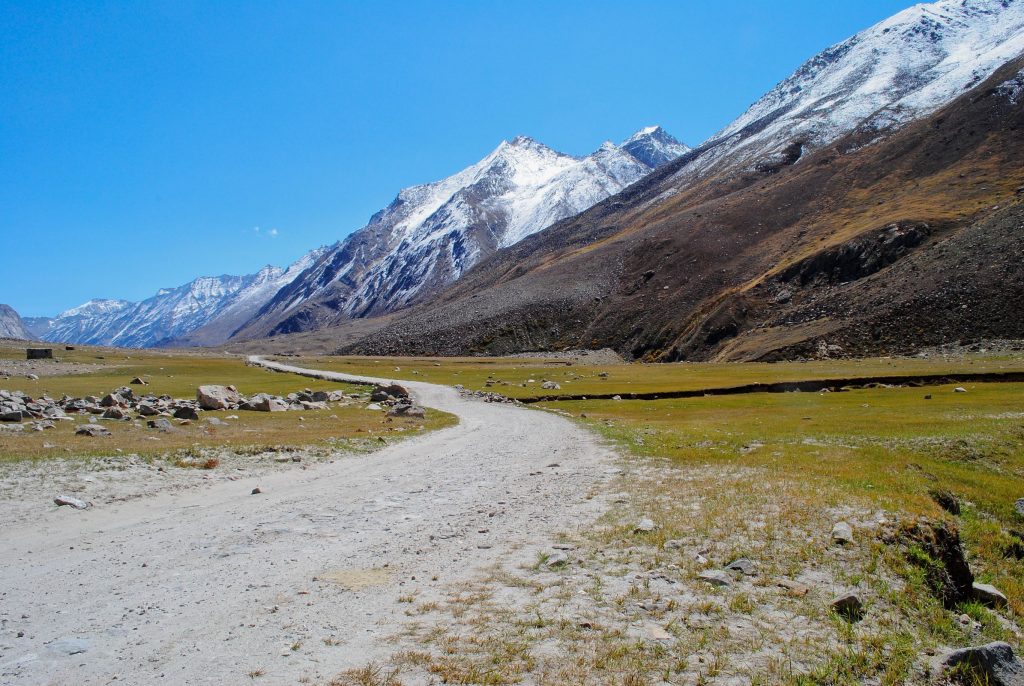
What do I say about Rangdum and how do I explain the feel of this place? Situated at an elevation of 3,657 m (about 12,000 ft), Rangdum sits on a high-altitude plateau that feels completely isolated from the rest of the world. It is located about 100 km from Kargil, midway on the Kargil to Padum route, and the road to get here is rough. There is no easy way to put this. But the difficulties on the road are more than made up by what awaits you.
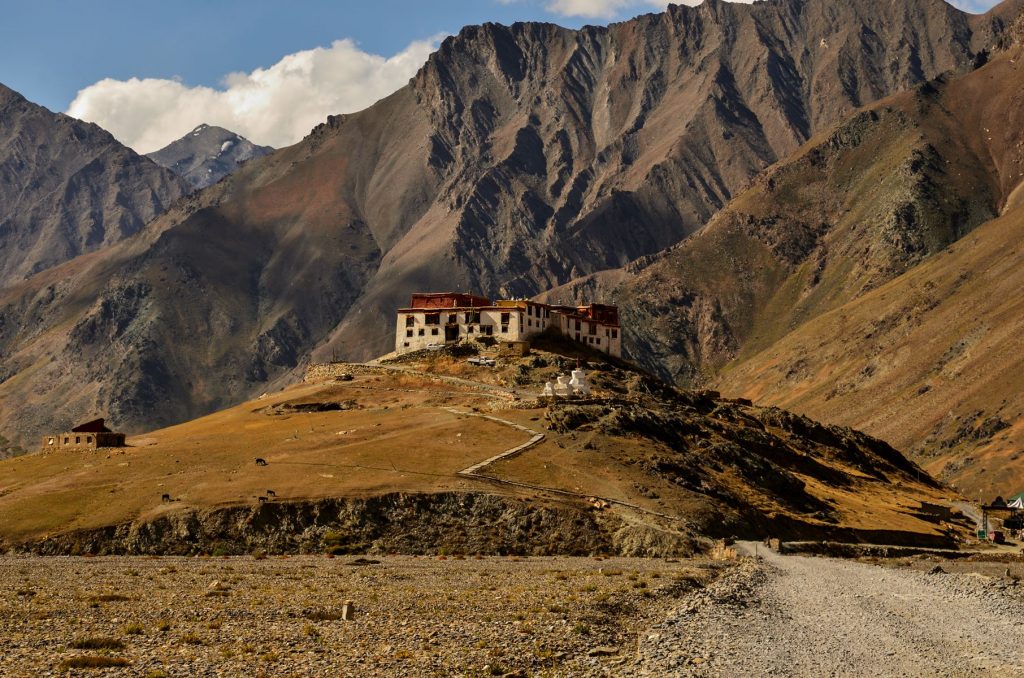
The 18th-century Rangdum Monastery is home to about 40 monks of the Gelugpa sect. It sits on a small hillock in the middle of the plateau, surrounded by dramatic mountain walls on all sides. The monastery is small and simple, but the setting is what makes it extraordinary. During sunrise and sunset, the light plays on the surrounding mountains in ways that make photographers lose track of time.
There is a JKTDC tourist bungalow at Rangdum if you want to spend the night. I highly recommend it, because the stargazing from Rangdum is extraordinary. With zero light pollution and clear skies, this is one of the best places in Ladakh to see the Milky Way. Some private camps and homestays have also started operating in recent years (Rs 1,000-2,000 per night including meals). Keep in mind that phone connectivity is very limited here, so plan accordingly and just enjoy the solitude.
6. Drang-Drung Glacier
The Drang-Drung Glacier is the second largest glacier in Ladakh after Siachen, stretching about 23 km in length. It lies near Penzi La (4,401 m), the mountain pass that marks the boundary between Suru Valley and Zanskar Valley. From the road near Penzi La, you can see the glacier clearly, but a one-day trek from the road takes you to the head of the glacier for a closer experience.
The road to Penzi La is only open from May to September due to heavy snowfall. The best time to visit is July to August, when the pass is fully clear and the glacier is most accessible. If you are driving from Kargil toward Zanskar, you will pass right by this glacier, so there is no reason to miss it. Even a 30-minute stop here for photographs is worth it.
7. Tarsar Lake
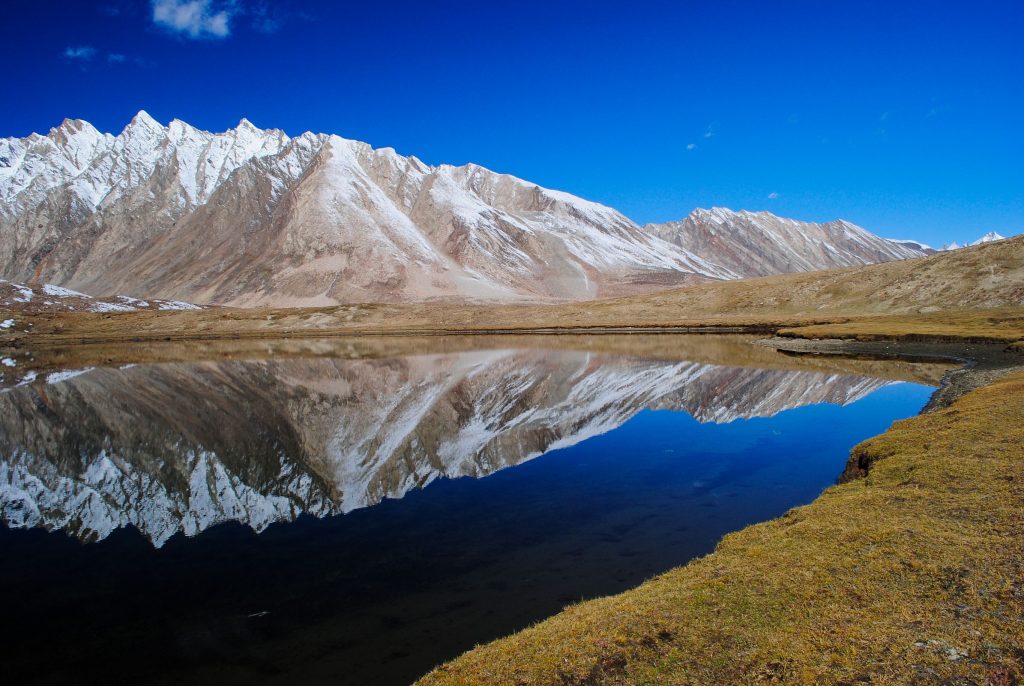
Located at an altitude of about 3,350 m (11,000 ft), Tarsar Lake is a stunning alpine lake accessible via a 32 km trek from the Suru Valley region. The lake is known for its crystal-clear waters that reflect the surrounding peaks. While the trek requires proper planning and fitness, the reward at the end is a pristine high-altitude lake that very few travelers get to see.
The best time to attempt this trek is July to September, when the trails are relatively clear. You will need camping gear and supplies as there are no facilities along the route. If you have 2-3 extra days on your Suru Valley itinerary, this trek is an excellent addition.
What Is the Best Time to Visit Suru Valley?
The best time to visit Suru Valley is from late June to September. During these months, the roads are open, the weather is pleasant (daytime temperatures between 15-25 degrees Celsius), and the valley is at its greenest. July and August are ideal for trekking, glacier visits, and the Suru Outdoor Fest (if you are into bouldering or climbing).
May and early June are also good, but some higher sections near Penzi La may still have snow. October is risky because the passes can close unexpectedly. Avoid November to April entirely, as the entire valley is snowbound and most roads are closed. For the best time to visit Ladakh and Zanskar, check our detailed month-by-month guide.
Where to Stay in Suru Valley?
Accommodation in Suru Valley is basic but sufficient. Here is a quick breakdown of what to expect at each stop.
Kargil town: This is where you will find the most options. Budget hotels start at Rs 800-1,200 per night. Mid-range options go up to Rs 2,000-3,500. Several restaurants and shops are available for supplies.
Sankoo: Government tourist bungalow and a few homestays. Expect to pay Rs 800-1,200 per night including meals.
Panikhar: Government tourist bungalow and local homestays. Rates are similar to Sankoo.
Parkachik: A few homestays and camps have started coming up. Basic facilities, Rs 1,000-1,500 per night.
Rangdum: JKTDC bungalow, a few private camps and homestays. Rs 1,000-2,000 per night. Very limited supplies, so carry essentials.
I recommend carrying cash for the entire trip, as there are no ATMs beyond Kargil. Mobile connectivity is available in Kargil and Sankoo (Jio and Airtel work), but it becomes patchy or non-existent beyond Panikhar.
What Does a Suru Valley Trip Cost in 2026?
Suru Valley is one of the more budget-friendly destinations in Ladakh since it does not require any special permits for Indian nationals. Here is a rough daily budget breakdown.
Budget traveler (Rs 1,500-2,500/day): Homestays, local buses or shared taxis, eating at dhabas and homestays. This works if you are comfortable with basic facilities and slow travel.
Mid-range traveler (Rs 3,000-5,000/day): Government bungalows or better homestays, private taxi for sightseeing, meals at guesthouses.
Private taxi rates from Kargil (as of 2025, verify locally for 2026 rates): Kargil to Sankoo and back costs around Rs 2,500-3,000. Kargil to Rangdum and back costs Rs 4,000-6,000. A full Suru Valley round trip (Kargil-Rangdum-Penzi La-Kargil) costs around Rs 6,000-8,000.
No special permits are needed for Indian nationals visiting Suru Valley. Foreigners visiting Ladakh need to register online for the Ladakh Inner Line Permit, but Suru Valley itself does not fall under restricted areas.
How to Plan Your Suru Valley Itinerary?
Most travelers cover Suru Valley as part of a larger Kargil-Zanskar trip. But if you want to explore the valley properly, here is a suggested 3-day itinerary.
Day 1: Kargil to Sankoo (42 km, 1.5 hours). Explore Sankoo village, visit the man-shaped forest, enjoy a riverside picnic. Stay overnight at the tourist bungalow or a homestay.
Day 2: Sankoo to Rangdum (about 60 km, 4-5 hours due to road conditions). Stop at Kartse Khar for the Buddha rock carving. Drive through Panikhar (optional detour for Nun-Kun viewpoint). Stop at Parkachik Glacier. Reach Rangdum by evening. Visit the monastery. Stay overnight.
Day 3: Rangdum to Penzi La and back to Kargil (or continue to Padum if heading to Zanskar). Visit Drang-Drung Glacier near Penzi La. If continuing to Padum and Zanskar Valley, you will reach by evening.
If you have more time, add a day for the Parkachik Glacier hike toward the Nun-Kun base or spend an extra night at Rangdum for stargazing. For those interested in the Suru Outdoor Fest (August-September), plan for at least 4-5 extra days to participate in the bouldering and climbing activities.
What Should You Know Before Visiting Suru Valley?
Here are some practical tips that will help you plan a smooth trip to Suru Valley.
Road conditions: The road from Kargil to Sankoo is fairly decent. Beyond Panikhar, conditions deteriorate significantly, with several rough patches and stream crossings. The stretch to Rangdum can be challenging, especially after rain. A high-clearance vehicle is recommended for the full Suru Valley drive.
Fuel: Fill up your tank in Kargil. There are no fuel stations in Suru Valley. The nearest petrol pump is in Kargil town. If you are heading to Zanskar beyond Penzi La, carry extra fuel as the next pump is in Padum (recently opened, verify availability).
Mobile connectivity: Jio and Airtel work in Kargil. BSNL postpaid has the widest coverage and may work in Sankoo and Panikhar. Beyond Panikhar, expect no connectivity until you reach Padum in Zanskar.
Medical facilities: The nearest hospital is in Kargil. Carry a basic first-aid kit and any personal medication. If you are planning high-altitude treks, read our guide on preventing AMS (acute mountain sickness).
Cash: Carry enough cash from Kargil. There are no ATMs in Suru Valley. UPI payments are unlikely to work beyond Sankoo due to poor connectivity.
Supplies: Stock up on snacks, water bottles, and any supplies you need in Kargil. Sankoo has a small market, but options beyond that are extremely limited.
Related Destinations Near Suru Valley
Suru Valley connects naturally to several other destinations in the region. Here are some articles that will help you plan a larger trip.
- Suru Valley Complete Travel Guide with detailed maps and road conditions
- Zanskar Valley Most Common Itinerary for those continuing to Padum
- 10 Offbeat Places in Ladakh for more hidden gems
- Budget Trip to Zanskar by Public Transport if traveling on a tight budget
- Kargil War Memorial Travel Guide for a stop before entering Suru Valley
- Best Ladakh Itinerary (12-14 Days) for planning your complete Ladakh trip
Conclusion
Suru Valley is one of those rare places in Ladakh that offers everything, from green meadows to ancient rock carvings to glaciers to complete solitude. Most travelers skip it, which is precisely what makes it special. With National Geographic putting it on the global map, now is a great time to visit before the crowds discover it.
If you have any questions about planning your trip to Suru Valley, feel free to ask in the comments below or on our Discover With Dheeraj community page. We have a large community of travelers who have driven through this valley and are always happy to help. Happy exploring, my friend 🙂
Last Updated: March 2026
Frequently Asked Questions
Is Suru Valley worth visiting?
Suru Valley is absolutely worth visiting. It was named one of the world’s 25 best travel destinations by National Geographic in 2025. The valley offers a unique mix of green meadows, ancient Buddhist carvings, glaciers, and the stunning Nun-Kun twin peaks. It is far less crowded than Nubra or Pangong, making it ideal for travelers who want an offbeat Ladakh experience.
Do I need a permit for Suru Valley?
No special permit is needed for Indian nationals visiting Suru Valley. It does not fall under restricted or protected areas. Foreign nationals need to register for the standard Ladakh Inner Line Permit online, but Suru Valley itself is accessible without any additional permits.
How many days are enough for Suru Valley?
A minimum of 2-3 days is recommended for a proper Suru Valley experience. Day 1 for Sankoo and Kartse Khar, Day 2 for Panikhar, Parkachik, and Rangdum, and Day 3 for Drang-Drung Glacier near Penzi La. If you want to include treks or the Suru Outdoor Fest, plan for 5-7 days.
What is the best time to visit Suru Valley?
The best time is late June to September. July and August are ideal for trekking, glacier visits, and pleasant weather (15-25 degrees Celsius daytime). The Suru Outdoor Fest happens in August-September. May and early October are possible but roads near Penzi La may be snow-affected.
Is there mobile network in Suru Valley?
Mobile connectivity is available in Kargil (Jio, Airtel, BSNL) and partially in Sankoo (BSNL postpaid works best). Beyond Panikhar, expect little to no mobile network. Rangdum has almost zero connectivity. Carry a BSNL postpaid SIM for the best chances of getting a signal in remote areas.
Can I visit Suru Valley by public transport?
Yes, but options are limited. Regular buses run from Kargil to Sankoo (2 hours) and Panikhar (4 hours) during summer. For Rangdum, there is only a weekly bus (Kargil-Padum service). Shared taxis are available from Kargil to Sankoo for about Rs 200-300 per person. Beyond Panikhar, you will mostly need to rely on hitchhiking or private taxis.
What is the Suru Outdoor Fest?
The Suru Outdoor Fest is an annual adventure festival held in August-September in Suru Valley. Originally launched as a bouldering festival in 2016, it has grown into a multi-disciplinary outdoor event featuring bouldering (500+ problems), kayaking, mountain biking, traditional climbing, highlining, morning yoga, and live music. It won the UIAA Rock Climbing Festival Award in 2019 and attracts climbers from around the world.

7 Comments
Comments section gets closed in 90 days. To ask your travel questions, you can follow my YouTube Channel for a faster reply or for a much slower reply follow me on Instagram. :)
amazing blog mate ! love your blogs keep uploading more cheers
Thank You So Much Nice Post
Hi,
This was a really very good article, the information shared here will be really very useful to plan whenever we visit Ladakh.
Thank you for sharing this.
Hi,
Ladakh is one of the most wanted place to visit once in a lifetime This was really very useful blog.
Thank you for sharing this, looking to more related blogs
Thank You So Much Nice Post
Hey Great Post! I really enjoyed reading this. I am traveling to Suru next month. I will definitely explore these beautiful places there. Thanks for sharing this useful article.
I am glad you enjoyed the post! Hope you have a great trip!