


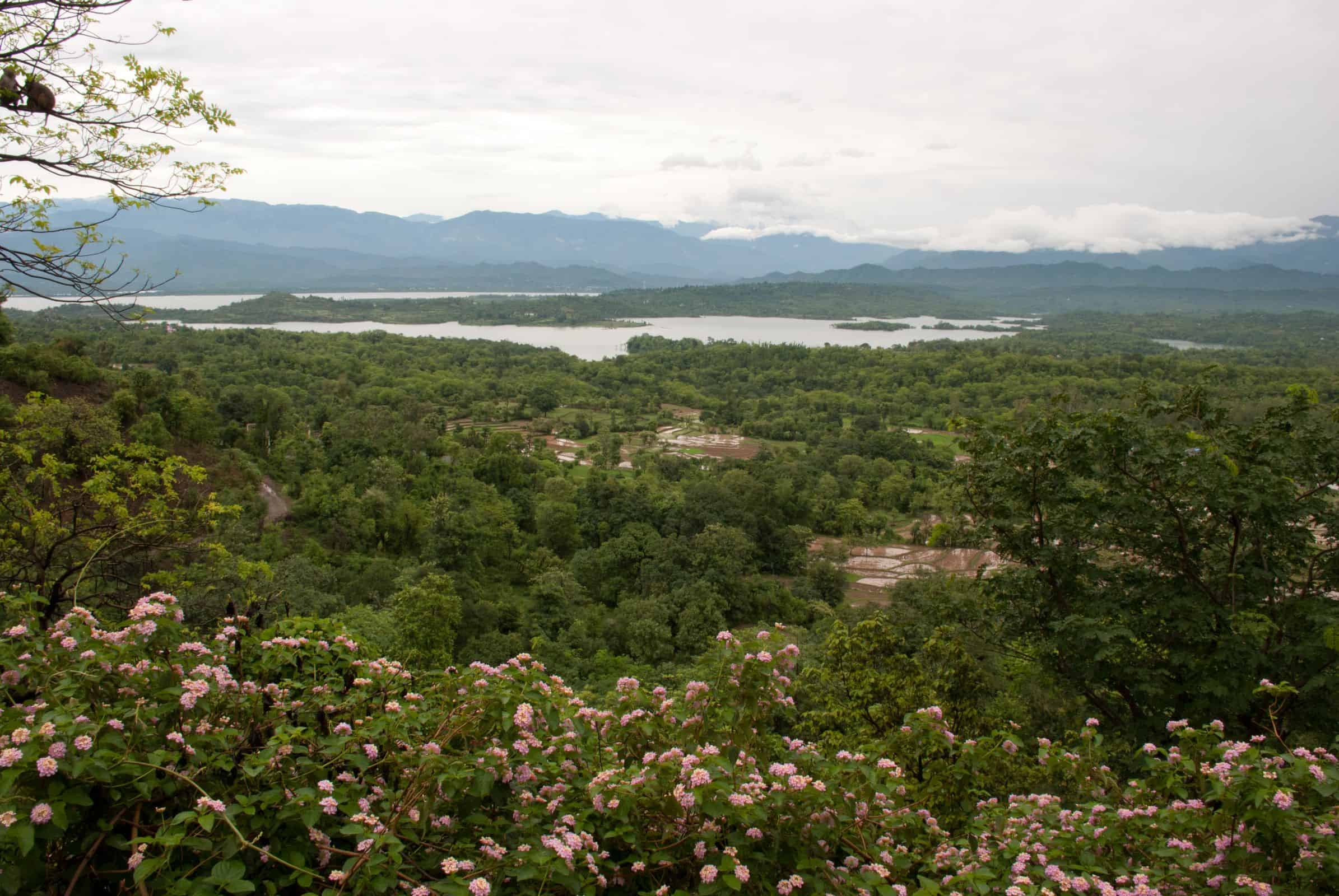
Planning a trip to Lahaul Valley and wondering when to go? I get this question a lot, and the answer really depends on what kind of experience you are looking for. Lahaul is one of those rare Himalayan valleys where the landscape, accessibility, and vibe change dramatically from one month to the next. A visit in July feels nothing like a visit in January, and both have their own charm.
The short answer is that June to September is the best time to visit Lahaul Valley for most travelers. Roads are open, weather is pleasant, and you get the full valley experience. But if you are looking for snow, solitude, or a budget-friendly trip, winter through the Atal Tunnel has opened up a whole new dimension to Lahaul travel. Let me break it all down for you, month by month.
Lahaul Valley at a Glance
| Location | Lahaul and Spiti District, Himachal Pradesh |
| District HQ | Keylong (3,080 m / 10,105 ft) |
| Distance from Manali | ~115 km via Atal Tunnel (2.5 to 3 hours) |
| Best Time to Visit | June to September (peak), October for autumn, December to February for snow |
| Budget (per day) | Rs 1,500 to Rs 4,000 depending on season and accommodation |
| Permits Required | No permits for Indian nationals to visit Lahaul Valley |
| Year-Round Access | Yes, via Atal Tunnel (opened October 2020) |
| Key Villages | Sissu, Tandi, Keylong, Jispa, Darcha |
| Last Updated | April 2026 |

When Is the Best Time to Visit Lahaul Valley?
For most travelers visiting Lahaul for the first time, June to September is the ideal window. During these months, all three access routes to the valley are open, the weather is pleasant with daytime temperatures between 15 to 25 degrees Celsius, and every village from Sissu to Darcha is fully accessible. Accommodation options are at their peak, local dhabas and restaurants are running, and you can combine your Lahaul trip with Spiti Valley via Kunzum Pass.
That said, the Atal Tunnel has been a total game changer for Lahaul. Before it opened in October 2020, the valley was completely cut off from Manali for about six months every year. Now, you can drive from Manali to Sissu in under an hour, any month of the year. This means Lahaul has become a legitimate winter destination as well. Keep in mind though that while the tunnel stays open year-round, the road beyond Keylong towards Darcha and Baralacha La closes during heavy snowfall months.
Month-by-Month Weather and Travel Guide for Lahaul Valley
Here is a detailed breakdown of what to expect in Lahaul Valley each month. I have covered the weather, road conditions, crowd levels, and what kind of traveler each month suits best.
January and February (Deep Winter)
Temperature: -10 to 5 degrees Celsius
Snowfall: Heavy, especially in January
Road Status: Atal Tunnel open (with occasional closures during heavy snow). Rohtang Pass closed. Road beyond Keylong towards Darcha usually blocked.
Crowd Level: Very low
These are the coldest months in Lahaul. Temperatures regularly drop below minus 10 degrees at night. The Atal Tunnel keeps Sissu and Keylong accessible, but check the highway status before starting. Heavy snowfall can temporarily block the Manali to Atal Tunnel road, as it did in late January 2026.
Best for: Snow lovers and photographers looking for a white Lahaul. Be prepared for extreme cold and limited accommodation. Most private hotels shut down for winter, so you will rely on homestays and government rest houses.

March and April (Late Winter to Early Spring)
Temperature: -2 to 12 degrees Celsius
Snowfall: Occasional in March, rare by April
Road Status: Atal Tunnel open. Rohtang Pass closed (BRO snow clearing begins). Manali – Keylong road usually open.
Crowd Level: Low
March is still very much winter in Lahaul, though severity starts easing. Snow begins to melt on lower slopes, and the first signs of spring appear by mid-April. The Manali to Keylong road via the Atal Tunnel remains accessible, but the road beyond Keylong towards Baralacha La stays closed.
Best for: Budget travelers avoiding peak season prices. Photography is excellent with snow on peaks and the first green patches in the lower valleys. Rohtang Pass is still closed, so the only way in is through the Atal Tunnel.
May (Spring)
Temperature: 5 to 18 degrees Celsius
Snowfall: None in the valley, snow still on higher passes
Road Status: Atal Tunnel open. Rohtang Pass usually opens by late May. Kunzum Pass still closed.
Crowd Level: Moderate (increasing)
May is when things get interesting. Snow melts rapidly, rivers swell with glacial water, and the valley begins its transformation into the lush green valley it becomes by summer. Rohtang Pass typically opens by the second or third week of May, though in heavy snowfall years it can take until early June. As per BRO’s track record, the opening date depends entirely on winter snowfall and clearance progress.
Best for: Travelers who want pleasant weather without the peak season rush. The waterfalls along the Chandra River are at their most dramatic as snow melts from the peaks above.
June (Early Summer)
Temperature: 10 to 22 degrees Celsius
Snowfall: None
Road Status: All routes open. Atal Tunnel, Rohtang Pass, and the road to Keylong/Jispa/Darcha all accessible. Kunzum Pass may open by late June.
Crowd Level: Moderate to High
June is arguably the most balanced month to visit Lahaul. The weather is warm during the day, cool at night, and wildflowers carpet the slopes. If Kunzum Pass opens (typically by mid to late June), you can plan a through route connecting Lahaul to Spiti Valley.
Best for: First-time visitors and road trippers who want the full Lahaul experience with all routes open. This is when I would recommend most people plan their Lahaul visit.



July and August (Peak Summer and Monsoon)
Temperature: 12 to 25 degrees Celsius
Snowfall: None
Road Status: All routes open including Kunzum Pass. Some landslide risk on Rohtang – Gramphoo stretch during heavy rains.
Crowd Level: High (peak tourist season)
Here is something many travelers do not know about Lahaul. The valley lies in a rain shadow zone, which means it receives very little rainfall even during the monsoon. While Manali and Shimla get drenched in July and August, Lahaul stays relatively dry with clear skies. This makes it one of the best monsoon getaways in North India. The catch is that the access roads from Manali can see landslides during heavy rainfall, so occasional delays of a few hours are possible.
Best for: Travelers escaping monsoon rains elsewhere in Himachal. This is also peak season for the Manali – Leh Highway, so Lahaul sees a lot of transit traffic from bikers heading to Ladakh.

September (Early Autumn)
Temperature: 8 to 20 degrees Celsius
Snowfall: None in the valley, possible on higher passes by late September
Road Status: All routes still open, but Kunzum Pass may start getting tricky by late September.
Crowd Level: Moderate (decreasing)
September is one of my favorite months for Lahaul. The peak rush thins out, the weather is crisp and clear, and the valley takes on golden autumn hues. Skies are typically the clearest, making it perfect for mountain photography.
Best for: Photographers and travelers who prefer fewer crowds. If planning a Lahaul – Spiti circuit, finish the Kunzum Pass crossing before mid-September to avoid early snowfall surprises.
October (Late Autumn)
Temperature: 2 to 15 degrees Celsius
Snowfall: Possible on higher passes, first snow in the valley by late October
Road Status: Atal Tunnel open. Rohtang Pass closes by mid to late October. Kunzum Pass closes.
Crowd Level: Low
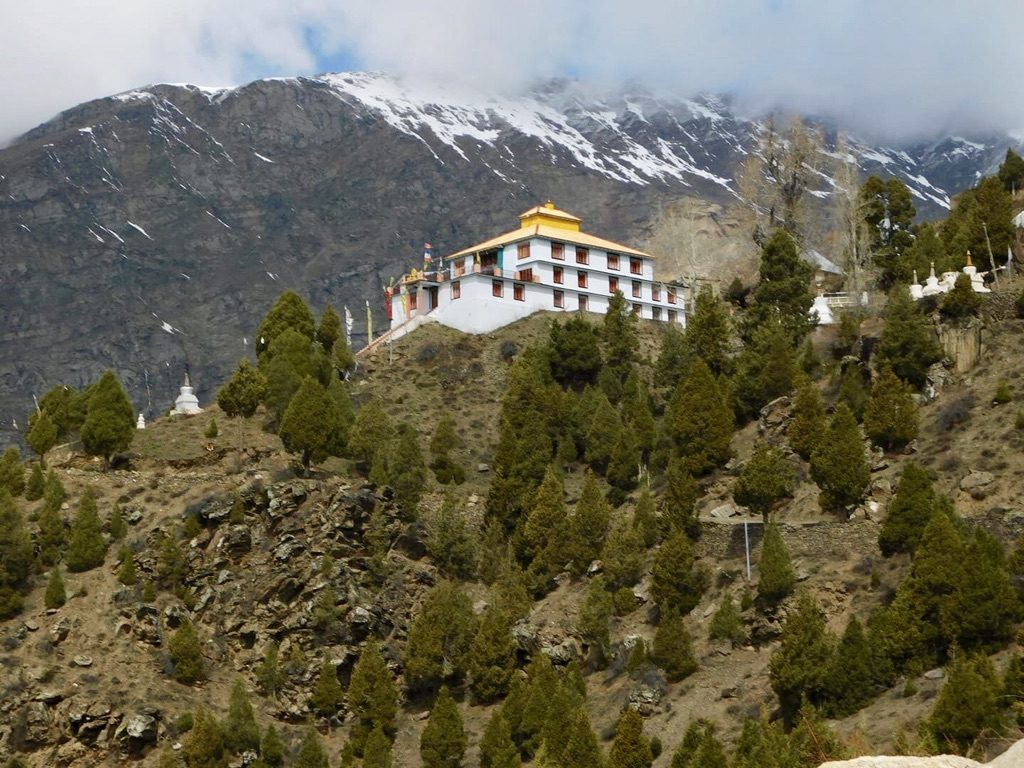
October is when Lahaul transitions into winter. Kunzum Pass closes by early October, and Rohtang follows by mid to late October. The Atal Tunnel remains your reliable gateway. The first snow appears on the peaks, and nights get seriously cold.
Best for: Travelers who want autumn-to-winter transition views. Budget travelers will find off-season rates. Carry heavy woolens as temperatures drop sharply after sunset.
November and December (Early Winter)
Temperature: -5 to 8 degrees Celsius
Snowfall: Regular, increasing through December
Road Status: Atal Tunnel open (primary access). Rohtang Pass closed. All other passes closed.
Crowd Level: Very low
By November, the Atal Tunnel becomes the only way in and out. Snowfall becomes regular, and by December the valley is blanketed in white. The Sissu to Keylong road usually stays open with BRO maintenance, but expect occasional closures.
Best for: Snow enthusiasts and winter photographers. Sissu, just 10 km from the tunnel exit, is the most popular base for winter visits. Some homestays in Sissu and Keylong stay open through winter, but confirm availability before traveling.
How Do You Reach Lahaul Valley?
There are three main routes to reach Lahaul Valley, and which ones are available depends entirely on the time of year you visit.
Route 1: Manali via Atal Tunnel (Year-Round)
This is now the primary and most reliable route to Lahaul. The Atal Tunnel (formerly Rohtang Tunnel) is a 9.02 km highway tunnel that connects Manali to Lahaul Valley, bypassing Rohtang Pass entirely. It was inaugurated in October 2020 and has transformed Lahaul’s accessibility. The drive from Manali to Sissu through the tunnel takes about 45 minutes to 1 hour, and Manali to Keylong is roughly 2.5 to 3 hours.
HRTC runs regular bus services from Manali to Keylong via the Atal Tunnel. As of 2026, buses depart from Manali bus stand starting from early morning, and the journey takes approximately 2.5 to 3 hours. The fare is around Rs 200 to Rs 300 per person for the ordinary bus. I recommend checking with the Manali ISBT for the latest schedule, as timings do change seasonally.
Important: No permits are required for Indian nationals to travel through the Atal Tunnel or to visit Lahaul Valley. The tunnel is a public highway with no entry fee.
Route 2: Manali via Rohtang Pass (June to October)
The classic Rohtang Pass route at 3,978 meters opens around mid to late May and closes by mid to late October. The Rohtang drive offers views that the tunnel cannot match. If the pass is open, I recommend taking the tunnel one way and Rohtang the other. Vehicles going to Rohtang for sightseeing need a permit from the e-Aagman portal. Transit vehicles to Lahaul/Spiti/Ladakh have different requirements, so verify before your trip.
Route 3: Spiti Valley via Kunzum Pass (July to early October)
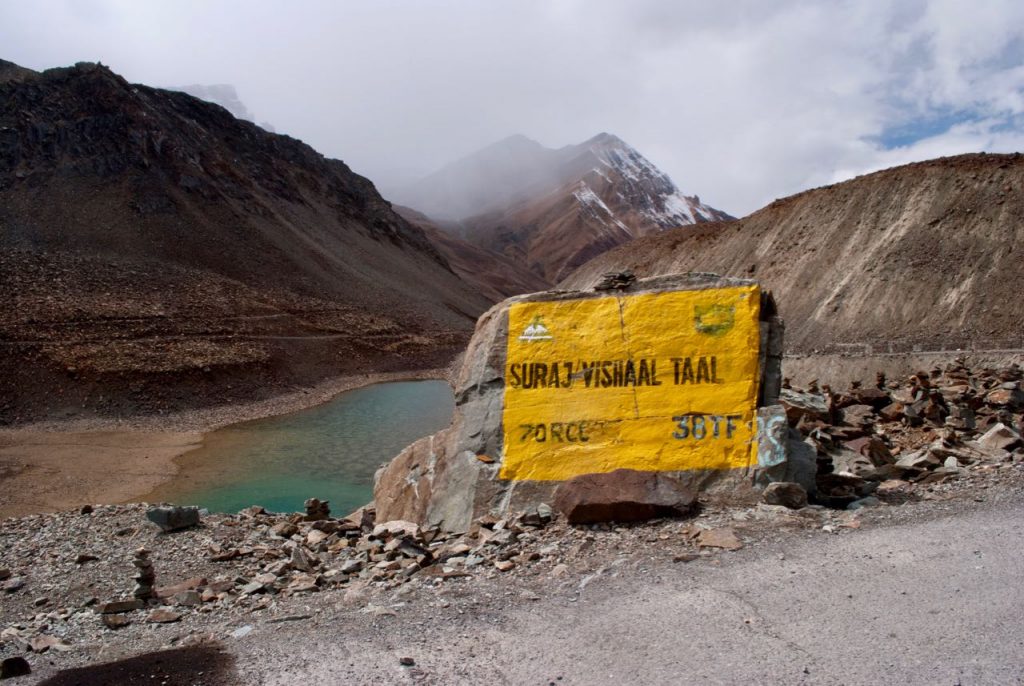
If you are coming from Spiti Valley, you can enter Lahaul via the Kunzum Pass (4,590 m). This pass typically opens by mid-June to early July and closes by early to mid-October. The road from Kaza to Gramphoo via Kunzum is one of the most scenic drives in India, but it is also one of the most challenging with water crossings and rough patches. This route is recommended only for experienced mountain drivers or those traveling by SUV or motorcycle.
What Should You Pack for a Lahaul Valley Trip?
Packing for Lahaul depends heavily on when you are visiting. The temperature difference between summer and winter is massive, so your packing list will look very different depending on the month.
Summer (June to September)
Pack layers. A light fleece for daytime and a warm jacket for evenings. Carry sunscreen (SPF 50+), UV sunglasses, and a hat. The sun at this altitude is deceptively strong. Comfortable trekking shoes are a must. Rain gear is not essential for Lahaul itself (rain shadow zone), but useful on the Manali side.
Spring and Autumn (April to May, October)
Carry thermals, a heavy fleece, and a windproof outer jacket. Temperatures swing widely between day and night. Good gloves and a woolen cap are necessary. If visiting in October, be prepared for early snowfall and carry waterproof boots.
Winter (November to March)
Winter in Lahaul is serious cold. You need thermal innerwear, multiple fleece/wool layers, a down jacket rated for sub-zero temperatures, insulated waterproof boots, heavy gloves, and a balaclava. Carry a sleeping bag rated for minus 10 degrees if staying in homestays. A power bank is essential as extreme cold drains phone batteries fast.

Which Month Is Best for Different Types of Travelers?
Different travelers have different priorities. Here is my honest recommendation based on what I have seen and heard from the DwD Community over the years.
| Traveler Type | Best Months | Why |
| First-Time Visitor | June, September | All routes open, pleasant weather, full valley access |
| Road Trip Enthusiast | June to September | All three routes available, combine with Spiti and Ladakh |
| Photographer | September, October, January | Clear skies, autumn colors, or snow landscapes |
| Budget Traveler | March to May, October | Off-season rates, fewer crowds, still accessible via tunnel |
| Snow Lover | December to February | Heavy snowfall, white valley, winter wonderland |
| Adventure Biker | July, August | All passes open, connect Manali – Lahaul – Spiti – Ladakh |
| Couple / Honeymoon | June, September | Romantic setting, comfortable weather, good hotels available |
| Solo Backpacker | June to August | Best public transport connectivity, maximum homestay options |
How Much Does a Lahaul Valley Trip Cost?
Lahaul is not an expensive destination by Himalayan standards. Here is a rough budget breakdown for a 4-day, 3-night trip starting from Manali. These are approximate figures as of 2026. Verify locally for the most current rates.
| Expense | Budget (per person) | Mid-Range (per person) |
|---|---|---|
| Accommodation (3 nights) | Rs 1,500 to Rs 3,000 | Rs 4,500 to Rs 7,500 |
| Food (3 days) | Rs 1,200 to Rs 1,800 | Rs 2,000 to Rs 3,000 |
| Transport (Manali to Keylong return by bus) | Rs 500 to Rs 600 | Rs 500 to Rs 600 |
| Local sightseeing / taxi | Rs 500 to Rs 1,000 | Rs 2,000 to Rs 4,000 |
| Miscellaneous | Rs 300 to Rs 600 | Rs 500 to Rs 1,000 |
| Total (4 days, 3 nights) | Rs 4,000 to Rs 7,000 | Rs 9,500 to Rs 16,100 |
These estimates do not include the cost of reaching Manali from your home city. For a more detailed breakdown, check out my Lahaul Valley trip budget guide which covers costs in more detail.

Road Conditions and Pass Status Summary for 2026
Understanding the pass and road status is critical for planning your Lahaul trip. Here is a consolidated view.
| Route / Pass | Altitude | Typically Open | Typically Closed |
|---|---|---|---|
| Atal Tunnel (Manali to Sissu) | 3,060 m (south portal) | Year-round | Occasional closures during extreme snowfall |
| Rohtang Pass (Manali to Gramphoo) | 3,978 m | Mid-May to mid-October | November to April |
| Kunzum Pass (Gramphoo to Kaza / Spiti) | 4,590 m | Mid-June to early October | October to May |
| Baralacha La (Darcha towards Ladakh) | 4,890 m | Mid-June to mid-October | November to May |
Keep in mind: These dates are approximate. According to BRO, the actual opening and closing dates depend on winter snowfall levels and clearance operations each year. In 2026, Rohtang Pass opened on May 17 after a heavy snowfall winter. For the latest road status updates, check the Manali – Kaza Road Status page which I update regularly during the season.
Safety Tips for Visiting Lahaul Valley
Lahaul is a high-altitude destination, and while it is not as extreme as Ladakh or upper Spiti, there are some important safety points to keep in mind.
Altitude: Keylong is at 3,080 meters. Mild AMS symptoms are possible. Drink plenty of water, avoid alcohol on the first day, and descend immediately if you experience severe headache or nausea. Read my detailed guide on Acute Mountain Sickness and acclimatization.
Mobile network: BSNL has the best coverage. Jio works in Manali and parts of Sissu. Airtel is patchy beyond the tunnel. Download offline maps before starting.
Fuel: The petrol pump at Tandi is the last one before Keylong. No fuel between Tandi and Sarchu on the Manali – Leh Highway. Carry extra if on a motorcycle.
Winter travel: Carry tire chains between November and March. Black ice is a real danger between the Atal Tunnel exit and Keylong. Start drives early, finish before sunset, and always carry emergency supplies.
For a complete list of places to explore, including Sissu, Tandi, Keylong, Jispa, and Darcha, refer to my guide on 10 beautiful places to visit in Lahaul Valley from Manali.
Frequently Asked Questions About Visiting Lahaul Valley
Is Lahaul Valley open in winter?
Yes, Lahaul Valley is accessible in winter via the Atal Tunnel from Manali. The tunnel provides year-round access to Sissu and Keylong. However, the road beyond Keylong towards Darcha and Baralacha La closes during heavy snowfall months (November to May). Rohtang Pass and Kunzum Pass also remain closed in winter.
Do I need a permit to visit Lahaul Valley?
No, Indian nationals do not need any permit to visit Lahaul Valley, including Keylong, Jispa, Sissu, and Darcha. Foreign nationals should check the latest requirements with the district administration.
Is the Atal Tunnel open throughout the year?
The Atal Tunnel is designed for year-round operation. However, the access roads leading to the tunnel (especially the Manali side) can occasionally get blocked during extremely heavy snowfall. In such cases, BRO works to clear the road within a day or two. Always check the latest highway status before traveling in winter months.
What is the best month to see snow in Lahaul?
January and February offer the heaviest snowfall and the best snow landscapes. December and March also see snowfall but with less intensity. If you want guaranteed snow, aim for January.
Can I visit Lahaul and Spiti in the same trip?
Yes, but only when Kunzum Pass is open, which is typically from mid-June to early October. During these months, you can do a Manali – Atal Tunnel – Lahaul – Kunzum Pass – Spiti – Shimla circuit, or reverse it. Outside this window, Lahaul and Spiti can only be reached independently (Lahaul from Manali, Spiti from Shimla/Reckong Peo).
Is Lahaul Valley safe for solo female travelers?
Lahaul is generally safe for solo female travelers. The locals are hospitable, and tourist infrastructure has improved since the Atal Tunnel opened. In winter, plan stays in advance and inform someone about your itinerary. For more tips, check my guide on solo travel for women in the Himalayas.
How many days do I need for a Lahaul trip?
A minimum of 3 to 4 days from Manali is recommended. This gives you enough time to reach Keylong or Jispa, explore the valley, and return comfortably. If you want to combine Lahaul with Spiti or Ladakh, you will need 8 to 14 days depending on your route. Check the Lahaul Valley itineraries page for detailed day-by-day plans.
What food is available in Lahaul?
Keylong has several restaurants and dhabas serving North Indian food, momos, thukpa, and basic Chinese dishes. Jispa and Sissu also have dhabas that serve meals during the tourist season. In winter, options are limited to homestay meals and a few dhabas that remain open in Keylong. Carry dry snacks and energy bars as backup, especially if traveling beyond Keylong.
Does it rain in Lahaul during monsoon?
Lahaul lies in a rain shadow zone and receives minimal rainfall even during the monsoon months (July to September). While Manali and the southern slopes of the Pir Panjal range get heavy rain, Lahaul stays relatively dry. However, the access roads from Manali can be affected by landslides caused by rain on the Manali side.
Is there ATM/bank facility in Lahaul?
Keylong has a few ATMs (SBI and PNB) and bank branches. Sissu and Tandi may have limited banking facilities. I would strongly recommend carrying enough cash for your entire trip, as ATMs in remote areas can be non-functional or run out of cash, especially during peak season.
Conclusion
Lahaul Valley is one of those Himalayan destinations that rewards you no matter when you visit, as long as you know what to expect. Summer gives you the full, green, all-access experience. Monsoon keeps you dry while the rest of Himachal gets drenched. Autumn paints the valley in gold. And winter, now accessible thanks to the Atal Tunnel, offers a snow experience that was simply not possible for most travelers a few years ago.
My personal recommendation? If this is your first time, go in June or September. If you have been before and want something different, try a January visit through the Atal Tunnel. You will not regret it.

For detailed itineraries, check my Lahaul Valley itinerary guide and the complete Lahaul Valley travel guide. If you are planning to combine Lahaul with Spiti, the Spiti Valley itinerary page will help you plan the circuit.
For other details about traveling to Lahaul, discussions, queries, and finding travel partners, please go through the DwD Community. I am sure the community members will be happy to share their recent experiences and help you plan.
If you have any questions, feel free to ask in the comments section below 🙂
