


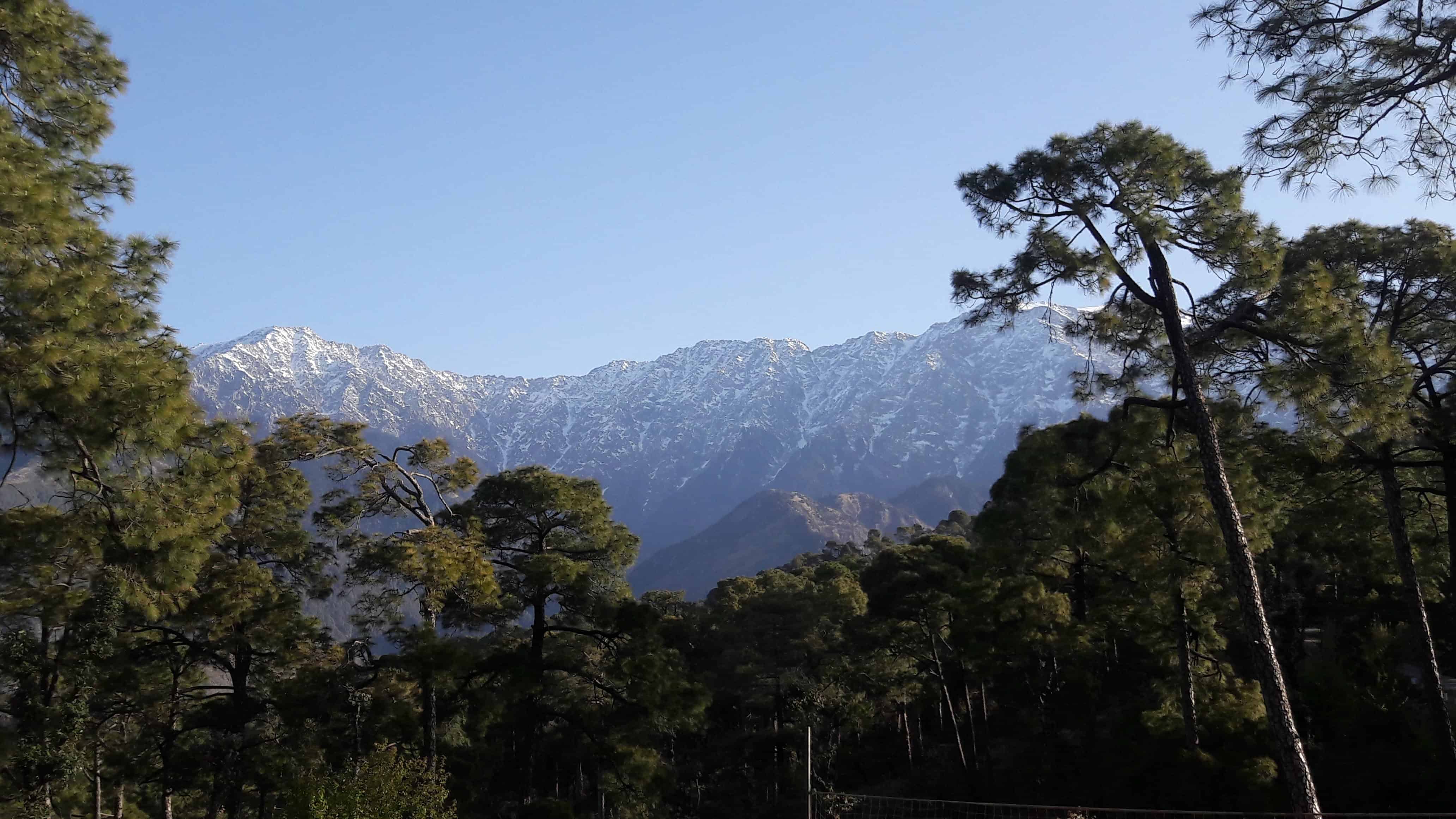
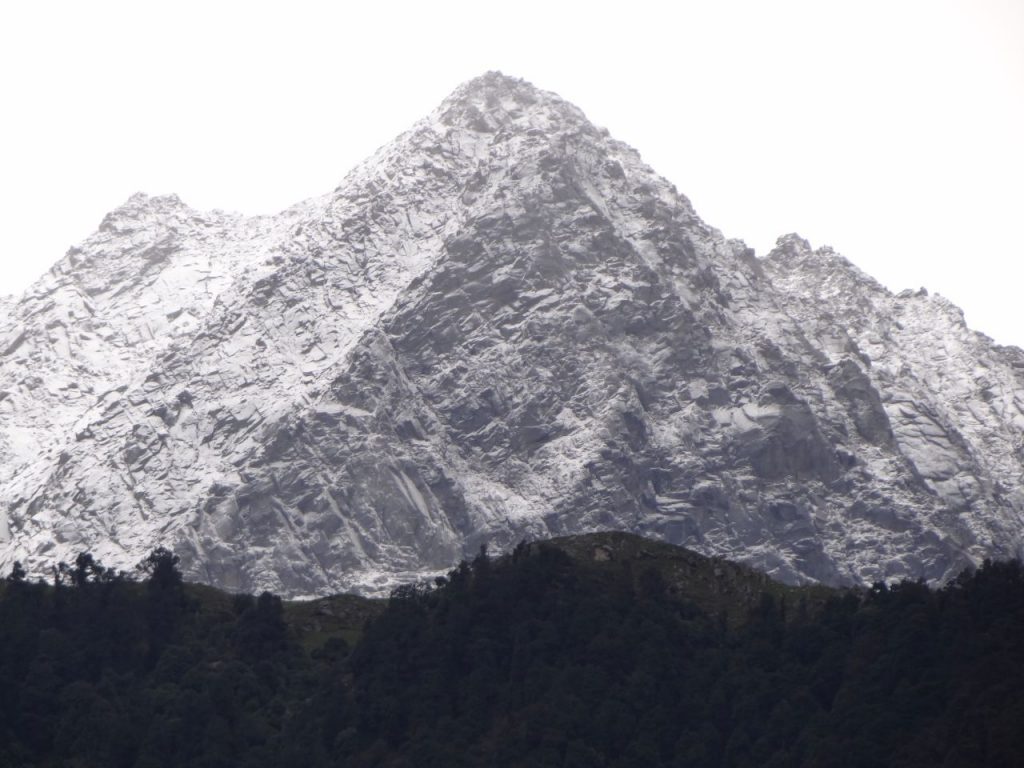
Kareri Lake sits at 9,700 ft in the Dhauladhar range, about 27 km from Dharamshala. This glacial lake, also called Kumarwah Lake, is fed by snowmelt from the Minkiani Peak and stays frozen for a good chunk of the year. The crystal-clear water reflects the sky so perfectly that you will find yourself just sitting there, staring at it for hours. The 26 km trek to reach it passes through pine forests, wooden bridges over the Nyund river, shepherd camps of the Gaddi community, and rolling alpine meadows. If you are looking for a weekend trek that is not Triund or Kheerganga, Kareri Lake is one of the best options in Himachal Pradesh.
Let's quickly dive into the details:
What Makes Kareri Lake Trek Special?
Kareri Lake does not see the kind of tourist rush that Triund or Prashar Lake gets. That is exactly what makes it worth doing. The trail follows the Nyund river (the outflow from the lake) almost the entire way, so you always have the sound of running water as company. You walk through sub-tropical pine forests in the lower stretches, and the vegetation changes to oak and rhododendron as you gain altitude. The Gaddi shepherds who use the pastures around the lake have been walking this route for generations, and their seasonal camps add a layer of cultural depth to the trek.
The lake itself is shallow and remarkably clear. At most points along the shore, you can see the lake bed. The reflection of the surrounding peaks on a calm morning is something you will remember long after the trek is done. Keep in mind, the last stretch to the lake is rocky and not well-marked, so having a rough idea of the route before you start is important.
How Difficult Is the Kareri Lake Trek?
I would rate this trek as easy to moderate. The total distance is about 26 km round trip, spread over 3 days and 2 nights. The altitude gain is from about 5,900 ft at Kareri Village to 9,700 ft at the lake, which is a comfortable gradient for anyone with basic fitness.
The trail from Kareri Village to Reoti (about 6 km) is well-defined. Local villagers have laid down stones and steps in the steeper sections. The section from Reoti to the lake (about 7 km one way) is where things get slightly tricky. The path opens up from forest into rocky grassland, and the trail markings become less obvious. First-time trekkers should either hire a local guide from Kareri Village or go with a group that knows the route.
If you have done easy Himachal treks like Triund before and want to step up slightly, Kareri Lake is a perfect next choice.
When Is the Best Time to Do the Kareri Lake Trek?
The best months are May to June and September to November. During these windows, the weather is pleasant, the trail is accessible, and the lake is not frozen. Here is a month-by-month breakdown.
March-April: Snow starts melting but patches remain on the trail. The lake may still be partially frozen. Only for experienced trekkers comfortable with snow walking.
May-June: The best window. Wildflowers are blooming, the weather is warm during the day (15-25 degrees Celsius at lower altitudes), and the lake is fully accessible. Nights at Reoti camp can still drop to 5-8 degrees.
July-August: Monsoon season. The trail gets slippery, leeches come out in numbers, and stream crossings become risky. I would avoid this period.
September-October: Post-monsoon clarity. The skies are the clearest, views of the Dhauladhar peaks are stunning, and the trail is dry. This is arguably the most photogenic time.
November-February: The lake freezes over and heavy snowfall blocks the upper trail. Winter treks to Kareri are possible but require proper snow gear (crampons, ice axe, layered clothing) and prior experience with snow trekking.
How to Reach Kareri Village from Dharamshala?
The trek starts from Kareri Village, which is about 27 km from Dharamshala. The drive takes about 1.5 hours via Ghera village. Here is how you get to Dharamshala first, and then to the trailhead.
Reaching Dharamshala
By Air: Gaggal Airport (Kangra Airport) is 13 km from Dharamshala. SpiceJet and Air India operate flights from Delhi. Alternatively, fly into Chandigarh Airport (275 km from Dharamshala) which has better connectivity and cheaper fares.
By Train: The nearest major railhead is Pathankot (85 km from Dharamshala). Multiple overnight trains from Delhi stop here, including those heading to Jammu. From Pathankot, take a bus or taxi to Dharamshala (3-4 hours).
By Road: Dharamshala is 525 km from Delhi ISBT. Take an overnight HRTC or private bus. The journey takes 12-13 hours. Some buses go directly to McLeod Ganj, which is slightly closer to Kareri Village. HRTC Volvo fare is around Rs 1,200-1,500 from Delhi.
Dharamshala to Kareri Village
By Taxi: Hire a cab from Dharamshala bus stand to Kareri Village. The fare is Rs 800-1,000 for a group of 4-6 people (one way). The drive takes about 1.5 hours.


By Local Bus: HRTC buses run from Dharamshala to Ghera village at 8:30 AM, 1:15 PM, 3:15 PM, and 6:15 PM. The fare is about Rs 50, and the journey takes 1.5 hours. From Ghera, you walk about 2 hours to reach Kareri Village. This is the budget-friendly option.
If you are coming from Chandigarh, you can also reach Dharamshala via Palampur or Bir. Taxis are available from all major towns in the Kangra region.
What Is the Day-by-Day Itinerary for Kareri Lake Trek?
The standard Kareri Lake trek takes 3 days and 2 nights. Here is the day-by-day breakdown that most trekkers follow.
Day 0: Delhi to Dharamshala (Overnight Journey)
Leave Delhi in the evening by bus and reach Dharamshala by morning. If you arrive early, use the time to stock up on supplies, withdraw cash, and arrange transport to Kareri Village. You can also spend a few hours exploring McLeod Ganj before heading to the trailhead.
Day 1: Kareri Village to Reoti (6 km, 4-5 hours)
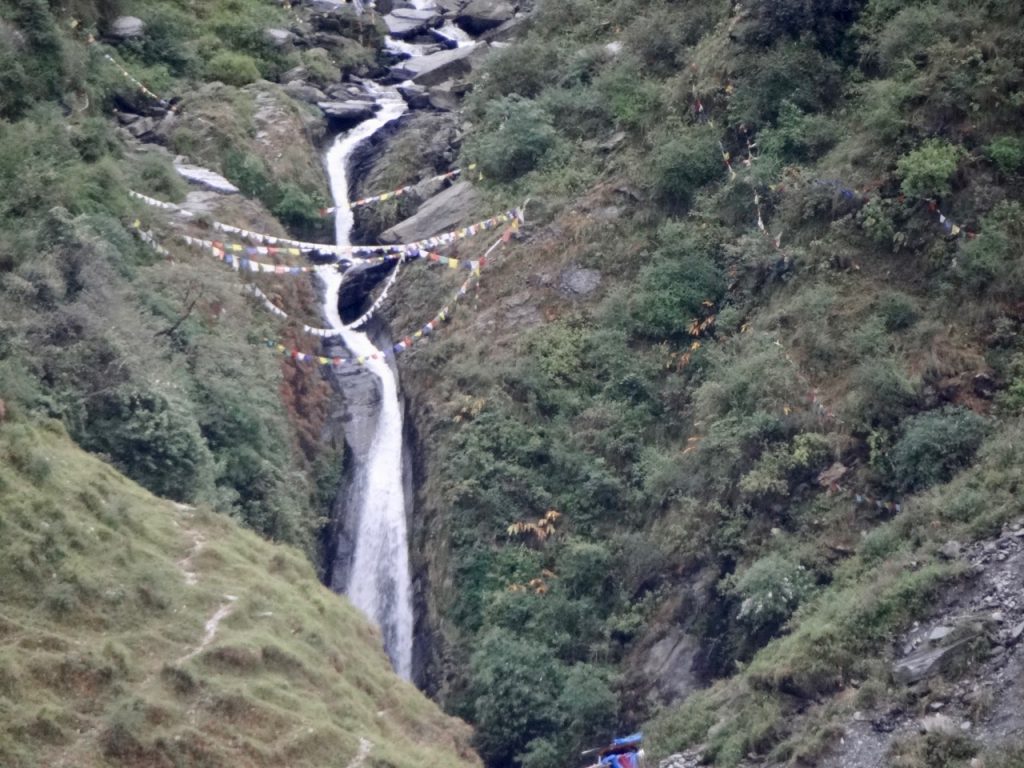
Start the trek from Kareri Village (5,900 ft). The trail begins gently through pine and broadleaf forests. The Nyund river runs alongside for most of this section. About 3 km in, you will cross the Nolli Bridge, a wooden bridge that is quite a highlight of the trek. There is a small chai-Maggi shack near the bridge, and it makes for a good break point.
After the bridge, the trail re-enters the forest and gets steeper in sections. You will cross another bridge over the Nyund nallah about halfway through. The birdsong in this stretch is constant, and if you are lucky, you might spot some Himalayan bird species that the Dhauladhar range is known for.
You reach Reoti by late afternoon. There are a couple of shacks here that serve basic meals (dal-rice, Maggi, chai) and rent out camping equipment. Tents are available on sharing basis, and sleeping bags cost about Rs 100 per night. Pitch your tent, have dinner, and rest up for the next day’s push to the lake.
Day 2: Reoti to Kareri Lake and Back (14 km round trip, 7-8 hours)
Start early, ideally by 6 AM. This is the longest day and you need all the daylight you can get. About 15 minutes after leaving Reoti, you will spot a small Shiv temple on the trail.
The landscape changes dramatically as you leave the forest behind. The dense conifers give way to rocky grasslands along the Nyund river, which becomes your guide for the rest of the route. The last 2 km before the lake are the trickiest. The trail is not well-defined, the terrain is rocky, and since the lake sits close to the snow line, you might encounter snow patches depending on the season.
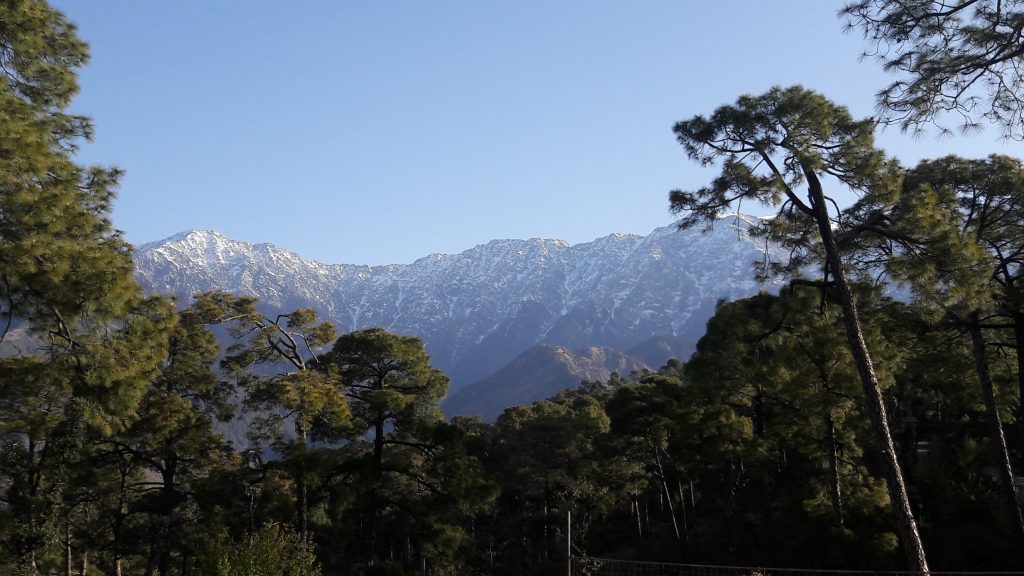
Once you reach the lake (9,700 ft), take your time. The views are worth every step. The glacial water is crystal clear, and the Dhauladhar peaks rise sharply behind the lake. If you have energy, Gajj is about 30 minutes from the lake and worth a short excursion.
Head back to Reoti by late afternoon. While some trekkers pitch tents at the lake, temperatures drop sharply after sunset (close to freezing even in summer), so I would recommend returning to Reoti as your base camp for the night.
Day 3: Reoti to Kareri Village (6 km, 3-4 hours)
The descent is faster than the climb. Pack up your camp, have breakfast, and head back down the same trail to Kareri Village. From there, take your pre-arranged taxi back to Dharamshala, or walk to Ghera for a bus.
How Much Does the Kareri Lake Trek Cost?
The cost depends on whether you go DIY (on your own) or with a trekking operator. Here is a breakdown for both options as of 2026.
DIY Budget (per person, approximate):
| Expense | Cost (INR) |
|---|---|
| Delhi to Dharamshala (HRTC Volvo, one way) | Rs 1,200-1,500 |
| Dharamshala to Kareri Village (shared taxi) | Rs 150-200 per person |
| Tent rental at Reoti (2 nights) | Rs 400-600 |
| Sleeping bag rental (2 nights) | Rs 200 |
| Meals at shacks (3 days) | Rs 600-800 |
| Return transport | Rs 150-200 |
| Total DIY (one way transport) | Rs 2,700-3,500 |
With Trekking Operator (per person): Organized treks typically cost Rs 1,500-4,000 per person. This usually includes a guide, camping equipment, meals, and sometimes transport from Dharamshala. Operators like those in McLeod Ganj offer packages starting from Rs 1,499 for a 2-day/1-night version.
Keep in mind, there are no ATMs in Kareri Village or Ghera. The nearest ATM is in Dharamshala. Nobody accepts UPI or digital payments on the trail, so carry enough cash for the entire trek.
What Should You Pack for the Kareri Lake Trek?
Packing right can make or break your trek experience. Here is what I recommend carrying.
Essentials: Sturdy trekking shoes with good ankle support, a 40-50 litre backpack, 2 water bottles (there are stream sources on the trail, but carry a purifier), a headlamp or torch, sunscreen (SPF 50+), sunglasses, and a basic first-aid kit.
Clothing: 3 layers work best. A moisture-wicking base layer, a fleece or down jacket for evenings, and a waterproof outer layer. Even in May-June, evenings at Reoti can drop to 5-8 degrees Celsius. Carry a warm cap and gloves for the early morning push to the lake.
Food: The shacks at Nolli Bridge and Reoti serve basic meals, but carrying dry snacks (trail mix, energy bars, biscuits) is a good idea. You do not want to depend entirely on the shacks, as they sometimes close on low-traffic days.
Navigation: Download offline maps before starting the trek. Mobile network drops out completely once you are past Kareri Village. BSNL has weak, intermittent signal in the village itself, but nothing beyond that. Jio and Airtel do not work here.
For a detailed packing checklist, check out this trekking essentials list.

Do You Need a Permit for Kareri Lake Trek?
The Kareri Lake trail passes through the Dhauladhar Wildlife Sanctuary. As of 2026, a Forest Entry Permit is required and can be obtained from the Forest Department office in Dharamshala or McLeod Ganj. The process is straightforward and usually takes 30-60 minutes. Carry a valid photo ID (Aadhaar or voter ID works).
If you are going with an organized trekking group, the operator usually handles the permit on your behalf. For solo or DIY trekkers, get it sorted the day before you start the trek. It is best to check with the Forest Department for the latest permit requirements, as rules can change seasonally.
What Are the Camping Options on the Kareri Lake Trek?
There are two main camping spots on this trek.
Reoti (7,500 ft): This is where most trekkers camp for both nights. A couple of seasonal shacks operate here from May to October, offering tent rentals, sleeping bags, and meals. The campsite sits in a meadow next to the Nyund river. It is sheltered by trees and reasonably comfortable. Expect to pay Rs 200-300 per tent per night and Rs 100 per sleeping bag.
Kareri Lake (9,700 ft): Some trekkers camp at the lakeshore. The views are stunning, but the temperature drops to near-freezing even in summer (May-June). There are no shacks or facilities here, so you need to carry your own tent, sleeping bag, and food. I would only recommend lakeside camping if you have cold-weather camping experience and proper gear.
If you do not want to carry camping gear, the shacks at Reoti rent everything you need. Just confirm availability beforehand, especially during peak season (May-June and October).
What Safety Tips Should You Follow?
Kareri Lake trek is generally safe, but the Himalayas demand respect. Here are a few things to keep in mind.
Altitude: The highest point is 9,700 ft. Altitude sickness is unlikely at this elevation, but if you are coming directly from sea level and rushing the ascent, headaches and mild nausea can happen. Stay hydrated and do not skip meals.
Weather: Mountain weather changes fast. Even on a clear morning, rain or hail can hit by afternoon. Always carry a rain jacket or poncho. In case you get caught in bad weather between Reoti and the lake, turn back. There is no shelter on that stretch.
Water crossings: The Nyund river crossings are usually manageable on the wooden bridges, but during monsoon or heavy rain, water levels rise significantly. Never attempt to cross a flooded stream.
Wildlife: The Dhauladhar range is home to bears and leopards, though sightings on this trail are rare. Make noise while walking, especially in densely forested sections. Do not leave food outside your tent at night.
Communication: As mentioned, there is zero mobile network beyond Kareri Village. Inform someone about your trek plan and expected return date before you start. If you are trekking solo, consider carrying a power bank and a whistle for emergencies.
For more tips on responsible trekking in the Himalayas, check out this guide.
Can You Extend the Trek Beyond Kareri Lake?
Yes. Experienced trekkers sometimes extend the Kareri Lake trek to include the Minkiani Pass (12,320 ft), which connects the Kareri basin to the Lam Dal lake on the other side. This adds 2-3 more days and significantly increases the difficulty. The Minkiani Pass requires technical climbing gear and should only be attempted with an experienced guide.
Another option is the Baleni Pass route, which connects Kareri Lake to the Chamba Valley. This is a multi-day trek and is rarely attempted, making it a truly offbeat experience for seasoned trekkers.
For most weekend trekkers, the standard 3-day Kareri Lake trek is more than enough to get a fulfilling Himalayan experience.
Practical Information at a Glance
| Detail | Information |
|---|---|
| Trek Distance | 26 km (round trip) |
| Duration | 3 days / 2 nights |
| Highest Point | 9,700 ft (2,950 m) at Kareri Lake |
| Base Camp | Kareri Village (5,900 ft / 1,800 m) |
| Difficulty | Easy to Moderate |
| Best Time | May-June, September-November |
| Nearest Town | Dharamshala (27 km) |
| Nearest Airport | Gaggal/Kangra Airport (13 km from Dharamshala) |
| Nearest Railway Station | Pathankot (85 km from Dharamshala) |
| Mobile Network | None beyond Kareri Village (BSNL spotty in village) |
| ATM | Nearest in Dharamshala |
| Permit | Forest Entry Permit from Dharamshala |
Last Updated: March 2026
Frequently Asked Questions
Can a first-time trekker do the Kareri Lake trek?
Yes. The Kareri Lake trek is rated easy to moderate and is suitable for first-timers with basic fitness. The trail to Reoti is well-defined. The stretch from Reoti to the lake is less marked, so first-timers should consider going with a local guide or an organized group. If you can walk 6-7 km on hilly terrain without getting winded, you will manage this trek.
Is a guide necessary for the Kareri Lake trek?
A guide is not strictly necessary for the Kareri Village to Reoti section, as the trail is clear. However, for the Reoti to Kareri Lake section, the trail gets vague in parts, especially near the rocky grasslands. If this is your first time in the Dhauladhars, hiring a local guide from Kareri Village (Rs 500-800 per day) is worth the peace of mind.
Can you do the Kareri Lake trek in winter?
You can, but it is a completely different experience. The lake freezes over from December to February, the trail gets covered in snow, and temperatures drop well below freezing. You will need crampons, an ice axe, proper layered clothing, and experience with snow trekking. The shacks at Reoti are closed in winter, so you must carry all your food, gear, and tent.
Is Kareri Lake trek suitable for families with children?
Children above 10-12 years who are active and used to walking can handle the trek to Reoti. The full push to Kareri Lake is more demanding and might not be suitable for younger kids. Families with children should plan an extra day to avoid rushing the itinerary.
What food options are available on the trek?
There are seasonal shacks at Nolli Bridge (about 3 km from Kareri Village) and at Reoti campsite that serve basic food like dal-rice, Maggi, chai, and omelettes. These shacks operate from May to October. Beyond Reoti towards the lake, there are no food options at all. Always carry dry snacks and enough water for the day’s trek.
How do I get a tent and sleeping bag for the trek?
Tents and sleeping bags can be rented at Reoti campsite from the shack operators. Sleeping bags cost about Rs 100 per night. Tents cost Rs 200-300 per night on a sharing basis. You can also rent camping gear from shops in McLeod Ganj before starting the trek. If you are going with a trekking operator, equipment is usually included in the package.
Is mobile network available on the Kareri Lake trek?
No. Mobile network coverage drops to zero once you leave Kareri Village. BSNL has a weak, intermittent signal in the village itself, but Jio and Airtel do not work. There is no signal at Reoti or at the lake. Download offline maps before you start, and inform your family about your trek plan and expected return date.
What is the nearest hospital to the Kareri Lake trek?
The nearest hospital is the Zonal Hospital in Dharamshala, about 27 km from Kareri Village. There are no medical facilities on the trail. Carry a basic first-aid kit with bandages, antiseptic, ORS packets, and any personal medication you need.
The Kareri Lake trek is one of those Himalayan weekenders that gives you a lot without demanding too much. It is not overcrowded, the trail is scenic from start to finish, and the lake at the end makes every steep section worth it. If you are planning a trek near Dharamshala that goes beyond the usual Triund crowd, put Kareri Lake on your list. Feel free to drop a comment if you have questions about the route or planning. I will try to get back to you as quickly as I can 🙂
If you enjoyed reading this, you might also like these related guides.
